See at Decantalo →
Wine tasting
🍷 This site features wines
This content concerns alcoholic beverages. Please confirm that you are of legal drinking age in your country of residence.
Alcohol abuse is dangerous for your health. Consume in moderation.
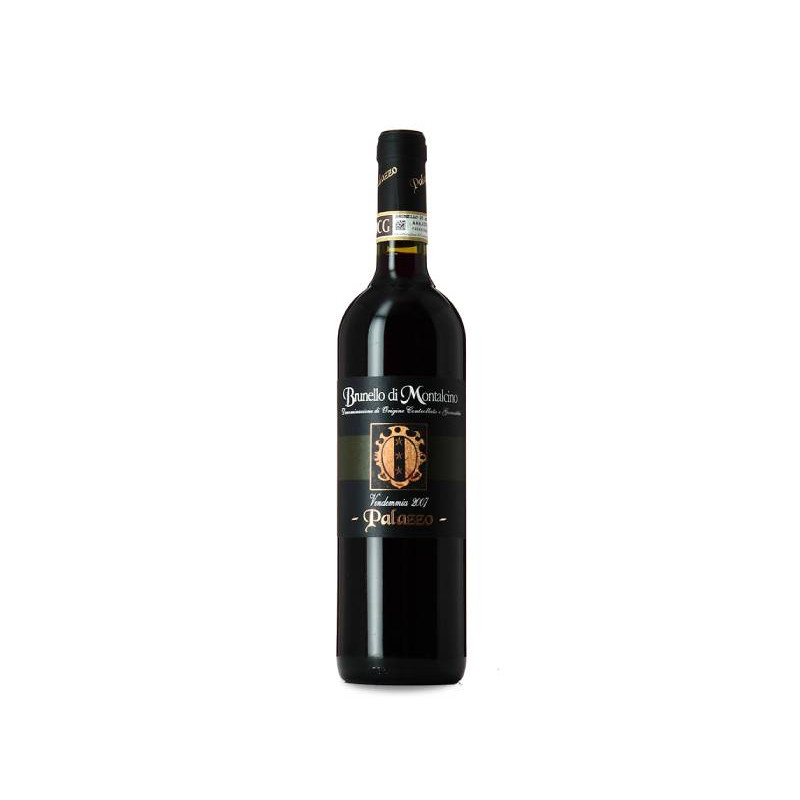
The wine
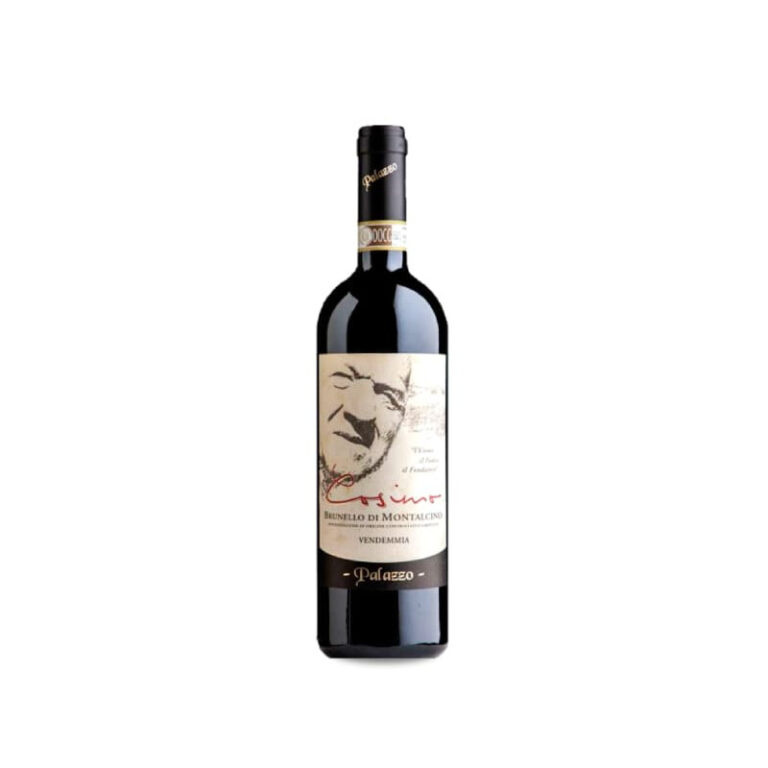
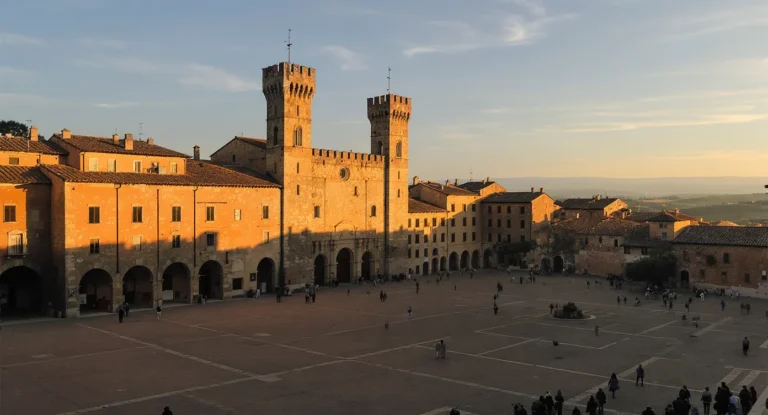
I take away from this 2019 Brunello a close link between a grape variety, a place and a long aging: the Sangiovese comes from a plot in Montalcino and matures thirty-six months in large oak containers. If you are looking for a Tuscan red whose personality rests as much on family work as on the time spent in the cellar, this bottle deserves your attention.
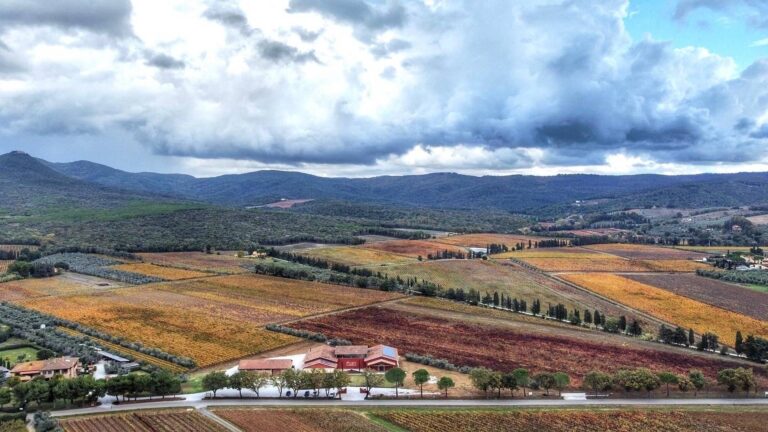
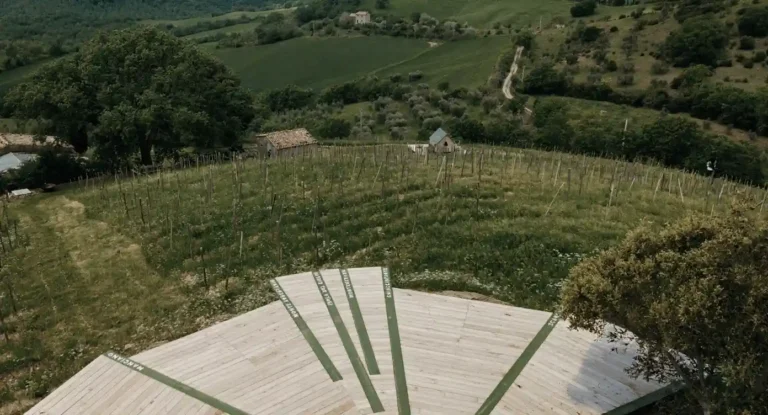
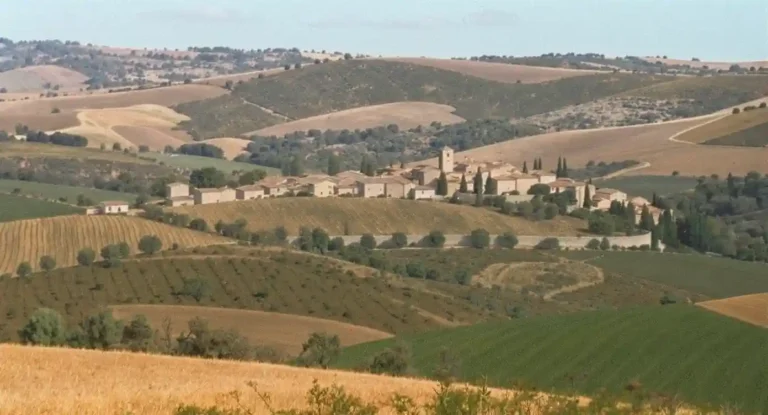
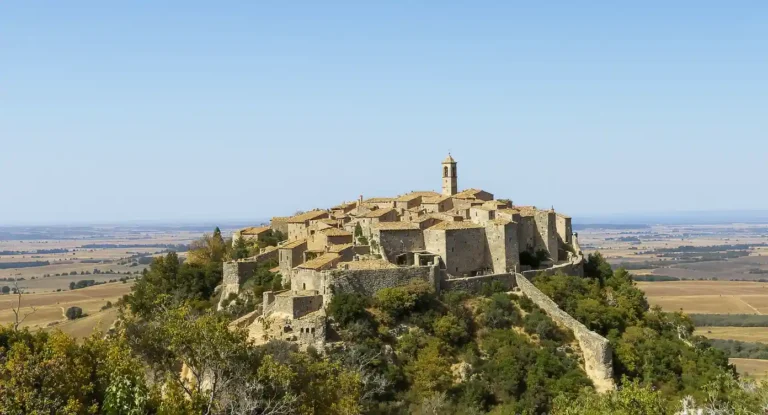
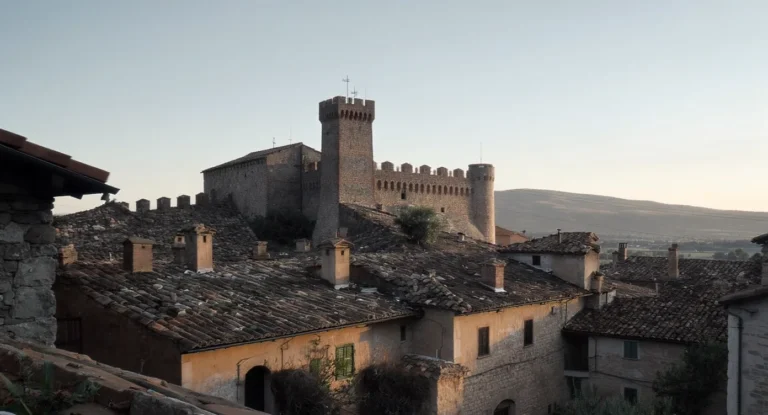
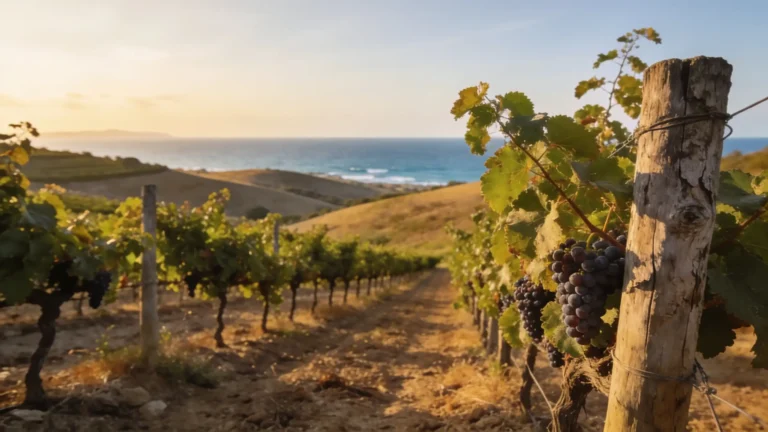
The history of Palazzo takes a turn in 1983, when Cosimo Loia acquires the estate, whose name is that of his wife. He then sets about renovating the 18th-century Tuscan farmhouse while keeping its original structure. Since 1986, the Loia-Palazzo family has worked eleven hectares of vineyards and follows the various stages of production, from cultivation to aging. The 2019 Brunello comes more precisely from a three-hectare vineyard, located at 320 meters above sea level, in the DOCG Brunello di Montalcino appellation.
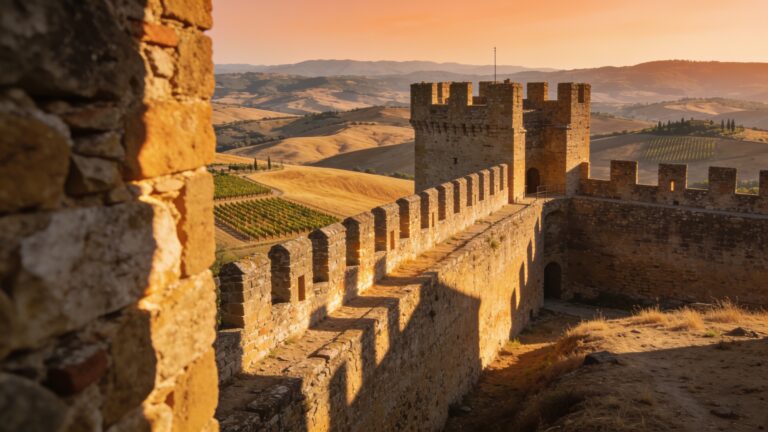
The soils combine marl, limestone and clay, on a base of rock layers. The vines are farmed with fertilizers and pest control products suited to organic agriculture. The harvest is done by hand, in crates, with a selection of grapes directly in the plot. The grape variety indicated is Sangiovese. In the cellar, the grapes ferment in stainless steel tanks of 40 to 50 hectoliters; maceration lasts about eighteen to twenty days, at a controlled temperature of 30 °C. The wine then spends thirty-six months in oak containers of 20 to 25 hectoliters before bottling. The estate's production remains limited to 25,000 bottles per year.
The available information does not precisely describe the color, the nose or the palate aromas: I therefore prefer not to attribute to it notes of fruit, spice or undergrowth that are not documented. The communicated profile nevertheless places the wine at six out of nine on the scale from fruity to spicy, and at six out of nine for body, from light to full. It sits at four out of nine on the axis from young to oaky. These markers suggest a balance in which fruit and structure matter, without reducing the wine to the mark of the barrel alone. The extended aging is a concrete fact; on its own, it is not enough to describe the whole tasting.
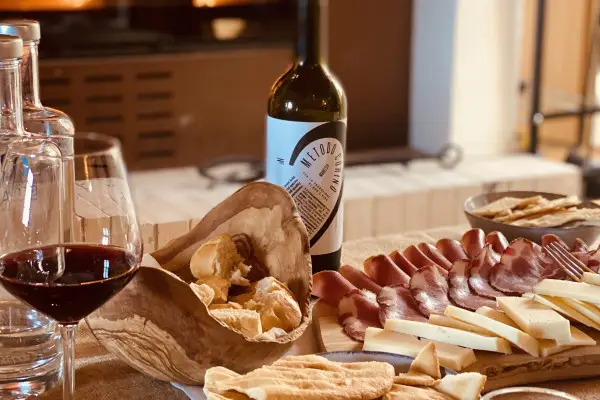
I would serve this Brunello with red meat or game, pairings suggested for this wine and consistent with its profile as a red aged in wood. A roast, or a braised dish served without an overly powerful sauce, will leave room for the Sangiovese and the wine's texture. Open the bottle at a meal where you can take the time to taste it, rather than in passing over a hurried glass. For a first encounter with Palazzo, the 2019 vintage thus offers a precise view of the estate: an identified plot, manual work and thirty-six months of aging.

To read
 Français Français
 Italiano
 English
 Polski
 Português do Brasil
 Nederlands
 Español
 Deutsch