










Do you really believe that Tuscany boils down to the gentle hills of Chianti and the queues in front of the Uffizi Gallery? Two hours to the south, another Italy awaits you, mineral and wild, far from the postcards.
Massa Marittima n’est pas un décor. C’est une ville-mémoire, une cité médiévale construite sur des siècles d’histoire minière, qui domine une Maremma encore largement méconnue. Cet itinéraire de 2 jours est conçu pour ceux qui veulent ralentir et découvrir une Toscane où l’authenticité n’est pas un slogan marketing. On parle ici de slow tourisme dans son sens le plus concret : prendre le temps de descendre dans les galeries des anciennes mines de pyrite, de déchiffrer les symboles alchimiques de la cathédrale romane, et de se perdre sur les routes de campagne où le temps semble s’être arrêté.
Here, it is not a trend, but a necessity. The distances are short, but the roads winding. The sites must be earned. It is a pace that favors the quality of immersion over the quantity of boxes ticked on a list.
This program works perfectly from April to June, and again in September and October, when the light is beautiful and the heat bearable for walking. Summer can be stifling inland. The logical starting point is Grosseto, but from Rome or Pisa, allow about 2h30 of driving. A car is essential.
Visiting Massa Marittima in 2 days: the medieval heart of the Maremma

Massa Marittima
A medieval mining town still surrounded by its walls, with the Piazza Garibaldi, the fresco of the Tree of Fertility and an underground mining museum 700 meters long

Tosco For such a pious medieval city, coming face to face with this fresco of the Tree of Fertility and its very particular «fruits» is always surprising: keep your eyes open, you won't see anything as uninhibited anywhere else in Tuscany!
Massa Marittima is not a quick stop. It is a concentrate of medieval Maremma, perched on its hill, which must be taken the time to explore on foot. The historic center is small but dense — plan on good shoes for the cobblestones and the climbs. Here, mining history and Sienese art intersect on a single square.
Gare aux zones ZTL. Le parking le plus pratique est le Parcheggio di Via Norma Parenti, à 5 minutes à pied de la Piazza Garibaldi. Compte 1,50 €/heure.
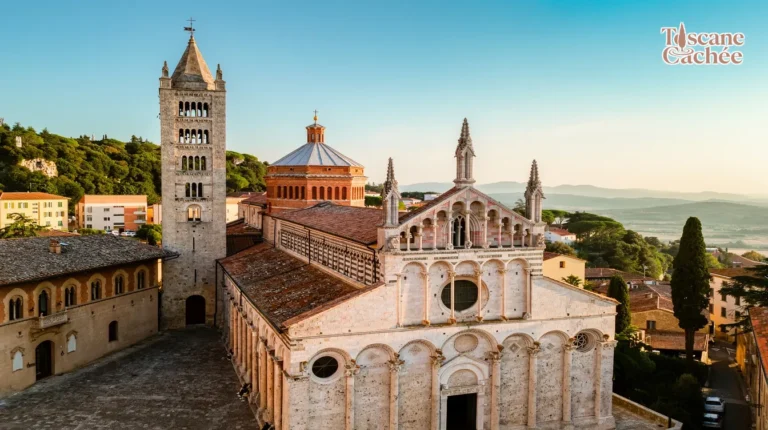
Piazza Garibaldi and the Cathedral of San Cerbone
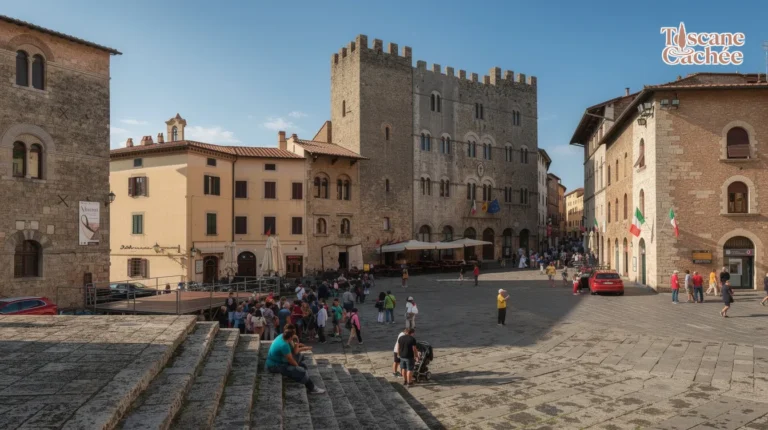
Piazza Garibaldi
Place triangulaire réunissant la cathédrale romane, le Palazzo del Podestà du XIIIe siècle et la Fonte Pubblica à l'Albero della Fecondità, dans un centre médiéval intact
Tosco Look closely at the cathedral's layout: the fact that it is set diagonally and raised up completely breaks with classic Tuscan conventions, giving a stunning perspective not found anywhere else on the site!
Start here. The square is the nerve center, surrounded by medieval palaces and cafés. The tip: arrive before 10am to get the morning light on the cathedral facade. The Cathedral of San Cerbone mixes Romanesque and Gothic — look at the central portal and its bas-reliefs of the saint's life. Inside, it's austere and solemn. Allow a good hour to visit without rushing.
The Maestà by Ambrogio Lorenzetti at the Museo Civico


Palazzo del Podestà — Archaeological Museum
The Palazzo del Podestà, a 13th-century palazzo with a travertine façade, houses the Giovannangelo Camporeale archaeological museum: Etruscan collections from Vetulonia and the stele of Vado all'Arancio, in the heart of Massa Marittima

Tosco My secret tip: first visit the open-air excavations on the shores of Lake Accesa before coming to see their treasures here, it makes the collection a thousand times more alive!
The Museo Civico is housed in the Palazzo del Podestà, on the same square. Go up to the first floor for the Maestà by Ambrogio Lorenzetti. It's a monumental painted panel, a masterpiece from 1335 that once dominated the council chamber. Take the time to decipher the details — the Virgin in majesty, the saints, the donors. The work alone sums up the power and piety of 14th-century Massa. The museum closes at 1pm, then reopens in the afternoon — check the hours on site.
For lunch, avoid the terraces directly on the square — often overrated. Instead, head down into one of the adjacent alleyways to find a trattoria with more local dishes, like pici with wild boar.
This cultural itinerary pairs perfectly with an autumn exploration of the Maremma, when the light is low and the villages are quieter.
2 major sites between mines and hydraulic engineering
After lunch, head to two sites that reveal the other face of Massa Marittima: its industrial past and its medieval technical ingenuity. Allow 2.5 to 3 hours for both, not counting the walking.
The underground galleries of the Museo delle Miniere
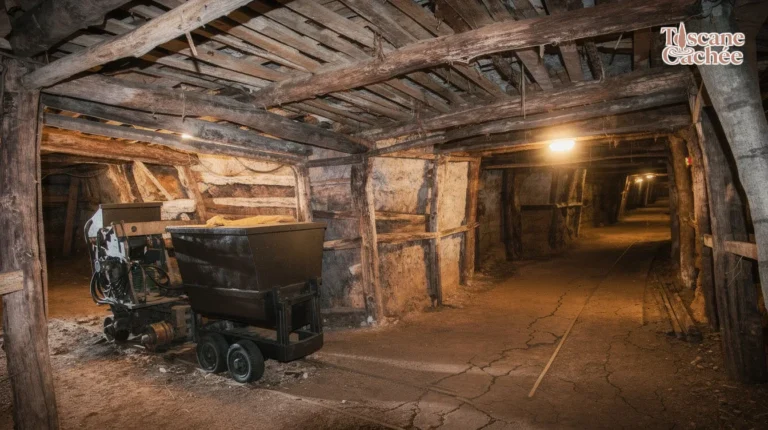
Museo delle Miniere
Here, a 1h15 guided tour covers 700 m of recreated galleries at 14°C, from Etruscan copper to 20th-century pyrite, with minerals and the social history of miners on the surface
Tosco Even if the Tuscan heatwave is blazing outside, don't forget to bring a light sweater: suddenly going down to 12°C underground always comes as a surprise!
The Museo delle Miniere is a 5-minute walk from the center, toward the Porta alle Silici. Arrive before 2:30pm to have time to take the guided tour — departures are fixed and spaced out. The tour lasts about 1 hour 15 minutes and takes you through 700 meters of reconstructed tunnels. Constant temperature of 14°C, even in summer — bring a light jacket.
A mountain range rich in ores (copper, pyrite, silver) mined from the Etruscans until the 20th century. Massa Marittima was its mining capital.
You'll see the miners' tools, the rail-mounted carts, and understand why this activity shaped the local economy. No reservation needed on weekdays outside July-August.
The Fonti dell'Abbondanza and the fertility fresco
Head back up to the center via via Moncini to the Fonti dell'Abbondanza — a 10-minute walk. This 13th-century medieval cistern supplied the town with water. The rainwater collection system is still visible.
But what catches the eye is the Tree of Fertility fresco on the gable — a fig tree laden with phallic fruits. Medieval symbolism linked to prosperity and fecundity. Access is free, all day.
These two sites are easy to visit in the afternoon and immerse you in the town's pragmatic history, far from purely aesthetic clichés. If you want to extend the technical theme, drive in Italy also requires a certain logistics — especially for the ZTLs.
Climbing high between Torre del Candeliere and Cassero Senese

Torre del Candeliere and Cassero Senese
Tower of 1228 truncated by the Sienese in 1335 and connected to the Cassero by a 21 m arch, with views over the gulf of Follonica and the island of Elba from the top

Tosco Crossing this suspended arch more than 21 meters above the void gives a real thrill, so keep your eyes wide open: in clear weather, the view stretches all the way to Elba Island!
After the coolness of the religious buildings, climb up. The view over Massa Marittima and the surrounding Maremma is earned with a walk up through the Città Nuova. The defensive complex, which links the Sienese tower to the fortress, is the strategic vantage point.
Park your car in the large free parking lot at the bottom of the upper town (Piazzale Giuseppe Mazzini). Access to the tower is then on foot via the climbing alleyways — absolutely avoid venturing into the small streets of the old town by car, often ZTL zones.
The panorama from the tower and the senese arch-bridge
The Torre del Candeliere, dating from the 13th century, is what remains of the first defensive system of the republic of Massa. The Sienese, after conquering the city in 1335, built the Cassero Senese and linked it to the existing tower with a daring arched bridge. Climb the tower's stairs: the 360-degree view takes in the entire medieval town below and, in the distance, the hills of the Maremma all the way to the sea on clear days. The military architecture is palpable here — the arch was a protected passage for soldiers between the two strongholds.
The atmosphere of the Città Nuova and the church of Sant'Agostino
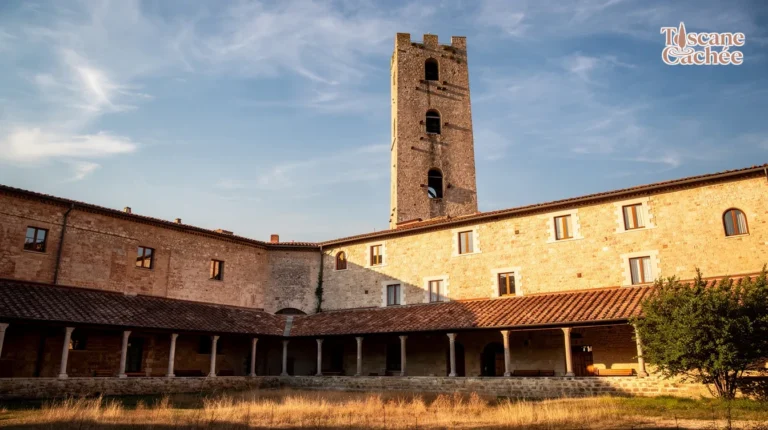
Sant'Agostino Church
Gothic church of the 14th-15th centuries with a white travertine façade and ogival portal, in the upper Città Nuova of Massa Marittima
Tosco Everyone stops at the cathedral at the bottom, but make the effort to climb up to the Città Nuova: the unadorned nave of Sant'Agostino and its grand Gothic arches are well worth the little climb!
Head back down to the Città Nuova via the sloping alleyways. This district, developed in the 14th and 15th centuries, has an airier atmosphere than the overcrowded historic centre. You pass the church of Sant'Agostino, a fine example of Tuscan Gothic architecture with its travertine façade. The sober interior contrasts with the cathedral. It's a quick, quiet stop if you're looking for a bit of calm. The stroll through these alleyways is pleasant in the late afternoon, when the light caresses the stones.
If you're travelling in autumn, note that the area around Massa Marittima takes part in the chestnut festival on Mount Amiata, a typical village atmosphere.
Wild immersion in the Metalliferous Hills and Lake Accesa
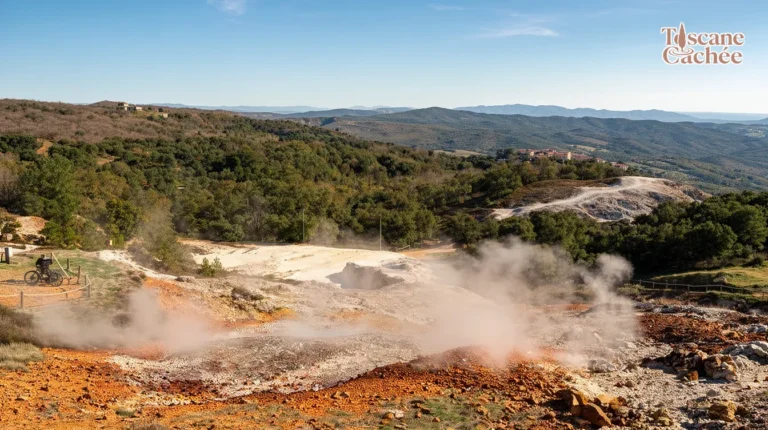
Colline Metallifere
The Colline Metallifere is a UNESCO Global Geopark where 3,000 years of mining activity coexist with holm oak woods and wild fauna
Tosco If you pass by there, don't settle for the surface mines: absolutely go down into the galleries of Gavorrano with a helmet, the thermal contrast with the heat of the Maremma is striking!
Leave the historic centre and head southeast towards the Metalliferous Hills. In a 15-minute drive, you completely change worlds: no more medieval palaces, but holm oak forests and Mediterranean scrub smelling of thyme and juniper. Bring closed shoes — the terrain is stony and snakes (harmless) like to warm themselves in the sun on the trails.
Park in the small dusty roadside parking area near the lake — there is no official parking zone, but cars naturally line the shoulder. Avoid blocking farm access points.
Hiking and biodiversity of the Mediterranean maquis
The trail makes a 5 km loop around the lake. Allow 1.5 hours without breaks. In spring, the flora explodes: flowering downy cistus, wild rosemary, strawberry trees. The viewpoints over the Maremma open up after 20 minutes of walking — you overlook the hills all the way to the coast. Bring water, there is no refreshment point along the route.
The Etruscan remains on the shore of Lake Accesa
The Etruscan archaeological site is on the north shore. Free access, explanatory signs in Italian and English. You will see the foundations of dwellings and an ancient well — it's minimalist, but the wild setting gives the place all its power. Swimming in the lake itself is forbidden (nature reserve), but the emerald colour of the water is worth the trip.
If you're there in autumn, the surrounding forest is full of mushrooms — but picking is regulated, check at the town hall.
Where to sleep and eat for an authentic stay?
To capture the essence of this territory, the accommodation and dining must reflect its rural character and local produce. Forget downtown hotels. Here, the stay goes through a agriturismo and local farm products.
To have the choice and the best prices, book your agriturismo several months in advance, especially for a spring/autumn weekend. Our guide on when to book your agriturismo in Maremma gives you all the key dates.
A night at Agriturismo Tesorino
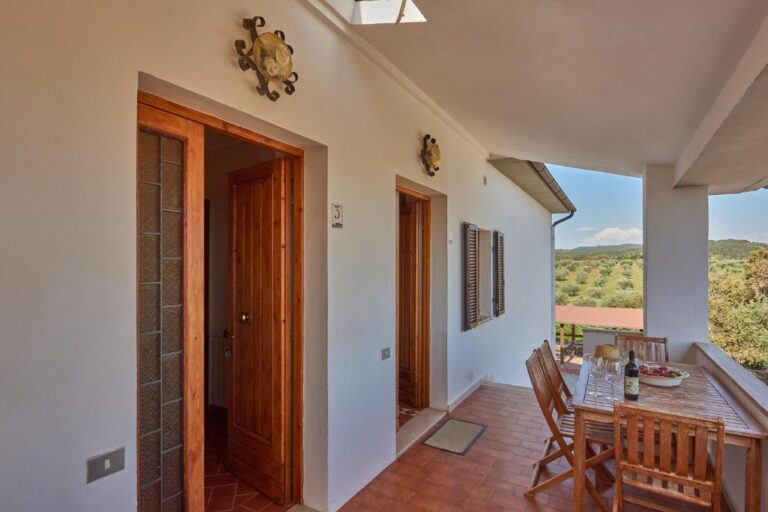
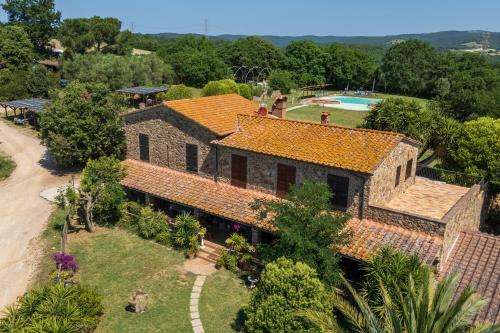
The’Agriturismo Tesorino is a solid option for this itinerary. Its rural setting, among olive trees and vines, perfectly matches the spirit of the "unexpected Maremma". The amenities are those of a classic good Tuscan agriturismo: simple but clean rooms, often with a view of the countryside, breakfast with homemade products, and a pool to cool off after a day of sightseeing. It is a practical base, only a few kilometers from Massa Marittima, allowing you to start your day early without wasting time on travel.
Agriturismo Tesorino
- Swimming pool
- Estate wine
- Sea view
Family-run agriturismo of 50 hectares among vineyards, olive trees and holm oaks, with wine produced on site, pool and sea view, near Massa Marittima
 Agoda
Wild boar specialties and culinary traditions
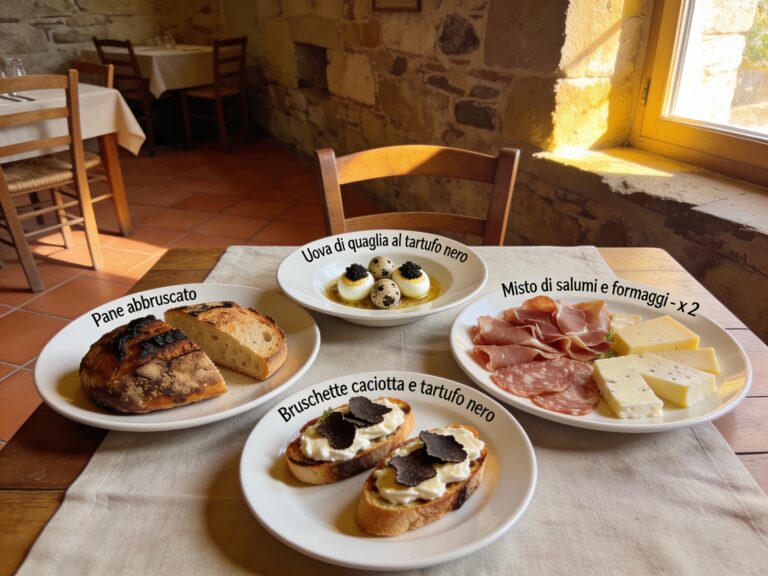
The table is a pillar of the experience. The meat of wild boar (wild boar) is the undisputed star, simmered in stew (cinghiale in umido) or served with wide pappardelle. It is a powerful, gamey taste that tells the story of the Maremma woods.

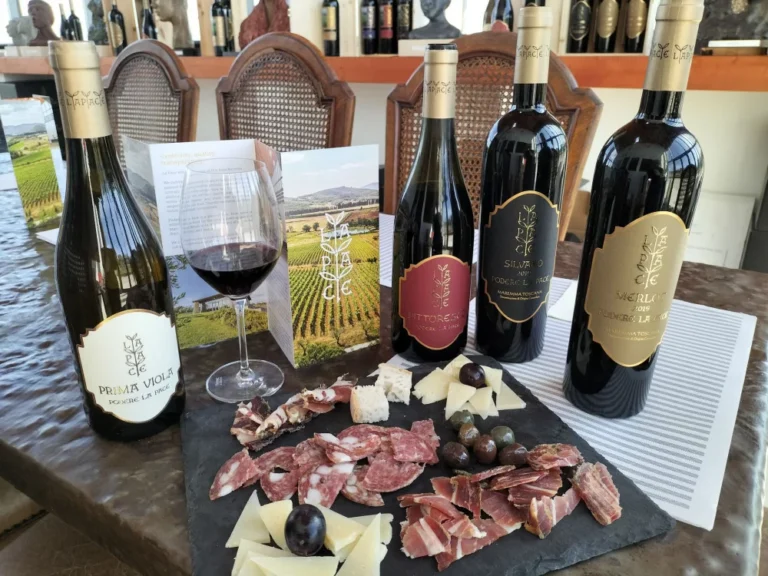
The culinary traditions also showcase fresh homemade pasta, seasonal vegetables and sheep's cheeses. For artisanal products, look for olive oil from the Metalliferous Hills, chestnut honey and aged pecorino. You can find them directly at your agriturismo farm or in small producer shops (azienda agricola) along country roads.
- At the table : favor trattorias outside the ramparts, where the menu changes little and the customers are locals.
- At the festival : in autumn, the sagre (village festivals) celebrate wild boar, such as the Sagra del Cinghiale in Capalbio.
- By buying : look for "vendita diretta" (direct sale) signs on the roads.

Our recommended agriturismos in Massa Marittima
Agriresort La Colombaia
- Swimming pool
- Breakfast
- Table for dining on-site
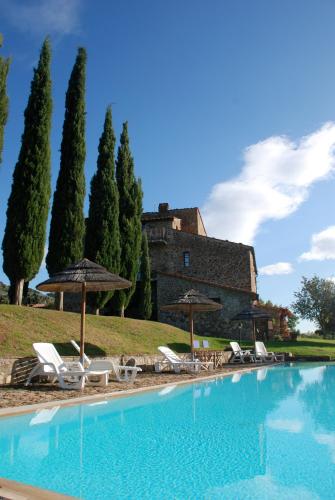
Agriresort de campagne dans une bâtisse du XVIIe rénovée en 2020, avec piscine, restaurant et vin propre au milieu des oliviers et vignes de l'Alta Maremma
 Booking.com
Agriturismo & Winery Tenuta Casteani
- Swimming pool
- Estate wine
- Hill view
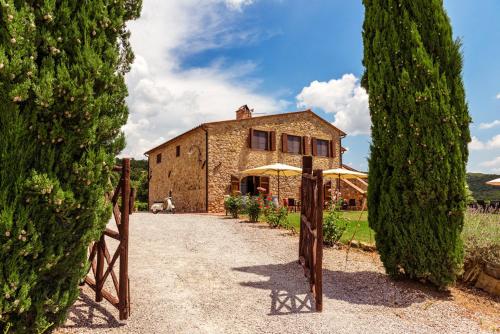
Tenuta Casteani est un agriturismo-vignoble de 90 hectares, avec piscine, vin propre et agriristoro de cuisine maremmane, à 5 km de Ribolla
Our recommended activities in Maremma
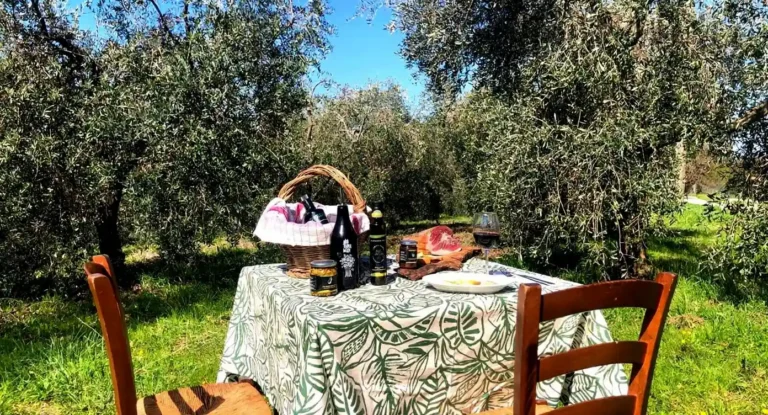
Olive oil and wine tasting, Maremma picnic
- 1 hour
- Meal included
- Bilingual FR/IT guide
A one-hour tasting under the olive trees: four extra virgin oils, three local wines including a Morellino di Scansano, then a picnic of vegetables, cheeses and charcuterie
 GetYourGuide
What to remember for your stay in Massa Marittima
Two days here is just enough to grasp the essence of the place without rushing. You will have gotten a taste of mining history underground, discovered a Romanesque cathedral that has nothing to envy its more famous neighbors, and sampled this raw Maremma that refuses clichés.
Plan on about €160-180 per day for a comfortable stay in an agriturismo with meals and activities included. A car is essential — the interesting sites are scattered and poorly served by transport. And check the opening hours of mines and museums in the off-season: some close early or on certain days.
If you extend your stay, head to the autumn forests or the Scansano grape harvest depending on the season. But for two days, this itinerary holds up perfectly.
Now, you know. All that's left is to hit the road.
Absolutely! Two days in Massa Marittima is an ideal length of time to soak up the unique atmosphere of this medieval town and explore the riches of the surrounding Maremma, especially if your interest lies in mining history and nature. The first day can be entirely devoted to discovering the town’s historic heart. You will begin with the majestic Piazza Garibaldi et la Cathedral of San Cerbone, a Romanesque-Gothic masterpiece that will surprise you with its unusual location. Take the time to admire the details of its facade and its understated interior, and don’t hesitate to arrive before 10 am to enjoy the best morning light. Next, a visit to the Museo Civico, located in the Palazzo del Podestà on the same square, is a must to admire the Maestà by Ambrogio Lorenzetti, a monumental work dating from 1335. Remember to check the museum’s closing times, often around 1 pm.
In the afternoon of the first day, dive into the town’s industrial past with the Museo delle Miniere, where a guided tour of about 1 hour 15 minutes will take you through 700 meters of reconstructed galleries. The temperature there is constant at 14°C, even in summer, so bring a light jacket! At the end of the day, the climb to the Torre del Candeliere will offer you a breathtaking panoramic view of the town and the Metalliferous Hills. The second day will be perfect for an immersion in the wild nature of the surroundings. Head to Lake Accesa, just a 15-minute drive away, for a 5 km hike around the lake, dotted with Etruscan remains. It is an excellent way to discover an unexpected facet of Tuscany, far from the crowds, and to practice slow tourism in an authentic setting.
For a lover of archaeology and mining history, Massa Marittima is a true treasure. You will be delighted to discover how the subsoil shaped the identity of this town, from the Etruscans to the medieval era. Your exploration should absolutely begin with the Museo delle Miniere. This museum, located near the Porta alle Silici, offers you a concrete immersion into the world of miners. The guided tour, lasting about 1 hour 15 minutes, will lead you through 700 meters of reconstructed underground galleries. You will see period tools, mine carts, and understand the extraction techniques for copper, pyrite and silver that made the region’s wealth. It is advisable to arrive before 2:30 pm for tour departures and to bring a jacket, as the temperature is constant at 14°C. Outside July-August, booking is generally not necessary on weekdays.
After this underground dive, go back in time and toward the center to discover the Fonti dell'Abbondanza. This medieval cistern from the 18. XIIIe siècle is not only a fascinating example of the period’s hydraulic engineering, but it also houses a unique fresco, the Tree of Fertility, with its medieval symbols linked to prosperity. Access is free all day long. Finally, to complete this historical exploration, a detour to Lake Accesa is essential. Although the lake is today a nature reserve, its shores are home to the remains of four Etruscan villages that were directly linked to the exploitation of the surrounding metal resources. You will find explanatory panels (in Italian and English) detailing the foundations of dwellings and an ancient well. It is a wonderful opportunity to visualize the millennia-old link between man, the land and its mineral riches in a preserved natural setting.
For an authentic stay in Massa Marittima, far from hotel chains and as close as possible to the flavors of the Maremma, an agriturismo is unquestionably the ideal option. These establishments, often restored old farmhouses, plunge you into the heart of the Tuscan countryside, among olive groves and vineyards. I warmly recommend the Agriturismo Tesorino. Its rural setting perfectly matches the spirit of discovering the unexpected Maremma. You will find simple but comfortable rooms, often with views over the countryside, a breakfast made of homemade products and, in fine weather, a pool to relax in. It is an excellent base, just a few kilometers from Massa Marittima, for exploring the region. Don’t forget to book your agriturismo several months in advance, especially if you are traveling in spring or autumn, as the best places fill up quickly. Other highly rated agriturismo options in the area include the Agriresort La Colombaia, the Agriturismo & Winery Tenuta Casteani, the Agriturismo Bike Hotel Podere Giarlinga, the Agriturismo Campo Ruffaldo et la Agriturismo Campotondello.
As for gastronomy, the Maremma is a paradise for food lovers. The undisputed star of the tables is wild boar (cinghiale). . You will often taste it simmered in a stew (cinghiale in umido) or served with wide fresh pasta, pappardelle al cinghiale. It is a powerful dish, with gamey flavors, that tells the story of the surrounding forests. Beyond wild boar, the local cuisine showcases homemade fresh pasta, seasonal vegetables and sheep’s cheeses. For an authentic culinary experience, favor trattorias located outside the town walls, where the clientele is local and the menu often more traditional. Look for «direct sale» signs on country roads to buy directly from producers olive oil from the Metalliferous Hills, chestnut honey or aged pecorino. If your stay coincides with autumn, you might have the chance to take part in a sagra del cinghiale, such as the one in Capalbio, , for a total immersion in local culinary traditions.
Yes, traffic and parking in Massa Marittima require some attention, especially if you want to access the historic center without hassle. As in many Italian towns, the center is subject to limited traffic zones, the famous ZTL (Limited Traffic Zone). . It is absolutely essential to avoid venturing by car into the small streets of the old town, as they are often reserved for residents and unauthorized access is punished with hefty fines. ZTL signs are generally well indicated, but it is best not to take any risks.
For parking, the most convenient for visiting the medieval heart is the Via Norma Parenti Parking. . It is located just a 5-minute walk from Piazza Garibaldi and offers easy access to the main sites. Expect to pay about €1.50 per hour for parking. If you plan to climb the Torre del Candeliere and explore the Città Nuova, a large free parking lot is available at the bottom of the upper town, the Piazzale Giuseppe Mazzini. . From there, access to the tower is on foot through the sloping alleys, which is a lovely walk in itself. As a general rule, always favor parking lots on the outskirts of the historic center and finish your route on foot. This will save you trouble and allow you to fully enjoy the charm of Massa Marittima’s cobbled streets without the constraint of traffic.
Traveling with children in Massa Marittima can be an enriching experience, as the town offers activities that go beyond traditional visits and can spark their curiosity. One of the sites most likely to interest younger visitors is without a doubt the Museo delle Miniere. . The tour of the underground galleries is often perceived as a real adventure. Walking through the 700 meters of reconstructed tunnels, discovering the miners’ tools and the carts on rails can be very immersive and educational. The constant temperature of 14°C offers a refreshing break, even in summer. The guides, often former miners, tell anecdotes that make history come alive and captivating for a young audience. It is an excellent way to help them understand the importance of the mining activity that shaped the region.
Next, a walk to the Fonti dell'Abbondanza can also be fun. The fresco of the Tree of Fertility, , with its… unexpected fruits, is often a source of laughter and discussion. It is a light-hearted way to approach medieval art and its symbolism. Finally, for a touch of nature and adventure, an excursion to Lake Accesa is perfect. The 5 km hike around the lake is accessible and offers great opportunities for observing wildlife and flora. Children will enjoy looking for the remains of the Etruscan villages on the shores, imagining how the inhabitants lived thousands of years ago. Even though swimming is forbidden, the emerald color of the water is magnificent. It is a combination of history, nature and a hint of mystery that should delight young explorers.
To visit Massa Marittima and the Maremma, the best time of year to enjoy beautiful light, avoid the summer crowds and extreme temperatures is without a doubt spring (from April to June) and autumn (September and October). These seasons offer a mild and pleasant climate, ideal for exploring the medieval town on foot and hiking in the surrounding natural landscapes. In spring, nature is in full swing: the cypress trees are a brilliant green, the fields are adorned with poppies and the flora of the Mediterranean maquis bursts with colors, offering magnificent scenes for photography. Temperatures are generally mild, around 18-25°C, perfect for outdoor activities.
Autumn is also a magical time, with warm, golden colors that envelop the hills and villages. The light is low and soft, creating an atmosphere particularly conducive to photography. Temperatures are similar to those of spring, making the days very pleasant. It is also the season of grape harvests and crops, and you will be able to discover local events such as the sagre (village festivals) that celebrate local produce. For example, the surroundings of Massa Marittima take part in the chestnut festival on Mount Amiata in autumn, offering a typical village atmosphere and opportunities to taste local specialties. By avoiding July and August, you will escape the intense heat of the inland areas and the tourist influx, allowing you to enjoy a more authentic and serene experience of this part of Tuscany.
Around this article
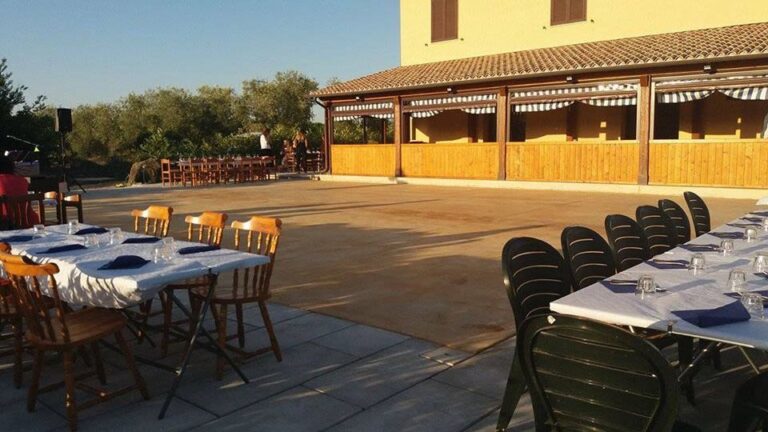
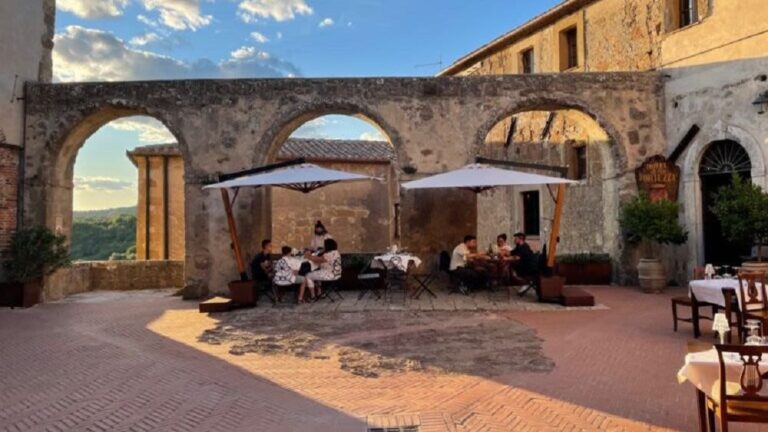
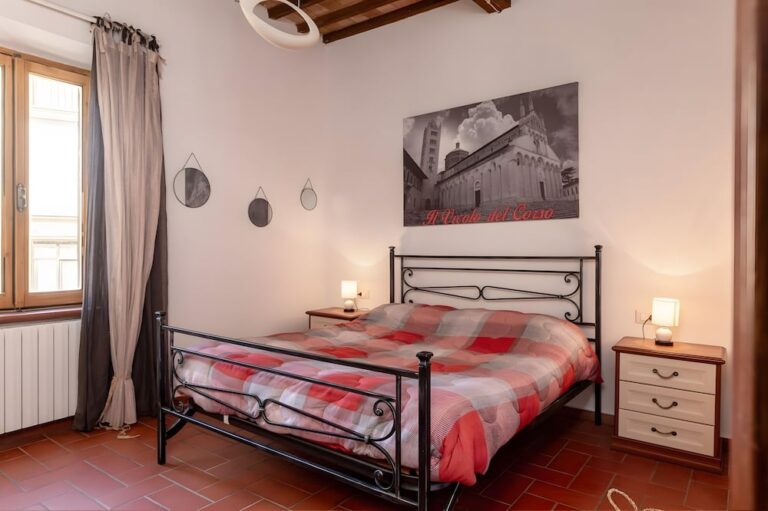
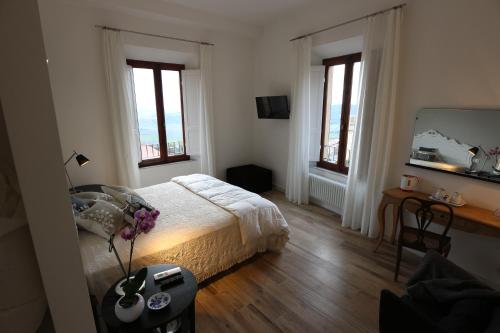
Is the map not displaying? See accommodations on Stay22
Map and prices provided by Stay22: Toscane Cachée may receive a commission on bookings.
You will also like

ZTL, tolls, parking in Italy: what every French driver should know before setting off
Driving in Italy: avoid ZTL fines, master tolls with your badge…

2 days between Massa Marittima and the Maremma mines: a Tuscany no one talks about
Discover how to visit Massa Marittima and the Maremma in 2 days. Explore the mines…

Etruscan sites in Tuscany: the complete tour of the necropolises and tuff villages
Explore the Etruscan sites of Tuscany in 2026. Discover the Vie Cave of Sovana...

When to go to Central Italy: the month-by-month calendar to avoid pitfalls
Discover when to go to the Maremma to avoid the heatwave. Choose spring or autumn…
