









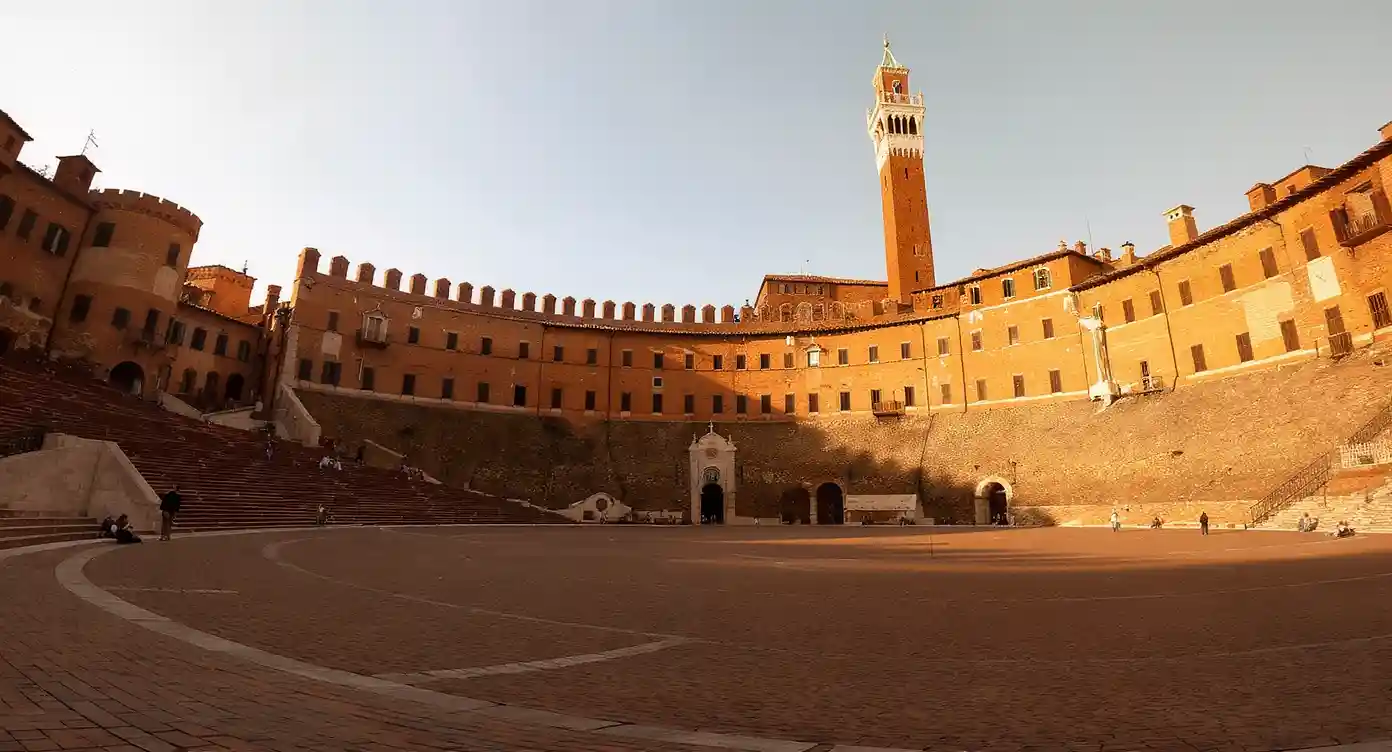
Florence vs Siena: the question comes up endlessly on forums, and nobody settles it. I will. For a short first trip to Tuscany, pick Siena. Keep Florence for the day when museum art is the real goal of your trip, not just a backdrop. Siena gives you an entire city you can read in half a day, a shell-shaped square where you sit on the warm brick, and a Duomo you won't forget. Florence gives you too much, and that is its flaw as much as its strength. On the emotion-to-fatigue ratio, Siena wins. The rest of the article explains why, and how to sort out the logistics without a car.
Two cities, two moods: the Renaissance spilling over, the Middle Ages closing in
Florence is the city of the Renaissance and of great collections. You walk from museum to church, from palace to bridge, and every street offers three things to see at once. You have to sort them out. Anyone who tries to see everything leaves exhausted, with the feeling of having ticked off more than actually looked.
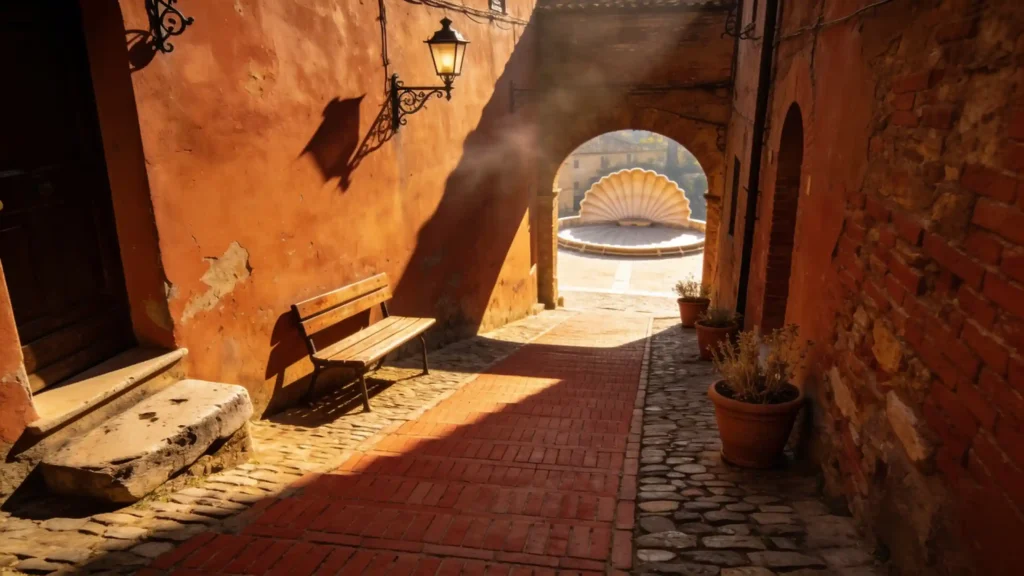
Siena works the opposite way. It is a compact medieval city, entirely oriented toward the Piazza del Campo. The red brick lanes run downhill toward it, open up all at once, and you find yourself in the light. You don't rush from one point to another; you settle in, you look, you walk back into the shade.
The contrast is stark. Florence is a city of collections, while Siena is experienced slowly around a single place. It is the choice between profusion and concentration.
One day in Florence, one day in Siena: what's realistic
With a single day in Florence, you have to give up almost everything. Pick one museum, one church, a long walk along the Arno, and accept leaving the rest. The trap is trying to fit three days into one, and spending the afternoon in a queue, feet burning on the paving stones.
In Siena, the logic changes. Half a day is enough to read the whole city: the square, the lanes around it, then the Duomo di Siena, the city's unique highlight. You go in, you look up, and you understand why nobody comes here for quantity. The rest of your day can breathe.
There's also the question of doing both on the same day. Florence and Siena in one day is doable, but I don't wish it on you. You spend your morning running through one, your afternoon barely sitting down in the other, and neither leaves you a real memory. Better to see one city well than to cross half a dozen squares walking fast.
Crowds and budget: where it weighs, how to lighten the bill
Florence concentrates the crowds. Around the best-known sights, groups move at a crawl, selfie sticks cross above the heads, and summer heat rises from the paving. This is not a moral flaw of the city; it is the consequence of what it offers.
Siena stays calmer early in the morning and late in the day. If you arrive before the coaches park, you have the Piazza del Campo almost to yourself, with the sound of a shutter being opened and a coffee pot being set down. In the evening, once the groups have left, the brick turns pink and the square gradually empties.
To lighten your bill, play with the timing rather than the addresses. Off-peak hours cost energy, not money. Sleeping outside the centre and walking back in the evening changes the bill far more than a cheap menu on a packed square.
So which one is the less touristy? Siena, without hesitation, while Florence keeps its crowds massed around its best-known sights, whatever time you show up.
Florence vs Siena without a car: the train, the bus and the ZTLs
Here is the point people forget: this choice is settled without a car. Between Florence and Siena, the train or the bus is enough. The straight-line distance is short, and the timetables as well as the exact journey time should be checked on site before you leave.
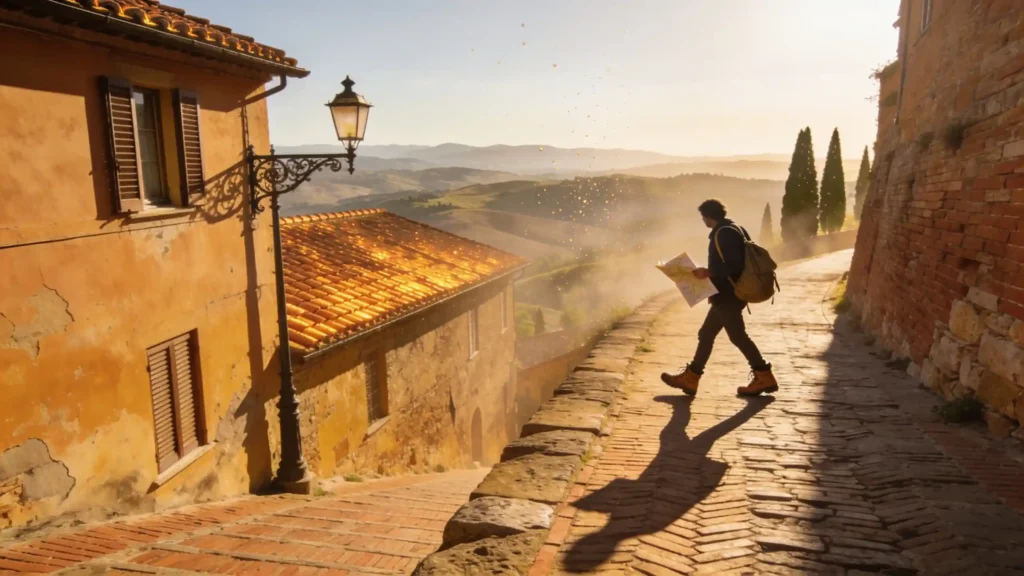
The terrain also explains why a car won't help you. Florence is a flat city, easy to cover on foot. Siena has very different terrain, with steep sections: you climb, you descend, and you feel your calves on the way back from the square. Bring good shoes, not city sandals.
The ZTL are strict in Florence as in Siena. Entering a restricted zone without authorization means a fine that reaches your mailbox months later. Leave the car outside and walk.
A useful detail for what comes next: there is no direct connection between Siena and Rome. You go through Florence. If your trip extends to the capital, that weighs on the choice of your base.
With children, choose Florence. Flat ground is easy to cover on foot, and the stroller rolls without you having to lift it at every street. Little ones last longer when they aren't asked to climb.
Siena, on the other hand, tires small legs, and pushing a stroller up these slopes quickly becomes a sport.
Which choice depends on your profile?
Here are the verdicts, clear and direct.
- First short stay: Siena. You can read it in full, without being left frustrated.
- Couple: Siena too, for the evening atmosphere on the square and the lanes emptying out.
- Family: Florence, because the flat terrain spares strollers and little legs.
- Tight budget: Siena, where you gain by setting your own hours rather than counting euros.
- Art lover: Florence, no question. That's where the collections are.
Each profile has its main reason: the terrain for families, the atmosphere for couples, the budget for the tight traveler, art for the art lover. That's the price of clarity: you give up the other city for the length of one stay.
Our addresses · Grosseto
Our favourite addresses around Grosseto
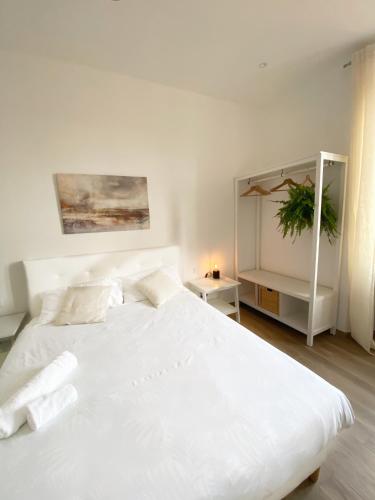
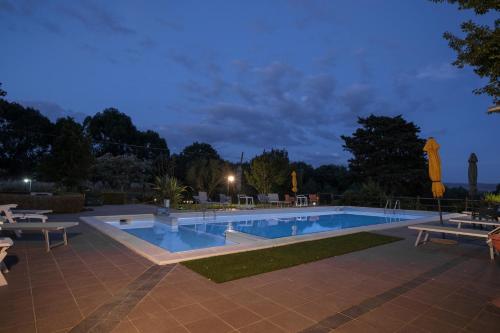
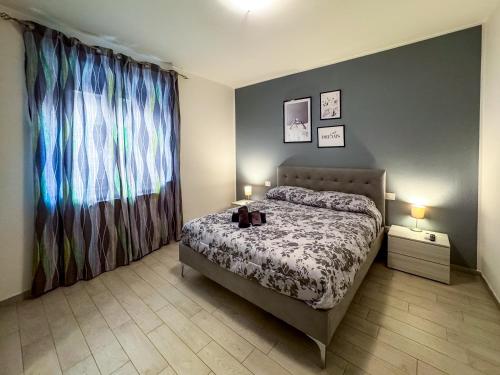
After the choice, the Maremma: the stop for escaping the crowds
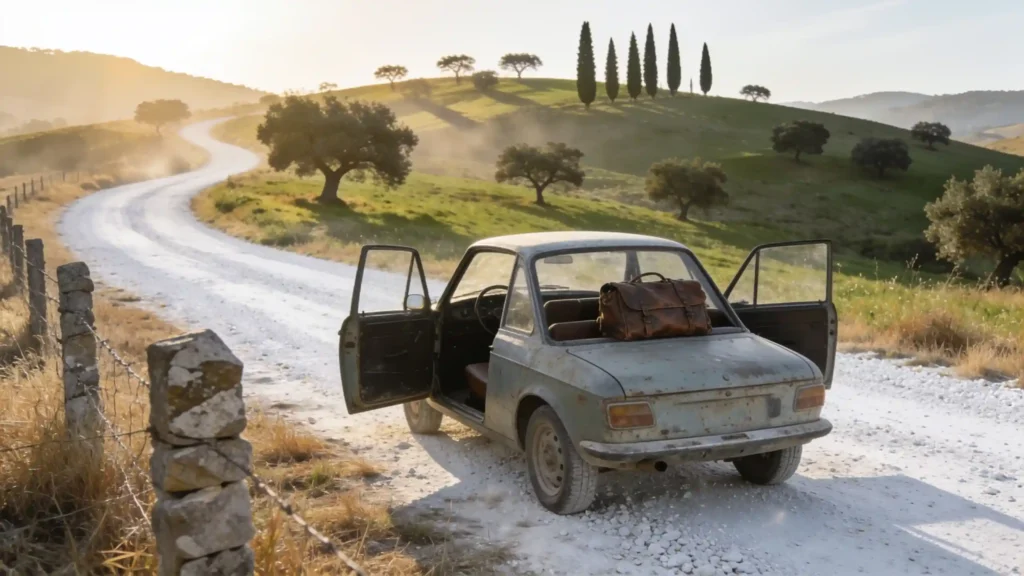
Once Siena is done, Tuscany doesn't stop at ramparts. The Maremma and Grosseto are the logical next stop, heading south, with the same hills and far fewer people. Here, a car becomes useful: buses are rare, and the white roads can't be covered by coach.
To rent one, several platforms stand out for a specific detail. Discovercars offers Full Coverage insurance from €7-9 per day and free cancellation up to 48 hours before pickup. Bsp-auto cancels for free up to the day before and charges €25 on the same day, with French-speaking customer service. Sunnycars offers zero deductible from pickup, which reassures you on Tuscany's narrow roads. Economybookings refunds you in full as E-Wallet credit if you cancel early. Localrent allows pickup in Pisa, close to the Maremma.
Take the train or bus for your choice between the two cities, then rent a car only when you head south. Start by booking your night in Siena: the rest will follow. Do you prefer Florence's abundance or the quiet of a square emptying at dusk?
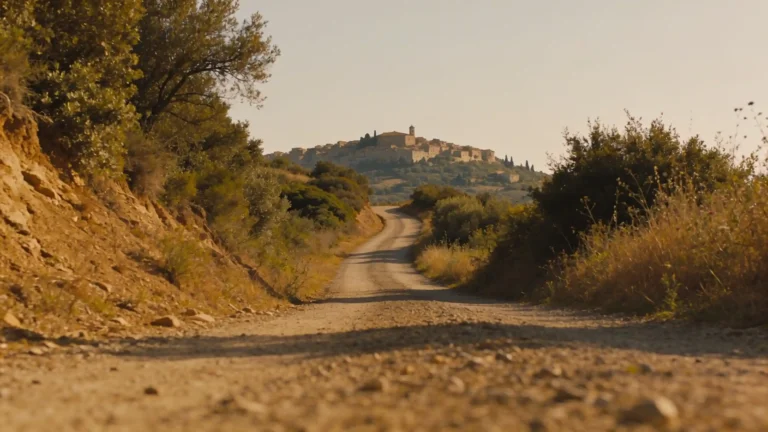
For a first short trip to Tuscany, Siena is often the simplest choice if you want to discover a city without filling every hour with visits. Its historic center is compact and organized around the Piazza del Campo: in half a day, you can wander the alleys, take the time to sit on the square, and visit the Siena Cathedral, which is the city’s main highlight. The pace is calmer and the experience lends itself well to a two-day getaway or as a stop on a Tuscan itinerary. However, you should plan for good shoes, as the streets are steep and the climbs are noticeable.
Florence is more suitable if your main goal is to see art collections, churches, and Renaissance palaces. The city offers a lot, but a short visit forces you to choose: planning too many museums and monuments risks turning the stay into a race. For a couple or a traveler who prefers to stroll, Siena offers a more concentrated discovery and a pleasant atmosphere in the evening. To delve deeper into choosing another Tuscan stop, you can also read our comparison between Pisa and Lucca. In short, choose Siena for a first short and quieter getaway; choose Florence if museum art is the central reason for your trip.
It is possible to connect Florence and Siena in the same day by train or bus, but it is not the most pleasant option if you really want to discover both cities. In Florence, a single day already requires making choices: you can spend time at a museum, visit a church, and walk along the Arno, but you won’t be able to see everything. By adding the travel time and moving between centers, the available time in Siena quickly shrinks. You then risk crossing the Piazza del Campo without lingering there and missing the calm that is part of its charm.
To enjoy Siena, plan instead for half a day or more for the square, the alleys, and the Siena Cathedral, not to mention the fatigue from the climbs. Train or bus schedules and the exact duration of the trip can vary: check them before you leave and keep a margin for connections. If you only have one day in total, choose a single city based on your priorities: Florence for major museums and collections, Siena for a more compact visit and a medieval atmosphere. If you can devote two days, rather spread them between the two instead of trying to fit everything into a single day. This organization also leaves more room for meals, breaks, and unexpected events.
To go from Florence to Siena without a car, the train and bus are the solutions to compare. The most practical choice depends on your starting point, the schedule, and the travel time on the day of your visit: check the schedules before booking your day and plan a margin if you have a connection. For a stay focused on the two cities, a car is generally not necessary. Florence is easily walkable thanks to its fairly flat center, while Siena’s main sights are discovered by walking around the Piazza del Campo and the Duomo.
A car can even complicate arriving in the city center, as Florence and Siena have ZTLs, restricted traffic zones. Entering without authorization can result in a fine; the safest is to leave the vehicle in a suitable parking lot outside these zones and continue on foot. In Siena, also consider the slopes: good shoes are more useful than a car to reach the alleys and return to your accommodation. If your route continues towards the Maremma, consider renting a car only for that part of the trip, where it can facilitate travel outside the cities. Finally, to continue to Rome from Siena, the journey is not direct and passes through Florence according to the itinerary described in the article: check connections before fixing your base.
With young children or a stroller, Florence is generally easier to navigate than Siena. Its flatter terrain makes walking less tiring and avoids having to push the stroller up long repeated climbs. That doesn’t mean the visit will always be smooth: the center can be very crowded, especially near the most famous sites, so plan breaks and a realistic program. For a family day, it’s better to choose a few stops rather than chaining museums and churches, and keep time for eating and resting.
Siena is more compact, which is nice for distances, but its steep alleys change the experience with little legs or a stroller. The uphill and downhill between different areas of the city can tire children, even if the route looks short on a map. If you choose Siena, wear comfortable shoes, move slowly, and plan breaks around the Piazza del Campo. The Siena Cathedral can be a highlight for the whole family, but it’s better not to try to visit the entire city at a sustained pace. For a family stay, Florence is therefore often the most practical choice; Siena can work if children walk well and you accept a slower program. In both cases, check the access conditions of the places you want to visit before leaving.
Siena is generally less touristy than Florence, especially if you avoid the arrival times of groups. The difference is felt around the Piazza del Campo: early in the morning, the square can be more peaceful, and at the end of the day the atmosphere often becomes calmer when visitors leave. Florence concentrates heavy footfall around its most famous sites; even if you adjust your schedule, you should expect to encounter crowds in highly visited areas. For a weekend, Siena can therefore give a more restful impression, with more time spent looking at the city rather than following a busy itinerary.
For the budget, don’t assume that one city will always be cheaper in all categories: the cost depends on your dates, your accommodation, and your meal choices. The article recommends instead acting on organization: sleeping outside the center and walking back in the evening can lighten the bill more than looking for a quick meal on a busy square. In Siena, arriving early or staying until evening also allows you to enjoy the atmosphere without multiplying trips. In high season, book your accommodation in advance and compare options based on location, especially if you want to avoid carrying your luggage on steep streets. To prepare a more rural stop after the cities, you can discover our comparison between the Val d’Orcia and the Maremma.
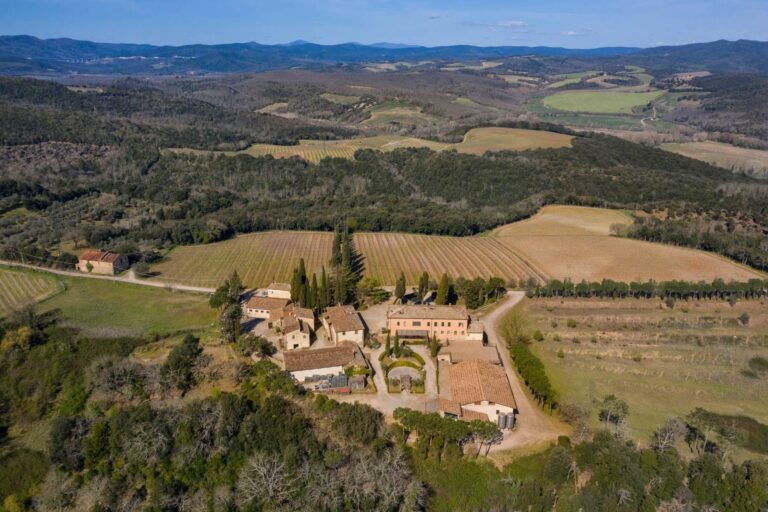
After a visit to Florence or Siena, the Maremma can be a beautiful stop to discover a more rural Tuscany, less concentrated around major urban sites. Grosseto serves as a reference point to organize the rest of the trip, but travel in the countryside and to isolated places is less simple than in the city. The article advises taking the train or bus to connect Florence and Siena, then considering a car to head south. In the Maremma, buses are rare and some white roads are not suitable for public transport: check the conditions of your itinerary and plan the vehicle according to where you want to sleep and walk.
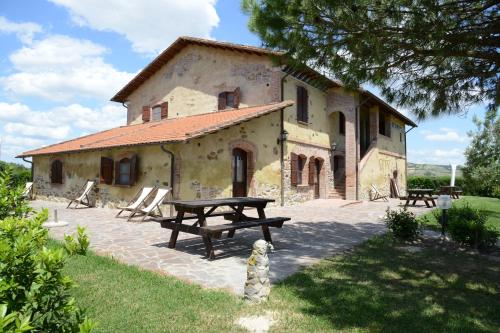
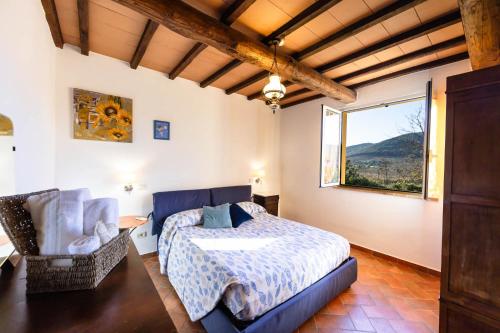
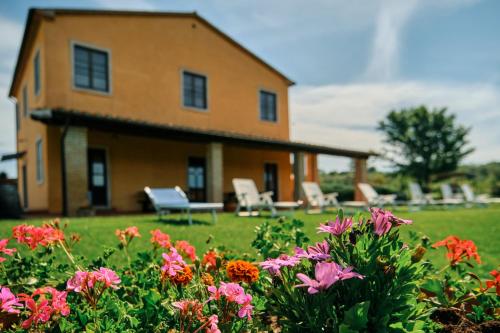
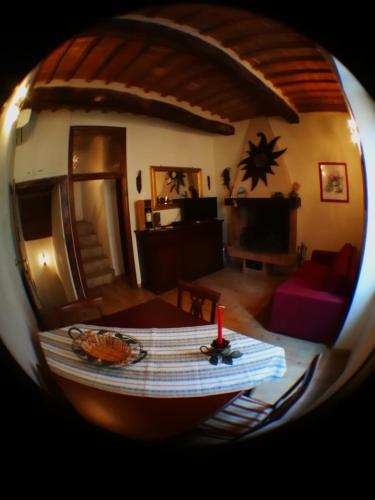
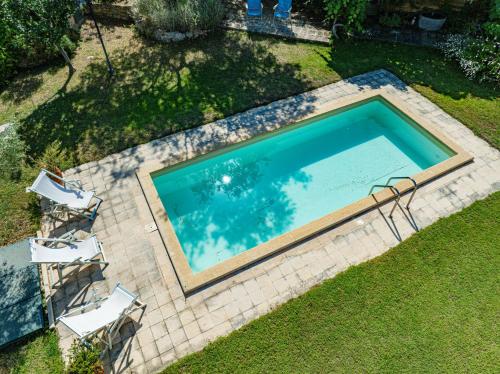
For a stay in authentic accommodation in the Maremma, an agriturismo can allow you to get away from the centers and enjoy a rural setting. Before booking, look at the distance to restaurants and shops, the access conditions by car, and the services actually offered, especially if you travel without a vehicle for part of the stay. It is often simpler to keep the car for this stage rather than driving it into historic centers subject to ZTLs. If you are hesitating between a rural stay in southern Tuscany and a base in Chianti, also see our article on agriturismo in the Maremma or in Chianti. This combination — cities by public transport, then car for the countryside — allows you to enjoy both atmospheres without driving everywhere.
Around this article
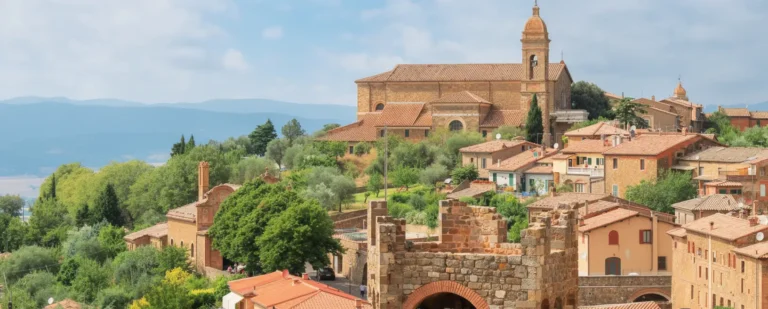 Montalcino: fortress, Brunello and views of the Val d'OrciaView the listing →

Cinta Senese

Want to go further? Tours of Tuscany in the same spirit as this article.

Florence to Cortona: Chianti, Siena and Val d'Orcia in 6 days

7-day guided hike: Florence, Chianti, Siena in a group

By bike: Florence, Chianti, Siena and Vinci at your own pace
Live map & prices
Where to stay around Siena?
Compare accommodations and their prices on the map, then book in just a few clicks.
Is the map not displaying? See accommodations on Stay22
Map and prices provided by Stay22: Toscane Cachée may receive a commission on bookings.
Cars · live prices
Your rental car from Florence airport
The nearest car rental companies are at Florence airport. Here are the best current deals, compared and rated.
Searching for available cars…
See all cars and choose my dates
Booking and payment through Discovercars: the link earns us a commission, without changing your price.
Around Siena
You will also like

Central Italy: Rome, Florence or Tuscany — how to choose your travel base?
Choose your base between Rome, Florence, or Maremma. Compare urban intensity and the...

Where to go in Tuscany when you've already done Florence and Siena?
Discover secret Maremma: explore the tufa towns, the Saturnia hot springs…

Tuscany as a family: why the south is much better than Florence with children
Discover why the Maremma outshines Florence for your family vacation. Explore the Garden…
Tuscany or Umbria: which one to choose for your trip in 2026?
For a trip in 2026, compare the art cities of Florence and Siena with Perugia,…