








Tu crois vraiment que choisir entre Toscane et Ombrie revient à départager deux cartes postales de collines ? Le vrai arbitrage se joue critère par critère : patrimoine, paysages, villages, table et plein air.
Côté patrimoine, Florence and Siena affrontent Perugia, capitale de l’Ombrie, et Assise. À Pérouse, la Fontana Maggiore, the Palazzo dei Priori and the Pozzo Etrusco suffisent à remplir une journée.
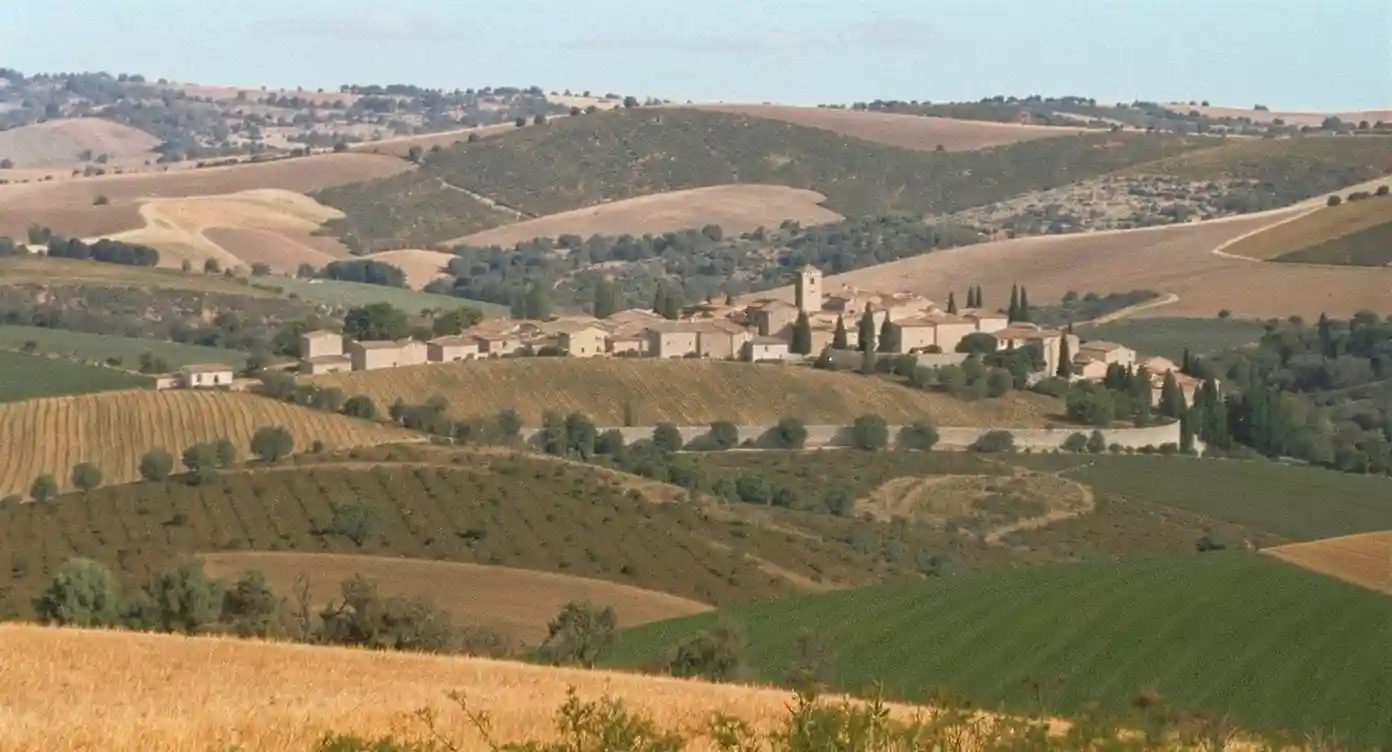
Côté paysages, la Toscane aligne vignobles, oliveraies et collines douces, tandis que l’Ombrie mise sur des forêts et des reliefs plus montagneux, plus propices au plein air. Pour les villages, c’est le Chianti and the Val d'Orcia contre Spello, Gubbio, Bevagna and Norcia.
Il n’y a pas de gagnant universel ici. Je ne te promettrai pas non plus que l’une coûte moins cher ou désemplit mieux que l’autre : tout dépend de ton temps, de tes envies et de ta tolérance à la foule. Et si tu veux une Toscane moins convenue, la Maremma reste une piste pour explorer une Toscane plus sauvage.
Le premier choix à faire : chefs-d’œuvre célèbres ou patrimoine ombrien plus ramassé
Ça dépend surtout de ce que tu veux voir : une suite de monuments connus, ou des villes où l’histoire religieuse, civique et étrusque se raconte autrement.
Toscane : viser les grands repères de la Renaissance
À Florence, on enchaîne facilement la Uffizi Gallery, the Ponte Vecchio, the Piazza della Signoria and Santa Maria del Fiore. Si tu veux cocher plusieurs classiques de l’art, c’est la bonne option. Siena, elle, joue une autre partition, autour de la Piazza del Campo and the Palio.
Ombrie : choisir entre art, spiritualité et villes de caractère
Assise penche du côté spirituel et artistique, avec la basilique Saint-François, the basilique Santa Chiara and the fresques de Giotto. Perugia, la capitale de l’Ombrie, s’intéresse davantage à la vie civique et à l’héritage étrusque : Fontana Maggiore, Palazzo dei Priori and Pozzo Etrusco.
Paysages : la Toscane des vignobles face à l’Ombrie des forêts et des reliefs
Toscane : collines, vignobles et échappées vers la Maremme
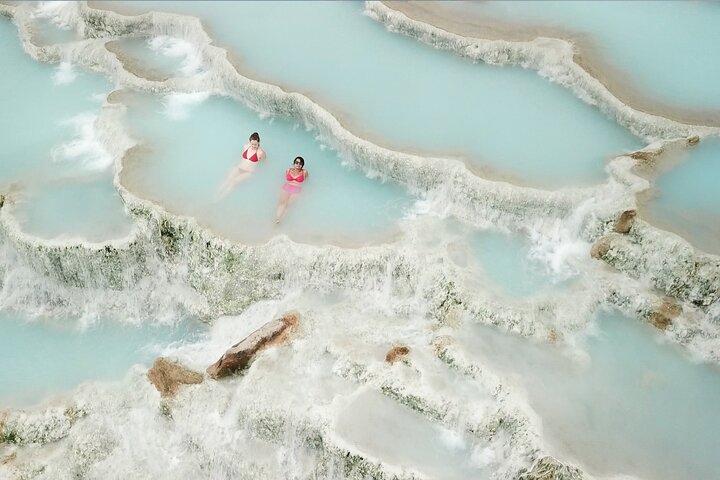
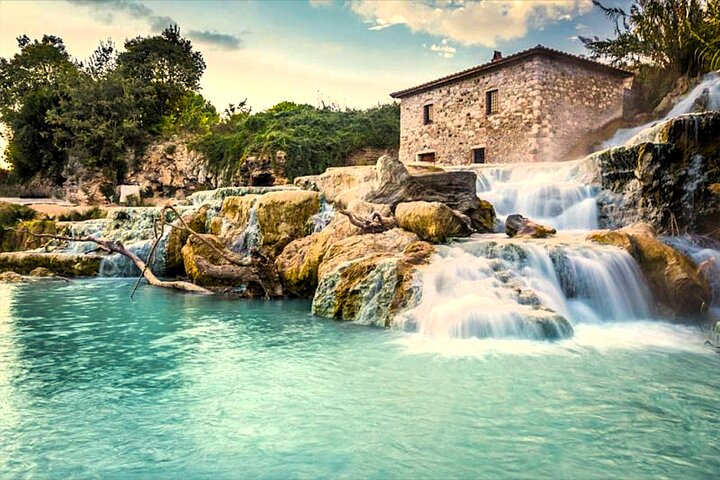
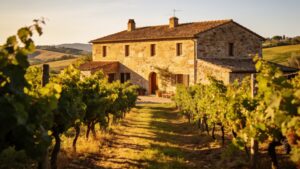
On pense d’abord à ses collines, à ses vineyards et à ses olive groves, surtout dans le Chianti. Si l’on cherche un cadre plus sauvage et moins fréquenté, la Maremma montre l’autre versant de la région. Saturnia and the’island of Elba permettent de voir une Toscane moins convenue.
Ombrie : une autre Toscane ? Non, des paysages plus forestiers et montagneux
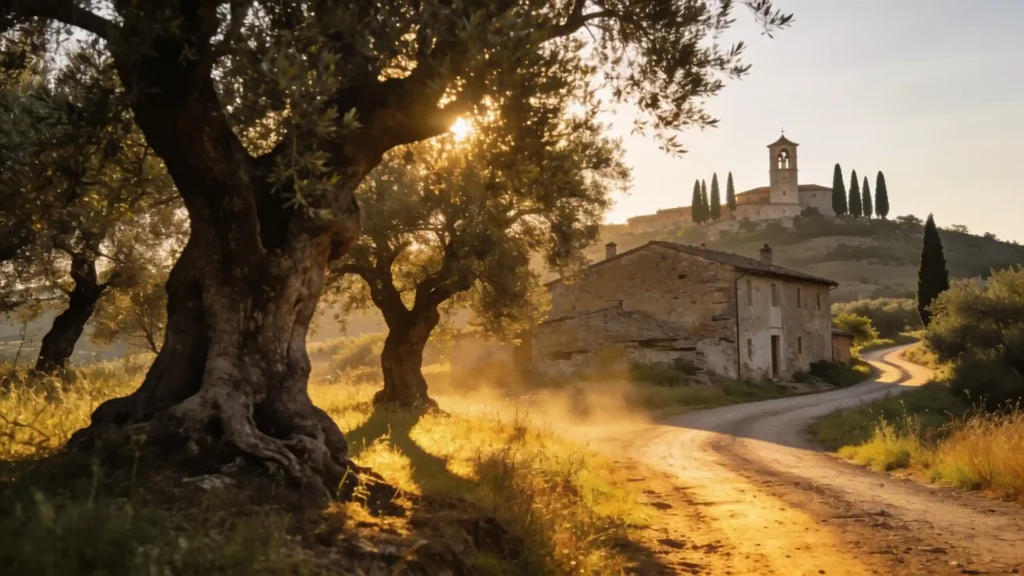
L’Ombrie ne copie pas sa voisine. Ses paysages sont plus forestiers, ses reliefs plus montagneux, notamment dans la Valnerina. Le lac Trasimène and Passignano ajoutent au parcours un repère lacustre.
Our picks · Saturnia
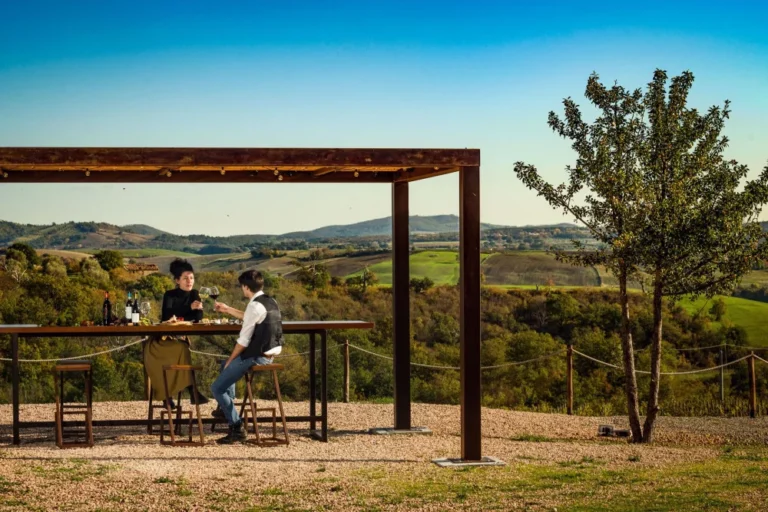
Our favorite spots around Saturnia
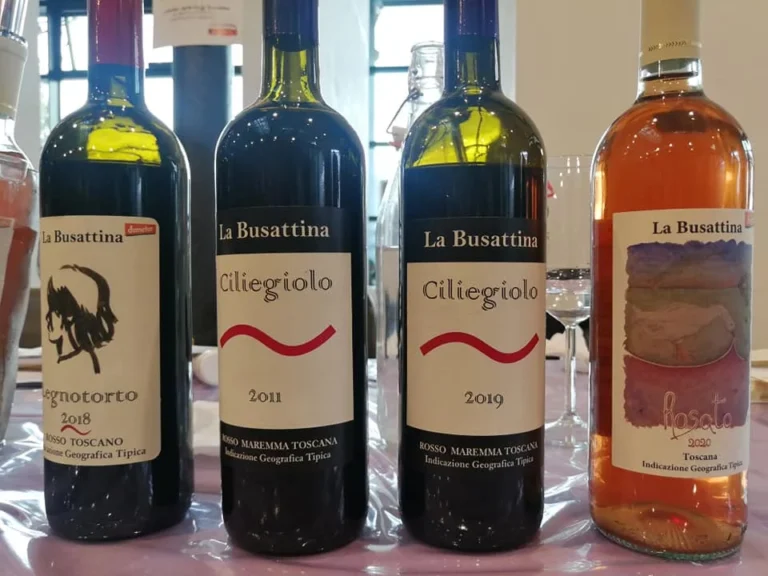
Excessive alcohol consumption is dangerous for health, drink in moderation.
Villages : les noms célèbres du sud toscan face aux bourgs ombriens
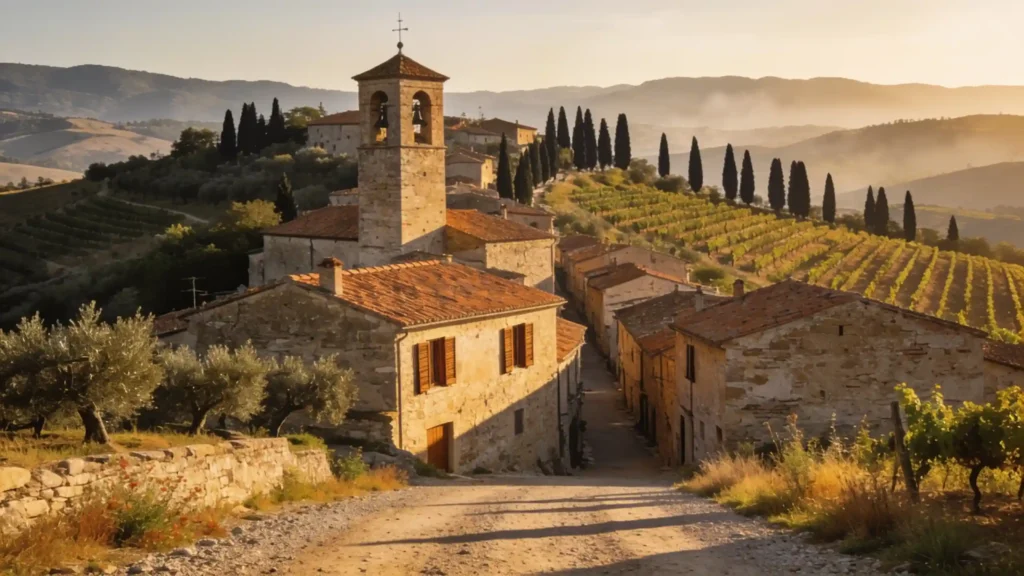
Quelques noms suffisent pour te donner une idée des deux régions. Ce sont des exemples, pas un palmarès. Ils ne couvrent ni la Toscane ni l’Ombrie en entier.
Toscane : villages de pierre et paysages viticoles
Pienza, Montepulciano and Montalcino renvoient aux paysages du sud de la Toscane. Greve in Chianti and San Gimignano donnent à voir d’autres facettes des villages toscans, dans des secteurs bien distincts.
Ombrie : choisir des exemples sans fabriquer un palmarès
Spello fait partie des bourgs médiévaux d’Ombrie qu’on cite souvent. Gubbio, Bevagna and Norcia viennent compléter la liste. Orvieto and Spoleto élargissent encore la sélection, sans classement entre ces lieux.
Budget : ne pas choisir sur une promesse de région « forcément moins chère »
Une région n’est pas « moins chère » par nature. Ce qui fait ta facture, c’est surtout ce que tu y fais.
Comparer les dépenses selon ton séjour
Hébergement, repas, transports : tout dépend de tes choix. Une bonne affaire isolée ne fait pas une règle. Mieux vaut chiffrer tes propres dépenses, étape par étape.
Comparer le contenu du séjour plutôt qu’un prix moyen
En Toscane, on peut partir sur une wine tasting, a balade à cheval en Maremme or a excursion en bateau autour de l’île d’Elbe. L’Ombrie, elle, tourne autour de la truffe, from pecorino, de la charcuterie et des cours autour du chocolat à Pérouse. Choisis la région qui te donne vraiment envie.
Gastronomie et activités : l’expérience recherchée départage mieux que les clichés
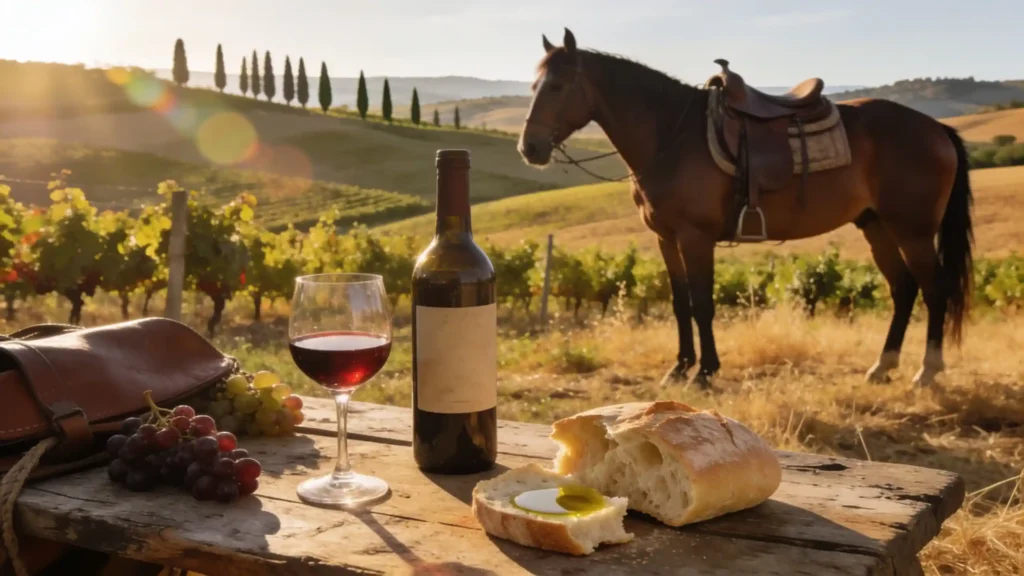
Plutôt que de chercher la « meilleure » région, demande-toi ce que tu veux avoir dans l’assiette et dans les jambes.
Toscane : vin, Chianti et grands espaces
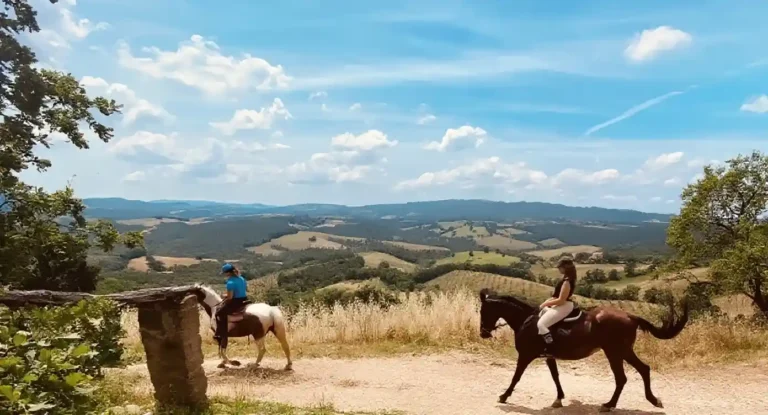
En Toscane, on déguste du vin et on file en Vespa sur les routes du Chianti, entre vignes et collines. Côté Maremme, versant plus sauvage de la région, c’est plutôt la balade à cheval qui donne le ton. Tu passes la journée dehors, loin des foules.
Ombrie : truffe, produits de terroir et chocolat à Pérouse
Ici, tout tourne autour du terroir : la truffe, the pecorino et la charcuterie sont au cœur de l’expérience. À Perugia, the cours autour du chocolat offrent un tout autre ton gourmand, loin des sorties toscanes.
Our addresses · Montalcino
Our favorite addresses around Montalcino
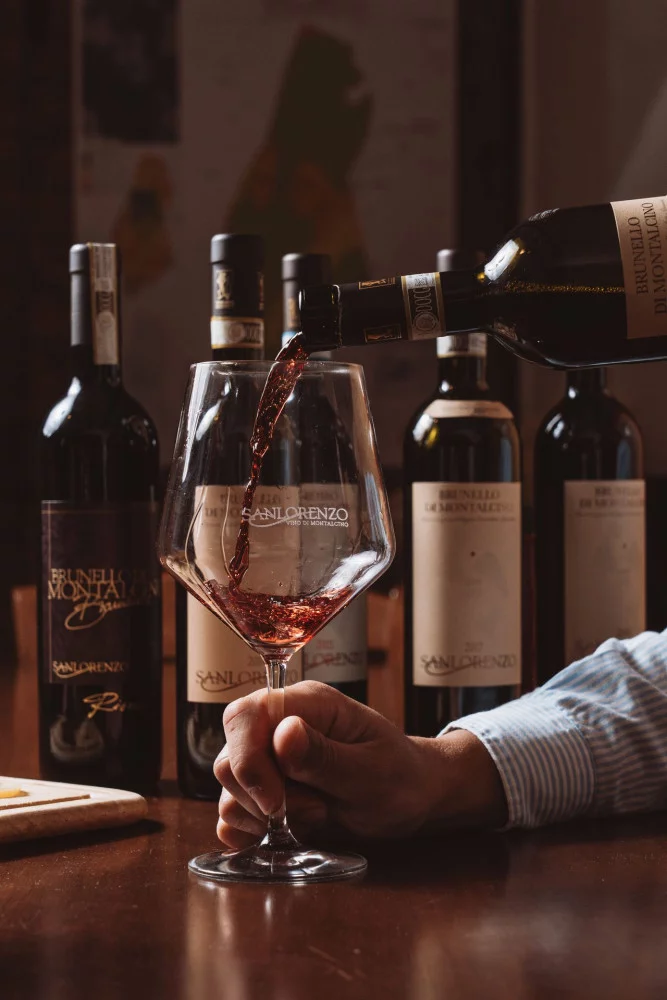
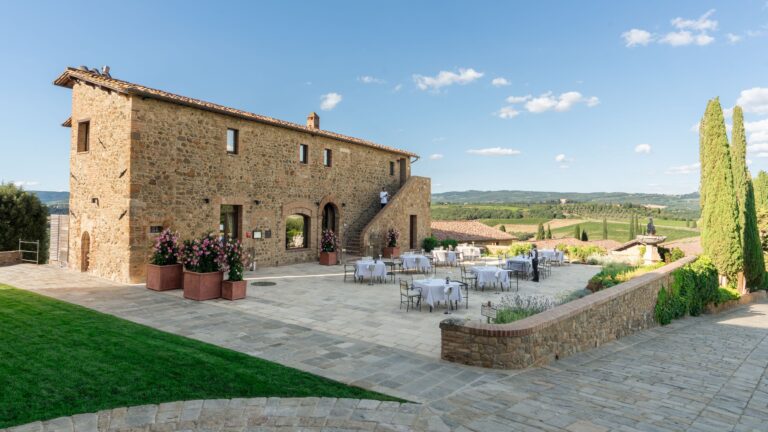
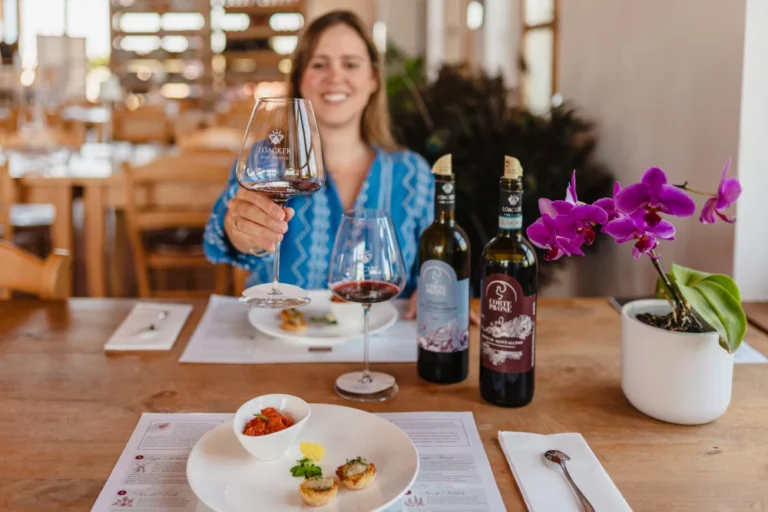
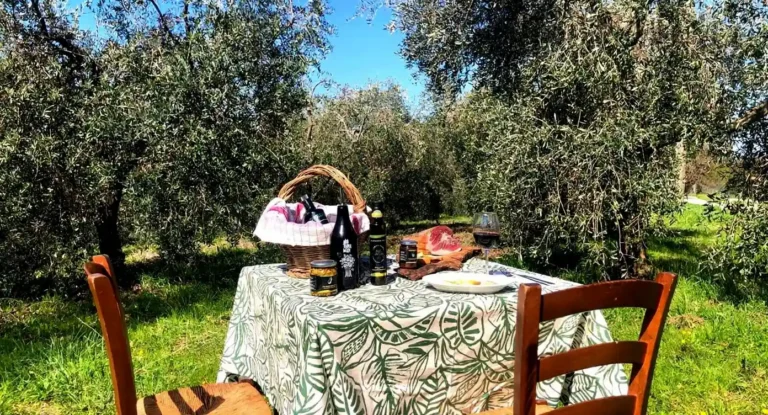
Guided tour of the cellar and tasting of gourmet products at Tenuta Corte Pavone in Montalcino
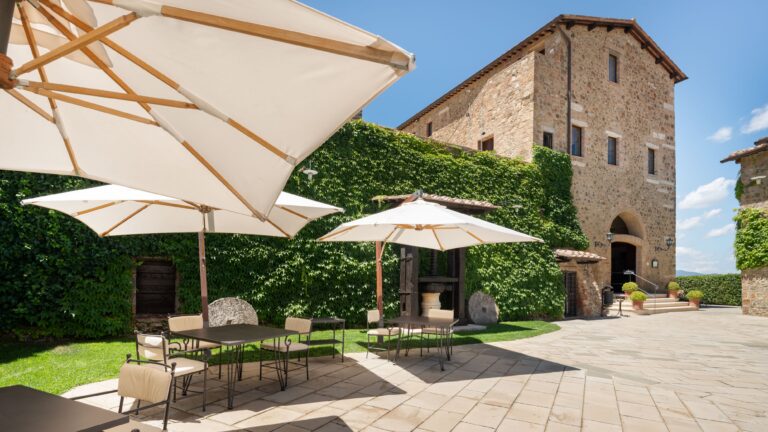
Excessive alcohol consumption is dangerous for health, drink in moderation.
Foule et durée : choisir une ambiance, pas croire à une règle valable partout
Fréquentation : distinguer les étapes emblématiques de la Toscane moins connue
In Tuscany, Florence, Siena and the Chianti sont les repères les plus connus, ceux que tout le monde a déjà en tête. Tu cherches autre chose ? La Maremma est la Toscane la plus sauvage, et la moins fréquentée. L’Ombrie, elle, ne se range pas d’office parmi les régions calmes : ça dépend des étapes que tu choisis.
Durée : construire le séjour autour des lieux retenus
Il n’existe pas de nombre de jours idéal : la durée découle des lieux que tu retiens. Florence et Sienne, or Pérouse et Assise, donnent des exemples d’étapes, mais compter les villes ne dit pas combien de temps il te faudra. Commence par ce que tu veux vivre, puis cale ton séjour dessus. Une halte en Maremme ? Pourquoi pas.
FAQ : les réponses rapides avant de trancher
Quelle est la capitale de l’Ombrie ?
C’est Perugia. Pour situer la ville, retiens trois repères : la Fontana Maggiore, the Palazzo dei Priori and the Pozzo Etrusco.
Quels sont les plus beaux villages de l’Ombrie ?
Impossible de les classer honnêtement. Spello, Gubbio, Bevagna and Norcia font de bons exemples à glisser dans ta liste. Garde ceux qui s’enchaînent bien avec ton itinéraire.
Toscane ou Ombrie pour un premier voyage ?
Commence par les étapes qui t’attirent. La Toscane met en avant Florence, Sienne et le Chianti ; l’Ombrie, elle, te laisse comparer Pérouse, Assise, Gubbio et le lac Trasimène. Il n’existe pas de choix qui convienne à tout le monde. Si tu penches côté toscan, une halte en Maremme prolonge agréablement le voyage.
Verdict : choisis la Toscane, sauf si tu cherches précisément l’alternative ombrienne
Mon verdict : pars en Tuscany si tu veux des étapes que tout le monde reconnaît. Réserve l’Ombrie pour le cas où les villes et les bourgs sont au cœur du voyage.
La décision en trois profils de voyageurs
- Villes d’art et Chianti : la Toscane, avec Florence, Siena et la Renaissance.
- Villes et bourgs : l’Ombrie, avec Perugia, Assise, , then Spello, Gubbio, Bevagna or Norcia selon ton itinéraire.
- Toscane plus sauvage : la Maremma, moins fréquentée.
Tranche d’après les lieux que tu veux voir, plutôt que d’après des généralités sur le budget ou l’affluence.
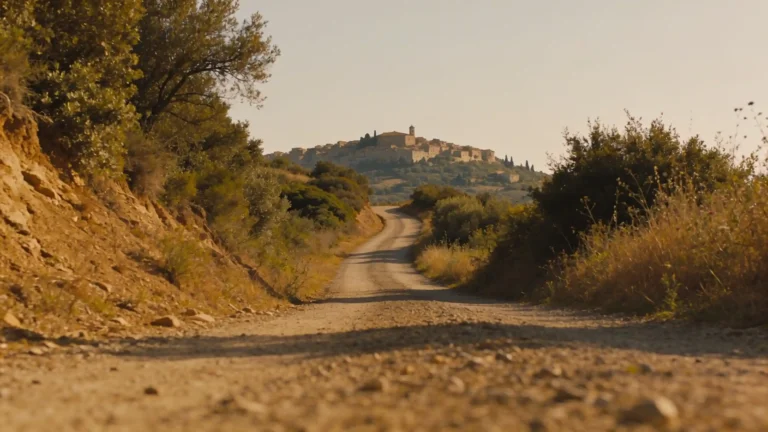
Toscane ou Ombrie : ton envie tranche
Si ce qui t’attire, ce sont les villes d’art, les collines et les villages, vise la Tuscany. Tu préfères les reliefs plus montagneux et les forêts ? Dans ce cas, l’Ombrie te correspond mieux, avec des étapes comme Perugia, Assise or Spello. Aucune des deux n’est systématiquement moins chère ou moins fréquentée : tout dépend des étapes que tu retiens.
The nombre de jours, lui, ne se fixe pas sur une durée type. Il découle de ton rythme et de ton itinéraire. Quelques étapes prises sans te presser ne demandent pas le même temps qu’un enchaînement de villes serré.
Envie d’une Toscane plus sauvage, loin des circuits classiques ? Garde une étape pour la Maremma, au sud de la région. Reste une question à te poser : villes d’art et collines, or reliefs et forêts ? Ta réponse désigne ta destination.
If you dream of great artistic landmarks and monuments you recognize before even arriving, Tuscany may better suit your first stay. Florence concentrates many iconic places, such as the Uffizi Gallery, the Ponte Vecchio, the Piazza della Signoria and Santa Maria del Fiore. Siena offers a different atmosphere, centered notably on the Piazza del Campo and the Palio. This duo works if you want to devote a good part of the trip to art cities and alternate visits with excursions into the hills or vineyards.
Choose rather Umbria if you want to combine spirituality, civic heritage and characterful towns. In Assisi, the Basilica of Saint Francis, the Basilica of Santa Chiara and Giotto’s frescoes give a strong place to religious and artistic history. In Perugia, the Fontana Maggiore, the Palazzo dei Priori and the Pozzo Etrusco form interesting landmarks for discovering the regional capital. Before booking, look at the places that really attract you and check how they fit together in your itinerary. There is no universally better choice: Tuscany highlights famous stops and hilly landscapes, while Umbria combines historic towns, forests and more mountainous terrain.
To discover the towns of Umbria without turning the stay into a race, choose a few stops that match your desires and the shape of your itinerary. Spello, Gubbio, Bevagna and Norcia are good names to compare, but they do not constitute a ranking or an exhaustive list of the region’s villages. You can also consider Orvieto or Spoleto if these places fit better with the other stops you have selected. The right choice depends less on the number of villages checked off than on the time you wish to devote to each.
Start by identifying the towns you absolutely want to visit, for example Perugia or Assisi, then add one or two towns rather than accumulating detours. This method leaves more room for walks, breaks and the unexpected. To prepare a trip to Umbria, also note what you wish to do on site: stroll through a historic center, discover heritage, enjoy the landscapes or linger over a meal. Group the stops that naturally fit into your route and check travel times before fixing your accommodation. Villages are not all visited the same way, and a lighter itinerary can be more pleasant than a succession of too-short stops. The goal is not to claim to have seen all of Umbria, but to choose places that make you want to slow down.
Yes, the Maremma is a lead to consider if you want to discover a facet of Tuscany different from the wine-growing hills and the most famous stops. It is presented in your itinerary as a wilder side of the region, with an atmosphere more oriented towards open spaces and outdoor activities. A horseback ride in the Maremma can thus suit you if you want to spend a day in the open air rather than multiplying city visits. This does not mean that the whole area will necessarily be quiet or that the experience will be identical everywhere: the atmosphere will depend on the places and dates chosen.
Saturnia et la island of Elba can also broaden a Tuscan stay beyond the classic stops, but they do not automatically replace a stop in the Maremma. Before including them, ask yourself what type of trip you want to build: landscapes and outdoor activities, discovery of a thermal area, or an island escape. Avoid bringing together too many distant areas in a too tight program. First choose your priorities, then organize nights and travel around them, checking practical conditions for your dates. If your stay already includes Florence, Siena or Chianti, an additional stop only makes sense if you have time to enjoy it. For a less conventional Tuscany, the Maremma therefore deserves to be considered as a real part of the trip, rather than as a simple detour added at the last moment.
It is better not to choose Umbria on the assumption that it will necessarily be cheaper or less crowded. The cost of your trip will depend above all on your choices: accommodation, meals, transport, visits and activities. A one-off good deal is not enough to establish a rule valid for an entire region. To compare seriously, rather prepare two scenarios with equivalent stops: for example, a few nights in Florence and Siena, then another estimate around Perugia and Assisi. Use the same criteria for both and take your exact dates into account.
Crowds are also compared at the scale of the chosen places, not only between regions. In Tuscany, the very famous stops like Florence, Siena and Chianti naturally attract the attention of many travelers. This does not mean that every Tuscan area has the same atmosphere: the Maremma can offer a different experience, more oriented towards landscapes and the open air. For its part, Umbria is not reduced to a calm region by definition; the experience will depend on the cities, towns and the calendar of your trip. To better control your budget and pace, select your stops, compare accommodation options for those dates and avoid booking on a generality like « this region is cheaper ». The best choice is the one that matches what you really want to do.
Choose according to the experiences you want to find at the heart of the trip, rather than looking for a region that would have a superior gastronomy to the other. In Tuscany, Chianti combines vineyard landscapes and wine tastings. You can imagine a day that combines discovery of the area, a gourmet break and a walk, without necessarily filling every moment with booked activities. If you want to give a wilder tone to the stay, the Maremma is more suited to outdoor activities, for example a horseback ride, than to a program centered only on tastings.
In Umbria, truffle, pecorino and charcuterie offer another way to explore the terroir. In Perugia, a chocolate workshop can complement heritage visits, especially if you want to vary activities beyond monuments. To decide, ask yourself whether you prefer to organize the trip around vineyards and hills, or around local products and Umbrian towns. Check dates, terms and availability of experiences before building your program: the article does not allow you to assume that a tasting, a workshop or an activity will be open at the time that suits you. Also think about keeping free time for meals and spontaneous discoveries. A gourmet stay works better when activities fit into the stops you already want to visit, rather than when they impose long detours.
There is no ideal duration valid for all trips to Tuscany or Umbria. The number of days depends on the places you really want to discover, the time you wish to spend there and the pace at which you like to travel. A stay centered on Florence and Siena is not built like a route that also includes Chianti, the Maremma or the island of Elba. In the same way, visiting Perugia and Assisi does not require the same program as if you add several towns like Spello, Gubbio, Bevagna or Norcia.
To prepare your stay, first note the stops that matter most to you, then distinguish must-see visits from possible additions. Group the places that fit well into the same route and check travel times before booking your nights. If you want to see cities, villages and landscapes, avoid planning a new stop every day without leaving margin: breaks and time spent on site are part of the trip. The choice of authentic accommodation can also influence your itinerary, because you may want to devote more time to its surroundings rather than leaving again immediately. For a trip in 2026, check availability and practical conditions corresponding to your dates before finalizing your program. So start with your desires — heritage, hills, forests or wilder countryside — then adjust the duration. Counting destinations is not enough to know how much time you will need to enjoy them.
Around this article


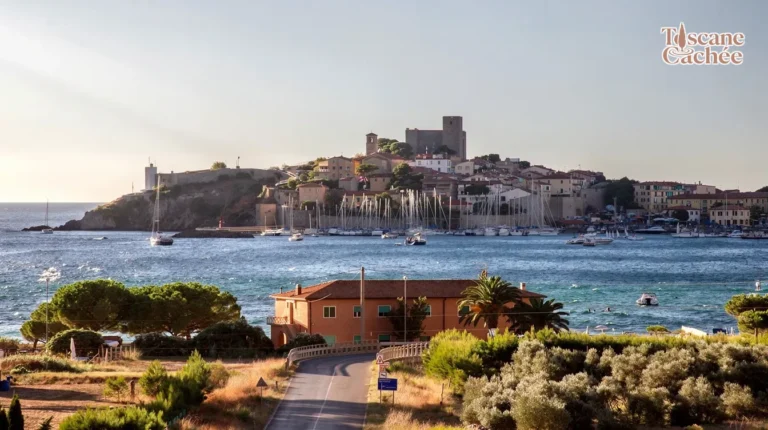
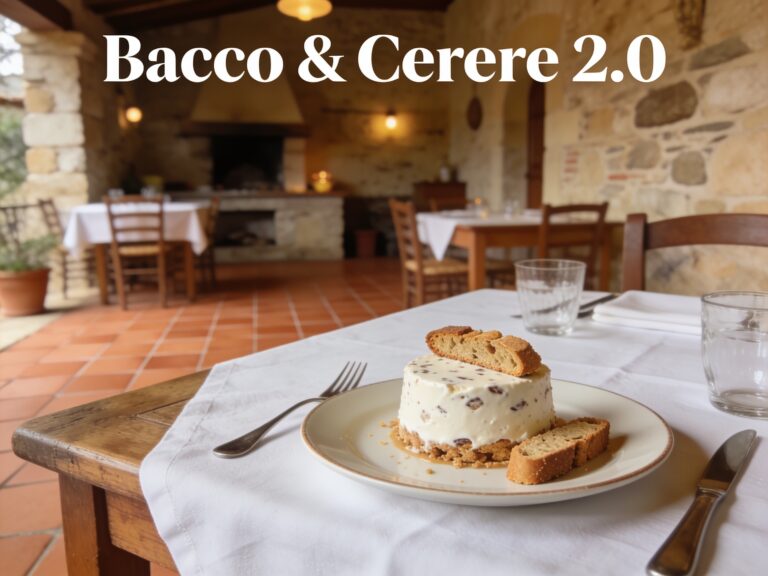
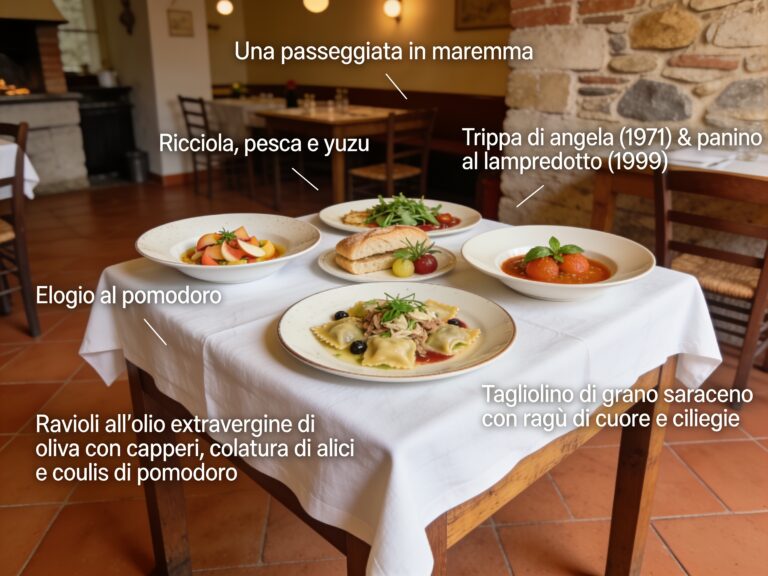
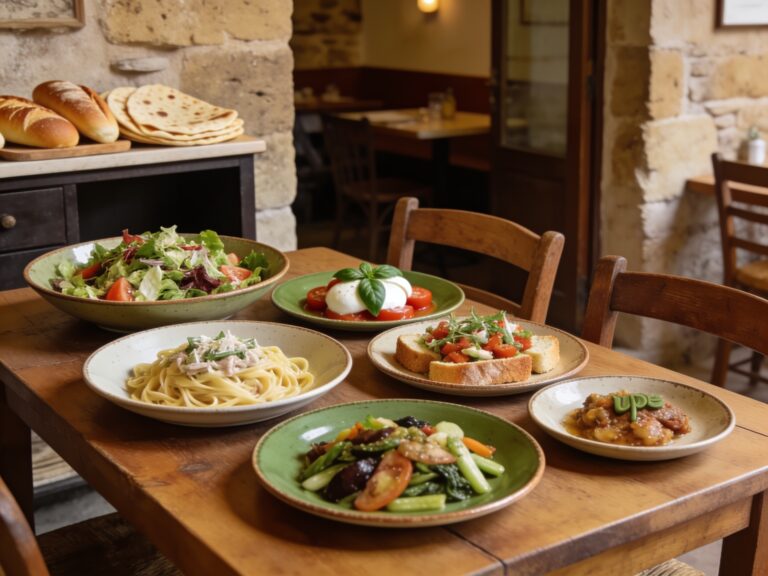
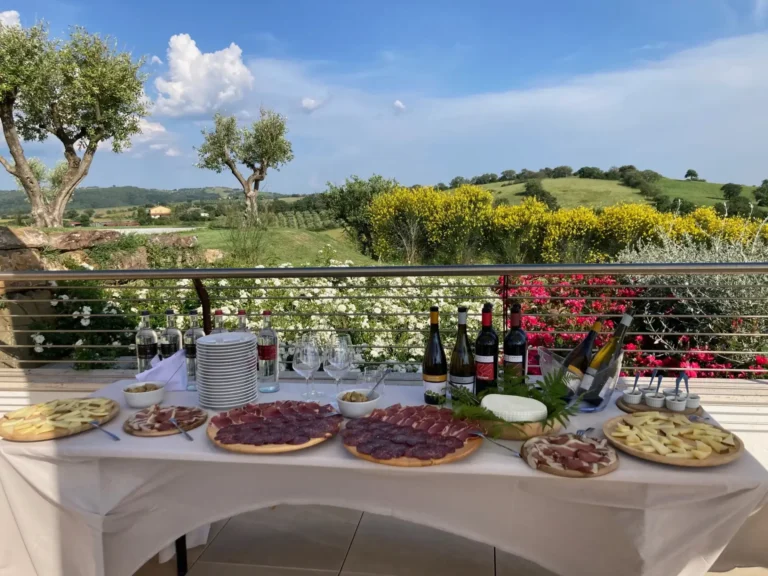
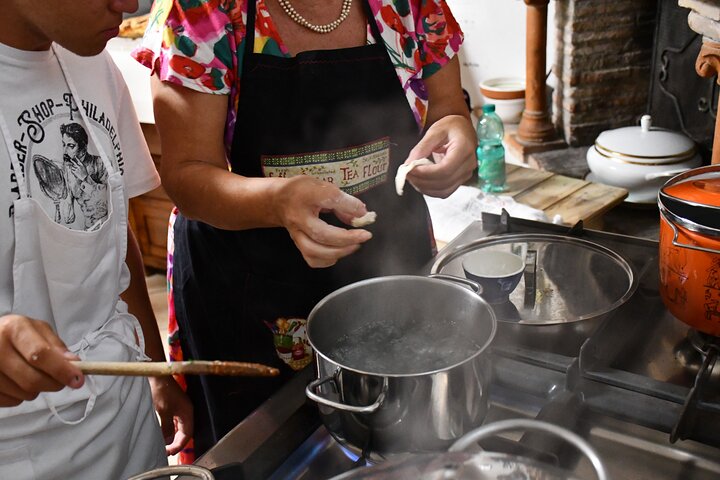

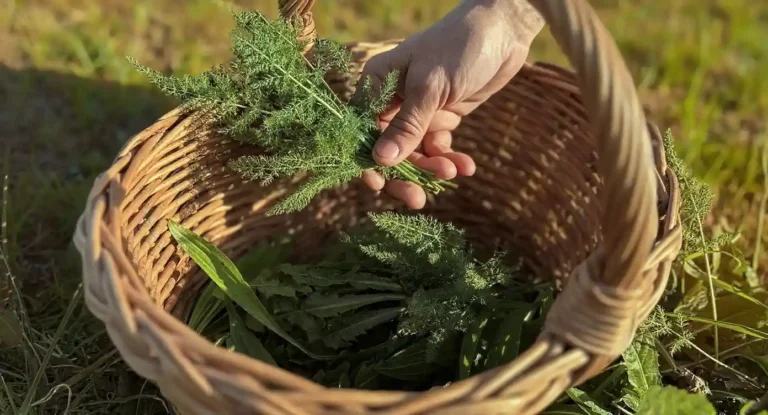
Maremma culinary workshop: wild herb foraging, tagliatelle class
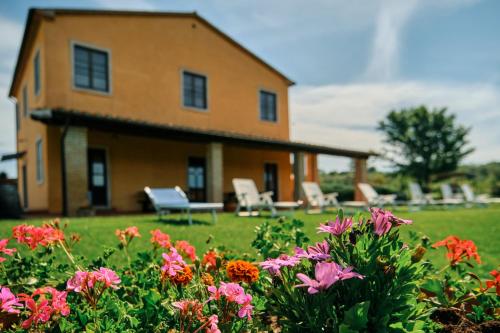
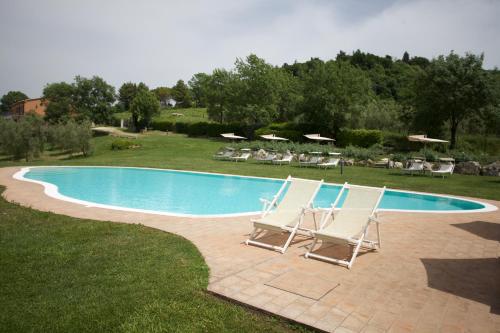

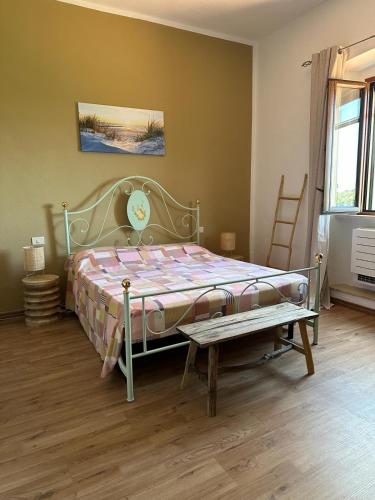
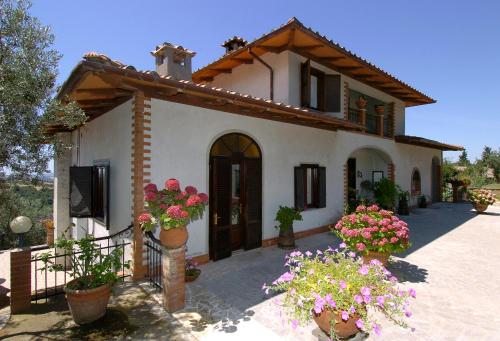
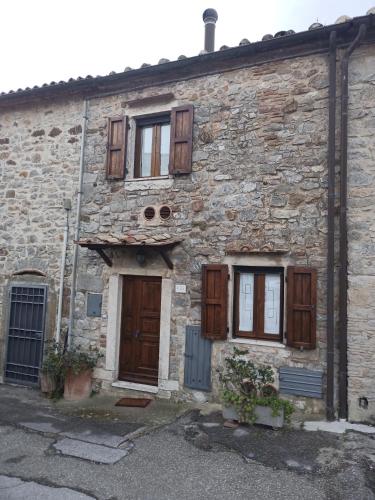
Is the map not displaying? See accommodations on Stay22
Map and prices provided by Stay22: Toscane Cachée may receive a commission on bookings.
You will also like

Wild Tuscany: beaches, thermal baths and nature far from the cypresses and vineyards of Chianti
Explore the wild Maremma: from the beaches of Marina di Alberese to the thermal baths of…

Where to go in Tuscany when you've already done Florence and Siena?
Discover secret Maremma: explore the tufa towns, the Saturnia hot springs…
Agriturismo in Tuscany: why choose Maremma over Chianti
Découvre pourquoi la Maremme surpasse le Chianti. Choisis l'authenticité brute, des prix 30% moins…

Tuscany off the beaten path: our guide to escaping the crowds in 2026
Explore Tuscany off the beaten path in 2026. Discover the wild Maremma, its hilltop towns…