
Do you think all Italian villages are discovered in peace and quiet? In Manarolain Liguria, the heavy crowds contrast with the peaceful atmosphere ofOrta San Giulioin Piedmont, facing San Giulio Island. Further south, Tuscany holds another surprise: Pitigliano and Sorano, tuff villages of the Maremma, where the vie cave and the historic Jewish quarter of Pitigliano give the visit distinctive landmarks.
Seven stops are not enough to sum up Italy, and this selection makes no claim to do so: the landscapes and regions are very different. In Matera, in Basilicata, the sassi shape the landscape. In Alberobello, in Puglia, it is the trulli that catch the eye.
In Sicily, Erice combines its narrow streets with Maria Grammatico's pastries. If you are planning an itinerary in Tuscany, the Maremma deserves its place alongside the better-known stops: its tuff villages show another side of the region.
Orta San Giulio, Piedmont at lake level

In the Piedmont, Orta San Giulio stretches along the shore of Lake Orta. The water sets the tone: you visit the village unhurriedly, without the pace of Italy's big cities.
A square, narrow streets and an island
Start with the Piazza Motta to get your bearings, then walk through the cobbled streets. That is where the heart of the village lies. Take the time to wander through them, rather than rushing through.
From the village, you can also reach San Giulio Island by boat. The crossing offers a moment on the water, and the lake reveals itself from another angle. A stop in Orta San Giulio is therefore done on foot, then with eyes turned toward the lake.
Manarola, the beauty of the Cinque Terre without hiding the crowds

On the coast of Liguria, Manarola is part of the Cinque TerreIts colorful houses, planted at the water's edge, form a setting you recognize right away. Yet the village is very busy. Better to know this before hoping for a quiet stop.
Terraced vineyards and houses at the water's edge
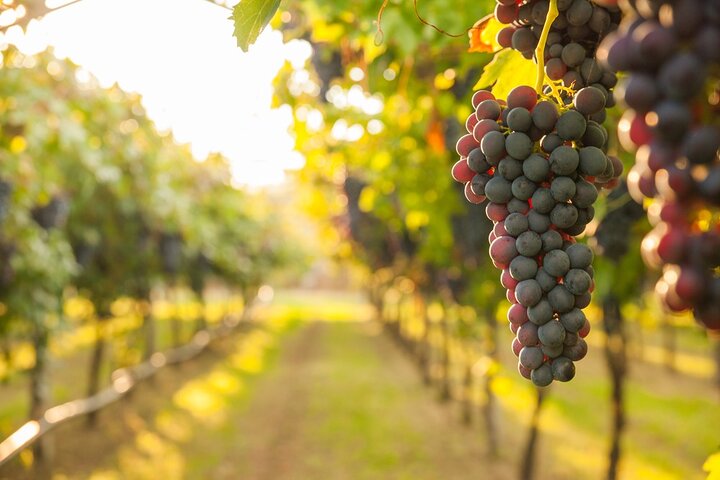
Colorful facades, seaside and terraced vineyards make up the setting of Manarola. These vineyards recall the village's winemaking tradition, whose sciacchetrà is the local wine. A coastal and cultivated landscape at once, it gives the village its character, without erasing the crowds that come with its popularity.
To explore the village, you can spot the Chiesa di San Lorenzo, head down to the port and follow the trails of the Cinque Terre National Park. These three options connect heritage, coastline and vineyard landscapes, but none shields the village from the crowd. Manarola is worth the trip provided you accept this contrast: a very distinctive setting, and lots of people.
Pitigliano, the tuff city that anchors the selection in the Maremma

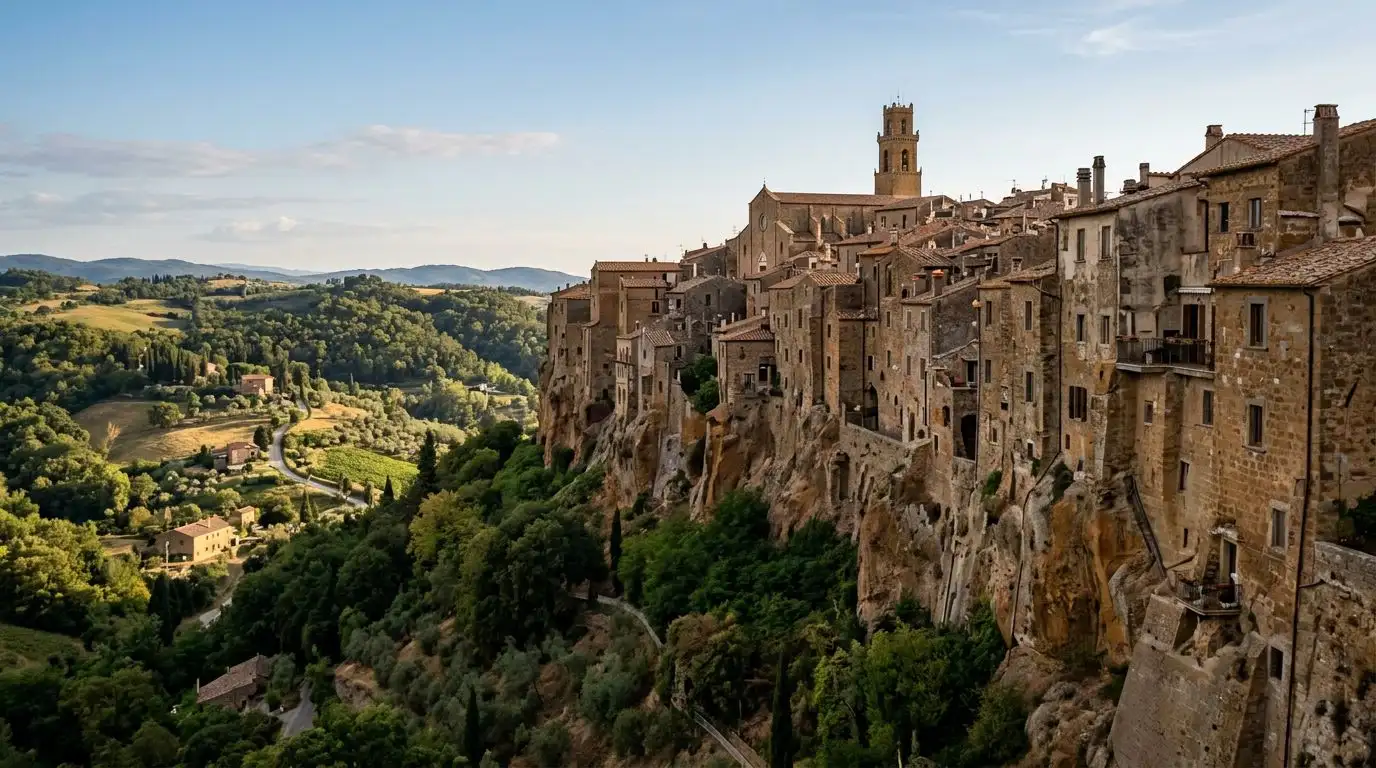
Pitigliano
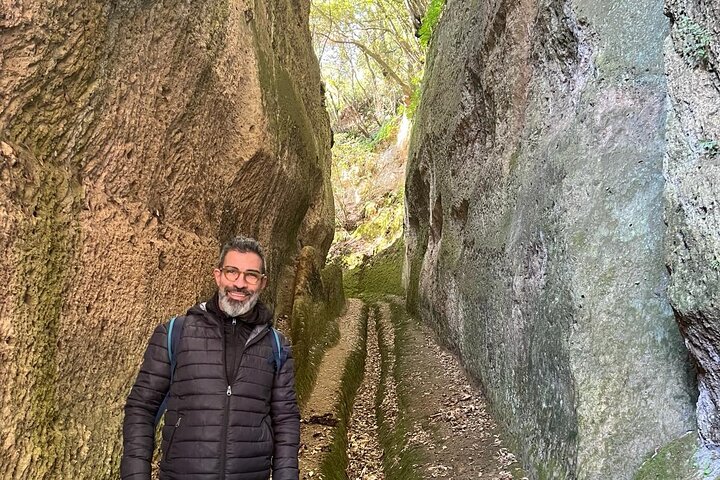
Village de tuff perched on its cliff, with Jewish quarter, synagogue from 1598, Palazzo Orsini and Vie Cave carved by the Etruscans

Tosco Make sure to stop at the viewpoint on the road when arriving from Manciano at sunset: seeing this village carved into the tuff suddenly blaze with color is one of the craziest panoramas in all of Tuscany!
In this selection of Italian villages, Pitigliano offers a less expected stop in Tuscany. Located in the Maremma, it owes its look to the volcanic tuff, which you spot right away.
Pitigliano is not the only one in this case: Sorano, another village in the Maremma, is built in this same tuff. Yet Pitigliano has its own landmarks, notably its Jewish heritage and its vie cave.
A heritage carved into volcanic rock
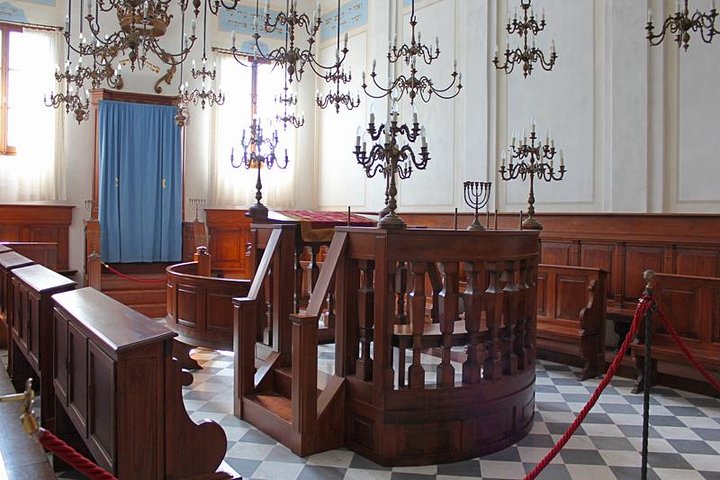
Pitigliano's historic Jewish quarter includes a synagogue, une boulangerie et une cave à vin casher. On voit donc cet héritage dans le village lui-même, et pas seulement dans le paysage de tuf.

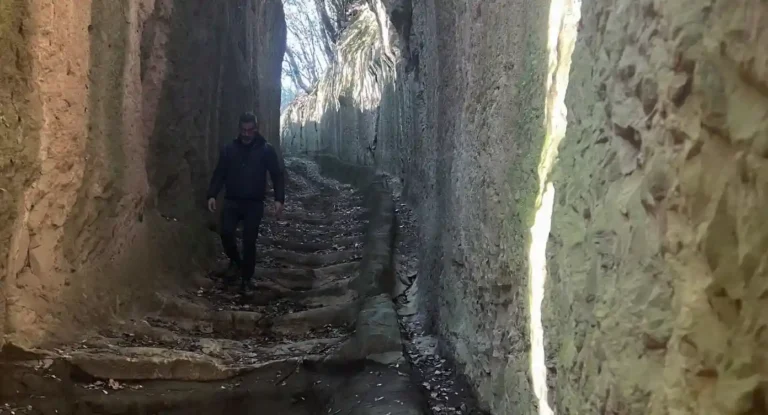
The vie cave form another feature specific to Pitigliano. Along with the tuff and the places tied to Jewish heritage, they give the village its local identity and situate it in this part of Tuscany. Pitigliano thus stands out from the other stops in the selection.
20. Our addresses · Pitigliano
Our favorite spots around Pitigliano
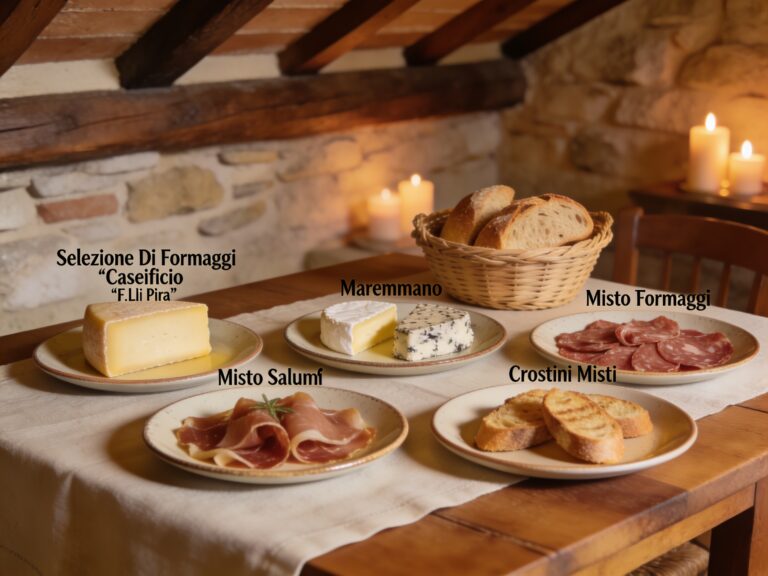
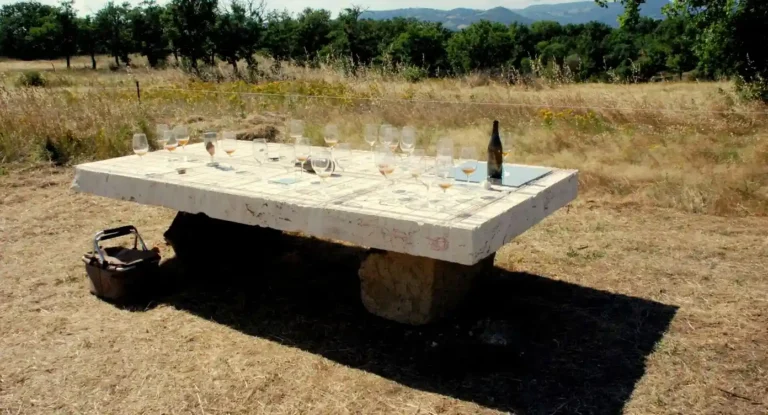
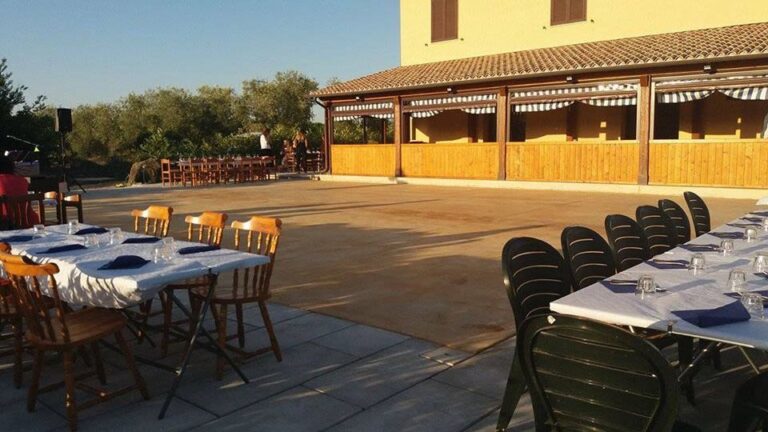
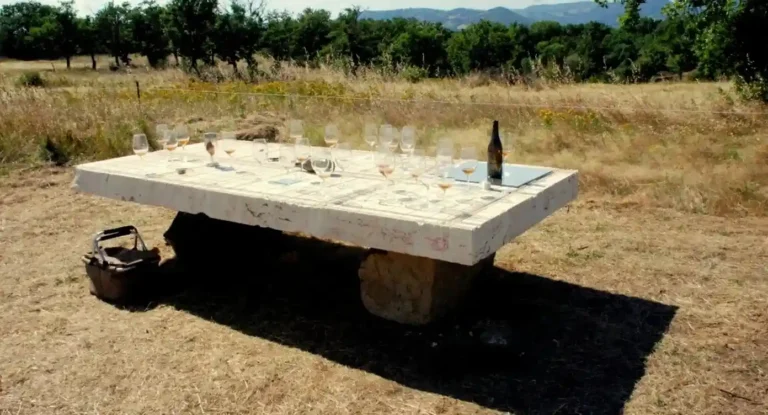
Alcohol abuse is dangerous for health, consume in moderation.
Sorano, the other face of the tuff villages

Sorano
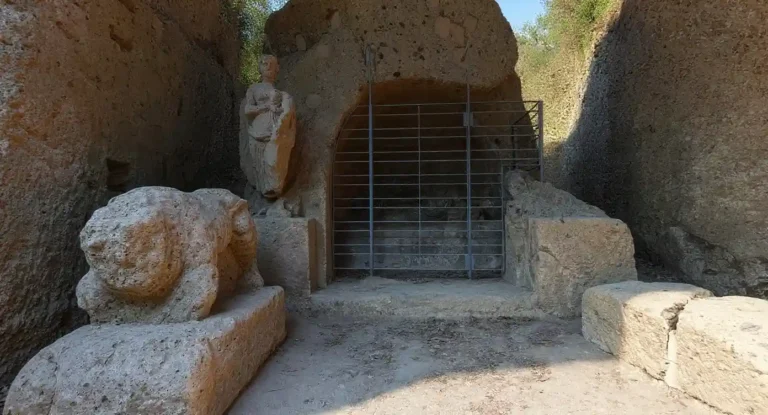
Sorano, the Matera of Tuscany, stacks its houses carved into the tuff above the valley, between the Fortezza Orsini, Etruscan vie cave and hot springs at 37.5 °C

Tosco My insider tip: climb up to the San Rocco viewpoint just opposite, that's where Sorano reveals its most dizzying profile on its tuff spur! Just remember to wear good sneakers, the sunken ground of the *Vie Cave* always remains wet and slippery.
After Pitigliano, Sorano opens another door onto the tuff villagesIt is worth thinking about them together: they are not two interchangeable stages, but two ways of discovering this common identity during a getaway in Maremma.
Extending the discovery of the authentic Maremma
Sorano opens up Maremma and offers a little-visited option, far from Italy's best-known destinations. In this itinerary, what matters first is its belonging to the tuff villages: the visit extends that of Pitigliano without repeating its landmarks.
This duo gives Maremma a place in a stay in Tuscany, outside the stops usually mentioned. Pitigliano and Sorano echo each other through their common identity as tuff villages; discovering them on the same getaway allows you to vary the stops without confusing their characters.
Our addresses · Sorano
Our favorite addresses around Sorano
Matera, an urban landscape shaped in rock

In southern Italy, Matera owes its character to the rock on which it was built. It is located in Basilicata, and its troglodyte districts are the best way to understand it: dwellings and visible arrangements form a whole carved into the stone.
The sassi and troglodyte districts of Basilicata
To understand Matera, you must first look at the sassi. These troglodyte districts shape the landscape and lead you to wonder how each construction fits the rock. A simple stroll through an old town would miss all that.
Staircases connect the levels and trace routes from one district to another. The rock churches and the ancient dwellings complete the picture, and it is their joint reading that makes Matera's troglodyte architecture intelligible. It is these passages, these churches and these dwellings carved into the rock that very concretely make the city unique.
Alberobello, Puglia under the sign of the trulli
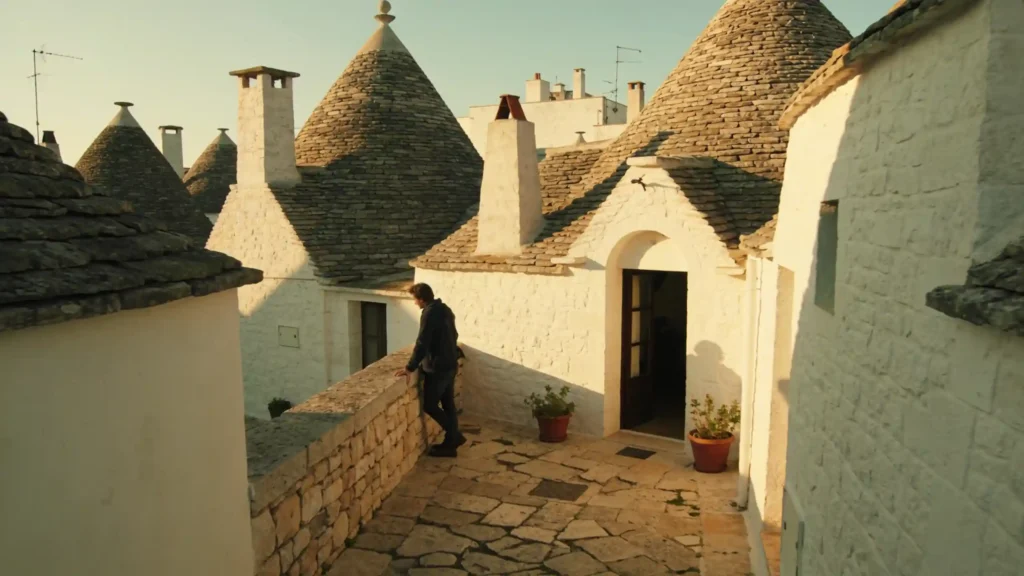
In the PugliaAlberobello is immediately recognizable by its trulli. These constructions are at the heart of the village's identity, and their listing UNESCO says a lot about their originality.
Conical dry-stone houses
The trulli are dry-stone conical houses. In the alleys, look at the roofs: they are what give the village its distinctive profile, and they form the common thread of the visit.
If you want to see the village without the crowds, arrive early in the morning. The alleys are almost empty at that time. You move at your own pace and can really look at the shapes of the trulli, in peace.
Erice, a medieval balcony over western Sicily

Perched in Sicily, Erice is discovered through medieval alleys and viewpoints over the coast. The terrain explains the image of the balcony: the village overlooks western Sicily and makes you want to take your time looking at the surroundings.
The cable car leads directly to the village. Once there, you can combine sightseeing, panoramic views and a gourmet break without making multiple round trips.
Castle, cable car and Sicilian pastries
First take the cable car to Erice, then head to the Castello di Venere, the village's heritage landmark. There you can discover the castle and enjoy the views over the coast.
From up there, you can see the salt pans of Trapani and the Egadi Islands. Between the hilltop village and these flat expanses, the stop takes on a whole different character: medieval heritage is explored here with the landscape as a backdrop.
Also set aside some time for the pastries of Maria Grammatico, an address known for its local sweets. After the castle and the panoramas, it's a lovely way to end the visit with a Sicilian specialty.
To each their own Italy, without forgetting the Maremma
No ranking here. The selection brings together lake landscapes, tuff villages, distinctive architecture and very busy stops. It all depends on what you're looking for: a lake setting, alleys carved into the rock, or a visit where the buzz is part of the experience.
Build your itinerary from your own landmarks. There's no need to try to see everything at the same pace. If your trip goes through Tuscany, plan a stop in Maremma : its tufa villages extend the taste of hilltop towns, but the landscape changes completely.
Once the trip is over, it's these contrasts that make you want to return to Italy and discover another region the next time.
13. Oui, Pitigliano and Sorano lend themselves well to the same getaway in Maremma, especially if you want to discover a Tuscany different from the best-known stops. Both villages are associated with volcanic tuff, which gives them an obvious connection, but the point is not to treat them as two copies of each other. The best approach is to see them as two distinct stops around a shared landscape identity. In Pitigliano, the tuff is also linked to the landmarks that structure the visit: the historic Jewish quarter and the vie cave, those paths carved into the rock.
To organize your day, allow enough time to wander rather than simply passing through the towns. In Pitigliano, take the time to spot the places associated with its Jewish heritage, notably the synagogue, the bakery and the kosher wine cellar, then observe the passages carved into the tuff. In Sorano, the interest lies in extending your discovery of the tuff villages without expecting the same landmarks or the same experience. The article does not give opening hours, prices or travel time between the two, so check these details before setting off and avoid building an overly tight schedule. For a stay in Tuscany focused on the authentic villages of Maremma, the duo allows you to vary your visits while keeping a clear common thread: the rock, the landscape and the local identity.
If your priority is a stroll with a peaceful atmosphere, Orta San Giulio seems the most suitable choice of the two. The Piedmontese village stretches along the shore of Lake Orta and the article describes it as a tranquil place, oriented towards the water and San Giulio Island. You can start at the Piazza Motta, then take the time to wander the cobbled alleys before boarding the boat to the island. The visit lends itself more to a slow walk than to a succession of major sites: the pleasure lies in the atmosphere of the lake, the alleys and the view from the water.
Manarola, in the Cinque Terre, offers a very different coastal setting, with its colorful houses near the water and its terraced vineyards, but you have to accept that it is very busy. You can spot the Chiesa di San Lorenzo there, head down to the harbor or follow trails in the national park, but none of these options guarantees a quiet visit. The article does not provide any times or specific periods when crowds would be smaller; so it is better not to count on a particular hour to avoid the crowds. In short, choose Orta San Giulio for a more relaxed lakeside stop, and Manarola if you want to see the iconic landscapes of the Cinque Terre knowing that the bustle is part of the experience.
In Pitigliano, the visit is not limited to admiring a village built on volcanic tuff: several landmarks help you understand its history and local identity. The historic Jewish quarter notably includes a synagogue, a bakery and a kosher wine cellar. These places give concrete dimension to the village’s Jewish heritage: instead of remaining a mere historical mention, it appears through spaces tied to religious and daily life. Take the time to observe how these landmarks fit into the town and its rocky landscape.
The vie cave are the other characteristic feature of Pitigliano. They are paths carved into the tuff, and their interest lies as much in their form as in the connection they reveal between the village and the volcanic rock. They therefore complement the discovery of the historic quarter rather than replacing it: one lets you focus on the cultural heritage, the other on how the landscape was carved and arranged. For a more attentive visit, avoid reducing Pitigliano to a photo stop and keep time to wander the alleys and spot these various places. The article does not specify opening hours, prices or visiting conditions for the heritage sites; find out before you leave, especially if you want to enter a particular place. Pitigliano is an interesting stop for anyone looking for an authentic Tuscan village and a unique heritage in Maremma.
To understand Matera, focus your walk on the sassi, its cave-dwelling districts, rather than treating the town as an ordinary historic center. What strikes you is the relationship between the buildings and the rock: the dwellings and visible arrangements seem to follow the contours of the land and form an urban landscape shaped in stone. As you move along, observe how the levels follow one another and how the buildings blend into the slope. This perspective helps you grasp why Matera stands out from villages whose appeal rests mainly on alleys or facades.
The stairways are also essential to the visit. They connect the different levels and sketch out routes from one district to another; so it is better to plan a walk where you accept going up, going down and stopping to look. Also look out for the rock churches and the ancient dwellings: when related to the passages and carved arrangements, they shed light on how the inhabitants made use of this rocky landscape. The article gives neither a detailed itinerary, nor times, nor entrance fees for the visitable sites, so check this information if you plan to enter a particular site. Even without a complicated program, keep time to explore the districts on foot and observe their different levels. It is this attentive reading of the sassi, the stairways, the churches and the dwellings carved into the stone that makes a visit to Matera truly meaningful.
To discover the trulli of Alberobello in a calmer atmosphere, the article recommends arriving early in the morning. This is the moment when the alleys are described as almost empty, which allows you to walk at your own pace and better observe the dry-stone conical houses. The advice is particularly useful if you want to look at the details of the roofs and understand how the shapes of the trulli give the village its recognizable profile, rather than simply passing through the streets amid the crowds.
Once there, let the alleys guide your visit and take the time to look up at the roofs. The trulli are the common thread of Alberobello; their distinctive architecture explains the village’s heritage value and its UNESCO listing, mentioned in the article. You can therefore plan a walk centered on observing the buildings, without trying to fill every minute with extra activities. No specific times, prices or parking details are provided in the text: check this information before setting off if it matters to your planning. Likewise, the article recommends early morning without giving an exact time or promising a total absence of visitors. For a stay in Puglia, consider this early arrival as a way to improve the conditions for strolling, not as a guarantee of solitude. The main practical advice remains simple: come early, move along calmly and devote the bulk of the visit to the alleys and the conical silhouettes of the trulli.
A simple way to organize your visit to Erice is to start with the cable car, which leads directly to the hilltop village, then explore the medieval alleys on foot. This arrival immediately sets the tone: Erice dominates western Sicily and is discovered as much through its passages and heritage as through its panoramas. Once in the village, you can head to the Castello di Venere, a heritage landmark mentioned in the article, and take the time to look at the views over the coast. From the heights, you can notably see the salt pans of Trapani and the Egadi Islands.
Then keep a break for the pastries of Maria Grammatico, an address known for its local sweets. The text thus suggests a natural sequence between the cable car ride up, a stroll through the village, a visit to the castle and a gourmet stop, without imposing a minute-by-minute program. If you prefer to take your time, leave some leeway for the alleys and viewpoints, as these are central elements of the Erice experience. The article specifies neither the cable car’s hours, nor the prices, nor the opening hours of the castle or the pastry shop: check this information before traveling, especially if you are going on a specific date. This organization suits an excursion where you want to combine medieval heritage, panoramic views over western Sicily and local specialties without multiplying back-and-forth trips.
Around this article


Is the map not displaying? See accommodations on Stay22
Map and prices provided by Stay22: Toscane Cachée may receive a commission on bookings.
You will also like

Visiting Pitigliano in 2026: guide to the tuff city
Discover how to visit Pitigliano in 2026. Explore Little Jerusalem, its Etruscan Vie Cave…

These paths carved into the rock have existed for 2500 years — and no one talks about them
The Vie Cave are paths carved directly into the volcanic tuff of the…

Visiting Sovana: medieval gem and Etruscan mysteries
Go visit Sovana, a tuff jewel in Maremma. Discover its Etruscan necropolis, its cathedral…
Sassotondo: the organic estate of Sorano that reinvents Maremma's volcanic wines
Découvre Sassotondo à Sorano : goûte au Ciliegiolo bio sur tuf volcanique et explore…