










January in Maremma
🧭 What to do in January in Maremma?
With cool air (3 to 12°C) and a sea too cold for swimming (~14°C), January is the most intimate face of Maremma: low season, thermal baths and culture without the crowds, as confirmed by the summary by type of stay which recommends November-March for winter slow travel. The historic center of Grosseto, its medieval walls and its duomo can be visited in peace, as can the Etruscan-Roman archaeological site of Roselle right next door. It is also the ideal month to explore the tuff borghi: Pitigliano at the forefront, with its ancient caves dug by the Etruscans and its spectacular landscape of tuff cliffs, a stone's throw from Sovana and Sorano which perfectly complete the itinerary. The Cascate del Mulino of Saturnia, accessible all year round, are particularly pleasant in winter — the warm sulphurous water contrasts with the cool air, without the crowds that invade them in summer. A month designed for contemplation rather than for the beach.
🎉 Village festivals (sagre) in January
Recurring events every year in these villages — precise dates vary slightly, to be checked a few weeks before your stay.

🏡 Where to sleep near Pitigliano
 8,7/10
 Check availability
 8,7/10
La Dimora del Borgo - Panoramic View
Pitigliano

Tosco Having an unobstructed view of Pitigliano when the tufa ignites at sunset is magical, but travel light: here, the medieval alleys and stairs are unforgiving to large suitcases!
 9,0/10
Pian De' Somari
Pitigliano
Tosco Being only a kilometer from the cliffs of Pitigliano while drinking your coffee with donkeys in the middle of the hills is the ideal combo to explore the tufa city without giving up the wild silence of the Maremma.
🎯 Activities near Pitigliano
 €€ 10,0/10 · 1 review
 Wine tasting
Unique Ciliegiolo tasting and organic cellar visit
Pitigliano

Tosco Not everyone swears by Sangiovese in Tuscany, but tasting Ciliegiolo grown in the volcanic tufa of Pitigliano is the best way to understand the wild soul of the Maremma!
 €€€ Guided tour
Historical exploration of Pitigliano, the Little Jerusalem
Pitigliano
Tosco Exploring the Jewish quarter, carved directly into the tuff, allows one to go beyond a simple postcard photo and touch the unique history of the city. A tip: save some breath to then go explore the impressive Etruscan *vie cave* right at the foot of the rock!
 €€€ 10,0/10 · 4 reviews Hiking
Etruscan hike and Bianco di Pitigliano tasting
Pitigliano
Tosco Walking in the cool air between the high tuff walls of the *Vie Cave* has an almost mystical quality, especially when it ends with a good glass of Bianco di Pitigliano under the rock!
📍 To see near Pitigliano


🗺️ Map — accommodation near Pitigliano
Absolutely! January is undoubtedly one of the best times to experience the authentic natural hot springs in Maremma, especially the famous Cascate del Mulino di Saturnia. With outdoor temperatures ranging between 3 and 12°C, the contrast between the crisp winter air and the sulphurous water at 37°C is an absolutely divine and invigorating sensation. It's a moment of pure bliss, far from the summer hustle and bustle. The major advantage is the almost complete absence of crowds, allowing you to enjoy the limestone pools serenely, even almost meditatively. Locals particularly appreciate this period, and you might encounter some regulars seeking tranquility and well-being. It's an incomparable sensory immersion, much more intense than during the warm months.
In January, Maremma is wonderfully suited for slow travel in winter, offering an intimate and preserved atmosphere. You can fully rejuvenate in these beneficial waters without having to contend with tourist crowds. It's also an excellent opportunity to discover other lesser-known wild hot springs in the region, which offer equally relaxing experiences in a preserved natural setting. For more details on the best times to visit Maremma and its hot springs, you can consult our month-by-month calendar. It's the perfect time for a getaway focused on relaxation and reconnecting with nature.
Absolutely! January is even a privileged period to explore the historical and archaeological treasures of Maremma, as the absence of strong heat and low tourist numbers make visits much more pleasant and immersive. You can stroll peacefully through the historic center of Grosseto, admire its medieval walls intact and its magnificent Duomo, without the summer crowds. A few kilometers away, the Etruscan-Roman archaeological site of Roselle offers a fascinating dive into antiquity, with its well-preserved remains and its panoramas of the surrounding countryside. The cool air is ideal for long walks on these outdoor sites.
But the real gem for history lovers in Maremma are the tuff villages. Pitigliano, nicknamed the «Little Jerusalem,» is a spectacle in itself, perched on its tuff cliff. Its Vie Cave, these Etruscan paths carved into the rock, are particularly mystical and impressive to explore in January. Nearby, the villages of Sovana and Sorano perfectly complement this historical itinerary, with their Etruscan necropolises and medieval fortresses. You will feel like you're going back in time, with an authenticity rarely matched. For a more in-depth exploration of these places, our guide on where to go in Tuscany after Florence and Siena could be very useful to you.
Let's be clear, swimming in the sea in Maremma in January is not recommended for most travelers. The temperature of the Mediterranean Sea in this region is around 14°C in January. This temperature is considered cold for recreational swimming and is more reserved for water activities requiring a wetsuit, such as snorkeling or scuba diving for the most experienced. If you are a fan of cold baths or ice swimming, this could be an experience, but it is certainly not the month to enjoy the beaches for lounging or classic swimming.
January is primarily the month for thermal baths and cultural exploration in Maremma, not for seaside pleasures. The Etruscan coast, so popular in summer for its wild beaches like Cala Violina, will regain its liveliness from May-June. However, if you are interested in different aquatic activities, snorkeling is always an option for the more adventurous, but it will be essential to equip yourself with a good wetsuit. To know when to fully enjoy the beaches of Maremma, our seasonal calendar will give you all the necessary information.
Absolutely! Maremma in January is the epitome of «off the beaten path» travel in Tuscany. It's a time when the region reveals its most authentic and intimate face, far from the summer crowds that invade the more well-known sites. The atmosphere is calm, nature is soothing, and you'll have the feeling of discovering a secret Tuscany, reserved for insiders. You can explore medieval villages like Pitigliano, Sovana and Sorano with unparalleled tranquility, get lost in their narrow streets and their Vie Cave without the pressure of mass tourism. It's a unique opportunity to truly connect with local history and culture.
Moreover, the wild thermal baths of Saturnia are particularly magical this season. Imagine bathing in natural hot water at 37°C, while the ambient air is cool and invigorating. It's a profound sensory experience and a true privilege. Maremma in January is conducive to contemplation, long walks in the rolling countryside, and discovering local flavors in authentic trattorias. It's an ideal destination for those seeking a different and authentic trip, where you take the time to live and appreciate every moment. It's the perfect time to get away from tourist clichés and embrace the true Tuscan soul.
January is the quintessential month for slow travel and cultural experiences in Maremma. The peaceful atmosphere and low crowds allow for deep immersion. You can start by strolling through the charming streets of Grosseto, visit its Duomo and stroll along its medieval walls, which offer a magnificent and rarely crowded historical setting at this time of year. The city's museums, such as the Palazzo Orsini à Pitigliano, are havens of peace where you can take your time to admire the collections.
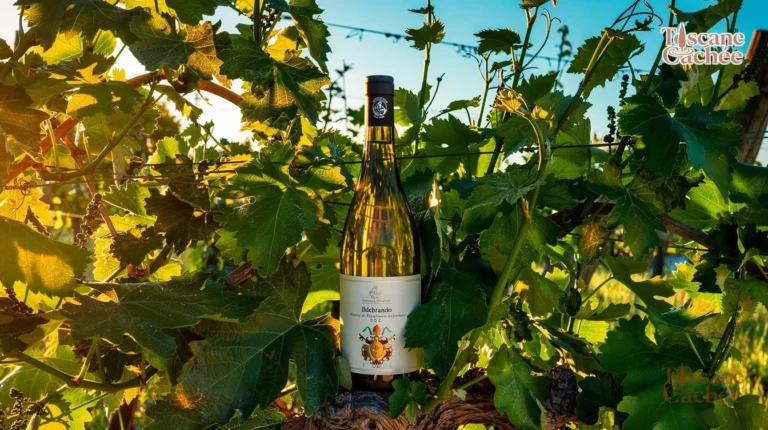
A must-do activity is exploring the tuff villages : Pitigliano, Sovana and Sorano. These villages, carved into volcanic rock, are architectural and historical gems. You can get lost in their Vie Cave Etruscan, true underground paths, and admire the ancient necropolises. It's an experience that invites contemplation and the discovery of the region's millennial history. Don't forget to stop at a local trattoria to savor authentic Maremma cuisine, often warmer and more comforting in winter. In the evening, a glass of Bianco di Pitigliano DOC, a local white wine, will perfectly complement your discoveries. For more ideas of little-known places, explore our article on secret Tuscany.
In January, traveling to Maremma to visit sites like Pitigliano or Saturnia is entirely feasible and often more pleasant than in high season. The car remains your best ally for exploring the region, as public transport mainly serves large cities and less so small villages or isolated natural sites. Roads are generally clear and traffic is very light, making driving smooth and serene. There are no major constraints related to the winter season in terms of access to sites, except for very rare extreme weather conditions (heavy snow, for example, which can occasionally fall in inland and mountainous areas, but this remains exceptional).
Parking is also much easier to find and often free during this period, especially at the Cascate del Mulino di Saturnia where crowds are minimal. For tuff villages like Pitigliano, Sovana and Sorano, you will be able to park without difficulty near the historic centers. Just remember to bring warm clothes and good walking shoes, as the air can be cool, especially in the morning and late afternoon. To optimize your travels, our guide on driving in Maremma will offer practical advice and a map of distances between the main points of interest.

February in Maremma
🧭 What to do in Maremma in February?
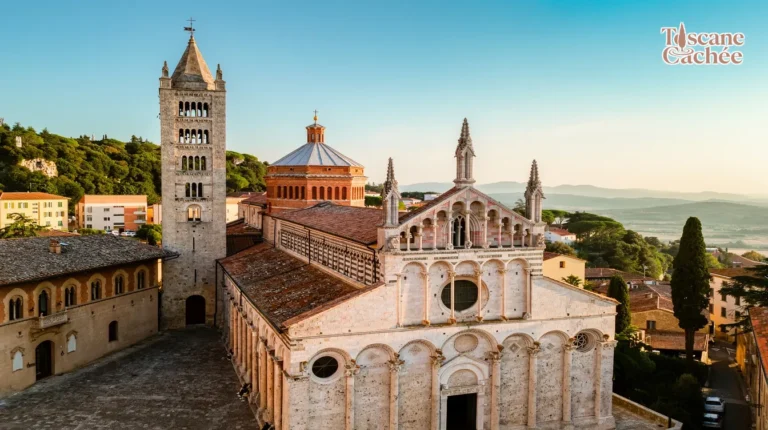
February remains cool (3-13°C) but the days get longer and the sites empty out — the atmosphere becomes frankly photogenic, between deserted winter beaches and low-angle light. The beaches of Feniglia, Marina di Alberese, Principina a Mare, and Castiglione della Pescaia lend themselves to long contemplative walks, far from any summer crowds. Inland, it's a good time to visit Massa Marittima and its cathedral, Magliano in Toscana, and Scansano, pushing open the doors of the wineries to taste Morellino di Scansano and Bianco di Pitigliano — wine-producing Maremma can also be discovered off-season, often with more attention from the winemaker than during peak season. Photography enthusiasts will particularly appreciate the bare winter landscapes, the dormant vineyards, and the Orbetello lagoon under a winter light that summer never allows to capture.
🎉 Village festivals (sagre) in February
Recurring events every year in these villages — precise dates vary slightly, to be checked a few weeks before your stay.
 8.1
Carnevale di Follonica
📍 Follonica — February
This carnival is an authentic and colorful celebration, with impressive floats and strong community participation.
✨ Parades of monumental papier-mâché floats
⚠️ Can be chilly in February (seaside)
View details → 7.8
Carnevale di Manciano
📍 Manciano, Marsiliana and Saturnia (Manciano) — February
It is a diffuse, family-friendly carnival celebration, with many free events for children and a dance for adults.
✨ Family-friendly and authentic atmosphere, away from the crowds
⚠️ Winter period (February) with sometimes unpredictable weather
View details → 8.4
Massa Marittima Carnival
📍 Massa Marittima — February, culminating on Shrove Tuesday
This carnival is a joyful and participatory celebration, perfect for discovering the festive atmosphere of Maremma.
✨ Festive and authentic atmosphere in a medieval setting
⚠️ Requires traveling inland
View details →🏡 Where to stay near Massa Marittima
 9,4/10
Agriturismo Bike Hotel Podere Giarlinga
Massa Marittima
Tosco The hills around Massa Marittima are an absolute paradise for mountain biking, but save some energy in your calves: climbing back up to the medieval village on foot for aperitivo after a day in the saddle is a steep climb!
 9,9/10
Podere Vecchia Commenda
Massa Marittima

Tosco The real luxury here is being able to grill your vegetables on the barbecue in the heart of the Maremma countryside, while being a five-minute walk from the medieval square of Massa Marittima for digestivo!
 0,0/10
Podere Poderino
Massa Marittima
Tosco If you're looking for great calm away from the hustle and bustle of Val d'Orcia, this is an excellent address in wild Maremma; just remember to go up to the piazza of Massa Marittima at the end of the day for aperitivo!
🎯 Activities near Massa Marittima
 € Wine tasting
Discover the world of the Podere La Pace cellar in Maremma
Massa Marittima
Tosco This is the ideal express format to fit in just before wandering the streets of Massa Marittima: their organic reds prove that Maremma can be just as refined as the great estates of Chianti!
 €€€€ Wine tasting
Journey around wine: From barrel to bottle at Conti di San Bonifacio
Gavorrano
Tosco Tasting wine directly from the barrel before it ends up in the bottle is rare and exciting, but with 9 cuvées on the program in three hours, plan for a sober driver to get back through the hills of Gavorrano!
 €€€ Wine tasting
Complete wine workshop at Conti di San Bonifacio
Gavorrano
Tosco Tasting wine straight from the barrel even before it is bottled is the kind of rare privilege that completely changes the way you understand the Super Tuscans of Maremma!
📍 To see near Massa Marittima


🗺️ Map — accommodations near Massa Marittima
Absolutely! February in Maremma is a surprisingly charming time, especially if you're looking to avoid summer crowds. While temperatures can be cool, generally ranging between 3°C and 13°C for the air and around 13°C for the sea, which makes swimming less appealing. However, this coolness is compensated by lengthening days and absolutely beautiful winter light, ideal for photography. The landscapes take on a whole new dimension, with deserted beaches and a serene atmosphere that you will never find in high season. It's the perfect time for contemplative walks along the coast, especially on the beaches of Feniglia, Marina di Alberese, Principina a Mare, or even in Castiglione della Pescaia, where you'll feel like you have nature all to yourself.
The inland also reveals its charms. It's an excellent opportunity to visit medieval towns like Massa Marittima and its splendid cathedral, or even Magliano in Toscana and Scansano. Far from the hustle and bustle, you can push open the doors of the "cantine" (cellars) for privileged tastings of local wines like the Morellino di Scansano or the Bianco di Pitigliano. Winemakers, less busy than in high season, will be delighted to share their passion and knowledge. The landscapes of vineyards at rest and the Orbetello lagoon under a low light offer unique photographic opportunities. In short, February is an ideal time to discover a more authentic, peaceful, and photogenic Maremma, far from the usual clichés.
Far from being gray and monotonous, Maremma in February is a true paradise for photographers, offering a light and atmospheres that summer absolutely does not allow to capture. It is a period when nature rests, revealing refined landscapes and a subtle palette of colors. The low light of winter is particularly soft and golden, creating long shadows and striking contrasts, ideal for artistic shots. Imagine deserted beaches like Marina di Alberese or the Feniglia, where sand and foam meet under an often dramatic sky, with no one around to disturb the composition. It's the perfect moment to capture the solitude and raw beauty of the coastline.
Inland, the dormant vineyards offer graphic lines and rich textures, often bathed in a morning mist that adds a mystical touch to your photos. Hilltop villages such as Magliano in Toscana or Massa Marittima reveal themselves from a different angle, with ancient stones that absorb the winter light and empty streets that invite contemplation. The Orbetello lagoon is another photographic gem in February. Pink flamingos and other migratory birds find refuge there, and the light on the water creates incredible reflections, especially at sunrise and sunset. It's a time when light photographic equipment is all the more appreciated for capturing these ephemeral moments. Don't hesitate, February is a magical season for photography in Maremma.
Absolutely! February is a fantastic time for long walks in nature in Maremma. Despite the cool temperatures (between 3°C and 13°C), the absence of crowds and the unique beauty of the winter landscapes make the experience very pleasant. The days are getting longer and the sun, although less ardent than in summer, is often present, offering soft light and excellent visibility. It's the ideal time to explore the coastline. The deserted beaches of Feniglia, Marina di Alberese, Principina a Mare and Castiglione della Pescaia transform into vast peaceful expanses, perfect for hours of invigorating walking by the sea. You can breathe the sea air undisturbed, observing birds and waves in complete tranquility.
Beyond the beaches, Maremma offers many hiking trails. The Maremma Natural Park (Parco della Maremma), in particular, is superb in winter. You could consider walks in the pine forest of Marina di Alberese or even sections of the coastal path between Talamone and Alberese, which offers breathtaking views of the sea and the surrounding countryside. The Orbetello lagoon, with its developed trails, is also an excellent choice for birdwatchers and lovers of lakeside landscapes under a unique winter light. Don't forget comfortable walking shoes and clothing adapted to the temperatures, potentially with several layers to adapt to the day's climatic variations. It's a golden opportunity to discover Maremma from a different angle, far from the summer hustle and bustle.
Excellent idea! February is actually a very good time for wine lovers wishing to visit the Maremma vineyards and do tastings. Far from the hustle and bustle of the harvest or the high tourist season, you will benefit from much more personalized attention from the winemakers. This is when they are generally less overwhelmed and more available to share their passion, explain the winemaking processes, and help you discover their wines in depth. The wineries remain open, and it's a unique opportunity to see the vines at rest, understand the vine cycle, and appreciate the wine landscape from a different angle.
Maremma is a dynamic wine region, famous notably for its Morellino di Scansano, but also for white wines like the Bianco di Pitigliano. Villages like Scansano and Magliano in Toscana are ideal starting points for exploring the surrounding wine estates. You can taste wines directly from the producers, often accompanied by local products. It's also an opportunity to discover lesser-known grape varieties or more confidential productions, such as the Ciliegiolo. Don't hesitate to contact the estates in advance to arrange your visit and ensure their availability. This "off-season" approach will greatly enrich your wine experience in Maremma.
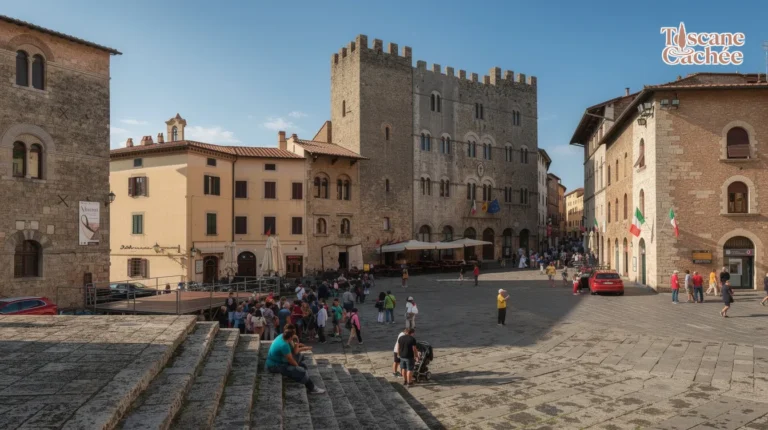
If you're looking for authenticity and tranquility away from the crowds in February, Maremma is full of gems. This period is ideal for discovering villages where local life is in full swing, without the summer tourist influx. I highly recommend visiting Massa Marittima. This medieval town, with its magnificent cathedral overlooking the main square, offers a unique atmosphere and charming streets to explore. In February, you can stroll at your leisure, have a coffee in a local bar, and soak up the history without the rush. It's a very different experience from high season.
In the wine-growing hinterland, don't miss Magliano in Toscana and Scansano. These villages are bastions of Maremman culture, where you can feel the pulse of the region. Magliano, with its ramparts and timeless atmosphere, is perfect for a stroll. Scansano, capital of Morellino, will allow you to combine cultural discovery and oenological pleasure, as mentioned previously. These places are not only photogenic but also rich in history and traditions. For an even deeper immersion, explore villages like Manciano, often passed through without stopping, which offers a panoramic view and discreet charm. February is truly the time to discover these hidden facets of Maremma.
Absolutely! February is a wonderful time to enjoy the wild hot springs in Maremma, despite the outdoor cold. It's even often considered the best season for this experience. Imagine yourself immersed in naturally warm water, around 37°C, while the ambient air is cool, even freezing. The contrast is invigorating and incredibly relaxing. The steam rising from the water creates a mystical and photogenic atmosphere, especially at sunrise or in foggy weather. It's a unique sensation that you won't be able to experience in summer, where the heat of the water can become stifling.
The famous Cascate del Mulino in Saturnia, with their cascading limestone basins, are particularly magical in winter. Access is free and the experience of an open-air swim under a winter sky is unforgettable. Other wild thermal baths, such as those of Petriolo or Sorano, also offer this opportunity for relaxation and well-being in the heart of nature. Crowds are generally smaller than in high season, allowing you to enjoy the serenity of the place more. Don't forget to bring a warm towel, sandals and a bathrobe to warm up after your swim. It's a must-do activity for a trip to Maremma in February, offering a true moment of sweetness and authenticity. For more details on the best time for thermal baths, you can consult our month-by-month calendar.
March in Maremma
🧭 What to do in March in Maremma?
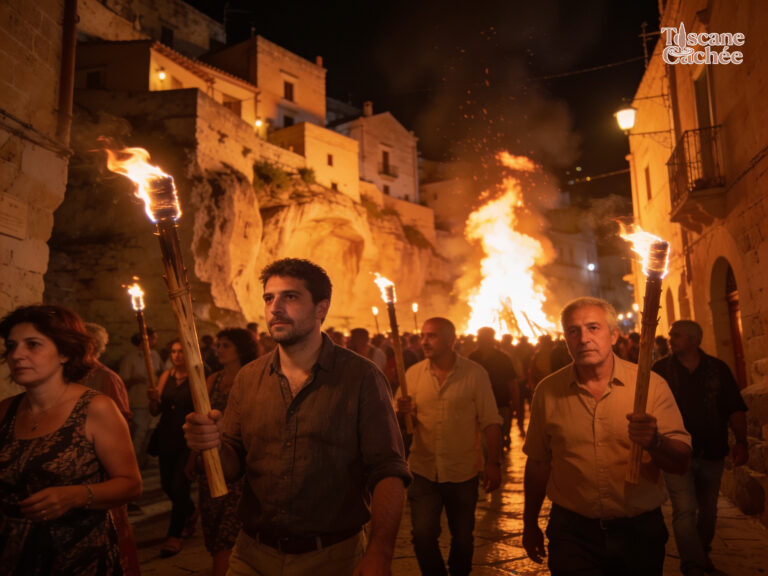
March marks the transition to spring (5-15°C), with vegetation returning and weather still unstable in places — ideal for hiking before the heat arrives. The Parco della Maremma can be explored via its marked trails around Alberese, San Rabano and the Torri dell'Uccellina, with spectacular views of the sea and cliffs. On Monte Argentario, these are the first panoramic hikes of the season, especially towards Punta Telegrafo and the balcony trails of the promontory. But March is above all THE month of the Torciata di San Giuseppe in Pitigliano: on the night of the 19th, a procession of forty «torciatori» carrying flaming bundles crosses the tuff borgo to the large bonfire that symbolically burns the 'Invernaccio«, personification of winter, to celebrate the arrival of spring. Music, rituals and local gastronomy accompany this millennial fire festival, one of the most inhabited of the Maremman calendar.
🎉 Village festivals (sagre) in March
Recurring events every year in these villages — precise dates vary slightly, to be checked a few weeks before your stay.
🏡 Where to sleep near Pitigliano
8,7/10
Poggio del Castagno
Pitigliano
Tosco The real luxury here is not the marble but the absolute calm of the Maremma and Luca's table: after hiking in the *Vie Cave* of Pitigliano, you absolutely must taste their dishes prepared with the estate's olive oil!
8,7/10
La Dimora del Borgo - Panoramic View
Pitigliano
Tosco Having an unobstructed view of Pitigliano when the tufa ignites at sunset is magical, but travel light: here, the medieval alleys and stairs are unforgiving to large suitcases!
9,0/10
Pian De' Somari
Pitigliano
Tosco Being only a kilometer from the cliffs of Pitigliano while drinking your coffee with donkeys in the middle of the hills is the ideal combo to explore the tufa city without giving up the wild silence of the Maremma.
🎯 Activities near Pitigliano
€€ 10,0/10 · 1 review Wine tasting
Unique Ciliegiolo tasting and organic cellar visit
Pitigliano
Tosco Not everyone swears by Sangiovese in Tuscany, but tasting Ciliegiolo grown in the volcanic tufa of Pitigliano is the best way to understand the wild soul of the Maremma!
€€€ Guided tour
Historical exploration of Pitigliano, the Little Jerusalem
Pitigliano
Tosco Exploring the Jewish quarter, carved directly into the tuff, allows one to go beyond a simple postcard photo and touch the unique history of the city. A tip: save some breath to then go explore the impressive Etruscan *vie cave* right at the foot of the rock!
€€€ 10,0/10 · 4 reviews Hiking
Etruscan hike and Bianco di Pitigliano tasting
Pitigliano
Tosco Walking in the cool air between the high tuff walls of the *Vie Cave* has an almost mystical quality, especially when it ends with a good glass of Bianco di Pitigliano under the rock!
📍 To see near Pitigliano
🗺️ Map — accommodation near Pitigliano
Absolutely! March is a transitional month in Maremma, marking the beginning of spring. Temperatures are mild, generally ranging between 5 and 15°C, which is ideal for outdoor activities without the sometimes overwhelming summer heat. You'll enjoy nature awakening, with lush vegetation and landscapes turning green. It's the perfect time for hiking, especially in the Parco della Maremma. Its marked trails around'Alberese, San Rabano and the Torri dell'Uccellina offer spectacular views of the sea and cliffs. The weather can be unstable at times, with some spring showers, but this only adds to the charm of the landscapes and refreshes the atmosphere. Just plan for appropriate clothing, with layers to adapt to temperature variations.
For exploring coastal villages, such as those of the Monte Argentario, March is also very pleasant. You will avoid the summer crowds and can enjoy peaceful walks along the shores or the first panoramic hikes of the season, especially towards Punta Telegrafo and the balcony trails of the promontory. The sea temperature is still cool, around 14°C, so swimming is not yet on the agenda for most, but the beaches are magnificent for a stroll. It's a good time to explore the wild Tuscany, far from classic tourist routes, and enjoy an authentic and serene atmosphere. Remember to check local weather forecasts a few days before your departure to refine your itinerary.
Absolutely! If you are looking for authenticity and local traditions, March in Maremma has a truly unique and fascinating event in store for you: the Torciata di San Giuseppe in Pitigliano. This millennial festival is one of the most inhabited and emblematic of the Maremma calendar, and it takes place every year on the night of March 19th. It's an immersive experience that will plunge you into the heart of local culture.
The ritual is impressive: a nocturnal procession of forty «torciatori» – torch bearers – crosses the tuff borgo, Pitigliano, illuminating the medieval alleys with a mystical glow. These bearers carry flaming bundles to a large bonfire where the 'Invernaccio«, a personification of winter, is symbolically burned. It is a pagan and religious celebration at the same time, marking the passage from the cold season to the arrival of spring. The atmosphere is magical, imbued with a strong identity and folkloric dimension, with music, ancestral rituals and of course, local gastronomy which always accompanies this kind of festivities. Attending the Torciata di San Giuseppe is a rare opportunity to experience Maremma from within and understand its deep connection with its roots and its territory. It is a highlight not to be missed if you are in the region on this date.
March is an exceptional time for hiking in Maremma, before the arrival of the intense summer heat. Nature is in full bloom and the landscapes are strikingly beautiful. I highly recommend exploring the Parco della Maremma, a true natural gem. You will find marked trails that wind through pine forests, wild beaches and cliffs offering spectacular sea views. The itineraries around'Alberese, San Rabano and the Torri dell'Uccellina are particularly interesting. The A7 trail « Bocca d'Ombrone » is an easy loop of 5.6 km starting from Marina di Alberese, crossing pine forest and marshland to the mouth of the Ombrone river, where you can observe Maremma cows and many birds. Access to the park requires the purchase of a ticket (approximately 5€), and it is often advisable to use the shuttle from Alberese to reach the starting points of the trails.
Another magnificent area for hiking is the Monte Argentario. From March, the balcony trails of the promontory offer breathtaking views of the Tyrrhenian Sea and the islands of the Tuscan archipelago. Paths like those leading to Punta Telegrafo are perfect for enjoying the sea air and Mediterranean landscapes. The particularity of March is the mild temperatures (between 5 and 15°C), which makes walking very pleasant. However, bring comfortable and waterproof hiking shoes, as the trails can be wet in places, and a light jacket as the weather can be changeable. Don't forget to bring water, as refreshment points are rare on the trails. This is the ideal time to discover Tuscany off the beaten path and enjoy unspoiled and authentic nature.
March is an excellent time to visit the wild hot springs of Tuscany, especially the famous Petriolo Thermal Baths. With outdoor temperatures still cool (between 5 and 15°C), the contrast with the warm spring water is all the more pleasant and invigorating. The Petriolo hot springs offer an authentic and free experience, far from the hustle and bustle of more developed thermal resorts. The water gushes out naturally at a temperature of approximately 43°C, rich in sulfur, which gives it recognized therapeutic properties and a characteristic odor. You will find several natural pools carved into the rock, some very hot like the « Pozzo dell’inferno », and others more temperate, creating a natural thermal path at the confluence of the rivers Farma and Merse.
The specificity of Petriolo, compared to more well-known hot springs like Saturnia, is its much more confidential and wild side. There are no developed tourist infrastructures on site, which preserves its rustic charm. It's a total immersion in nature, surrounded by magnificent forests. For a successful visit in March, I advise you to go in the morning during the week for more tranquility. Don't forget to bring your own equipment: water shoes, swimsuit, and towel, as no services are available on site. Access is easy via the SP4, between Monticiano and Civitella Paganico, with a free parking near the bridge over the Farma. This is a unique opportunity to discover a facet of secret Tuscany and enjoy a moment of deep relaxation in an exceptional natural setting. Respecting the environment is paramount on this preserved site.
For an authentic stay in Maremma in March, I would direct you towards accommodations that highlight the surrounding nature and the local character of the region. The agriturismi are undoubtedly the most emblematic and suitable option for this period. These are restored farmhouses offering rooms or apartments, often with a swimming pool (although in March it might be chilly!) and the opportunity to taste local products directly from the farm. It's a total immersion in Tuscan rural life, perfect for enjoying nature awakening in spring. Many agriturismi are located in the heart of rolling landscapes, offering magnificent views and easy access to hiking trails. You might even witness the beginnings of agricultural work, with fields being prepared for the season.
Another interesting option, if you are looking for a more unusual and nature-close experience, could be glamping. Although March is still a bit cool for tent nights, some establishments offer well-insulated and heated safari tents or luxury mobile homes, providing all modern comforts while staying as close as possible to the natural environment. This can be an original alternative to agriturismo, as detailed in our article on Glamping vs agriturismo in Maremma. Whether you choose a family agriturismo or a refined glamping option, the important thing is to favor accommodation that will allow you to immerse yourself in the tranquility of Maremma, observe the spring flora and fauna, and savor local cuisine. Do not hesitate to ask about the activities offered by the establishment, as many of them organize wine tastings, cooking classes, or horseback riding, even in low season.
For a photographer, March in Maremma is an absolutely sublime period, offering unique light and colors that lend themselves wonderfully to capturing images. The nascent spring transforms the landscapes, and you will benefit from an atmosphere that is still serene, far from the summer tourist influx. The March light in Tuscany is described as soft and golden, perfect for photography. The hills are adorned with vibrant green, and almond and peach trees begin to bloom, adding delicate touches of white and pink to the panoramas. It is a time when every landscape seems alive and renewed.
I recommend focusing on several types of scenes. First, the rolling landscapes of Parco della Maremma, where coastal paths offer spectacular views of the Tyrrhenian Sea, with cliffs and still deserted beaches. The morning or late afternoon light will be ideal for capturing the nuances of the Mediterranean. Then, perched villages like Pitigliano, Sovana or Sorano, carved into the tuff, take on a particular dimension under this spring light, with the first flowers coloring their narrow streets. The Torciata di San Giuseppe in Pitigliano, the March 19th, is also an exceptional photographic event, with the flames of the torches and the bonfire creating striking contrasts in the night. Finally, the inland valleys, with their freshly plowed fields and the first farmers' markets reappearing, offer authentic scenes of rural life. The banks of the'Ombrone, especially at its mouth (Bocca d'Ombrone), are also very photogenic with their mountains of driftwood and the silhouettes of the islands in the distance. It's a time when nature is at its peak, with a palette of colors and an atmosphere that will delight any photographer in search of memorable images.
Renting a car is the ideal way to explore Maremma in March and fully enjoy its awakening spring landscapes. Roads are generally less crowded than in high season, which makes driving more pleasant. To admire the spring landscapes, I suggest you favor secondary roads that wind through the green hills. The area around Monte Argentario offers spectacular panoramic roads, with breathtaking views of the coast and the sea, where the first wild flowers begin to bloom. The roads leading to tuff villages like Pitigliano, Sovana and Sorano are also magnificent, crossing agricultural landscapes where fields begin to turn green again and fruit trees to blossom. Don't hesitate to venture onto the small country roads that lead to agriturismi, they are often the most picturesque.
Regarding practical tips for driving in March, the weather can be a bit unpredictable. Although temperatures are mild (between 5 and 15°C), spring showers are possible. Make sure your rental vehicle is equipped with good tires and that the windshield wipers work correctly. Maremma roads are generally well maintained, but some small country roads can be narrower and winding. Be attentive to signs indicating sharp turns. The mobile network can be almost non-existent in some more remote areas, such as the marshes of the Parco della Maremma, so it's wise to download an offline map to your phone or have a paper map. For more details on driving and itineraries, our guide on Tuscan Maremma by car will give you valuable advice. Take advantage of this period to explore Maremma at your own pace, stopping to admire the panoramas and capture the beauty of Tuscan spring.

April in Maremma
🧭 What to do in April in Maremma?
With 7 to 18°C and a still cool sea (~15°C), April is one of the best months to combine nature and visits to borghi without the heat or summer crowds — the report also places spring among the two best windows of the year for hiking. The Parco della Maremma is suitable for hiking, horseback riding, mountain biking or e-biking in a vegetation in full explosion of green. On the Argentario, it's time to explore the two ports — Porto Santo Stefano and Porto Ercole — and spot the first calette (Cala del Gesso, Cala Grande) before they fill up in summer. To the south, Capalbio and its medieval borgo are worth a visit, as is Niki de Saint Phalle's Giardino dei Tarocchi in Garavicchio nearby — a surreal artistic park that contrasts with the rest of the itinerary. The south coast, between Ansedonia and Capalbio beach, perfectly complements a road trip that combines nature, art and heritage without ever suffering the heat of July-August.
🎉 Village festivals (sagre) in April
Recurring events every year in these villages — precise dates vary slightly, to be checked a few weeks before your stay.
 7.8
Pian di Rocca Spring Festival
📍 Pian di Rocca (Castiglione della Pescaia) — A weekend in April
This spring festival is an authentic celebration of Maremma's rural culture, offering entertainment and local flavors.
✨ Immersion in Maremman peasant culture
⚠️ Requires a car to get there easily
View details → 8.3
Feast of Saint George in Montemerano | Joust of the Dragon
📍 Montemerano (Manciano) — Week of April 25
This traditional festival offers an authentic immersion in the history and culture of Tuscan Maremma, not to be missed.
✨ Total immersion in an authentic medieval tradition
⚠️ Access and parking can be complicated during peak attendance
View details →🏡 Where to stay near Capalbio
 9,0/10
B&B Il Giardino
Capalbio
Tosco It's a great base for exploring between the Tarot Garden and the beaches of Feniglia, with a real good tip: you can walk to the nearby agriturismo for dinner without getting back in the car!
 Check availability
 8,9/10
Agriturismo San Mauro
Capalbio
Tosco With only six rooms and a table that highlights Maremma products, it's the ideal base camp to explore the Tarot Garden peacefully before the crowds arrive!
 9,3/10
Resort Locanda Rossa
Capalbio
Tosco It's the ideal base camp to explore the secret Maremma: you're a stone's throw from the crazy sculptures of the Tarot Garden and the grand crus of Monteverro, while enjoying the absolute calm of the olive groves when you return in the evening.
 Check availability
 Check availability
🎯 Activities near Capalbio
 €€€€ Horseback ride
Night horseback riding in Maremma with dinner under the stars
Capalbio
Tosco Crossing the wild Maremma at dusk on the back of a real Maremmano horse is the very essence of this land of *butteri* — just remember to bring a windbreaker for the night ride back, the air cools down quickly in the Capalbio hills!
 €€€ Wine tasting
Tuscan Maremma: Premium Wine Tasting and Gourmet Food
Capalbio
Tosco The powerful reds of Maremma are a real change from the Chianti classics, but plan for a sober driver for the day: with five generous wines and the Capalbio sun, it goes to your head fast!
 €€ Wine tasting
Capalbio: wine and olive oil tasting with a view of the vineyards
Capalbio
Tosco Schedule this tasting right after exploring the wild sculptures of the nearby Tarot Garden, the view over the hills is even more beautiful in the late afternoon. And between us, the sun-drenched wines of Maremma have real character!
📍 To see near Capalbio


🗺️ Map — accommodation near Capalbio
In April, Maremma offers a very pleasant climate, with air temperatures generally ranging between 7 and 18°C. The sea temperature is still cool, around 15°C, which makes it less suitable for prolonged swimming, but ideal for other activities. It is undoubtedly one of the best times to explore this region of Tuscany, as it allows you to fully enjoy nature and the charming borghi (medieval villages) without the suffocating heat and summer crowds.
April is particularly recommended for hiking, cycling and outdoor activities enthusiasts. The Parco della Maremma, also known as Parco dell'Uccellina, transforms into a lush green setting, offering perfect trails for walks, horseback riding, mountain biking, or e-biking. The coves of the'Argentario, like the spectacular Cala del Gesso or the vast Cala Grande, are still peaceful and allow you to enjoy their beauty before the tourist influx. It's also the ideal time to explore the ports of Porto Santo Stefano and Porto Ercole, and stroll through the narrow streets of the villages without the crowds. Don't forget comfortable shoes and a backpack to carry water and snacks, as some access points to the coves can be steep. The region offers a unique combination of nature, art, and heritage, without the drawbacks of July and August.
In April, Maremma is a true paradise for outdoor activities and cultural discoveries, far from the summer hustle and bustle. With mild temperatures and nature in full bloom, it's the ideal time for hiking and cycling. The Parco della Maremma offers numerous marked trails, perfect for walks, horseback riding excursions, or mountain biking and e-biking outings. You can observe rich wildlife and exuberant Mediterranean flora there. Beaches like Marina di Alberese or Cala di Forno, although the water is still cool, are perfect for long walks.
On the promontory of the'Argentario, enjoy the tranquility to explore the picturesque ports of Porto Santo Stefano and Porto Ercole. These charming localities offer great opportunities to stroll along the quays, discover artisan shops, and enjoy a coffee on a terrace. It's also the ideal time to spot famous coves like Cala del Gesso, Cala Grande or Cala Piccola, before they are overrun in summer. Access to these coves can be a bit steep, like the %s descent to 20 minutes towards Cala del Gesso, but the reward is crystal clear water and breathtaking landscapes. To the south, don't miss the charming borgo medieval of Capalbio and, nearby, the surreal Giardino dei Tarocchi from Niki de Saint Phalle to Garavicchio. This art park, generally open from April 1st to October 15th, offers a unique experience with its colorful monumental sculptures inspired by the tarot arcana. The south coast, between Ansedonia and the beach of Capalbio, perfectly complements an itinerary combining nature, art, and heritage, without the discomforts of summer heat.

May in Maremma
🧭 What to do in Maremma in May?
May (10-22°C, sea at 18°C) is considered one of the most pleasant months of the whole year: almost summer, without its temperature excesses or crowds. The formula that works well: beaches in the morning — Feniglia, Alberese, Castiglione della Pescaia — then visits to villages and wineries in the afternoon, when the light becomes softer. On Monte Argentario, it's the best window of the year for snorkeling in the coves, with optimal underwater visibility, and for panoramic trails towards Punta Telegrafo and the ancient Spanish towers that once watched over the coast. Inland, Massa Marittima and the Colline Metallifere are worth a visit for their Romanesque-Gothic cathedral, their intact medieval village, and their mining heritage — geothermal park and ancient mines bear witness to another facet of Maremma, less known than its beaches. A perfect month for a stay that refuses to choose between sea and hills.
🎉 Village festivals (sagre) in May
Recurring events every year in these villages — precise dates vary slightly, to be checked a few weeks before your stay.
 7.9
Fried Chicken and Fava Beans Festival of Montiano
📍 Montiano (Magliano in Toscana) — May Day weekend
This authentic festival is a must for discovering the cuisine and friendly atmosphere of Tuscan Maremma.
✨ Authentic and generous Maremman cuisine
⚠️ Can be very busy, especially at the weekend
View details → 8.1
Fête de San Bernardino
📍 Capalbio — May
The Festival of San Bernardino in Capalbio is an authentic annual event, blending religious tradition and varied activities.
✨ Deep cultural immersion
⚠️ Can be very crowded in May
View details → 8.1
Itinerant Cantamaggio
📍 Scansano (and other Maremma municipalities) (Scansano) — Late May
This traveling festival is an excellent opportunity to discover an authentic popular tradition of Tuscan Maremma.
✨ Deep immersion in a living Tuscan tradition
⚠️ Annual and traveling event, requires checking dates and locations
View details → 8.4
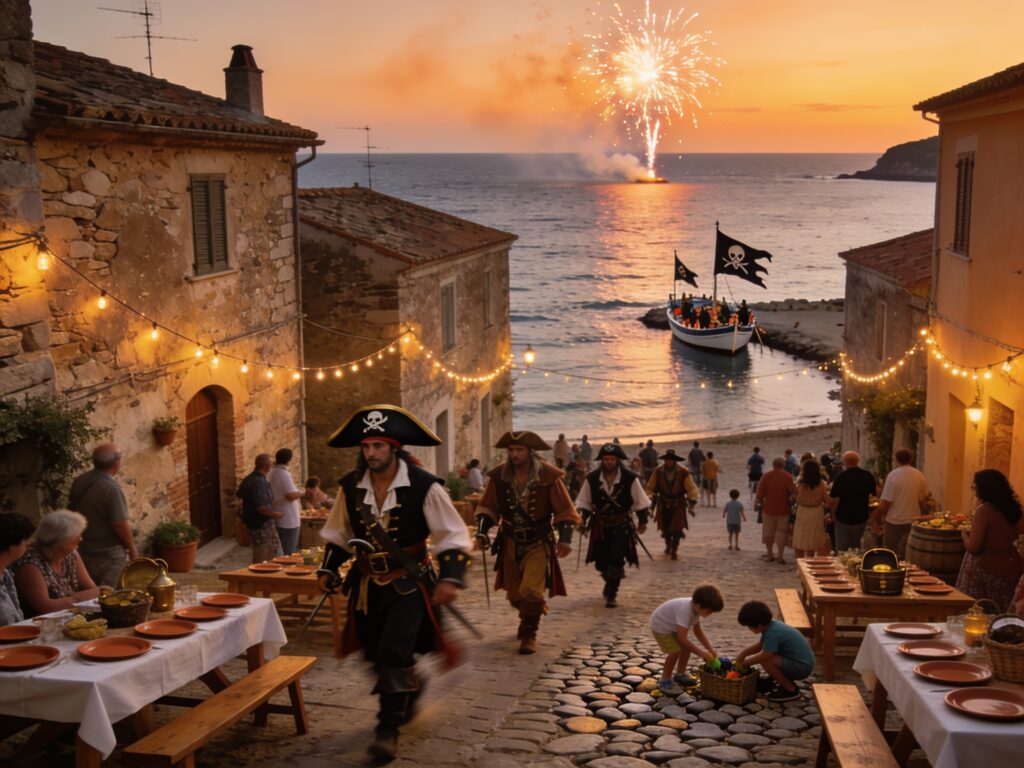
The Night of the Pirates
📍 Porto Ercole (Monte Argentario) — First weekend of May
The Notte dei Pirati is a major annual event in Porto Ercole, offering total immersion in the world of pirates with activities for all ages.
✨ Historical and festive immersion
⚠️ Large crowds, plan accommodation in advance
View details → 8.1
Tortello Festival of Poggioferro
📍 Poggioferro (Scansano) — Two weekends in May
This festival is an authentic and delicious event for discovering Maremma tortello in a friendly atmosphere.
✨ Tasting of handmade, fresh Maremma tortelli
⚠️ Can be very crowded, especially at mealtimes
View details → 8.3
Sorano Tortello Festival
📍 Sorano — Late May - early June
Discover the tortello of Sorano, a local specialty, in the festive and authentic atmosphere of this tuff village.
✨ Tasting of homemade soranesi tortelli
⚠️ Reservation required for meals
View details →🏡 Where to stay near Castiglione della Pescaia
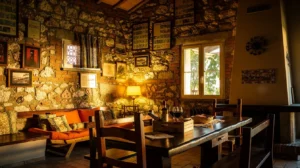 9,0/10
Agriturist Prile
Castiglione della Pescaia
Tosco This is the perfect spot to combine the raw calm of Maremma and the beaches of Castiglione: take one of the estate's bikes in the late afternoon, the light on the cypress trees is magical!
 9,5/10
Agriturismo Diaccia Botrona
Castiglione della Pescaia
Tosco My advice: hop on a bike to explore the reserve at dusk when the light skims the marshes, but most importantly, remember to book dinner on site to taste their real homemade *acquacotta*!
 10,0/10
Appartamenti Villa Ancora
Castiglione della Pescaia
Tosco Having private parking and free bikes 150 meters from the beach in Castiglione is the real good deal to forget your car and head straight for the Tombolo pine forest!
🎯 Activities near Castiglione della Pescaia
 €€ Hiking
Self-Guided E-Bike Rental in Tuscan Maremma
Castiglione della Pescaia
Tosco Electric assistance is not a luxury when the sun beats down on the hills of Castiglione: just plan to hydrate well and go get lost in the wild olive groves, far from the beach towels!
 €€ Quad & MTB
E-bike ride, wine tasting in Maremma
Castiglione della Pescaia
Tosco Electric assistance in Maremma is the real good deal: it saves you from sweating on the stony tracks and you fully enjoy the Morellino at the Le Mortelle estate!
 €€ Quad & MTB
Wild self-guided electric mountain bike getaway in Punta Ala
Castiglione della Pescaia
Tosco Make sure to download the offline GPS track before venturing into the maquis of Punta Ala, the network quickly disappears there among the holm oaks! And if your thighs can handle it, push the battery to the ridges to glimpse the island of Elba in the distance.
📍 To see near Castiglione della Pescaia
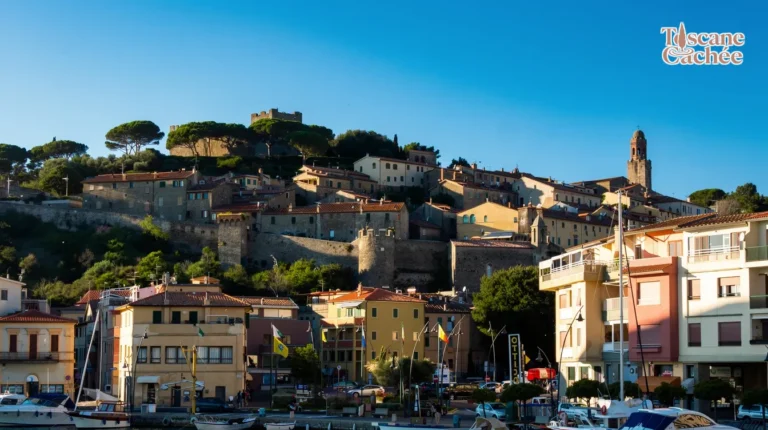


🗺️ Map — accommodations near Castiglione della Pescaia
Absolutely! May is undoubtedly one of the best times to discover Maremma, especially if you want to avoid the summer crowds while enjoying pleasant weather. Air temperatures generally range between 10 and 22°C, offering mild and sunny days, perfect for all kinds of activities. The sea, meanwhile, reaches about 18°C, which is perfectly suitable for swimming for the bravest, especially in late morning or early afternoon when the sun is at its zenith. This period is ideal for those looking to combine beach pleasures and cultural discoveries without the inconveniences of high season. You can enjoy still preserved beaches like Feniglia, Marina di Alberese or Castiglione della Pescaia, with a rare sense of exclusivity in the middle of summer.
One of the great advantages of May is the possibility of adopting a balanced travel pace. You can certainly spend your mornings relaxing on the beaches or indulging in water activities, then dedicate your afternoons to exploring charming medieval borghi and local trattorias, when the light becomes softer and more conducive to photography. It's the ideal time to stroll through villages like Massa Marittima, with its magnificent Romanesque-Gothic cathedral, or the picturesque tuff towns. Spring in Maremma offers lush nature and verdant landscapes, making every excursion even more enjoyable. For more details on the climate month by month, do not hesitate to consult our Maremma weather calendar.
Absolutely! May is considered the best time of year for snorkeling on the Monte Argentario and along the Etruscan Coast. The water temperature, around 18°C, is already pleasant, but above all, underwater visibility is optimal. Before the massive arrival of boats and summer swimmers, the waters are incredibly clear, allowing you to observe marine fauna and flora in the best conditions. The Monte Argentario, this ancient island connected to the mainland by tombolos, is full of coves (small coves) with crystal-clear waters, perfect for snorkeling.
For a memorable experience, I recommend exploring the coves around Porto Santo Stefano and Porto Ercole. These charming ports often serve as starting points for boat excursions that will take you to more isolated and spectacular spots. Think of places like the Cala del Gesso or the Cala Grande, renowned for their turquoise waters and rocky seabeds teeming with rich marine life. In addition to snorkeling, May is also ideal for taking the panoramic trails of the Monte Argentario, which lead to breathtaking viewpoints and the ancient torri spagnole (Spanish towers) that dot the coast. It's an excellent way to combine an invigorating nautical activity with a discovery hike of the coastal landscapes.
May is perfect for exploring the Maremma away from the crowds and discovering its hidden treasures. Beyond the beaches, the region offers an incredible wealth of historical and natural heritage. I strongly advise you to venture into the hinterland, especially towards Massa Marittima and the Colline Metallifere. Massa Marittima is a true medieval gem, with its magnificent Romanesque-Gothic cathedral overlooking a square considered one of the most beautiful in Italy. Its historic center is perfectly preserved and will transport you to another era. It's a very different experience from the more classic and crowded Tuscan towns.
The Colline Metallifere, as for them, will reveal an unsuspected facet of the Maremma, linked to its rich mining past. You can explore the National Park of the Grosseto Metalliferous Hills, which offers itineraries through ancient mines and landscapes marked by geothermal activity. It's a unique opportunity to understand the industrial history of the region and to see astonishing volcanic landscapes. For a deeper immersion, our article on 2 days between Massa Marittima and the Maremma mines could give you precise itinerary ideas. The month of May, with its mild temperatures, is ideal for these explorations, whether on foot or by bike, without suffering from the summer heat.
Absolutely, May is precisely the ideal time not to have to choose between the sea and the hills in Maremma! It's the perfect period for a balanced stay, where you can fully enjoy both facets of this magnificent region. The formula I often recommend is to start your days with the beaches – whether it's Feniglia, Marina di Alberese, or Castiglione della Pescaia – when the air is fresh and the sun begins to warm the water (around 18°C). You can swim, walk along the shore or even snorkel on the Monte Argentario with excellent visibility.
In the afternoon, when the sun is more intense on the coast, it's the perfect time to head inland. The hills offer a cooler atmosphere and green landscapes. You can explore charming hilltop villages like Massa Marittima, with its splendid cathedral, or venture into the Colline Metallifere to discover their unique mining heritage. The afternoon light is also sublime for photographing the rolling landscapes and borghi. This alternation between sea and hills is not only realistic, but it is also one of the most enriching experiences that Maremma can offer in May, without the pressure of summer crowds. It is truly the month that refuses to make a choice, and that is what makes it such a special time to visit the region.
For an authentic stay in Maremma in May, the agriturismi are undoubtedly the ideal option. These restored farmhouses offer charming accommodations, often in the heart of the countryside, surrounded by olive groves, vineyards, or fields. They offer total immersion in Tuscan nature, with the possibility of tasting local products directly from the farm. Many agriturismi have swimming pools, which is very pleasant in May after a day of exploration, even if the sea is only 18°C. You will find options ranging from the most rustic to the most luxurious, but always with that authentic charm you are looking for. Imagine having breakfast with a view of the green hills, or dining under the stars with local flavors.
Although May is a less crowded period than summer, it is highly appreciated by connoisseurs for its mild climate and magnificent landscapes. It is therefore highly recommended to book your accommodation in advance, especially if you have specific criteria or if you are targeting particularly popular establishments. The best agriturismi, those that offer a typical setting and excellent service, can be fully booked several months in advance. Do not hesitate to explore options around areas like the Maremma Natural Park for easy access to wild beaches like Marina di Alberese, or near villages like Massa Marittima if you prefer cultural visits and hilly landscapes. A good agriturismo will allow you to fully enjoy the surrounding nature while benefiting from Tuscan comfort and hospitality.
For a road trip in Maremma in May, the goal is to enjoy the diversity of landscapes without feeling rushed, thanks to ideal climatic conditions and moderate crowds. I suggest an itinerary that harmoniously combines the coast and the inland, capitalizing on the fact that May is perfect for both. You could start by the coast, exploring the Monte Argentario, with its charming ports of Porto Santo Stefano and Porto Ercole. In the morning, enjoy the coves for snorkeling or a refreshing swim. In the afternoon, take the scenic roads that wind along the peninsula, offering spectacular views of the sea and the islands of the Tuscan archipelago. Don't forget the beaches of the Maremma Natural Park such as Marina di Alberese, where you can combine the beach with wildlife watching.
Then, head inland. An excellent stopover would be Massa Marittima, a magnificent medieval town whose main square and cathedral are well worth the detour. From there, explore the Colline Metallifere and their mining heritage, a unique cultural experience. Then, don't miss the famous «tuff towns» such as Pitigliano, Sorano and Sovana, where you can wander and get lost in the medieval alleys and discover the ancient vie cave Etruscan. The month of May, with its mild temperatures and long days, is ideal for these car trips, allowing for spontaneous stops to admire the landscape or visit a small village. To help you plan your travels, our guide on the Maremma by car could be very useful to you.

June in Maremma
🧭 What to do in June in Maremma?
June (14-26°C, sea at 22°C) fully opens the beach season, with crowds still reasonable before the July-August peak — the report places mid-June to early July among the best windows for enjoying the sea without the crowds. The calette of the Argentario — Cala del Gesso, Cala Grande, Acqua Dolce, Cannelle — offer excellent visibility for snorkeling, while the Maremma beaches (Cala Violina, Cala Civette, Castiglione della Pescaia, Principina, Marina di Grosseto) complete a particularly varied coastal offering, between rocky coves and long sandy beaches. It's also a good time to tackle the Grand Tour della Maremma by bike, an itinerary that links the coast, the hills, the Amiata and the tufa area over several days — a way to discover the hinterland before the full summer heat makes the effort less pleasant.
🎉 Village festivals (sagre) in June
Recurring events every year in these villages — precise dates vary slightly, to be checked a few weeks before your stay.
 8.4
Festa dell'Alta Maremma
📍 Civitella Marittima (Civitella Paganico) — Early June
This festival is an authentic and well-established event, offering a complete immersion in the history and culture of the Maremma.
✨ Authentic medieval immersion with procession and performances
⚠️ Hilltop village with steep streets (bring good shoes)
View details → 7.8
Tortello and Steak Festival
📍 Arcille (Campagnatico) — Two weekends in June
An authentic festival to savor the traditional flavors of the Tuscan Maremma in a warm atmosphere.
✨ Authentic and generous Maremman cuisine
⚠️ A car is required to get there
View details → 8.0
I Luoghi del Tempo
📍 Convento della Santissima Trinità alla Selva (Località Selva) (Santa Fiora) — Late May to mid-June
This traveling cultural festival invites you to discover the Tuscan Maremma through art and history.
✨ Exceptional historical and natural setting (Franciscan convent)
⚠️ Fairly remote location, requires a car
View details → 7.8
Sagra del Tortello Maremmano
📍 Monterotondo Marittimo — Late June
This festival is an authentic celebration of Maremmana culinary tradition, offering a convivial and tasty experience.
✨ Handmade Maremman tortelli tasting
⚠️ Requires a car to get there easily
View details → 7.6
School is Over – Street Food & Entertainment
📍 Terra Rossa (Monte Argentario) — Late June
It is the ideal event to celebrate the end of school and the beginning of summer in Maremma.
✨ Culinary diversity with refined street food and craft beers
⚠️ Can be very crowded in the evening
View details → 7.8
Sagra del Ciaffagnone
📍 San Casciano dei Bagni — Second weekend of June
This festival is an excellent opportunity to discover a unique local specialty and enjoy a friendly and festive atmosphere.
✨ Discovery of a unique culinary specialty: the ciaffagnone
⚠️ Access mainly by car, parking potentially difficult
View details →🏡 Where to stay near Porto Santo Stefano
 9,2/10
Fattoria Angolo di Paradiso
Monte Argentario
Tosco On the Argentario, it's easy to get caught up in the flashy side of the ports, so hiding away in the heights like here is the real good plan to explore the wild coves while remaining calm.
 8,9/10
Agriturismo Restaurant Monte Argentario
Monte Argentario
Tosco Finding such a rural and quiet haven on the Argentario peninsula is a small miracle: it's the ideal spot to explore coves by day and dine in nature by night, far from the hustle and bustle of the ports.
 9,2/10
Agriturismo Monte Argentario
Monte Argentario
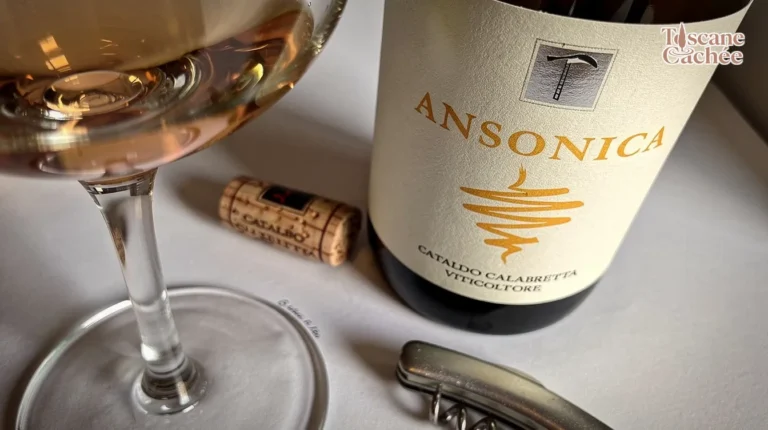
Tosco Hop on a bike from the estate to reach Feniglia beach through the pine forest: you'll avoid the hassle of Argentario parking lots while enjoying a refreshing glass of Ansonica upon your return!
🎯 Activities near Porto Santo Stefano
 €€€€ Boat trip
Boat excursion without license in Porto Santo Stefano
Porto Santo Stefano
Tosco Heading to Cala del Gesso by sea is the best plan to spare yourself the hellish climb back up on foot under the scorching sun! Just remember to cast off early in the morning to enjoy the turquoise coves before everyone else.
 €€ Wine tasting
Argentario Wine Tasting at the Osteria Enoteca La Pace
Porto Santo Stefano
Tosco Tasting the local Ansonica facing the sea is the anti-Chianti par excellence: here, the vines take the sea spray head-on, which gives iodized, nicely mineral whites at sunset!
 €€€ 4,0/10 · 1 review Diving
Shore diving in Porto Santo Stefano, Argentario
Porto Santo Stefano
Tosco Setting off directly from the beach in a very small group is ideal for beginners without the stress of the open sea, especially since the rocky seabeds of the Argentario teem with life from the very first meters!
📍 What to see near Porto Santo Stefano


🗺️ Map — accommodations near Porto Santo Stefano
Absolutely! June is undoubtedly one of the best times to discover Maremma if your goal is to combine swimming and tranquility. With air temperatures ranging between 14 and 26°C and a sea temperature of around 22°C, the conditions are ideal for fully enjoying the beaches and water activities. You'll benefit from still reasonable visitor numbers, far from the summer peak of July-August, which will allow you to explore the coastal gems in complete serenity. It's really the ideal window, especially from mid-June to early July, to appreciate the beauty of the coast without the massive influx of tourists.
For snorkeling, Maremma offers exceptional spots, particularly around the'Argentario. The coves such as Cala del Gesso, Cala Grande, Acqua Dolce and Cannelle are renowned for their crystal-clear water and excellent underwater visibility. There you will discover rich and colorful Mediterranean flora and fauna. Don't forget your mask and snorkel! For a complete experience and to better plan your underwater explorations, I recommend consulting our detailed guide on snorkeling in the Maremma, which will give you all the keys to knowing where, how and with whom to set off and explore the seabed of the Etruscan Coast. You will find practical tips to make the most of this activity and discover unsuspected places.
In June, the Maremma is full of beaches and coves where you can find relative tranquility before the arrival of the high season. If you are looking for fine sandy beaches with a more serene atmosphere, I advise you to head towards iconic but still accessible places. Cala Violina, for example, is a pearl of the Maremma coast, famous for its sand that «sings» underfoot; in June, although it is well known, its attendance is far more manageable than in the height of summer. Likewise, Cala Civette offers a preserved natural setting and is accessible after a short walk, which helps filter out some of the crowd. These two coves are perfect for those seeking an immersion in nature.
For larger but still pleasant beaches in June, the seaside resorts of Castiglione della Pescaia, Principina and Marina di Grosseto offer long stretches of sand where it is easy to find a quiet spot, even if the crowds are a bit heavier there. The advantage of these beaches is that they often offer more services (restaurants, sunbed rentals) while retaining their charm. For a truly off-the-beaten-path experience and an immersion in wild nature, don't hesitate to explore the areas around the Maremma Natural Park, notably the coastal trail from Talamone to Alberese, which will lead you to isolated and magnificent beaches, accessible only on foot or by bike. There you will discover a preserved coastline, ideal for relaxation and nature watching.
Absolutely! June is a fantastic time for cycle touring in Maremma, before the full summer heat makes the effort less enjoyable, especially in the hinterland. The mild temperatures, ranging between 14 and 26°C, are perfect for long bike rides, allowing you to enjoy the varied landscapes without suffering from the scorching heat. It is the ideal time to take on the Grand Tour della Maremma by bike, a complete route that harmoniously connects the coast, the gentle hills, the majestic Mount Amiata and the fascinating tufa area. This route, which can be spread over several days, is an excellent way to discover the richness of Maremma, from its coastal landscapes to its hilltop villages, including its lush forests.
The Grand Tour of the Maremma is designed to offer a total immersion in the diversity of the territory. You will ride through olive groves, vineyards, cork oak forests and medieval villages, each offering its share of discoveries and breathtaking panoramas. Don't forget to bring enough water and plan regular stops to hydrate and admire the scenery. For an even more authentic experience and to discover places that tourists never see, I suggest including stops in the secret Tuscany. You could, for example, pedal to villages such as Manciano, often passed through without stopping, or explore the surroundings of the Fiora gorges for more rugged landscapes. The secondary roads of Maremma are often quiet and well suited to cycling, offering a memorable cycle touring experience far from the crowds.
For an authentic experience off the beaten track in Maremma in June, I would direct you towards discoveries that highlight the region's natural and cultural heritage, before the summer crowds intensify. In addition to the secret coves mentioned previously, I suggest you immerse yourself in the hinterland, where time seems to have stood still. A visit to the Fiora Gorges is an excellent option: you will discover spectacular landscapes of canyons, waterfalls and little-known rock-hewn towns such as Pitigliano and Sorano. These villages, carved into the tuff, offer a unique atmosphere and breathtaking views, particularly early in the morning or at sunset, when the light brings out the warm colours of the rock. Allow at least half a day to explore these wonders.
For a total immersion in nature and local culture, don't miss the opportunity to discover the Maremma Natural Park (Parco dell'Uccellina). There you can enjoy magnificent hikes, observe wild animals such as fallow deer and the famous Maremma cattle, and explore natural beaches. In June, the vegetation is lush and the temperatures are ideal for walking. For a touch of local flavour, why not organise a Ciliegiolo wine tasting in Sorano ? This rebellious wine, still little known, is a true taste discovery and an excellent way to meet passionate producers. These experiences will give you a glimpse of authentic Maremma, far from the usual crowds and tourist clichés.
Yes, the Cascate del Mulino in Saturnia are absolutely magnificent and very pleasant to visit in June. With air temperatures starting to be very comfortable, bathing in the warm, sulphurous waters, which gush out at a constant temperature of 37°C, is a most relaxing experience. In June, you will enjoy an ideal balance: the outside heat is not yet overwhelming, which makes the contrast with the thermal water all the more pleasant, without the biting cold one can feel in winter. It is a time when the waterfalls are busy, but not yet overwhelmed by the July and August crowds, especially if you choose to go early in the morning or at the end of the day.
These natural pools, carved into the limestone rock, are a true gem of Maremma and are accessible free of charge all year round, even at night. They offer an idyllic setting for relaxation and well-being, thanks to the therapeutic properties of the sulphurous water. To make the most of your visit, don't forget to bring non-slip sandals, as the rocks can be slippery, and a dark swimsuit, as sulphur can stain light-coloured fabrics. Towels and bathrobes are also recommended. There are amenities nearby (bars, toilets), but it is always wise to be prepared, especially if you go on a weekend. It is a must-do experience for anyone visiting Maremma and looking to recharge in an exceptional natural setting.
To enjoy the sea in Maremma without too many crowds in June, the ideal period is from mid-June to the end of the month, just before the beginning of July. This is when the beach season is fully open, offering perfect conditions for swimming and water activities, while still enjoying reasonable attendance. Not all families have yet started their summer holidays, which allows you to find more spacious beaches and a more relaxed atmosphere. It is an excellent compromise between pleasant weather and appreciable tranquillity.
As for the climate, June in Maremma is characterised by very favourable Mediterranean weather. Air temperatures generally range between 14°C in the morning and 26°C in the afternoon, with sunny days and a mostly clear sky. The sea temperature is very pleasant, around 22°C, which is perfect for swimming, snorkeling and other water sports. The risk of rain is low, and humidity is generally moderate. It is advisable to pack light clothing for the day, but also a small jacket for the evenings, which can be cooler, especially at the beginning of the month. Don't forget your sunscreen and a hat, as the sun can be intense. For a more in-depth analysis of weather conditions and local events throughout the year, you can consult our Maremma month-by-month calendar, which will give you detailed information about the climate and the sagre (traditional festivals) not to be missed. This will help you plan your stay as best as possible and enjoy every moment.
July in Maremma
🧭 What to do in July in Maremma?
In the height of summer (17-30°C, sea at 24-25°C), swimming is at its best but so is the tourist density — it is better to favor mornings and late afternoons on the beaches and coves of the Argentario to avoid both the heat and the crowds. Boat trips to the islands of Giglio and Giannutri allow you to completely escape the coastal crowds, with crystal-clear water ideal for snorkeling and exploring coves inaccessible from land. In the evening, the borghi of the coast — Orbetello, Porto Ercole, Porto Santo Stefano, Castiglione della Pescaia — come alive with strolls, gelati and restaurant terraces that stay open late, once the heat of the day has subsided. It is also the beginning of the village sagre in the hinterland: gnocchi and craft beer in Roccalbegna, ribollita in Ribolla, tortello maremmano over several evenings between Marina di Grosseto and Follonica — a good excuse to leave the coast for an evening and discover the friendly atmosphere of the local festivals.
🎉 Village festivals (sagre) in July
Recurring events every year in these villages — precise dates vary slightly, to be checked a few weeks before your stay.
 8.0
Festival of Sport and Tortello
📍 Marina di Grosseto / Follonica — Several weekends between July and early August
If you are looking for a gourmet and friendly immersion in Maremma, this festival is made for you, with its authentic tortelli and its lively local atmosphere.
✨ Discover authentic tortello maremmano
⚠️ Dates vary each year, requires checking
View details → 8.3
Sagra della Ribollita
📍 Ribolla (Gavorrano) — Mid-July
If you're looking for total immersion in Tuscan culinary tradition, this sagra is for you!
✨ Discover an iconic dish of Tuscan cuisine
⚠️ Requires a car for access
View details → 8.1
Sagra dello Gnocco e della Birra
📍 Roccalbegna — Mid-July weekend (variable dates)
If you love homemade gnocchi and the friendly atmosphere of village festivals, this sagra is for you!
✨ Authenticity of a Tuscan village festival
⚠️ Variable dates, requires checking in advance
View details → 7.8
Sagra degli Strozzapreti e dei prodotti tipici maremmani
📍 Sticciano Scalo (Roccastrada) — Two weekends in July
This festival is an excellent opportunity to discover the authentic flavors of the Maremma in a natural and festive setting.
✨ Fresh homemade strozzapreti tasting
⚠️ Very popular event, potentially very crowded
View details →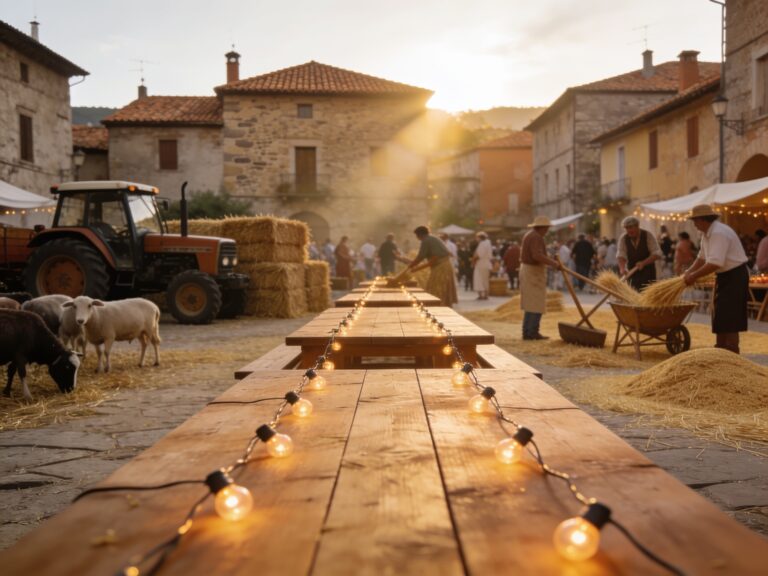 8.3
Party in the Farmyard
📍 Roccastrada — Mid-July
This festival is an authentic immersion in the peasant traditions of the Maremma, offering a memorable experience for all ages.
✨ Total immersion in the peasant traditions of wheat threshing
⚠️ Can be very crowded in the evening
View details → 7.7
Festa dei Cacciatori
📍 Roccatederighi (Roccastrada) — Every July
The Hunters' Festival in Roccatederighi is an authentic celebration of hunting traditions and Maremma cuisine.
✨ Authentic and flavorful game cuisine
⚠️ Access mainly by car, little public transport
View details → 7.8
Sagra della Pecora e del Maiale
📍 Monterotondo Marittimo — Last two weeks of July
This sagra is a must-attend event for lovers of Maremman gastronomy and Tuscan culinary traditions.
✨ Tasting of unique dishes made with mutton and pork
⚠️ Potential crowds on weekend evenings
View details →🏡 Where to stay near Porto Ercole
 8,6/10
Agriturismo Pimpinnacolo
Monte Argentario
Tosco The Argentario on the wild maquis side is perfect for escaping the crowds, but don't forget to do your grocery shopping in Porto Ercole before heading up: with no restaurant on site, your self-catering kitchen will be your best ally!
 10,0/10
Country Relais La Mortella
Porto Santo Stefano
Tosco A former hunting lodge transformed into a haven of peace, admit that for a wild boar like me, the nod is perfect! It's above all the best option in the area for exploring the wild coves of the Argentario while sleeping in the absolute calm of the maquis.
9,2/10
Agriturismo Monte Argentario
Monte Argentario
Tosco Hop on a bike from the estate to reach Feniglia beach through the pine forest: you'll avoid the hassle of Argentario parking lots while enjoying a refreshing glass of Ansonica upon your return!
🎯 Activities near Porto Ercole
 €€€€ Boat trip
Sailing boat excursion around Porto Ercole
Porto Ercole
Tosco The cliffs of the Argentario seen from the deck of a sailboat is the best way to escape the summer crowds and discover coves totally inaccessible on foot. Just remember to drop anchor near Cala Galera at sunset, the reflections on the old Spanish fortress are magical!
 €€€€ Boat trip
Luxury private cruise on the Antares 11 in Porto Ercole
Porto Ercole
Tosco If you board for this trip off the Argentario, ask the skipper straight away to set course for Giannutri: its protected seabed is a thousand times worth the detour with a mask and snorkel!
 €€ Quad & MTB
E-bike adventure: from the Orbetello lagoon to the ramparts of Porto Ercole
Porto Ercole
Tosco Crossing the Feniglia pine forest in the shade before climbing effortlessly towards the Spanish forts thanks to electric assistance is the best way to avoid the Argentario traffic jams in the height of summer!
📍 What to see near Porto Ercole


🗺️ Map — accommodations near Porto Ercole
In July, Maremma offers a typical summer climate, with air temperatures generally ranging between 17°C and 30°C. The sea, for its part, is particularly pleasant, reaching about 24°C, sometimes even 25°C, which is ideal for swimming. It's the perfect time to enjoy the crystal-clear waters of the Etruscan Coast. However, it is true that this period coincides with the high tourist season, which can lead to significant crowds on the most popular beaches, especially in the middle of the day.
To avoid the crowds and the intense heat, I strongly recommend adjusting your beach hours. Opt for the mornings, very early, or the late afternoons, from 4pm-5pm, when the sun is less scorching and many holidaymakers begin to leave the sand. The coves of the Argentario, like those around Porto Santo Stefano or Porto Ercole, are magnificent but can be very popular. Also consider the more extensive beaches like the Giannella or the Feniglia près d'Orbetello, where you can find more space. For a truly unique experience and to completely escape the coastal crowds, consider a boat trip to the islands of Giglio and Giannutri. The water there is incredibly clear, perfect for snorkeling and exploring coves inaccessible from land, offering a feeling of total escape. Don't forget your sunscreen, a wide-brimmed hat and plenty of water!
Absolutely! In July, evenings in Maremma are particularly lively, especially in the charming borghi côtiers, which come back to life once the daytime heat subsides. You'll have no trouble finding activities beyond simple restaurant dinners. Towns like Orbetello, Porto Ercole, Porto Santo Stefano and Castiglione della Pescaia are perfect for strolling. Their promenades come alive with people, the ice cream parlors offer artisanal flavors to enjoy while strolling around, and many cafés and bars extend their terraces, offering a friendly and relaxed atmosphere.
But the most authentic and immersive evening experience, especially if you want to discover the local culture, is found in the sagre di paese, the village festivals. July marks the beginning of these traditional celebrations that take place in the hinterland and sometimes even on the coast. It's an excellent opportunity to leave the coast for an evening and discover another facet of Maremma. For example, you could attend the Festival of Sport and Tortello which takes place over several weekends between Marina di Grosseto and Follonica. It's a series of sports and food evenings centered on the tortello maremmano, with food stalls, music and various entertainment. There's also the Sagra della Ribollita in Ribolla (Gavorrano) around mid-July, dedicated to the famous Tuscan peasant soup, or also the Sagra dello Gnocco e della Birra in Roccalbegna, a mid-July weekend, where you can enjoy gnocchi, fries and craft beer in a festive atmosphere with music and dances. These events are perfect for immersing yourself in the local atmosphere, tasting regional specialties and sharing authentic moments with the locals. For more information on local events, I recommend checking our month-by-month sagra calendar.
If you're a fan of good local cuisine, the July sagre in Maremma are a real windfall for discovering the authentic flavors of the region! It's the ideal time to taste traditional dishes prepared with passion and often at very affordable prices. Among the must-haves, the tortello maremmano is undoubtedly the star. These are large ravioli filled with ricotta and spinach, often served with a meat sauce (ragù) or simply with butter and sage. You can taste it during the Festival of Sport and Tortello, which takes place over several weekends in July and early August between Marina di Grosseto and Follonica. It's an excellent opportunity to savour several versions and enjoy the festive atmosphere.
Another emblematic dish not to be missed is the ribollita, a thick and comforting Tuscan peasant soup made with vegetables, beans and stale bread. The Sagra della Ribollita in Ribolla (Gavorrano), around mid-July, is entirely dedicated to this speciality. There you'll find country cooking menus that showcase this robust and delicious dish. Finally, for a more rustic and friendly experience, the Sagra dello Gnocco e della Birra in Roccalbegna (a mid-July weekend, dates vary) will allow you to savour gnocchi homemade, often accompanied by fries and, as its name suggests, local craft beers. These festivals are not only an opportunity to feast, but also to immerse yourself in the gastronomic culture of Maremma, far from the classic tourist circuits. Don't hesitate to explore the hinterland for these culinary discoveries, it's an excellent way to discover the secret Tuscany.
July is an excellent time for snorkelling in Maremma! With a sea temperature of around 24-25°C, the conditions are ideal for exploring the seabed. Visibility is generally very good and marine life is active. You will find magnificent spots along the Etruscan Coast and, more particularly, around the promontory of the'Argentario.
The rocky coves of the Argentario, sometimes accessible only by boat or after a short walk, offer crystal-clear waters and rich underwater fauna. Think of the areas around Porto Santo Stefano and Porto Ercole. However, for a truly unforgettable snorkeling experience and to escape the coastal crowds, I highly recommend an excursion to the islands of the Tuscan archipelago, especially Giglio and Giannutri. These islands, part of a marine national park, offer exceptionally clear waters and preserved seabeds, ideal for observing fish, posidonia and underwater rock formations. On Giannutri, for example, snorkeling is allowed in the two main coves, Cala Maestra and Cala Spalmatoio, and the experience there is magical. Don't forget your mask, snorkel and fins, and perhaps even a small underwater camera to capture these moments. For more detailed advice on the best spots and how to organize your outings, you can consult our guide on the snorkeling in the Maremma.
Absolutely! If July's crowded beaches are not your cup of tea, the Maremma offers superb alternatives for enjoying the sea differently, away from the crowds. The best option for getting away from the coast and discovering calmer, crystal-clear waters is without a doubt the boat trip. From the ports of the'Argentario, such as Porto Santo Stefano or Porto Ercole, you will find many companies offering day trips to the islands of the'Tuscan Archipelago.
The islands of Giglio and Giannutri are flagship destinations for these outings. They offer breathtaking seascapes, isolated coves accessible only by sea, and waters of incredible transparency, perfect for swimming and snorkeling. On the island of Giannutri, for example, swimming is allowed in the magnificent Cala Maestra and Cala Spalmatoio, and it is a true paradise for nature lovers. These excursions not only allow you to escape the coastal crowds, but also to discover exceptional marine panoramas and immerse yourself in a preserved natural environment. You can also rent small boats (with or without a license depending on the power) to explore the coves and coasts of the Monte Argentario at your own pace. It's an excellent way to discover the wild Tuscany and its hidden treasures.
Discovering the Maremma hinterland in July is an excellent idea for immersing yourself in Tuscan authenticity and escaping the coastal bustle. To avoid the intense midday heat, I recommend planning your visits early in the morning or in the late afternoon. Hilltop villages, often built of stone and featuring narrow alleys, naturally offer more shade and a cooler atmosphere than the beaches.
You can explore medieval borghi such as Massa Marittima, with its magnificent square and cathedral, or the tuff villages such as Pitigliano, Sorano and Sovana, which are architectural gems carved into the volcanic rock. These places are not only rich in history and culture, but also cooler thanks to their stone constructions and underground passages. A visit to the Fiora Gorges, with its little-known rock-hewn towns, can also be a fascinating option, especially if you favor the cooler hours. For an experience more focused on nature and local culture, the village sagre, mentioned previously, are an excellent opportunity to discover the authentic atmosphere of the hinterland in the evening. They usually begin in the late afternoon or evening, when the temperature is milder, and allow you to taste local specialties while enjoying a festive and friendly atmosphere. Also consider visiting wineries for tastings of local wines such as Ciliegiolo, often accompanied by local produce, a pleasant activity at the end of the day. For itinerary ideas and information about the villages, our guide on the Tuscany off the beaten path could be very useful to you.
August in Maremma
🧭 What to do in August in Maremma?
The hottest month of the year (17-30°C, sea at 25-26°C) also corresponds to the absolute peak of coastal visitor numbers — the point of tourist saturation, according to the report. The great summer sagre are in full swing in the hinterland: bruschetta in Giardino near Capalbio, scottiglia (meat stew) in Pescina accompanied by wines from Monte Amiata, Selva onion in Santa Fiora around August 15 — so many opportunities to taste Tuscan peasant cuisine in a village festival atmosphere. As for nature, some trails in the Parco della Maremma may be restricted as a fire precaution, but guided visits generally remain possible. Short evening visits to borghi — Capalbio, Magliano, Scansano, Grosseto — remain the best way to escape the daytime heat while enjoying the summer atmosphere, between night markets and terraces in the shadow of the ramparts.
🎉 Village festivals (sagre) in August
Recurring events every year in these villages — precise dates vary slightly, to be checked a few weeks before your stay.
 7.8
Selva Onion Festival
📍 Selva (Santa Fiora) — Around August 15
If you are looking for an authentic and gourmet experience, this sagra is made for you!
✨ Discovery of a unique and flavorful local product
⚠️ Car access recommended, limited public transport
View details → 8.2
Sagra della Scottiglia
📍 Pescina (Seggiano) — Early August
If you're looking for total immersion in Tuscan peasant cuisine, the Sagra della Scottiglia is an authentic and flavorful experience not to be missed.
✨ Tasting of a renowned traditional dish (PAT)
⚠️ Access mainly by car
View details →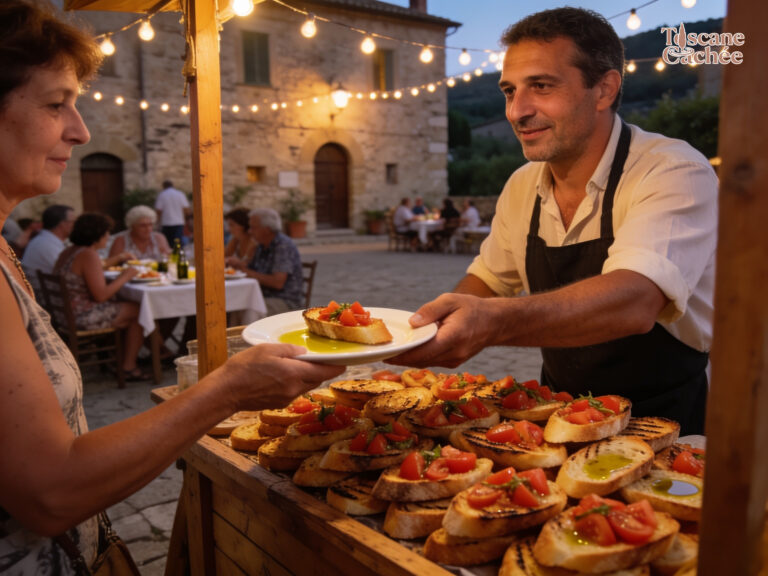 8.4
Sagra della Bruschetta
📍 Giardino (Capalbio) — First half of August
If you're looking for the essence of Sabina in a festive and friendly atmosphere, this sagra is a must for savoring the local olive oil on a perfect bruschetta.
✨ Authentic celebration of extra virgin olive oil
⚠️ Can be very crowded in August
View details → 7.9
X Festival del Sedicidagosto
📍 Roccatederighi (Roccastrada) — From August 16 to 22
This festival is an authentic and committed experience, offering a week of music, culture and conviviality in the Maremma.
✨ Deep and committed cultural immersion
⚠️ Requires having a vehicle for easy access
View details → 7.8
Sagra del Porcino
📍 Arcille (Campagnatico) — Mid-August to early September
This sagra is an authentic celebration of the porcino mushroom, offering a culinary and festive experience typical of the Maremma.
✨ Tasting of fresh porcini mushrooms in every form
⚠️ Dance floor has a fee on certain evenings
View details → 8.3
Sagra del Picio di Seggiano
📍 Seggiano — Mid-August
The Sagra del Picio is a must-attend event to discover Tuscan culinary tradition and the flavors of Monte Amiata.
✨ Tasting of artisanal pici, a typical pasta from Monte Amiata.
⚠️ Seasonal event, only in August around Ferragosto.
View details → 8.7
Palio Marinaro di Isola del Giglio
📍 Giglio Porto (Isola del Giglio) — August 10
You will attend an exciting nautical competition and traditional celebrations rooted in the island's maritime history.
✨ Deep cultural immersion in the island's traditions
⚠️ Very busy event during the high tourist season
View details → 8.2
18. Vinellando
📍 Magliano in Toscana — End of August
Vinellando is an authentic and lively festival, perfect for discovering Morellino di Scansano and the atmosphere of the Maremma.
✨ Exclusive tasting of Morellino di Scansano with 42 wineries
⚠️ Crowds may be significant due to the event's popularity
View details →🏡 Where to stay near Capalbio
9,0/10
B&B Il Giardino
Capalbio
Tosco It's a great base for exploring between the Tarot Garden and the beaches of Feniglia, with a real good tip: you can walk to the nearby agriturismo for dinner without getting back in the car!
8,9/10
Agriturismo San Mauro
Capalbio
Tosco With only six rooms and a table that highlights Maremma products, it's the ideal base camp to explore the Tarot Garden peacefully before the crowds arrive!
9,3/10
Resort Locanda Rossa
Capalbio
Tosco It's the ideal base camp to explore the secret Maremma: you're a stone's throw from the crazy sculptures of the Tarot Garden and the grand crus of Monteverro, while enjoying the absolute calm of the olive groves when you return in the evening.
🎯 Activities near Capalbio
€€€€ Horseback ride
Night horseback riding in Maremma with dinner under the stars
Capalbio
Tosco Crossing the wild Maremma at dusk on the back of a real Maremmano horse is the very essence of this land of *butteri* — just remember to bring a windbreaker for the night ride back, the air cools down quickly in the Capalbio hills!
€€€ Wine tasting
Tuscan Maremma: Premium Wine Tasting and Gourmet Food
Capalbio
Tosco The powerful reds of Maremma are a real change from the Chianti classics, but plan for a sober driver for the day: with five generous wines and the Capalbio sun, it goes to your head fast!
€€ Wine tasting
Capalbio: wine and olive oil tasting with a view of the vineyards
Capalbio
Tosco Schedule this tasting right after exploring the wild sculptures of the nearby Tarot Garden, the view over the hills is even more beautiful in the late afternoon. And between us, the sun-drenched wines of Maremma have real character!
📍 To see near Capalbio
🗺️ Map — accommodation near Capalbio
In August, Maremma experiences warm summer temperatures, with air temperature generally ranging between 17 and 30°C. The sea temperature is particularly pleasant, reaching about 25°C, which makes it ideal for swimming and water activities. However, it is important to note that August is also the time when the region reaches its peak tourist season, with large crowds on the coast. Temperatures can even sometimes exceed 37°C, especially in inland cities like Florence or Siena, although the countryside and coastal areas are often a bit more breathable.
Despite the heat, August is a vibrant month in Maremma, marked by many traditional festivals. The great summer sagre are in full swing in the hinterland, offering unique opportunities to discover local gastronomy in a festive atmosphere. For example, you can taste the bruschetta in Giardino near Capalbio, the scottiglia (meat stew) in Pescina accompanied by wines from Monte Amiata, or the'Selva onion in Santa Fiora around August 15. These events are perfect for immersing yourself in Tuscan peasant culture. On the nature side, some trails of the Parco della Maremma may be restricted due to fire risks, but guided tours often remain possible. To escape the daytime heat, opt for visits to the charming borghi (medieval villages) in the evening, such as Capalbio, Magliano, Scansano or Grosseto, where you can enjoy night markets and terraces in the shade of the ramparts. Don't forget quality sunscreen, a hat and a water bottle to stay hydrated throughout the day.

September in Maremma
🧭 What to do in September in Maremma?
An excellent compromise (15-27°C, sea still at 23°C), September remains summery while becoming noticeably more bearable, with far fewer crowds after the Italian back-to-school period — the report explicitly designates it as the ideal time to combine a still pleasant sea with local gastronomy. On the Argentario, it is the perfect moment to combine sea, hiking and photography: quieter coves, perfect temperatures for the panoramic trails without the oppressive summer heat. The Parco della Maremma lends itself to the same pleasures — hiking, cycling, horse riding — in the emerging autumn light. But September is above all THE month of the great wine and grape harvest sagre: the Festa delle Cantine opens the cellars of Manciano's historic centre for several evenings in a row (ciaffagnoni, cinghiale, acquacotta, fiaccolata on horseback), the Festa dell'Uva brings the streets of Scansano to life over two consecutive weekends around the Morellino, and Capalbio's Sagra del Cinghiale celebrates more than sixty editions of a local tradition centred on wild boar.
🎉 Village festivals (sagre) in September
Recurring events every year in these villages — precise dates vary slightly, to be checked a few weeks before your stay.
 8.3
Festa dell'Uva (Scansano)
📍 Scansano — Last two weekends of September
If you're looking for total immersion in Italian wine culture, with authentic flavors and a festive atmosphere, the Festa dell'Uva is made for you!
✨ Immersion in the wine-making tradition of Morellino di Scansano
⚠️ Large crowds, especially on the second weekend
View details → 8.0
Sagra del Cinghiale
📍 Capalbio — Second week of September (Wednesday–Sunday)
Dive into the heart of Tuscan tradition with this sagra dedicated to wild boar, an authentic and friendly culinary experience that will delight your taste buds.
✨ Traditional wild boar cuisine, rich and flavourful
⚠️ Can be very busy, especially at the weekend
View details → 8.6
Festa delle Cantine
📍 Manciano — Traditionally the second weekend of September, sometimes extended to 4 days
Immerse yourself in a festive and authentic atmosphere, where local flavors and history meet for an unforgettable experience.
✨ Authentic cultural and gastronomic immersion
⚠️ Access mainly by car (although shuttles are available)
View details → 8.2
Palio di Castel del Piano
📍 Castel del Piano — 8 September, fixed date every year
Dive into a vibrant centuries-old tradition, an authentic and thrilling Palio that will let you experience the soul of Tuscany.
✨ Authenticity and popular fervour of a centuries-old tradition
⚠️ Large crowds on Palio day, visibility sometimes limited
View details → 8.5
Vino nel Borgo
📍 Castiglione della Pescaia — First weekend of September
If you love wine and medieval villages with a sea view, this itinerant tasting is made for you!
✨ Tasting of local wines in an enchanting medieval setting
⚠️ Variable dates requiring prior verification
View details → 8.4
Pari Sausage Festival
📍 Pari (Civitella Paganico) — Last weekend of September
This festival is a must-attend event to discover the authentic flavors of the Tuscan Maremma in a charming medieval setting.
✨ Gastronomic immersion in Maremman cuisine
⚠️ Requires a car to get there easily
View details → 7.3
Festa dell'Unità dell'Amiata grossetana
📍 Castel del Piano — Third weekend of September
This festival offers a community experience rich in debates, music and local flavors, an annual event not to be missed.
✨ Immersion in Tuscan local life
⚠️ Potentially political atmosphere
View details → 7.8
The Stortellata
📍 Selvena (Castell'Azzara) — Second weekend of September
This authentic festival showcases a rare local product and offers a friendly and gourmet experience.
✨ Tasting a unique tortello made with Biancona potatoes, saved from extinction.
⚠️ Requires a car to get there, as Selvena is isolated.
View details → 7.9
Grape and Open Cellars Festival
📍 Giglio Castello (Isola del Giglio) — Last weekend of September
This authentic festival immerses you in the wine-making and culinary traditions of the Isola del Giglio.
✨ Tasting of Ansonaco, the island's unique wine
⚠️ Large crowds, book reservations in advance
View details → 8.0
Premio Gastone Franci
📍 Capalbio — Early September
This art prize is a great opportunity to discover local creativity and the connection with the Sagra del Cinghiale.
✨ Free art exhibition in a historic setting (Palazzo Collacchioni)
⚠️ Difficult parking during the event
View details → 8.6
Fiaccolata a cavallo
📍 Manciano — Second weekend of September
Don't miss this nighttime horseback procession, an authentic and moving spectacle that opens the Manciano festivities.
✨ Unique visual and emotional spectacle with the Butteri horsemen
⚠️ Dates vary each year, requires checking in advance
View details →🏡 Where to stay near Manciano
 8,4/10
Agriturismo Le Ginestre
Manciano
Tosco If you want to explore the wild Maremma and the nearby Saturnia hot springs, it's the ideal base: just remember to have dinner on site to enjoy their tasty home cooking without having to head back down the country roads in the dark!
 8,8/10
Agriturismo Podere 3 Querce
Manciano
Tosco It's the perfect base for exploring the Maremma: you dash off for a splash in the Saturnia waterfalls at sunrise before the crowds arrive, then head back to unwind in the calm among the olive trees.
 9,3/10
Casale Giacomini
Tuscan Maremma
Tosco Right in the heart of my wild Maremma, this casale is perfect for escaping the noise of the world, but don't forget to plan for a car to explore the coves and the tuff villages nearby!
🎯 Activities near Manciano
 €€ 9,2/10 · 7 reviews Wine tasting
Gourmet Countryside Picnic in the Tuscan Maremma
Manciano
Tosco Forget the stuffy tastings: here, you settle right down in the grass in Manciano with pecorino and the natural wine from La Maliosa. My wild boar's tip: opt for the end of the afternoon to avoid the scorching heat and savor the golden light on the hills!
 €€€ 9,0/10 Cooking class
Maremma culinary workshop: wild herb foraging, tagliatelle class
Saturnia · Manciano
Tosco Picking your herbs in the maquis before getting your hands in the flour is a far cry from sanitized cooking classes. My tip: set aside your afternoon to dash off and splash around in the nearby Saturnia hot springs to digest your tagliatelle!
 € 9,0/10 · 21 reviews Wine tasting
Tasting of natural wines and olive oil in Manciano
Manciano
Tosco Far from the stuffy Chianti tastings, here they serve you an honest, no-frills Morellino that perfectly captures the raw character of Maremma. Take the time to savor the olive oil with the local pecorino, it's the true taste of southern Tuscany!
📍 What to see near Manciano


🗺️ Map — accommodations near Manciano
September is undoubtedly one of the best months to discover Maremma, offering a perfect balance between summer temperatures and much lower tourist crowds. The weather is still very pleasant, with air temperatures generally ranging between 15 and 27°C. This mild climate is ideal for all outdoor activities, from hiking to cycling, without suffering from the scorching heat of July and August. In addition, the sea temperature remains particularly mild, hovering around 23°C, which makes it quite suitable for swimming and water sports.
It's a privileged time to explore the beaches of the Etruscan Coast, like those around Castiglione della Pescaia or the more secret coves of the'Argentario, where the water is still warm and the crowds have dispersed. You can enjoy the panoramic trails of the Argentario or the Parco della Maremma in the emerging autumn light, perfect for photography. It's also the ideal time for activities such as snorkeling in the Maremma, enjoying a calm sea and optimal visibility. In short, September extends summer in Maremma in the most beautiful way, combining the pleasures of the sea and nature with a more authentic and relaxing atmosphere.
Absolutely! September is a month brimming with traditions and village festivals, called «sagre», which celebrate local culture and gastronomy in Maremma. It's the ideal time to immerse yourself in the region's authenticity. One of the major events is the Festa dell'Uva in Scansano, which takes place on the last two weekends of September. This grape harvest festival puts the spotlight on the famous wine Morellino di Scansano, with tastings, stalls in the streets, a craft market and open taverns. It's a unique opportunity to taste local flavors and feel the excitement of the harvest.
Also don't miss the Sagra del Cinghiale in Capalbio, which takes place in the second week of September (from Wednesday to Sunday). It is one of the oldest sagre in Maremma, celebrating wild boar and local culture, very popular and renowned for its friendly atmosphere and typical dishes. The Festa delle Cantine in Manciano, traditionally on the second weekend of September (sometimes extended to 4 days), is another flagship event. It offers a large tasting trail through the cellars of the historic center, with specialties such as ciaffagnoni, the cinghiale and the'acquacotta, accompanied by local wines and entertainment. For fans of traditional horse races, the Palio di Castel del Piano, the 8 septembre, is an impressive spectacle with its «bareback» horse race, its costumed parades and its fireworks. Finally, for a more elegant wine experience, Vino nel Borgo in Castiglione della Pescaia, the first weekend of September, offers a nighttime tasting trail through the medieval borgo, showcasing the best wines of the province. These events are perfect for discovering the Tuscany off the beaten path and soaking up its unique atmosphere.
September is a blessed month for epicureans and wine lovers in Maremma. It is the grape harvest season, which translates into particular excitement around the vineyards and cellars. The must-attend event is the Festa dell'Uva in Scansano, which celebrates the famous Morellino di Scansano. The last two weekends of September, the streets of Scansano come alive with direct tastings from producers, stalls of local products and a festive atmosphere where wine is king. It is a total immersion in the region's wine culture.
For a more intimate experience and a discovery of traditional flavors, the Festa delle Cantine in Manciano, which is usually held on the second weekend of September (sometimes spread over 4 days), is a must. You can wander through the historic cellars of the town center, where typical dishes such as ciaffagnoni (a kind of savory crêpes), the cinghiale (sanglier) et l'acquacotta (peasant soup), accompanied by local wines. The Sagra del Cinghiale in Capalbio, the second week of September (from Wednesday to Sunday), is also an excellent opportunity to taste wild boar, the emblematic dish of Maremma, prepared according to ancestral recipes. Finally, for a more refined evening, Vino nel Borgo in Castiglione della Pescaia, the first weekend of September, offers a nocturnal wine tour in the enchanting setting of the medieval borgo, with tastings of the best wines of the province. These events offer an authentic immersion into the gastronomic richness of Maremma, far from the classic tourist circuits.
Absolutely! September is undoubtedly the ideal month for hiking and cycling in Maremma. The temperatures are perfect, with an average between 15 and 27°C, far from the scorching summer heat, which makes long walks much more pleasant and less tiring. The sun is still present but milder, offering magnificent light for the landscapes.
The Parco della Maremma (also known as Parco Naturale della Maremma) is particularly suited to these activities. Its trails are less crowded than in the height of summer, allowing a deeper immersion in nature. You can enjoy superb hikes on foot, bike rides through the pine groves and olive groves, or even horseback rides for a more traditional experience. The coast, especially around the'Argentario, also offers exceptional opportunities. The panoramic trails that run along the cliffs and lead to secret coves are a delight for hikers. The cycle paths, such as the one connecting Orbetello to the Feniglia, are ideal for leisurely rides, with the sea still warm at 23°C for a refreshing break. It's a privileged time to explore the wild Tuscany and fully enjoy its varied landscapes, between sea, hills and Mediterranean maquis.
Maremma in September is an excellent alternative to more crowded Tuscan destinations like Florence or Siena, especially if you are looking for a quieter trip focused on nature, authenticity and local experiences. After the Italian school year starts, the region regains an appreciable tranquility, while maintaining an ideal summer climate with temperatures between 15 and 27°C and a sea at 23°C. You will avoid the summer crowds and can fully enjoy the varied landscapes of Maremma, the beaches of the Etruscan Coast aux collines intérieures.
It's the perfect time to explore the Parco della Maremma, go hiking on the'Argentario, or discover the charming hilltop villages. September is also the month of great sagre and grape harvest festivals, such as the Festa dell'Uva in Scansano or the Festa delle Cantine in Manciano, offering an authentic immersion in local culture and gastronomy, far from tourist traps. You can enjoy tasting local wines, such as Morellino di Scansano, and savour typical dishes made with wild boar or seafood. Maremma offers a secret Tuscany, with authentic accommodations, often agriturismi or restored farmhouses, which will allow you to have a unique and memorable experience, far from the hustle and bustle of the classic art cities.
The wild hot springs of Saturnia, and more particularly the famous Cascate del Mulino, are absolutely magnificent and very pleasant in September. It's even a particularly good time to visit them. Unlike summer when crowds can be significant, September sees a marked decrease in the number of visitors after the start of the Italian school year. You can thus enjoy a much more relaxing and serene experience, far from the hustle and bustle.
The water temperature of Saturnia's thermal springs is constant at around 37.5°C all year round, which is perfect whatever the season. In September, with mild outdoor temperatures (between 15 and 27°C), the contrast with the warm water is most pleasant, without being too striking as in the middle of winter. The ambient air is ideal for drying naturally after the bath. You can lounge in the natural pools formed by the waterfalls, rich in sulphur and renowned for their therapeutic benefits. It's a unique wellness experience in the heart of nature, and the month of September offers optimal conditions to fully enjoy it, combining climatic comfort and tranquillity. Don't forget to go early in the morning or at the end of the day to maximize your chances of solitude.

October in Maremma
🧭 What to do in October in Maremma?
Autumn settles in gently (11-22°C, sea at 20°C), with more rain but many bright days particularly pleasant for outdoor activities — spring and autumn remain, according to the report, the two best windows for hiking throughout the region. The Amiata villages — Arcidosso, Bagnolo, Montorsaio — celebrate chestnuts and mushrooms over several October weekends, with markets, specialized menus and mountain folklore. The Sagra del Fungo Amiatino in Bagnolo (Santa Fiora) completes this gourmet calendar with nature walks in the surrounding woods. Meanwhile, Cinigiano extends the grape harvest season with its own Festa dell'Uva, a good excuse to explore the wine-growing hills around Scansano. On the Argentario, the significantly lower attendance and autumn light offer ideal conditions for seascape photography, while the Parco della Maremma lends itself to nature outings and wildlife and flora observation.
🎉 Village festivals (sagre) in October
Recurring events every year in these villages — precise dates vary slightly, to be checked a few weeks before your stay.
 8.6
Gustatus – The sense of taste
📍 Orbetello — All Saints' Day weekend, from October 30/31 to November 1/2 depending on the year
Immerse yourself in the gourmet soul of Maremma, between lagoon and hills, for an authentic and tasty experience.
✨ Total immersion in the gastronomic culture of Maremma
⚠️ Very popular event, some activities require advance booking
View details → 8.6
Festival of the Amiata Mushroom
📍 Bagnolo (Santa Fiora) — Early / mid-October
Dive into the heart of Tuscan tradition with this mushroom festival, an authentic and gourmet experience that will let you discover the flavors of the Amiata!
✨ Tasting of traditional mushroom-based dishes
⚠️ Exact dates to be checked every year
View details → 7.8
Castagna in Festa
📍 Arcidosso, Montorsaio and Amiata villages — Several October weekends
If you love autumn flavors and the atmosphere of village festivals, this Castagna in Festa is made for you!
✨ Immersion in the local traditions of Monte Amiata
⚠️ Requires a car to get around easily
View details →
Festa dell'Uva (Cinigiano)
📍 Cinigiano — First weekend of October
Great sagra of local wines and products, streets filled with food stalls, concerts and entertainment.
✨ Tasting of Montecucco DOC and DOCG wines directly from the producers
⚠️ Crowds can be large, especially on Sundays
View details → 8.3
Sagra del Porcino
📍 Casale di Pari (Civitella Paganico) — Early October
This sagra is an authentic celebration of the porcino mushroom, offering an immersive culinary and cultural experience in the Maremma.
✨ Tasting porcini mushrooms in every form, especially fried
⚠️ Large crowds, especially on weekends
View details → 8.5
Sagra del Tordo
📍 Montalcino — Last weekend of October
This historic festival of Montalcino immerses you in medieval traditions with an archery tournament and a costumed parade.
✨ Total immersion in an authentic medieval festival
⚠️ Large crowds, especially on Sunday
View details → 7.8
Pitigliano acquacotta festival
📍 Pitigliano — October 18
Join this dinner to support a good cause and savor the authentic acquacotta of Pitigliano.
✨ Tasting of a traditional Maremma dish
⚠️ Requires advance booking
View details →🏡 Where to sleep near Scansano

Apartment \"Agriturismo La Pieve - Tulipani\" with Shared Pool & Wi-Fi
Scansano
Tosco Te poser entre Scansano et Magliano, c'est l'excuse rêvée pour déboucher un bon Morellino local au bord de l'eau après avoir sillonné les collines sauvages de la Maremme. Pense juste à avoir une bonne voiture sous la main, car ici tu es vraiment en pleine nature !
 Check availability
 8,4/10
Agriturismo la Gioia
Scansano
Tosco It's the perfect base for tasting the famous Morellino di Scansano in absolute peace and quiet, but you must absolutely plan on having a car to roam the wild hills of Maremma.
 9,0/10
Borgo De' Salaioli
Manciano
Tosco If you set your bags down in this corner of the Maremma, don't just laze around at the estate: dash off to Scansano to taste the real Morellino at the small local producers, it's the area's raw treasure!
🎯 Activities near Scansano
 €€ 9,4/10 Wine tasting
Morellino di Scansano and EVO olive oil tasting
Scansano
Tosco Morellino is the sunny and wild version of Sangiovese, much rounder and fruitier than a classic Chianti! A wild boar's tip: don't skip the estate's olive oil, on these volcanic lands of Scansano it has an incredible vegetal spiciness.
 €€€ Thermal Baths & Spa
Private spa and dinner at the Scansano agritourism farm
Scansano
Tosco Two hours of spa just for you followed by a good Tuscan dinner is the perfect escape to get away from the hustle and bustle of the Maremma coast. Don't forget to enjoy a glass of Morellino di Scansano at the table, it's the great wine pride of these hills!
 €€€ Wine tasting
Tasting of five Tuscan wines in Scansano
Scansano
Tosco Goûter un Carmignano et un Morellino côte à côte en plein cœur de Scansano, c'est le raccourci parfait pour piger toute la diversité des terroirs toscans en seulement une heure !
📍 What to see near Scansano


🗺️ Map — accommodations near Scansano
October in Maremma is an ideal month for travelers who enjoy mild temperatures and a more peaceful atmosphere. Air temperatures generally range between 11°C and 22°C, offering pleasant days, perfect for exploring the region without the intense heat of summer. Although there is a slight increase in rainfall, many days are sunny and bright, making autumn, just like spring, a prime time for outdoor activities. The colors of nature are also magnificent at this time, with the foliage beginning to change, offering picturesque landscapes for your walks.
As for swimming, the sea temperature in October remains surprisingly pleasant, around 20°C. It is still entirely possible to enjoy a refreshing swim, especially at the beginning of the month. Beach attendance is much lower than in the height of summer, which will allow you to enjoy the côte étrusque in complete tranquility. For hiking, conditions are optimal. The Parco della Maremma is particularly recommended for its varied trails and for observing autumn wildlife and flora. Don't forget to bring layered clothing to adapt to temperature variations between morning and afternoon, and good walking shoes to fully enjoy the landscapes. October is truly a mild and charming transitional month for discovering Maremma.
Absolutely! October is a fantastic month for foodies in Maremma, with many village festivals, called sagre, celebrating seasonal products. The undisputed star of autumn is the chestnut, and you will find several events dedicated to this fruit. In the region of the Monte Amiata, villages such as Arcidosso and Montorsaio organize Castagna in Festa over several weekends in October. These festivals are an opportunity to taste roasted chestnuts, traditional chestnut-based dishes, and discover mountain folklore. You will also find local markets offering mushrooms, another autumn specialty.
Don't miss the Festival of the Amiata Mushroom à Bagnolo (Santa Fiora), which focuses specifically on mushrooms. In addition to specialized menus, nature walks are often organized in the surrounding woods for an immersive experience. For wine lovers, Cinigiano extends the grape harvest season with its Grape Festival, usually on the first weekend of October. It is an excellent opportunity to explore the wine-growing hills around Scansano and to taste local wines accompanied by local produce. Finally, towards the end of the month, don't miss Gustatus – The sense of taste à Orbetello, a large gastronomic fair that takes place around the All Saints' Day weekend. This event transforms the lagoon into a festival of flavors with street food, a wine fair, concerts and a festive atmosphere. It's an excellent opportunity to taste the culinary diversity of Maremma. For more information on events by month, you can consult our calendar of sagre in Maremma.
October is an absolutely perfect month to enjoy the wild hot springs in Tuscany, and particularly in Maremma. The cooler outdoor temperatures make the experience of the hot waters even more pleasant and contrasting. It's a period when the surrounding nature takes on beautiful autumn colors, adding a visual dimension to relaxation. Moreover, attendance is generally lower than in summer, which allows you to enjoy these magical places with more calm and authenticity.
In Maremma, the Terme di Saturnia are unmissable. The famous Cascate del Mulino, with their natural limestone pools, offer sulphurous water at around 37°C. It's a unique and completely free experience. Although very well known, the drop in crowds in October makes the visit more peaceful. Another magnificent place is Bagni San Filippo, a little further north of Maremma, but accessible. Its spectacular limestone formations, nicknamed the 'White Whale', create an almost surreal landscape. The water there is also warm and conducive to relaxation. Finally, for a more intimate experience, you can explore the lesser-known small springs, often in the heart of nature, which offer total immersion. Don't forget to bring a towel, sandals, and possibly a picnic to fully enjoy these moments of well-being in the great outdoors. The wild hot springs are an essential facet of the wild Tuscany and authentic.
For a photographer, October in Maremma is a true paradise, offering soft autumn light and rich colors that transform the landscape. The low-angled light of the morning and late afternoon is particularly suitable for capturing atmospheric scenes. For terrestrial landscapes, I highly recommend the wine-growing hills around Scansano and Cinigiano, where the vineyards are adorned with golden and coppery hues. The villages of the'Amiata, with their chestnut and beech forests, offer shades of reds, oranges and browns, ideal for the foliage. The forests of the Parco della Maremma are also splendid at this time of year, with light filtered through the trees creating magical atmospheres.
For seaside landscapes, the peninsula of the'Argentario is an exceptional spot in October. Attendance is significantly lower, which allows you to photograph the coves and beaches without the crowds. The autumn light there is particularly beautiful, offering ideal conditions to capture the reflections on the water and the spectacular sunsets over the Tyrrhenian Sea. The ports of Porto Santo Stefano and Porto Ercole, with their boats and colorful houses, take on a more intimate dimension under this light. The Parco Naturale della Maremma, with its pine groves and wild beaches like that of Marina di Alberese, is another prime location for shots combining sea and nature. Don't hesitate to explore the coastal trails, such as the one at Talamone to Alberese, for breathtaking panoramas. Remember to bring a tripod for low-light photos and a polarizing filter to intensify the colors of the sky and the sea.
In October 2025, Maremma offers much more than the charming village festivals. Although detailed information for 2025 is still being developed, one can anticipate certain types of recurring cultural events. In Grosseto, the Teatro Moderno is a key venue for shows. For example, cabaret performances such as Cabaret Valentina Persia: Ma che te ridi?! (scheduled for October 16, 2025) or one-man shows by renowned comedians such as Giorgio Panariello – E se domani… (scheduled for October 23, 2025) are often on the program. These shows offer an immersion into Italian popular culture and are an excellent option for an entertaining evening.
For lovers of antiques and vintage items, the Markets, the collector's corner: modernariato & vintage objects is generally held on the Piazza Stefano de Maria in Grosseto (on October 25, 2025). It's a perfect opportunity to hunt for local treasures and discover craftsmanship. Don't forget that the first Sunday of the month (on October 5, 2025) is often synonymous with Free museums, which allows you to visit certain museums in the region for free. It's an excellent opportunity to explore the artistic and historical heritage of Maremma. I recommend checking the local tourist offices or the municipalities' websites a few weeks before your departure to get the most up-to-date cultural program, as many events are announced later. Towns like Massa Marittima, with its rich mining past, may also offer temporary exhibitions or themed guided tours that are out of the ordinary, offering a Tuscany that no one tells about.
For an authentic and immersive stay in Maremma in October, an agriturismo is undoubtedly the ideal choice. It's a wonderful way to live at the pace of the Tuscan countryside, often in restored old farmhouses, surrounded by vineyards, olive groves or forests. These establishments offer not only charming accommodation, but also local cuisine prepared with the farm's products, and sometimes activities such as wine or olive oil tastings. Look for agriturismi in the hills around Scansano, famous for their Morellino wine, or in the region of Monte Amiata for a more mountainous and forest atmosphere. The advantage of October is that demand is lower than in high season, which may allow you to find interesting deals and enjoy greater tranquility.
If you would like an experience even closer to nature and «off the beaten track», you might consider glamping. Although less traditional than an agriturismo, glamping in Maremma offers modern comfort in safari tents, yurts or eco-cabins, often nestled in the heart of magnificent landscapes. It's an excellent option for those who want contact with nature without sacrificing comfort. For more specific suggestions and to help you choose between these two types of accommodation, I invite you to consult our comparative article on glamping vs agriturismo in Maremma. Whatever your preference, make sure to book in advance, especially if your stay coincides with a weekend or a local festival, as authentic accommodations are always very popular.
November in Maremma
🧭 What to do in November in Maremma?
In November, temperatures drop to 7-16°C with higher rainfall — the atmosphere becomes clearly autumnal, conducive to slow travel according to the summary by type of stay in the report. It's the month of new wine and new oil: Santi Vinai brings the tuff borgo of Pitigliano to life from the first weekend of the month, with tastings of autumn products and live music in the medieval alleys. The Festa dell'Olio Novo celebrates the olive harvest around Marsiliana, in the Manciano area, at the same time, with local producers and tastings. As for cultural visits, it's the right time for Grosseto, Massa Marittima and the archaeological site of Roselle, combined with the thermal baths to offset the ambient coolness — short hikes remain possible on the Argentario and in the Parco della Maremma, provided you adapt the program to the risk of rain.
🎉 Village festivals (sagre) in November
Recurring events every year in these villages — precise dates vary slightly, to be checked a few weeks before your stay.
 8.6
Festa dell'Olio Novo
📍 Marsiliana (Manciano area) — A weekend in early November
If you're looking for an authentic immersion in Tuscan olive oil culture, this festival is made for you!
✨ Tasting of superior quality new olive oil
⚠️ Variable dates each year, needs to be checked
View details → 8.6
Santi Vinai
📍 Pitigliano — First weekend of November
If you're looking for total immersion in Tuscan tradition with good wine and olive oil, this is the event for you!
✨ Immersion in local traditions
⚠️ Car accessibility recommended
View details → 7.8
Festa del Bucounto
📍 Civitella Marittima (Civitella Paganico) — Second weekend of November
This festival is an excellent opportunity to discover the flavours and traditions of the Tuscan Maremma.
✨ Celebration of wine and new oil
⚠️ Limited parking in the village
View details → 8.7
Focarazza di Santa Caterina
📍 Santa Caterina (Roccalbegna) — November 24
Don't miss the Focarazza of Santa Caterina, an ancestral and spectacular fire rite, for a unique cultural immersion.
✨ Authenticity and immersion in a centuries-old tradition
⚠️ Fixed date (November 24) limiting travel flexibility
View details → 8.1
Sapori d'Autunno - Flavours of Autumn
📍 Tatti (Massa Marittima) — First weekend of November
This annual festival in Tatti is an authentic immersion in the culinary and cultural traditions of the Tuscan Maremma.
✨ Traditional Tuscan cuisine and seasonal local products
⚠️ Accessibility potentially less direct than major cities
View details → 8.3
Festa della Cinta Senese DOP
📍 Sovicille and Murlo (Sovicille) — Late November - early December
This festival showcases Cinta Senese DOP through gastronomy, culture and discovery of its native terroir.
✨ Discovery of an exceptional product (Cinta Senese DOP)
⚠️ Late November period, potentially cool and damp
View details →🏡 Where to sleep near Pitigliano
8,7/10
Poggio del Castagno
Pitigliano
Tosco The real luxury here is not the marble but the absolute calm of the Maremma and Luca's table: after hiking in the *Vie Cave* of Pitigliano, you absolutely must taste their dishes prepared with the estate's olive oil!
8,7/10
La Dimora del Borgo - Panoramic View
Pitigliano
Tosco Having an unobstructed view of Pitigliano when the tufa ignites at sunset is magical, but travel light: here, the medieval alleys and stairs are unforgiving to large suitcases!
9,0/10
Pian De' Somari
Pitigliano
Tosco Being only a kilometer from the cliffs of Pitigliano while drinking your coffee with donkeys in the middle of the hills is the ideal combo to explore the tufa city without giving up the wild silence of the Maremma.
🎯 Activities near Pitigliano
€€ 10,0/10 · 1 review Wine tasting
Unique Ciliegiolo tasting and organic cellar visit
Pitigliano
Tosco Not everyone swears by Sangiovese in Tuscany, but tasting Ciliegiolo grown in the volcanic tufa of Pitigliano is the best way to understand the wild soul of the Maremma!
€€€ Guided tour
Historical exploration of Pitigliano, the Little Jerusalem
Pitigliano
Tosco Exploring the Jewish quarter, carved directly into the tuff, allows one to go beyond a simple postcard photo and touch the unique history of the city. A tip: save some breath to then go explore the impressive Etruscan *vie cave* right at the foot of the rock!
€€€ 10,0/10 · 4 reviews Hiking
Etruscan hike and Bianco di Pitigliano tasting
Pitigliano
Tosco Walking in the cool air between the high tuff walls of the *Vie Cave* has an almost mystical quality, especially when it ends with a good glass of Bianco di Pitigliano under the rock!
📍 To see near Pitigliano
🗺️ Map — accommodation near Pitigliano
In November, Maremma dons its autumn colors, offering an atmosphere conducive to slow travel. Temperatures generally range between 7°C and 16°C, with a sea temperature of around 16°C. It's a month with higher rainfall, but this in no way detracts from the charm of the region, especially if you adapt your itinerary. The ambient humidity and coolness make the thermal baths all the more enjoyable, turning a rainy day into an opportunity for deep relaxation.
November is the month par excellence for new oil and new wine. Don't miss the Festa dell'Olio Novo which celebrates the olive harvest around Marsiliana, in the area of Manciano, with local producers offering tastings and direct sales. It's an opportunity to discover freshly pressed extra virgin olive oil, a delight for the taste buds. For wine lovers, the tuf borgo of Pitigliano comes alive with Santi Vinai from the first weekend of November, offering tastings of autumn products and musical atmosphere in its medieval alleys. On the cultural side, it's the ideal time to explore art cities like Grosseto and Massa Marittima, or fascinating archaeological sites such as Roselle. Finally, even though there is a risk of rain, short hikes remain possible on the Monte Argentario and in the Parco della Maremma, provided you are well equipped and check the weather.
November is a blessed time for food lovers in Maremma, marked by the celebration of new oil and new wine. A flagship event is the Festa dell'Olio Novo, which usually takes place around Marsiliana, near Manciano. This festival is a unique opportunity to meet local producers and taste freshly pressed extra virgin olive oil – the'olio nuovo – whose spicy and fruity flavor is incomparable. You can buy your supply of oil for the year directly there, an authentic and delicious experience. The exact dates vary each year, so it is advisable to check with the local tourist offices or the websites of the municipalities of Manciano and Marsiliana for detailed information about the current edition.
Meanwhile, the tuff town of Pitigliano comes alive with Santi Vinai, an event celebrating new wine and autumn products. This event takes place from the first weekend of November and transforms the medieval alleys of Pitigliano into a tasting trail. There you will find stands offering new wine, but also local specialties such as chestnuts, mushrooms and other seasonal delights, all accompanied by live music. It is a total immersion in the gastronomic culture of the Maremma, a region that takes pride in showcasing its local products. Don't hesitate to wander through the historic streets of Pitigliano, often nicknamed the 'Little Jerusalem', and let yourself be carried away by the festive and warm atmosphere of these autumn celebrations. These events are an excellent way to discover the Maremma from an authentic and flavorful angle, far from the summer hustle and bustle.
In November, with cooler temperatures and an increased risk of rain, the Maremma offers wonderful opportunities to combine cultural visits and moments of well-being, notably thanks to its famous thermal baths. For cultural visits, it is the ideal time to explore less crowded cities of art. I recommend discovering Grosseto, with its historic center surrounded by perfectly preserved medieval walls, and its cathedral of San Lorenzo. Also don't miss Massa Marittima, a medieval pearl perched on a hill, offering a breathtaking view and a magnificent square dominated by its Duomo. The archaeological site of Roselle, an ancient Etruscan and Roman city on the outskirts of Grosseto, is also very interesting. In November, the autumn light enhances the ruins and the absence of crowds allows for a deeper immersion into history.
To make up for the prevailing coolness and fully enjoy your stay, the thermal baths are a must. The Terme di Saturnia, with their famous Cascate del Mulino where the sulfurous water gushes out at 37°C, are a true haven of peace. Access to the natural waterfalls is free and open 24/7, allowing you to enjoy rejuvenating baths even under a gray sky. The Saturnia Thermal Park also offers thermal pools, treatments and paid services. Another option is Terme di Sorano, often less crowded, which offers a more intimate setting with thermal pools in the heart of nature. These thermal baths are particularly pleasant in autumn, when the hot water vapor contrasts with the fresh air, creating a magical atmosphere. Finally, for nature lovers, short hikes remain possible on the Monte Argentario and in the Parco della Maremma. 1. . It is essential to be well equipped (waterproof clothing, hiking shoes) and to check the local weather forecast before setting off. The Parco della Maremma 2. offers marked trails, some accessible even in light rain, allowing you to observe the wildlife and flora typical of this unspoilt region.

3. December in Maremma
7. 🧭 What to do in December in Maremma?
8. December (4-13°C, sea at 15-16°C) is the heart of the mild Maremman winter, with days that can be cold but rarely extreme on the plain — the Mediterranean climate noticeably tempers the extremes thanks to the influence of the Tyrrhenian Sea. It is the month of Christmas markets and the winter atmosphere in the towns: Grosseto, Massa Marittima, Orbetello and Magliano don their festive attire, with decorations, local crafts and seasonal gastronomy. The Terme di Saturnia, warm all year round, are particularly enjoyable in cool weather — the sulphurous water at a constant temperature contrasts pleasantly with the winter air. It is also the time to visit the historic sites without any crowds whatsoever, with a low winter light that is particularly interesting for photography, and to enjoy early sunsets over the lagoon of Orbetello and the Argentario that are in no way inferior to those of summer.
🎉 Village festivals (sagre) in December
Recurring events every year in these villages — precise dates vary slightly, to be checked a few weeks before your stay.
 8.2
The Night of Light
📍 Sorano — December 30
This festival is an authentic and visually impressive celebration of the peasant traditions of Sorano.
✨ Authentic and historic New Year's celebration
⚠️ Requires a car for better accessibility
View details → 8.1
Presepi in rima
📍 Salaiola (Arcidosso) — From late December to early January
A unique and poetic experience, where the art of nativity scenes blends with the natural beauty of the village of Salaiola.
✨ Unique nativity scene exhibition, each work accompanied by a poem.
⚠️ The event is seasonal (late December to early January).
View details →9. 🏡 Where to stay near Saturnia
 9,3/10
Organic Farmhouse Il Torrione
Manciano
Tosco My little wild boar's tip: take advantage of being based in Manciano to take a dip in the Saturnia waterfalls at dawn before everyone else, then come back to enjoy their homemade organic cakes by the pool!
 9,2/10
Agriturismo La Sede Di Carlo
Manciano
Tosco It's the ideal base if you want to explore the tuff villages and take a dip in the nearby Saturnia hot springs, all while sleeping in complete peace among the olive trees.
 8,5/10
Agriturismo Fontenuova
Manciano

Tosco It's a superb upscale base for exploring the wild Maremma, but plan your budget carefully: breakfast isn't included in the overnight stay, so don't get caught off guard in the morning!
10. 🎯 Activities near Saturnia
 9,0/10 Hiking
Cycling tour in Saturnia: Tuscan vines and flavors
Saturnia
Tosco Cycling through the Morellino vineyards on an electric bike is super accessible, but the real great tip is to follow it up right after with a relaxing dip in the thermal waterfalls of Saturnia!
 € 9,6/10 · 7 reviews Wine tasting
Organic red wine tasting at sunset in Saturnia
Saturnia
Tosco My wild boar's tip: combine this with a swim in the Saturnia thermal waterfalls during the day, but plan on a sweater because the wind cools down quickly in the heights as soon as the sun tips over!
 €€ 8,6/10 · 81 reviews Thermal Baths & Spa
Relaxation and well-being at the Saturnia thermal springs
Saturnia
Tosco A little insider tip: absolutely remove your silver jewelry before jumping into the water, the sulfur is not kind to them! And if you're looking for a more raw and wild version, don't hesitate to compare with the free Mulino waterfalls right next door.
11. 📍 What to see near Saturnia


12. 🗺️ Map — accommodation near Saturnia
15. Absolutely! December is undoubtedly one of the best times to experience the famous wild thermal springs of Saturnia, the Cascate del Mulino. 16. . The sulphurous water gushes out at a constant temperature of 37.5°C, 17. , which creates a delightfully steamy contrast with the winter air, whose average temperatures range between 18. 4 and 13°C 19. in Maremma. It is an almost magical experience, particularly enchanting when the morning or night mist envelops the pools.
20. In December, the crowds are significantly smaller than in the high summer season. You will be able to enjoy a calmer, more authentic atmosphere, far from the crowds. The Cascate del Mulino are accessible free of charge 24/7, even in winter. For a nighttime immersion under the stars, don't forget a flashlight, as the site is not artificially lit. Also remember to bring non-slip water shoes for the rocky bottoms, a warm bathrobe when you get out, and avoid your silver jewelry, as the sulfurous water can oxidize it. It's a unique opportunity to discover the secret Tuscany, far from the usual clichés.
Absolutely! December is a charming month to explore Maremma from a more intimate and festive angle. The medieval villages dress themselves in their finest Christmas attire, offering a warm and authentic atmosphere. Cities like Grosseto, Massa Marittima, Orbetello and Magliano generally organize Christmas markets where you can discover local crafts, seasonal gourmet products and traditional decorations. It's the perfect opportunity to stroll through the narrow streets, taste winter specialties and soak up the spirit of the Tuscan festivities.
Beyond the markets, Maremma is full of historic sites and characterful villages that are particularly pleasant to visit in December, without the summer crowds. The famous «tuff towns» like Pitigliano, Sorano and Sovana, carved into the volcanic rock, offer a fascinating spectacle under the low winter light, ideal for photography. The region is also rich in Etruscan heritage, with necropolises and Vie Cave (paths carved into the tuff) which take on a mysterious dimension under the winter sky. Don't hesitate to explore the surroundings of Massa Marittima to discover its mining history, or to venture into the Fiora Gorges for a nature and culture immersion.
Yes, absolutely! The Mediterranean climate of Maremma in December is generally mild and allows for very beautiful walks. The air temperatures range between 18. 4 and 13°C, and although the air can be cool, the days are often sunny and pleasant, especially in the plains. The proximity of the Tyrrhenian Sea tempers the rigors of winter, making the conditions suitable for exploring nature.
The winter landscapes of Maremma have a particular charm. The low winter light enhances the hills, fields and coasts, offering exceptional photographic opportunities. The sea, with a temperature of 15-16°C, is not suitable for swimming for most, but the deserted beaches and coves of the Monte Argentario or the Maremma Natural Park are ideal for long, invigorating walks. The Orbetello lagoon and the Monte Argentario offer spectacular sunsets, comparable to those of summer, and birdwatching, especially flamingos, is made easier there. It is an ideal period to discover a wild Tuscany and authentic one, far from the summer hustle and bustle.
Yes, absolutely! The sunsets over the Orbetello lagoon in December are renowned for being just as, if not more, spectacular than in summer. The winter light, lower and softer, creates warm tones and striking contrasts that enhance the landscape. The sky can take on incredibly intense colors, ranging from pink to deep purple, reflecting on the calm waters of the lagoon and highlighting the silhouette of the Monte Argentario.
For viewpoints, several places are worth prioritizing. Along the road that connects Orbetello to Monte Argentario, you will find numerous viewpoints where you can stop safely to admire the spectacle. The piers and small pontoons on the lagoon also offer interesting perspectives. The Tombolo della Feniglia, one of the sandbanks that connect Monte Argentario to the mainland, is also an excellent spot, especially if you appreciate solitude. It is a peaceful and memorable experience, perfect for concluding a day of exploration in Maremma. Don't forget your camera, as the photo opportunities are endless! For more information on this region, you can check our guide on a nature weekend around the Orbetello lagoon.
In December, Maremma offers a selection of authentic accommodations that lend themselves wonderfully to a warm and typical experience. The agriturismi are without a doubt the choice par excellence. These restored farms offer comfortable rooms, often with a fireplace, and delicious local cuisine prepared with products from the farm. It is a total immersion in Tuscan rural life, perfect for recharging far from the hustle and bustle. Many of them offer wine or olive oil tastings, and some even have farm activities.
For a touch of luxury and wellness, certain hotels such as the Terme di Saturnia Natural Spa & Golf Resort offer access to private thermal pools, ideal for relaxing after a cool day. If you prefer a more intimate and historic setting, the small charming hotels or the bed and breakfasts in medieval villages such as the Hotel della Fortezza in Sorano are magnificent options. They allow you to immerse yourself in local history and architecture. Remember to check opening hours and availability, as some establishments may have reduced hours in the low season. For a comparison of accommodation styles, you can check out our article on Glamping vs agriturismo in Maremma.
Yes, renting a car is absolutely essential for getting around Maremma in December, and in any season really, especially if your itinerary includes the Saturnia hot springs and the charming hilltop villages. Maremma is a vast and rural region, and public transport there is very limited, or even non-existent, for reaching the most interesting and authentic sites. The Cascate del Mulino, for example, are located near Manciano, and the most convenient access is by car. A large free parking lot is available a few steps from the falls.
Likewise, to explore the tuff villages like Pitigliano, Sorano and Sovana, or to discover the panoramas of the Etruscan Coast and the beauties of the Maremma Natural Park, the car will offer you incomparable flexibility. It will allow you to adapt your schedule to winter weather conditions and to stop wherever you like to admire the landscapes. The roads are generally well maintained, and driving in December is pleasant, with less traffic. For more detailed advice on driving in the region, feel free to check out our guide on the Tuscan Maremma by car.
📋 Summary — all the sagre of the year, sorted by month
January
- Feast of Saint Anthony Abbot — Castell'Azzara and its hamlets (Montevitozzo, Selvena, Villa Sforzesca) (Castell'Azzara) (Around January 17)
February
- Carnevale di Follonica — Follonica (February)
- Carnevale di Manciano — Manciano, Marsiliana and Saturnia (Manciano) (February)
- Massa Marittima Carnival — Massa Marittima (February, culminating on Mardi Gras)
March
- Torciata di San Giuseppe — Pitigliano (Night of March 19 every year)
April
- Pian di Rocca Spring Festival — Pian di Rocca (Castiglione della Pescaia) (A weekend in April)
- Feast of Saint George in Montemerano | Joust of the Dragon — Montemerano (Manciano) (Week of April 25)
May
- Fried Chicken and Fava Beans Festival of Montiano — Montiano (Magliano in Toscana) (May 1st long weekend)
- Fête de San Bernardino — Capalbio (May)
- Itinerant Cantamaggio — Scansano (and other municipalities of the Maremma) (Scansano) (Late May)
- The Night of the Pirates — Porto Ercole (Monte Argentario) (First weekend of May)
- Tortello Festival of Poggioferro — Poggioferro (Scansano) (Two weekends in May)
- Sorano Tortello Festival — Sorano (Late May - early June)
June
- Festa dell'Alta Maremma — Civitella Marittima (Civitella Paganico) (Early June)
- Tortello and Steak Festival — Arcille (Campagnatico) (Two weekends in June)
- I Luoghi del Tempo — Convento della Santissima Trinità alla Selva (Località Selva) (Santa Fiora) (Late May to mid-June)
- Sagra del Tortello Maremmano — Monterotondo Marittimo (Late June)
- School is Over – Street Food & Entertainment — Terra Rossa (Monte Argentario) (Late June)
- Sagra del Ciaffagnone — San Casciano dei Bagni (Second weekend of June)
July
- Festival of Sport and Tortello — Marina di Grosseto / Follonica (Several weekends between July and early August)
- Sagra della Ribollita — Ribolla (Gavorrano) (Mid-July)
- Sagra dello Gnocco e della Birra — Roccalbegna (Mid-July weekend (variable dates))
- Sagra degli Strozzapreti e dei prodotti tipici maremmani — Sticciano Scalo (Roccastrada) (Two weekends in July)
- Party in the Farmyard — Roccastrada (Mid-July)
- Festa dei Cacciatori — Roccatederighi (Roccastrada) (Every July)
- Sagra della Pecora e del Maiale — Monterotondo Marittimo (Last two weeks of July)
August
- Selva Onion Festival — Selva (Santa Fiora) (Around August 15)
- Sagra della Scottiglia — Pescina (Seggiano) (Early August)
- Sagra della Bruschetta — Giardino (Capalbio) (First half of August)
- X Festival del Sedicidagosto — Roccatederighi (Roccastrada) (August 16 to 22)
- Sagra del Porcino — Arcille (Campagnatico) (Mid-August to early September)
- Sagra del Picio di Seggiano — Seggiano (Mid-August)
- Palio Marinaro di Isola del Giglio — Giglio Porto (Isola del Giglio) (August 10)
- 18. Vinellando — Magliano in Toscana (End of August)
September
- Festa dell'Uva (Scansano) — Scansano (Last two weekends of September)
- Sagra del Cinghiale — Capalbio (Second week of September (Wednesday–Sunday))
- Festa delle Cantine — Manciano (Traditionally the second weekend of September, sometimes extended to 4 days)
- Palio di Castel del Piano — Castel del Piano (September 8, a fixed date every year)
- Vino nel Borgo — Castiglione della Pescaia (First weekend of September)
- Pari Sausage Festival — Pari (Civitella Paganico) (Last weekend of September)
- Festa dell'Unità dell'Amiata grossetana — Castel del Piano (Third weekend of September)
- The Stortellata — Selvena (Castell'Azzara) (Second weekend of September)
- Grape and Open Cellars Festival — Giglio Castello (Isola del Giglio) (Last weekend of September)
- Premio Gastone Franci — Capalbio (Early September)
- Fiaccolata a cavallo — Manciano (Second weekend of September)
October
- Gustatus – The sense of taste — Orbetello (All Saints' weekend, from October 30/31 to November 1/2 depending on the year)
- Festival of the Amiata Mushroom — Bagnolo (Santa Fiora) (Early / mid-October)
- Castagna in Festa — Arcidosso, Montorsaio and Amiata villages (Several weekends in October)
- Festa dell'Uva (Cinigiano) — Cinigiano (First weekend of October)
- Sagra del Porcino — Casale di Pari (Civitella Paganico) (Early October)
- Sagra del Tordo — Montalcino (Last weekend of October)
- Pitigliano acquacotta festival — Pitigliano (October 18)
November
- Festa dell'Olio Novo — Marsiliana (Manciano area) (A weekend in early November)
- Santi Vinai — Pitigliano (First weekend of November)
- Festa del Bucounto — Civitella Marittima (Civitella Paganico) (Second weekend of November)
- Focarazza di Santa Caterina — Santa Caterina (Roccalbegna) (November 24)
- Sapori d'Autunno - Flavours of Autumn — Tatti (Massa Marittima) (First weekend of November)
- Festa della Cinta Senese DOP — Sovicille and Murlo (Sovicille) (Late November - early December)
December
- The Night of Light — Sorano (December 30)
- Presepi in rima — Salaiola (Arcidosso) (From late December to early January)
To go further


Some links on this page are affiliate links. In the event of a booking via these links, a commission may be received by Toscane Cachée, at no extra cost to you.
Tosco The real luxury here is not the marble but the absolute calm of the Maremma and Luca's table: after hiking in the *Vie Cave* of Pitigliano, you absolutely must taste their dishes prepared with the estate's olive oil!