See at Decantalo →
Wine tasting
🍷 This site features wines
This content concerns alcoholic beverages. Please confirm that you are of legal drinking age in your country of residence.
Alcohol abuse is dangerous for your health. Consume in moderation.
The wine
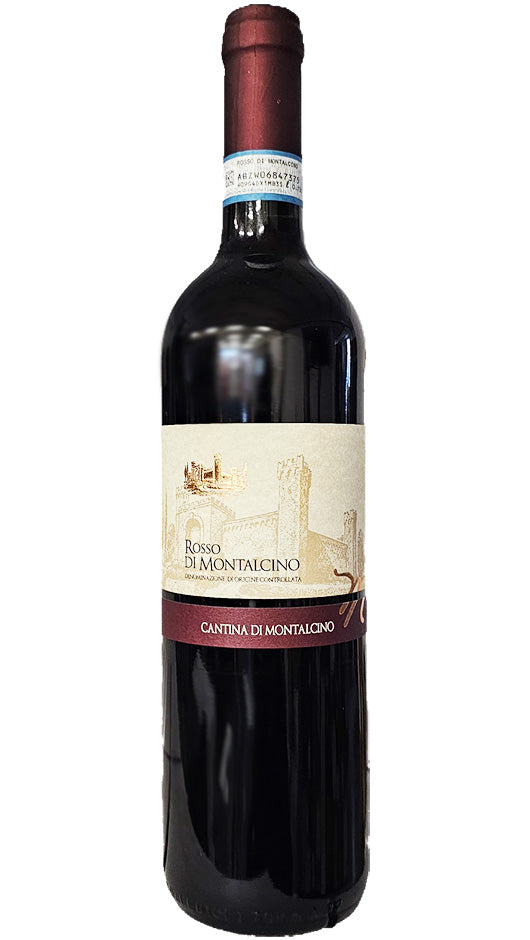
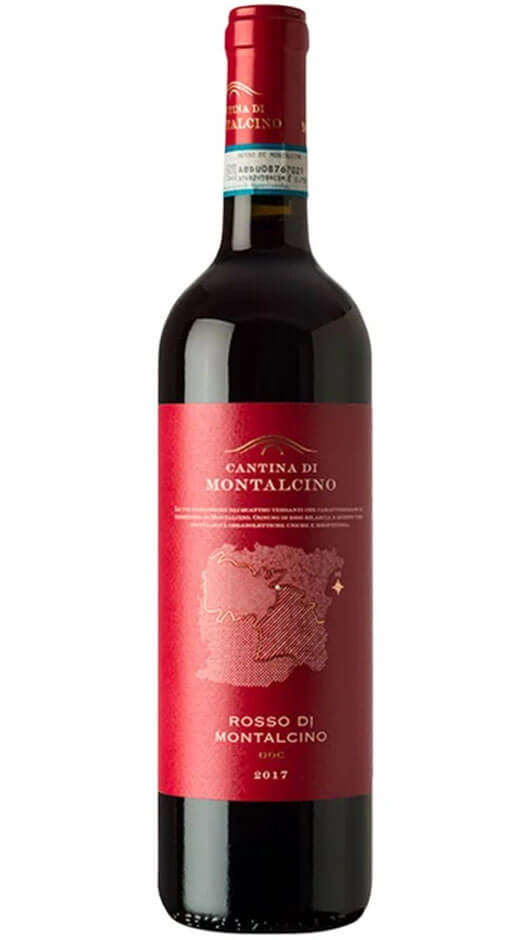
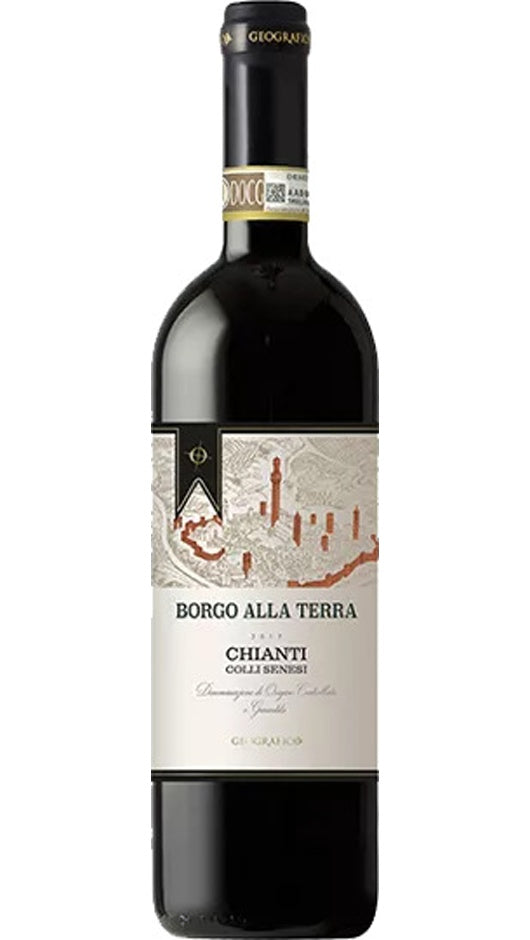
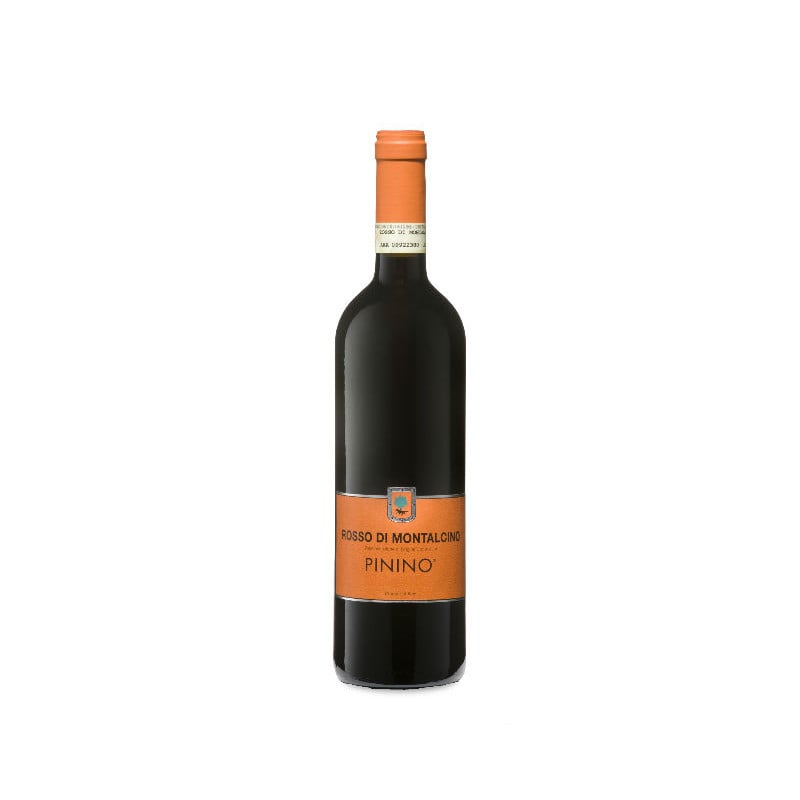
In the Montalcino landscape, this Rosso rests on Sangiovese and aging in wood that accompanies the wine without the vintage sheet detailing its aromatic profile any further. I'm keeping it for its roots in the hills north of the town and for a careful winemaking process, from the sorting of the grapes through to resting in bottle. It's a lead worth following if you're looking for a Tuscan red tied to its place of origin, without expecting tasting notes that aren't specified.
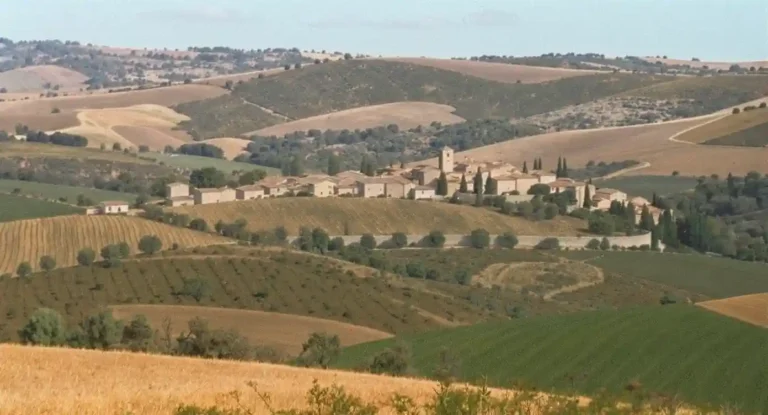
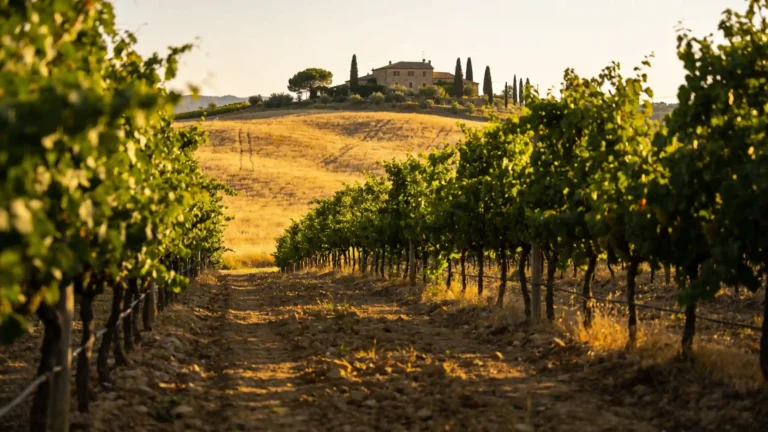
Azienda Pinino sits in a sort of natural amphitheater north of Montalcino, in Tuscany. The estate, whose origins date back to 1950, today belongs to two couples attached to the landscape and its products. Its vines, averaging around fifteen years old according to the wine's presentation, are planted on soils rich in clay and limestone. The grape is Sangiovese, also referred to as Sangiovese grosso in the producer's information: a variety closely associated with the winemaking identity of Montalcino.
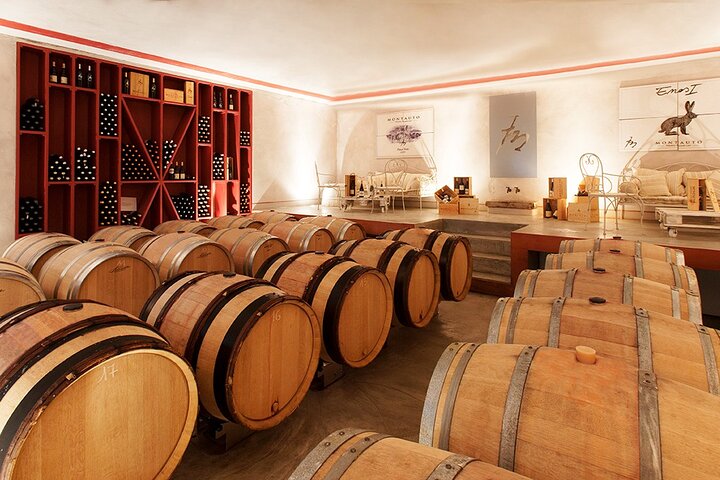
For this 2019 vintage, the sheet indicates a red wine aged in wood, but gives no precise description of the color, nose or palate. I therefore prefer not to attribute aromas or a texture that aren't documented. The general notes on the making of Rosso di Montalcino Pinino mention hand harvesting, a selection of the grapes, then a second sorting on arrival at the cellar. After a long fermentation, the wine spends six to eight months in Slavonian oak and French oak barrels, before continuing to age in bottle. These details offer reference points on the cellar's work, without replacing a specific tasting of the 2019.
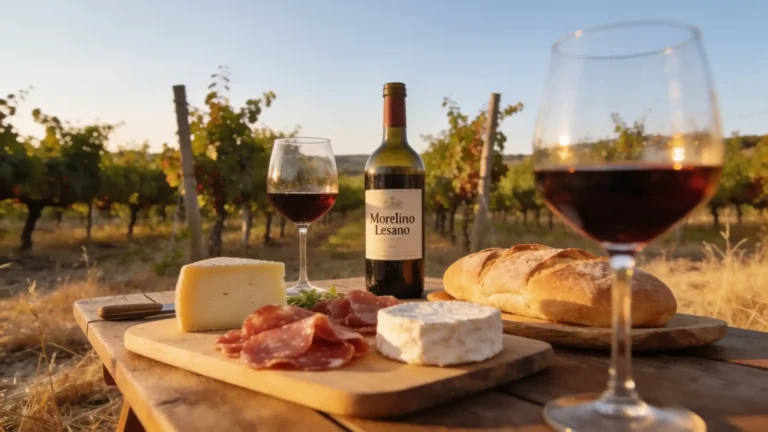
To accompany it, the suggested pairings are simple and generous: pasta, white meats or aged cheeses. I readily imagine it at the center of a convivial meal, when you want to serve a Montalcino red without turning the table into a ceremony. Give it time to open up in the glass and choose a dish that respects its place as a red wine aged under wood. A bottle to share quietly, bearing in mind that its charm is told first through its origin and its grape.

To read
 Français Français
 Italiano
 English
 Polski
 Português do Brasil
 Nederlands
 Español
 Deutsch