You still think Ciliegiolo is just a supporting act to soften Sangiovese? This rebellious grape variety, linked to the Etruscans, is reclaiming its rights on the terroir volcanic soil of Sorano to offering deep, wild reds.
If you're looking for smooth, soulless wines, move along. I'm taking you to discover why a ciliegiolo sorano tasting on the tuf radically changes your vision of Maremma.
Sorano's Ciliegiolo: the rebellious wine that puts Sangiovese back in its place
Ciliegiolo from Sorano, a historic Maremma grape variety linked to the Etruscans, breaks free from Sangiovese thanks to the volcanic tuff terroir. This deep red wine, marked by notes of black cherry and spices, expresses a wild minerality typical of southern Tuscany.
For a long time, Ciliegiolo merely served as a supporting player to smooth out the edges of Sangiovese. It was the backstage worker, without recognition. It was used for its suppleness without ever mentioning its name on the label.
Its name comes from «ciliegia», the cherry, because of its fleshy berries. The Etruscans already cultivated these varieties in our tuff valleys. It's a heritage that has flowed in our veins for millennia.
Name derived from «ciliegia» (cherry). Genetic relative of Sangiovese. Historical link with Etruscan culture in Maremma.
If you're looking for an authentic experience, I recommend this unique Ciliegiolo tasting. It's the best way to understand this wine.
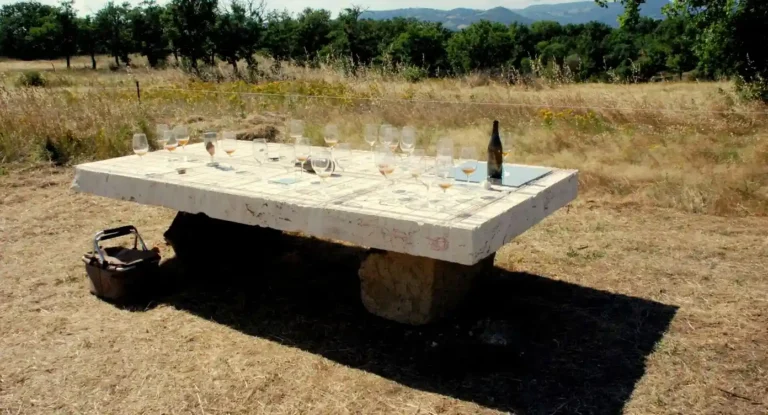
Unique Ciliegiolo tasting and organic cellar visit
- 1 hour
- As a couple
- Beginners accepted
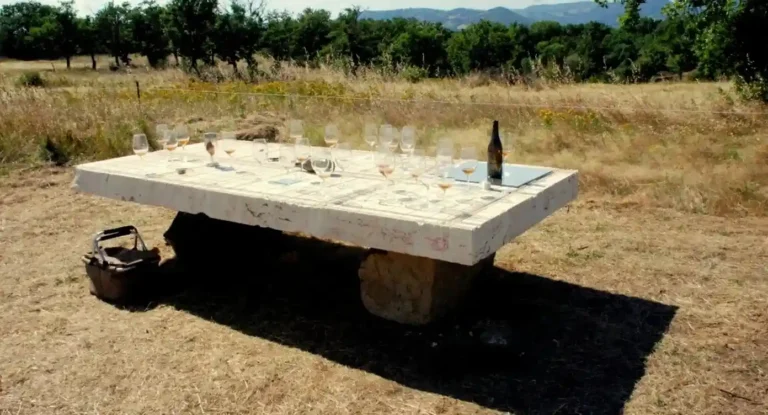
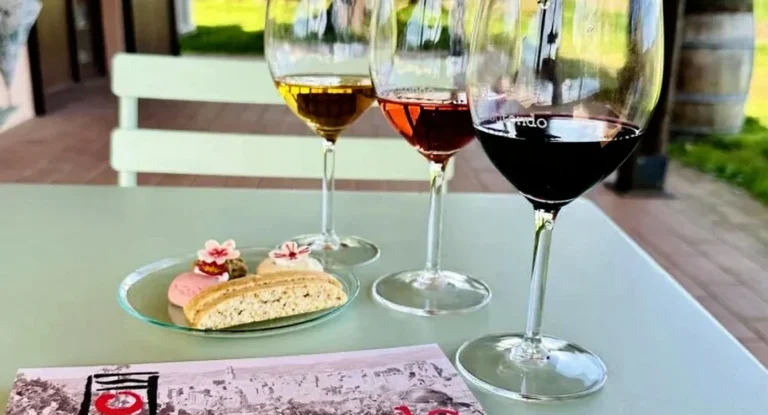
Dégustation de cinq Ciliegiolo à la cellar Sassotondo, à Pitigliano, avec visite des vignes, cave creusée dans le tuf et pâtisseries salées
 GetYourGuide
Nowadays, the winemakers of Sorano make it on its own. It's a complete identity rebirth.
A fiery temperament for a wine that refuses to please everyone
This grape variety is a true early rebel. It fears spring frosts and demands attention at every moment. It does not let itself be tamed easily by the winemaker.
Forget the idea of the insignificant little thirst-quenching wine. Its tannic structure can shake lovers of smooth juices. It has relief and character.
Before choosing your bottle, look carefully which Maremma wine to buy so as not to make a mistake. The styles vary enormously from one estate to another.
Its aromatic power makes no compromise. It demands a palate ready to face an elegant rusticity. It is a wine that fully owns itself.
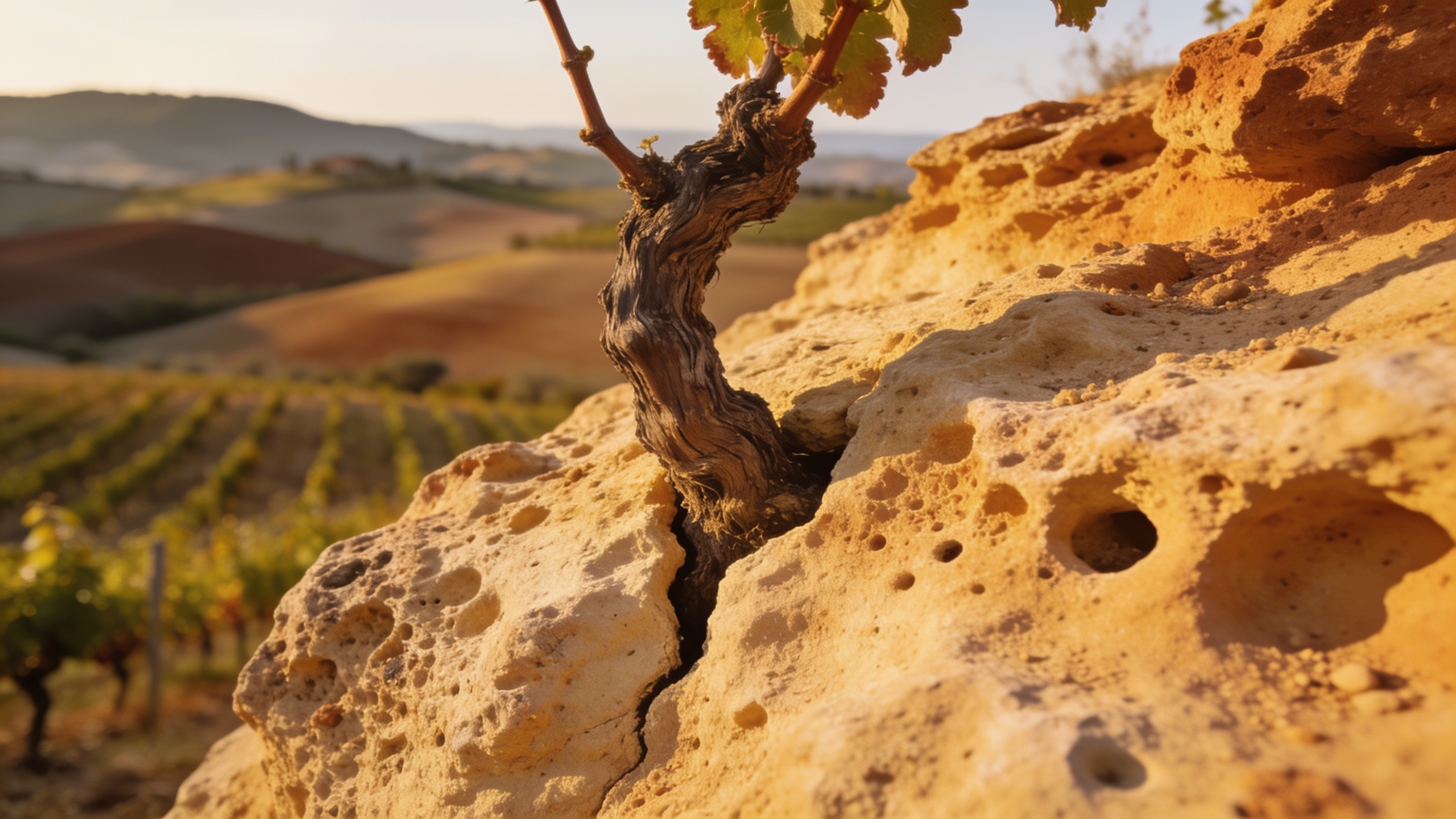
Sorano's tuff: why this volcanic rock changes everything in your glass
But to understand the strength of this wine, you must first look beneath your feet, where the rock tells another story.
The geology of tuff or how volcanic ash nourishes the vine
Tuff has exceptional porosity. This rock stores water during the winter. It returns it to the vines during the scorching summers. It is a natural air conditioner for the roots.
The soil brings a saline minerality to the grape. We are not talking about fruit here. The stony tension dominates every sip. It is the indelible signature of the Sorano terroir.
If you want to explore these sensations, turn to an exclusive volcanic wine tasting. There you will understand the volcano's direct influence on the glass.
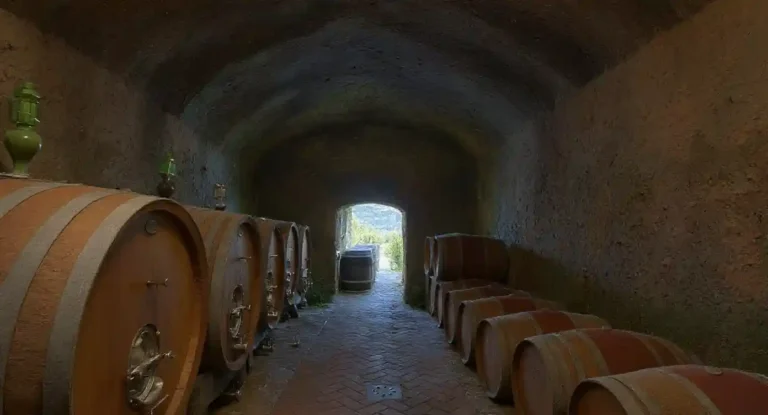
Exclusive volcanic wine tasting in Maremma
- 2 hours
- As a couple
- Beginners accepted
Tasting in Sovana combining tuff cellars, vineyards on volcanic soil and Flamigni savory pastries, guided by bilingual experts
- Porosity of the rock
- Optimal drainage
- Potassium richness
- Thermal regulation
Clay amphora (terracotta) winemaking to respect the purity of the fruit
The use of terracotta jars is fundamental here. Unlike wood, clay imparts no off-flavors. The Ciliegiolo fruit remains totally naked and sincere.
Natural micro-oxygenation occurs through the walls of the jars. This polishes the tannins without ever masking the volcanic origin. It is a work of millimetric precision.
| Container | Impact on taste | Oxygenation | Respect for terroir |
|---|---|---|---|
| Terracotta jar | Neutral | High | High |
| Oak barrel | Woody | Low | Medium |
| Stainless steel tank | Neutral | None | High |
This ancestral technique is making a strong comeback in Sorano. It allows you to taste the rock without any woody artifice.
3 Sassotondo bottles to understand what terroir wine means
To move from theory to practice, nothing beats a direct encounter with the wines of Sassotondo, the flagship estate of the area.

Sassotondo
Sassotondo has been growing Ciliegiolo organically since 1994 and biodynamically since 2007 on the tuff of Sorano, with cuvées aged in terracotta

Tosco Forget Sangiovese for five minutes: at Sassotondo, Ciliegiolo on volcanic tuff rules! Go for their San Lorenzo cuvée facing the panorama of Pitigliano, and you'll understand right away why this underrated grape variety deserves its star status here.
 Winedering
- 1994 : Switch to organic
- 2007 : Biodynamic certification
- 3 emblematic wines made from Ciliegiolo
San Lorenzo: the power of old vines and the elegance of the red
San Lorenzo stands out as the estate's undisputed grand cru. Its sixty-year-old vines dig deep into the volcanic tuff. The concentration of the fruit is entirely natural.
You will discover an aromatic profile of rare intensity. The nose bursts with black cherry, pepper, and tobacco. The structure on the palate is imposing but never becomes heavy.
This wine reveals the secrets of a Maremma grand cru. It is the purest expression of the Sorano terroir. The balance between power and freshness is masterful.
It is above all a serious wine for aging. It opens slowly over the minutes. It reveals its complexity after a few years of resting in the cellar. A true sensory shock.
Poggio Pinzo: the radical experience of long maceration in amphora
Poggio Pinzo perfectly embodies the wine of bold experimentation. Here, the winemakers add no sulfur during vinification. . It is a radical, uncompromising, fully embraced choice.
The long maceration in terracotta jars offers an incredible texture. The wine becomes almost tactile on your palate. You will feel pronounced notes of wet earth and undergrowth.
This bottle deserves its place on the Maremma Tuscany wine route. It illustrates the return to ancestral methods. Terracotta preserves the brilliance of the fruit.
This bottle is unlike anything else you know. It violently shakes up the usual classic codes of Tuscan tasting. Finally dare to step out of your comfort zone.
Lady Marmalade: the characterful rosé that forgets Provençal codes
Quickly forget the pale, technical, soulless rosés. Lady Marmalade proudly displays an intense and very deep color. It is a saignée rosé that loudly claims its origins.
The notes of bitter citrus and small red fruits dominate the whole. The wine has a genuine tannic structure on the finish. It is clearly not a light aperitif wine.
- Color : Bright light cherry
- Aromas : Pink grapefruit and small fruits
- Finish : Salty and mineral
- Pairings : Maremma charcuterie
It is an authentic gastronomy wine for the table. It holds its own without faltering against hearty local dishes. Its volcanic freshness makes it terribly addictive during summer lunches.
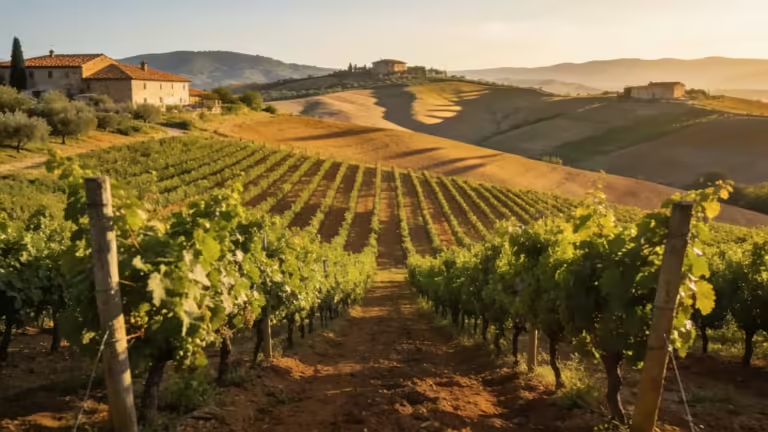
Drinking Ciliegiolo in Sorano: beginner mistakes to avoid
Now that you know the bottles, let's see how to savour them without spoiling the experience through clumsy choices.
Food and wine pairings: forget the steak and try the flavors of Tuscia
Don't order a huge Florentine steak. Ciliegiolo prefers the rustic cuisine of the Tuscia. Look for bolder and less fatty flavours.
Try the local savoury pastries like the «sfratto». Well-aged sheep's cheeses also work wonderfully. The wine's acidity cuts through the cheese's fat.
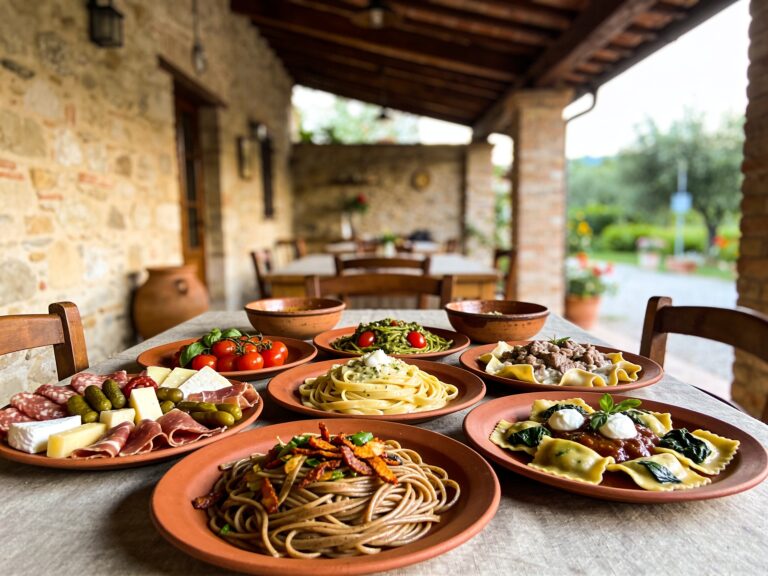
For a total immersion, you can also organise a Maremma picnic. It's the best way to appreciate this rebellious wine. Enjoy the great outdoors.
Logistics and immersion: how to access Sorano's underground cellars
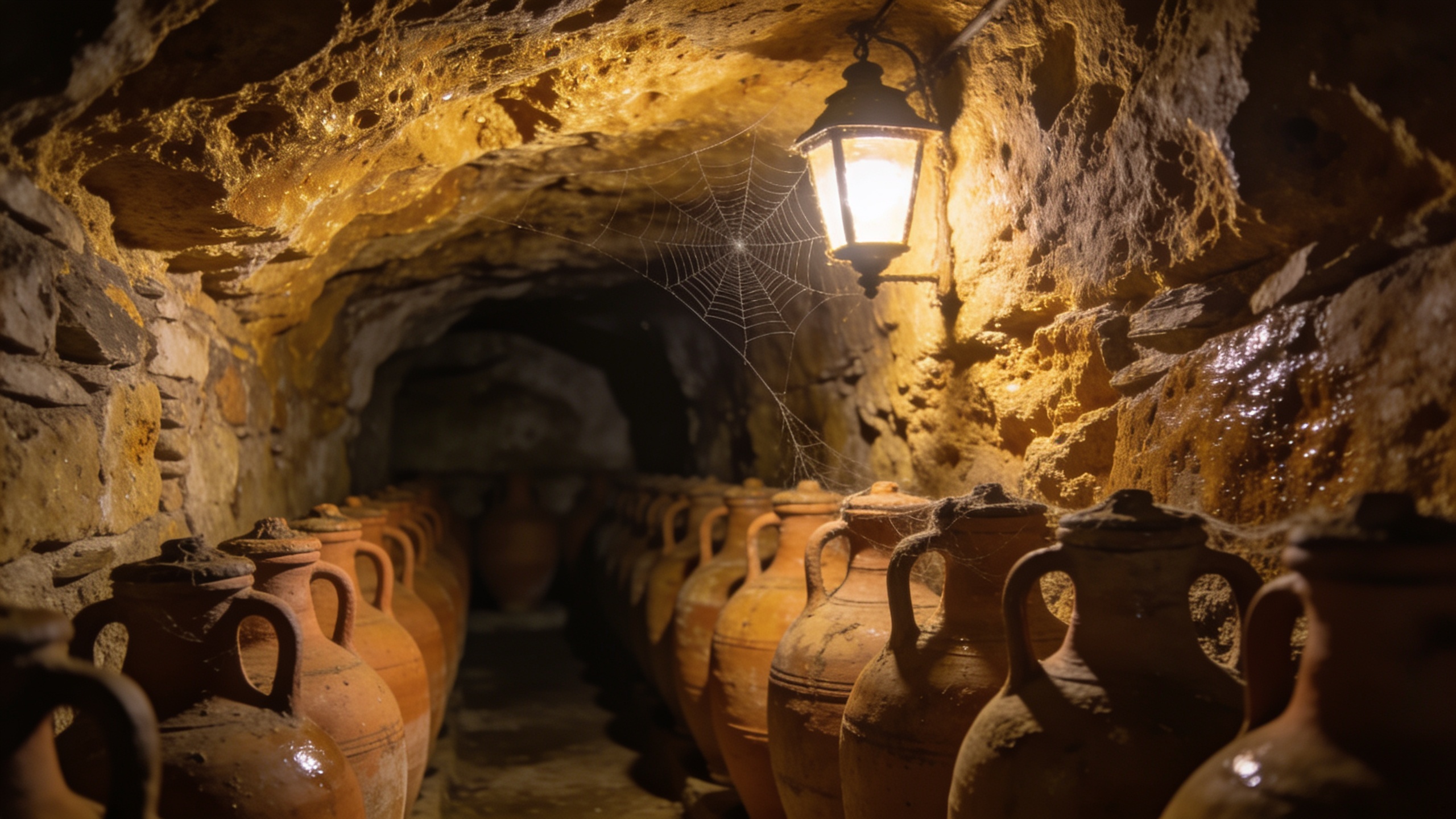
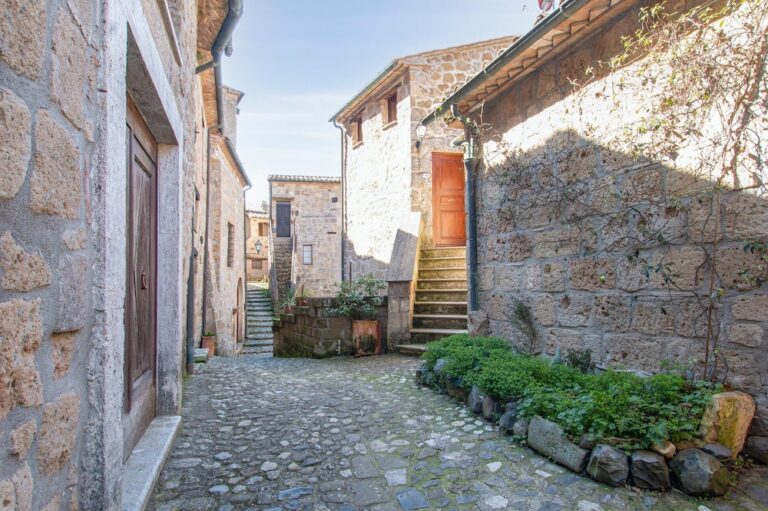
The cellars of Sorano are carved directly into the tuff. It is cool all year round, , even in the middle of August. Always bring a light sweater.

Sorano
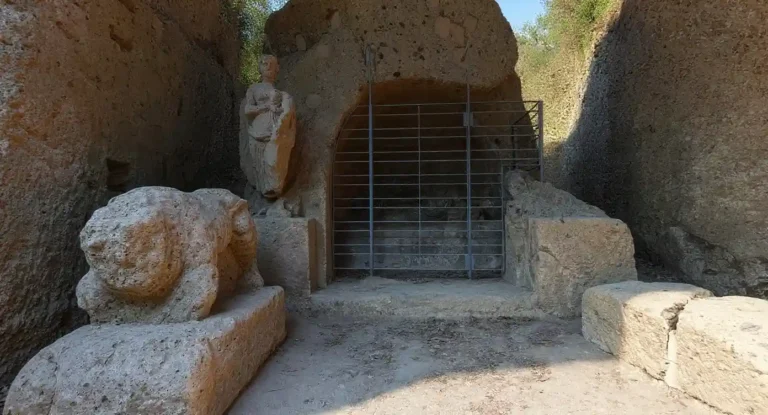
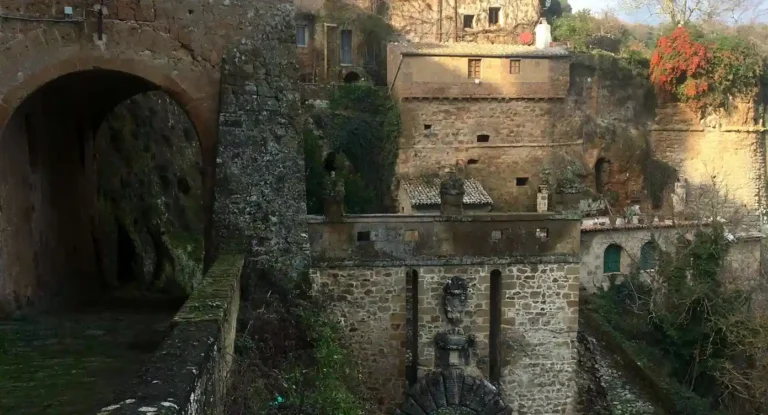
Sorano, the Matera of Tuscany, stacks its houses carved into the tuff above the valley, between the Fortezza Orsini, Etruscan vie cave and hot springs at 37.5 °C

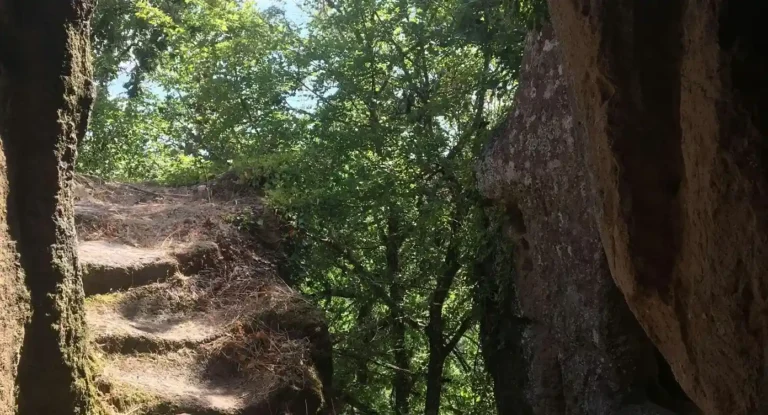
Tosco My insider tip: climb up to the San Rocco viewpoint just opposite, that's where Sorano reveals its most dizzying profile on its tuff spur! Just remember to wear good sneakers, the sunken ground of the *Vie Cave* always remains wet and slippery.
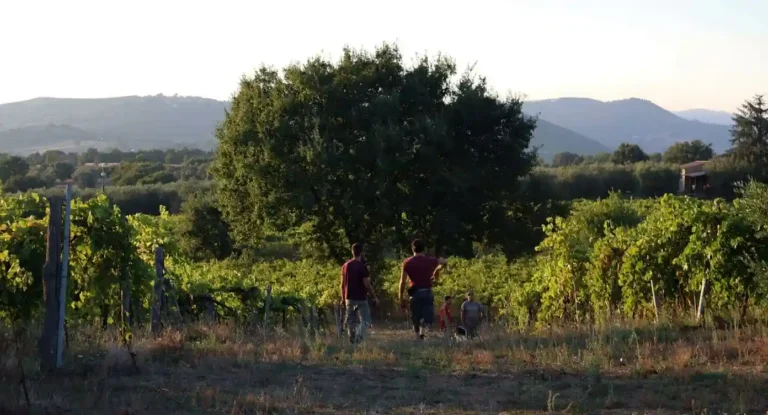
Always book your visit in advance. The winemakers here are often in the vineyards, not behind a counter. A simple phone call is usually enough to organize things.
After your tasting, don't hesitate to visit Pitigliano, , the neighboring town. Both cities share this same fascinating volcanic bedrock. It is a natural extension.

Don't forget your sweater, even if it's 35°C outside. The tuff retains a striking natural coolness. . Always call before coming, the winemaker is not waiting for you at the office.
By choosing the Ciliegiolo from Sorano, you discover a volcanic wine that refuses industrial compromises. Between the minerality of the tuff and aging in terracotta, these Maremma cuvées offer you a raw and sincere expression of the terroir. . Are you ready to shake up your habits at your next tasting?
Restaurants · Pitigliano
Nos tables préférées autour de Pitigliano
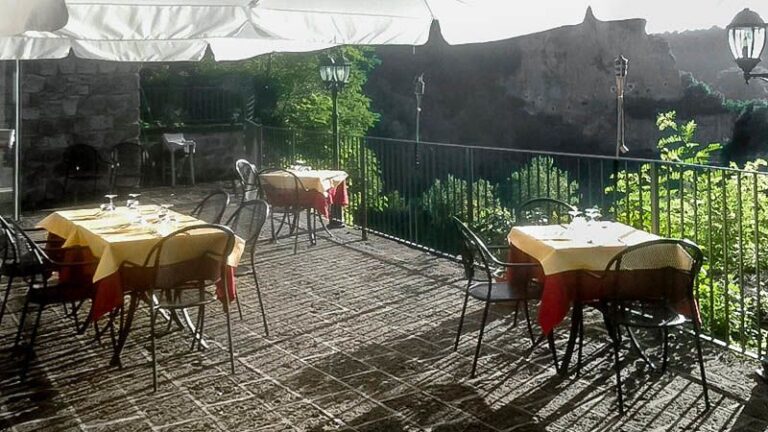
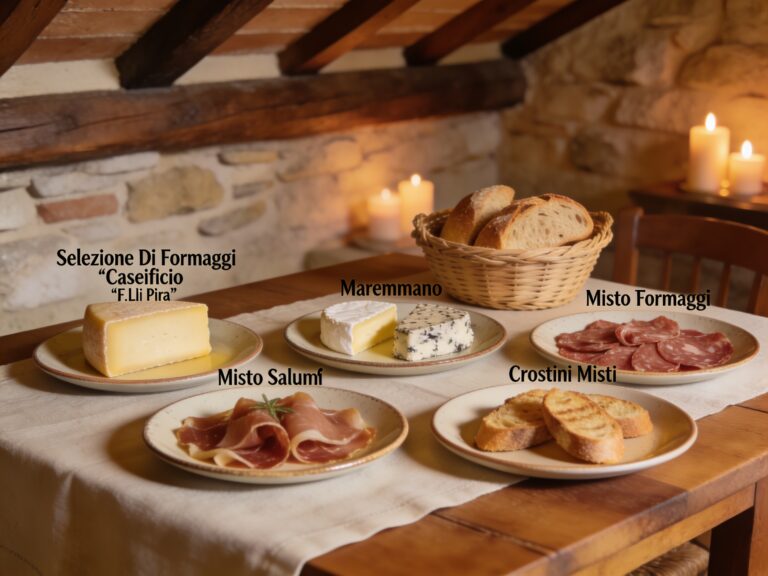
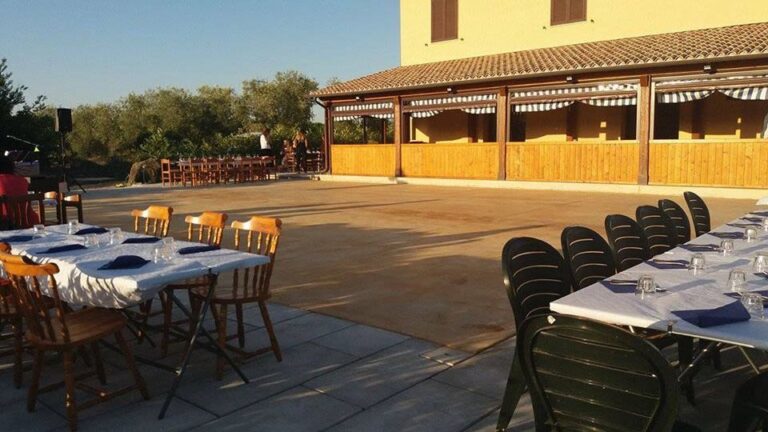
If you want to discover Ciliegiolo in its purest expression, the Sorano region in Maremma is the ideal place. It is here, on volcanic tuff soils, that this grape variety reveals all its uniqueness. The winery to absolutely prioritize for an authentic tasting is Sassotondo. . Located in the heart of this unique terroir, Sassotondo is renowned for its respectful approach to the vine and the wine, with organic certification since 1994 and biodynamic certification since 2007. They are the pioneers in promoting Ciliegiolo as a wine in its own right, no longer just a simple blending grape.
During your visit to Sassotondo, don’t miss tasting their three emblematic Ciliegiolo cuvées: the San Lorenzo, from old vines over 60 years old that give the wine remarkable concentration and elegance; the Poggio Pinzo, a more experimental cuvée with a long maceration in terracotta jars without added sulfur, offering a very particular texture and aromas; and finally the Lady Marmalade, a rosé with character, far from the usual standards, perfect for pairing with the local cuisine. Remember to always book your visit in advance by contacting the winery directly, as the winemakers are often in the vineyards and not at the reception. Their cellars, dug directly into the tuff, offer a unique tasting experience and constant coolness, even in the height of summer, so plan to bring a small jacket!
Absolutely! The Ciliegiolo from Sorano, in particular the one produced on volcanic tuff soils, is far from the image of a light wine that its cherry-evoking name might suggest. If you are used to great Tuscan crus and appreciate full-bodied red wines, the Ciliegiolo from Sorano has a good chance of pleasantly surprising you with its unique character and depth. This is not a wine that seeks to please everyone; it has a strong, almost rebellious personality.
The key to its power lies in the volcanic terroir of Sorano. The tuff, a porous rock rich in minerals, gives the wine a stony minerality and a well-present but elegant tannic structure. You will find intense notes of black cherry, spices like pepper and clove, and sometimes even hints of tobacco or wet earth for the cuvées aged in terracotta jars. The San Lorenzo cuvée from the Sassotondo winery is an excellent example of this power and aging capacity, competing in complexity and elegance with better-known wines. This is not an insignificant everyday drinking wine; it demands a palate ready to face an elegant rusticity and an uncompromising aromatic intensity. Let yourself be tempted by this experience that shakes up the rules and will show you another facet of Tuscany’s wine richness. If you are curious about lesser-known Tuscan wines, you might also be interested in the Morellino di Scansano.
The most striking particularity of the terroir of Sorano, and of its neighbor Pitigliano, undeniably lies in its geology: the volcanic tuff. This rock, formed from the ashes of ancient eruptions, is the secret behind the unique identity of the local Ciliegiolo. The tuff has exceptional porosity, acting like a true sponge. During the winter and spring months, it stores rainwater deep down, to then return it gradually to the vines during Maremma’s long, hot, dry summers. It is a natural air conditioner for the roots, ensuring constant hydration and avoiding the water stress that could compromise the quality of the grapes.
This geological composition is directly reflected in the wine. The soil, rich in volcanic minerals, brings a salty minerality and a stony tension to the Ciliegiolo, characteristics found in every sip. Instead of a fruity dominance, it is this mineral, almost « rocky, » sensation that prevails and defines the wine. Moreover, the tuff offers excellent drainage, preventing stagnant moisture, which is crucial for Ciliegiolo, a grape variety that fears excess water. This combination of thermal regulation and mineral richness gives the Ciliegiolo from Sorano a remarkable depth, complexity, and aging capacity, clearly distinguishing it from Ciliegiolo produced on other types of soils. It is a wine that tells the story of its volcanic soil, offering a tasting experience that goes well beyond simple fruit.
The use of terracotta jars for winemaking in Sorano is not so much a new trend as a return to ancestral methods, reinterpreted with modern awareness. This technique, although very ancient and linked to Mediterranean wine traditions, is experiencing a revival of interest among winemakers who seek to express the purity of the fruit and the terroir without artifice. In Sorano, and particularly at the Sassotondo winery, the use of these jars is fundamental for the Ciliegiolo.
The impact on the taste of Ciliegiolo is significant and distinctive. Unlike oak barrels that bring woody, vanilla, or toasty aromas, terracotta is a neutral material. It imparts no off-taste to the wine, allowing the fruit of the Ciliegiolo to express itself in its simplest and most sincere form. This means you will taste the black cherry, the spices, and above all the minerality of the volcanic tuff without any interference. In addition, terracotta is slightly porous, which allows a natural and very gentle micro-oxygenation of the wine. This subtle oxygenation has the effect of polishing the tannins, making them silkier, while preserving the freshness and brightness of the fruit. The result is a wine with an incredible, almost tactile texture, where aromatic purity and mineral structure are brought to the fore. It is a method that deeply respects the terroir and offers a unique tasting experience, far from wines marked by woody aging. This is what you will find in particular in the Poggio Pinzo cuvée from Sassotondo.
To enhance the Ciliegiolo from Sorano, it is essential to forget the classic pairings and turn to the rustic and flavorful cuisine of Tuscia and Maremma. This wine, with its tannic structure, its minerality, and its notes of black cherry and spices, does not call for a huge Florentine steak, but rather for bold and authentic flavors that will complement it without overwhelming it. Think of dishes with character, but not excessively fatty.
I suggest you try local specialties like the sfratto, a savory pastry typical of Pitigliano, often made with nuts and honey, which can create an interesting contrast. Very aged sheep’s milk cheeses, such as a good Maremma Pecorino, are also an excellent choice. The acidity and minerality of the Ciliegiolo will pair wonderfully with the fattiness and intensity of the cheese, cleansing the palate with every sip. You can also consider game-based dishes, such as wild boar maremmana style, but in a version less rich in sauce. For total immersion, why not organize a picnic in Maremma with local artisanal charcuterie, grilled vegetables, and Tuscan bread? The Lady Marmalade, the characterful rosé from Sassotondo, is also an excellent companion for Maremma charcuterie. The goal is to pair the wine with flavors that respect its authenticity and its deep connection to the terroir. Avoid dishes that are too heavy or too refined, which could mask its wild and elegant personality.
Absolutely! A visit to the cellars of Sorano, dug directly into the volcanic tuff, is a memorable and very authentic experience. However, a few practical tips will be useful to make the most of it. First of all, an essential point: the cellars of Sorano, like those of the Sassotondo winery, are carved into the rock and enjoy constant natural coolness, even in the height of summer. It can be 35°C outside, but the temperature inside the cellars remains pleasantly cool, often around 15-18°C. My advice from Sandro is therefore to always bring a sweater or a jacket, even if the sun is beating down outside. You won’t regret it!
Next, regarding reservations, it is crucial to always book your visit in advance. The winemakers of this region are artisans, often very busy in their vineyards or with production. They are not always behind a reception counter. A simple phone call or an email a few days before is generally enough to organize your visit and make sure someone will be available to welcome you and show you their treasures. The contact details of Sassotondo are easy to find online. Finally, after your tasting in Sorano, I highly recommend extending your exploration by visiting the neighboring town of Pitigliano. These two towns, perched on tuff outcrops, share a fascinating history and volcanic landscape, offering a natural and visually spectacular continuation to your wine experience.
Around this article


Is the map not displaying? See accommodations on Stay22
Map and prices provided by Stay22: Toscane Cachée may receive a commission on bookings.
You will also like

Morellino di Scansano vs Bianco di Pitigliano: which Maremma wine to buy and why?
Discover which Maremma wine to buy: Morellino di Scansano for its power…
Maremma Wine Route: 2 days between Morellino, Ansonica and Bianco di Pitigliano
Explore the Tuscan Maremma wine route in 2 days. Taste the Morellino and…
Winalist review: booking a tasting in Maremma in 2026
Check out my winalist Maremma review: book your tastings in Scansano or Magliano without…

Morellino di Scansano: the Tuscan wine nobody knows about yet
Unlike Tuscany's full-bodied reds, Morellino di Scansano offers a unique marine freshness thanks…