Wine tasting
🍷 This site features wines
This content concerns alcoholic beverages. Please confirm that you are of legal drinking age in your country of residence.
Alcohol abuse is dangerous for your health. Consume in moderation.
The wine
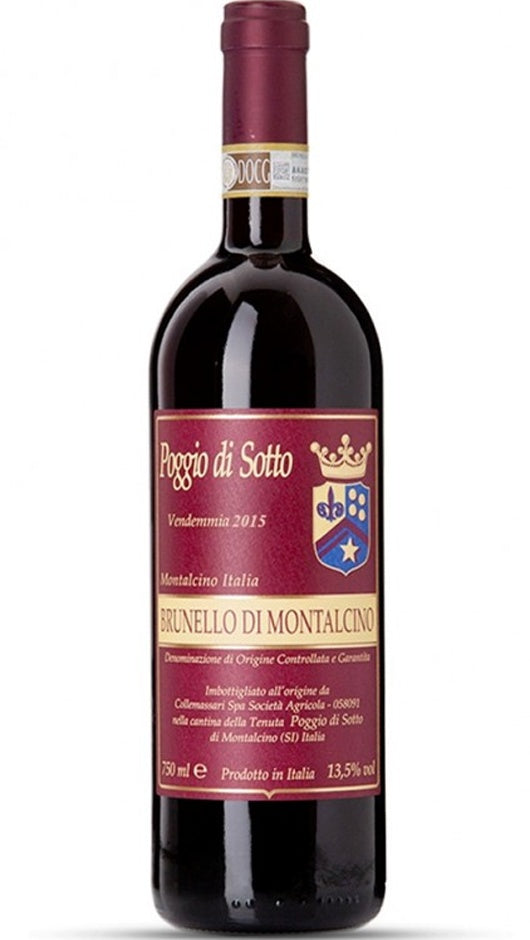
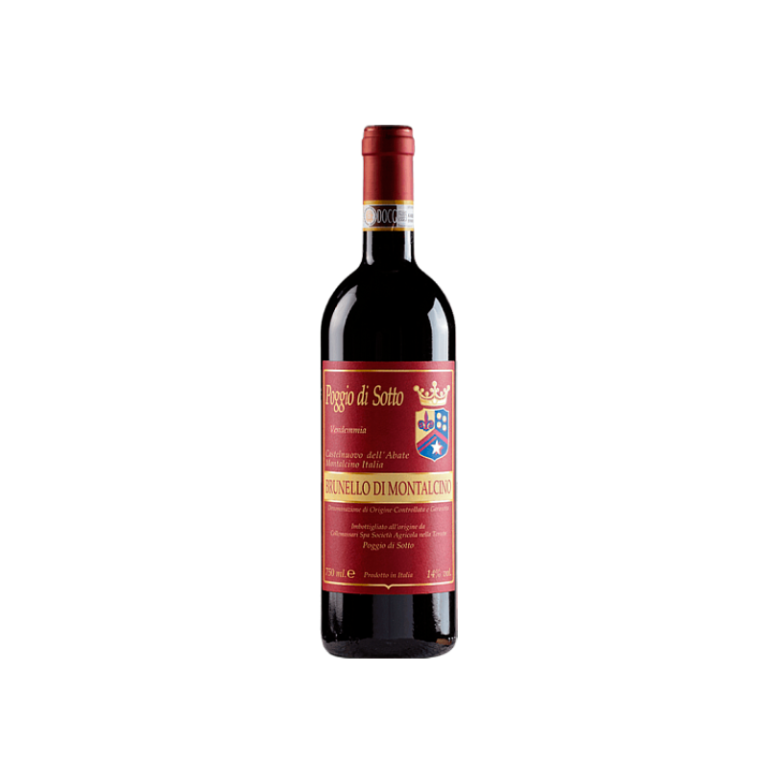
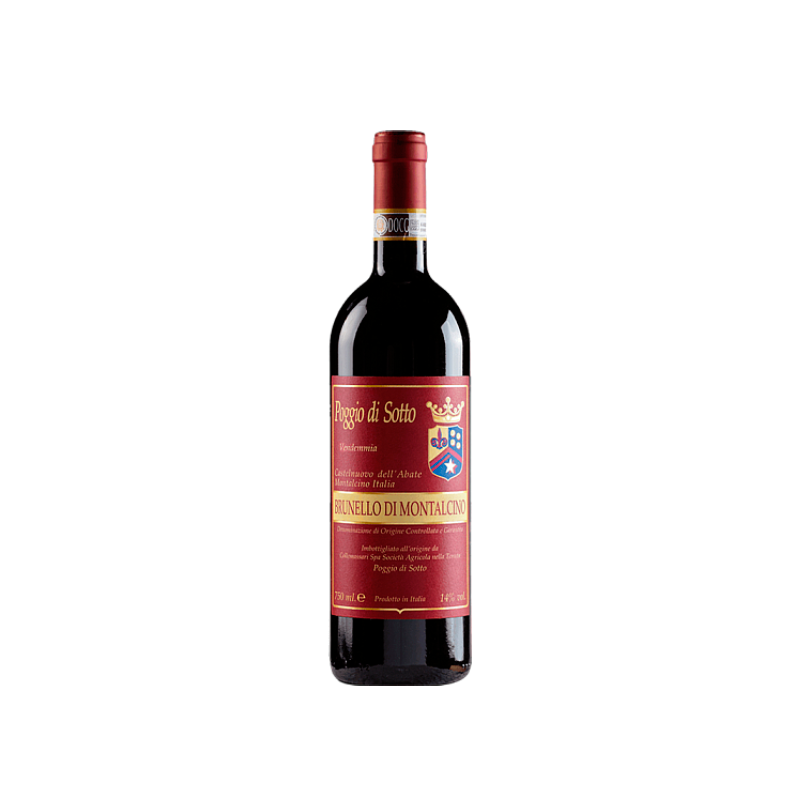
There are wines that don't try to raise their voice: they let the place and the grape speak. The 2020 Brunello di Montalcino from Poggio di Sotto appeals to me for this expression of balance, between ripe fruit, dried flowers and herbaceous freshness. If you like reds where finesse matters as much as substance, this one deserves a place at your table.
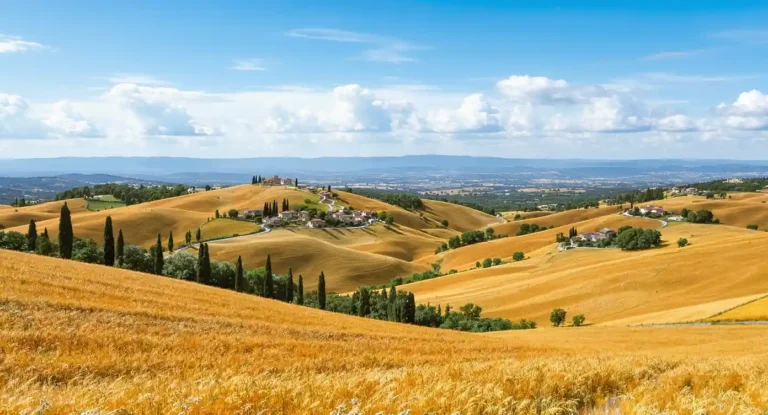
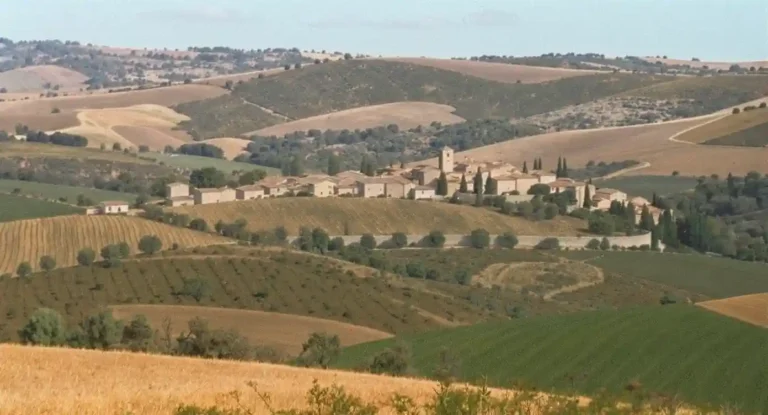
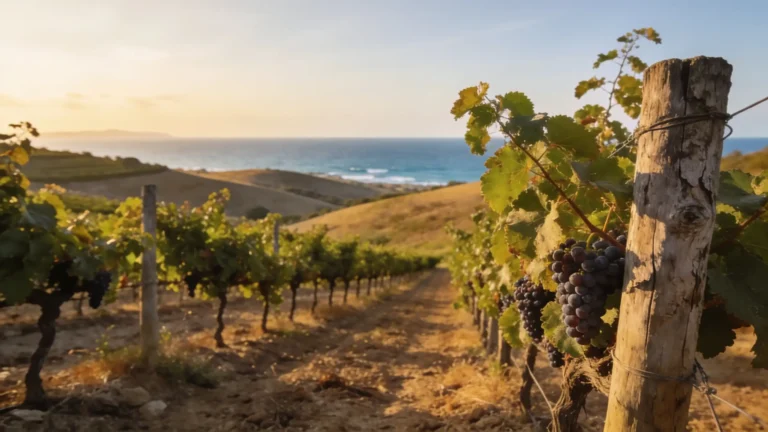
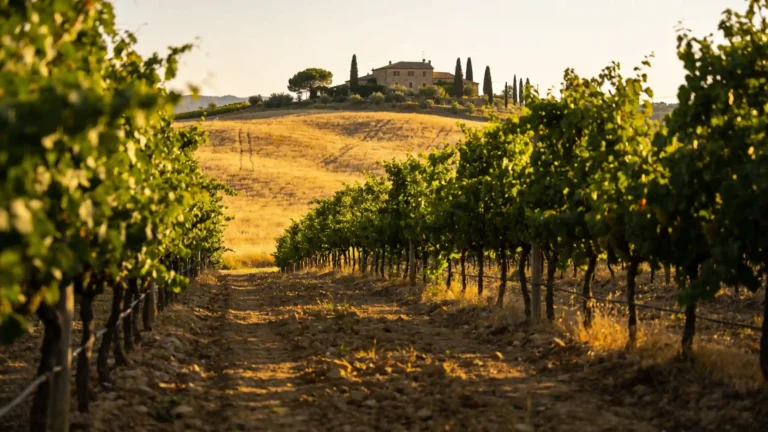
This Brunello DOCG comes from Castelnuovo dell’Abate, on the southern slope of the appellation, in a natural amphitheater sheltered by Mount Amiata. The Sangiovese vines, averaging 25 years old, occupy terraced slopes sitting at 200, 300, and 400 meters of altitude. Their different orientations take advantage of the regular breezes from the Orcia Valley and generous sunlight. Beneath the vines, poor, stony soils mixing mainly clay and limestone make up the setting which, according to the estate’s description, limits the vigor of the plants.
The recent history of Poggio di Sotto is tied to that of Maria Iris and Claudio Tipa, who took over the property in 2011. The estate lies at the heart of an appellation where Sangiovese produces characterful reds, and it champions here a approach focused on expressing the vineyard rather than on ostentation. This 2020 comes from organic farming and was aged 30 months in oak barrels. These elements offer some concrete reference points about its origin and its making, without needing to say more than the available facts.
In the glass, its color is a deep ruby, touched with garnet highlights. The nose opens on ripe plum and tart cherry, then reveals dried rose and violet. Rosemary and hints of herbs bring a sensation of freshness. On the palate, the wine favors finesse and elegance: its velvety tannins accompany the palate without harshness, while a mineral touch nuances the fruit. The 2020 vintage is described as balancing concentration of flavors with freshness, two dimensions that these notes let you find again in the glass.
I would serve it with a cuisine that leaves room for the wine: a braised dish, roasted meats, or simply prepared mushrooms can offer lovely pairings with its fruit, its herbs, and its tannins. At the table, take the time to let it open up and follow its nuances, from the fruit to the flowers, then to the mineral note. It is a bottle to share at a meal to which you want to bring a bit of depth, without seeking a spectacular effect: the pleasure lies in the balance and in this sensitive connection with the hills of Montalcino.

To read
 Français Français
 Italiano
 English
 Polski
 Português do Brasil
 Nederlands
 Español
 Deutsch