 See at Decantalo →
Wine tasting
🍷 This site features wines
This content concerns alcoholic beverages. Please confirm that you are of legal drinking age in your country of residence.
Alcohol abuse is dangerous for your health. Consume in moderation.
The wine
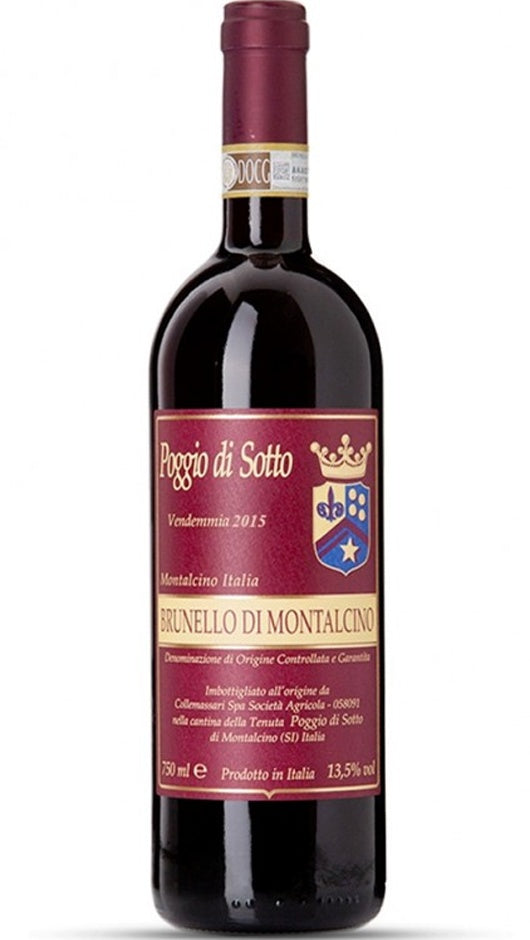
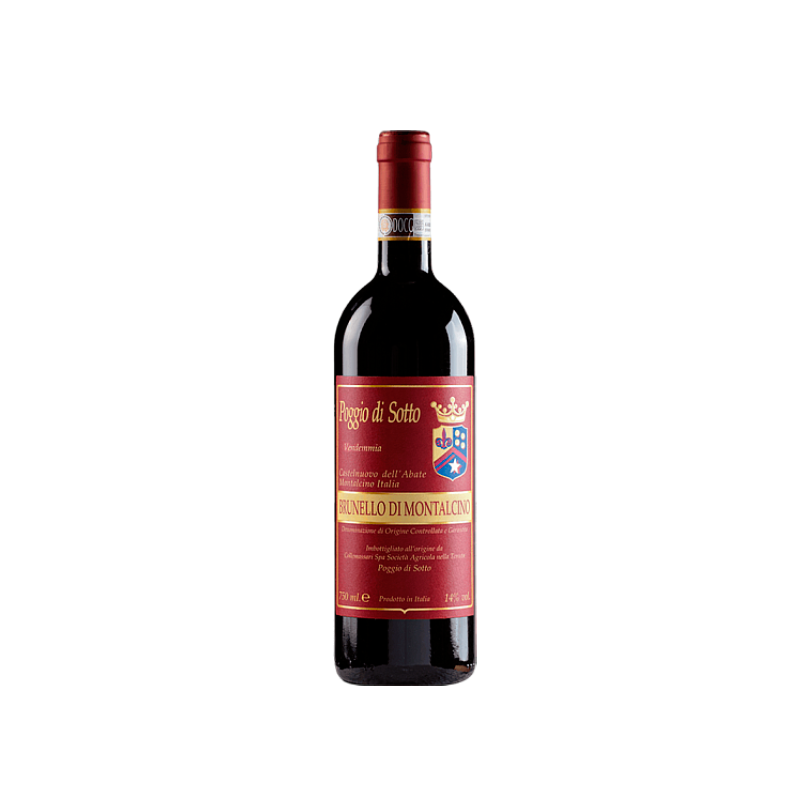
I recommend this Brunello for its very precise sense of place: a Sangiovese grown on the slopes of Castelnuovo dell’Abate, south of Montalcino, then aged for a long time in large oak casks. Here, the pursuit of finesse comes from the site and a traditional winemaking approach, rather than from showiness.
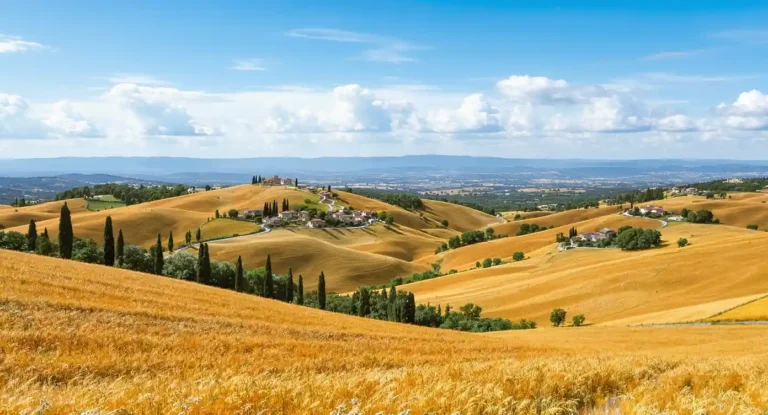
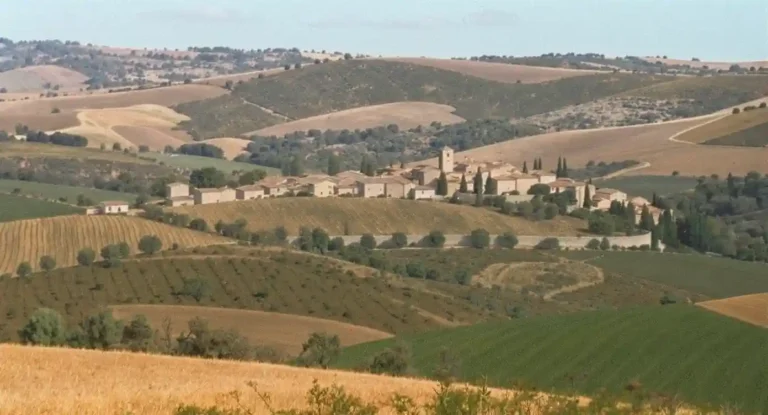
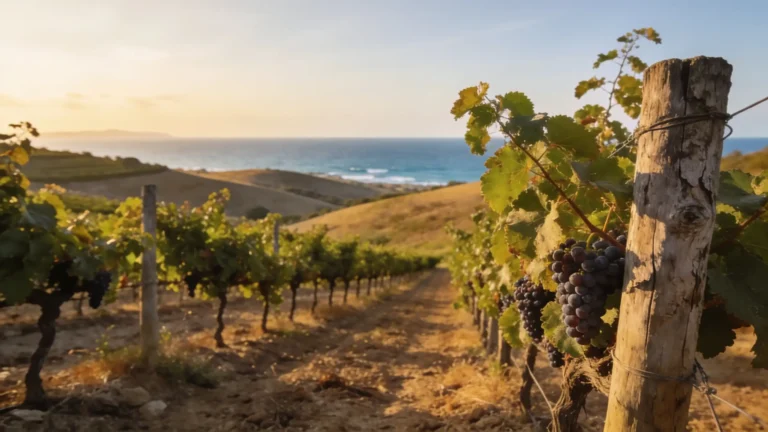
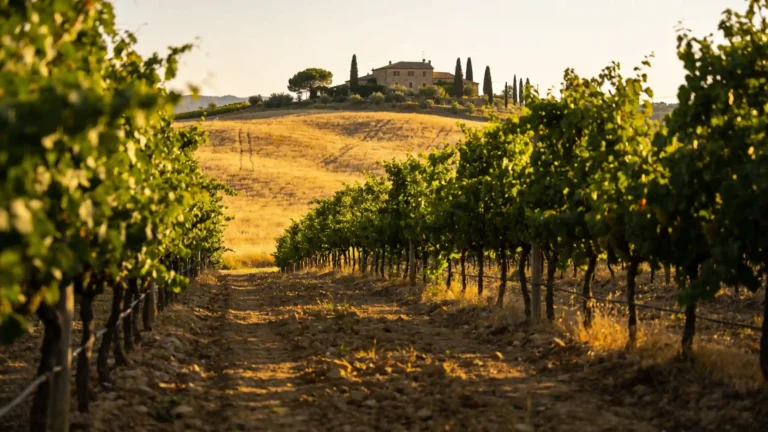
Poggio di Sotto lies in the southern part of the Brunello di Montalcino DOCG appellation, near Castelnuovo dell’Abate. The vines occupy a natural amphitheater sheltered by Mount Amiata, on terraces between 200 and 400 meters above sea level. Their orientation varies, while breezes from the Orcia valley move across the hillsides. The soils, poor and stony, are mainly a mix of clay and limestone. According to the available description, the Sangiovese vines average 25 years old: their roots dig deep into these lean soils, which limit the vine’s vigor.
Maria Iris and Claudio Tipa took over Fattoria Poggio di Sotto in 2011, as part of a winegrowing project built over time. This Brunello is made from Sangiovese, and the estate is listed as practicing organic agriculture. For the 2017 vintage, the grape clusters are carefully selected before being transferred to wooden vats. Fermentation takes place with native yeasts, accompanied by a prolonged maceration on the skins. After malolactic fermentation, the wine spends 30 months in 30-hectoliter oak casks. This choice of large containers aims to preserve the expression of the terroir without giving the wood a showy role.
The color is that of a red wine aged in wood. The tasting notes available do not precisely describe its color, aromas or flavors, so I prefer not to invent tasting notes for it. The description of the wine does, however, mention floral nuances that rest in cask helps to develop, as well as a texture that aging refines. Its identity is also presented as mineral, echoing the limestone and stony soils of Poggio di Sotto. For pairing, I would serve it with roasted meat or a slow-cooked dish with herbs, letting the Sangiovese gently accompany the richness of the meal. Open it when you can give it time at the table: it is a bottle to be listened to as much as shared.

To read
 Français Français
 Italiano
 English
 Polski
 Português do Brasil
 Nederlands
 Español
 Deutsch