See at Decantalo →
Wine tasting
🍷 This site features wines
This content concerns alcoholic beverages. Please confirm that you are of legal drinking age in your country of residence.
Alcohol abuse is dangerous for your health. Consume in moderation.
The wine
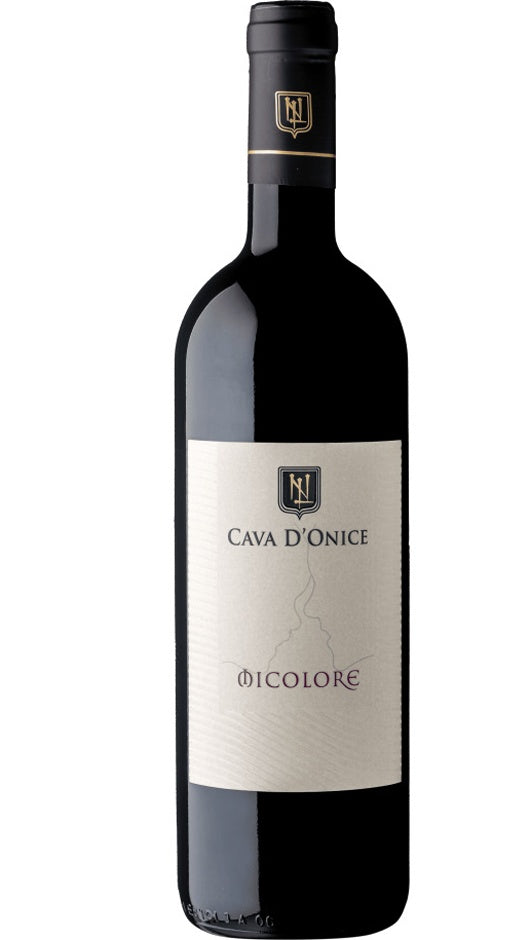
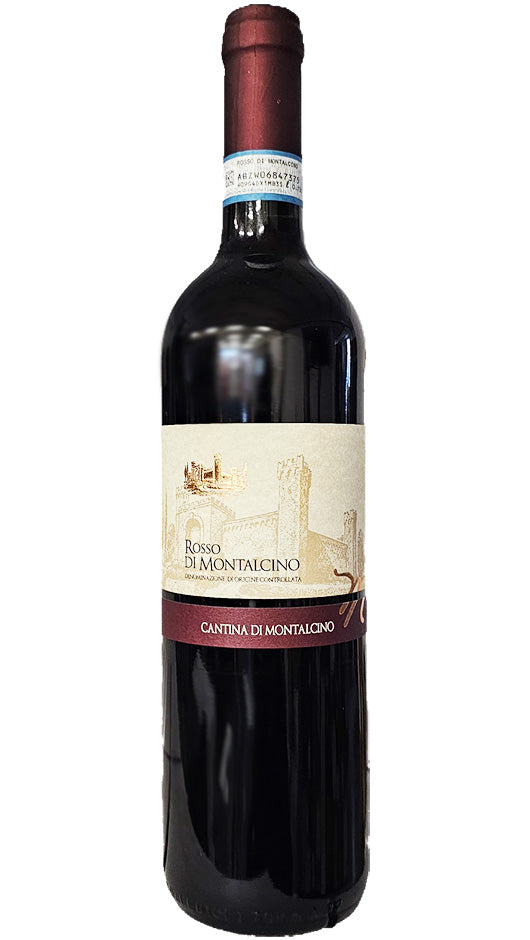
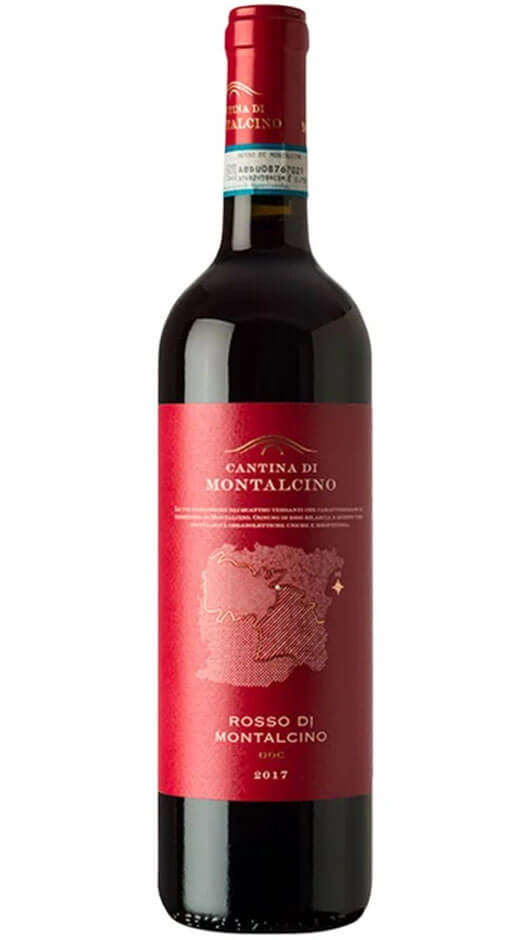
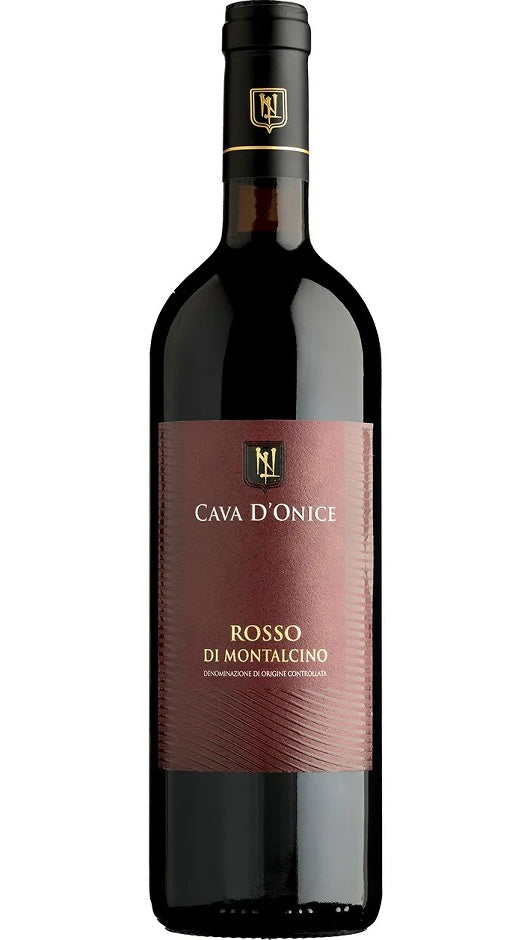
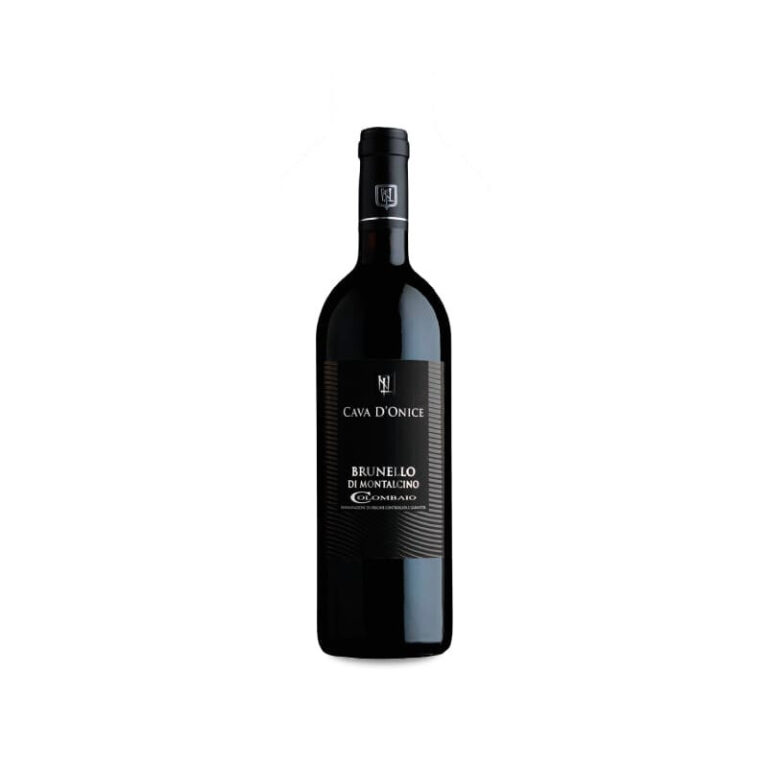
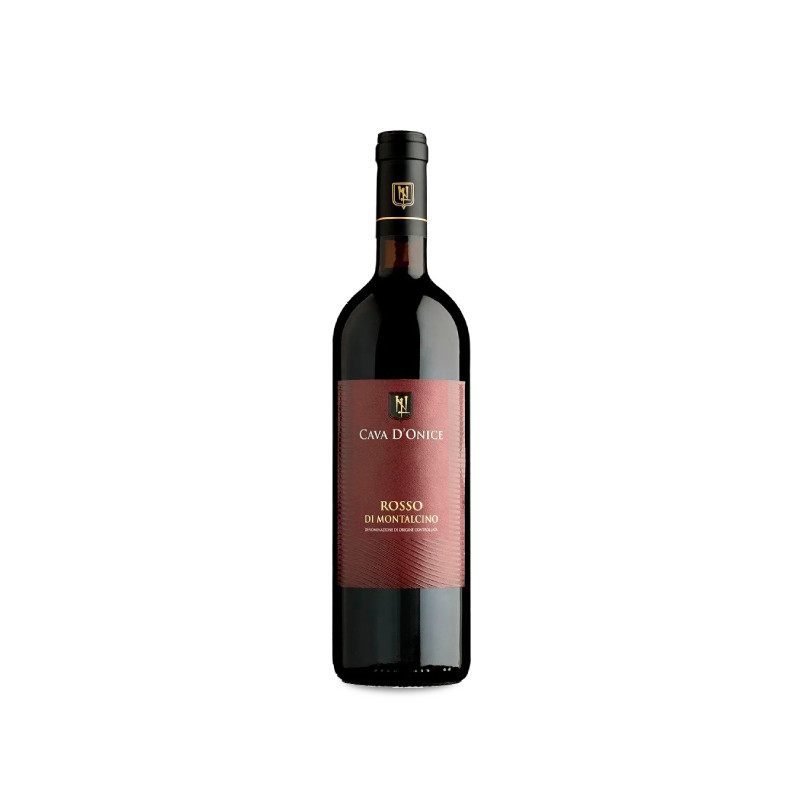
I'm going for this Rosso di Montalcino for a precise, measured take on Sangiovese: a wine from a small plot, carefully worked, then aged six months in wood and six months in bottle. Its announced profile stays approachable, with a rather light structure and a balanced place between fruit, spice and aging notes. If you enjoy Tuscan reds without looking for an artificially detailed aromatic description, this cuvée deserves your attention.
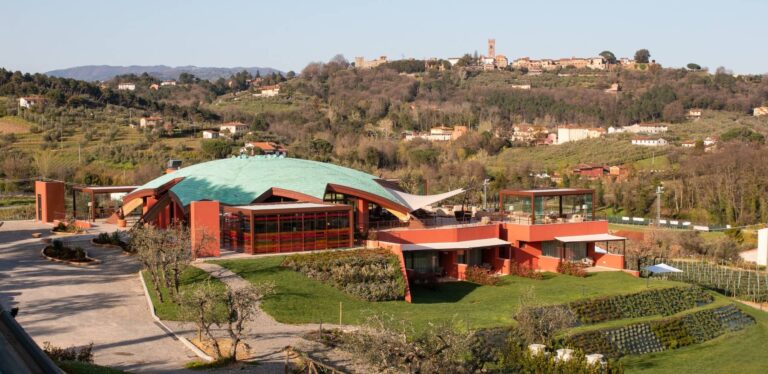
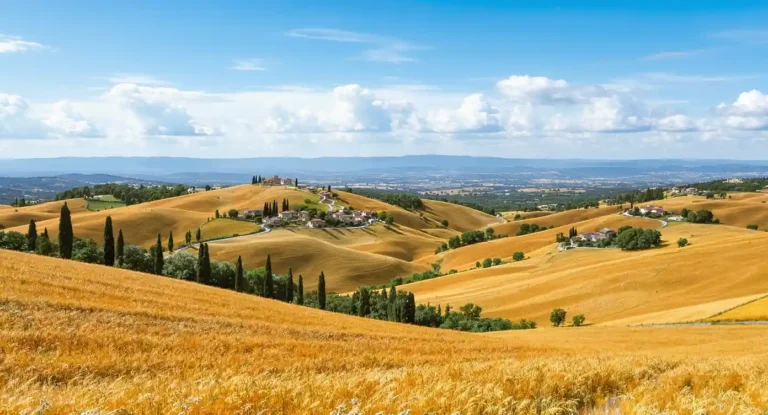
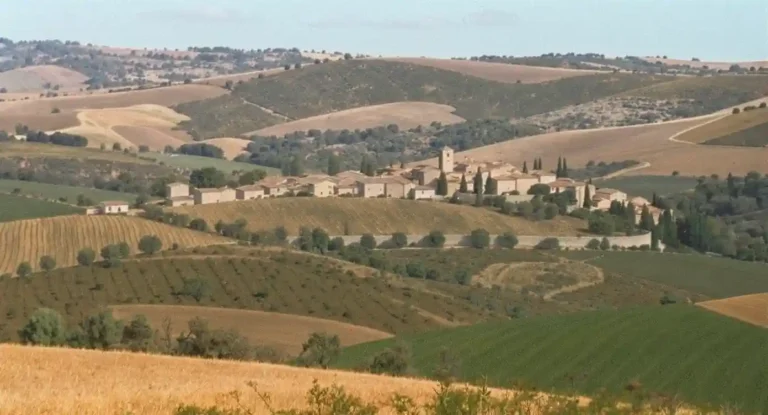
Cava d'Onice is the project of Simone Nannetti, founded with his father Valter in the landscape of Montalcino, in Tuscany. The name pays tribute to a nearby Etruscan onyx quarry. The family story is tied to a small farm acquired east of the town, in the Val d'Orcia. Simone began working in the vineyards as a teenager, before continuing his path for eighteen years within a historic Montalcino company. Preparing the estate and its plots took ten years before the activity could truly get underway.
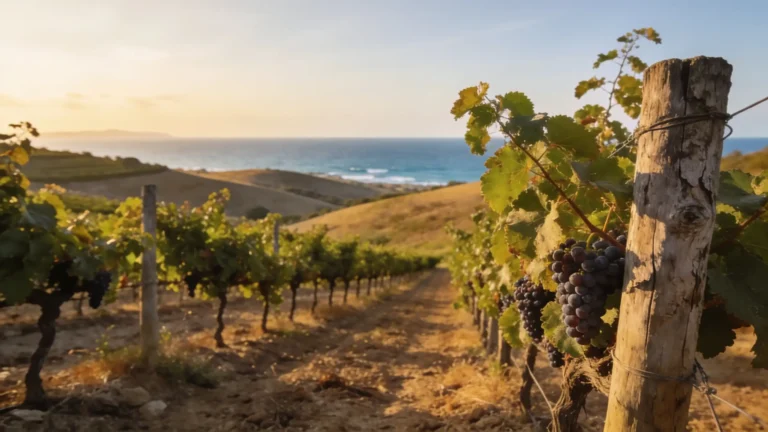
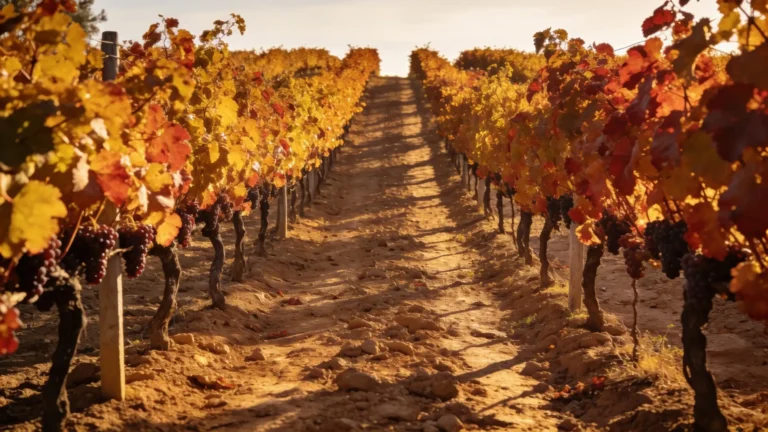
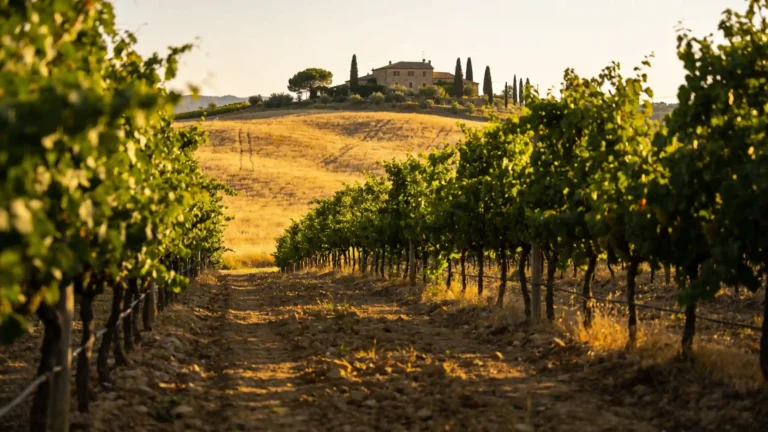
This Rosso comes from one hectare of Sangiovese, the grape variety listed for the 2023 vintage. The vines, twelve years old according to the sheet, grow at 320 meters of altitude on soil of medium texture, rich in clay and calcium. Cultivation is traditional and the grapes are harvested by hand at what is judged optimal ripeness, then quickly transported to the cellar. After sorting, destemming and gentle pressing, fermentation takes place in cement and stainless steel tanks, for about ten days at controlled temperature below 30 °C. Maceration lasts twenty days. Aging continues for six months in French and Slovenian oak barrels of various sizes, then six more months in bottle.
For tasting, the available information is deliberately sparse: it gives neither a precise color, nor a list of aromas, nor a specific description of the palate. I therefore prefer not to invent notes of cherry, flowers or spices. The wine is presented as red and wood-aged. The style benchmarks place it in the middle of the scale between fruity and spicy, as well as between youthfulness and cask influence; its body is rated 4 out of 9, on the light side. These indications suggest a moderate red rather than a powerful wine, without replacing a personal tasting.
I'd serve it with lentils, mushrooms, cured meats or aged cheeses, the pairings suggested for this cuvée. It can also go with white meats, a hamburger or white fish if you want a red with contained body at the table. For a simple evening with friends, or a meal where the dish keeps the first place, the Rosso di Montalcino format seems well suited. You can open it and take the time to taste it: its precise expression will reveal itself in your glass, rather than in a promise written in its place.

To read
 Français Français
 Italiano
 English
 Polski
 Português do Brasil
 Nederlands
 Español
 Deutsch