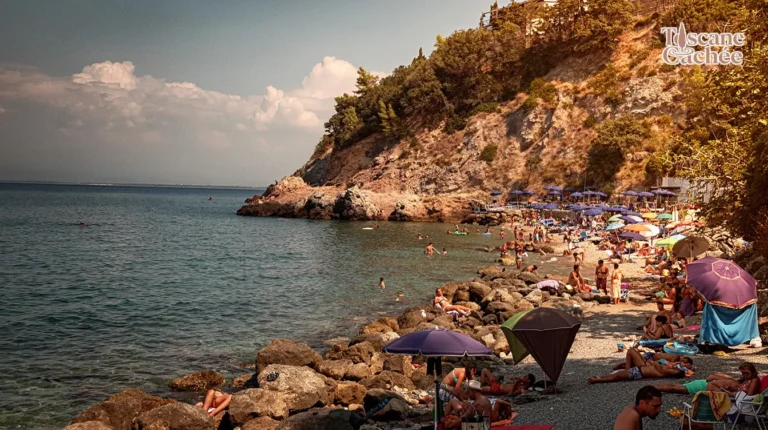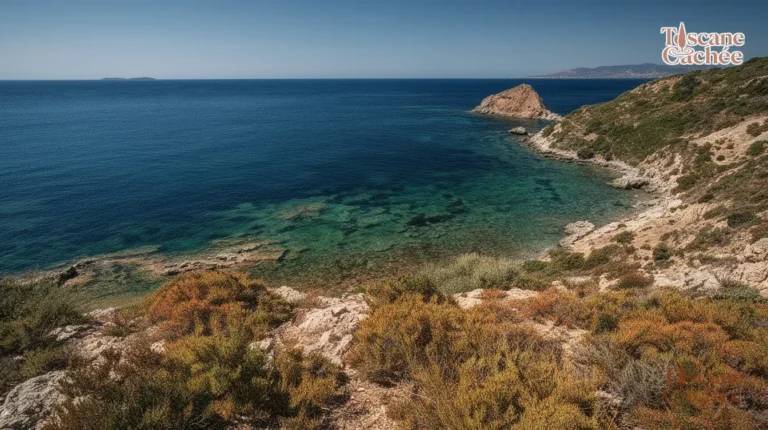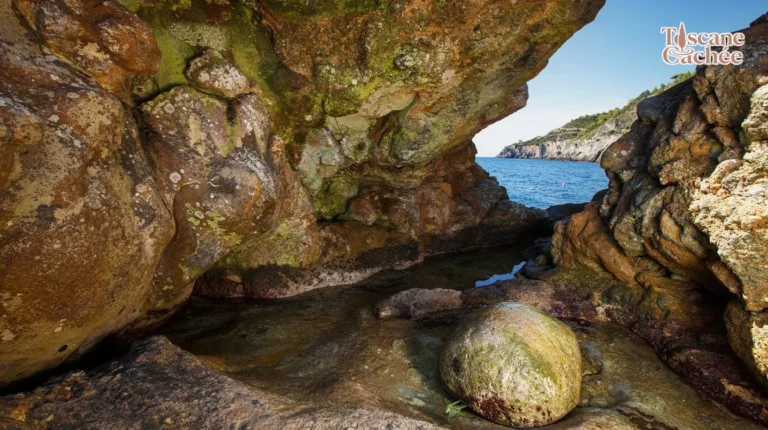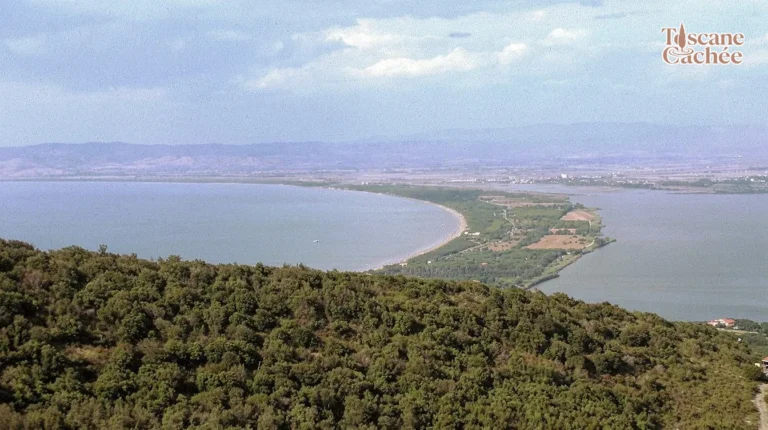
Natural Park
Stay in the Maremma

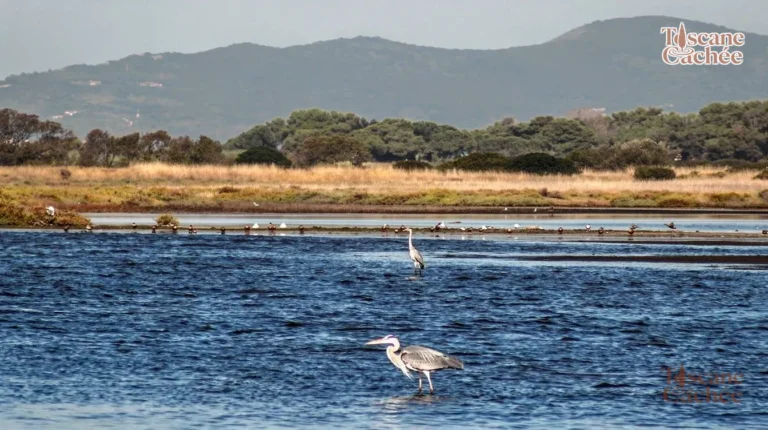
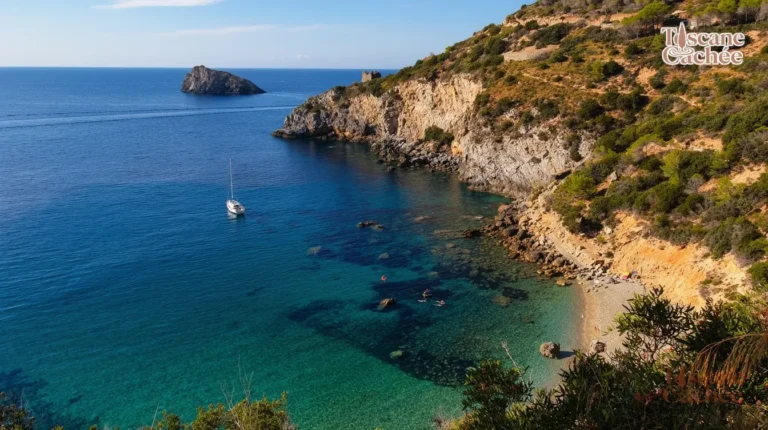
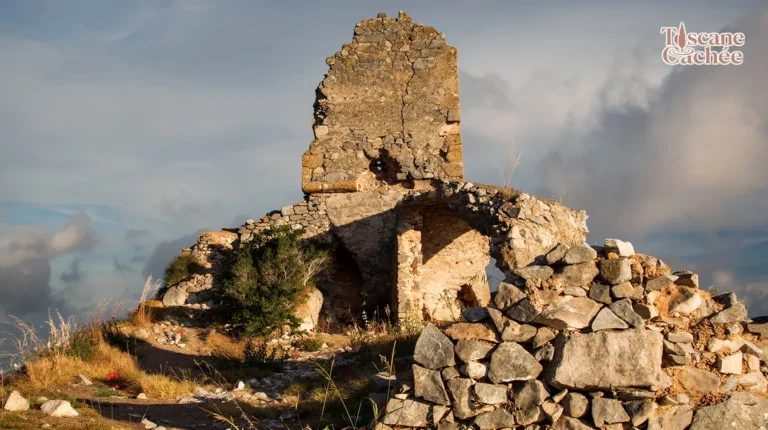
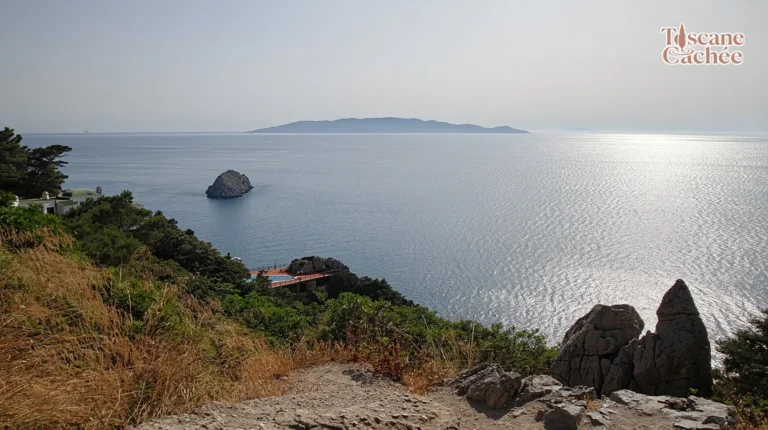
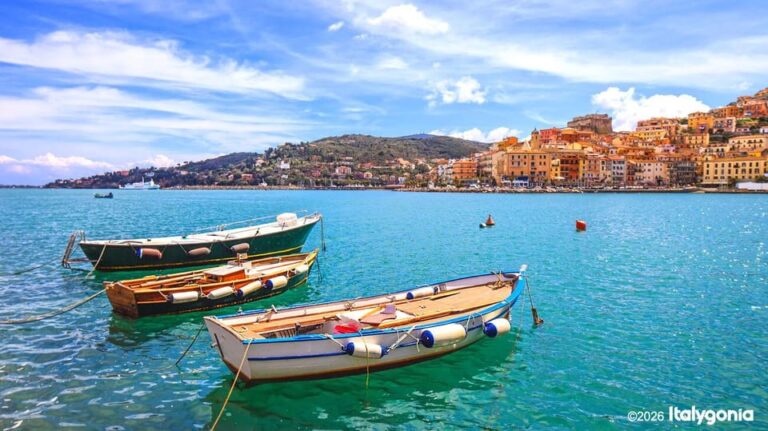
Tosco's wordHere, the wind smells of salt and of nets drying on the harbor. Between the Orbetello lagoons and the slopes of Monte Argentario, Porto Santo Stefano has kept its fishermen's rhythm. My tip: walk to the Torre di Capo d'Uomo at sunset, you'll see the sea take on every color.
Weather this week · municipality of Monte Argentario
Data: MET Norway (CC BY 4.0). A forecast can change: check the day before.
Stay22 map: if you book through it, we earn a commission, at no extra cost to you.
To visit
Within 8 km, highest rated first.
Around Porto Santo Stefano
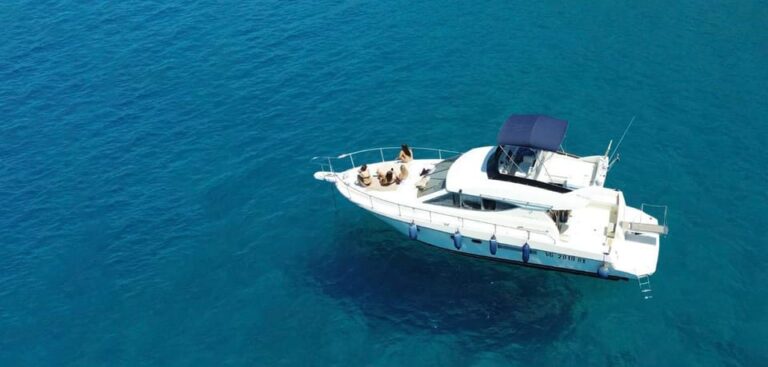
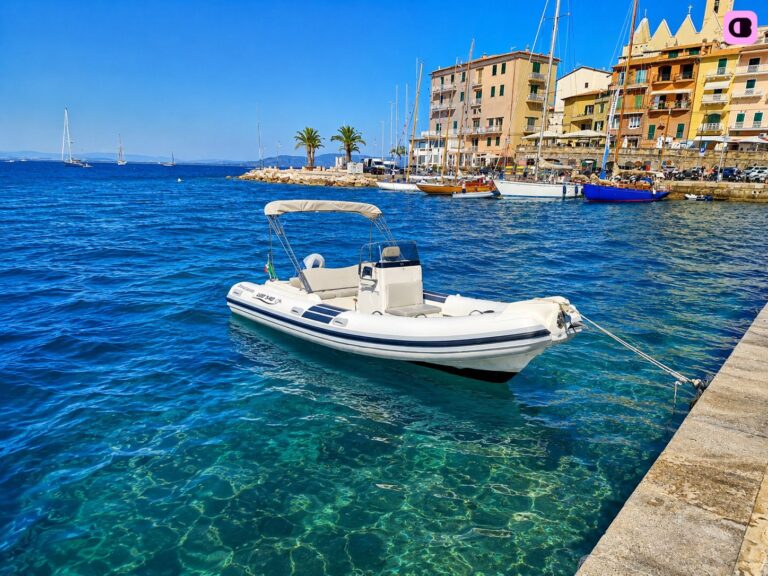
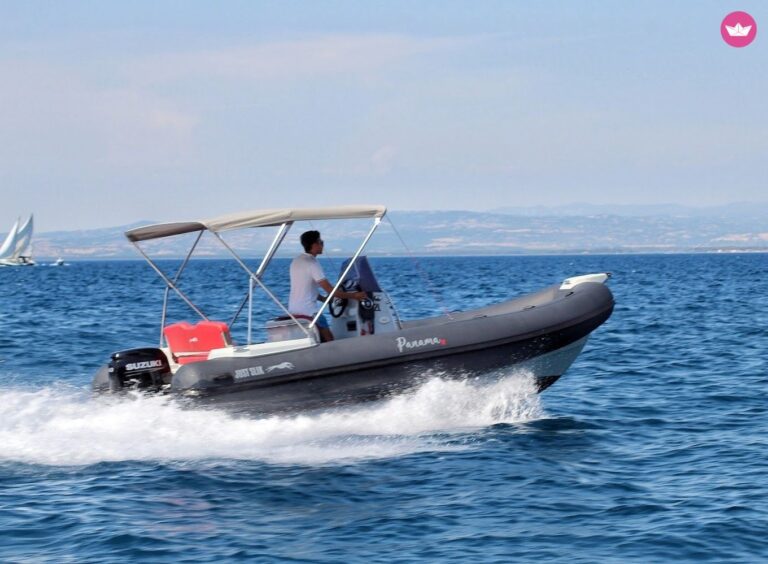
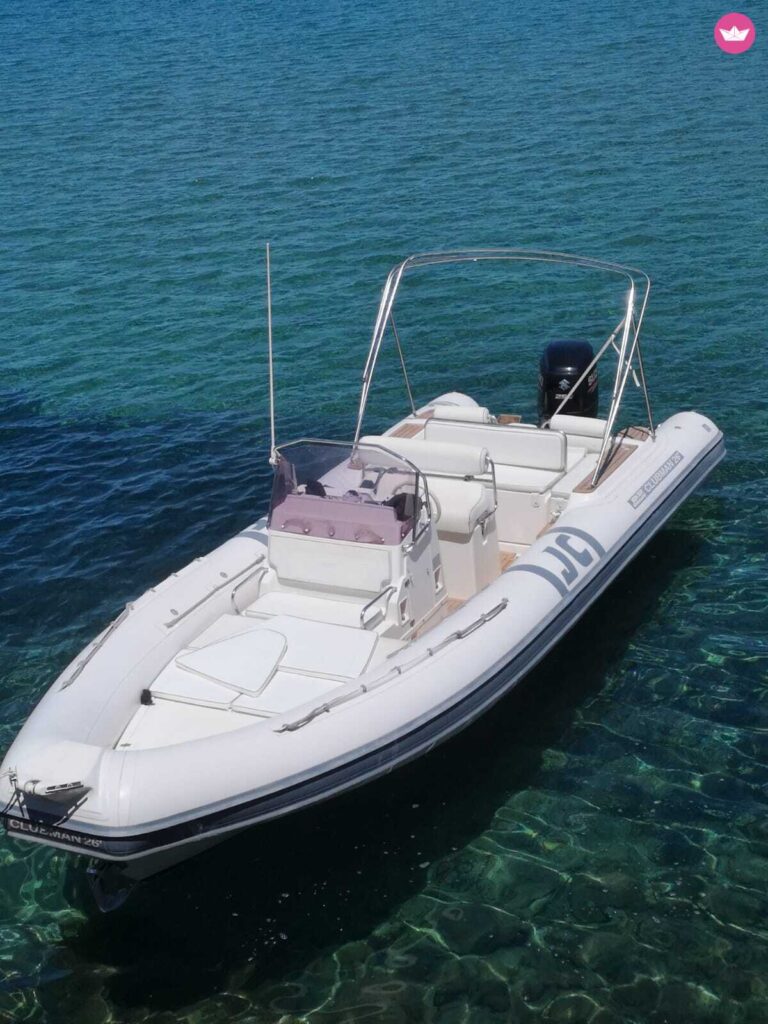
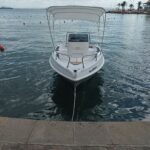
Rent your license-free boat in Porto Santo Stefano from €200. Explore Cala del Gesso…
Monte Argentario takes two days to explore, one slope per day: Porto Ercole the first…
The island of Giglio is accessible only by ferry from Porto Santo Stefano (Argentario) via the companies…
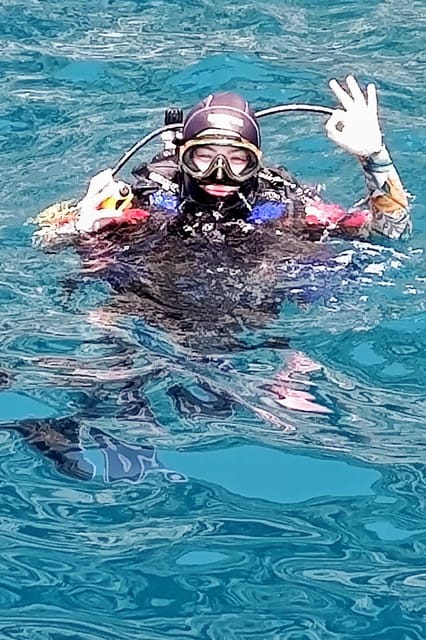
Explore diving on Giannutri island: discover Punta Scaletta and its Roman shipwrecks. Admire the groupers…
Drive the Strada Panoramica Argentario: 25 km between coves and towers. Prepare your vehicle for…
Discover the kayak rental price in Argentario to explore Cala del Gesso. Plan between €30 and €75…
Giglio wins out for a 2 to 4 day stay: this rock with three villages…
The island of Giglio, accessible by ferry from Porto Santo Stefano (30 min), brings together three distinct villages…
Where to stay
Hotels, agriturismos, houses: today's availability and prices, compared across several booking sites. Change the dates in the widget.
The widget isn't loading? Open prices in a new tab · If you book through this widget, we earn a small commission, at no extra cost to you.
The guide
Staying in Porto Santo Stefano means sleeping in a real fishing and ferry town, not a postcard hamlet. In the morning the trawlers come in, the bars on the Corso come alive, delivery trucks weave between the cafés. If you're looking for the silence of the hills, this isn't it. If you want the sea under your window, a walk to the islands and a fish table on every corner of the quay, you're in the right place. One word on the name: this is the Argentario, in Tuscany, in the province of Grosseto, not Porto Santo near Madeira.
The town lives all year round. Some 9,000 residents spend the winter here, with their bakeries open, their market and their routines. That's what sets it apart from resorts that shut down in October.
Summer changes everything: the population triples and the port gets packed. The sidewalks fill up, so do the terraces, and patience becomes a piece of equipment in its own right.
My verdict is simple. Choose this town for the sea, the ferries and local life. Avoid it if you dream of crickets, white roads and nights without engines: the Maremma countryside is more fitting then.
Without a car, the port is reachable on foot: ferries, cruises, restaurants, everything happens within a few hundred meters. It's the most convenient location if you don't want to worry about parking.
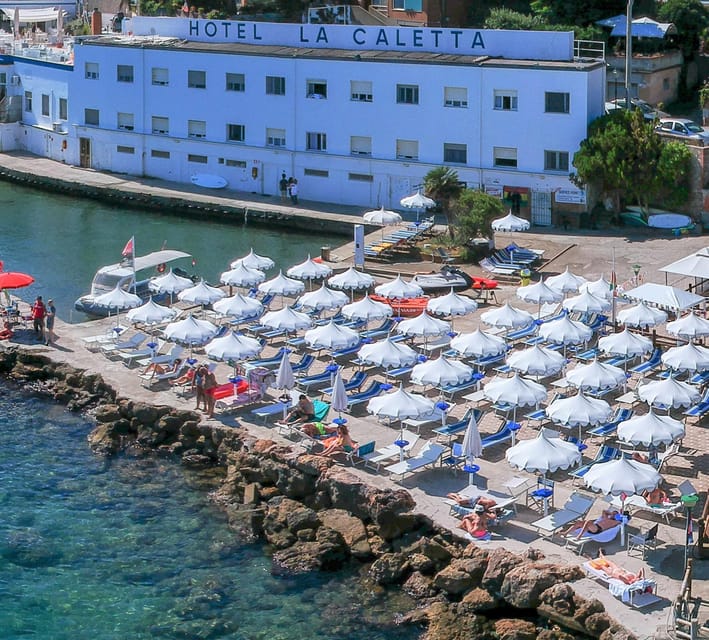
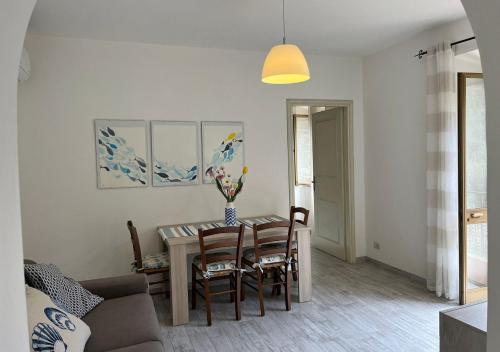
Central 79 is a spacious apartment by the sea, on the Corso, with the port a stone's throw away. Giuly's Room, a simple and well-located guest room, suits small budgets. Da Patrizia offers a self-contained, well-equipped apartment, so you can cook the market fish yourself.
The downside: town noise, especially in summer. Ask for a room facing the courtyard if you sleep lightly.
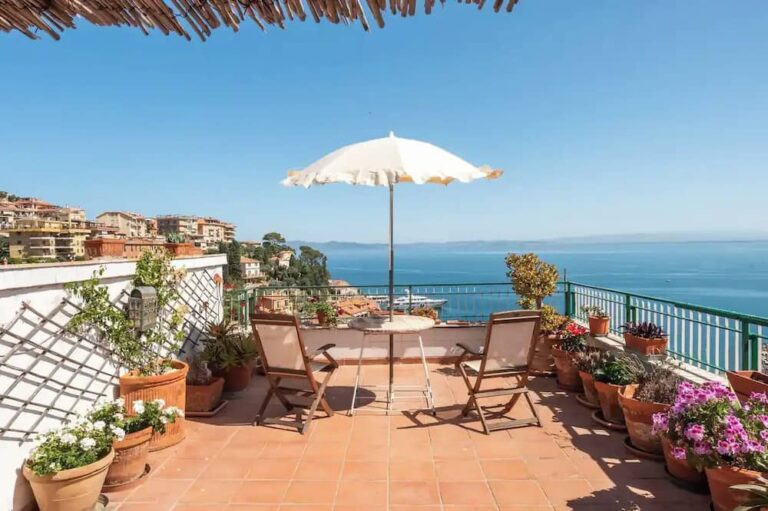
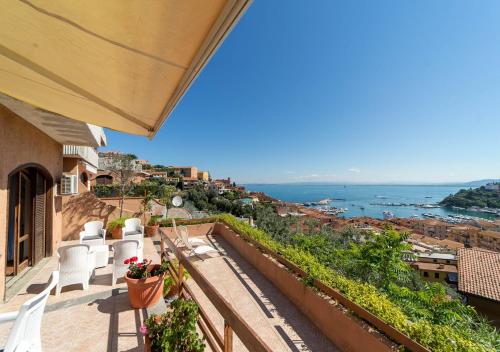
Up there, you gain the view and lose the freedom of the pedestrian. Stella D'Argento, a B&B with three rooms, opens onto the sea. The Bike&Boat Argentario Hotel sits along the Via Panoramica, for cycling stays.
The Boutique Hotel Torre di Cala Piccola, for its part, is set apart from the port, with its private beach. You sleep there watching the water, but every dinner in town means getting back behind the wheel.
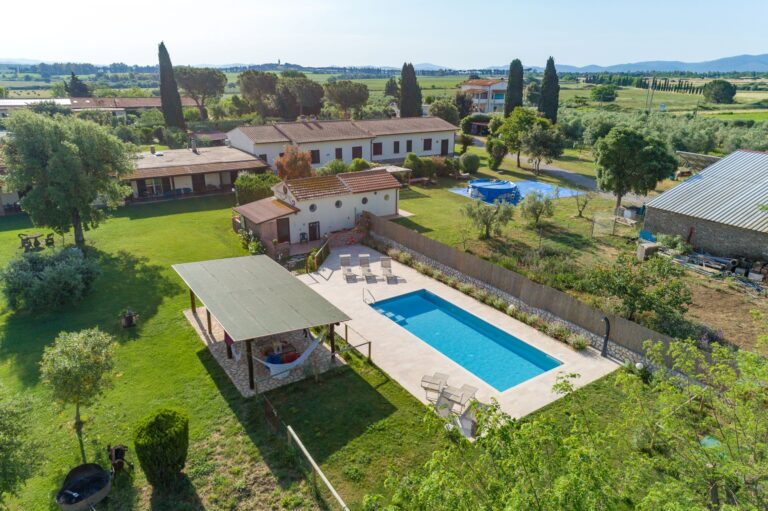
Farm stays and coves require a car, period. The Country Relais La Mortella, in the Maremma, is a rural retreat for slowing down: you trade the noise of scooters for the sound of cicadas, and you reach the coast by driving.
Two nights are enough for the essentials: one day on the island, one day touring the Argentario. It's short, but manageable. Three to five nights let the stay breathe. Here is the sequence I recommend:
For your first morning, aim for the fish and seafood market on the breakwater. The stalls set up early: you watch the crates fill and the fishermen haggle over prices and tides. Stroll through without buying anything, just to watch what comes in from offshore, then have a coffee facing the boats. This ritual argues for the third night: it leaves you the afternoon free for the beach or a nap.
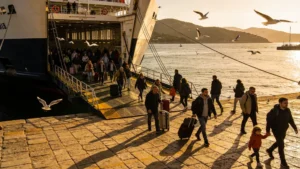
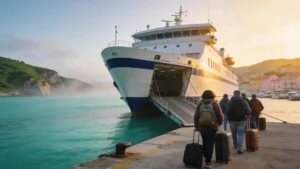
Ferries to the island of Giglio leave directly from the port. You walk to the quay and board: that's the real strength of the town as a base. There you find an island of rocks and a small harbor, which you explore at your own pace, on foot, between the village and the coves.
The port is exposed to the mistral and the tramontane. A crossing can be canceled when the wind picks up, and the quay fills with people gazing at the horizon with a knowing look. Keep a spare day and choose your crossing on a clear-sky day, after checking the morning sky.
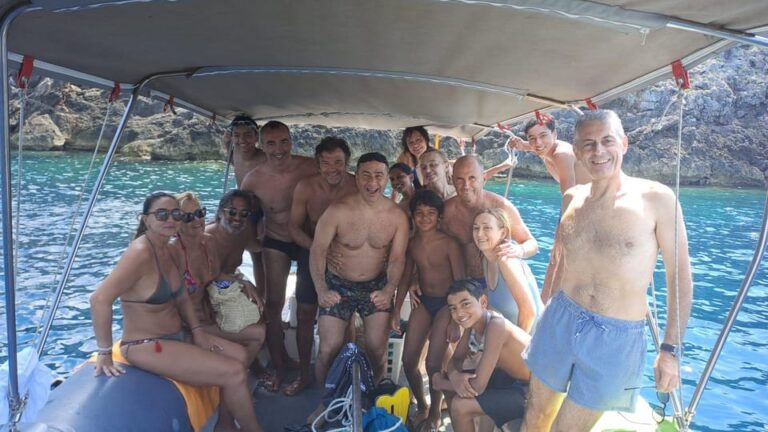
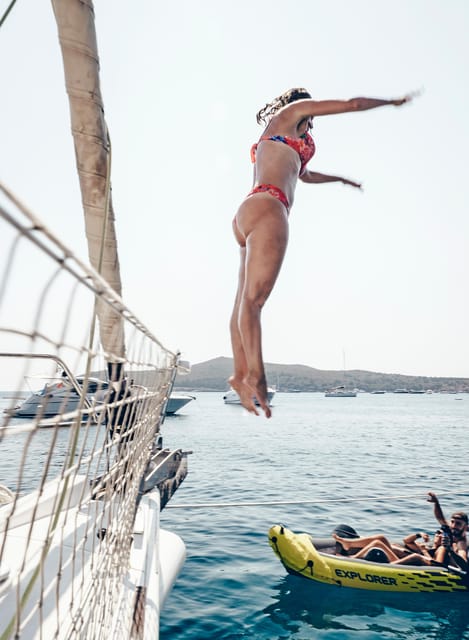
Another option: mini-cruises. The Argentario catamaran cruise combines snorkeling and a seafood lunch, with salt on your skin and the bow slapping the waves.
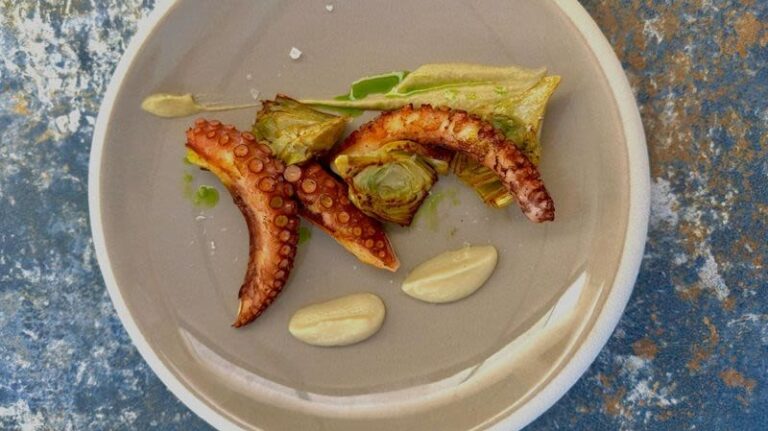
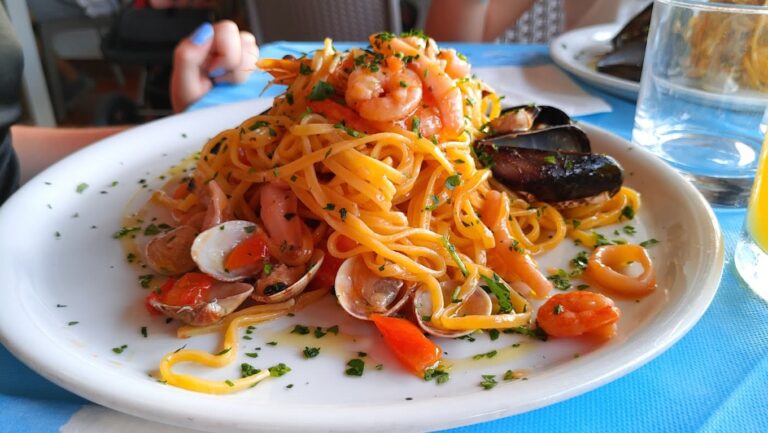
The port's fish is the safe bet: the smell of iodine and the ice crates at the market set the tone before you even sit down.
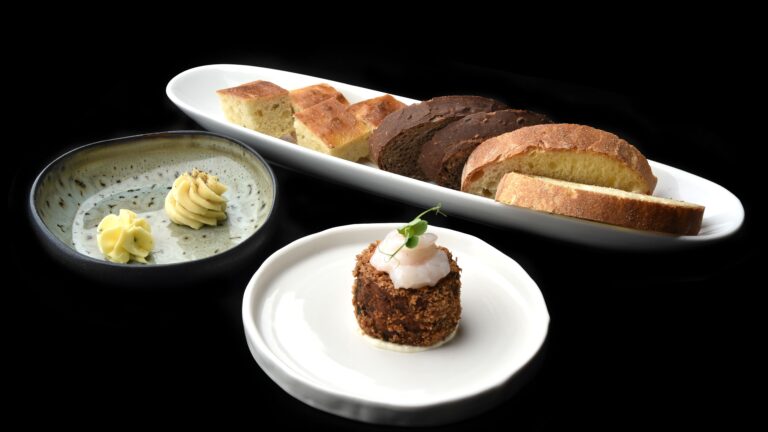
For a refined table, Molo 26 works with fresh locally caught fish. Il Turchese stays with a Mediterranean cuisine where fish reigns supreme.
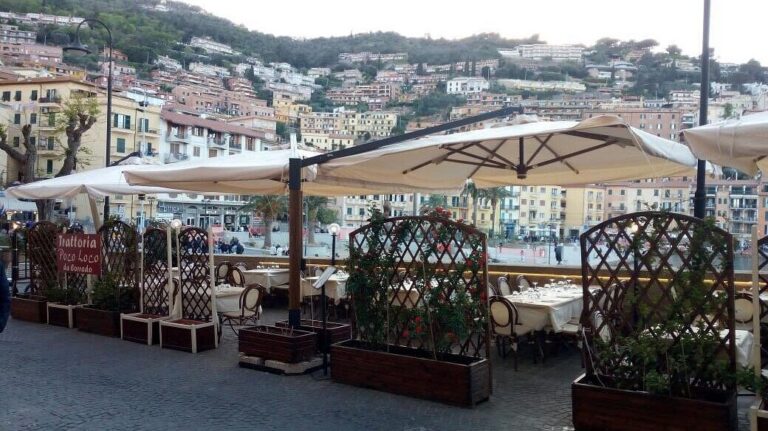
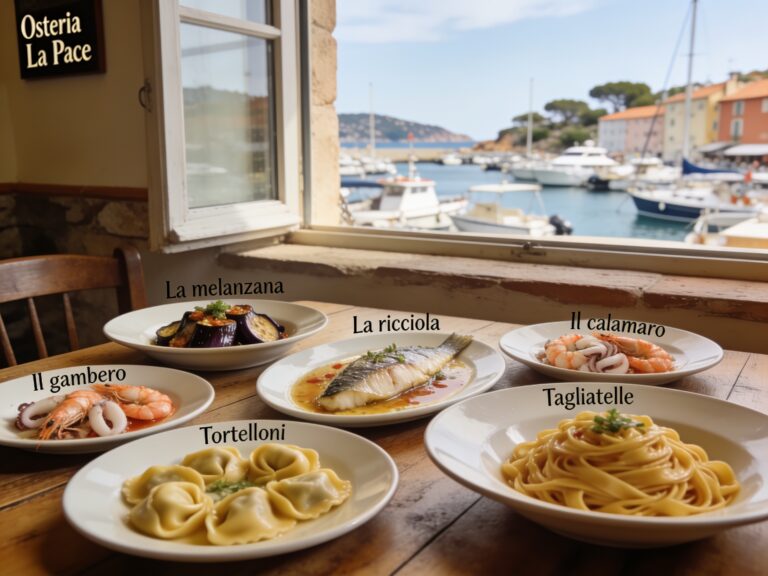
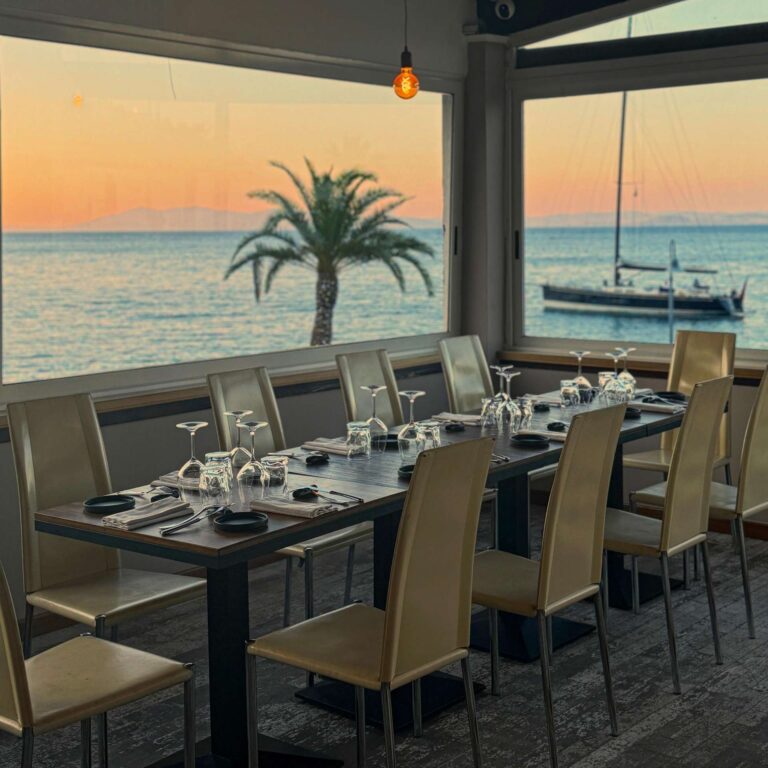
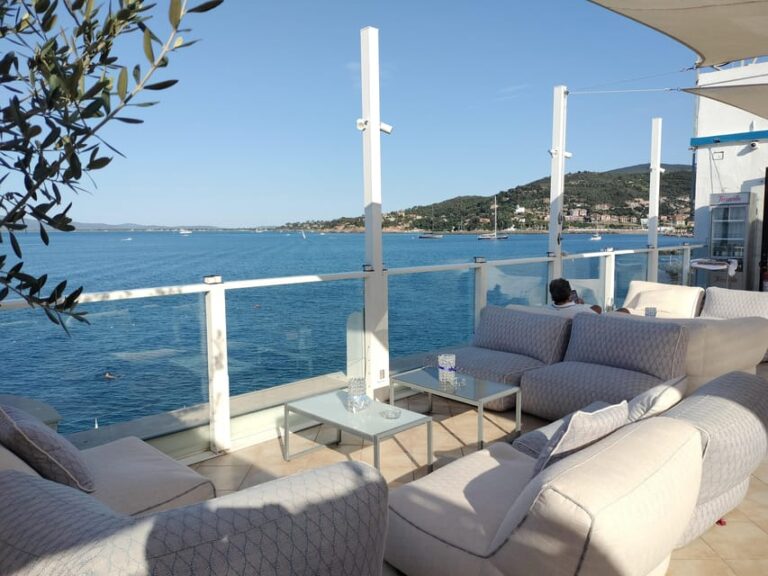
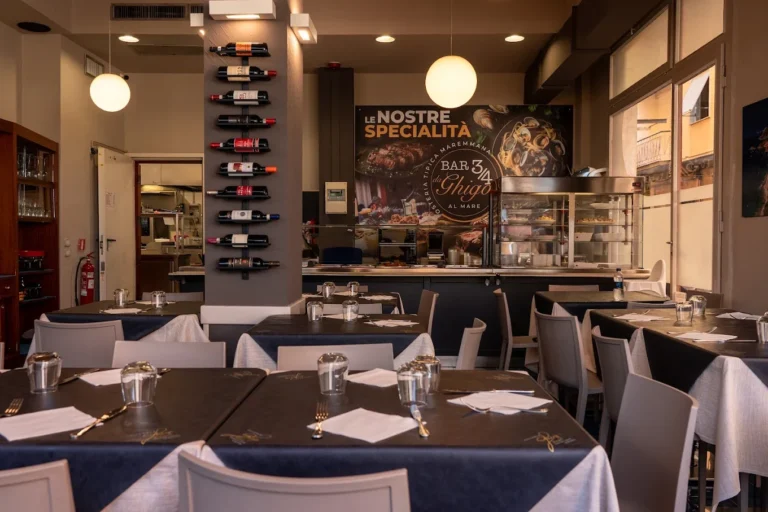
If you want your feet close to the water, Osteria La Pace serves fish from the harbor right by the sea, and Pozzarello offers the view with a table close to the waves. On a tight budget, Bar 3/4 Da Ghigo Al Mare keeps a local atmosphere. And if your group splits between meat and fish, Poco Loco keeps everyone happy.
In winter, the town belongs to its residents: neighborhood cafés, quiet quays, low light on the water. But the sea is not for swimming, and some connections slow down.
In summer, you get the beach, the boat trips, the buzz. You also get full parking lots and rooms that need to be booked early.
My take: mid-season is the best compromise. The water still looks inviting, the roads breathe, and the terraces stay open.
The town serves as your pivot. The scenic loop around the promontory follows the Via Panoramica and can be done in a single morning, with views that change at every bend.
For Etruscan country and the tufa villages, don't stay here: the necropolises and dirt roads are another drive away. Keep Porto Santo Stefano for two nights by the sea, then move your suitcase inland, where you'll wake up already surrounded by tombs carved into the rock and sunken lanes.
Yes, Porto Santo Stefano is particularly convenient for leaving for the island of Giglio without a car: ferries depart directly from the port, and if you stay in the center, you can reach the quay on foot. You thus avoid searching for a parking space on boarding morning and can enjoy the restaurants and cafés of the waterfront on your return. It is a true port town, with fishing boats, ferries and traffic that can be dense, especially in summer. Choose it for this maritime life and for the ease of access to departures, rather than for absolute calm or the atmosphere of an isolated small village.
For a car-free stay, look for a room or apartment near the port and the Corso. Central 79, Giuly’s Room and Da Patrizia are examples of central accommodations mentioned in the article. If you're a light sleeper, ask for a room facing the courtyard: city noise and port activity can be heard, especially during the summer season. Also remember to check the practical details of your ferry before leaving, since wind can disrupt a crossing. Keeping a spare day is wise if Giglio is an important stop on your trip.
On the other hand, without a car you'll have less freedom to explore the remote coves and the accommodations perched on the hills. For a first getaway centered on the boat, fish meals, and waterfront strolls, the center of Porto Santo Stefano remains the simplest choice.
Two nights can be enough to see the highlights, but the schedule will be tight: set aside one day for the crossing to Giglio and another for discovering theArgentario. This option suits you if you have little time and if sailing conditions allow the planned departure to hold. It leaves little room for a postponed crossing, a long break on the island, or an impromptu beach day.
For a more relaxed stay, plan instead for three nights. You can start with a stroll along the harbor and a visit to the fish and seafood market set up on the breakwater, then head to Giglio the next day. Then keep one day for the panoramic tour of the promontory, especially via the Via Panoramica. With four or five nights, you can add Porto Ercole, the pine forest of La Feniglia and the lagoon ofOrbetello, instead of rushing from one sight to the next without a break.
Your pace also depends on your accommodation. Staying near the port makes it easy to set off on foot, while a property on the hills or in a cove usually means driving for meals and excursions. If you also want to discover the countryside, rural stays and inland villages, it's best not to concentrate everything on the Argentario: the article suggests spending a few nights by the sea, then continuing into the inland Maremme. To compare rural options, you can consult this guide to agriturismi in the Maremme.
Your first instinct should be not to organize your stay so that the crossing to Giglio is possible only on the last day. The port of Porto Santo Stefano is exposed to the mistral et à la tramontane ; when the wind picks up, a ferry may be cancelled. So, if your schedule allows, plan a backup day and choose a crossing date that doesn't leave the whole excursion dependent on a single time slot. Check departure information before going to the dock and pay attention to morning conditions, rather than assuming the crossing will happen just because it was scheduled.
If the sea prevents departure, you can turn that day into a discovery of the Argentario instead of waiting around at the port. Take a drive through the Via Panoramica, take time to have lunch in Porto Santo Stefano, or plan a stop at Porto Ercole. Depending on your means of transport and the day's conditions, the pine forest of La Feniglia or the lagoon ofOrbetello also offer another way to enjoy the area. The idea is to keep a flexible land itinerary, without booking all your days around the boat.
For a day trip to Giglio, a base near the port is useful because you can walk to the dock and avoid driving before boarding. If you're sleeping on the hills, at Cala Piccola or in an agriturismo, plan ahead for the trip to the center. If your plans change, stay flexible about meals and activities: in Porto Santo Stefano, strolls along the seafront and fish restaurants make it easy to replace a day at sea.
You have to choose between proximity and tranquility: the heart of Porto Santo Stefano is the most convenient for reaching the ferries, restaurants, and seafront on foot, but it's also the liveliest part. In summer, traffic, terraces, and port activity can make nights noisier. If you want to stay in the center, explicitly ask for a room facing the courtyard or one away from the street. Accommodations such as Central 79, Giuly’s Room and Da Patrizia are described as well located, but their central position means it's best to find out about noise exposure before booking.
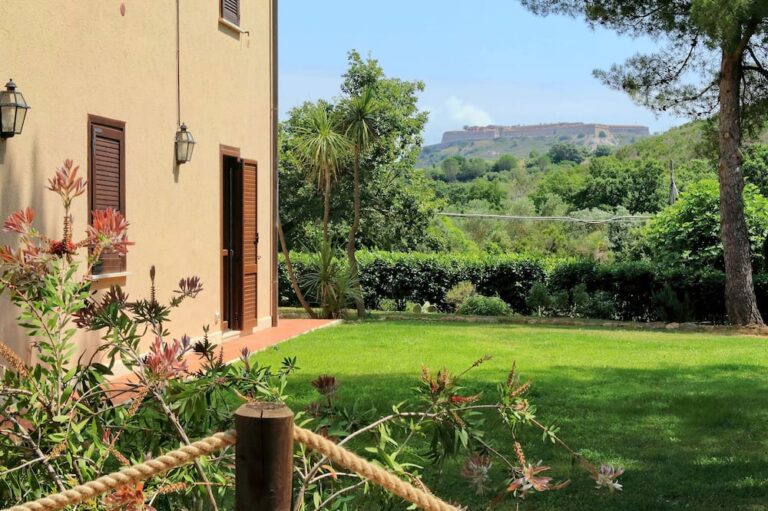
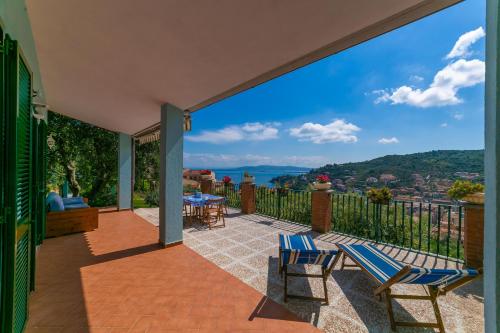
On the hills, you gain views and distance from the bustle, but you lose some freedom of movement on foot. The Bike&Boat Argentario Hotel is located along the Via Panoramica, while Stella D’argento is a B&B with a sea view. At Cala Piccola, the Boutique Hotel Torre di Cala Piccola you'll find a setting away from the port and a private beach, but outings for dinner in town require getting back behind the wheel. For a stay in a cove or an agriturismo, plan on having a car and check access conditions as well as parking.
If you're mainly looking for rural calm, the Maremme countryside will suit you better than a central lodging in this seaside town. An agriturismo lets you trade port noise for a countryside atmosphere, but it doesn't replace a base within walking distance of the ferry. To choose based on your travel style, this article on the agriturismi around Orbetello and the Argentario can help you compare the two atmospheres.
The Shoulder season is the best compromise if you want to enjoy the Argentario without encountering summer crowds everywhere. The roads and terraces breathe more easily, while the atmosphere remains pleasant for strolls along the shore and excursions around the promontory. It's also an interesting period if you want to alternate a day at the port, a boat trip, and a visit to Porto Ercole or of the lagoon ofOrbetello, without planning every move around traffic and parking.
In summer, the town changes its rhythm noticeably: the population triples according to the article, the quays fill up and parking spaces become hard to find. Accommodation near the port is very handy for boarding, but book early if you want to sleep in the center and walk to the ferry. The summer season suits those looking for a lively atmosphere, swimming and boat trips; it is less suitable if your main criterion is quiet. In winter, Porto Santo Stefano remains a town lived in all year round, with its shops and local habits, but swimming is off the agenda and some connections slow down.
Whatever the season, don't treat a day trip to Giglio as a guaranteed excursion regardless of the weather: the wind can disrupt crossings. If the island is a priority, keep a margin in your stay and plan a replacement activity on the Argentario. For a summer getaway, also check parking conditions and the distance between your lodging and the port before booking; a few minutes on foot can make a real difference on a boarding morning.
À Porto Santo Stefano, fish is a natural choice, and the market set up early on the breakwater gives you a glimpse of local fishing before you even sit down to eat. You can stroll through without buying anything, then have a coffee facing the boats. For a carefully prepared fish meal, the article cites Pier 26 ; Il Turchese also showcases Mediterranean cuisine where fish plays an important role. To dine by the water, look toward Osteria La Pace or Pozzarello. If you want a more relaxed option, Bar 3/4 Da Ghigo Al Mare is presented as an address with a local atmosphere. Since opening hours and availability may depend on the season, check the details before you set out and book ahead during busy periods.
To complete the meal with a day of discovery, start with a tour of the promontory by car or bike, taking the Via Panoramica. Then add Porto Ercole, the pine forest of La Feniglia and the lagoon ofOrbetello if you have several nights. The Giglio is another possible outing from the port, but allow a margin in case of wind. Porto Santo Stefano is above all a maritime base: the landscapes and tufa villages of the interior are not right next door and require a longer journey.
If you wish to continue into the countryside after a few nights on the coast, an agriturismo in the Maremma can offer a pleasant contrast with the port's noise. Before booking rural accommodation, compare the location, cancellation terms and the travel needed to reach the sea; this advice on agriturismo booking pitfalls can complete your trip preparation.
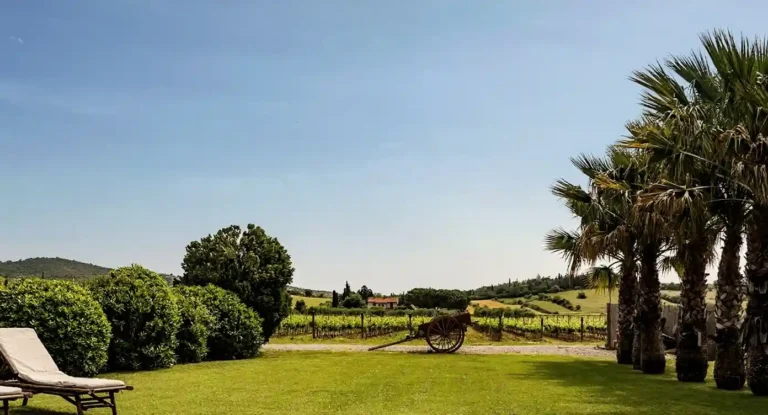
Podere Riparbella is an organic agriturismo in Massa Marittima, in the Maremma: a farm…
Maremma: for luxury that stays quiet, opt for a secluded villa in…
In Tuscany, pools are generally open from May to September, but you have to…
Book your agriturismo in Maremma at the best price. Choose May or October, favor the hinterland…
Choose between an authentic agriturismo and a hotel in Maremma. Find out which accommodation suits your...
Discover the ideal accommodation in Maremma for 2026. Agriturismo, glamping or hotel: choose your…
Discover why the Maremma beats the Chianti. Choose raw authenticity, prices 30% lower…
Find your ideal agriturismo in Maremma for 2026. Choose between an XXL pool, calm without…
Car-free
Pick a day: where the bus takes you, how long it takes, and what time the last return leaves. Timetables recalculated every week. All Maremma buses →
On site, without a car
Tap a place on the map or in the list: today's timetables, routes and last return.
Source: Regione Toscana, public transport timetables (CC BY). Timetables collected for 24/11 (weekday), 21/11 (Saturday) and 22/11 (Sunday). Check the day before on at-bus.it: school buses and summer timetables change. Buses from each commune, weekdays and Sundays, in the Maremma Observatory →
Frequently asked questions
Answers drawn from our rated listings around Porto Santo Stefano, figures updated every day.
On average, count around 501 € per night, but the range is wide: accommodations start at 187 €. The price depends mostly on the type of lodging and its location, with a sea view or direct beach access pushing it up.
To choose, look at what you actually pay: a simple room near the center is nothing like a house with private beach access. The listing Da Patrizia shows 187 € for a rating of 7.1, which makes it a modest option. On the other hand, the Torre Di Cala Piccola Boutique Hotel (501 €, rated 7.5) represents the high-end segment. A lower rating doesn't necessarily mean a bad stay: it mostly reflects what reviews highlight, so read them before you decide.
If your budget is tight, check the full list of accommodations and compare prices against your dates: the season makes rates vary significantly.
For most travelers, the car remains more practical: from the airports, the trip takes 2 h 19 (Rome Ciampino) to 3 h 00 (Florence), depending on the airport you choose, and you keep the freedom to reach the coves and the Orbetello lagoons at your own pace. The bus from Grosseto runs only 7 times a day on weekdays, which limits your options and forces you to align your arrival with those departures.
From Grosseto itself, compare the bus timetable with your plans: if you arrive and leave on times that match the departures, the bus is enough. Otherwise, the car spares you a tight schedule, especially if you want to combine several places to visit in one day.
Whatever your mode of transport, check the timetables for weekdays and for the season, since frequency can change. Also look at the map of Porto Santo Stefano to place the sites within 8 km of the village.
For a good meal without overspending, start with Bar 3/4 Da Ghigo Al Mare si ton budget est serré : ses prix démarrent à 21 €, avec une note de 7.4/10. Si tu veux monter d'un cran, Il Turchese est la meilleure note du village (8.1/10) pour 34 € environ, et Pier 26 (7.6/10, autour de 45 €) convient bien à une soirée plus élaborée.
The thing to check before booking is the real cost per person: restaurants in the village have a median range around €34, so the three addresses mentioned sit toward the lower end of that range. Look at the listings to compare menus and hours, especially in high season when tables fill up fast.
An honest limit: our ratings are based on analyzing reviews and available information, not on visits by our editorial team; they give a trend, not a guarantee of quality on any given day. Check the full list of restaurants to widen your choice.
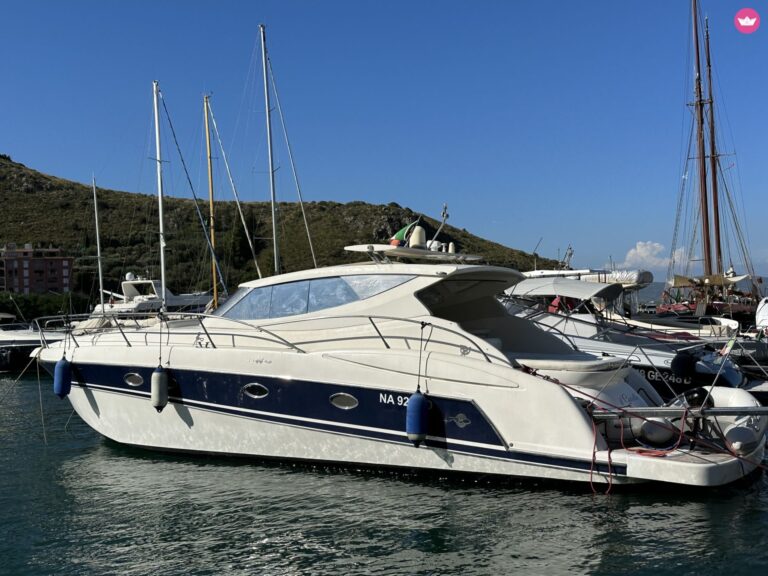
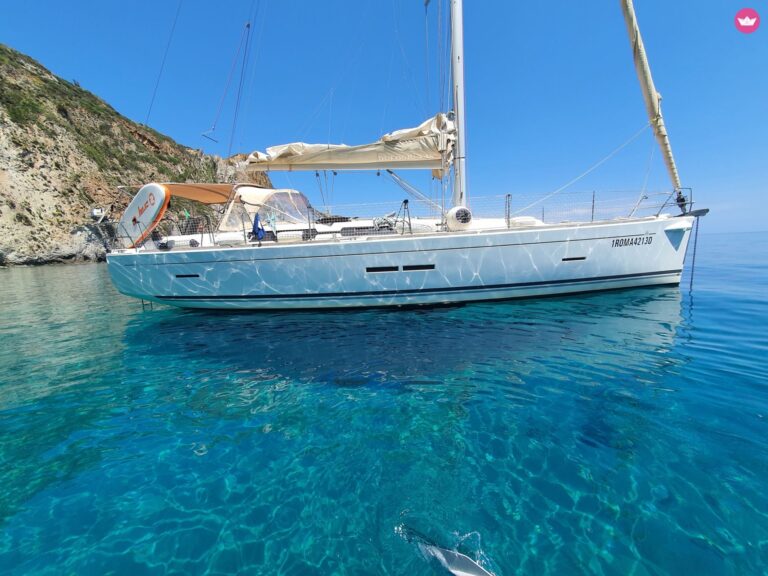
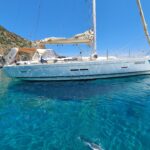
A boat without a license starts around 182 € per day, whereas a Dufour 445 with a skipper is listed at 429 €. The no-license option is therefore roughly half the price, but you do the driving yourself.
Choose the no-license boat if you know how to handle a boat and want to sail freely around Argentario. A skipper is the better choice if nobody on board is comfortable at the helm, or if you want a larger, more comfortable boat. Check the size and engine power: no-license models are small and limited in the number of people they can carry.
Pour un séjour au bord de l'eau, choisis selon ton budget : le Boutique Hotel Torre Di Cala Piccola (note 7.5, autour de 501 € la nuit) est l'option haut de gamme, tandis que Da Patrizia (note 7.1, à partir de 187 €) reste la référence la plus accessible. Les hébergements vont de 187 € à une médiane de 501 €, donc le choix se fait surtout sur le niveau de confort et la localisation.
First look at the distance to the beach and the view: a seafront address costs more, but spares you evening drives. Also check whether the price includes breakfast and access to a private beach, which changes the equation considerably in high season. Browse the full list of accommodations in Porto Santo Stefano before deciding.
In the FAQ
Travelers have asked us these: each answer has its own page, with its addresses.
 ?Gastronomy & wineWhen is the market in Porto Santo Stefano?Read the answer
 ?Transport & accessIs there a ferry from Porto Santo Stefano to Giglio?Read the answer ?GeneralWhat can you do in the evening in Porto Santo Stefano?Read the answer
 ?Nature & beachesWhat is the sea like at Porto Santo Stefano?Read the answer
 ?Culture & heritageWhy is Porto Santo Stefano famous?Read the answer ?GeneralWhich is more beautiful, Porto Ercole or Porto Santo Stefano?Read the answer
To go further
All our village addresses, family by family, with their filters and map.
 Accommodation · 14All accommodation in Porto Santo Stefano→
 Restaurants · 5All restaurants in Porto Santo Stefano→
 Activities · 7All activities in Porto Santo Stefano→Boats · 34All boats for rent in Porto Santo Stefano→
 The refereePlanning a Stay Around Porto Santo Stefano→📊Observatory of the MaremmaMonte Argentario in numbers→
Very close
 Français Français
 Italiano
 English
 Polski
 Português do Brasil
 Nederlands
 Español
 Deutsch