









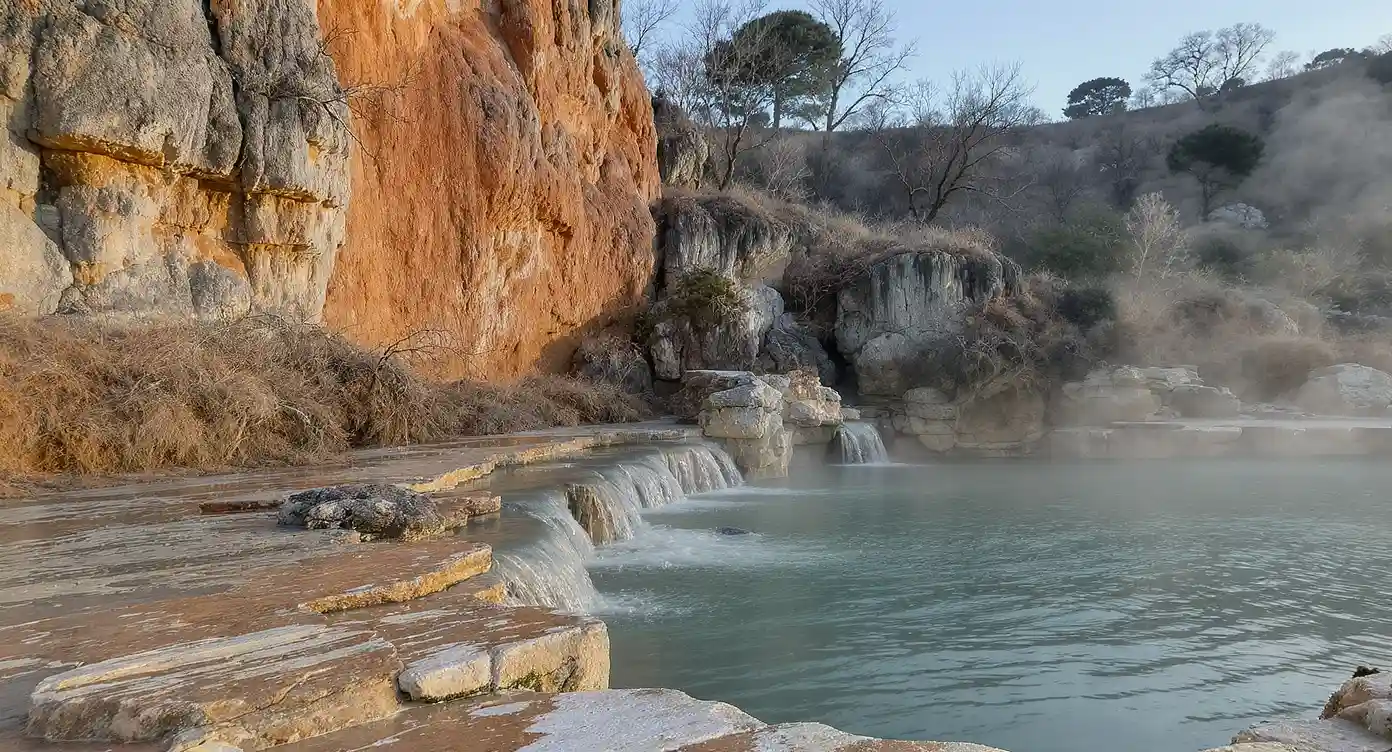
Low fog lingers over the valleys of the tuff, a wood fire smokes somewhere above a stone village, and the road is all yours. Tuscany in winter is nothing like a sunny postcard. It's worth the trip if you're escaping the crowds, if you love hot water when the air bites, and if you accept that a village falls asleep early in the evening. It's a mistake if you dream of beaches, terraces and snow on demand.
Winter in Tuscany: who it's for, and who it's not for
My verdict is clear. This season rewards patient travelers with a car who prefer a steaming bath and a bread soup to a day of sunbathing. It disappoints those who want everything open, all the time.
The current window runs from December 21 to March 20, with a real lull in January. If you're looking for absolute calm, that's where you'll find it. If you want liveliness, aim for December instead.
The right profile is someone who enjoys walking without meeting anyone, lingering at the table and living to the rhythm of the light. The days are short: the sun sets early, and the trip is organized around those bright hours. A couple looking to recharge, a hiker in search of empty trails, a lover of frescoes who hates queues: all of them will find their reward. A family that promises the children a beach or a snowball fight risks going home disappointed.
The weather without the postcard
Be prepared for contrasts. A freezing morning in a valley bottom, a mild afternoon in the sun on a tuff wall, then a sky that closes in within an hour. Fog often settles over the tuff valleys and erases the ridgelines until late morning.
Snow remains possible at higher altitudes, but it is never guaranteed. Don't build any plans around it. Do, however, plan a rainy-day backup: a museum, a thermal baths, a hot lunch table.
As for your luggage, think in layers. A windbreaker, shoes that hold up on soaked ground, a swimsuit in your bag for the bath. The rest follows. Add a hat and light gloves for dawn departures, and a spare pair of socks: tuff trails stay damp long after the rain. Country roads, meanwhile, are slower than you'd think when the fog lingers, so allow generous time for every journey.
What closes, what stays open
Tuscany's winter is selective, not closed. The seasonal establishments along the coast maremmano are often shut: the beach huts, certain beach restaurants, seaside accommodations. If your plan revolves around the coast, change course.
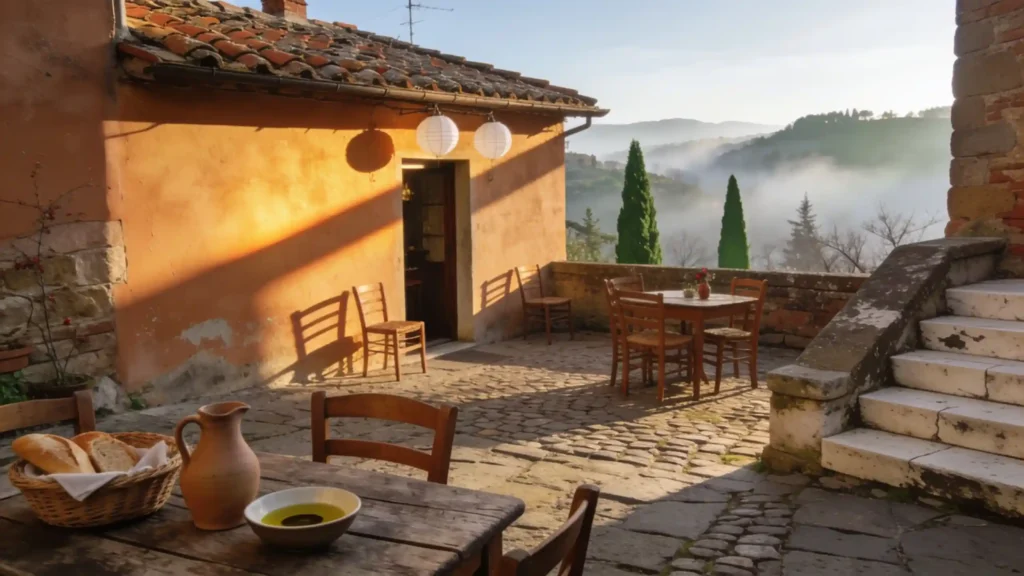
Conversely, the museums and art cities of Florence and Siena are open all year round. You can walk in without queues, at off-season rates. The Christmas markets and December festivities start as early as December 8, bathing the town squares in a lantern glow that summer never offers.
A trap: public holidays. Shops, small eateries and visiting hours shrink, sometimes without warning. Always plan a backup meal for December 25 and January 1.
In the villages, the rule is simple: the open addresses cluster around the main square and the spa. A bakery, a bar, a trattoria , family-run place is enough to make a day of it. It's better to have a proper lunch than to hope for a late dinner, since kitchens shut down early and the streets empty with the night.
Florence and Siena from the south
Florence is art without the crush: you move through the rooms at your own pace and the pavement echoes under your steps. Siena, a medieval city, is easier to explore calmly, ideal if your stay revolves around frescoes and winding lanes. From the south, it's possible in a day, but it's a long one. My advice: sleep on site if art is your goal.
Bathing at Saturnia and Bagni San Filippo in the middle of winter
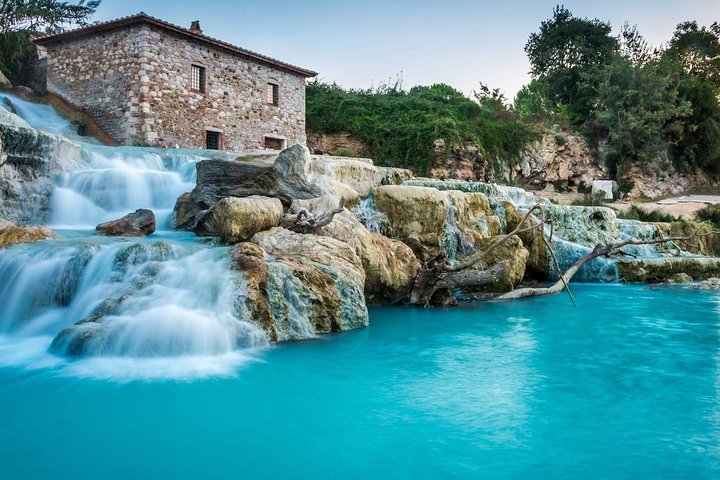
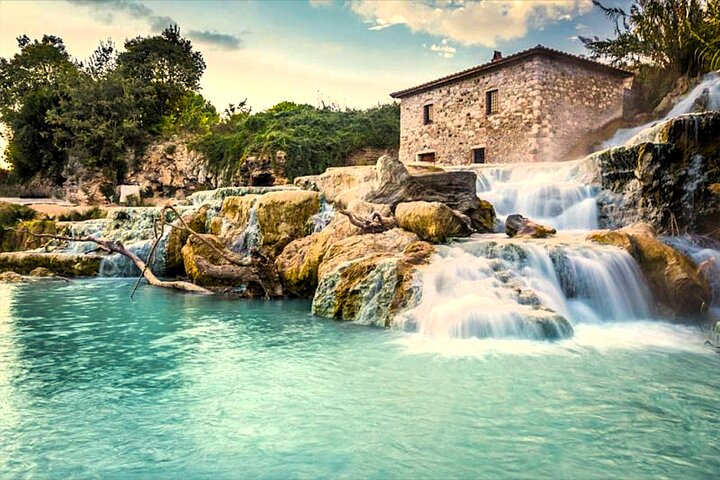
Yes, you can bathe. It's even when it makes the most sense. At Saturnia, the water rises at around 37 °C and the free bathing pools by the waterfall are open year-round at no cost. The cold air heightens the contrast: you step in shivering, you come out pink, and the steam rises off the basins like a pot on the boil.

Saturnia
A free thermal bath at 37.5 °C in pools travertine shaped by the Gorello torrent, accessible 24/7 and free all year round

Tosco My tip: come at dawn or even in the middle of the night with a flashlight to splash around under the stars at 37.5°C without the daytime crowds!
The trickiest part is getting out of the water. Arrive in a bathrobe or wrapped in a large towel, keep warm clothes within reach and a lukewarm drink in a thermos. The body cools quickly once you leave the basin, and the first five minutes decide how much you enjoy the day.
The same day, you can aim for a different atmosphere on the slopes of Amiata. Bagni San Filippo offers white limestone formations and pools in open nature, amid bare woods. The setting is wilder, less developed, and the slippery footing calls for good sandals.
When it comes to crowds, the day of the week makes all the difference. On a gray Tuesday, you'll have space. On a sunny Saturday, everyone has had the same idea as you.
Pitigliano and the south under the fog
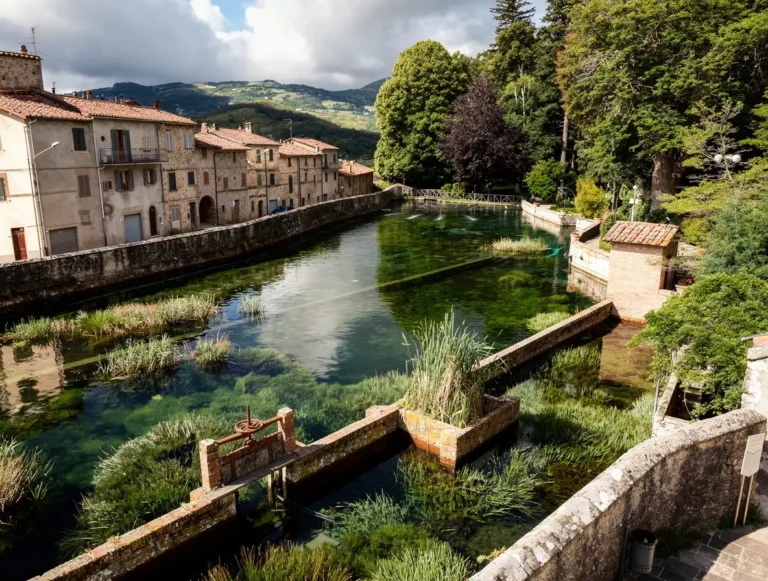
Pitigliano, perched on its tuff cliff, gains atmosphere as soon as the fog rises from the ravines. The houses seem to emerge from the rock, the stone turns gray, then ochre when a ray of light passes through. Without the crowds, you hear your footsteps in the lanes and the bells rolling out into the void.

Pitigliano
Tuff village clinging to its cliff, with a Jewish quarter, a 1598 synagogue, the Palazzo Orsini and Vie Cave carved by the Etruscans

Tosco Make sure to stop at the viewpoint on the road when arriving from Manciano at sunset: seeing this village carved into the tuff suddenly glow is one of the most breathtaking panoramas in all of Tuscany!
You can also explore the Etruscan country and the inland Maremma on foot. The trails are rarely used in winter, so you can walk a whole morning without meeting anyone. Keep only the afternoon to head back before nightfall, which comes quickly.
One point is non-negotiable: without a car, transport links in the south remain limited. Rent a vehicle or give up on that area. That is the price of peace and quiet.
The best time for the village is late afternoon: the low light catches the cliff, the windows light up one by one, and you understand why the stone here seems alive. A stroll at the foot of the ramparts, then a hot chocolate or a glass of wine in a vaulted cellar, and the day is made.
Our addresses · Abbadia San Salvatore
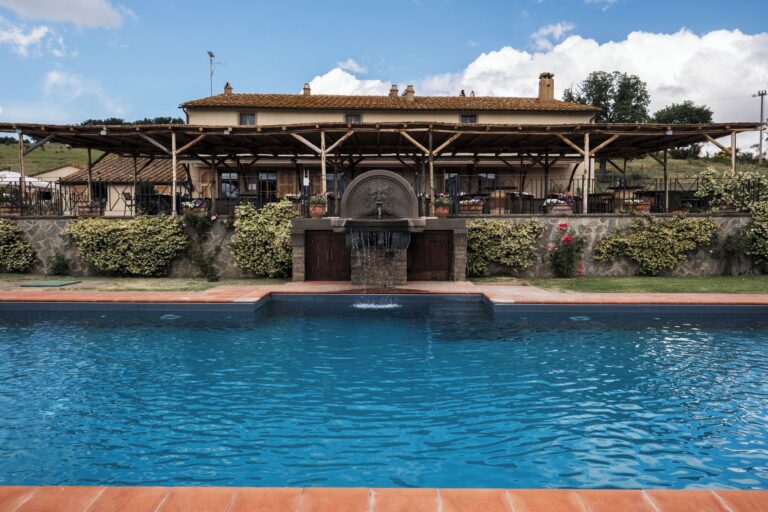
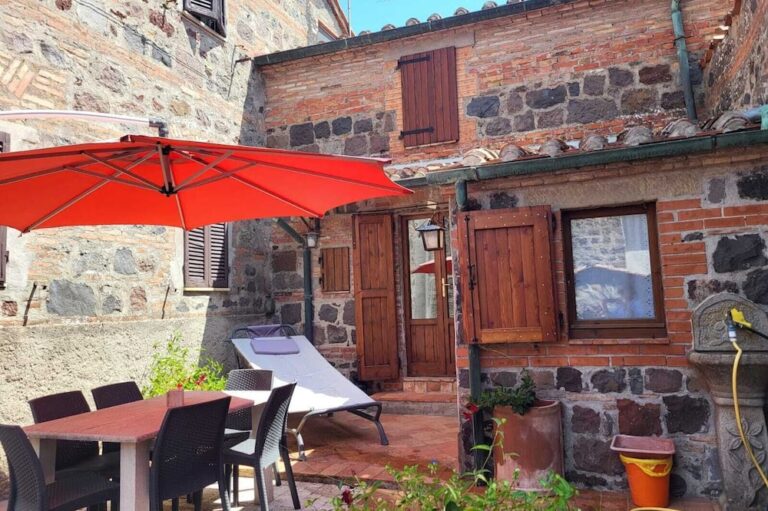
Our favourite addresses around Abbadia San Salvatore

Monte Amiata, the mountain with character
Aiming for Mount Amiata means aiming for its beech forests and stone villages, not a guaranteed ski resort. When the snow holds, you can ski or snowshoe. But the opening of the lifts depends on snow cover, which cannot be guaranteed in advance, and this is the only time I tell you to check the state of the slopes before leaving.

Mount Amiata
Former Tuscan volcano covered by the largest beech forest in Europe, with thermal springs, forest bathing and hikes through the seasons
Tosco If you want the perfect combo, come in autumn to pick IGP chestnuts in the giant beech forest before heading off to relax in the steaming pools of Bagni di San Filippo!
When the snow is missing, the mountain remains beautiful: gray tree trunks, dry leaves crackling underfoot, the smell of wood smoke in the streets. It's the right option for a day in the forest followed by a soak at Bagni San Filippo.
The high-altitude villages have their own kind of warmth: fireplaces lit, roasted chestnuts, tables serving thick, steaming mountain dishes. A walk through the woods in the morning, a long lunch, then a last stroll at dusk are enough to fill a day without ever rushing.
The fire traditions are part of the seasonal charm. The fiaccolata of Abbadia San Salvatore and that of Santa Fiora light up the streets with torches and embers. If you happen to catch the right evening, it's a village spectacle, with no staging.

How to set off without going wrong
Choose your base according to your main wish: the south and its hot springs on one side, the art cities on the other. Don't try to do both without accepting some driving. The exact festival dates and the snow are decided late, and the January sales depend on each shopkeeper.
- A car, essential in the south.
- A rain plan B for every day.
- A swimsuit and a towel always in the trunk.
- A full tank and water before the country roads.
Start with a day at the hot springs on a weekday, then let the mist of Pitigliano tell you what comes next. If you enjoy it, then head up to Amiata for the forest and the fires.
Yes, and it is in winter that the place truly comes into its own. The free open-air baths of the Saturnia waterfall are accessible all year round and free of charge, with the water emerging at around 37 °C. The contrast with the cold air makes the experience almost theatrical: you go in shivering, you come out pink, and the steam rises above the pools as if above a cooking pot. The trickiest moment is not entering the water, but getting out, because the body cools very quickly as soon as you leave the warmth.
To make the most of your swim, arrive in a bathrobe or wrapped in a large towel, have warm clothes within reach, and bring a lukewarm drink in a thermos. The first five minutes after getting out decide how pleasant the whole day will be: get dressed quickly, cover your head, and don’t stay with wet hair in the wind. A swimsuit and a towel in the car boot are essential, since people often think of swimming at the last minute, when the mist has already lifted.
As for crowds, the day of the week matters a great deal. On a grey Tuesday or Wednesday you’ll almost have the pools to yourself; on a sunny Saturday, everyone has had the same idea as you. If you want a wilder atmosphere to compare, Bagni San Filippo, on the slopes of Monte Amiata, offers white limestone formations and pools in the middle of nature, with a slippery path that calls for good sandals.
The most reliable window runs from 21 December to 20 March, with a real lull in January. This is when calm is at its most absolute: villages go to bed early, paths are empty, and museums can be visited without queues. If you are looking instead for a bit of liveliness, December remains the best choice, with Christmas markets and festivities starting as early as 8 December, giving the town squares a lantern-lit glow that summer never has.
The main pitfall concerns public holidays. On 25 December and 1 January, shops, small eateries and visiting hours are reduced, sometimes without warning. Always plan a backup meal on those days, and don’t count on a late dinner: in the villages, kitchens shut early and the streets empty with nightfall. Seasonal establishments along the Maremma coast are often closed for this entire period, so if your plan revolves around the coast, it is better to choose another season.
In practice, museums and art cities such as Florence and Siena are open all year, with off-season prices. The exact dates of the festivities and the January sales depend on each merchant, so check opening hours the day before rather than trusting what was true last year. For a tour of Maremma and the Etruscan Coast, the central part of winter remains the most peaceful, but you have to accept that not everything will be open at the same time.
Yes, a car is essential in the south. Public transport connections there are very limited in winter, and giving up the vehicle means giving up a large part of the territory, whether it’s Pitigliano or the trails of inland Maremma. Rent a vehicle before leaving, preferably with a full tank arranged from arrival, as petrol stations become scarce in rural areas. It is the price of peace of mind, and it is also what lets you stay flexible in the face of the weather.
Country roads are slower than you might think when the mist lingers in the tuff valleys. Ridge lines sometimes disappear until late morning, and bends reveal themselves at the last moment. Allow plenty of time for every journey, carry water and a small food reserve in the boot, and don’t plan three distant sites in the same day. A simple rule: one day, one area.
To organise your journeys, think in terms of the light. Days are short, the sun sets early, and you need to be back before nightfall, which comes quickly. Keep the longest drives for the morning, when visibility is still clear or the mist is only beginning to lift, and reserve the afternoon for short walks around the village where you are staying. If you want to complete your visit with a day in the Amiata forest, get there early to make the most of the light, since the beech trees and paths are better explored in the morning.
A rainy-day plan B is not an option, it is a necessity in a Tuscan winter. The weather there is unpredictable: a freezing morning in a valley bottom can give way to a sky that closes in within an hour. For each day, therefore, prepare two scenarios, one for fine weather and one for rain. As for indoor activities, the museums and art cities of Florence and Siena remain open all year, and their rooms can be explored at your own pace without crowds, which makes them perfect refuges when the sky darkens.
Thermal baths are the other great refuge. The free baths of Saturnia operate by day and by night, but in heavy rain it is better to aim for a visit at the end of the morning, when the downpour moves away, or to keep the swim for a milder day. A warm table at lunchtime, a bread soup in a family trattoria, a glass of wine in a vaulted cellar: rain does not prevent you from enjoying the trip, it simply changes its tempo. In the villages, open places cluster around the main square, so spot them as soon as you arrive.
As for equipment, bring a windbreaker, shoes that grip on waterlogged ground, and a spare pair of socks. Tuff paths stay damp long after the rain, and a wet foot can quickly ruin a day. Keep a waterproof bag for cameras and a thermos filled with a hot drink. Finally, never design an itinerary that depends on a single outdoor activity: if the rain falls, you must be able to switch to a museum, a spa or a long lunch without losing anything from the programme.
The choice depends above all on what you are looking for. If your main wish is warm water, nature and empty villages, southern Maremma and the Etruscan country are made for you. The springs of Saturnia and Bagni San Filippo, the cliffs of Pitigliano and the little-travelled trails offer an almost solitary experience. If, on the other hand, you want art, frescoes and medieval lanes, Florence and Siena are better suited, as they remain open all year and offer attractive off-season prices.
You need to be realistic about the constraints of each option. The south requires a car, slow journeys through the mist and a rhythm where everything shuts early in the evening. The art cities, for their part, offer simpler connections and a cultural life that does not stop in winter, but they demand patience in the face of public holidays, when some places close without warning. Florence is easily covered in a day, while Siena is best experienced more calmly and is better suited to a night on site, especially if art is your main goal.
My advice is not to attempt both without accepting time on the road. Choose a base and build around it. One day at the hot springs on a weekday, to enjoy the tranquillity, then a day of art in a city, starting with Florence or Siena depending on your preference. If you want to combine the two, plan at least two nights per base so that you do not spend your time in the car. You can also complement your stay with a visit to rural life, for example by checking the Mostra Mercato of the white truffle in San Miniato if your calendar allows, or by discovering the fire traditions of Maremma such as the Focarazza of Santa Caterina.
The villages of Amiata have a real personality in winter, and their fire traditions are at its heart. The fiaccolata of Abbadia San Salvatore and that of Santa Fiora light up the streets with torches and embers, in a village atmosphere that is in no way staged. These are one-off gatherings, whose dates should be checked locally, as they do not follow a fixed calendar from one year to the next. If you happen to catch the right evening, it is probably one of the most powerful moments of an entire winter stay in Tuscany.
Beyond these evenings, the mountain offers a lovely everyday experience. When the snow holds, it is possible to snowshoe or ski, but the opening of the lifts depends entirely on snow cover, which cannot be guaranteed in advance. This is the only situation where you need to check the state of the slopes before leaving. Without snow, the forest remains magnificent: grey trunks, dead leaves crackling underfoot, the smell of wood smoke in the streets. A morning walk in the woods, then a long lunch in a mountain restaurant with thick, steaming dishes, fill a day without ever rushing.
To organise your visit, plan to arrive early to make the most of the light, and keep the late afternoon for a final walk before night falls. Lit fireplaces, roasted chestnuts and warm tables give these villages a distinct warmth that you don’t find in summer. If you follow up with a swim at Bagni San Filippo the same day, you will get a perfect contrast between the cold forest and the warm water, which makes Amiata the ideal stop after the tuff landscapes of the south.
Around this article


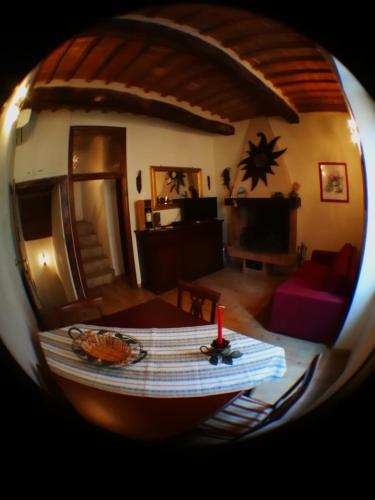
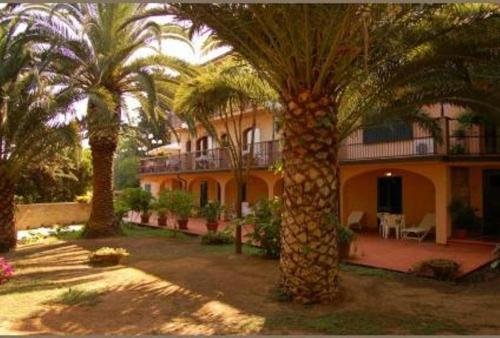
Want to go further? Tours of Tuscany in the same spirit as this article.

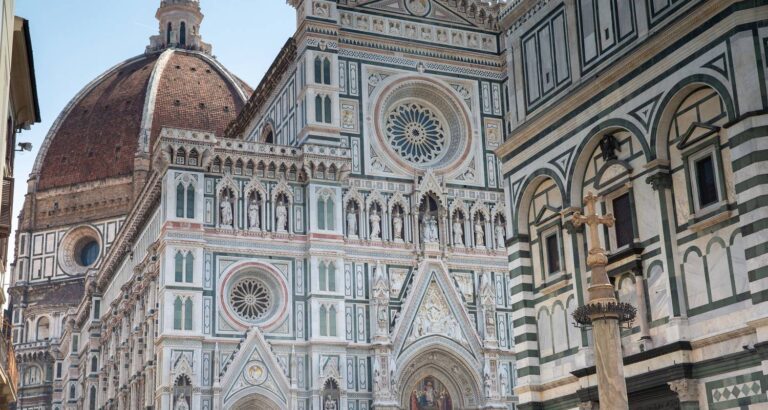
Guided hike: from Florence to Siena and Chianti

Live map & prices
Where to stay around Saturnia?
Our recommended addresses nearby, then today's prices for your dates.
Cars · live prices
Your rental car from Grosseto airport
No rental agency sets up in the villages: the closest agencies to Saturnia are in Grosseto. Here are the best current offers, compared and rated.
Searching for available cars…
See all cars and choose my dates
Booking and payment through Discovercars: the link earns us a commission, without changing your price.
Around Saturnia
You will also like
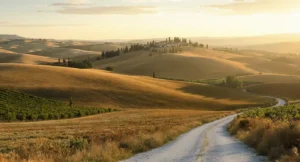
Val d’Orcia in 2 Days: Pienza, Montalcino and Bagno Vignoni by Car (2026)
Two days in the Val d'Orcia comes down to a single driving loop:…
Festa della Cinta Senese DOP: where to taste Siena's black pig in Murlo and Sovicille
The Festa della Cinta Senese DOP usually takes place in late November or early December in…
Outdoor hot springs in Tuscany: a practical guide to choosing well in 2026
The Saturnia waterfalls flow at 37 °C all year round, and the Bagni di…