Village
Stay in the Maremma

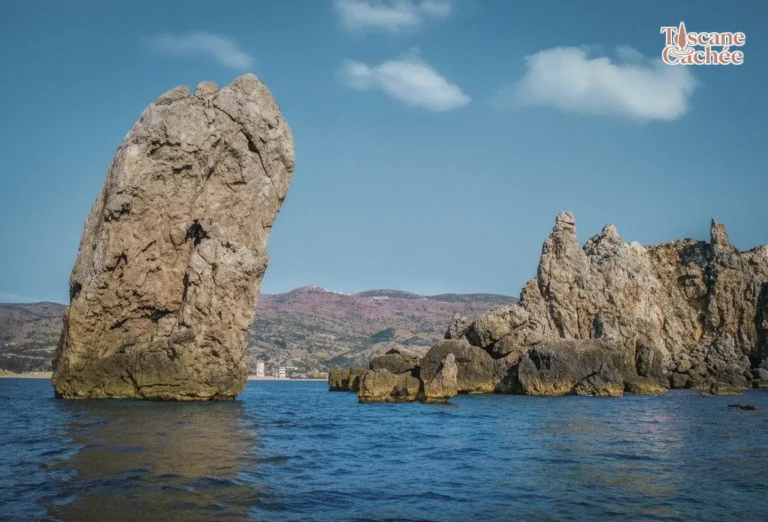
Tosco's wordOh, you've come to the right place! Isola del Giglio is a quiet island where the alleys of Giglio Castello smell of thyme and warm stone, and where the sea is never far away. My tip: walk up to Giglio Castello late in the day, then head back down to admire the Faraglione di Campese at sunset. You'll thank me!
Stay22 map: if you book through it, we earn a commission, at no extra cost to you.
To visit
Within 8 km, highest rated first.
Around Isola del Giglio
Discover the price of diving and snorkeling in Maremma in 2026: from €40 for snorkeling and…
Discover where to go snorkeling in Maremma: explore the seabed of Giannutri or the Buca delle Fate. Slip on…
The island of Giglio, accessible by ferry from Porto Santo Stefano (30 min), brings together three distinct villages…
The island of Giglio is accessible only by ferry from Porto Santo Stefano (Argentario) via the companies…
Explore the Torre di Capo d'Uomo on the Argentario. Climb up to these 16th-century ruins to…
Can't decide? The referee suggests three addresses around Île du Giglio →
The guide
Staying on Giglio island means accepting that the boat sets the rhythm before you've even unpacked your bag. The pink houses of the port come into view, and you understand that this island wasn't designed for everyone. It rewards those who love small things: a coffee at the edge of the quay, an empty trail, a quiet evening. This guide answers three questions nobody addresses for Giglio: where to sleep, how many nights, and in which season. You'll find the sights and hikes elsewhere.
Giglio suits people who love walking, swimming in coves without any gear, and going to bed early. It is a poor fit for anyone wanting a nightlife, a choice of restaurants, or a day free of schedule constraints.
If you're torn between sleeping on the island and doing it as a day trip, ask yourself a simple question: do you want to see the port after the day visitors have left? Someone who leaves in the evening only knows the Giglio of daytime, with its crowded quays and terraces facing arrivals. Someone who stays discovers the other island, silent, where you can hear the rigging clanging against the masts.
I advise you to avoid the island if you hate depending on a boat. Here, the weather and the timetable come before your wishes.
The crossing departs from Porto Santo Stefano, on the Argentario promontory. That's where you leave the car, and you won't see it again until the return. Arrival day is for settling in, not for rushing through sights. On departure day, stay close to the port: a missed boat means an extra night, and not necessarily where you had planned it.
On site, the island is explored on foot and by shuttle. No car is needed: you walk on roads that smell of hot maquis, and you forget about parking.
The island offers three accommodation hubs, and each one makes you give up something. You won't find a perfect base, only the one whose drawback you accept.
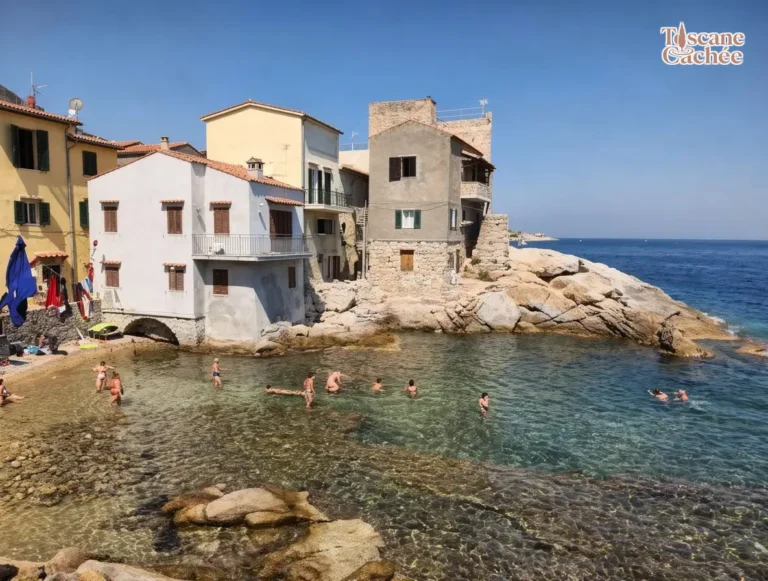
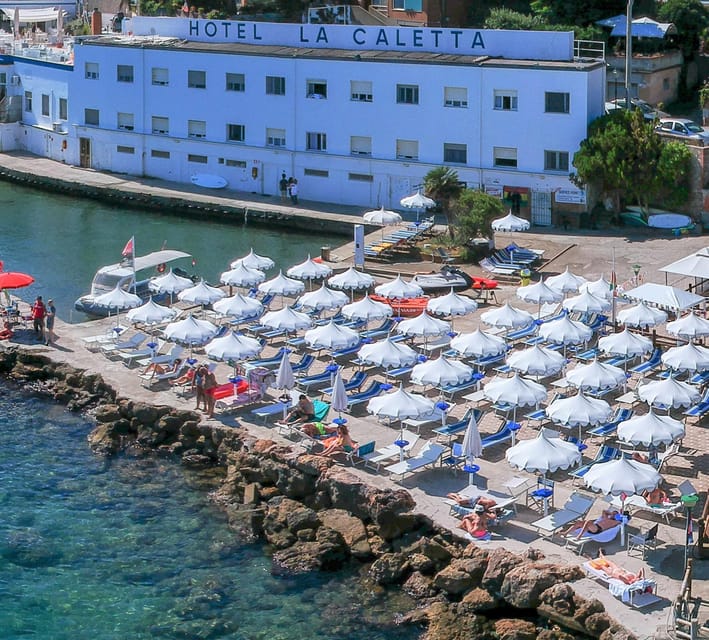
It's the simplest choice: the landing stage is within walking distance, and you have no shuttle to catch with your luggage. The price of this convenience is a setting that faces those arriving and leaving. From this base, you keep a few services open later: a counter, a table still lit, a stroll along the quay.
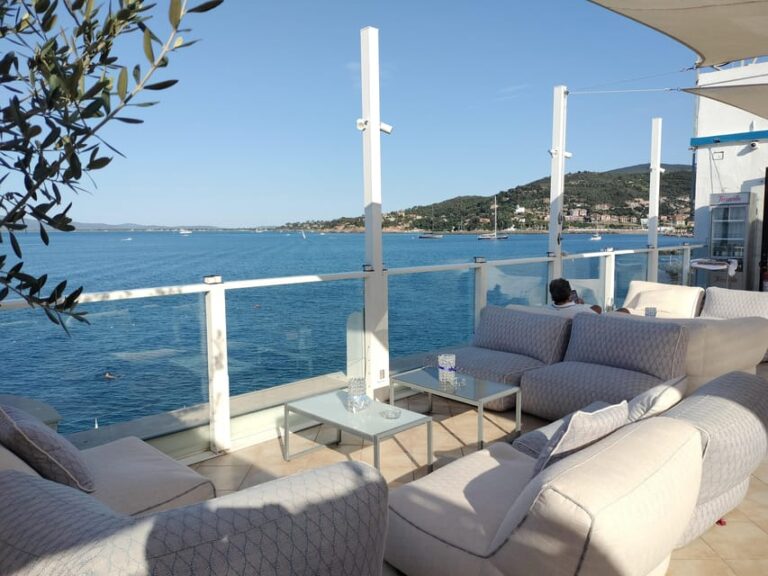
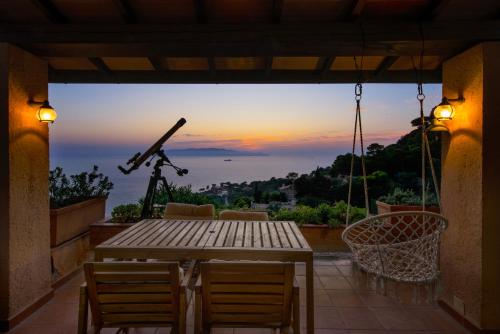
Terrazza La Guardia is the address of this harbor base, a stone's throw from the boarding point.
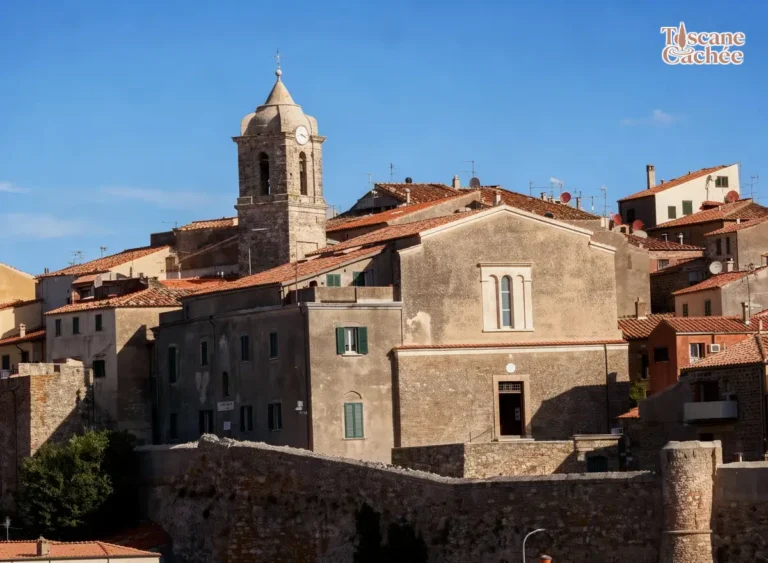
Giglio Castello is a fortified medieval village perched up high. In the evening the alleys empty and calm settles in, stone upon stone. It's the base for people who want atmosphere before convenience.
You pay for this charm in trips: to reach the sea or the port, the shuttle is essential, and coming back down after dinner is a matter of the shuttle, not impulse. L'Archetto suits those who want to sleep in the village and blend into it.
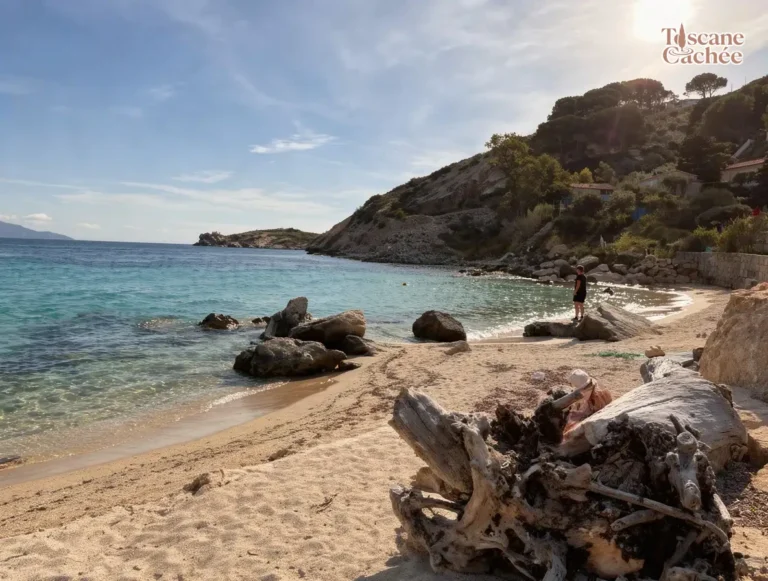
Campese opens onto a bay facing the beach. The Faraglione di Campese serves as a landmark: you see it from the sand, and you find it again on every walk. You gain the sea when you wake up, but you move away from the port and its services.
On an island where everything is done on foot, access matters more than the view or the budget. A room with a terrace over the sea loses its charm if you have to climb a steep staircase with two suitcases under the midday sun.
So ask these two questions of every address: how far is the walk from the shuttle stop or the quay, and is there transport from the port? The island has few beds compared to the mainland, which is why the good addresses go fast: in summer, book early. Out of season, some close, so confirm they are open before you build your stay around a specific place to sleep.
Two to three nights is the right format. You have time to walk, swim, watch the island change light between morning and evening, without going in circles.
One night is a compromise: you arrive, have dinner, and leave, and the crossing eats up half your stay. It's better than a day trip, but not by much. A week, on the other hand, is for those seeking to disconnect: people who read, swim, and ask for nothing else.
Here is a breakdown that works for three nights:
July and August gather everything you're trying to escape: heavy crowds, tight accommodation, packed beaches. I recommend May-June or September: the sea is there, the quays breathe, and you hear the cicadas rather than the loudspeakers.
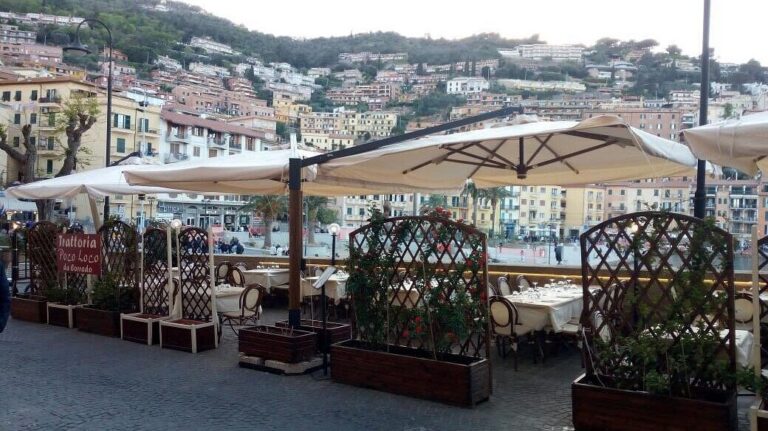
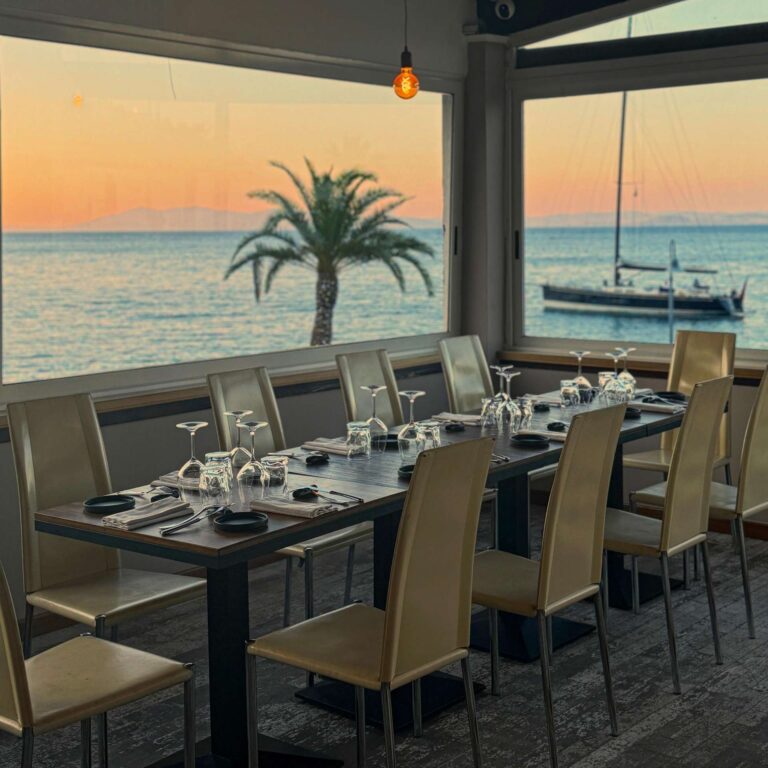
At the port, tables are set for boat times. To dine better, move a little away from the quay, where the regulars fill them. In the village, people dine early, and the shutters close. In Campese, you eat facing the bay with a limited choice.
The coves offer almost nothing: bring water, more than you think you need, and a piece of fruit, bread, and cheese bought at the grocery store or bakery. The outbound trip is carefree, the return much less so if the bag is empty.
Sleep near Argentario the night before: you park the car and board without rushing. On the way back, Maremma awaits with its farms, hills, and tufa villages: extend your stay there rather than heading straight home.
To decide tonight, start by choosing your base, then fix two or three nights in May, June, or September. Book your accommodation first, and then fit the crossing around it. The rest comes down to one question: practical port or sleepy village?
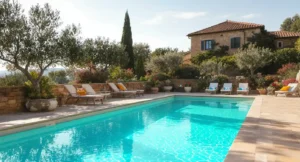
In Tuscany, pools are generally open from May to September, but you have to…
Book your agriturismo in Maremma at the best price. Choose May or October, favor the hinterland…
Choose between an authentic agriturismo and a hotel in Maremma. Find out which accommodation suits your...
Discover the ideal accommodation in Maremma for 2026. Agriturismo, glamping or hotel: choose your…
Discover why the Maremma beats the Chianti. Choose raw authenticity, prices 30% lower…
Find your ideal agriturismo in Maremma for 2026. Choose between an XXL pool, calm without…
Book your agriturismo in Maremma, Tuscany, among the best rated for 2026. Enjoy the calm…
Avoid booking pitfalls in Maremma. Master the deposits, check the authenticity of the farms…
Frequently asked questions
Answers drawn from our rated addresses around Isola del Giglio, figures updated daily.
No, a car isn't essential: on Isola del Giglio, the key sites connect on foot or by shuttle. Giglio Castello village, Campese, and the Arenella can be reached without a car, provided you plan for some walking and check bus schedules before setting out.
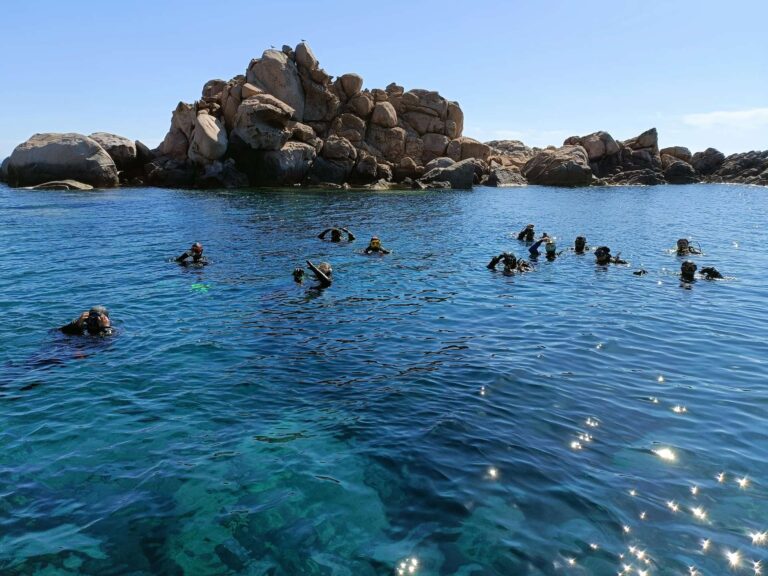
A car remains useful if you want to visit several beaches in one day, reach a remote cove, or transport diving and snorkeling gear. For a first discovery, you can organize your time around sea activities, such as Underwater adventure on Isola del Giglio, which can be done without a vehicle once you're there.
The honest limit: I don't have the precise details of shuttle schedules or rental rates on the island, so check them on site before relying on either. Also consult the map of Isola del Giglio to locate each site relative to your accommodation.
To decide, choose Spiaggia dell'Arenella if you want a sandy beach, easy to reach and a stone's throw from the village, Caletta del Saraceno if you're looking for the calm of a smaller, more secluded cove, and Campese if you want a wide stretch of sand and a livelier atmosphere with the Faraglione in the background. These are three genuinely different coves, and the right choice depends mainly on what you want to do with your day.
The deciding factor is access: ask yourself whether you want to walk or take the car, and whether you plan to spend the whole day at the beach or combine it with an outing at sea. For a first discovery, our selection also offers the activity F1 (snorkeling and sea baptism), which pairs well with a half-day at a cove.
An honest limit: beach access and crowd levels vary by season, and I can't guarantee conditions on any given day. Check schedules and crowd levels before heading out.
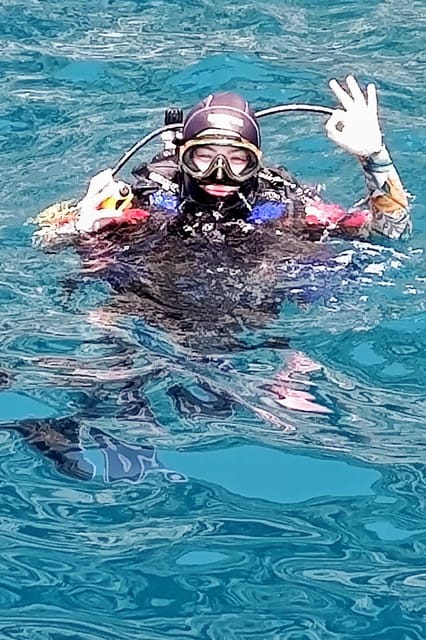
Pour une première fois en mer, choisis l'aventure sous-marine : snorkeling et baptême de la mer, avec une note de 6.5 sur la fiche de l'adresse. C'est une option accessible, qui ne demande pas de savoir nager longtemps ni de matériel spécifique, et qui te laisse découvrir les fonds marins sans t'engager sur une sortie longue.
What makes the difference is checking before booking what's included (mask, snorkel, wetsuit) and the length of the outing, since the activity takes place near the coast. If the water is cool early in the season, bring a wetsuit, and choose a morning outing, when the sea is often calmer.
An honest limit: our ratings come from analyzing reviews and available information, not from on-site trials. Consult the list of activities on Isola del Giglio to compare options before deciding.
In the FAQ
Very close
 Français Français
 Italiano
 English
 Polski
 Português do Brasil
 Nederlands
 Español
 Deutsch