









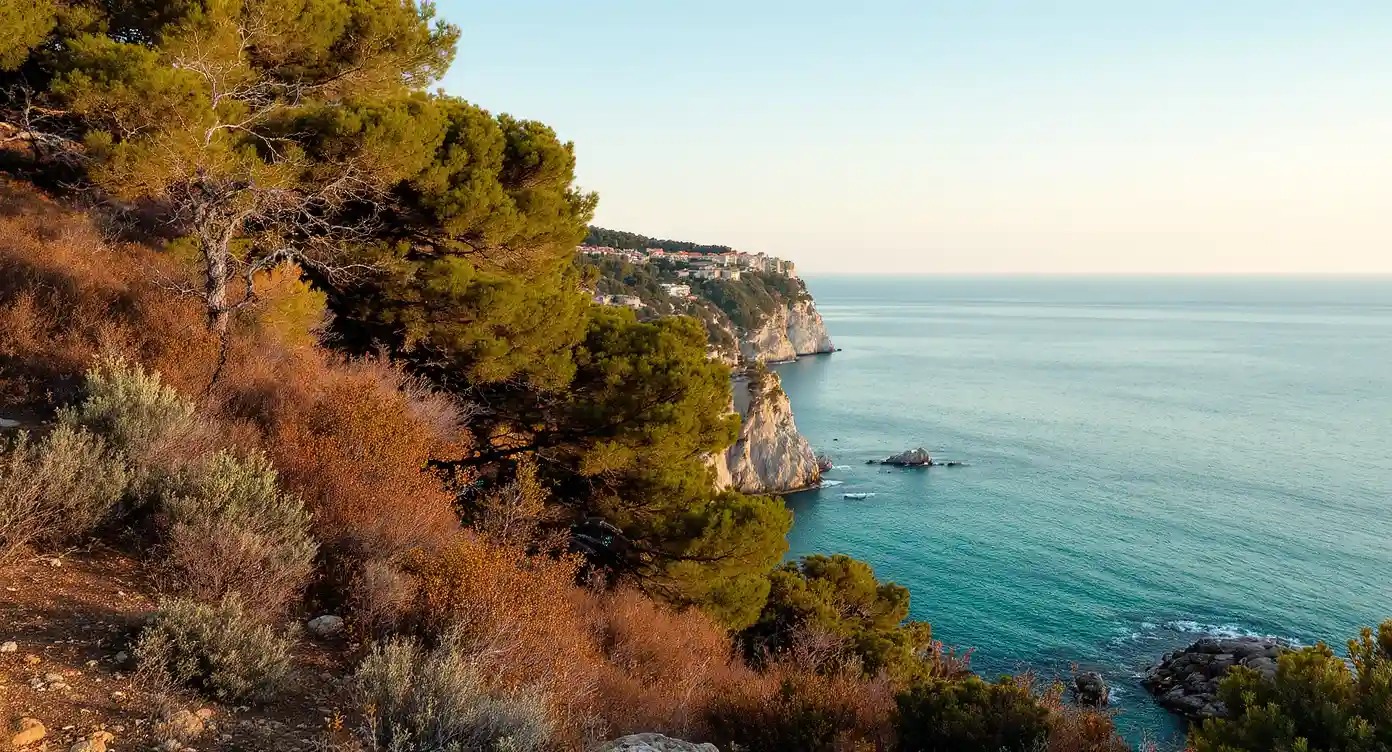
Monte Argentario is a promontory attached to the mainland by two sand spits, and it is this terrain that decides your itinerary. Two days are enough if you split it in half: Porto Ercole in the southeast on the first day, Porto Santo Stefano in the north on the second. You get around by car between the two, you park once per town, you walk the rest. The promontory is small, but the roads are slow, the curves numerous and parking is won early. Here's the breakdown that works without rushing.
Monte Argentario in 2 days: one side per day
Keep this rule in mind: one day, one town, one logic. The first day plays out on foot in the village of Porto Ercole, then on the flat sand of the Feniglia. The second starts with a climb to the heights, then heads back down to the harbor and the northern coves.
Don't try to squeeze both sides into the same day. You'd spend your time behind the wheel, stuck behind an RV, looking for a spot where none is left. The dedicated articles detail the coves, the towers and the Giglio: here, you just get the order in which to do it all.
Do you need a car for Monte Argentario?
Yes, I recommend it. The Orbetello-Monte Argentario train station drops you at the foot of the promontory and buses go up to the villages, but without frequencies you can build a day around. For the coves and the viewpoints, the car remains the only serious tool.
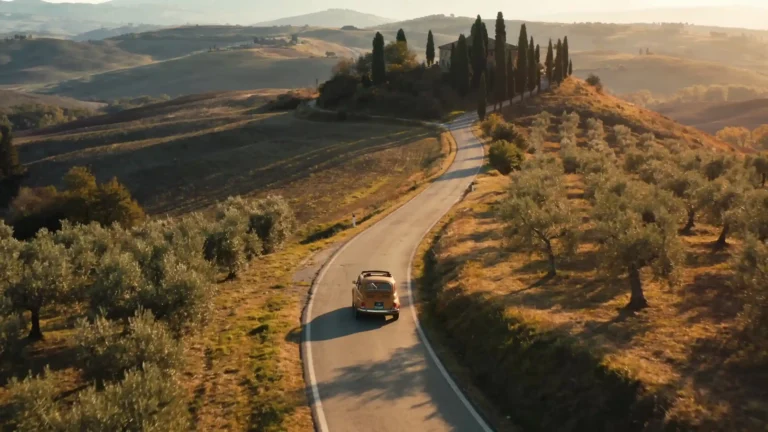
You arrive via Orbetello, on the road that crosses the lagoon. Then, the Strada Panoramica makes a roughly 41 km loop around the promontory. Drive it without setting a schedule: it is narrow, photo stops are frequent and the GPS is often too optimistic about travel times. Your car will be dusty, that's normal.
Day 1: Porto Ercole, clock tower and fortresses
Arrive early in Porto Ercole and park at the bottom, near the harbor. The village has been listed as one of "Italy's most beautiful villages" since 2004, and word has spread: after mid-morning, the alleys fill up. Start with the clock tower, gateway to the historic center, then climb on foot through the sloping streets. The sound of boats knocking against each other in the harbor follows you for a while, then fades.

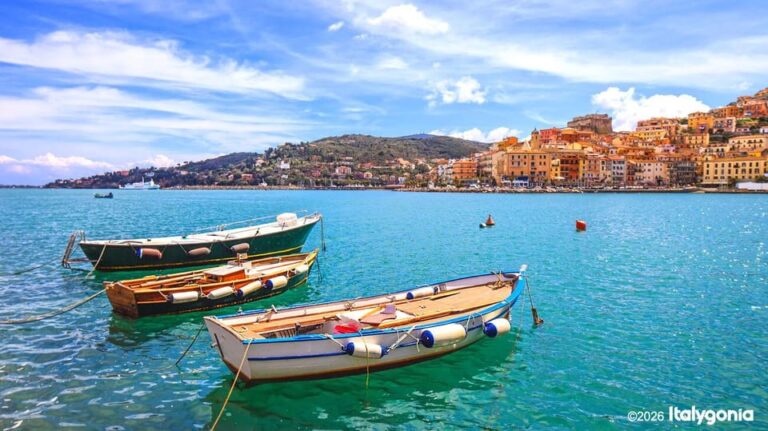
Porto Ercole
Village from the Argentario to the old cobbled town, with flowered balconies and 16th-century Spanish fortresses overlooking the bay

Tosco Don't stay glued to the port: head straight up to Forte Stella for a magnificent panorama, then go rent a bike in the pine forest of the Feniglia to greet the deer roaming free!

Fortresses of Porto Ercole
Porto Ercole locks down its bay with four 16th-century fortifications, including the six-pointed star-shaped Fort Stella, at €4, and forts with free access
Tosco Put on good sneakers to climb up to the Rocca in the late afternoon: the panorama over the island of Giglio bathed in golden light will quickly make you forget the slope!
Take your time in the alleys, then climb up to the fortresses overlooking the bay. From up there, you understand why everyone wanted this port. Caravaggio died here on July 18, 1610, and the exact location is debated: the village itself or the Feniglia beach. Both theories exist, don't look for a definitive plaque.

La Feniglia
A sandy tombolo between the sea and the lagoon, crossed by a track closed to cars, with fallow deer roaming free and birdwatching hides
Tosco Pedal at least to the middle of the tombolo to leave the crowds behind you: that's where the water is clearest and where you might spot my wild boar cousins in the shade of the pines!
After the verticality of the village, time for the flat. The Tombolo de la Feniglia is a nature reserve of about 6 km, between pine forest and beach. It's an effortless stroll, under the pines, with the smell of resin heating up and the rustle of sand underfoot. Park before ten in summer, otherwise you'll circle around.
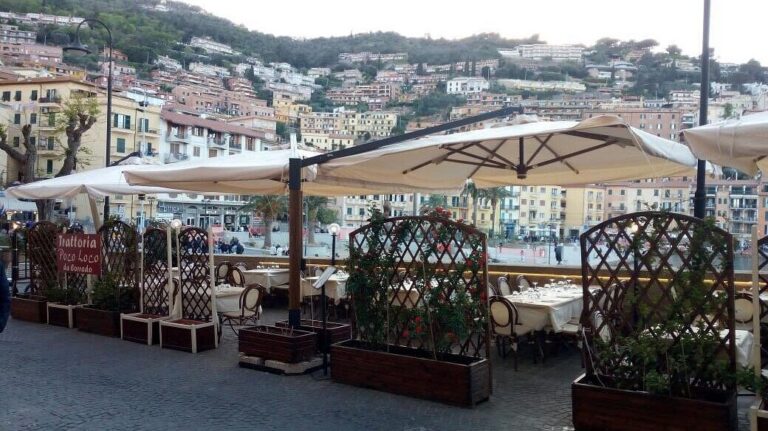
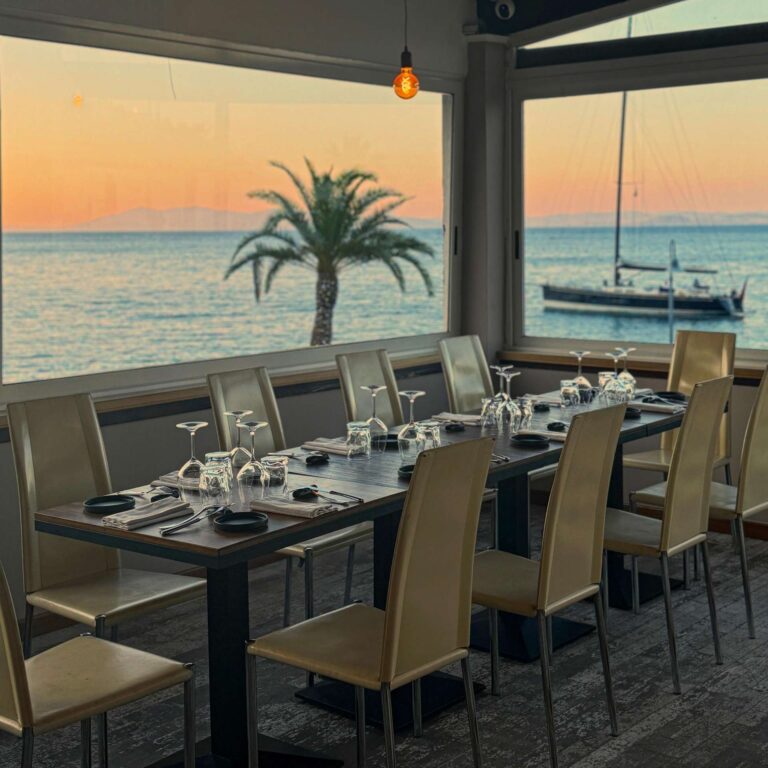
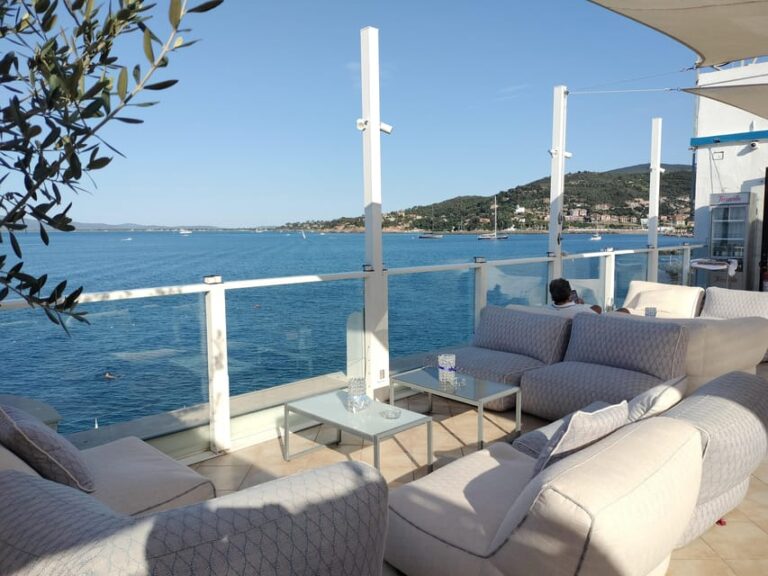
For eating, two options in Porto Ercole. A spot on the harbor serves seafood facing the water, with a service people talk about regularly. The Terrazza & Lounge Bar sits high in the village and is mainly worth it for its view over the rooftops and the bay. Choose depending on whether you want to watch the boats or the landscape from above.
Restaurants · Porto Ercole
Our favourite tables around Porto Ercole
Day 2: Punta Telegrafo, then Porto Santo Stefano
The northern side goes in this order: the heights before the heat, the harbor and the sea after. Climb in the morning to Punta Telegrafo, the highest point of the promontory. Its elevation varies: 635 m according to Wikipedia, nearly 700 m elsewhere: just remember it's the highest. The wind is cool up there and the view stretches far over the lagoon and the islands.

Punta Telegrafo
Highest point of Monte Argentario at 645 m, with a 360° panorama over Giglio, Giannutri and, in clear weather, Corsica
Tosco Park at the Passionisti convent and bring a good windbreaker for the final climb: at over 600 metres facing the sea, the sunset over the Giglio is magical, but it's windy enough to blow your hair off!
Along the way, you pass the Passionist convent, founded by Saint Paul of the Cross, in 1728 or 1737 depending on the accounts. The place is calm, surrounded by woods, and the silence there is almost sacred. Then head back down to Porto Santo Stefano before the sun beats down.
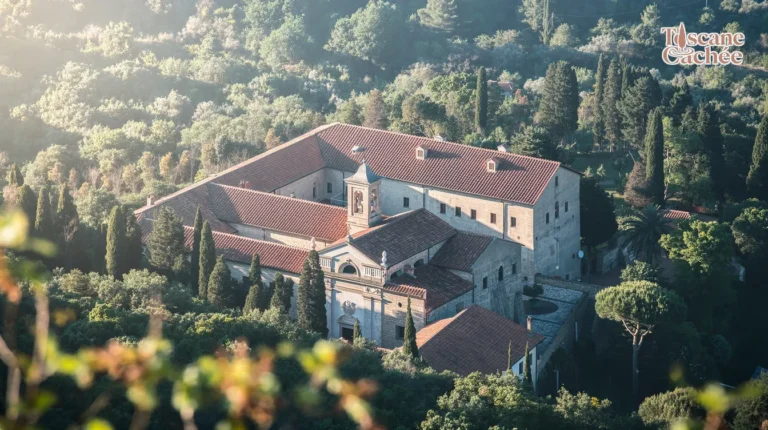
Convent of the Passionists
Founded at the end of the 18th century by Saint Paul of the Cross, this convent of Monte Argentario (273 m) preserves Baroque stuccoes, a neoclassical facade, relics and paintings by Sebastiano Conca, with views over the Orbetello lagoon
Tosco Climb up there late in the afternoon: the coolness of the holm oaks is pure bliss after the sun-baked coves of the Argentario, not to mention the breathtaking panorama over the Orbetello lagoon!
Park near the harbor and walk. The Spanish fortress dates from the 16th and 17th centuries and hosts the "Submerged Memories" and "Maestri d'Ascia" exhibitions: a useful stop when the sun gets heavy, among stones and the history of the sea. The harbor smells of fish and diesel, it's the true pulse of the town.
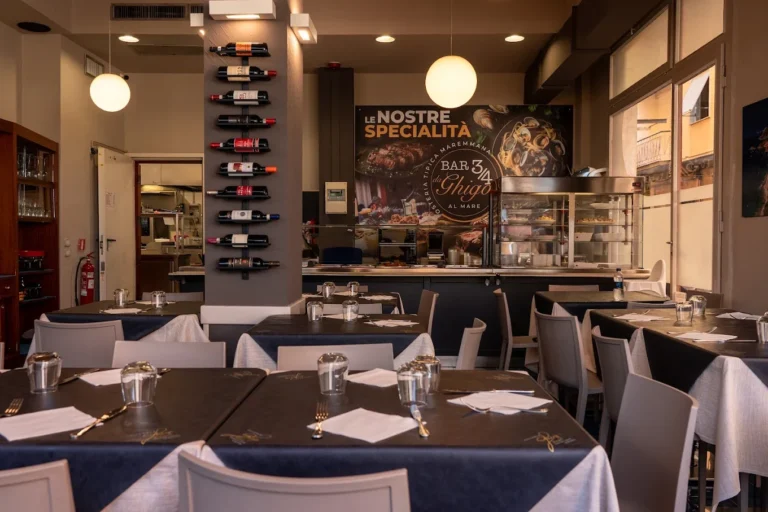
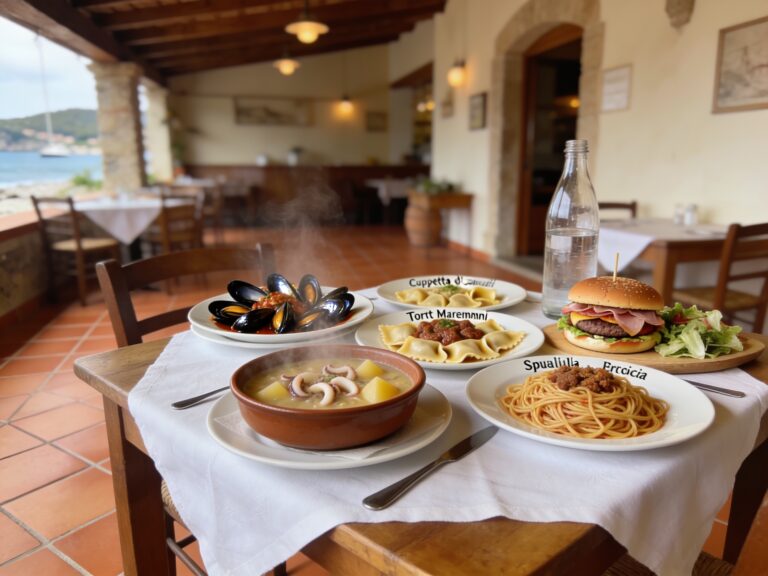
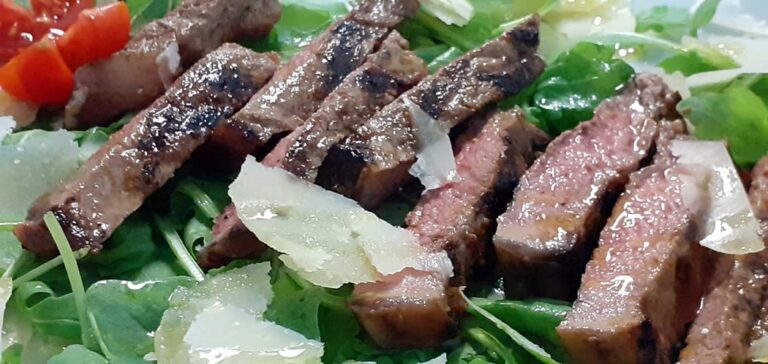
For lunch or dinner, most places bet on fish. A neighborhood bar plays the Maremma card, with no tourist traps. A spot downtown combines meat and fish, useful if not everyone likes the sea. A terrace facing the water offers a view over the harbor, with no starred pretensions.
Save the late afternoon for the northern coves. They have to be earned via steep trails: closed shoes, water, and back before nightfall. The details of the access are in the dedicated article.
Activities · Porto Santo Stefano
Our favorite activities around Porto Santo Stefano
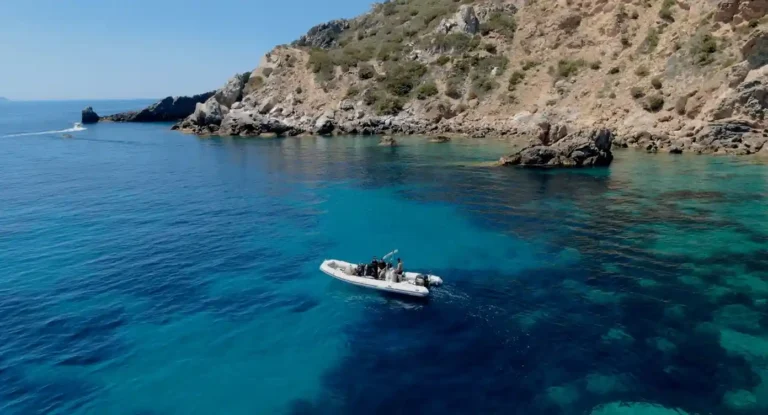
Snorkeling and boat adventure on the island of Giannutri
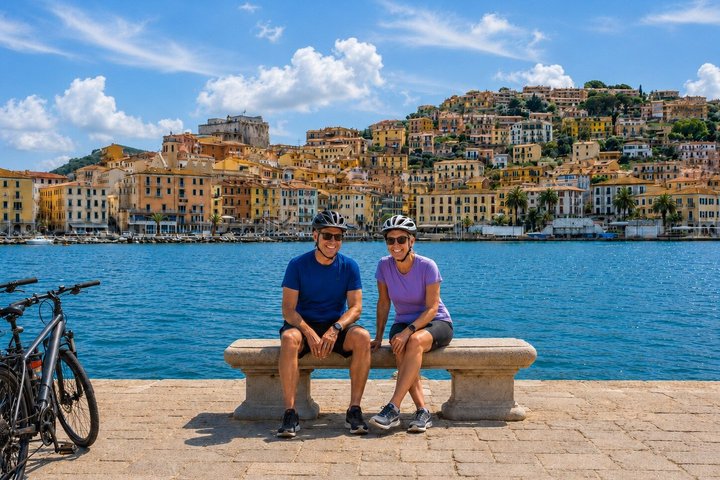
E-bike adventure: from the Orbetello lagoon to the ramparts of Porto Ercole
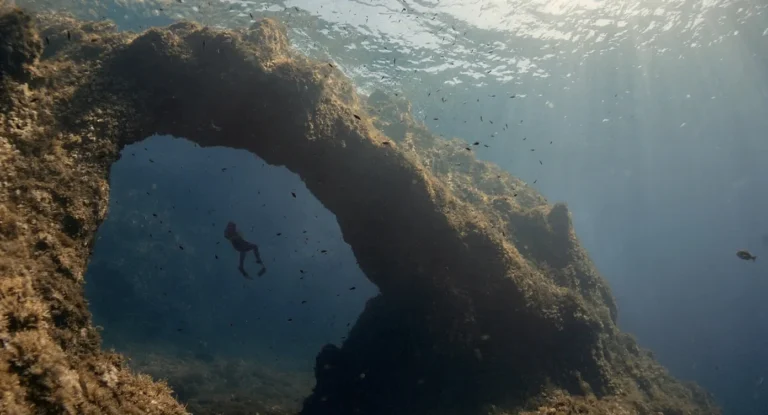
Ferry or boat: the sea, one more gamble
The sea is an optional extension, to add only if you have a third day. The Porto Santo Stefano – Giglio ferry takes about 1 hour for 12 nautical miles, about 22 km, with Toremar and Traghetti Giglio. For schedules and fares, check on site.
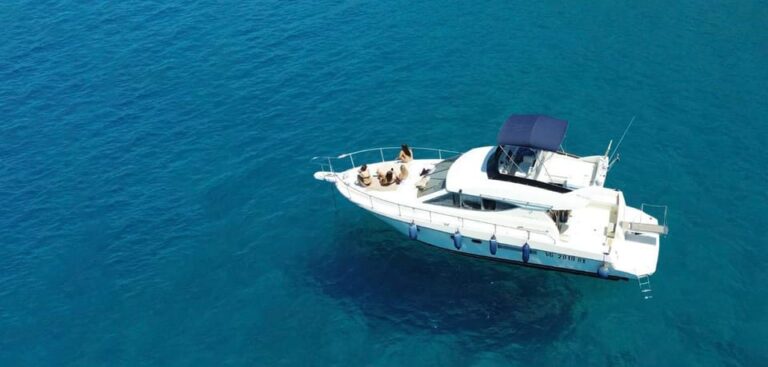
Renting a boat gives you the freedom of the coves, but it's a full day and it depends on the wind. In a two-day stay, you would sacrifice one side of the promontory. My take: save the sea for another time, and leave the Giglio to its own article.
If Giglio still tempts you, leave from Porto Santo Stefano. Allow plenty of time for the last evening crossing: better an extra coffee on the quay than an unplanned night on the island.
When to come to Monte Argentario and which pitfalls to avoid
The best periods are May-June and September-October: the light is low, the road is breathable, the coves are accessible. You gain calm what you lose in guaranteed swimming. Avoid August. The Palio Marinaro dell'Argentario has been held there since 1937, with an influx of visitors and saturated parking. If you must come during that period, arrive very early and give up on the coves.
Plan a weather backup: in wind or rain, switch to the fortress of Porto Santo Stefano and the exhibitions, or to the Orbetello lagoon. The dirt tracks don't hold up after rain, and the cove trails become slippery.
To start, set off early toward Porto Ercole and first climb up below the clock tower. The rest follows.
Yes, provided you devote one day to each side and do not want to add all the coves to the program. On the first day, park at Porto Ercole, near the port, then visit the historic center and the fortresses on foot. End with the Feniglia reserve, where the flat terrain allows you to walk under the pines without constantly getting back in the car. On the second day, drive early toward Punta Telegrafo, then come back down to Porto Santo Stefano to discover the port and the Spanish fortress.
The car is mainly used to connect the two towns and to reach the starting points of the walks. Once parked, you can enjoy the villages on foot. Allow time for the roads, however: the Strada Panoramica is winding and trips often take longer than the GPS suggests. Leave early, especially in summer, because parking spaces fill up quickly. In two days, it is better to give up a boat trip to Giglio: it takes a whole day and would sacrifice one of the two sides. To extend your stay in the region, you can complete this itinerary with five days in the Maremma between villages, thermal baths and peasant table.
To visit Porto Ercole, aim for the spaces near the port and arrive preferably in the morning. Then keep the car parked while you walk around the historic center on foot: the clock tower marks the entrance to the alleys, and the fortresses are reached by climbing the sloping streets. Parking is easier early in the day; from mid-morning, the village fills up and looking for a space can cut into your visiting time.
For the Feniglia, plan a second car trip and try to arrive before 10 a.m. in summer. The nature reserve is about 6 km long, between pine forest and beach, and lends itself to a peaceful walk rather than an express visit. Take water, sun protection and comfortable shoes, even though the path is flat. Do not count on a space being available at any time on very busy days, especially in August. The practical idea is to do the village early, then have lunch, and then devote the afternoon to the tombolo if you found a space. If you travel by car in other areas of the region, these tips for organizing your car travel in the Maremma can also help you plan realistic stages.
Start early with Punta Telegrafo, the highest point of the promontory. In the morning, the climb is more pleasant than in the hot hours, and the wind can make the air cool up there: bring a light layer, even in the summer season. The altitude is given variably according to the consulted indications, but the essential is that this summit offers wide views over the lagoon and the islands. On the way, you can stop at the Passionist convent, in a wooded and calm environment. Do not turn this morning into a race: the roads are winding and travel times can be hard to estimate.
Then go back down to Porto Santo Stefano, park near the port and visit the center on foot. The Spanish fortress, built in the 16th and 17th centuries, is a good break when the sun becomes strong; its exhibitions allow you to discover the local maritime history. Keep the northern coves for the end of the afternoon only if you have enough time and conditions are good. Their paths are steep: bring water, wear closed shoes and plan to climb back before nightfall. In wind or after rain, prefer the port, the fortress or the Orbetello lagoon rather than a slippery path. This order — summit, town, then possibly cove — allows you to enjoy the second day without multiplying back-and-forths.
Yes, especially if you want to balance the visit of Porto Ercole, with its sloping alleys and fortifications, with an easier walk by the sea. The Feniglia is a tombolo and a nature reserve of about 6 km, between beach and pine forest. The flat path allows you to enjoy the shade of the pines and the smell of resin without having to face a steep trail. It is a good option after visiting the village, or to slow down after a morning spent on the fortresses.
To keep this stop enjoyable, do not schedule it as a simple impromptu stop in the middle of an August afternoon. Parking spaces near the entrances fill up quickly; in summer, try to arrive before 10 a.m.. Take water, sun protection and shoes suitable for walking on sand or the reserve’s trails. You do not have to walk all six kilometers: choose a walk duration that leaves you time to return without hurrying. If the heat is strong or parking is saturated, you can shorten the walk and devote more time to the village. Feniglia complements well a day centered on Porto Ercole; on the other hand, avoid adding a long boat excursion as well if you want to keep a balanced two-day program.
To enjoy the villages, scenic roads and walks without the crowd of midsummer, prefer May-June or September-October. The light is often beautiful, traffic is less dense than in August, and walks in the alleys or under the pines are more pleasant. On the other hand, swimming is not guaranteed: if the sea is a priority, check the conditions just before departure and keep some flexibility in your program. Even off-season, arrive early at Porto Ercole et la Feniglia if you want to avoid wasting time looking for a space.
August is the trickiest period for parking and traffic, with a particularly marked influx around the Palio Marinaro dell’Argentario. If your dates are imposed, leave in the morning, limit parking changes and accept giving up the coves if access is saturated. Also plan a weather fallback: after rain, dirt tracks and steep paths can become slippery, while wind can make a sea trip less suitable. In that case, visit the fortress of Porto Santo Stefano or pass by the Orbetello lagoon. To build a broader stay in the region, you can combine Argentario with a two-day itinerary between Grosseto and Castiglione della Pescaia, avoiding multiplying long daily stages.
For a stay limited to two days, the ferry to the Giglio is not the best addition if you also want to discover Porto Ercole and Porto Santo Stefano. The crossing from Porto Santo Stefano takes about 1 hour for some 22 km, but you also need to allow time for boarding, travel on the island and return to the port. In practice, the excursion can take a whole day. Including it in your program means sacrificing Porto Ercole, the heights of Punta Telegrafo or a significant part of Porto Santo Stefano.
If you still choose this option, check schedules and prices with the companies before departure, as they can vary according to the period and the last evening rotation. Allow a generous margin on return: better to wait calmly on the dock than risk missing the last boat. The outing also depends on sea and wind conditions, which makes it less easy to combine with an already tight itinerary. For two days, rather keep the planned split, with one side per day, and reserve Giglio for a longer stay. If you have a third day, you can consider the ferry or a boat outing without giving up visiting both villages. For a more romantic trip in southern Maremma, you can also look at this idea of a weekend for two in Capalbio.
Around this article
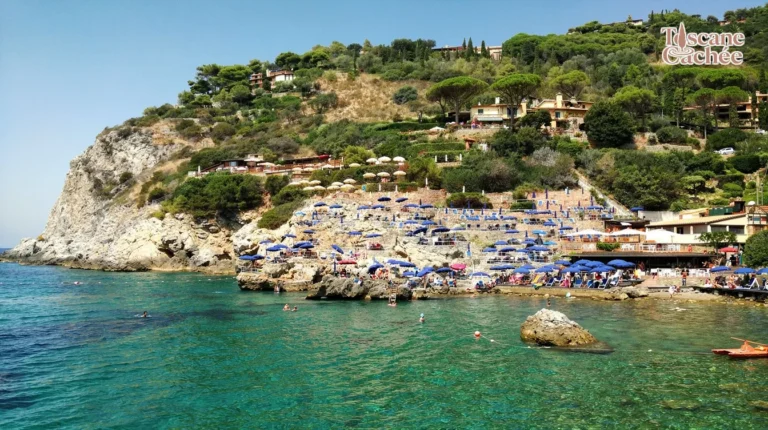
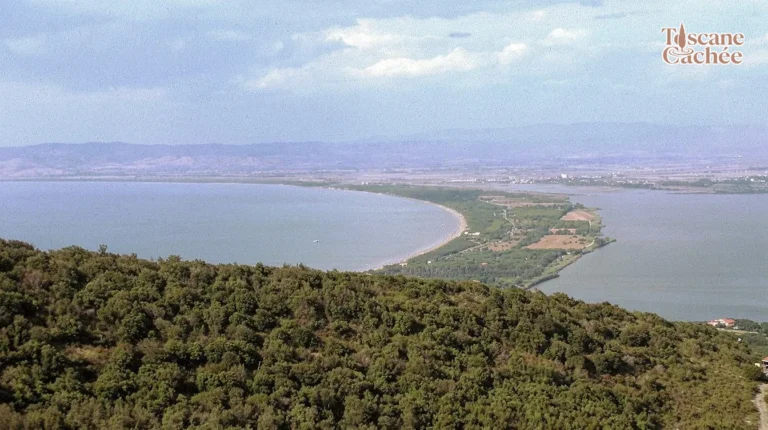

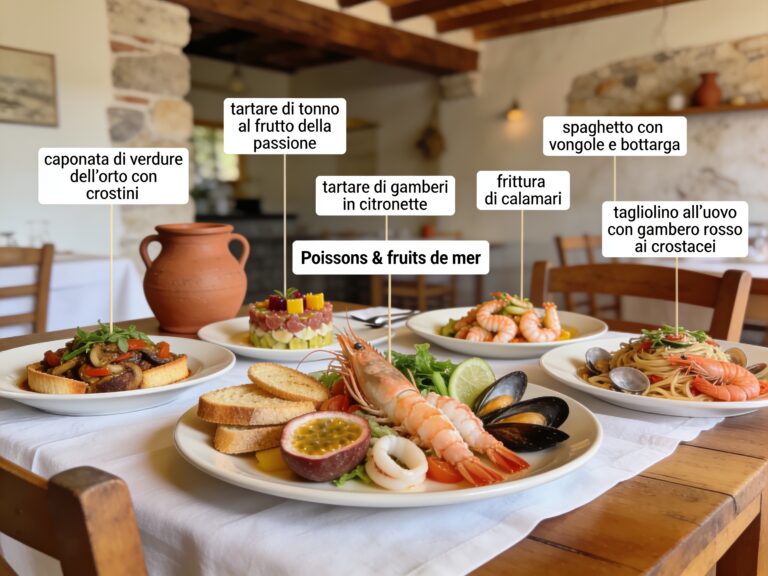
16. Wine & Waves at Argentario: wine tasting with your eyes on the water
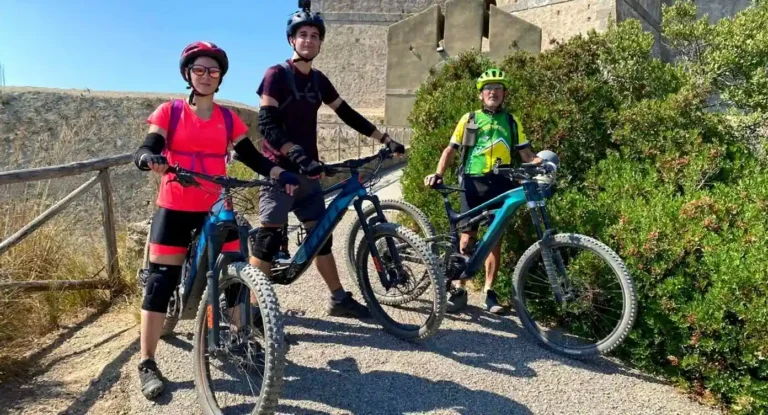
E-bike adventure on Monte Argentario and Porto Ercole
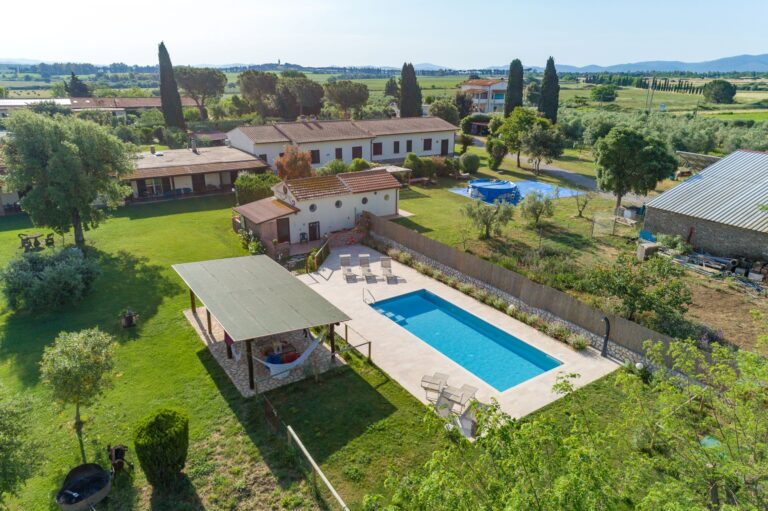
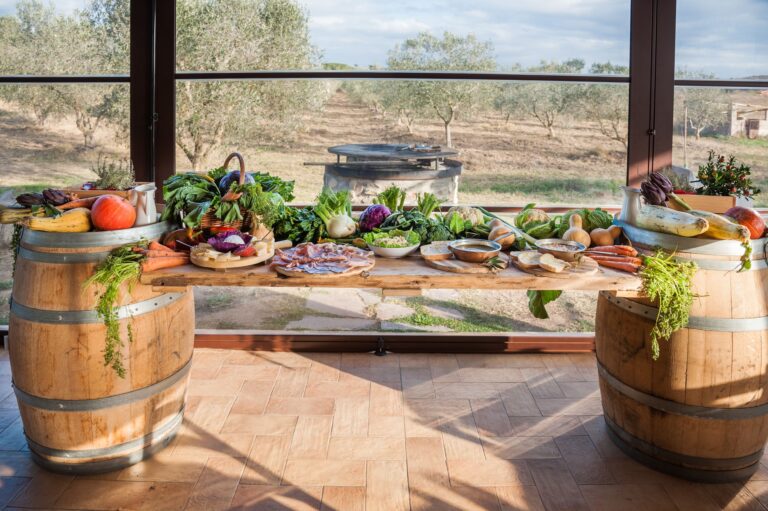
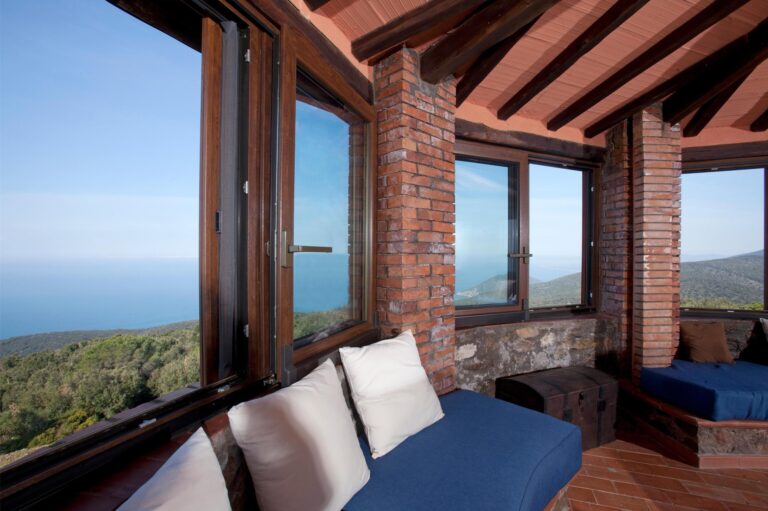
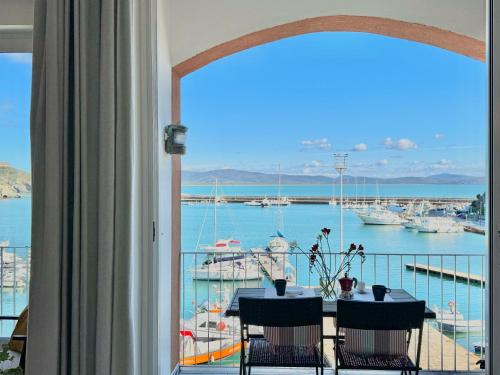
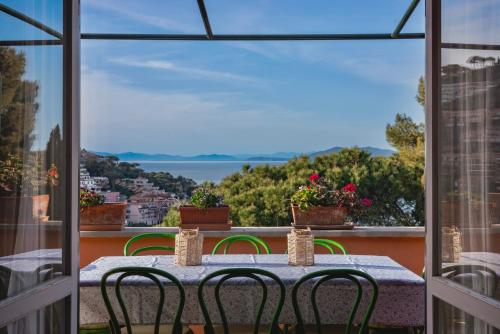
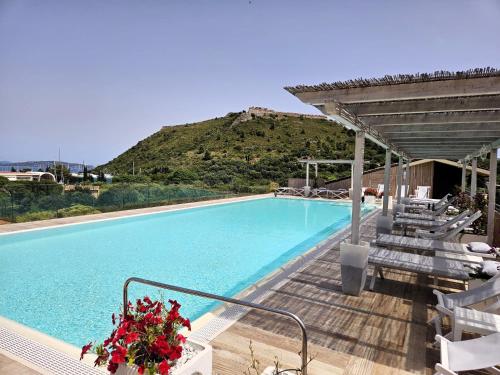
Agriturismo El Molino
Want to go further? Tours of Tuscany in the same spirit as this article.

By bike: Florence, Chianti, Siena and Vinci at your own pace
Guided hike: from Florence to Siena and Chianti

Self-guided tour Florence, Pisa, Chianti and Siena in 7 days
Live map & prices
Where to stay around Monte Argentario?
Our recommended addresses nearby, then today's prices for your dates.
Cars · live prices
Your rental car from Grosseto airport
No rental company operates in the villages: the closest agencies to Monte Argentario are in Grosseto. Here are the best current deals, compared and rated.
Searching for available cars…
See all cars and choose my dates
Booking and payment through Discovercars: the link earns us a commission, without changing your price.
Around Monte Argentario
You will also like
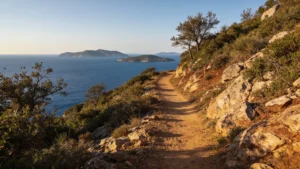
Punta Telegrafo: the secret summit of the Argentario and its 360° view over the Mediterranean
Discover Punta Telegrafo, the wild summit of the Argentario. Climb to 635m for a view…
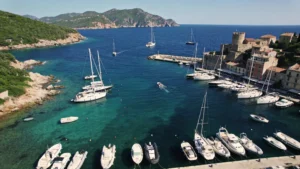
Rent a boat in Porto Ercole: the complete guide to exploring the Argentario at your own pace
Rent your boat in Porto Ercole from €195 and explore the coves of…

3 days on the Strada Panoramica of Argentario: coves, harbors and sunsets 2026
Explore the Argentario panoramic road: 25 km between coves and towers. Prepare your…

5 coves of Argentario accessible on foot or by kayak
Explore the most beautiful Argentario coves. From Cala del Gesso to Mar Morto, discover…
