See at Decantalo →
Wine tasting
🍷 This site features wines
This content concerns alcoholic beverages. Please confirm that you are of legal drinking age in your country of residence.
Alcohol abuse is dangerous for your health. Consume in moderation.
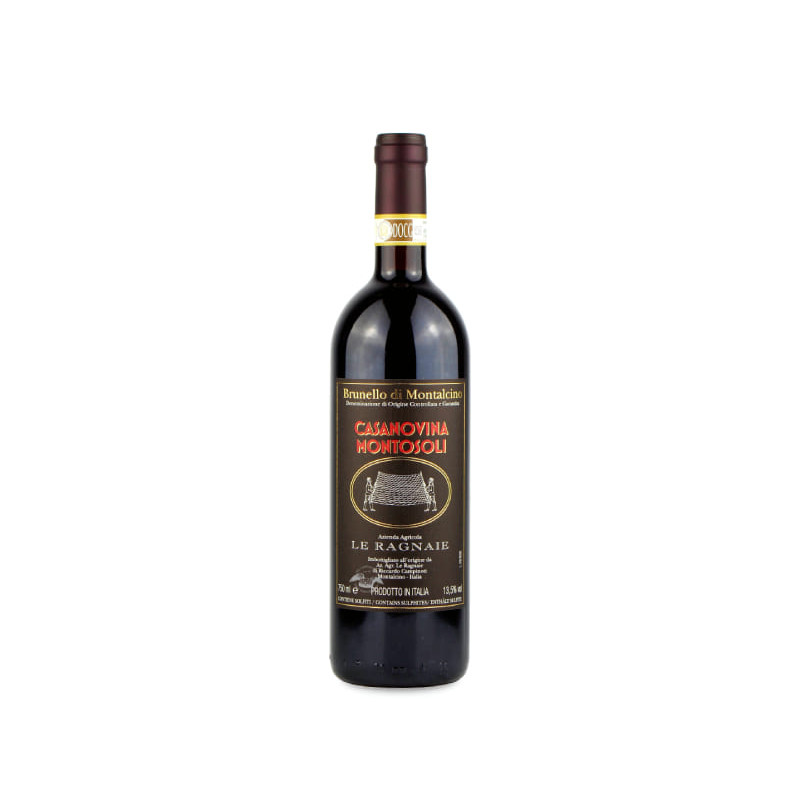
The wine
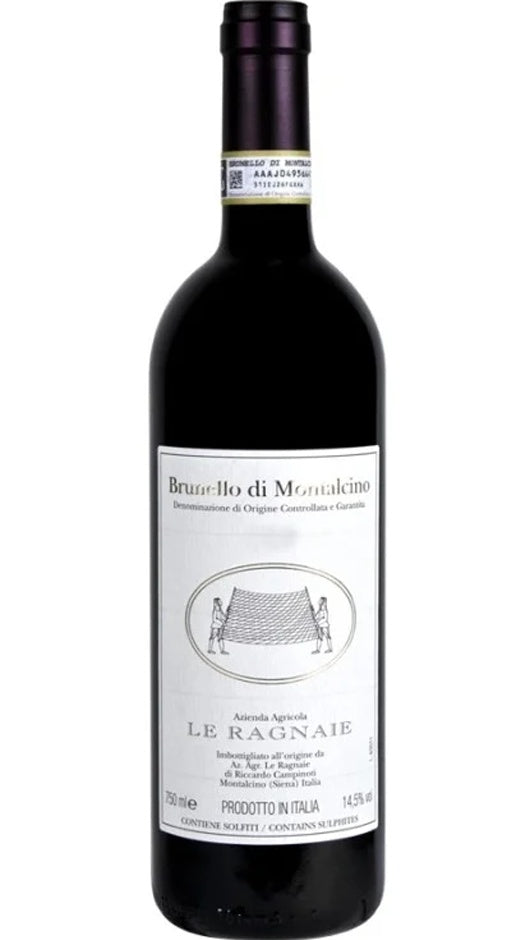
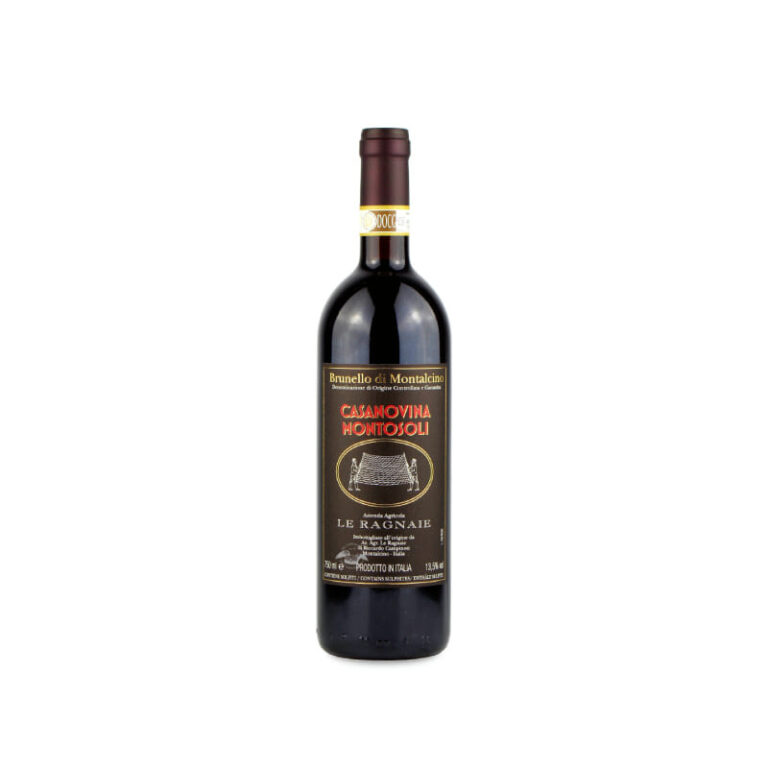
In this Brunello di Montalcino 2020, the Sangiovese tells the story of a place before offering up ready-made impressions: high-altitude vineyards, late ripening and organic farming. What draws me here is the stated link between the Montosoli terroir and a traditional, patient winemaking approach that gives the grape time to find its balance.
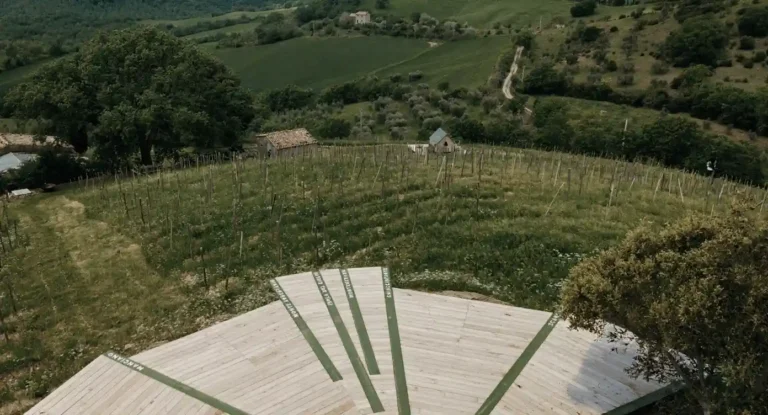
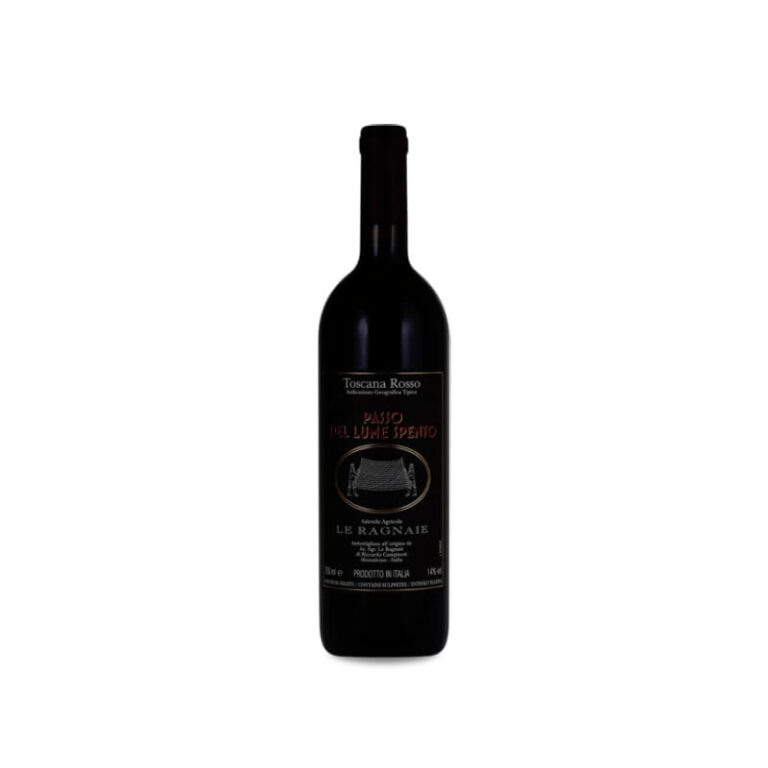
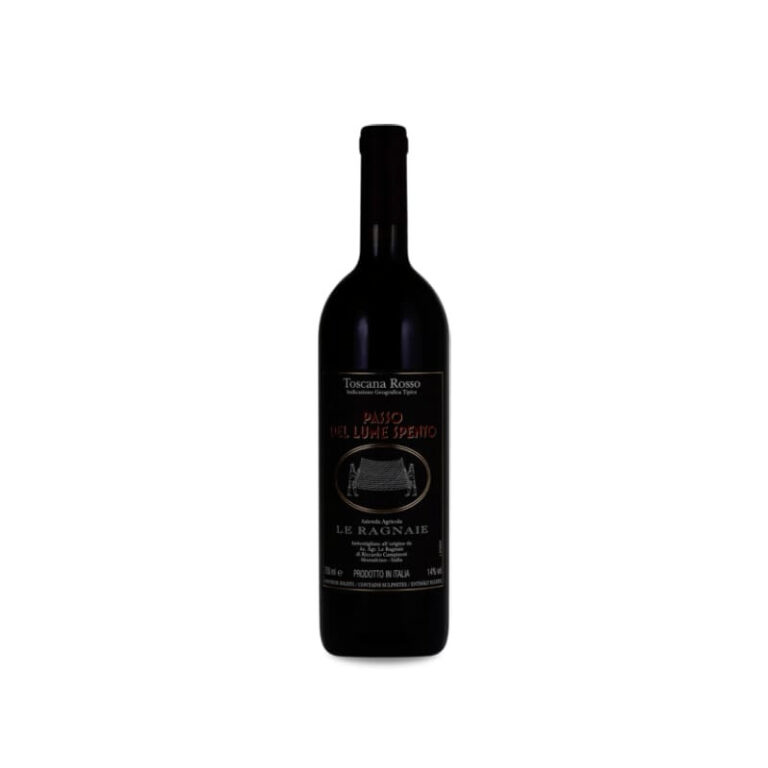
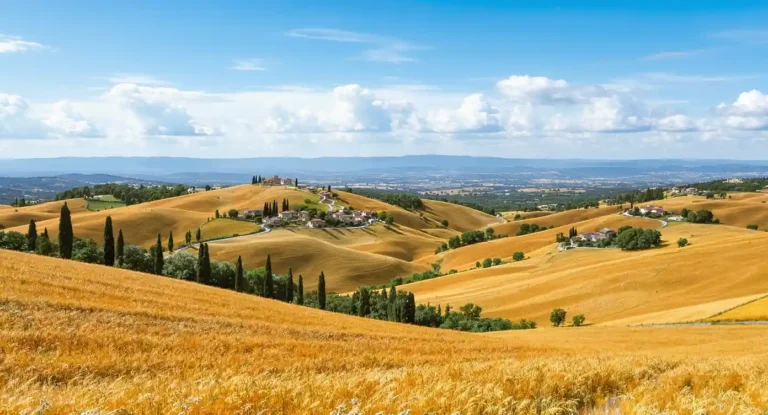
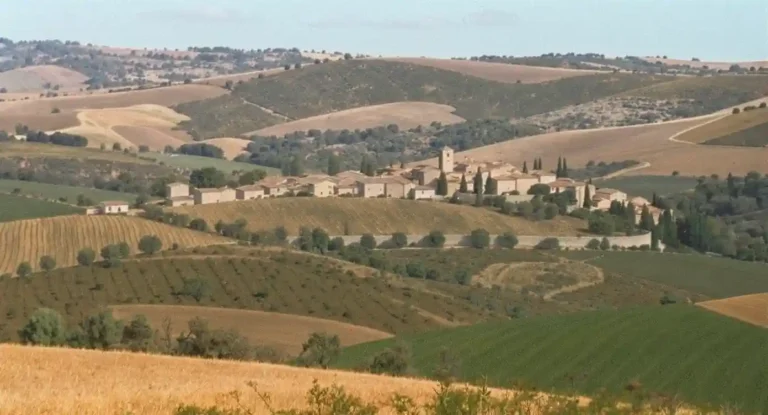
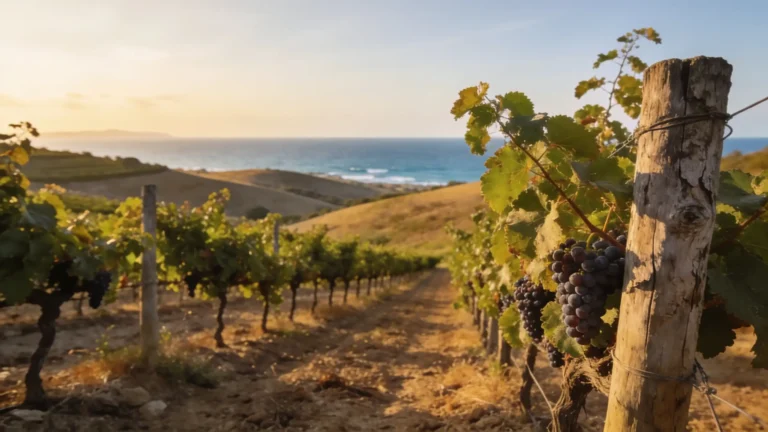
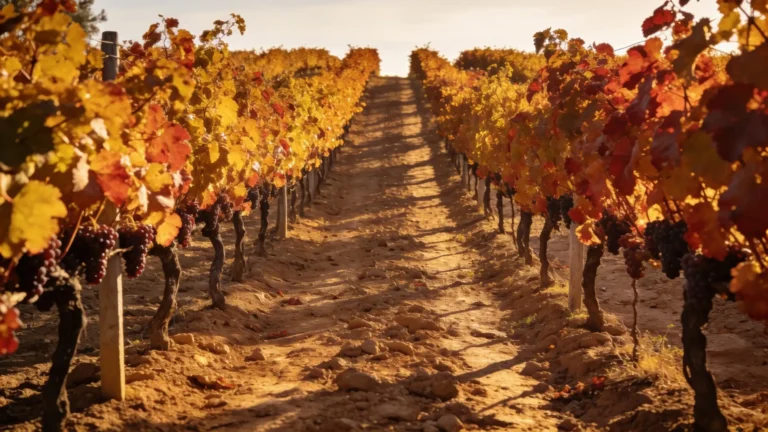
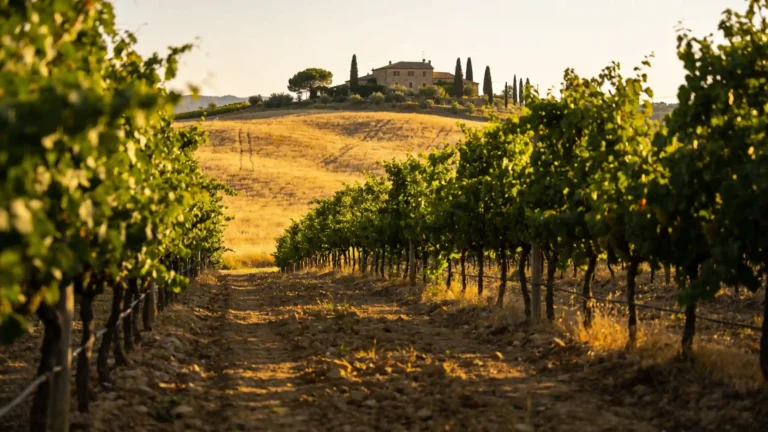
Le Ragnaie is located in the commune of Montalcino, in the province of Siena. The estate covers 28 hectares and works three distinct terroirs, whose soils, altitude and climate influence the Sangiovese in different ways. The Casanovina Montosoli comes from the central part of Montalcino, where the highest vineyards of the area are found. The plots concerned sit at 600 meters above sea level: under these conditions, ripening is late and the grapes are harvested by hand once they reach optimal maturity.
The Sangiovese is grown organically, with certification obtained since 2009. The vines share the land with olive trees and pastures, a detail that places the wine within a diversified agricultural landscape rather than an isolated plot cut off from its surroundings. In the cellar, the approach remains traditional: maceration and fermentation with indigenous yeasts, followed by 18 months of aging in Slavonian oak casks. After bottling, the wine rests for another 12 months at the estate before being released. I find this sequence of time particularly useful for understanding the style sought, without claiming to deduce aromas that the available notes do not specify.
As for tasting, the published information does not detail the color, any precise aromas on the nose, or particular flavors on the palate. I therefore prefer not to invent cherry, spice or woody notes. The style markers point to a middle balance between fruit and spice, between youth and oak aging, with a body that sits above lightness without being presented as massive. These indications give a direction, not a complete sensory description: they mainly suggest a Brunello built around the Sangiovese and its aging, to be opened while taking the time to observe it.
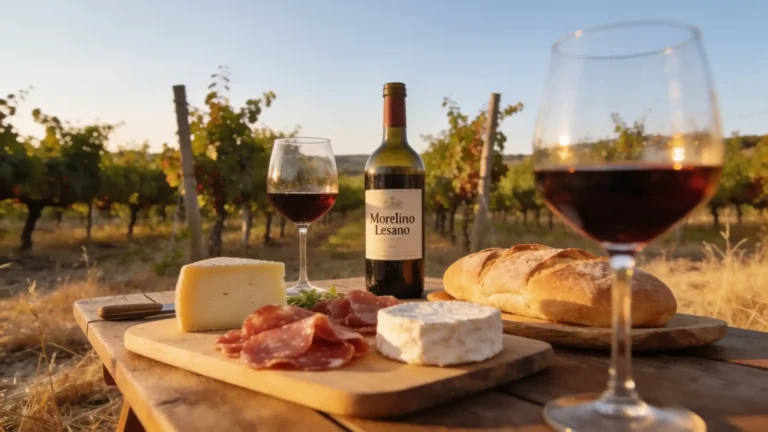
I would pair it with red meat, game or a fine charcuterie board, pairings suggested for this wine and generous enough to go with a Brunello of this structure. For a meal, plan a dish that also leaves room for the wine rather than a preparation that is too delicate. It's a bottle to share when you want to discover Montalcino through its differences in altitude and terroir, keeping in mind that the 2020 vintage expresses itself here through the Sangiovese and a long aging. Serve it at the table, open it gently, and let the conversation about the landscape come with the first glass.

To read
 Français Français
 Italiano
 English
 Polski
 Português do Brasil
 Nederlands
 Español
 Deutsch