See at Decantalo →
Wine tasting
🍷 This site features wines
This content concerns alcoholic beverages. Please confirm that you are of legal drinking age in your country of residence.
Alcohol abuse is dangerous for your health. Consume in moderation.
The wine
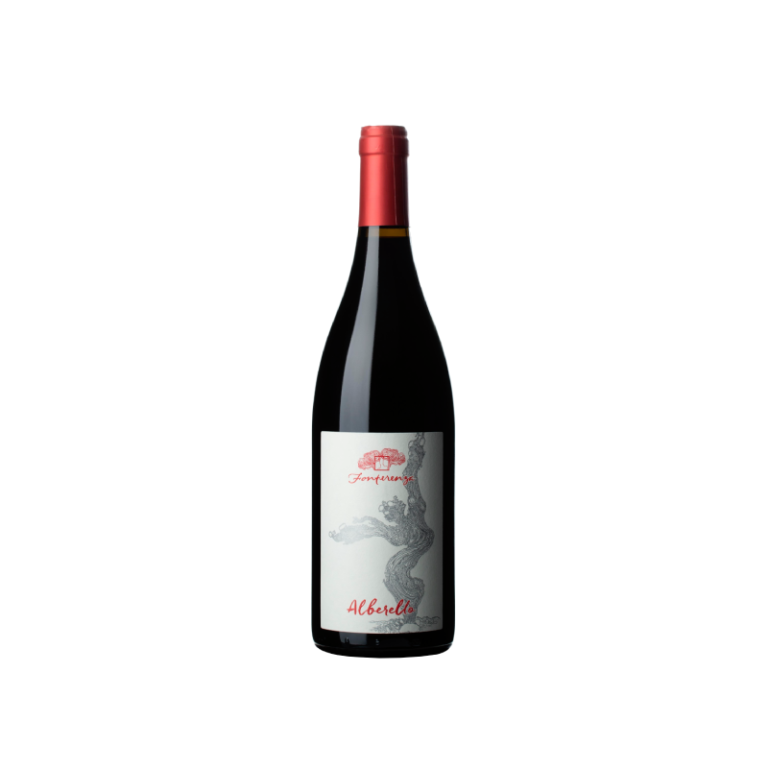
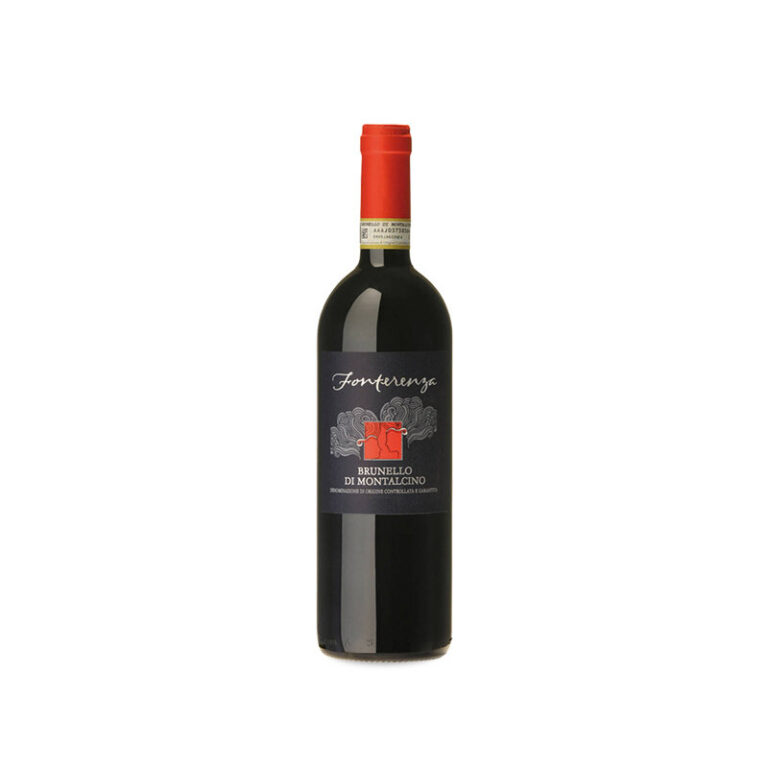
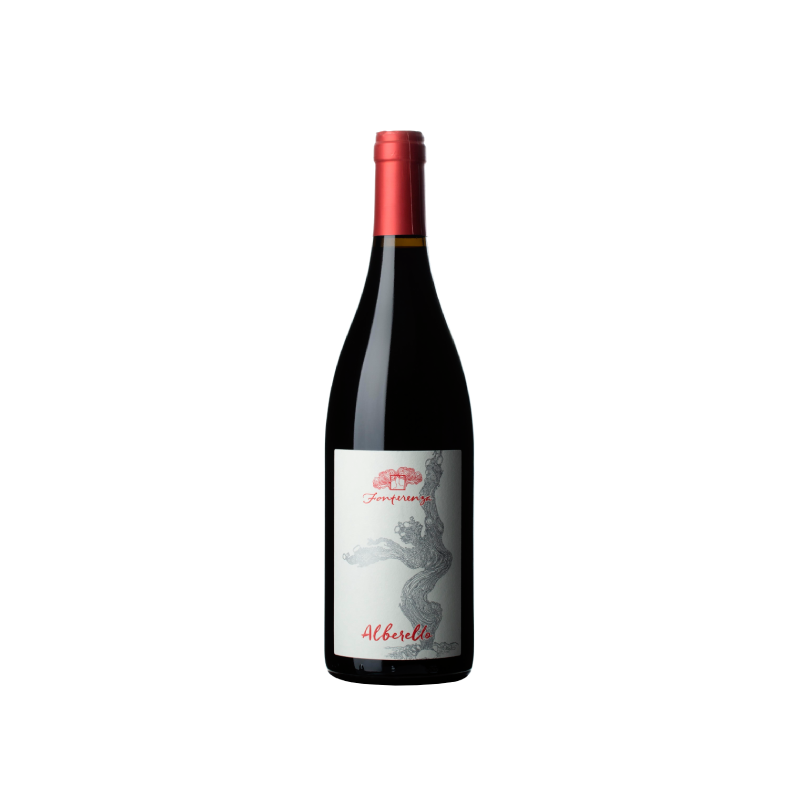
With the Fonterenza Rosso di Montalcino Alberello 2021, I suggest a Sangiovese shaped by biodynamic viticulture and aged partly in wood and partly in tank. Here, what matters is as much the precise winemaking choices as a profile described as fruity, spicy, and medium-bodied. The sources do not detail any particular aromas: I prefer to give you reliable benchmarks rather than invent them on the nose.
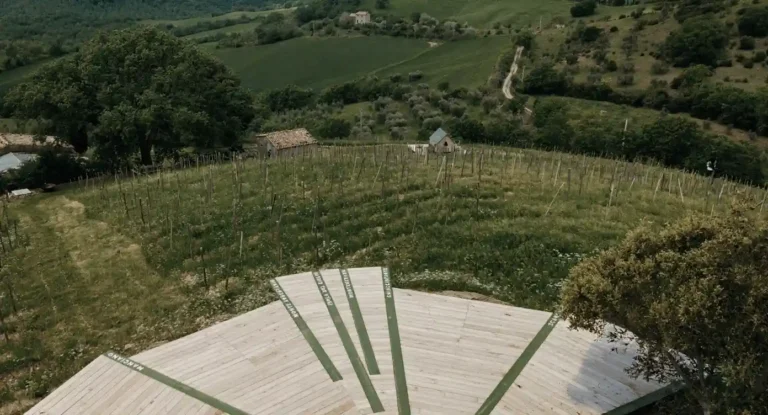
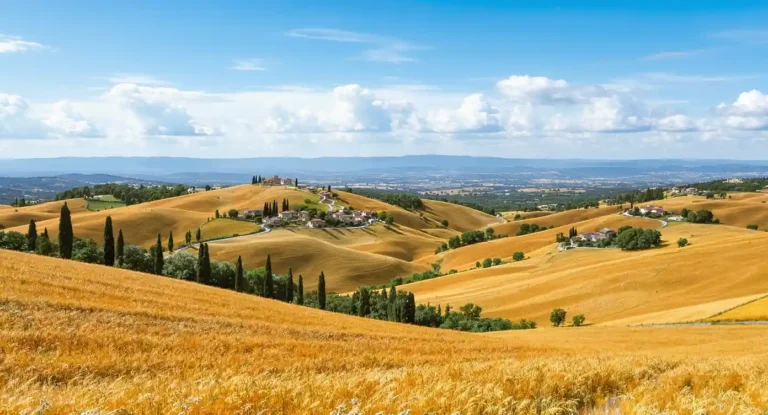
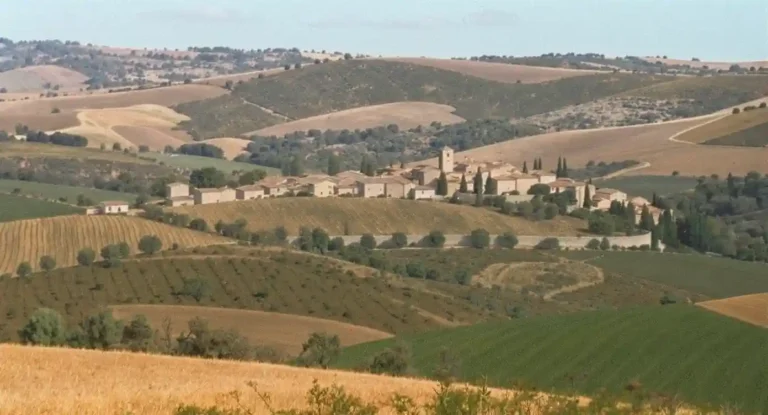
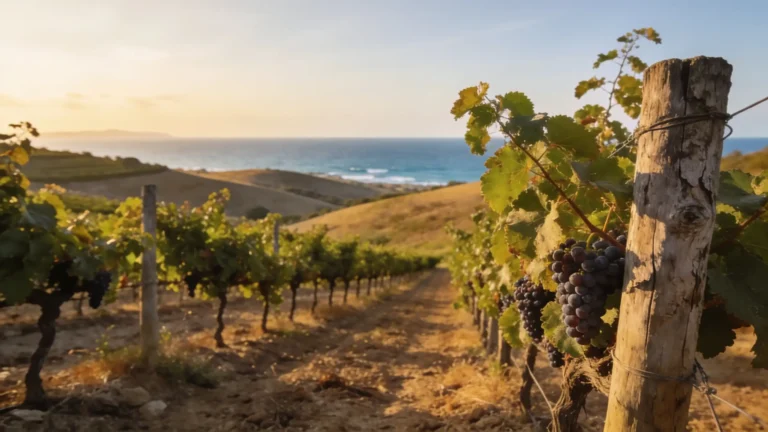
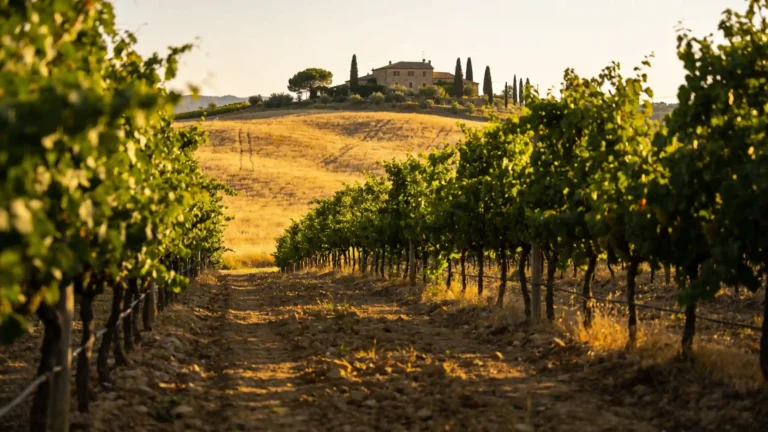
The wine is made by Fonterenza, an estate founded and run by the twin sisters Margherita and Francesca Padovani, originally from Milan. The vineyard covers four hectares, farmed biodynamically; organic farming is also confirmed. The plots used for this cuvée sit on marl containing quartz, with an east and northeast exposure. The wine is a monovarietal Sangiovese from the 2021 vintage. Although its name refers to Rosso di Montalcino, the appellation style indicated for this bottle is IGT Toscana.
The harvest is manual. In the cellar, the grapes are destemmed, then fermented in stainless steel tanks with indigenous yeasts. Maceration on the skins lasts fifteen to twenty days. Aging then extends over about twenty-four months: eleven months in Slavonian oak foudres, followed by thirteen months in stainless steel tank. This alternation between wood and steel accompanies the wine, although the sources do not allow us to specify woody aromas or particular fruit notes. The bottling takes place without filtration or fining; a sediment may therefore appear. First produced in 2015 from a small plot vinified separately, this cuvée fits into Fonterenza's work around traditional wines and fresher, fruitier expressions.
The tasting benchmarks place the wine at six out of nine on the fruity-spicy axis, at four out of nine between youth and barrel aging, and at six out of nine for body. These are style indications, not a list of guaranteed sensations: they outline a red where the fruit remains present, with a measured spiciness and a certain breadth. To serve it, I would follow the suggested pairings with red meats or game. You can open it around a generous meal, taking the time to let it evolve in the glass; if a light sediment is present, handle the bottle gently. It is a simple way to approach a Sangiovese from Montalcino whose personality rests on the place, the biodynamic work, and a winemaking carried out without superfluous artifice.

To read
 Français Français
 Italiano
 English
 Polski
 Português do Brasil
 Nederlands
 Español
 Deutsch