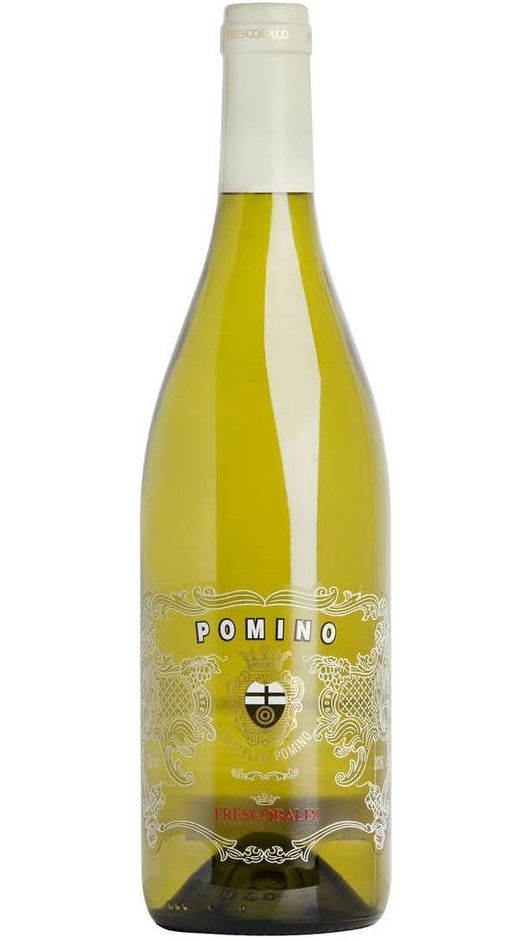
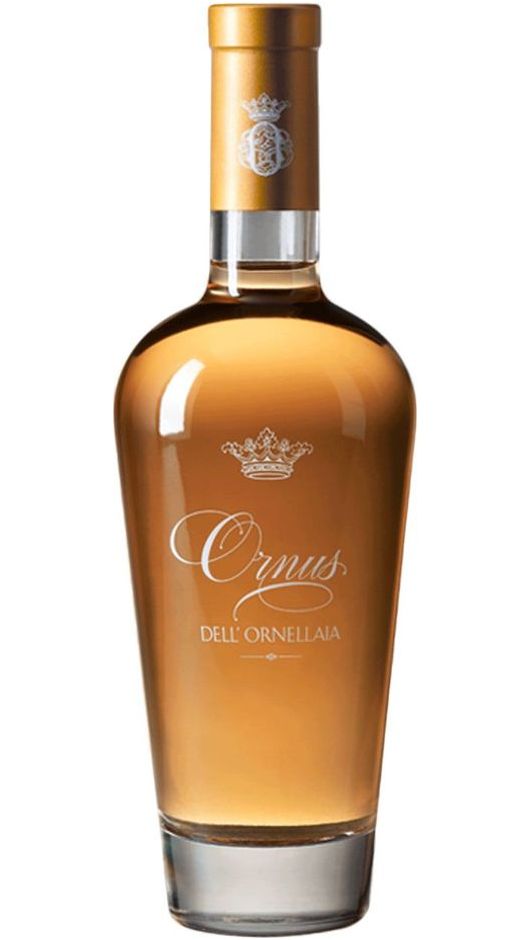
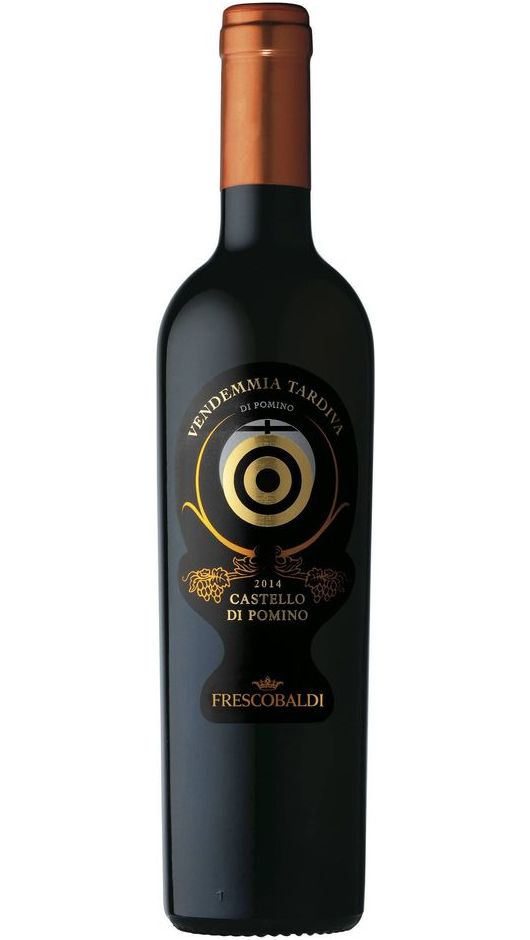
This Pomino DOC 2023 from Frescobaldi is a sweet late-harvest white, chardonnay dominant with traminer, pinot bianco and pinot grigio, to be served at 8-10°C with aged cheeses or pastries
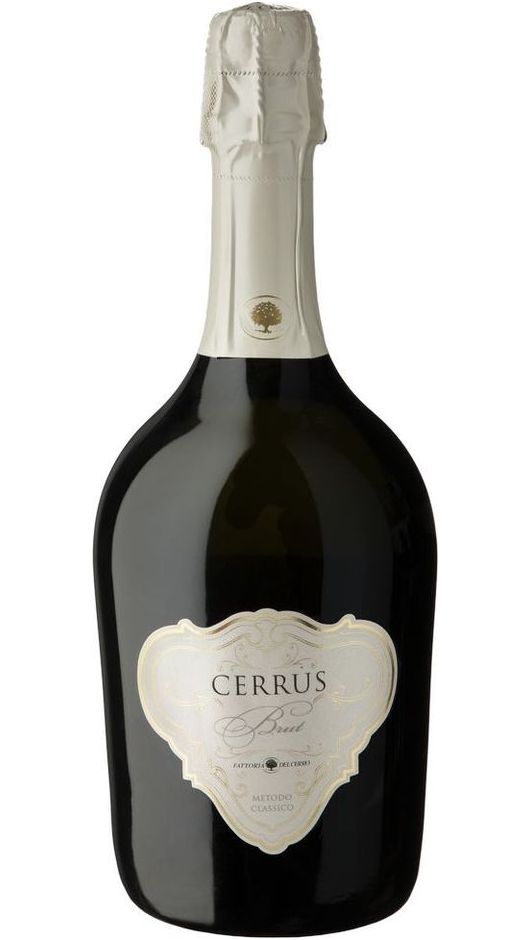
Spumante Brut from Fattoria del Cerro, in Montepulciano: Chardonnay using the Charmat method, 24 months of secondary fermentation and serving at 6-8 °C for aperitifs and fish
Spumante Brut from Frescobaldi from Pomino, Diacceto and Mugello, blending Chardonnay, Pinot nero and Pinot bianco, made using the Charmat method with 24 months on lees
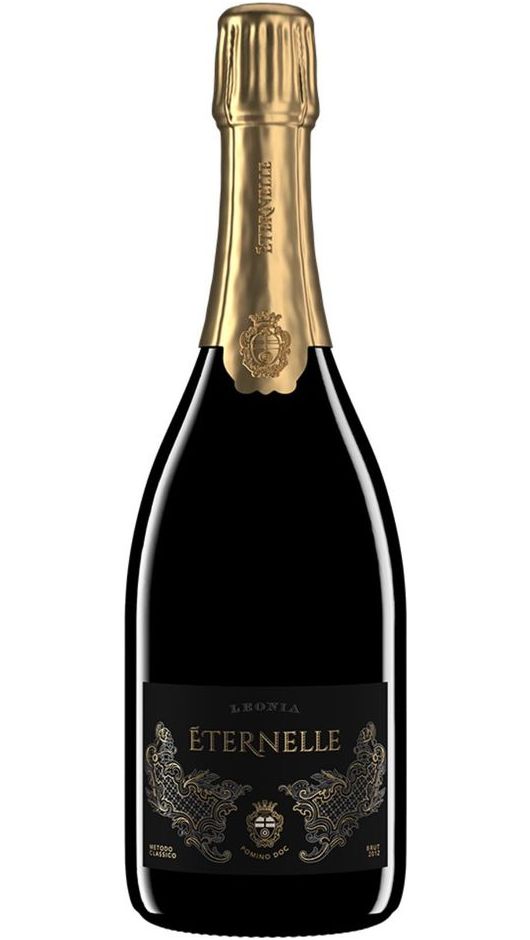
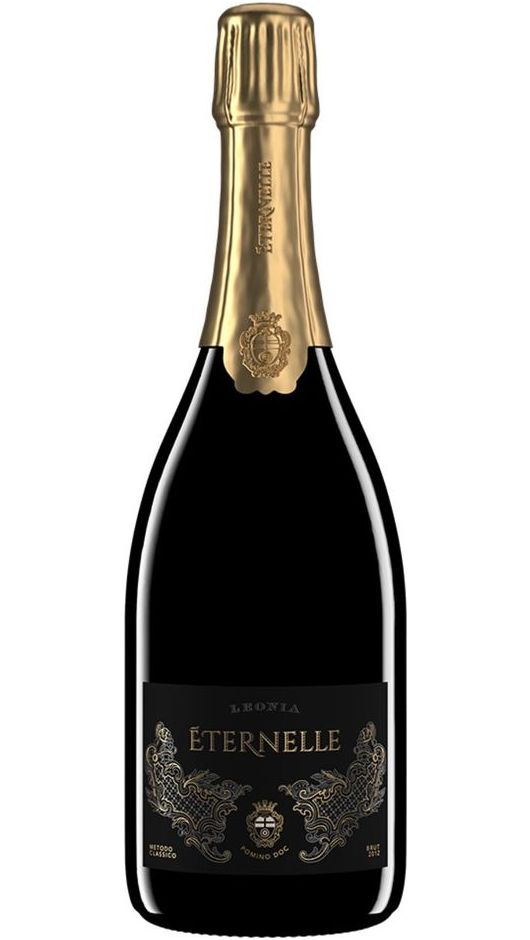
Pomino DOC sparkling wine from Frescobaldi, Chardonnay using the classic method aged at least 24 months on lees, to be served chilled with fish and aperitifs
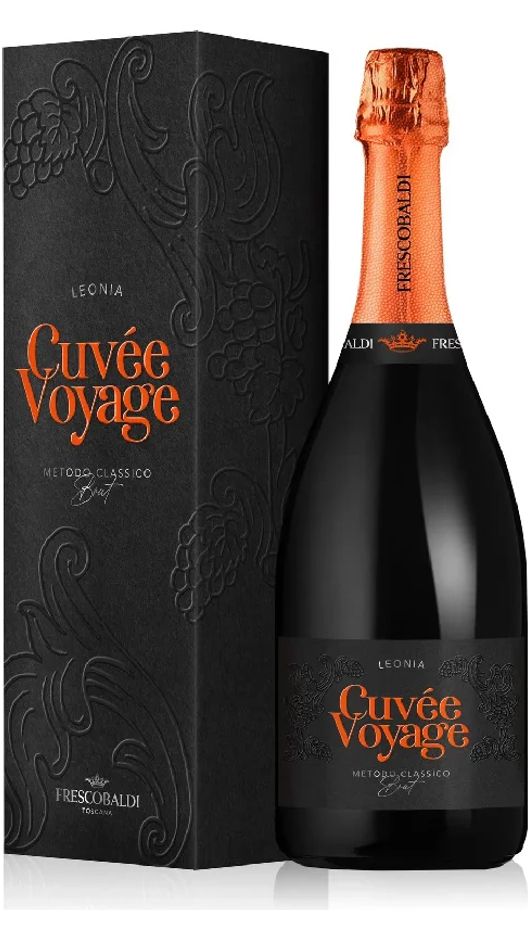
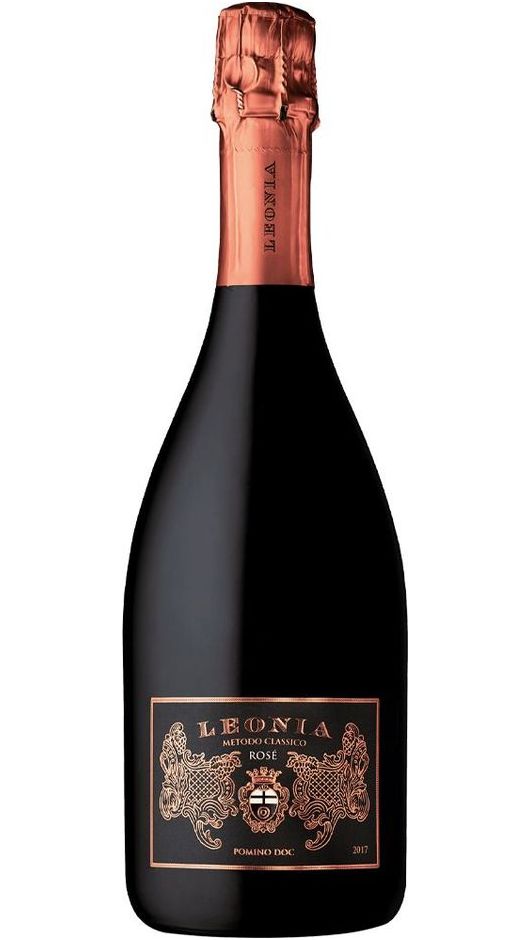
Leonia Pomino Rosé from Frescobaldi, sparkling rosé DOC from Pomino made from Sangiovese, Pinot Nero and Chardonnay, refined for 40 months on lees using the Charmat method
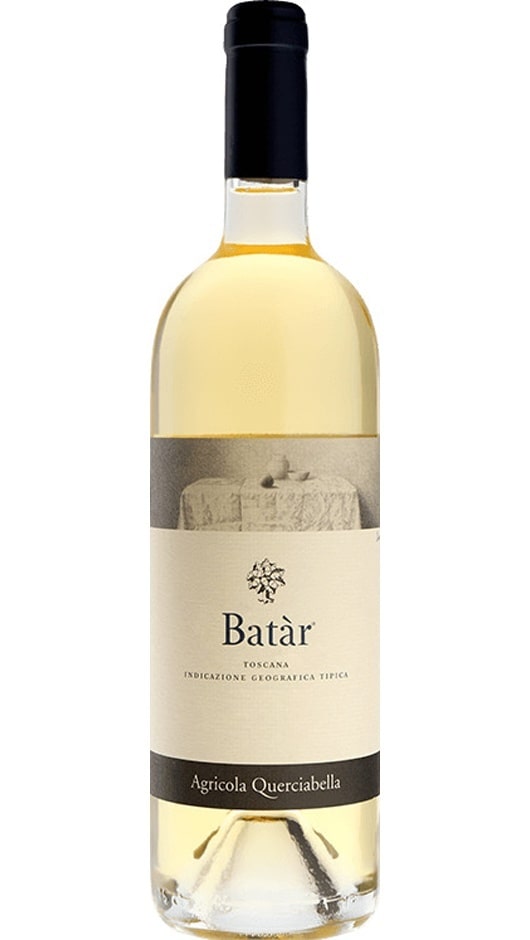
White IGT from Querciabella at Greve in Chianti, a Chardonnay-Pinot Bianco blend fermented in steel and refined in barrels, rated 90 by James Suckling and Wine Spectator
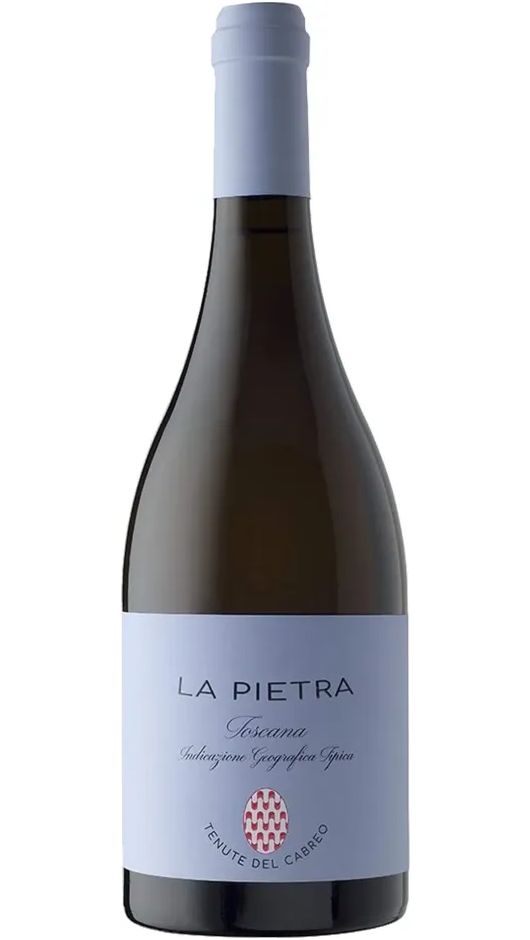
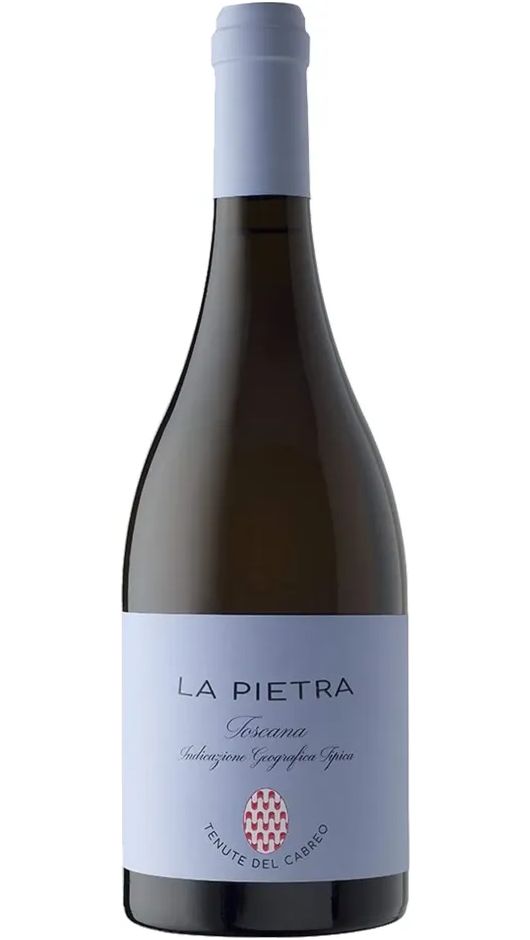
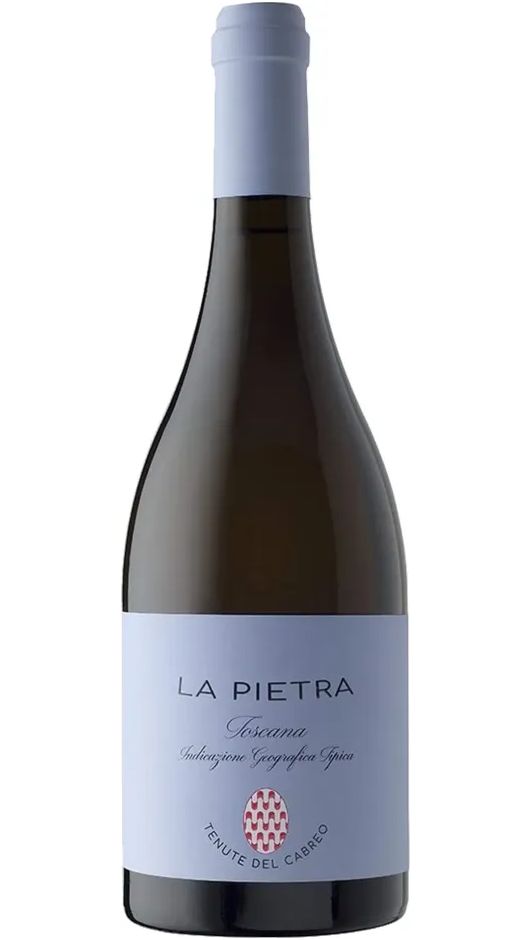
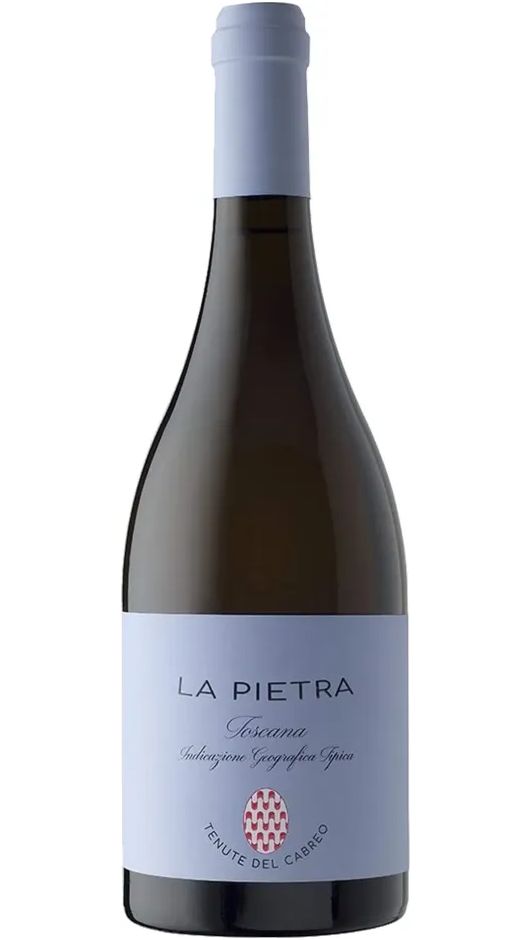
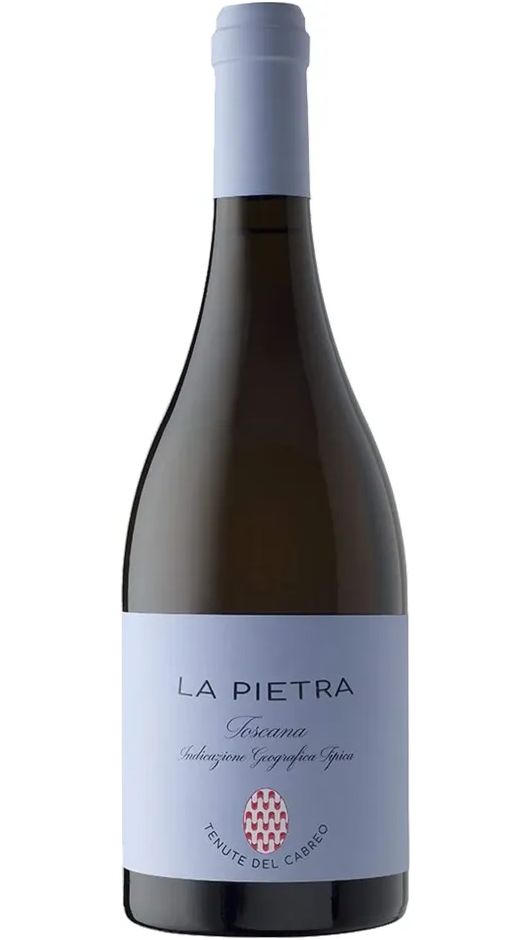
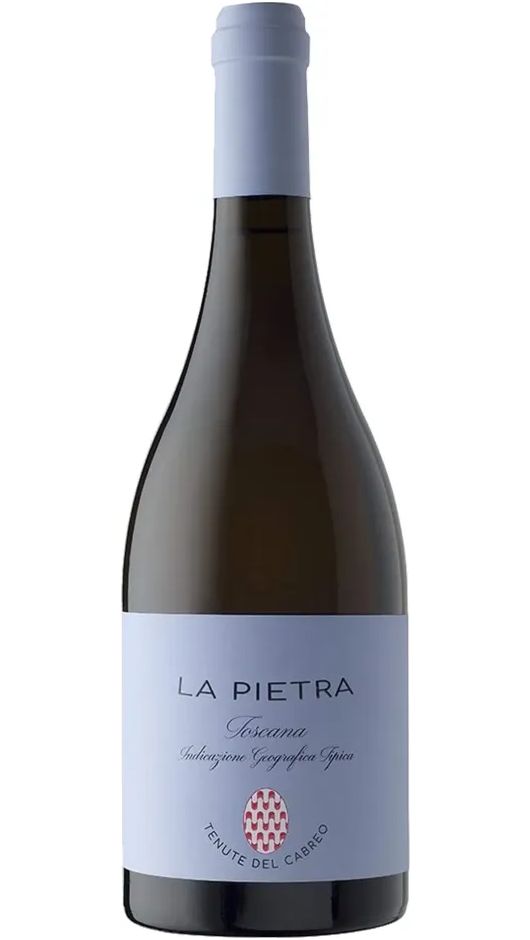
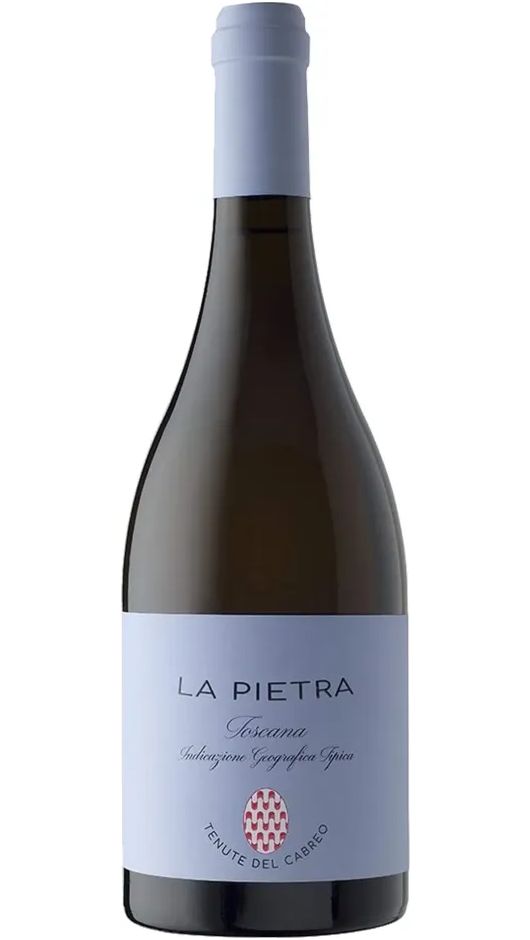
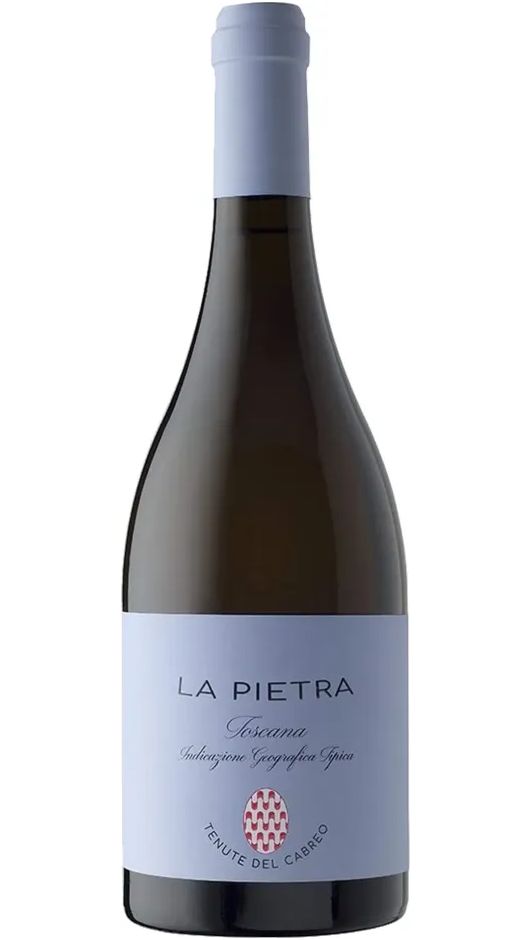
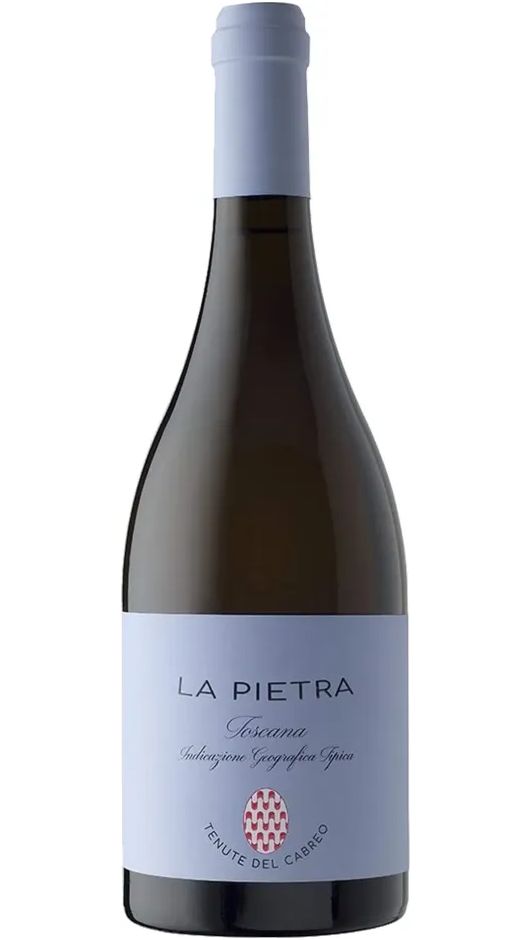
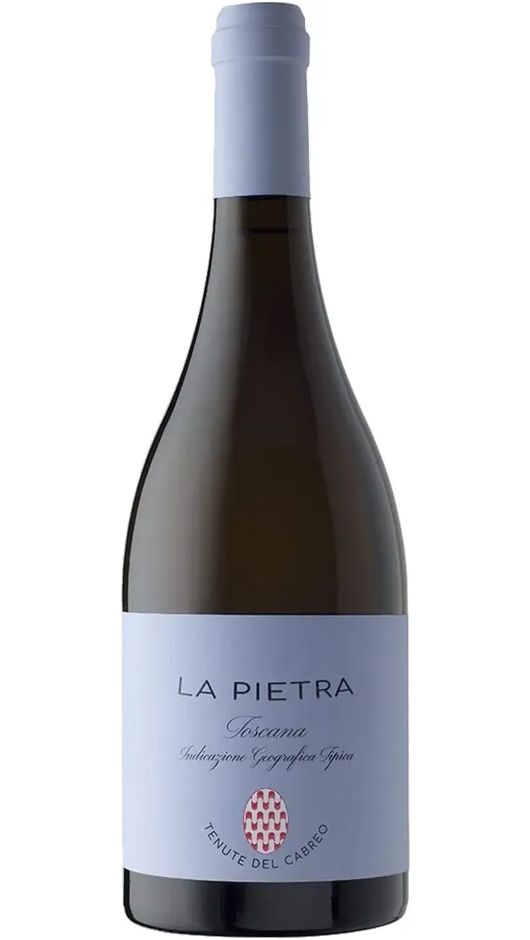
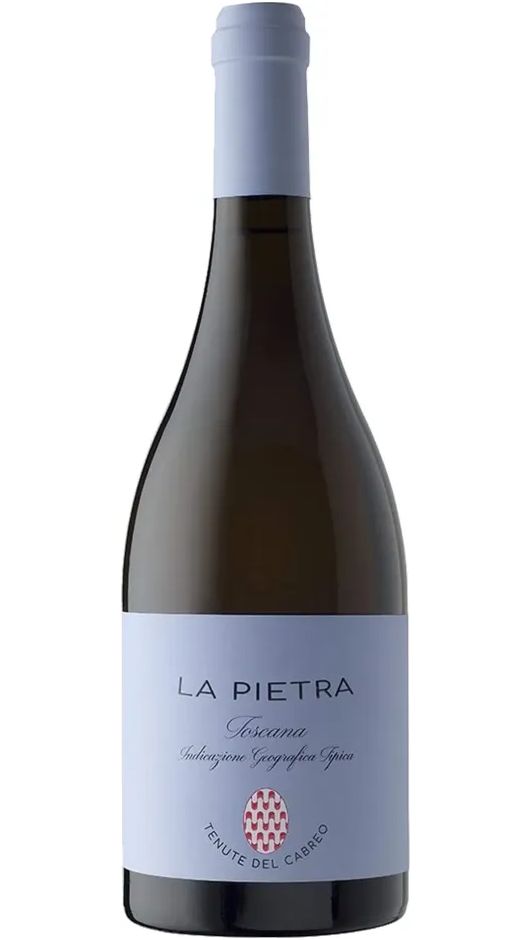
Tuscan Chardonnay from the 2005 vintage produced by Folonari at Tenute del Cabreo, in Greve in Chianti, with approximately 24 months of aging in barrel
Chardonnay I.G.T. Toscana from the 1988 vintage signed Folonari, from the Colline di Panzano in Chianti, with 24 months in barrel and an evolved profile of citrus and herbs
Tuscan Chardonnay from the 1994 vintage produced by Folonari at Tenute del Cabreo, in Panzano in Chianti, with 12 months of barrel aging and an evolved aromatic profile
100% Chardonnay from the 1995 vintage from the Colli di Panzano in Chianti, aged 12 months in barrels then 6 months in bottle, with an evolved profile of chamomile, honey and citrus
Tuscan Chardonnay from the 2006 vintage by Folonari, produced in Panzano in Chianti on the lands of the Tenuta Casa di Sala, with approximately 24 months of aging in cask
Classement par note Toscane Cachée (fiche technique, avis de la presse et rapport qualité-prix). Prix relevé chez le vendeur, à vérifier au moment de la commande ; les liens sont affiliés.
L'abus d'alcool est dangereux pour la santé, à consommer avec modération. Vente interdite aux mineurs.
Pour une bouteille de Morellino di Scansano de 75 cl, compte environ 8 à 17 € en magasin ou chez un producteur ; une Riserva coûte souvent davantage, autour de 12 à 25 €,…
Les vins les plus typiques de la Maremme toscane sont le Morellino di Scansano, rouge à base de sangiovese, et les blancs de Vermentino et d’Ansonica. Le Morellino est une DOCG élaborée avec au…
Le marché hebdomadaire de San Vincenzo a lieu le samedi matin, généralement de 8 h à 13 h, sur la piazza Giovanni XXIII. Arrive plutôt avant la fin de matinée : les étals commencent…
Le Vermentino est un cépage blanc méditerranéen, et le nom du vin élaboré à partir de ce raisin. On le trouve notamment en Maremme, dans le sud de la Toscane, ainsi qu’en Sardaigne et…
Pour goûter les vins les plus typiques de la Maremme, commence par le Morellino di Scansano DOCG, puis compare-le à un Montecucco Sangiovese DOCG et à un Vermentino de la Maremma Toscana DOC. Il…
Winedering est une plateforme de réservation : tu compares des dégustations proposées par des domaines en Toscane, puis tu choisis une expérience, une date et le nombre de participants. Les offres peuvent inclure seulement…
In Tuscany, Chardonnay changes face with the landscape: in Maremma, in the province of Grosseto, it grows both on the inland hills and in a region stretching from the slopes of Monte Amiata to the Tyrrhenian coast. The grape variety, of Burgundian origin, appreciates clay-limestone slopes and cool, ventilated sites. Here, it rubs shoulders with the white grape varieties of local tradition. The Bianco di Pitigliano DOC, for example, is not necessarily a pure Chardonnay: its specifications require at least 40 % Trebbiano toscano and allow Chardonnay among the other grape varieties. Bottles labeled Chardonnay Toscana IGT offer, for their part, a more direct indication of the grape variety. ([consorziovinimaremma.it]
In this selection, the thread of Chardonnay also links the hills of Chianti and Montalcino to the Maremma coast, far from the sole register of Tuscan reds. At the table, try it with crustaceans, a seafood risotto or grilled fish; a more evolved version also accompanies white meats and aged cheeses. To combine tasting and strolling, the vie cave of Pitigliano can be reached in about twenty minutes on foot from the historic center: in strong heat, set out early and plan on good shoes for the paths carved into the tuff. ([consorziovinimaremma.it]
Filtres
Trier par
Color
Zone viticole
Prix de la bouteille
Grape variety
Origin
Style
Vintage
Estate
Bouteille ou coffret
Réserver sur
Note Toscane Cachée
Notre note sur 10 est volontairement exigeante : les coups de cœur sont les 10 % les mieux notés du hub.
We use cookies to measure audience and, if you accept, for our partners' content. Learn more









 Bottle of Italy