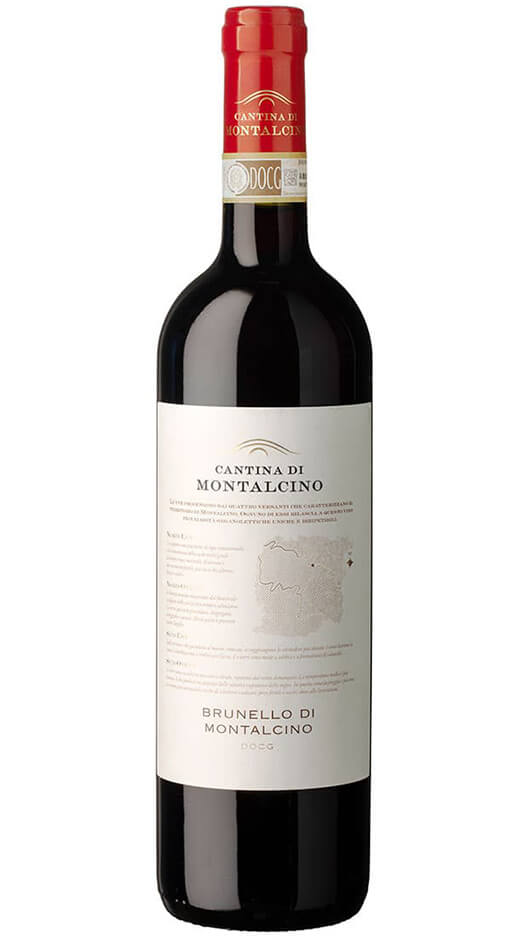
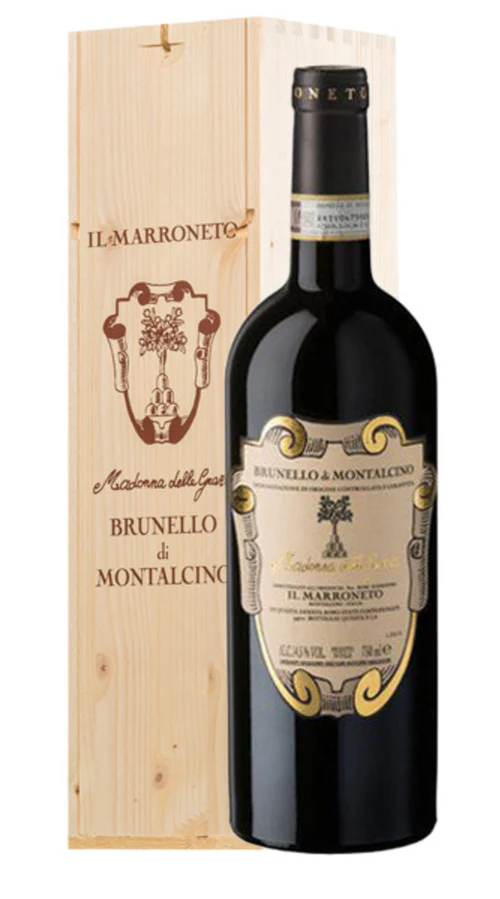
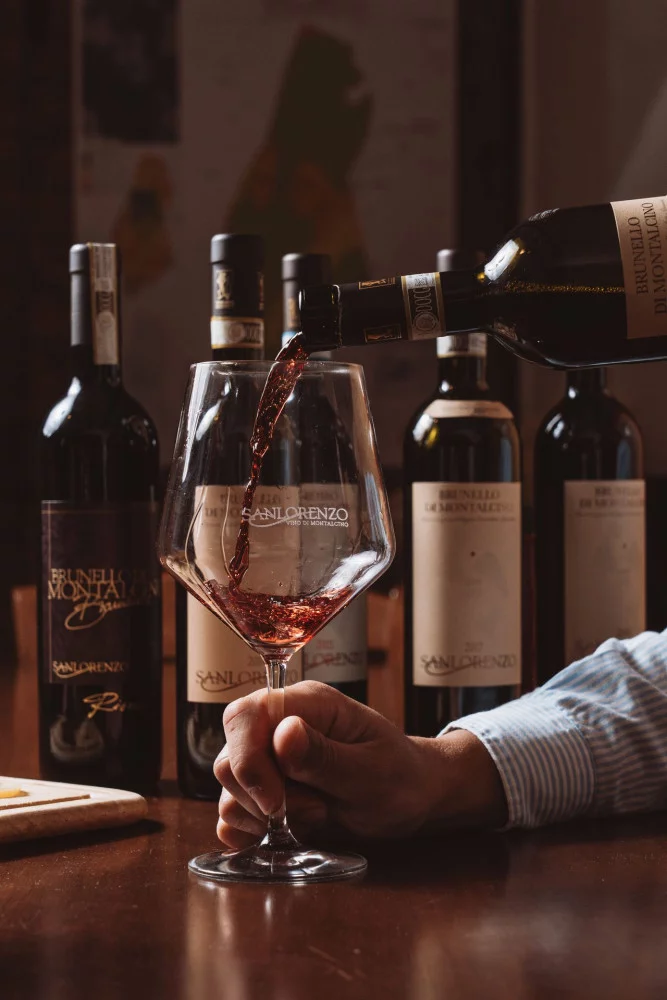
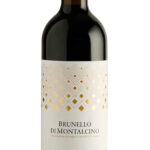
Brunello di Montalcino DOCG 2012 from Cantina di Montalcino, Sangiovese Grosso aged at least five years including two in wood, at €23.06 instead of €26.68
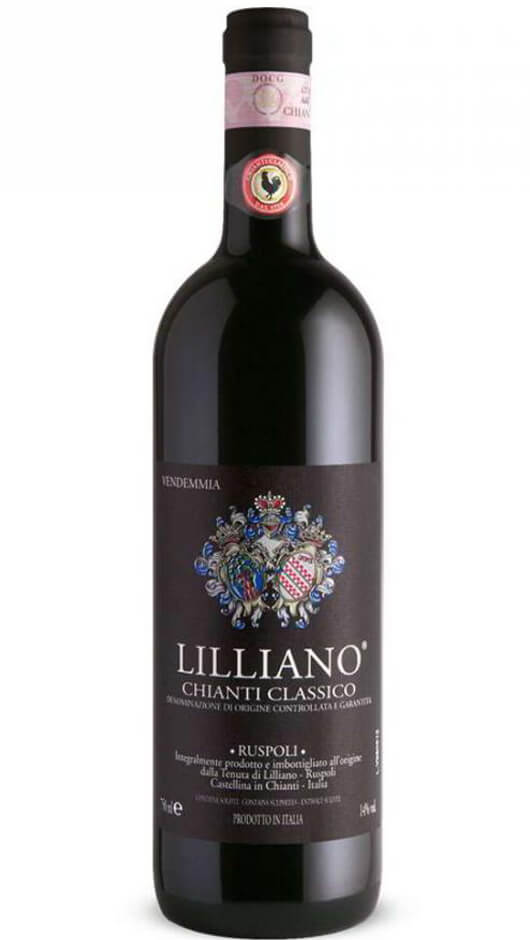
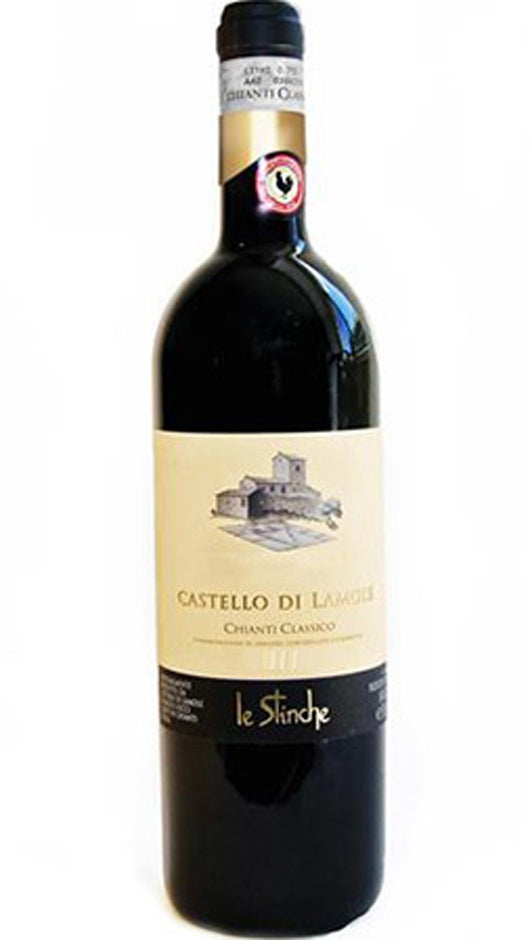
Chianti Classico DOCG from Lilliano, Sangiovese aged at least 12 months, at €18.03 (crossed-out price €20.07), distinguished with 2 Veronelli stars, 3 bicchieri and 4 Bibenda grappoli
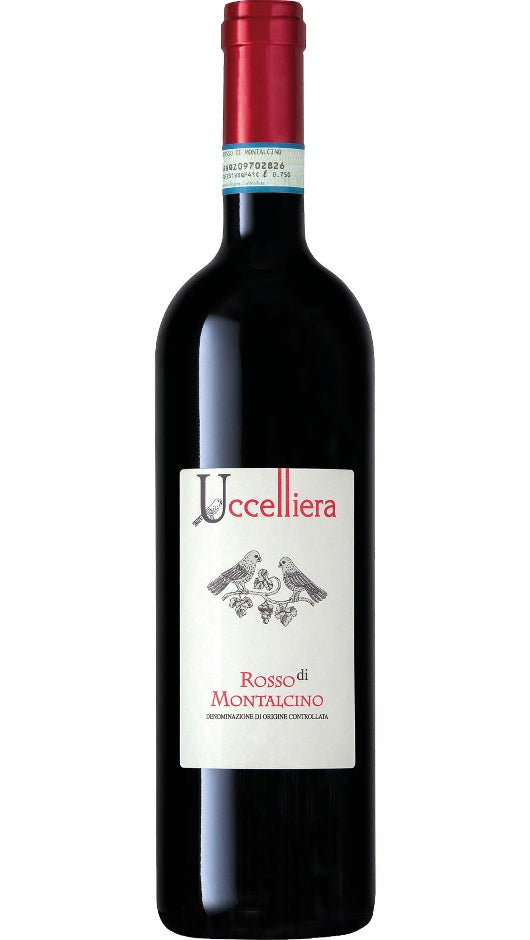
Rosso di Montalcino 2020 from Uccelliera: Sangiovese from Montalcino, fermentation in steel, 12 months of aging and 3 bicchieri, to be served at 16-18 °C
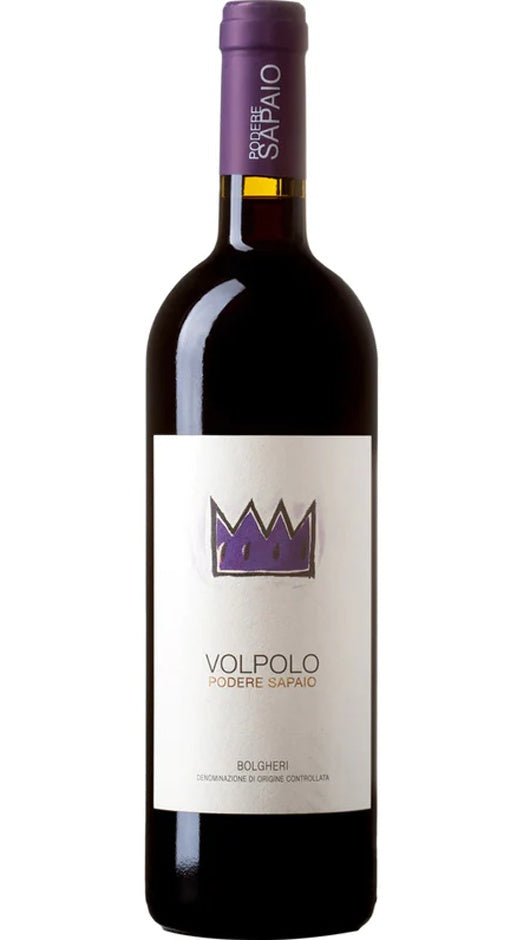
Bolgheri Rosso DOC 2022 from Podere Sapio: Cabernet 70 % blend, Merlot and Petit Verdot 15 %, aged 14 months in French barriques and awarded by several guides (90 points)
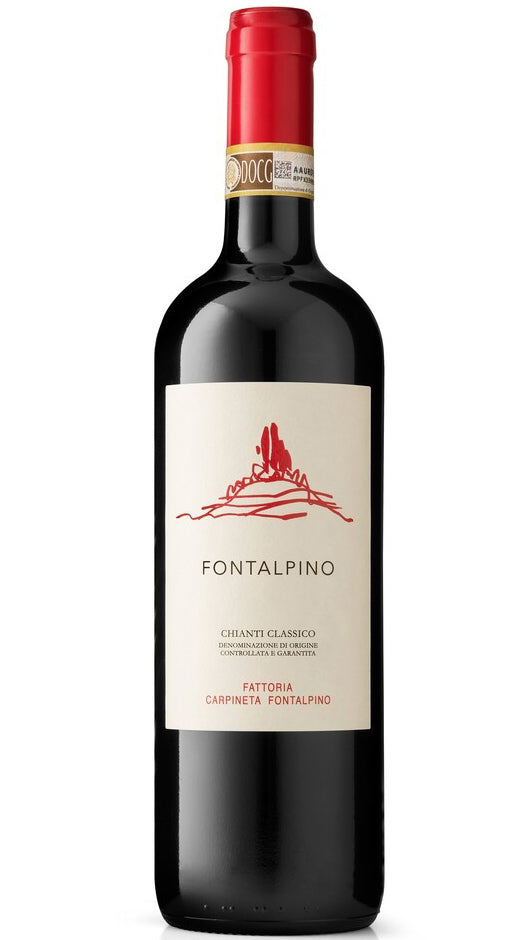
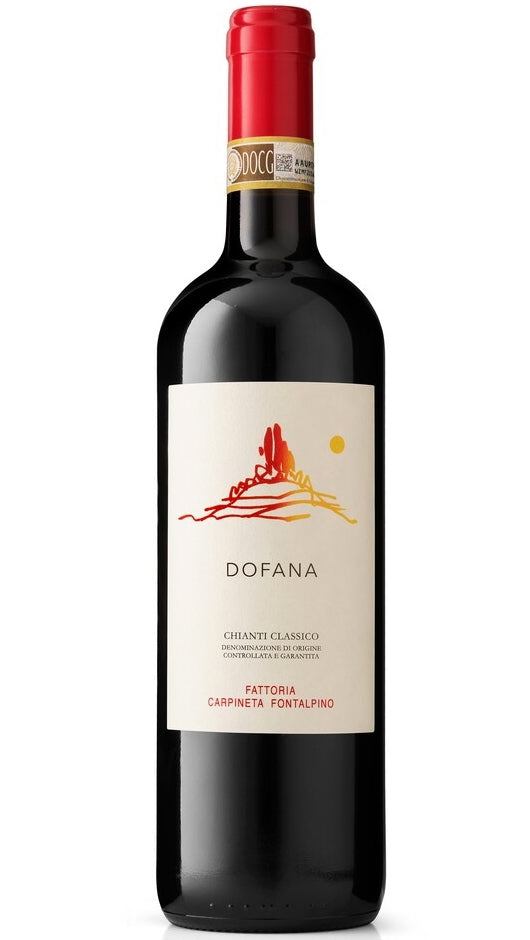
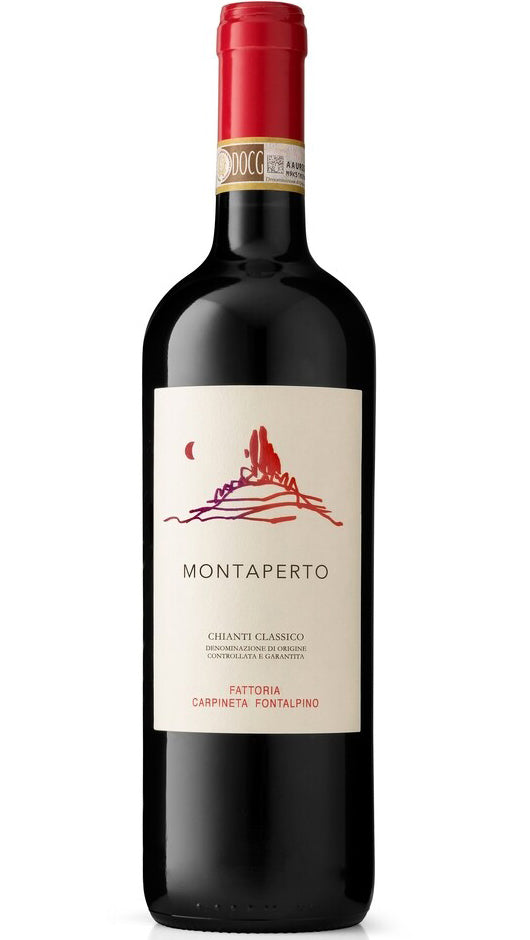
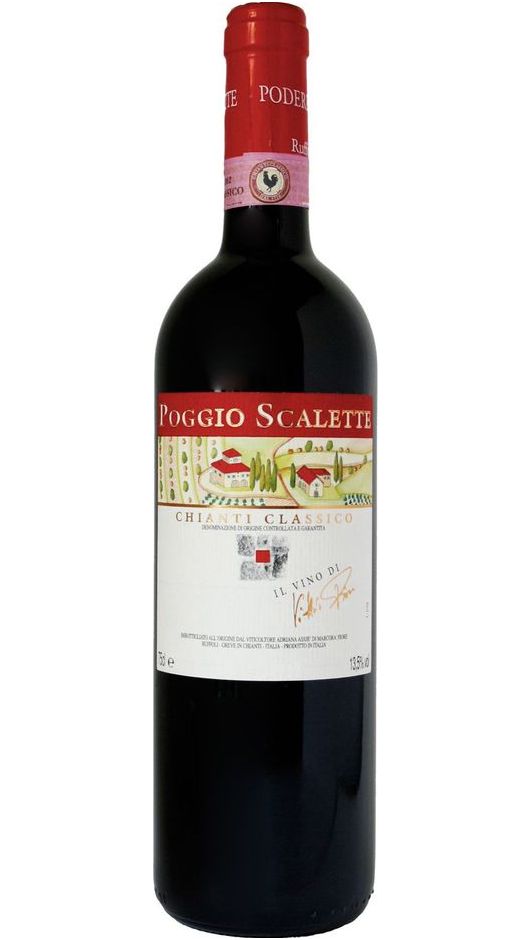
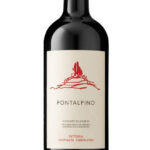
Chianti Classico DOCG 2016 from Carpineta Fontalpino, 100% Sangiovese from a single parcel at Montaperto, organic, aged a minimum of 12 months and rated 90 by two guides
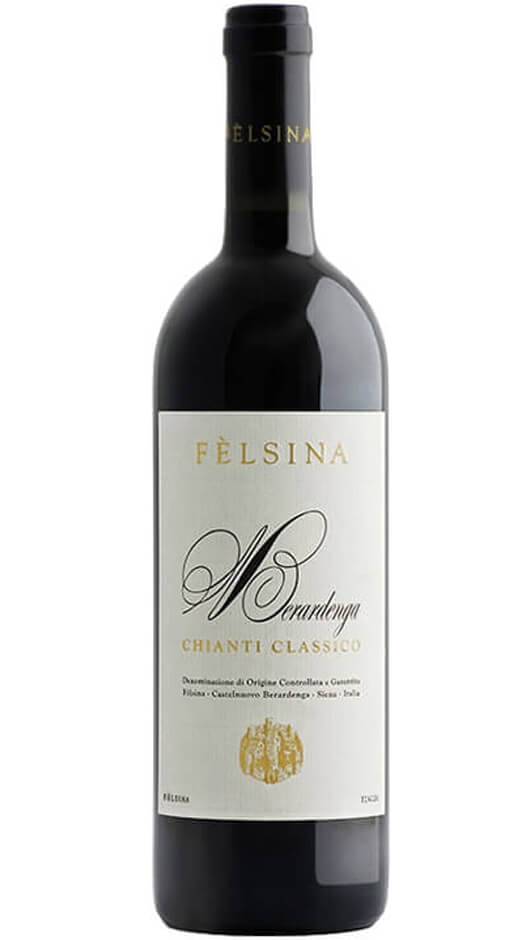
Chianti Classico DOCG from Felsina, in Berardenga, Sangiovese aged 12 months, multi-awarded by Veronelli, Bibenda, AIS and three international magazines
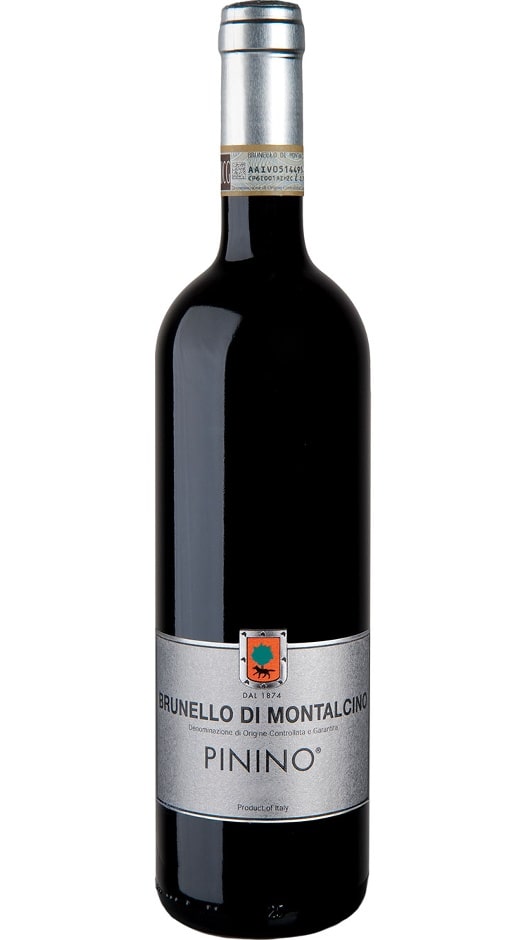
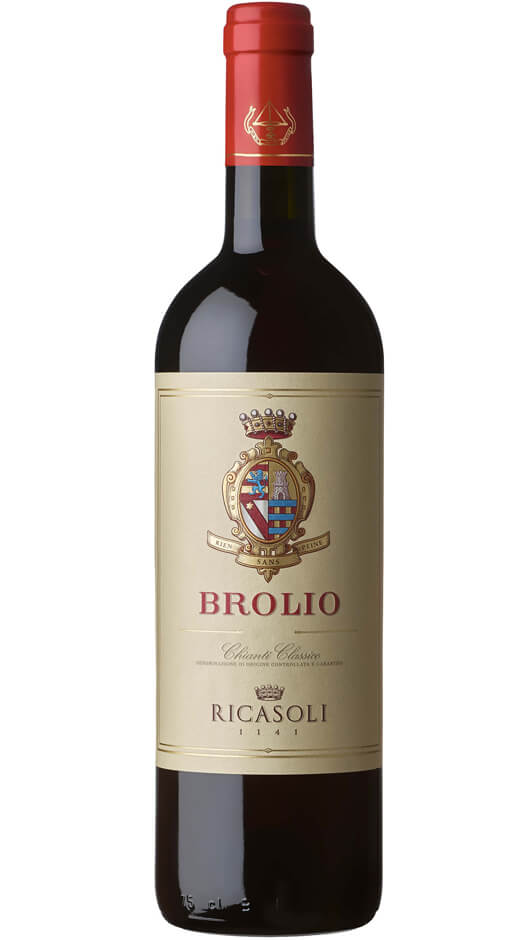
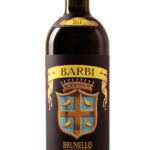
Brunello di Montalcino 2019 from Pinino, Sangiovese Grosso, fermentation in steel and aging of at least 5 years, at €29.90: precise appellation, fruity and spicy profile
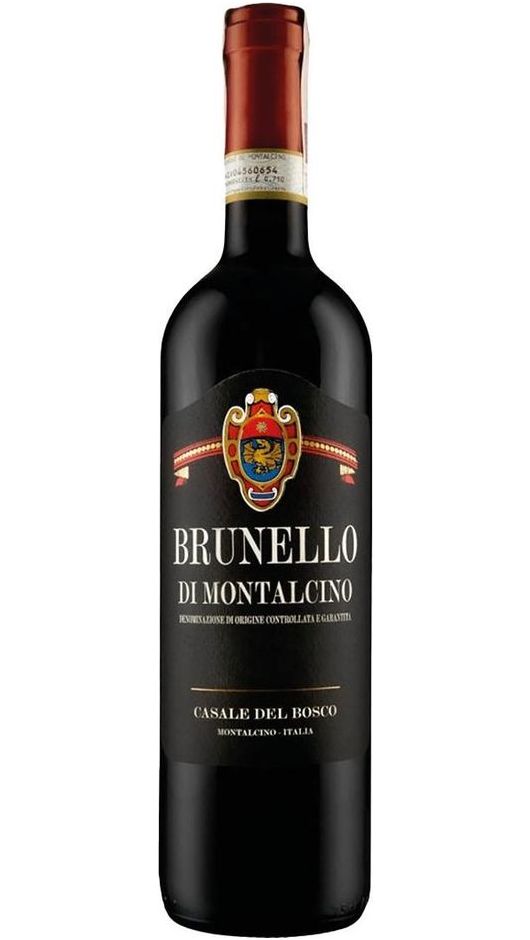
This Brunello di Montalcino DOCG 2019 from the Casale del Bosco estate is a Sangiovese Grosso aged twelve months in barriques then twelve in large casks
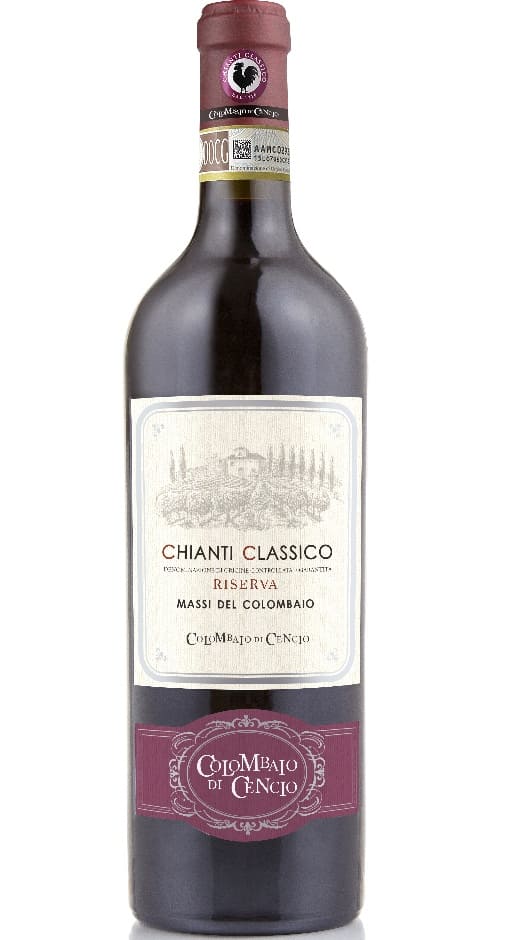
Chianti Classico DOCG Riserva 2020 from Colombaio di Cencio: Sangiovese fermented in steel, aged at least 24 months, to be served at 16-18 °C with red meats and game
Ranked by Toscane Cachée rating (technical sheet, press reviews and value for money). Price noted at the seller, to be verified at the time of ordering; links are affiliate links.
Excessive alcohol consumption is dangerous for your health, please drink in moderation. Sale prohibited to minors.
Explore
All cave à vin pages
Each link leads to a page with its own list, filters and tips.
Guide to Tuscan wines: choosing and tasting by style
Tuscany produces more than 2.6 million hectoliters of wine each year, but most of the bottles you find in supermarkets are just soulless industrial labels. It's frustrating to see enthusiasts pay top price for a generic Chianti when schist and clay terroirs hide characterful gems.
You often end up choosing your bottle at random from the label without understanding what Sangiovese really says. This Tuscan wine guide is here to teach you to decode appellations and to track down authentic bottles, from structured reds to forgotten whites, so that you finally stop drinking hot air.
Sangiovese: why this grape is the only one that really matters
Sangiovese dominates Tuscany with its tannic structure and acidity, ranging from the minerality of Maremma's schists to the power of the clays, thus defining the Brunello and Chianti Classico appellations. It all starts with the rock and soil that forge its character.
The influence of soil: clay, limestone and schist
Clay soils retain water and force a slow maturation. This gives Sangiovese a massive tannic power and density on the palate that you won't find anywhere else.
Clay offers body and power, limestone brings elegance and roundness, while schist guarantees a sharp minerality. Regional typicity depends on this geological puzzle.
Limestone favors elegance and delicacy of aromas. Clay, on the other hand, builds full-bodied wines. Your selection should respecter cette typicité régionale to avoid standardized juices.
Climate: between sea breeze and Apennine coolness
The Mediterranean breeze regulates summer temperatures along the coast. This breeze brings a subtle salinity to the grapes and naturally protects the clusters from devastating fungal diseases.
The mountains impose radical temperature contrasts. These cool nights are vital for preserving the natural acidity of the Sangiovese grape, garantissant ainsi son équilibre et sa longévité.
Altitude becomes the ultimate bulwark against climate warming. It's the secret of the most authentic estates that still manage to produce digestible, balanced wines today.
Brunello or Chianti: stop paying for hot air on the label
Après avoir compris la terre, tu dois maintenant learn to decipher what is written on the bottle so you don't go wrong.
Brunello vs Rosso : comprendre ce que tu paies en rayon
Le Brunello impose un vieillissement en fût de 24 mois. Le Rosso sort en un an seulement. Cette attente forge la structure.
Excessive alcohol consumption is dangerous for health, drink in moderation.
Super-Tuscans and forgotten whites: luxury away from the crowd
If the classic appellations seem too rigid to you, know that there are a fascinating world off the beaten path.
The Super-Tuscan revolt: when going off-piste becomes cult
In the 70s, rebellious winemakers shook everything up. They planted Cabernet Sauvignon against the obtuse rules. These pioneers thus broke the codes of the traditional DOC.
IGT Bolgheri wines now dominate the global prestige market. These are exceptional bottles, often sold at premium prices. Look carefully which Maremma wine to buy? so you don't go wrong.
Careful, these powerful reds require serious decanting. Aeration is vital so that they finally open up.
Vernaccia and Aleatico: the whites and sweet wines the guides forget
Vernaccia di San Gimignano is a historic white with a strong character. Its lingering bitterness is its signature. It's the first Italian wine to earn the DOC.
Aleatico Passito from Elba is a rare and enchanting red nectar. Its notes of rose and candied red fruits are unique. The grapes dry in the sun on traditional racks.
The coastal grape varieties deserve your full attention to break out of all-red.
Grape variety
Style
Region
Perfect pairing
Vernaccia
Dry, fresh, almond
San Gimignano
Grilled fish
Vermentino
Fresh and saline
Tuscan coast
Marine aperitif
Ansonica
Structured and dry
Maremma / Giglio
Local antipasti
Aleatico
Sweet, red fruits
Island of Elba
Dark chocolate
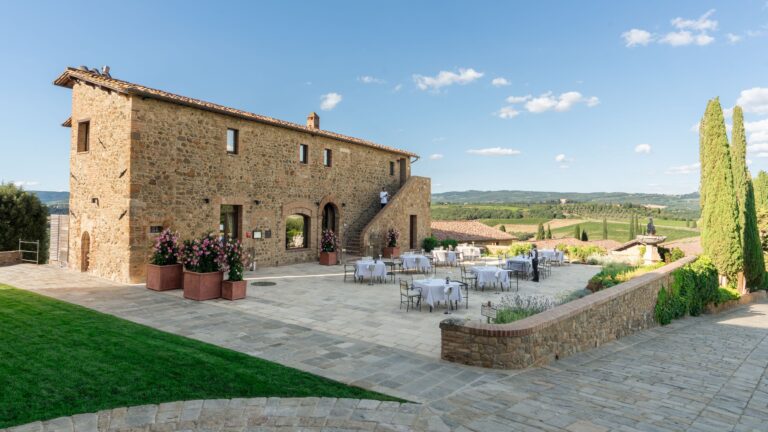
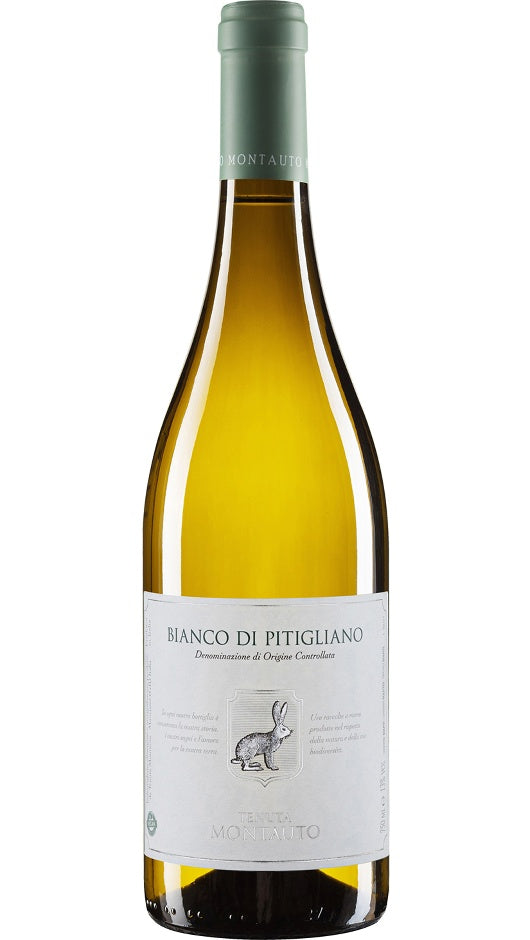
Wine tastingsVisiting a winery in MaremmaMorellino, Vermentino, Bianco di Pitigliano: estate visits and tastings at the producer's.232 tastingsSee the tastings →Excessive alcohol consumption is dangerous for health, drink in moderation.
Drinking and eating: the real pairings that aren't on Instagram
Having a good bottle is one thing, knowing how to serve it and pair it is another to truly enjoy it.
Temperature and oxygen: don't ruin your glass
Set your temperature limits carefully. A red served too hot quickly becomes boozy. It then loses all its initial aromatic freshness.
Uncorking your bottle in advance is not enough. Air exchange in the neck is nearly zero. Your Tuscan bottle has needs more.
Favor decanting for your closed vintages. Use this technique sparingly. You release the complex aromas without tiring your wine.
Sandro's opinion
Avoid high temperatures so you don't burn the aromas. Simply uncorking the bottle is useless for oxygenation; opt for a decanter for closed wines.
Wild pairings: what to drink with a wild boar ragù
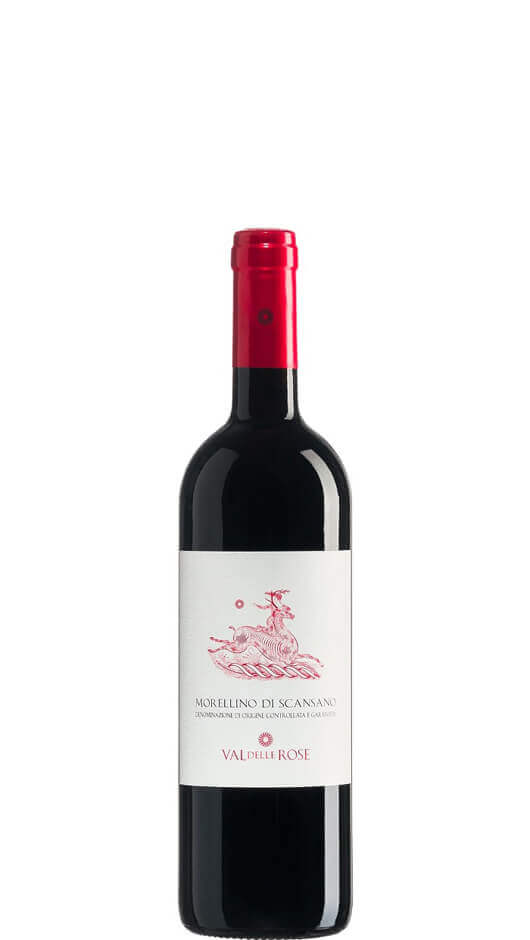
Pair your game with a Morellino di Scansano. Its robust structure absorbs the shock. It stands up to the power of the local wild boar ragù.
Pair your aged pecorinos with evolved reds. The richness of the cheese is demanding. It requires mellowed tannins for balance on the palate.
To enhance the truffle, forget wines that are too oaky. Here are the best options for your guide Maremma gastronomy :
Fresh pasta and white truffle.
Structured white wine.
Light red wine such as a Rosso.
Mastering this Tuscan wine guide means understanding that Sangiovese sets the rules between schist and clay. Don't let marketing fool you anymore: choose the power of a Brunello for your cellar or the freshness of a Rosso for your next ragù. Grab your bottles now before the Maremma gems become inaccessible. Become the sole master of your glass.
Frequently Asked Questions
You should especially examine each listing separately. The platform acts as an intermediary: it connects you with an owner or a renter, but it is with that person that you sign. Conditions, boat condition, options, and payment terms can therefore vary from one rental to another. A good experience on one listing does not guarantee that all others offer the same service. Before booking, check who your contact will be, what is included in the price, and what you will have to pay as an extra.
Also look at the number of reviews associated with the boat, not just the platform’s overall rating. A rating based on two or three comments gives little indication; read recent feedback and look for concrete details about the welcome, boat condition, departure briefing, and any fees. For a trip from Porto Ercole, also ask where boarding takes place, what time you need to arrive, and whether the itinerary actually includes a stop on land. Finally, read the cancellation policy and the amount of the deposit before paying. Reliability is judged listing by listing, by comparing written terms and total cost, not just by the platform’s name or an average rating.
For a short trip near the coast, a rental without a skipper can work if the offered boat is indeed accessible without a license and if you are comfortable handling it. In the listings shown, the first prices indicated are €180 per day for a Sessa Key Largo 18 and €208 per day for a Just Silk Panama 18. These amounts are starting prices: they do not necessarily tell you what you will pay in total. Before booking, confirm the allowed navigation limits, the handover conditions, and the experience required by the owner.
For swimming in a cove in Argentario, paying for a skipper is not necessarily useful if you prefer to drive and your plan remains coastal. However, do not choose a boat just because it is advertised without a license: ask how far you can go, which areas are excluded, and how fuel is billed. The deposit may also be blocked on your bank card, depending on the listing. If your goal is only to swim, compare the time spent on board, the total cost, and options accessible from the shore. To find other cove ideas, you can check this secret cove in Argentario, keeping in mind that a boat trip is not always necessary to enjoy the coast.
The examples of trips with a skipper departing from Argentario show different starting prices depending on duration, itinerary, and boat capacity. A trip from Porto Ercole to Giglio or Giannutri lasts about 7 h 30, accommodates up to 12 people, and starts at €1,290. A day around Giglio lasts 8 hours, can accommodate up to 9 people, and starts at €998. A discovery of Giannutri also lasts 8 hours, accommodates up to 12 people, and starts at €1,300. These are displayed starting prices: ask what is included for the specific listing you are considering.
The skipper takes the helm, which allows you to enjoy the day without driving. The average rate indicated for him is about €153 per day, in addition to the rental, to be paid on the day of the trip; however, check whether this amount is already included in the offer you are interested in. Before paying, also ask whether fuel, any fees, and stops are included. Above all, clarify whether the itinerary includes disembarking on the island or only a stop at sea: it is not the same experience. Compare useful time ashore, number of passengers, and total price, then choose a trip that truly matches your desire to visit the island rather than simply see it from the boat.
The displayed price is not necessarily the final amount to plan for. Before booking, add at least the rental rate, the service fees indicated in the listing, fuel, and any options. Fuel may be billed separately, and its calculation depends on the terms set by the owner or renter. So ask how it will be assessed and when you will need to pay it. If you take a skipper, also check his rate: the average amount indicated is €153 per day, in addition to the rental, with payment expected on the day of the trip, unless the listing states otherwise.
The deposit deserves special attention. For a rental from a private individual, it may be blocked via a bank pre-authorization, and its amount varies by listing. Even if this amount is not necessarily charged, it can temporarily reduce the available limit on your card. Also ask about the cost of full insurance if it is offered as a daily option, as well as the terms applicable in case of damage. The simplest thing is to request a written summary of the total and any blocked amounts before paying. To also plan for onshore expenses during your stay, you can check this meal budget reference in Maremma. Only confirm the reservation once the price, fees, fuel, and deposit all suit you.
Before choosing an excursion to Giannutri, first verify that the itinerary actually includes disembarkation. A trip that only circles the island or stops at sea does not necessarily allow you to set foot on land. Ask the owner or organizer how much time is planned on the island, where the boat docks, and whether disembarkation is included in the program. Disembarkation is indicated at €2.50. On site, the trail between Cala Maestra and Cala Spalmatoio is freely accessible; for other trails, you need to plan for an environmental guide. Include these rules and fees in your plan rather than discovering them once you arrive.
You also need to account for marine restrictions: in marine zone 1, access, navigation, swimming, and anchoring are prohibited. So ask in advance which part of the island the trip covers and where you will actually be able to swim. Regarding the license, the article’s information indicates that it is mandatory beyond 6 nautical miles from the coast, regardless of the boat’s power; within that distance, it becomes mandatory from 30 kW, i.e., 40.8 hp. For an excursion to an island, the skipper option avoids you having to take the helm. Still confirm the itinerary, navigation conditions, and disembarkation directly before paying, because practical details depend on the chosen listing.
Do not assume that all rentals have the same cancellation policy. Each listing depends on the terms set by the owner or renter, with whom the contract is made. So read the rule applicable to the specific trip you are booking before paying, and ask for written confirmation if a point is unclear. In particular, check until when you can cancel, what happens if you change the date, and what amounts may be withheld. A condition shown on another listing does not automatically apply to yours.
For a trip of one day or less canceled due to an official weather bulletin, the article indicates that the price paid by the renter is refunded within 15 days. For other situations, you must follow the owner’s cancellation rule and submit the request in writing. Keep the exchanges and the booking summary: they will allow you to find the agreed terms if the weather changes or if you need to modify your plan. Before confirming, also check the deposit, fees, and the policy regarding options, so you can distinguish what is refunded from the amount that might remain due. If you are hesitating between several listings, choose the one with clearly stated terms and a contact who responds precisely to your questions. This precaution is especially useful for an excursion to Giglio or Giannutri, where the weather and the day’s organization matter a lot.
Discover my winedering review of Maremma Tuscany: book your organic tastings at Mambrini or…
Questions fréquentes
Your questions about Tuscan wines
Réponses tirées de notre base de 1,202 vins, chiffres mis à jour chaque jour.
Which Tuscan wine should you choose for good value for money?
For good value for money, I recommend you look at the Chianti Classico and the Morellino di Scansano (Maremma). Chianti Classico is very well represented, with bottles from €7 and a median around €46, while the Maremma remains much more accessible, with a median of €18 for bottles from €7. For your first search, start with the Chianti Classico, then compare with la Maremme.
What makes the difference is above all the vintage and the designation. A Chianti Classico with a good score is not necessarily the most expensive: sorting our list by score will help you more than price alone. Morellino di Scansano offers a more supple, fruitier Sangiovese profile, very approachable for everyday drinking.
An honest caveat: these medians vary with the season and the vintages available, so treat them as ballpark figures and check the price at the time of your purchase.
The least expensive areas are Chianti, San Gimignano & Val d'Elsa, Colli Senesi & Crete and Maremma & Montecucco, with medians around €10 to €18, compared with €68 in Montalcino. To find these bottles, filter by Chianti ou par Maremma & Montecucco and first look at the Sangiovese reds under €15.
The price depends above all on the reputation of the appellation: in Montalcino, Brunello sells high because it requires several years of aging, whereas a young Morellino di Scansano can be found from €7. A very well-rated listing such as the Morellino di Scansano DOCG illustrates this good value for money well.
Keep in mind that these medians are ballpark figures, which vary with the season and the vintage. A low price is no guarantee of quality: always compare the score and the producer before choosing.
What is the difference between a Brunello di Montalcino and a Rosso di Montalcino?
The Brunello di Montalcino is the summit of the appellation: it is a Sangiovese aged for a long time, more expensive and worth waiting for, while the Rosso di Montalcino is drinkable earlier, at a gentler price. On our list, the median for Montalcino is €68 versus an overall median of €41, and the area counts 319 listings, many of them Brunello to see in the Montalcino filter.
To choose, first look at the name on the label: "Brunello" implies mandatory aging, so a more concentrated and more expensive wine, whereas "Rosso" is a more supple wine, ideal for a meal within three years. If your budget is tight, a recent-vintage Brunello like the one on sheet F8 can already offer a lot for its price. If you want a wine to keep, favor older vintages, but expect a considerably higher budget.
An honest caveat: prices vary with the season and the vintage, so take our figures as ballpark amounts and always check against the wine shop's label.
What budget should you plan for a quality Tuscan wine bottle?
For a good Tuscan bottle, expect on average between €19 and €41, with a range of €15 to €30 as a solid entry point. Across the whole catalogue, a quarter of listings stay under €19 and half under €41, while a quarter exceed €95. These are ballpark figures: prices move with the season and the vintage.
The budget depends above all on the appellation. In the Maremma & Montecuccothe median drops to €18, whereas the Montalcino hover around €68. For serious value for money, the Morellino di Scansano at €8 is a good example.
An honest caveat: a high score does not guarantee a low price, and some big names far exceed the median. Set your ceiling before filtering, then compare vintages.
Which white or rosé Tuscan wines should you try in the Maremma this summer?
This summer, in the Maremma, turn to the Vermentino it holds around 16 € the bottle at the median, with dry, fresh fruitiness that drinks well on a terrace. For a fuller white, look at the Malvasia (median 27 €) and the Trebbiano (median 25 €), two Tuscan grape varieties that are more discreet but often interesting. The Vermentino from the selection and the list of blancs allow you to quickly compare.
For rosés, count from 9 € with a median around 25 €, which makes them a light option when it is hot. The simplest is to filter by rosé then compare the grape variety and the year. Know, however, that the offer of whites and rosés remains much more limited than that of reds: on the site, 125 whites and 30 rosés against 1,033 reds.
Which Chianti Classico should you choose to avoid industrial versions?
To avoid industrial versions, looks for well-rated artisanal producers : the Chianti Classico from Fattoria Carpineta Fontalpino (score 8.0/10, from 17 €) and the one from Fontodi (score 8.0/10, from 31 €) are among the best-rated addresses in the area. Look for the mention "organic farming" and the vintage, which say a lot about how the grape was grown and vinified.
In the Chianti Classico area of the catalog, the median price is 46 €, which gives an idea of the starting level. A low price is not necessarily a sign of industrial quality, but a very cheap bottle in this appellation deserves a careful look at the estate. You can browse the Chianti Classico selection and filter by estate or by budget.
Do the soils of Maremma really change the taste of Sangiovese?
No, not demonstrable with our data: soil cannot be isolated from the rest. What the list clearly shows is the price gap. The median Sangiovese is at 38 €, whereas Maremma wines show a median of 18 €. More affordable, then, but this measures price, not the effect of terroir on taste.
To judge the soil rather than the wallet, compare two bottles of Sangiovese of the same vintage and same price range, one from Maremma, the other from another area. Look at the estate, the age of the vines and the winemaking method, which often weigh more heavily. You can start with the filter Wines of Maremma.
An honest limitation: our selection does not allow us to conclude on the influence of soil alone. If you want concrete benchmarks, the Morellino di Scansano is a good entry-level option in the area.
Which vintages should you favor for a Tuscan wine to drink right now?
To drink a Tuscan wine right now, favor the vintages 2022 à 2024 the median price for these years lies between 16 € and 26 €, whereas 2017 and earlier climb to a median of 90 €. These recent vintages are ready to drink, without waiting years for aging, and their price remains much more accessible.
Honest caveat: the price varies by season and wine shop, and the scores reflect an analysis of perceived quality, not a tasting by the editorial team. Check the vintage on the label before buying.









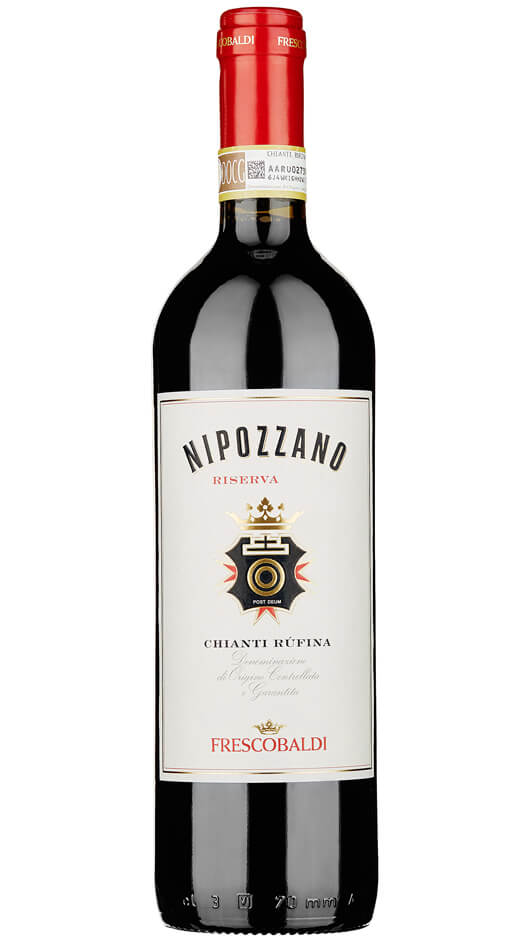
 Bottle of Italy