Sagra / Festival
The place
Come for the Focarazza in November: a unique fire ritual, somewhere between sacred and secular, that is really worth the detour up Monte Amiata.
👥 Who it's for: A curious traveler interested in rural traditions and inland Tuscany, ready to come in November for the fire festival.
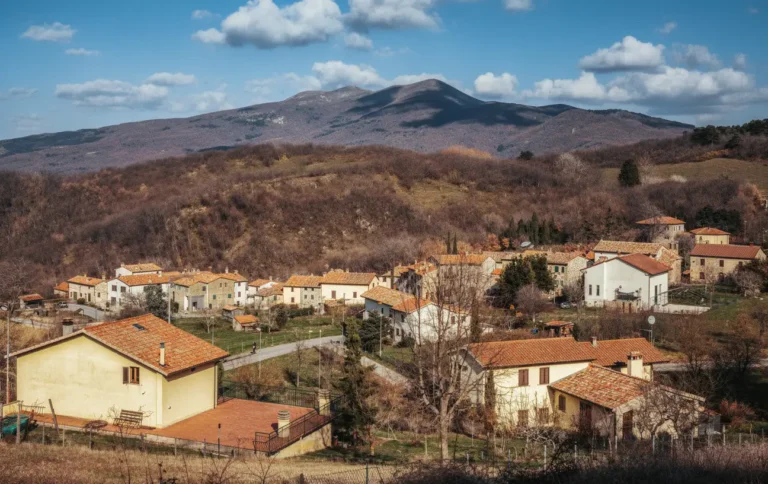
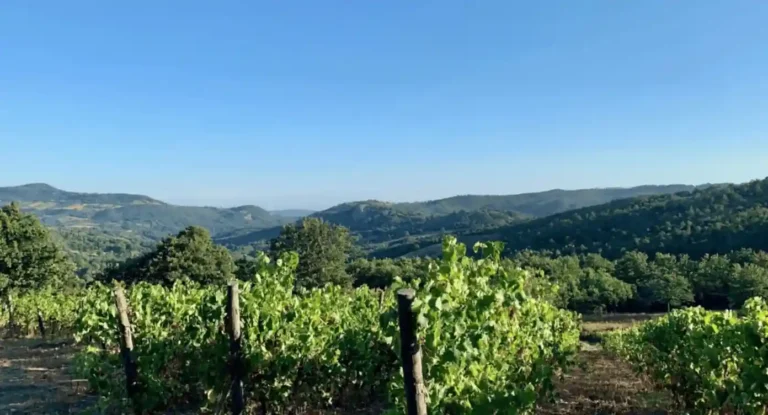
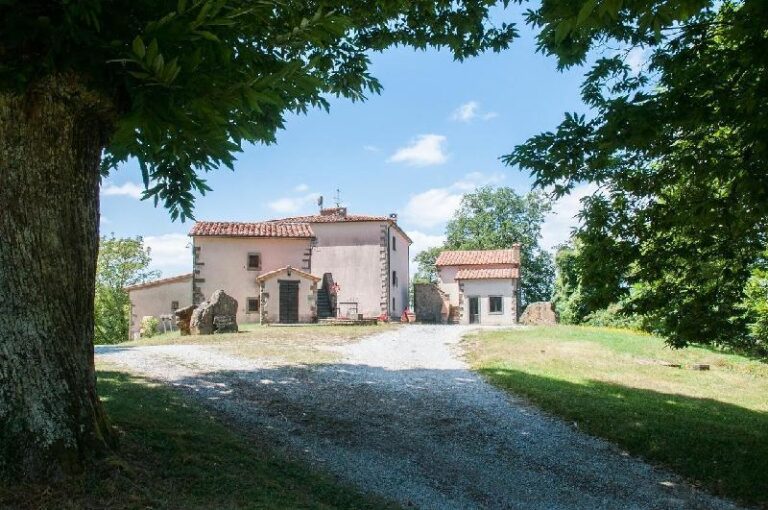
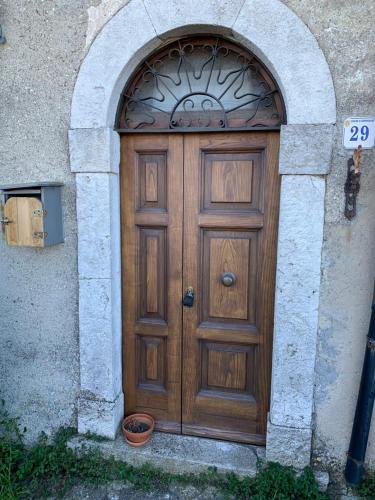
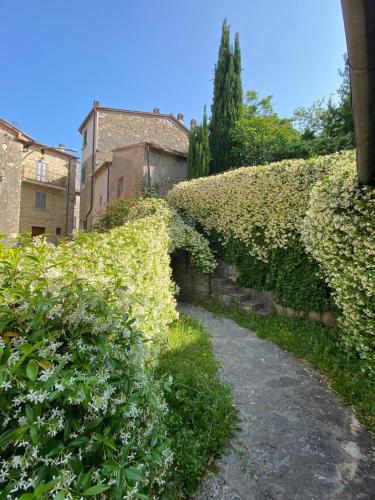
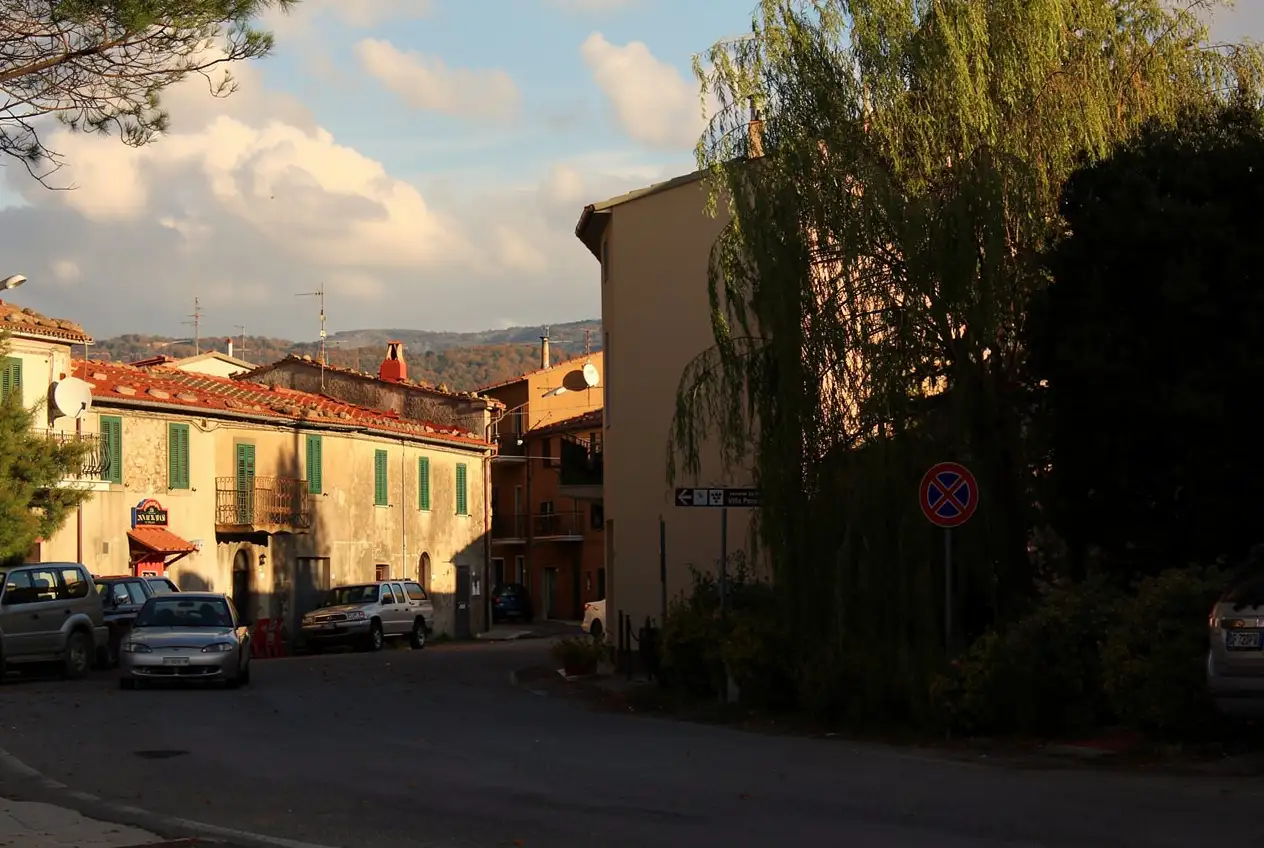
Don't look here for a tight-knit village gathered around a square, with a bell tower standing out above the rooftops. Santa Caterina is a frazione of Roccalbegna, a cluster of small neighborhoods, houses and former hamlets stretched across the hills between the Albegna and Ombrone valleys. People come less to tick off monuments than to taste an inland, rural Tuscany, where place names still tell the story of family ties, work and landscape. A small geographic note: despite the label "Etruscan Coast," Santa Caterina belongs to the inland hinterland of the Maremma grossetana and of the Amiata Maremma grossetana and of the Amiata — the sea is far away, the hills are very close. To better orient yourself in the region, you can consult our presentation of Arcidosso, another village on Monte Amiata.
The first mentions of Santa Caterina date back to 1594, according to local sources. The village developed near the chapel of Santa Caterina delle Ruote, then into several clusters: Il Cecio, La Croce and Il Pilocco are among the oldest; Case Saloni, Case Galli, La Pianona and others bear the names of families or features of the landscape. The result is a scattered settlement, best explored slowly: a few stone houses, side paths, and views that open up between the buildings and the hills. Here, the sense of authenticity also comes from this absence of a centralized showpiece.
Its history is closely tied to that of its patron saint. The chapel, familiarly called la Chiesina, is the oldest place of worship in the area. Dates vary depending on the sources: the diocese traces it back to 1495, while the town links it to an episode from 1555 and places it in the middle of the 16e th century. According to this account, the people of Roccalbegna resisted the French army allied with the Sienese on November 25. A small country chapel, a tale of war and popular devotion: layers of memory overlap without turning the hamlet into an open-air museum.
If you could only choose one date, it would be the evening of 24 November, the eve of the feast of Saint Catherine of Alexandria. Santa Caterina then celebrates the Focarazza, a great bonfire of wood at the center of which stands the stollo...a long oak trunk. After the blessing and the lighting of the bonfire, the flames die down; the men from the different neighborhoods then try to seize the trunk and bring it back to their contrada. The competition, also called the Palio dello Stollo, ends when the trunk is placed on a house in the winning neighborhood. It is not a costumed reenactment: it is a spectacular community ritual that brings together the different cores of Santa Caterina around the fire. To learn more about the tradition, read our page dedicated to the Focarazza.
To attend, bring very warm clothing and suitable shoes: the festival takes place outdoors, in the darkness of November, and the waiting is part of the experience. Pay attention to the instructions of the locals and keep your distance from the fire and the trunk. The celebration is rooted in local life; it is better to watch with respect than to push forward to get as close as possible for a photo.
The Museo della Focarazza extends the discovery of the village. Housed in a former forge, it gathers objects linked to the gestures of work and home, to the uses of fire, and to the stollo and the festival. There are also traditional children's games and photographs documenting the different stages of the Focarazza. It is a lovely gateway to understanding what unites the residents beyond the single festival evening.
Be aware of the hours, though: the official listings do not indicate regular opening times. Before making the detour, call the 0564 969602 or write to sistemamusealeamiata@cm-amiata.gr.it to check whether it can be opened on request. If no visit is possible, a walk through the hamlets is still a good experience, and you can extend your discovery with the Museo del Paesaggio Medievale of Arcidosso.
Evaluation criteria
Is the map not displaying? See accommodations on Stay22
Map and prices provided by Stay22: Toscane Cachée may receive a commission on bookings.
To read
 Français Français
 Italiano
 English
 Polski
 Português do Brasil
 Nederlands
 Español
 Deutsch