









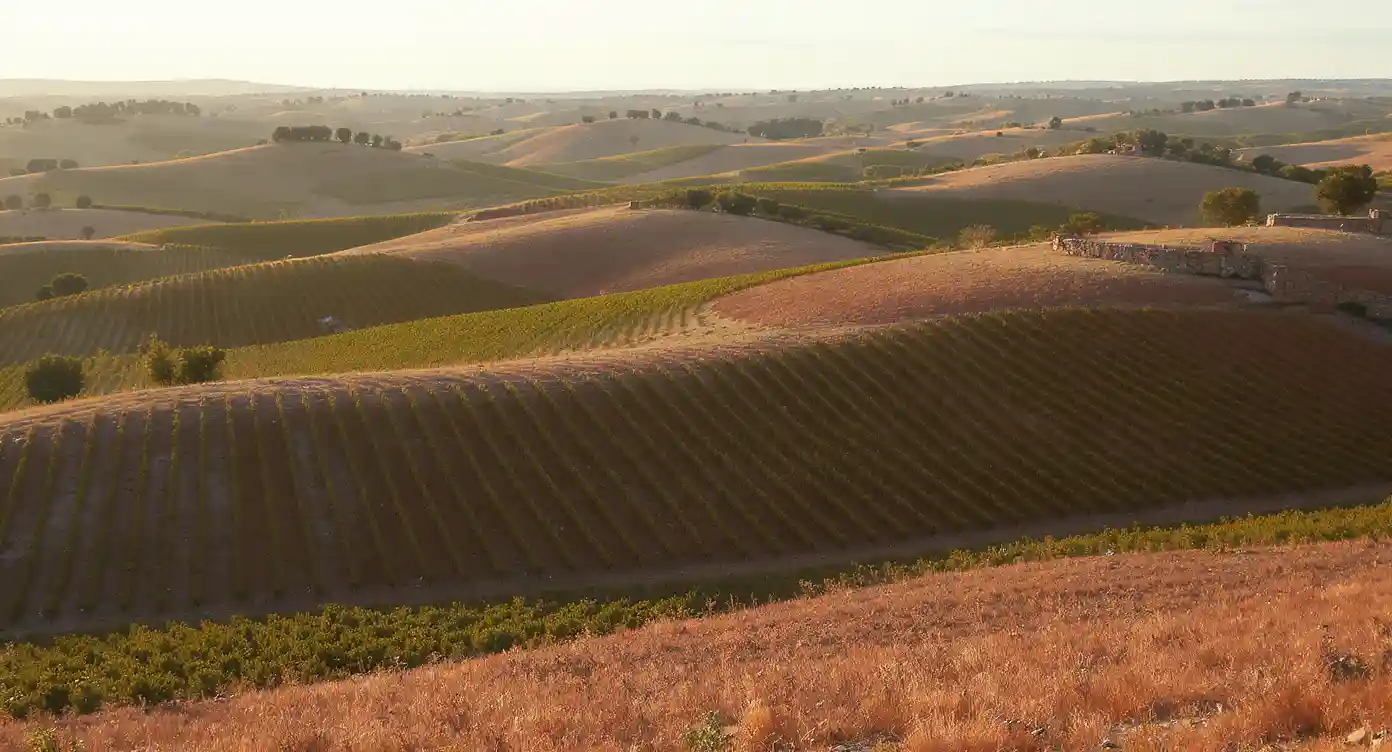
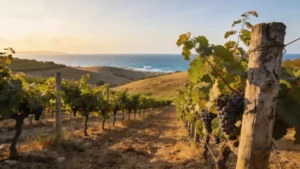
Morellino di Scansano is made on the hills of Grosseto, between the Ombrone and the Albegna, where the local Sangiovese grows in the sun and the sea wind. It is a DOCG red, with at least 85% Sangiovese, and it has nothing to envy in Chianti or Bolgheri. Here is the grid to choose for yourself without getting fooled, then where to taste it.
Morellino di Scansano, a Sangiovese from Maremma
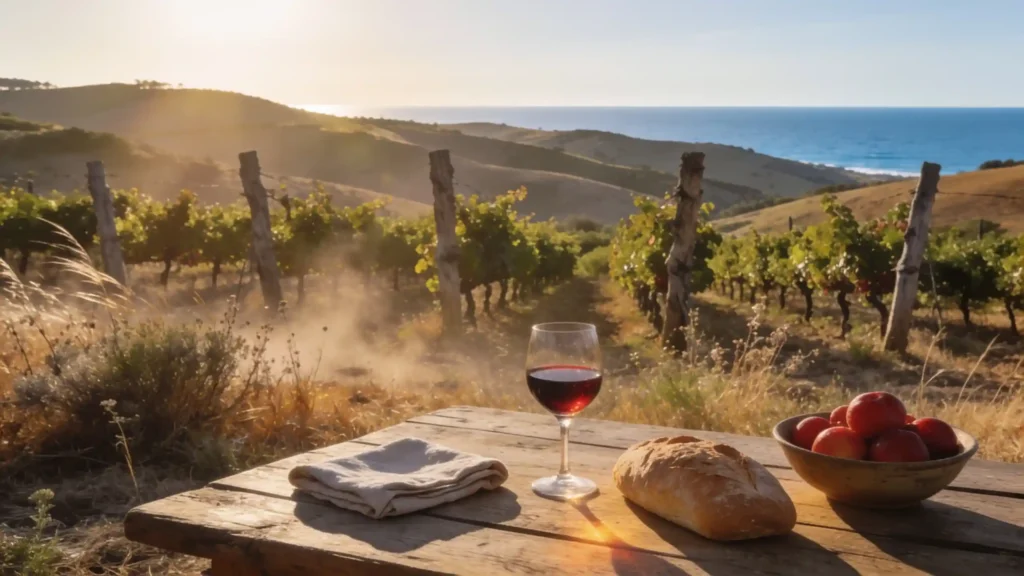
Pour it into the glass and look: clear ruby, without the thinness of a pale wine. The nose speaks of ripe red fruit, warm earth, dry hill herbs. On the palate, it is a Sangiovese that has taken the coastal sun yet keeps its backbone.
The rest comes from other grape varieties of the area. Production extends over the hills of the province of Grosseto, and the municipalities concerned are Scansano, Manciano, Magliano in Toscana, Grosseto, Campagnatico, Semproniano and Roccalbegna. Not on the water's edge, then, but not deep inland either: the sea remains in the landscape, as a backdrop to these Maremma rolling hills.
The appellation has been DOC since 1978. DOCG status applies from the 2007 vintage. This is not a wine of yesterday: harvesting tools have been found at the Etruscan site of Ghiaccio Forte, and Luigi Vannuccini was already writing a monograph on the area's vines in 1887. The vine has always been there. Only the label is recent.
And don't settle for the neighbor. Bolgheri DOC is located in Castagneto Carducci, province of Livorno, very far from the Morellino zone: a different terroir, different grape varieties, a different logic. The Bianco di Pitigliano, for its part, is a white, based mainly on Trebbiano. Excellent with fish, useless if you're looking for a Sangiovese red. Confusing the three means choosing the wrong hill.
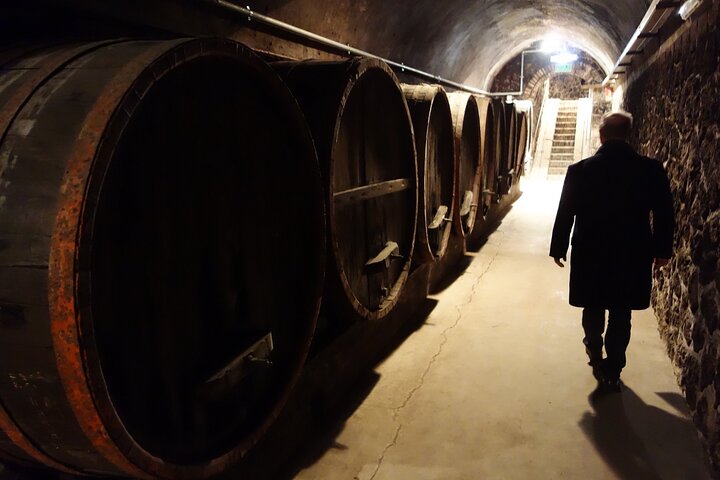
Wine tastings · Scansano
Our favorite tastings around Scansano
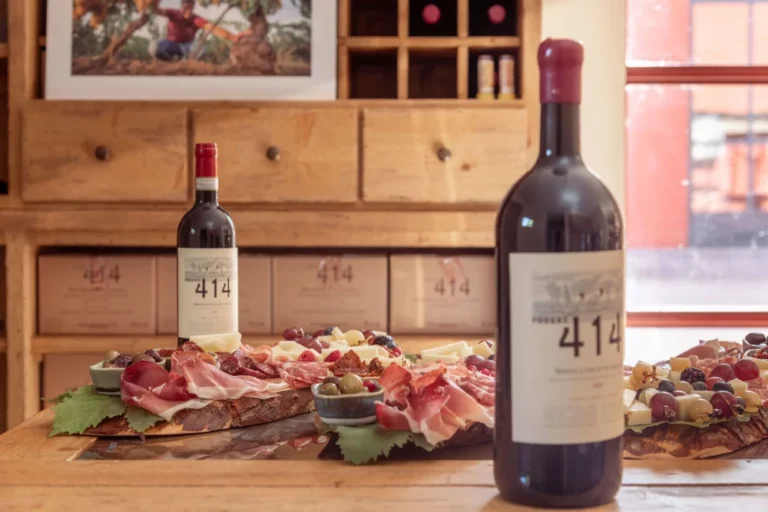
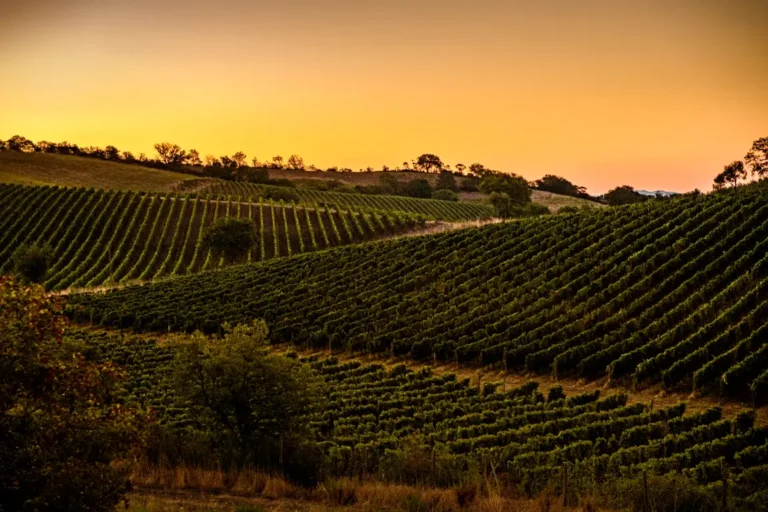
Excessive alcohol consumption is dangerous for health, drink in moderation.
Reading the label: base, Superiore, Riserva
Standing in front of a shelf, forget price as your compass. The hierarchy is read in the yield, the alcohol level, the release date and the time spent in the cellar. These are rules, not marketing.
The specifications were revised in 2026 and have applied in the EU since May 29, 2026. The Riserva must now contain at least 90% Sangiovese. The most ambitious wine is therefore also the purest.
The base: the everyday wine
Yield capped at 9 t/ha, 12% vol. minimum. It is released from March 1 of the year following the harvest. It is young, direct, made for the table. If the winemaker serves it with a pasta dish in ragù, don't make a face: that is its role.
The Superiore: more concentration
Here, the yield drops to 8 t/ha and the alcohol rises to 12.5% vol. minimum. Fewer bunches per vine, so more substance in each. It ages longer: released from January 1 of the second year.
The Riserva: time as an ingredient
Same yield and alcohol level as the Superiore, but it must age at least two years, including one year in wood. Open it and you feel the difference: the fruit softens, the wood rounds the edges without masking the grape.
Last reflex: look for the annata. The harvest year is mandatory on the label. No legible year, you put the bottle back. There is no cheating with a vintage.
Serve it without fuss
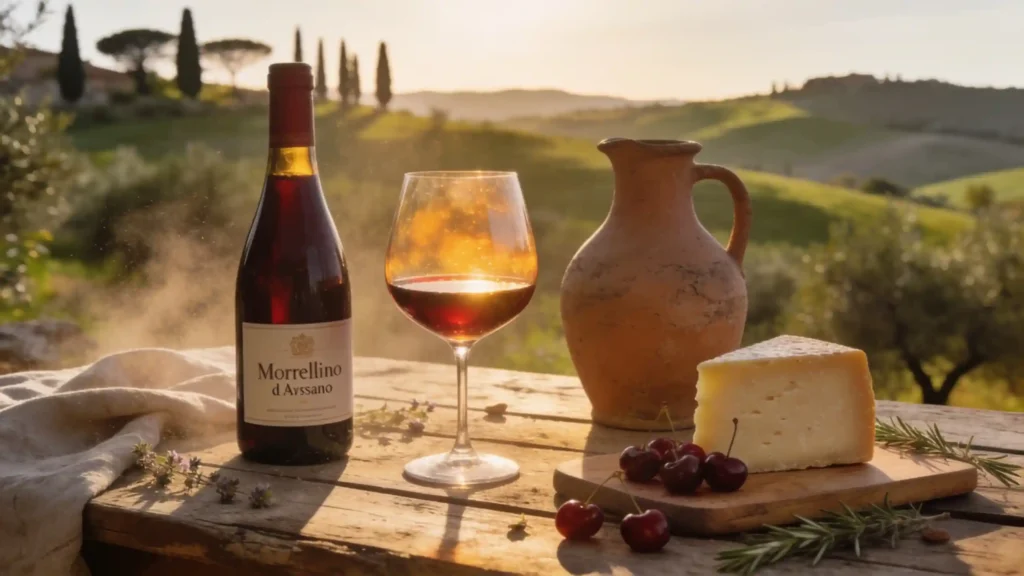
Take the bottle out a quarter of an hour before. A Morellino served too warm turns soft and boozy; too cold, it closes up. Aim for 16 to 18 °C: the glass should feel cool in your palm, not icy.
Take a large glass, not a small bistro balloon. Sangiovese needs air to release the cherry and the herbs. Swirl it, smell it, then drink without solemnity.
At the table, aim for red meats and Maremma cooking: a cinghiale in umido that has simmered for hours, a grill that still smells of wood fire, a slightly dry pecorino. The tannin cuts through the fat, the acidity cleanses. It is simple, direct and wonderfully effective.
Taste it on its home ground
The best lesson in Morellino di Scansano is taken on site, glass in hand, with someone who knows the vineyards around. Start in Scansano. The Festa dell'Uva has been held there since 1969, and you quickly understand that the grape here is not a backdrop but a matter of village life.
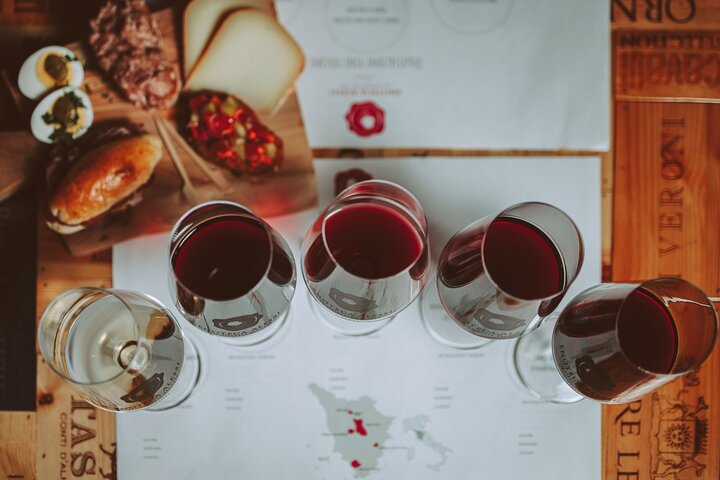
Continue to Magliano in Toscana, where Vinellando 2026 celebrates the Morellino. There, you taste several wines in succession, compare a base and a Superiore within the same hour, and ask your questions of those who make them. This is how you build your own ranking, the only one that matters.
My firm advice: don't start by buying. Start in Scansano, taste, then come back with your opinion.
Start by asking yourself when you want to open the bottle and with what dish, rather than choosing only by price. The basic Morellino is the most direct choice for a convivial meal: it goes well with pasta with ragù, grilled meat, or an informal dinner. According to the article’s guidelines, it can be marketed from March 1 following the harvest. If you want a more concentrated red, compare with a Superiore: its maximum yield is lower, its minimum alcohol level is higher, and its market release begins on January 1 of the second year.
The Riserva is more suitable if you are looking for a wine that has benefited from a longer aging: it must age at least two years, including one year in wood. The modification of the specifications mentioned in the article also provides for at least 90% Sangiovese for this designation. Whatever your choice, check the harvest year on the label and look at the category before comparing prices. To discover your preferred style, ask to taste a base and a Superiore side by side during a tasting in Scansano; this comparison is often more telling than a description or a bottle chosen blindly.
To taste Morellino di Scansano in its context, take the road to the hills rather than looking for a tasting by the sea. The heart of the appellation is in the province of Grosseto, around Scansano, with production municipalities such as Magliano in Toscana, Manciano, Campagnatico, Semproniano and Roccalbegna. From your coastal accommodation, plan time for the inland roads: the hilly landscapes and stops in the villages are part of the outing, and it is better to avoid scheduling several tastings with a rushed return.
A good approach is to start in Scansano, then continue towards Magliano in Toscana. Before leaving, call the wineries you wish to visit to check their schedules, reservation requirements, and the possibility of tasting several cuvées. Do not assume that a cellar receives without an appointment, especially during harvest or holidays. If you are driving, designate a driver who does not taste or arrange a return without a car; the country roads do not lend themselves to an improvised end of day after several glasses. You can also plan a night in a rural accommodation in the area: that turns a simple tasting into an escape in the Maremma, with a local dinner and a more peaceful return trip.
If you are looking for a Sangiovese red wine linked to the hills of Maremma, the name to remember is Morellino di Scansano DOCG. The article states that it contains at least 85% de Sangiovese and is produced in the province of Grosseto, in an area that includes in particular Scansano and Magliano in Toscana. Its profile is presented as that of a red wine with ripe fruit and dried herbs, to be served with rustic cuisine. It is therefore not simply another way of naming all the red wines of southern Tuscany: the provenance and the appellation matter.
Bolgheri DOC refers to another area, around Castagneto Carducci, in the province of Livorno. The article insists that it is another terroir and another production logic; so do not automatically replace one bottle with the other because they both come from Tuscany. Bianco di Pitigliano, for its part, is a white wine, notably made with Trebbiano according to the text provided. It can be a suitable choice if you are planning fish, but it is not the equivalent of a Sangiovese red. At a restaurant or wine shop, specify what you are looking for: a red from the Scansano area, a Bolgheri wine, or a white to accompany a fish dish. These appellations do not refer to the same color or the same origin.
To enjoy the fruit and freshness of Morellino di Scansano, aim for a serving temperature of 16 to 18 °C, as the article advises. If the bottle has been kept in a warm room, place it in a cool place for a while before the meal; if it comes out of a refrigerator, let it warm up a bit. The idea is to avoid both extremes: too warm, the wine can seem heavy and alcoholic; too cold, its aromas may seem closed. You do not need a complicated ritual: open the bottle about a quarter of an hour before serving and choose a glass that is ample enough to let the wine express itself.
At the table, think of the characteristic dishes of Maremma: a cinghiale in umido, that is, stewed wild boar, a grilled meat over wood fire, or an aged pecorino. The fruit and acidity of the wine go well with rich and flavorful dishes, while the tannins accompany meat and cheese. For an agritourism evening, ask if the kitchen offers a local specialty rather than choosing a dish at random: a long-cooked stew is particularly suited to a more structured bottle, while a basic red will suit a simple meal around pasta and cured meats. If you taste several cuvées before dinner, keep a few sips to then compare the styles with the dish, without serving the wine too warm.
No: if you are preparing a stay in autumn 2026, the 2026 edition of 18. Vinellando has already passed. This year’s event was announced in Magliano in Toscana on August 21 and 22, 2026. It is therefore not an activity to book for a trip in November or December. However, you can still organize a tasting in the region by contacting wineries or establishments that welcome visitors, then visit Scansano and the villages of the Grosseto hills at your own pace. Check availability directly before building your itinerary, because hours and reception conditions vary by place and season.
If your trip takes place in summer another year, watch for the announcement of the next edition’s dates before booking your accommodation: wine events can cause high demand in the village and its surroundings. To compare styles, take advantage of a tasting where you can taste several cuvées, for example a base bottle and a Superiore, rather than multiplying tastings without a goal. Also think about the return after the glasses: book a room nearby or plan a driver who does not taste. The best program often remains to combine a visit to Magliano in Toscana with a local meal and a night in a rural accommodation, then spend another day in Scansano.
On the shelf, the practical reflex is to look for the annata, that is, the harvest year, then read the mention on the label: basic Morellino, Superiore or Riserva. The article indicates that the harvest year must be mentioned; if it is not legible, do not rely solely on the name of the appellation or the price. The year helps you understand which vintage the wine comes from, while the category tells you about the style and production requirements. A more expensive bottle is not automatically the one that will best suit your meal or your taste.
For a first tasting, ask the wine merchant for a basic bottle to drink with a simple meal, or compare it with a Superiore if you want a more concentrated red. If you choose a Riserva, check the mention carefully and keep in mind the minimum aging described in the article: two years in total, including one year in wood. The modification presented in the guide also brings the Sangiovese to at least 90% for this category. In Scansano, you can ask these questions directly during a tasting: ask for the same information for each bottle and note the category, the year and what you enjoy in the mouth. This small personal reference will help you then choose a Maremma bottle in a shop without being guided solely by the most prestigious label.
Around this article


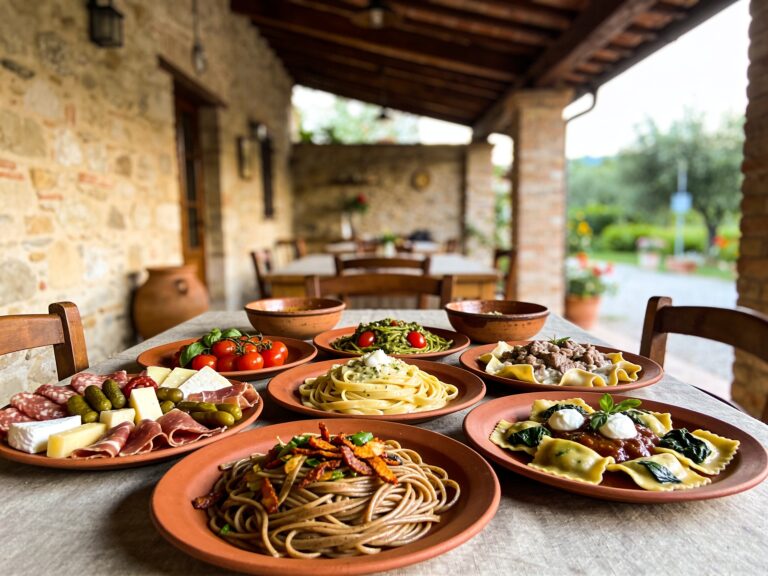
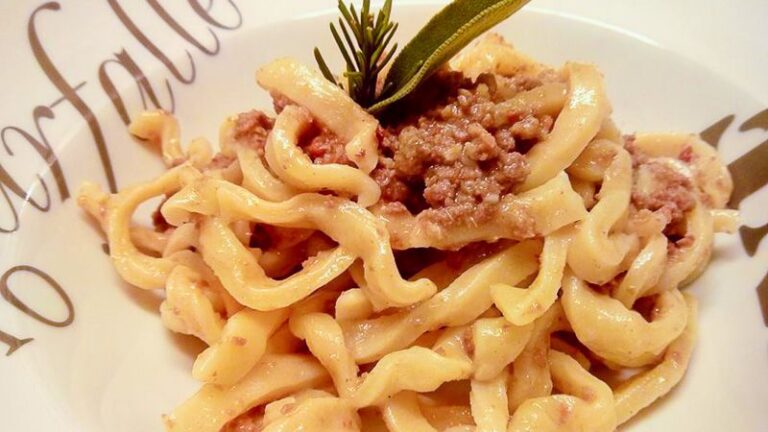

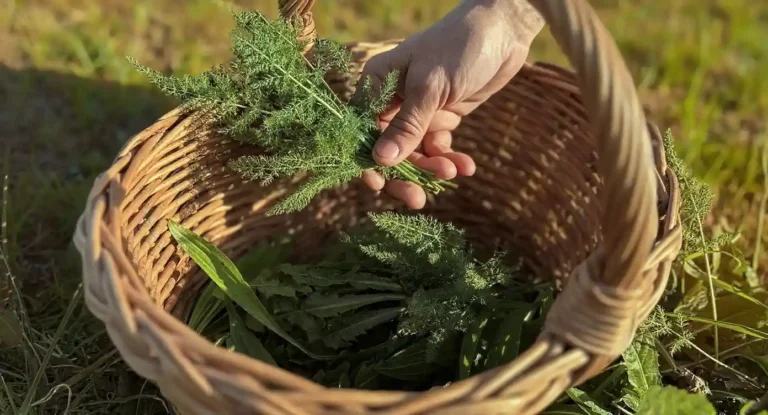
Maremma culinary workshop: wild herb foraging, tagliatelle class
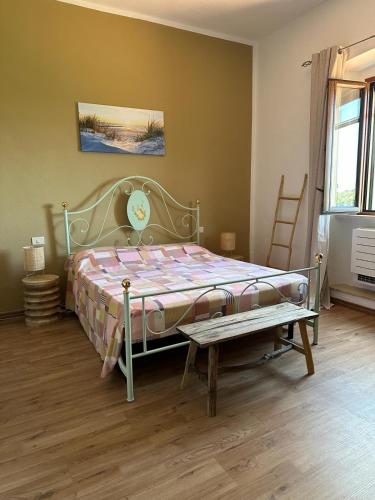
Want to go further? Tours of Tuscany in the same spirit as this article.

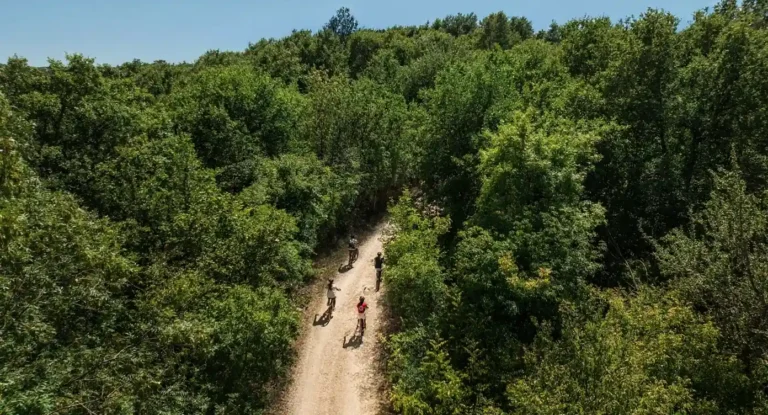
By bike: Florence, Chianti, Siena and Vinci at your own pace

By bike: Florence, Val d'Orcia and Chianti in 8 days

Cortona to Siena by bike, via Montepulciano and Pienza
Live map & prices
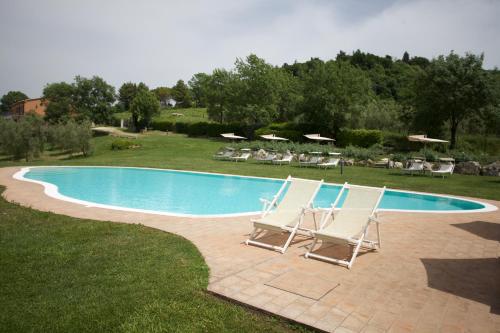
Where to stay around Scansano?
Compare accommodations and their prices on the map, then book in just a few clicks.
Is the map not displaying? See accommodations on Stay22
Map and prices provided by Stay22: Toscane Cachée may receive a commission on bookings.
Cars · live prices
Your rental car from Grosseto airport
No rental company operates in the villages: the closest agencies to Scansano are in Grosseto. Here are the best current deals, compared and rated.
Searching for available cars…
See all cars and choose my dates
Booking and payment through Discovercars: the link earns us a commission, without changing your price.
Around Scansano
You will also like
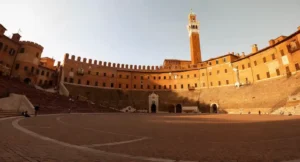
Florence vs Siena: which one to choose for your 2026 trip?
Siena is the simplest choice for a first short trip to Tuscany…
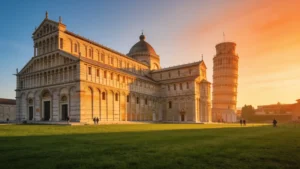
Pisa or Lucca: which one to choose for your 2026 trip?
The Piazza dei Miracoli brings together the tower, the cathedral, the baptistery and the Camposanto…
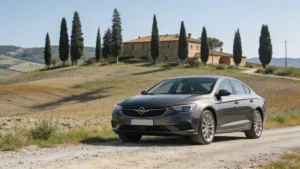
DiscoverCars review for renting a car in Tuscany: what you need to know before booking
DiscoverCars takes your booking, but it's the rental company listed on your voucher that will…
Red wines of Maremma: the power of Super Tuscans
What you need to remember: the province of Grosseto breaks the codes with…
