See at Decantalo →
Wine tasting
🍷 This site features wines
This content concerns alcoholic beverages. Please confirm that you are of legal drinking age in your country of residence.
Alcohol abuse is dangerous for your health. Consume in moderation.
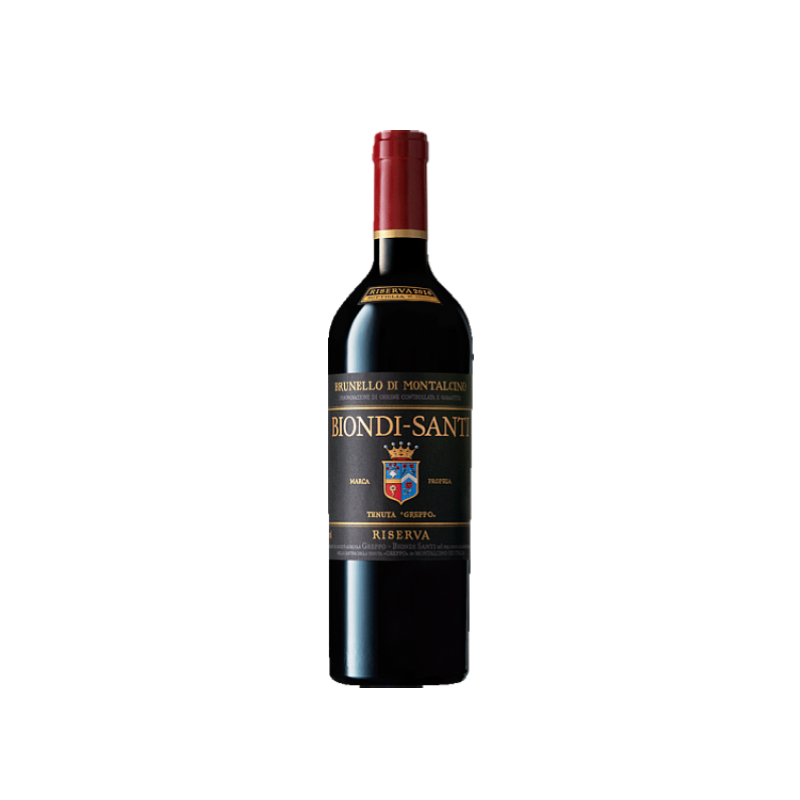
The wine
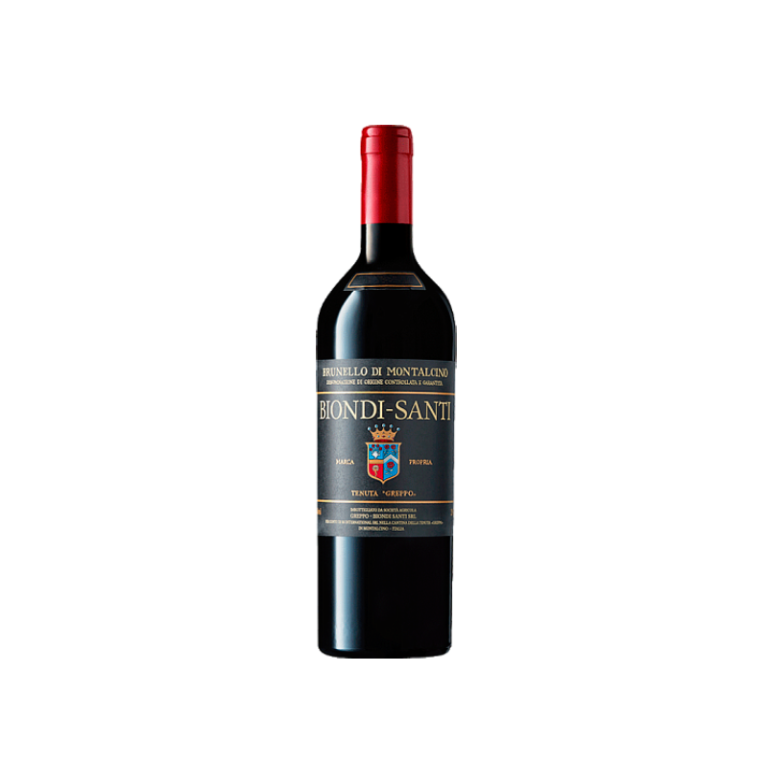
There are wines whose history illuminates the glass as much as the landscape does. Biondi-Santi's Brunello di Montalcino Riserva 2016 carries that pioneering memory, while letting the Sangiovese speak with precise expression: black cherry, dried violet, Mediterranean herbs and vibrant freshness. I recommend it to anyone who loves rich, characterful reds, made to be savored with attention and patience.
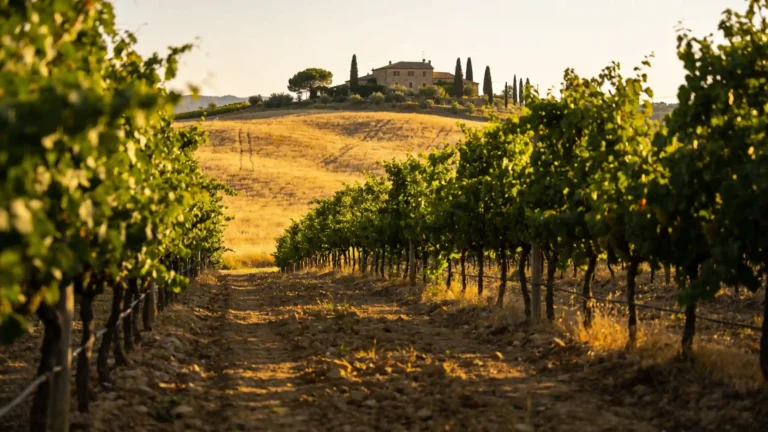
In Montalcino, Tuscany, Biondi-Santi is closely tied to the birth of Brunello. In 1865, Clemente Santi had the idea of producing a red wine from Sangiovese alone. His grandson Ferruccio Biondi Santi carried this vision further by planting a vineyard in Montalcino devoted exclusively to the grape. A report from the Ministry of Agriculture, published in 1932 on Tuscan viticulture, recognized the family as the creators of the first Brunello. This history is not mere backdrop: it reminds us how closely the identity of the wine and that of its place are bound together here.
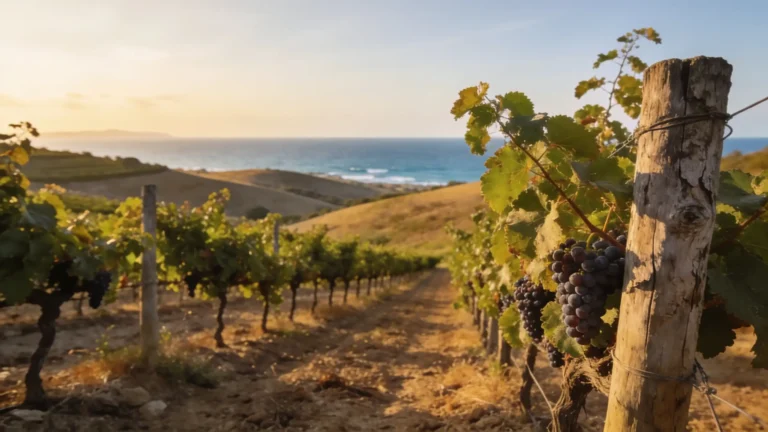
This Riserva is made solely from grapes selected from the estate's own vineyards, coming from the oldest plots of Tenuta Greppo. Fermentation takes place in vertical Slavonian oak vats, with indigenous yeasts selected in the vineyards. The wine then matures for three years in Slavonian oak barrels. I find this continuity between place, grape and élevage particularly eloquent: Sangiovese remains at the center, while time in wood supports its structure without diverting the story from the terroir.
The color is not described in the available notes, so I prefer not to attribute an imagined hue or intensity. On the nose, however, the wine offers a detailed bouquet: black cherry and dried violet, then balsamic notes and Mediterranean herbs. Menthol brings a fresh sensation, while patinated leather and a discreet touch of flint add depth. On the palate, the tannins are firm and still youthful. Lively freshness balances this structure, and the lingering finish extends the aromas without losing their clarity. The 2016 vintage is presented as particularly suited to long aging: better not to mistake its youth for a lack of promise.
I would serve this Brunello with a dish that has enough character to stand up to its tannins: a slow-braised meat, lamb with herbs, or a mushroom preparation, without a overly sweet sauce or an overpowering seasoning. It is also a bottle to open when you want to take your time, return to the glass, and follow its evolution. If you drink it young, give it some air and pair it with a relaxed meal; if you choose to keep it, its aging potential is at the heart of its appeal. Either way, you are tasting a Sangiovese whose story begins long before this vintage.

To read
 Français Français
 Italiano
 English
 Polski
 Português do Brasil
 Nederlands
 Español
 Deutsch