See at Decantalo →
Wine tasting
🍷 This site features wines
This content concerns alcoholic beverages. Please confirm that you are of legal drinking age in your country of residence.
Alcohol abuse is dangerous for your health. Consume in moderation.
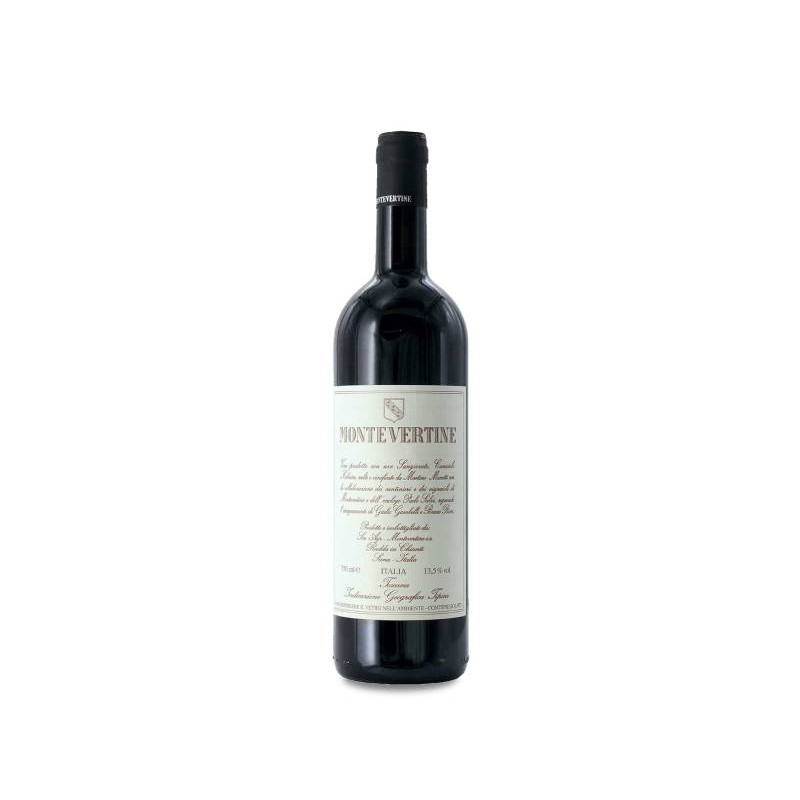
The wine
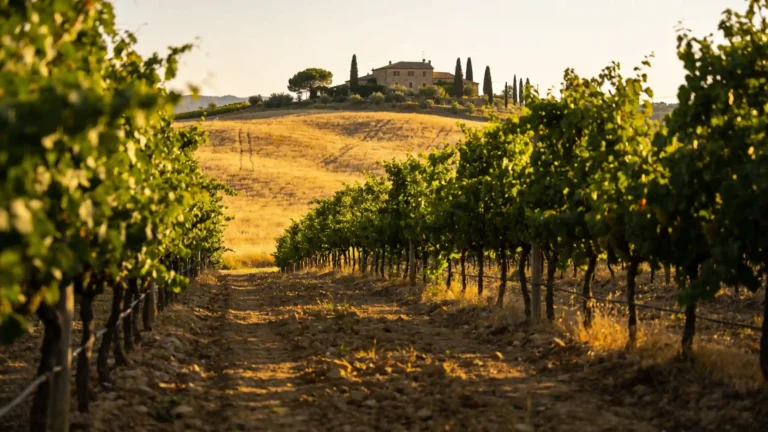
I recommend this Tuscan red for its roots in a family story and in a specific place: the Chianti hills around Radda. The Montevertine 2022 blends Sangiovese, Canaiolo and Colorino, then takes its time in wood aging. Its announced profile gives way to fruit, with a spicy touch and a medium-bodied texture.
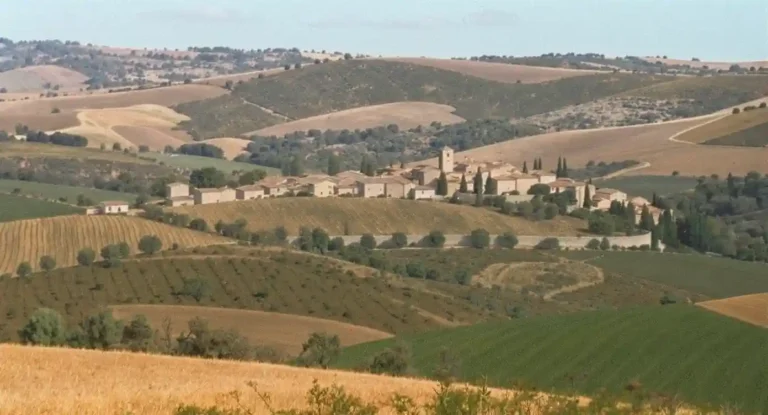
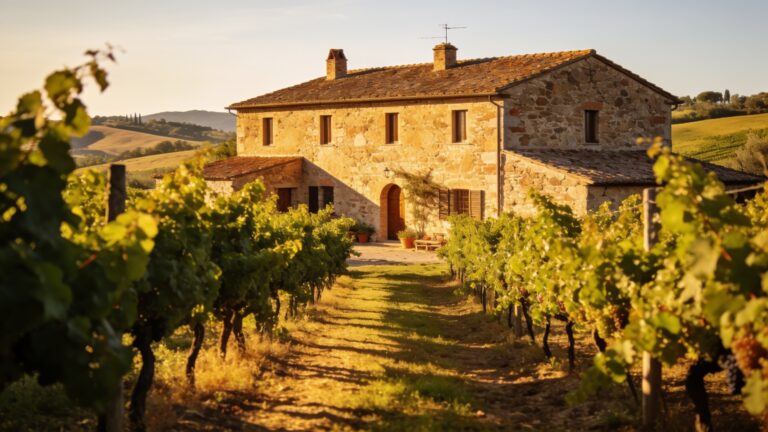
The Montevertine estate sits in Radda, in the heart of the Chianti hills in Tuscany. Sergio Manetti discovered the property in 1967 and first bought it as a holiday home. During its restoration, he planted two acres of vines to produce wine for his friends and clients. The first harvest, in 1971, received an encouraging welcome; Manetti eventually set aside his original activity to devote himself entirely to wine. After his death in 2000, his son Martino took over the estate and continued the work with winemaker Bruno Bini and taster Giulio Gambelli, in keeping with the house's traditional values.
Montevertine, the eponymous wine and the estate's first cuvée, was originally called Chianti Classico Montevertine. It was later simply renamed Montevertine, after the estate left the Chianti Classico consortium. The 2022 vintage is classified as IGP Toscana and made from 90% Sangiovese, 5% Canaiolo and 5% Colorino, indigenous grape varieties grown at 425 meters above sea level. Fermentation lasts 21 days. It is then aged for 24 months in Slavonian and Allier oak foudres, followed by three months of bottle rest before release. This wine is organically farmed.
The tasting notes describe a red where fruit and spice answer each other, with a rather restrained influence from the wood and a medium body. The sources do not specify the detailed aromas or the color of the wine: I prefer not to promise you notes that cannot be confirmed. At the table, the suggested pairings are simple and generous: pasta or red meat. You can choose it for a meal where the wine accompanies the dish without stealing its place, and take the time to let its balance between grape varieties, fermentation and aging emerge. If you appreciate Tuscan wines tied to their territory and to a singular estate history, this bottle deserves a place at your table.

To read
 Français Français
 Italiano
 English
 Polski
 Português do Brasil
 Nederlands
 Español
 Deutsch