Home › FAQ › Culture & heritage › History
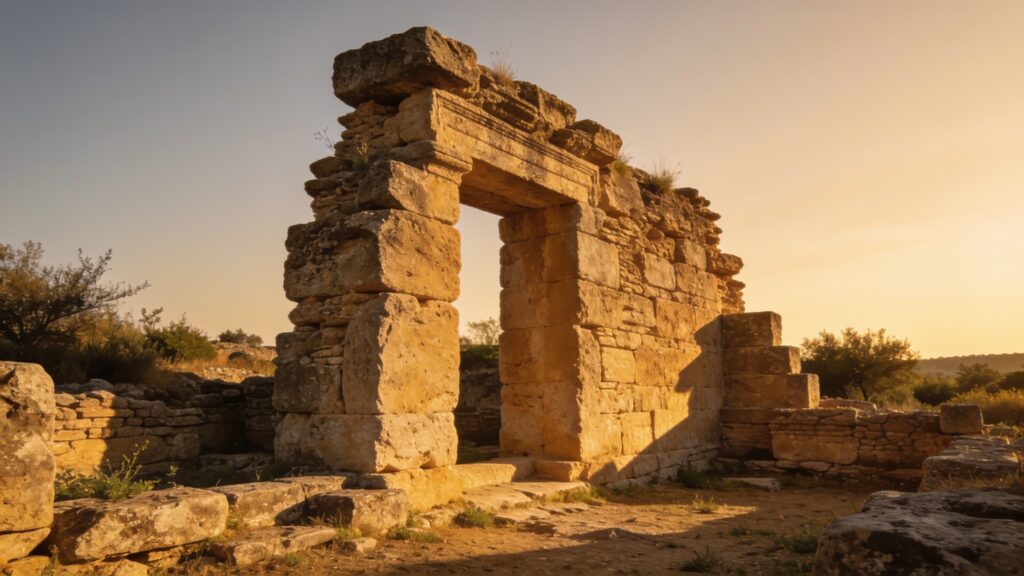
According to the most recent data, the Etruscans were a people of local origin, descended from populations already living in central Italy, and not migrants from the East. A 2021 study of ancient DNA published in 2021, covering 82 individuals from Etruria and southern Italy, found no trace of a recent migration from Anatolia, and showed them to be genetically close to their Latin neighbors.
The debate is very old. In the 5th century BC, the Greek historian Herodotus had them coming from Lydia, in what is now Turkey. Four centuries later, Dionysius of Halicarnassus on the contrary claimed they were born on the spot. What puzzled people was their language, which is not Indo-European and resembles neither Latin nor Greek. Archaeologists, for their part, already saw a continuity with the Villanovan culture, present in the region from the 9th century BC.
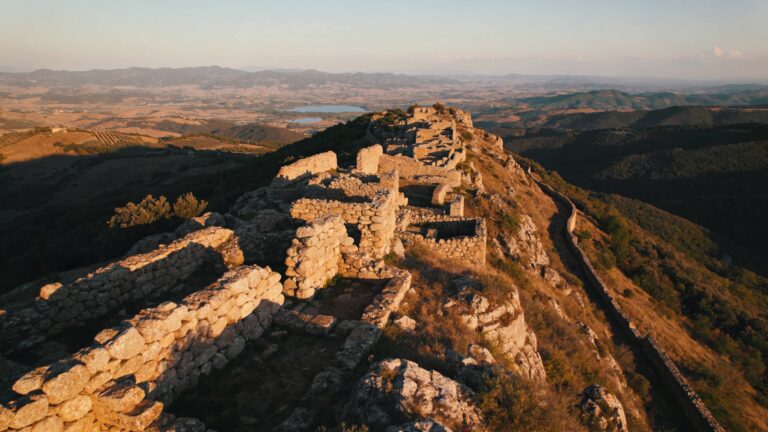
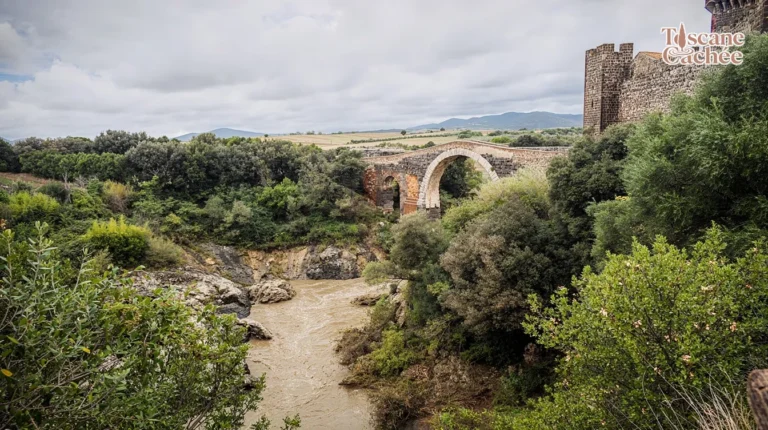
Their territory, theEtruria, stretched between the Arno and the Tiber, which includes all of the Maremma: Vetulonia, Roselle and Vulci were major Etruscan cities. To see what remains of them on site, check out our guide to Etruscan heritage in Maremma.
 Article
 Article
 Article
 Place sheet
 Place sheet
 Français Français
 Italiano
 English
 Polski
 Português do Brasil
 Nederlands
 Español
 Deutsch