Red
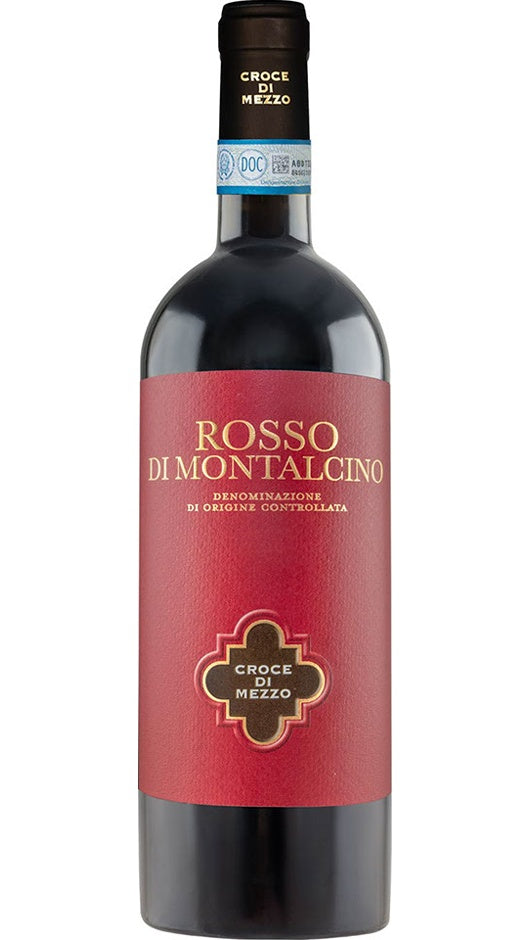
Croce di Mezzo · Montalcino
Rosso di Montalcino DOC
- DOC
- Sangiovese
- 2021 · 75 cl
Rosso di Montalcino 2021 from Croce di Mezzo: sangiovese from Montalcino, fermentation in steel, aging of at least one year and serving at 16-18 °C
7,3
1,202 vins notés
Morellino, Brunello, Bolgheri, Vermentino : appellation, cépage, prix relevé et notre note, pour choisir avant de commander.
🍷 This site features wines
This content concerns alcoholic beverages. Please confirm that you are of legal drinking age in your country of residence.
Alcohol abuse is dangerous for your health. Consume in moderation.
Rosso di Montalcino 2021 from Croce di Mezzo: sangiovese from Montalcino, fermentation in steel, aging of at least one year and serving at 16-18 °C
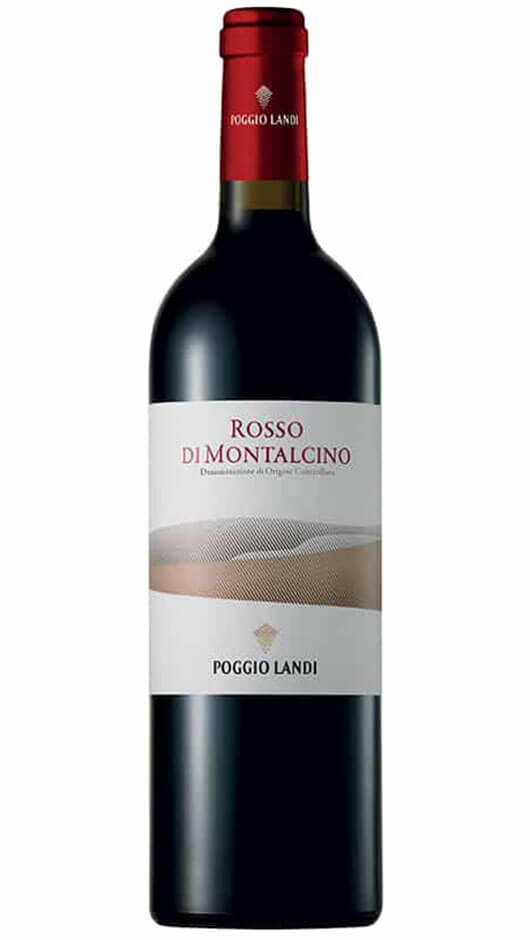
Rosso di Montalcino DOC 2022 from Poggio Landi, 100 % Sangiovese, at €15.33 instead of €16.74, with classic Tuscan pairings and serving at 16-18 °C
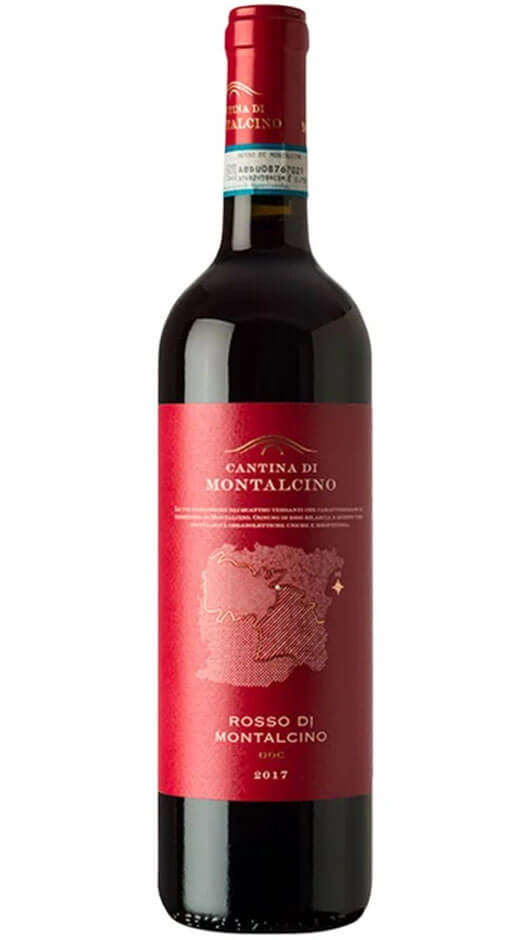
Rosso di Montalcino 2021 from the Cantina di Montalcino, Sangiovese from the Montalcino area, at €13.07 instead of €16.31
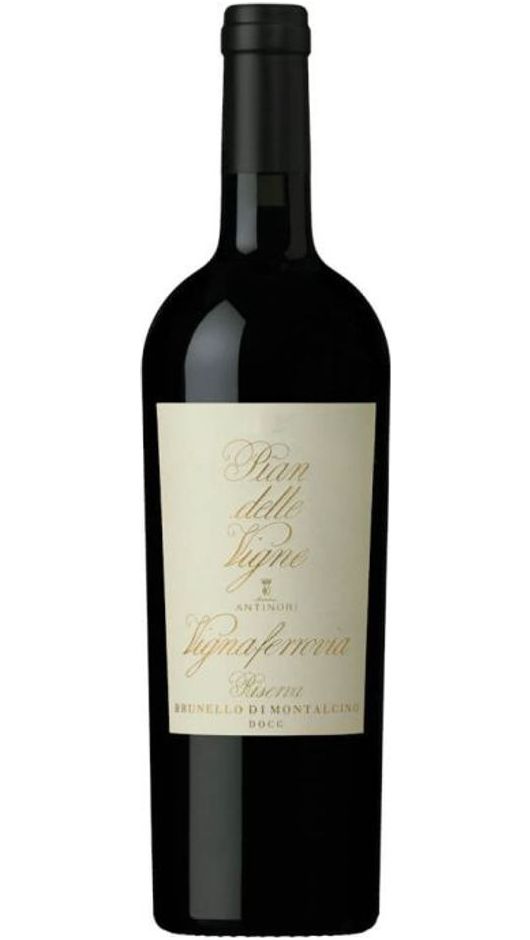
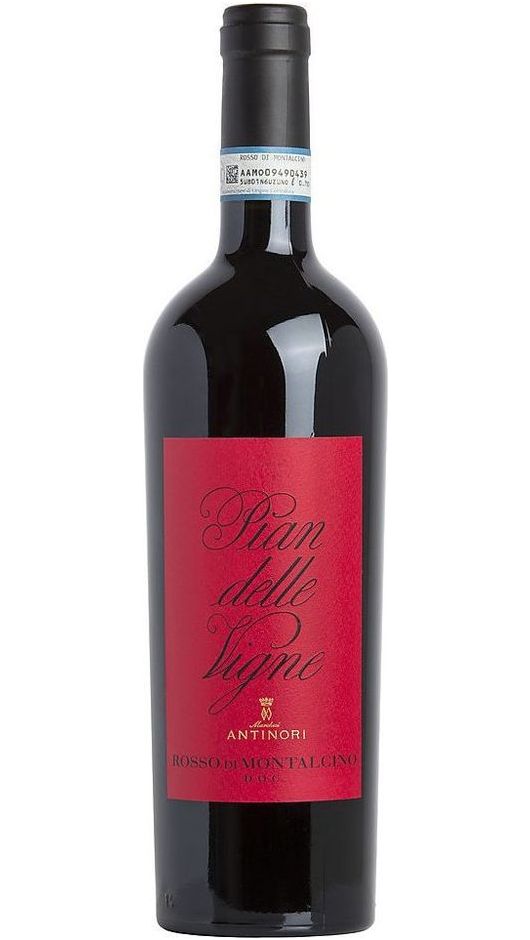
Rosso di Montalcino DOC from Antinori, Sangiovese in purezza from the Tenuta Pian delle Vigne, 6 km southwest of Montalcino, vinified in steel and refined for about 10 months
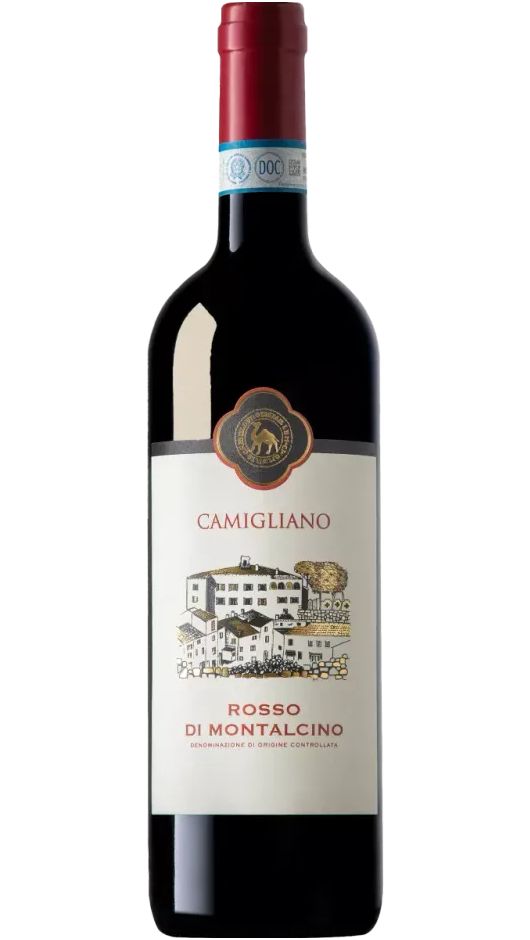
Rosso di Montalcino DOCG from the Camigliano estate, sangiovese from Montalcino vinified in steel and aged at least one year, at €13.36 instead of €14.95
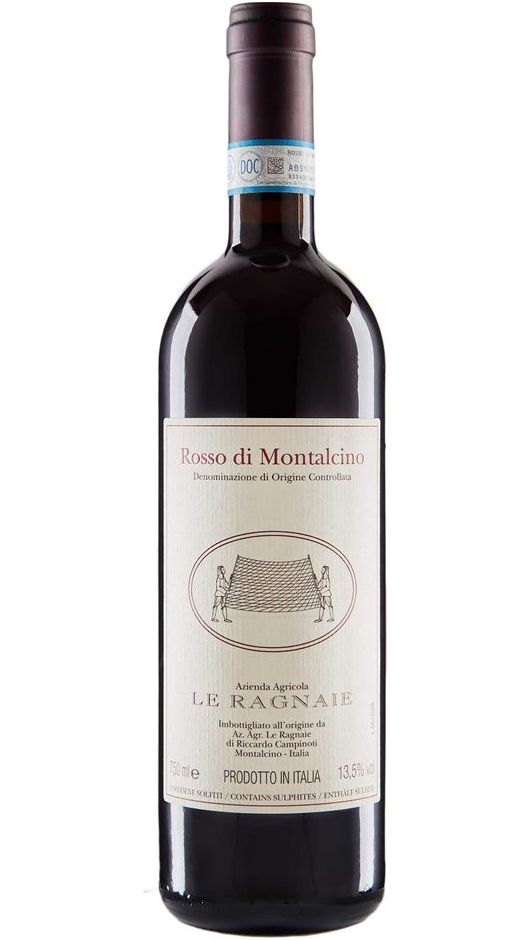
Le Ragnaie signs a Rosso di Montalcino DOCG 2021 at 100 % Sangiovese Grosso, fermented in steel and aged 6 to 12 months, sold for €29.81 instead of €36.46
Rosso di Montepulciano DOC 2022 du domaine Folonari, Prugnolo Gentile, fermentation en acier et élevage de 6 à 12 mois, à 11,67 € au lieu de 14,41 €
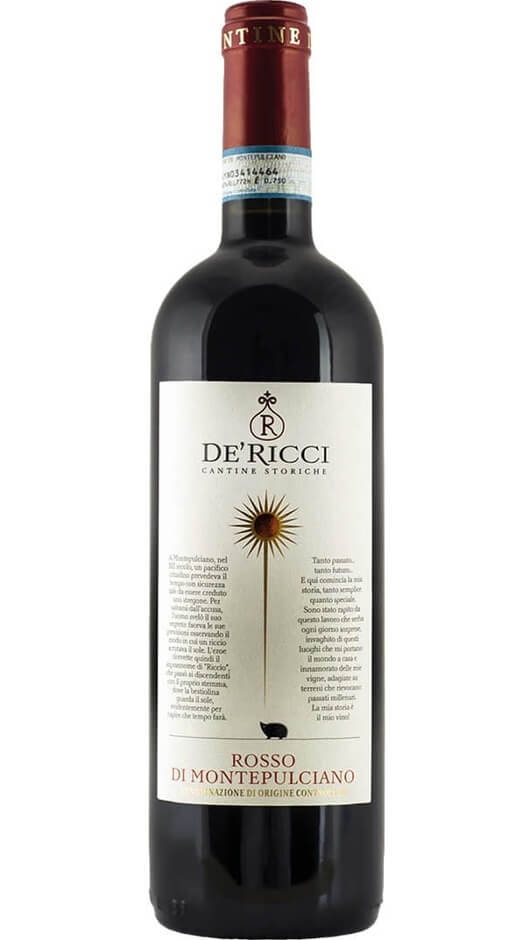
Rosso di Montepulciano DOC 2024 de De Ricci, Sangiovese de Montepulciano, fermentation en acier et élevage de 6 à 12 mois, à 16,29 €
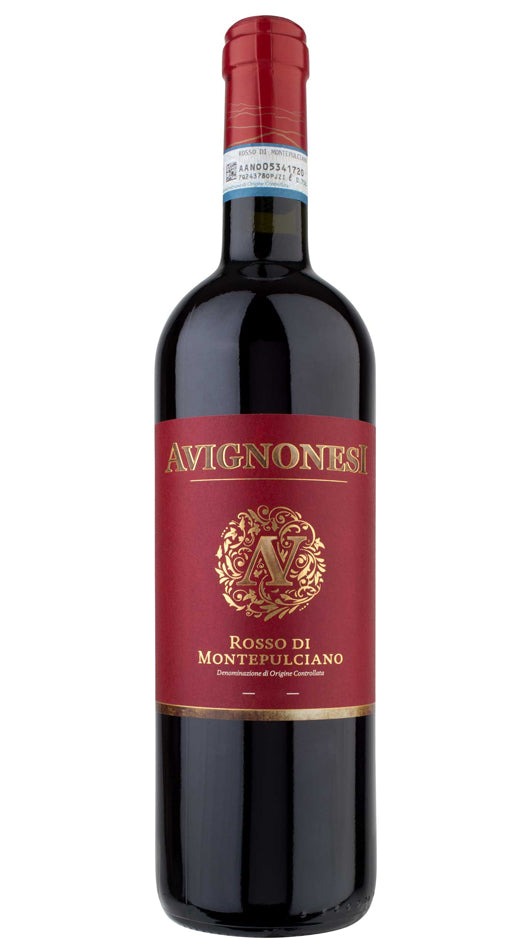
Un Rosso di Montepulciano DOCG à 12,81 €, signé Avignonesi, élevé 6 à 12 mois, au Sangiovese de Montepulciano et aux accords variés
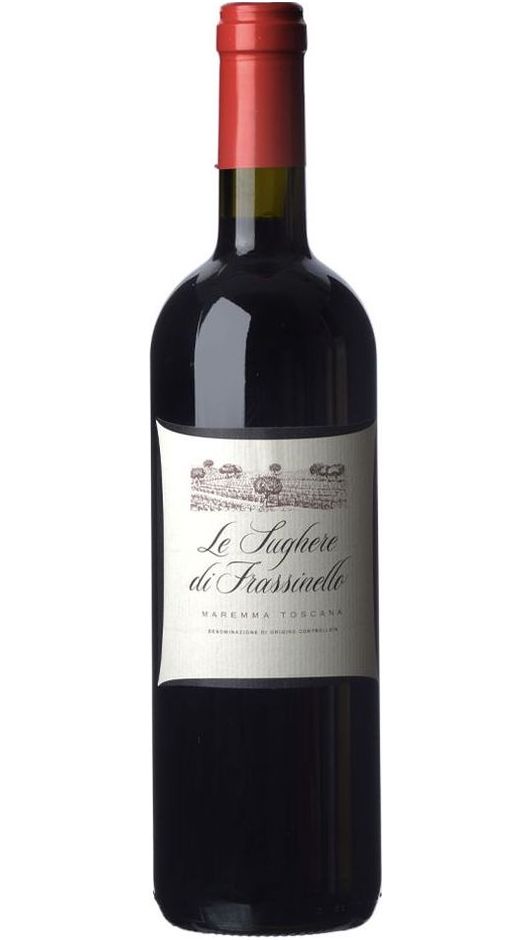
Red from Maremma signed Castellare, Sangiovese-Cabernet-Merlot blend awarded by three guides and sold at €17.52 instead of €20.15
Rosso Maremma Toscana DOC 2017 from Antinori, aged 12 months in barrique, rated 90 by James Suckling, Robert Parker and Wine Spectator
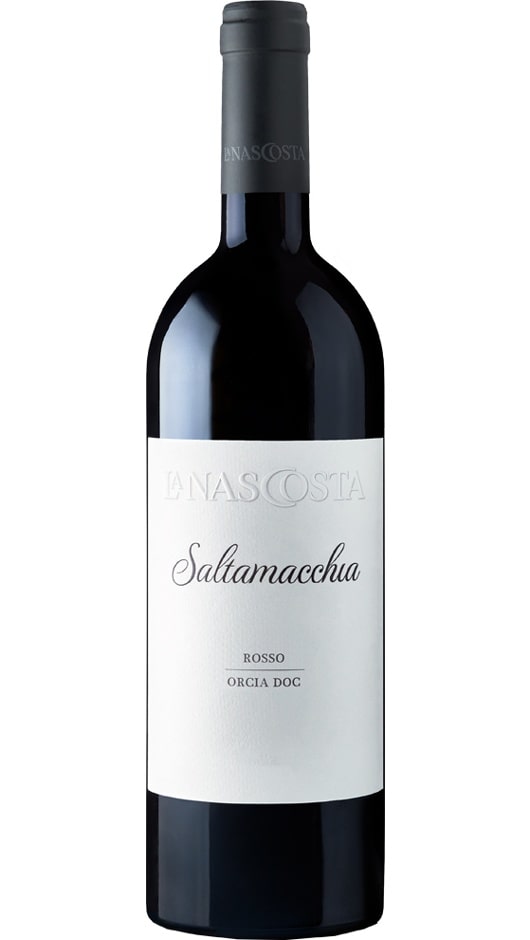
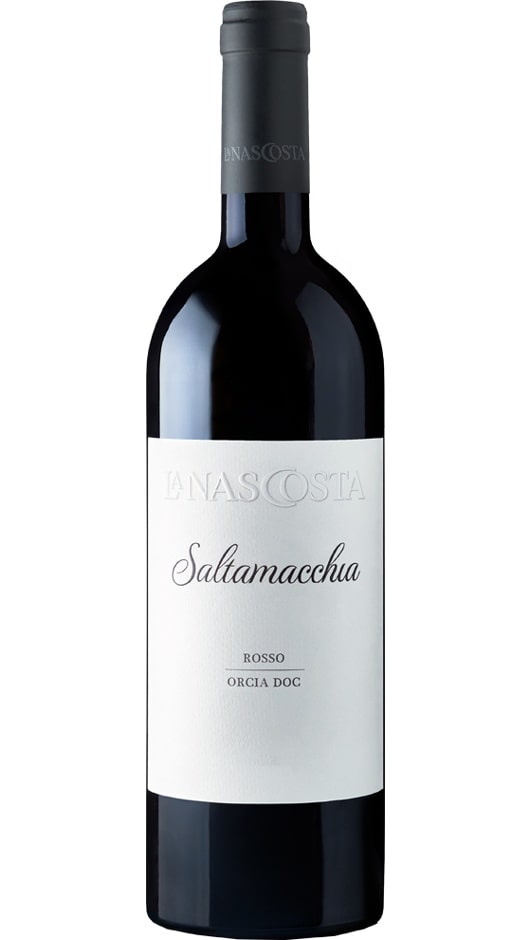
Rosso Orcia DOC du domaine La Nascosta, en Val d'Orcia, Sangiovese 90% et Merlot 10%, élevé 12-16 mois en tonneaux de 500 litres
Rosso Orcia DOC 2019 de La Nascosta, dans le Val d'Orcia : Sangiovese 90% et Merlot 10%, élevé quelques mois en chêne, à 22,42 € au lieu de 28,44 €
Sangiovese 100 % de Piancastagnaio, sur les pentes du Monte Amiata, vinifié 15 jours en cuve de ciment puis élevé 9 mois en tonneaux de chêne français et 3 mois en bouteille
Classic method Sangiovese Spumante produced in Gaiole in Chianti, aged more than three years on lees and sold in a large 1.5 L format
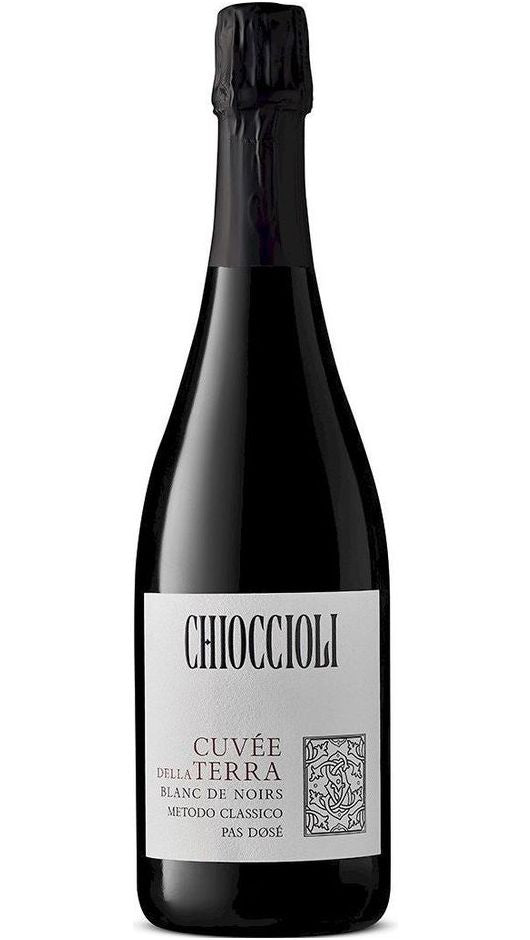
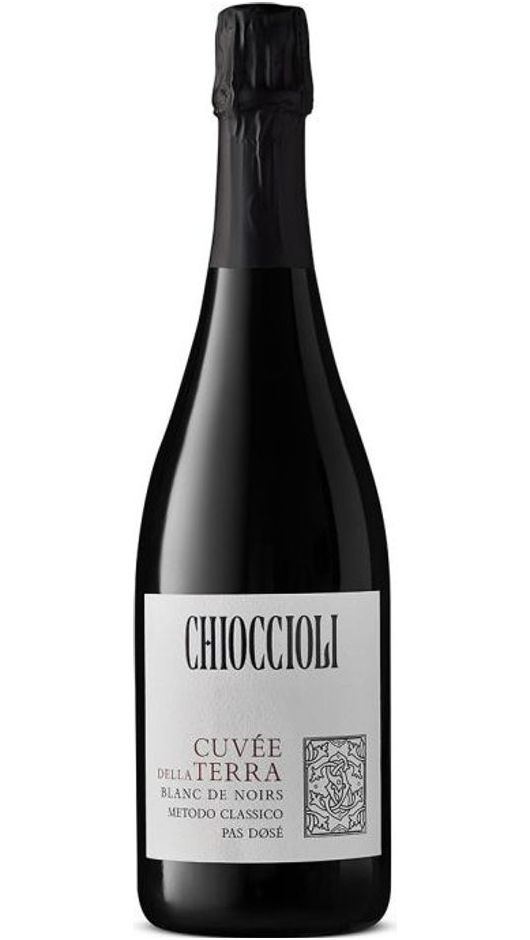
Metodo Classico Spumante from Chioccioli, in Gaiole in Chianti: Sangiovese in bubbles, more than three years on lees, served at 6-8°C with aperitivi and fish
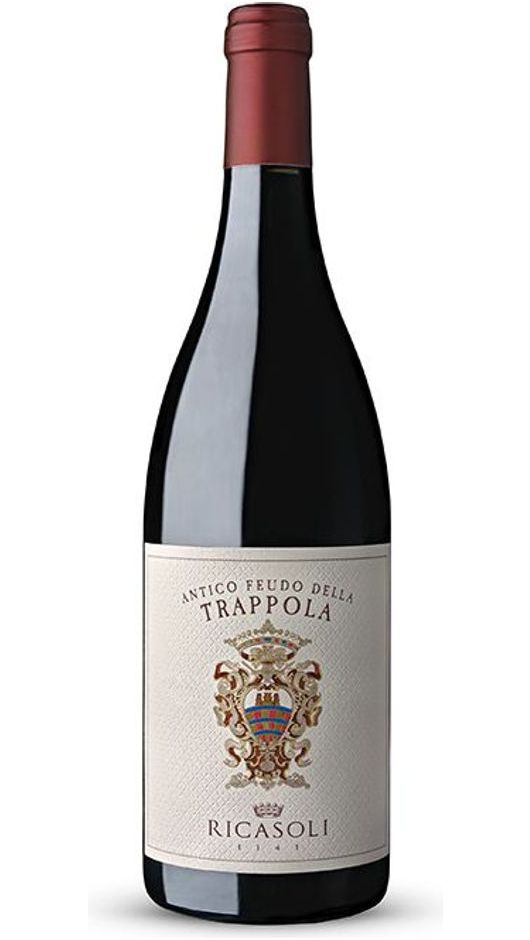
This Toscana IGT 2023 by Ricasoli is born at Tenuta Brolio, valle dell'Arbia, with 60% Sangiovese and 8–9 months of aging in casks
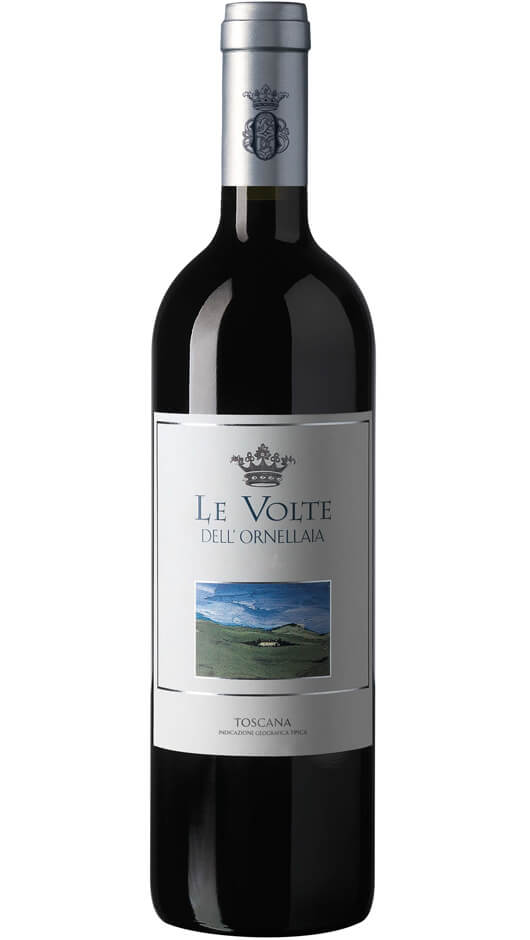
An IGT from Bolgheri signed Ornellaia, a Bordeaux blend rated 90 by James Suckling and Robert Parker, offered at €21.35 instead of €25.74
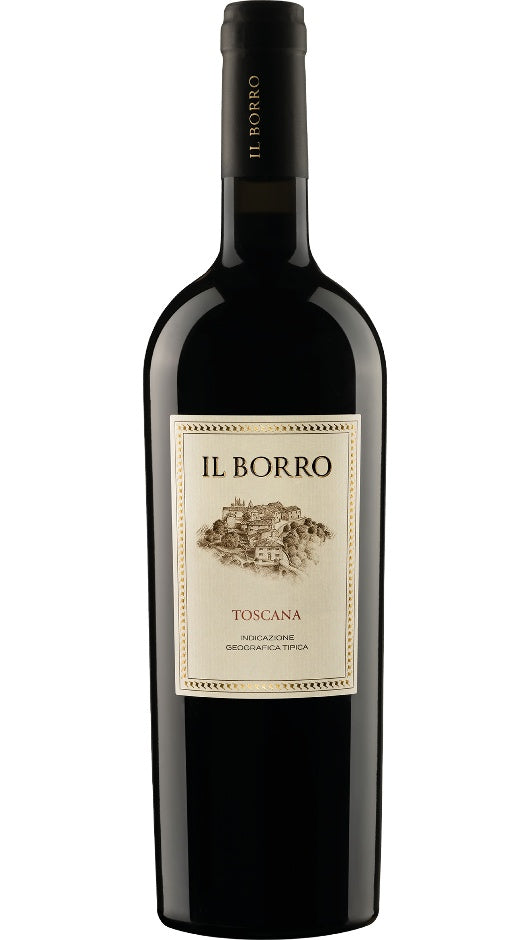
Il Borro produces a 2017 Toscana IGT blending Merlot, Cabernet Sauvignon and Syrah, aged 18 months in barrique and distinguished with three bicchieri
A 2020 Toscana IGT from Il Borro, in the Valdarno, blending Merlot, Cabernet Sauvignon and Syrah, aged 18 months in barriques and distinguished with three bicchieri
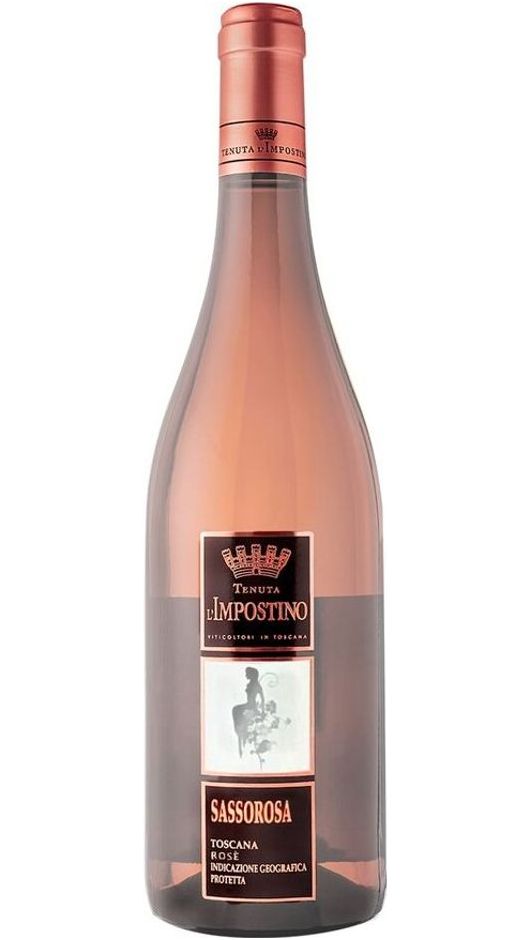
Rosato toscan de la Maremme assemblant Sangiovese et Syrah, vinifié en inox sur lies et servi bien frais sur des accords précis
Rosato IGT toscana from Agricola Ludus, Sangiovese 70% and Canaiolo 30% from the 2021 vintage, awarded 3 viti AIS and sold for €12.81
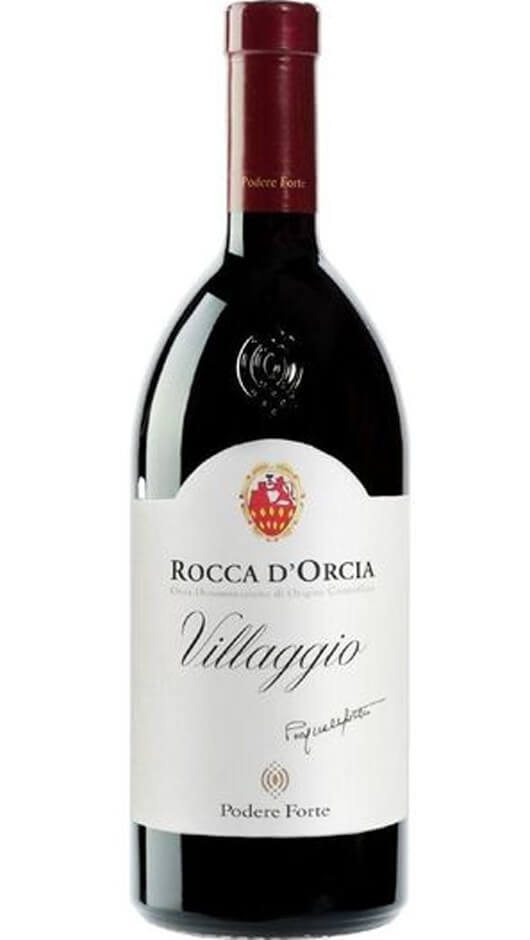
Podere Forte signs a Sangiovese DOC Rocca D'Orcia 2022 aged 14-16 months in French oak, at €24.71 instead of €28.78
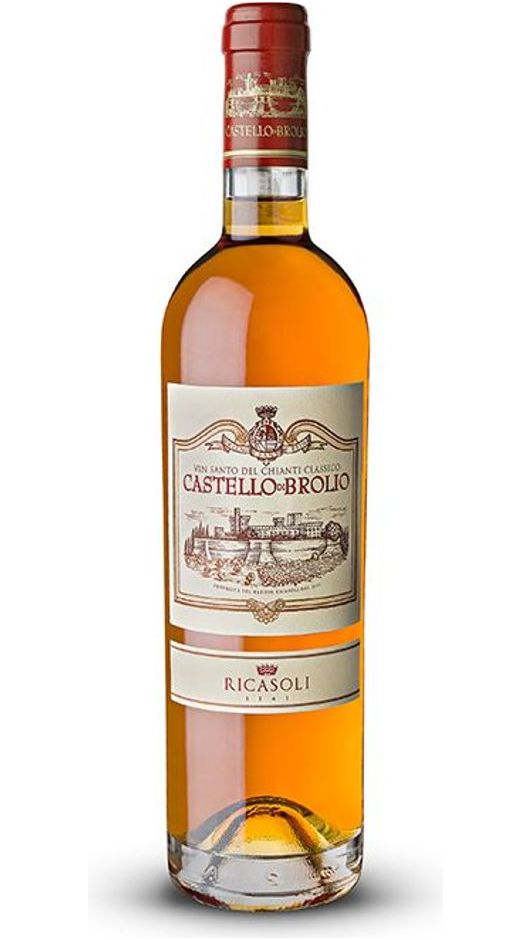
Vin Santo del Chianti Classico 2015 de Ricasoli, 90% Malvasia, appassito 3-4 mois et vieilli au moins 5 ans en barriques
Classement par note Toscane Cachée (fiche technique, avis de la presse et rapport qualité-prix). Prix relevé chez le vendeur, à vérifier au moment de la commande ; les liens sont affiliés.
L'abus d'alcool est dangereux pour la santé, à consommer avec modération. Vente interdite aux mineurs.
Compléter ton séjour
Questions fréquentes
Pour une bouteille de Morellino di Scansano de 75 cl, compte environ 8 à 17 € en magasin ou chez un producteur ; une Riserva coûte souvent davantage, autour de 12 à 25 €,…
Lire la réponse complète →Les vins les plus typiques de la Maremme toscane sont le Morellino di Scansano, rouge à base de sangiovese, et les blancs de Vermentino et d’Ansonica. Le Morellino est une DOCG élaborée avec au…
Lire la réponse complète →Le marché hebdomadaire de San Vincenzo a lieu le samedi matin, généralement de 8 h à 13 h, sur la piazza Giovanni XXIII. Arrive plutôt avant la fin de matinée : les étals commencent…
Lire la réponse complète →Le Vermentino est un cépage blanc méditerranéen, et le nom du vin élaboré à partir de ce raisin. On le trouve notamment en Maremme, dans le sud de la Toscane, ainsi qu’en Sardaigne et…
Lire la réponse complète →Pour goûter les vins les plus typiques de la Maremme, commence par le Morellino di Scansano DOCG, puis compare-le à un Montecucco Sangiovese DOCG et à un Vermentino de la Maremma Toscana DOC. Il…
Lire la réponse complète →Winedering est une plateforme de réservation : tu compares des dégustations proposées par des domaines en Toscane, puis tu choisis une expérience, une date et le nombre de participants. Les offres peuvent inclure seulement…
Lire la réponse complète →Explorer
Envies, types et zones : chaque lien mène à une page avec sa liste, sa carte et ses conseils.
Le guide
Tuscany produces more than 2.6 million hectoliters of wine every year, but the majority of the bottles you find in supermarkets are just soulless industrial labels. It's infuriating to see enthusiasts pay top dollar for a generic Chianti when the schist and clay terroirs hide characterful gems.
You often end up choosing your bottle at random based on the label without understanding what the Sangiovese is really telling you. This Tuscan wine guide is here to teach you how to decode the appellations and track down authentic bottles, from structured reds to forgotten whites, so that you finally stop drinking hot air.

Sangiovese dominates Tuscany with its tannic structure and acidity, ranging from the minerality of Maremma's schists to the power of the clays, thus defining the Brunello and Chianti Classico appellations. It all starts with the rock and soil that forge its character.
Clay terroirs retain water and force slow maturation. This gives the Sangiovese massive tannic power and density on the palate that you won't find anywhere else.
Schist brings a unique mineral tension. Discover the Montecucco Sangiovese DOCG: The secret wine of Tuscany to taste this saline uprightness.
Clay offers body and power, limestone brings elegance and roundness, while schist guarantees a sharp minerality. Regional typicity depends on this geological puzzle.
Limestone relies on elegance and finesse of aromas. Conversely, clay builds fleshy wines. Your selection should respecter cette typicité régionale to avoid standardized juices.
The Mediterranean breeze regulates summer temperatures along the coast. This breeze brings a subtle salinity to the grapes and naturally protects the clusters from devastating fungal diseases.
The mountains impose radical thermal contrasts. These cool nights are vital for preserving the natural acidity of the Sangiovese grape variety, garantissant ainsi son équilibre et sa longévité.
L’altitude devient le rempart ultime contre le réchauffement climatique. It is the secret of the most authentic estates that still manage to produce digestible and balanced wines today.

Après avoir compris la terre, tu dois maintenant learn to decipher what is written on the bottle so you don't go wrong.
Le Brunello impose un vieillissement en fût de 24 mois. Le Rosso sort en un an seulement. Cette attente forge la structure.
The price of Brunello funds its complexity and aging potential. C’est un vin de patience. Découvre the Orcia Valley and the cellars of Montalcino pour le comprendre.
Préfère le Rosso pour un immediate pleasure. It's the ideal option for drinking local without needlessly breaking the bank.
% 1001 Sangiovese, long aging, exceptional cellaring potential, high price.
Short aging, accessible fruit, immediate pleasure, affordable price.
Look for the Gallo Nero to identify the historic zones. This symbol guarantees a controlled origin and strict production.
The Annata, Riserva and Gran Selezione hierarchy defines quality. Each level gains in aromatic finesse and woody structure.
Avoid the industrial versions with no character. Always check these elements :
The black rooster distinguishes historic Chianti Classico from mass productions. It is your only true quality benchmark.
Our addresses · Montalcino
Our favorite addresses around Montalcino
Alcohol abuse is dangerous for health, consume in moderation.
If the classic appellations seem too rigid to you, know that there exists a fascinating world off the beaten path.
In the 70s, rebellious winemakers shook everything up. They planted Cabernet Sauvignon against the obtuse rules. These pioneers thus broke the codes of the traditional DOC.
IGT Bolgheri wines now dominate the global prestige market. These are exceptional bottles, often sold at a premium. Look closely which Maremma wine to buy? so you don't go wrong.
Careful, these powerful reds require serious decanting. Aeration is vital for them to finally open up.
Vernaccia from San Gimignano is a historic white with a strong temperament. Its final bitterness is its signature. It is the first Italian wine to earn the DOC.
Aleatico Passito from Elba is a rare and captivating red nectar. Its notes of rose and candied red fruits are unique. The grapes dry in the sun on traditional racks.
The coastal grape varieties deserve your full attention to break out of all-red.
| Grape variety | Style | Region | Perfect pairing |
|---|---|---|---|
| Vernaccia | Dry, fresh, almond | San Gimignano | Grilled fish |
| Vermentino | Fresh and saline | Tuscan coast | Marine aperitif |
| Ansonica | Structured and dry | Maremma / Giglio | Local antipasti |
| Aleatico | Sweet, red fruits | Elba Island | Dark chocolate |

Having a good bottle is one thing, knowing how to serve and pair it is another to truly enjoy it.
Set your temperature limits carefully. A red served too hot quickly becomes boozy. It then loses all its initial aromatic freshness.
Opening your bottle in advance isn't enough. The air exchange remains almost nil in the neck. Your Tuscan bottle needs more.
Favor decanting for your closed vintages. Use this technique sparingly. You release the complex aromas without tiring your wine.
Avoid high temperatures so as not to burn the aromas. Simply uncorking is useless for oxygenation; ; opt for a decanter for closed wines.
Pair your game with a Morellino di Scansano. Its robust structure absorbs the shock. It stands up to the power of the local wild boar ragù.
Pair your aged pecorinos with evolved reds. The richness of the cheese is demanding. It requires mellowed tannins for balance on the palate.
To enhance the truffle, forget wines that are too oaky. Here are the best options for your guide Maremma gastronomy :
Mastering this Tuscan wine guide means understanding that Sangiovese dictates its law between schist and clay. Don't be fooled by marketing anymore: choose the power of a Brunello for your cellar or the freshness of a Rosso for your next ragù. Grab your bottles now before the Maremma gems become inaccessible. Become the sole master of your glass.
Don’t rely only on photos or the mention of « pool » in the listing: the pool may be shared with other accommodations, and its opening dates may not cover your entire stay. Before booking, ask for written confirmation specifying whether the pool is private or shared, who can use it, and on which dates it is accessible. In Tuscany, the swimming season often runs from May to September, but each property sets its own schedule. So check the exact days rather than assuming the pool will be open because you are traveling in summer.
Also specify what matters to you: heated pool or not, outdoor or indoor pool, dimensions and depth if they affect your stay. If you plan to swim every morning, a shared pool with limited hours may not meet your expectations. Also ask whether access is included in the price and whether there are specific rules regarding hours or use of the pool. Keep the answer with your booking information: you will then have the confirmed conditions on hand if a detail differs upon arrival. This check is especially useful for a villa rental with pool in Tuscany in spring or late summer, when opening dates can vary from one property to another.
The nightly price is not enough to know how much your rental will actually cost. Compare the total amount for the same dates and the same duration, then check separately the cleaning fees, linen, and security deposit. Depending on the property’s conditions, some fees may be added to the advertised rate or be due at another time. So do not assume that cleaning and sheets are included: read the listing rules and ask for written confirmation if the amount or terms are unclear.
The security deposit deserves a separate check: note its amount, how it is paid, and the conditions for its return. To compare several villas, include in the same calculation the rental rate, cleaning fees, linen, and any other amount indicated in the conditions. The result will give you a total cost of stay more useful than a simple nightly price. Also check departure obligations: some instructions may require leaving the premises in a specific condition or concern the linen used. By doing this before booking, you avoid choosing a villa that seems cheaper at first glance, but whose additional fees do not match your budget. Finally, ask that the financial conditions applicable to your dates be clearly summarized before confirming.
The calm of a countryside villa can be very pleasant, but the remoteness changes the organization of your days. Before booking, check the exact location of the property, the distance to the nearest village, and the route to the shops where you plan to do your shopping. The name of a region like the Maremma is not enough to locate a house: two listings in the same area can offer very different access and distances. Also ask for concrete directions on the road leading to the villa, especially if you plan to arrive late or drive after dinner.
To know if the isolation suits you, imagine an ordinary day rather than an exceptional outing: buying bread, returning after a swim, or joining a restaurant in the evening. If you want to limit travel, a house closer to a village or shops may be more suitable than a very remote property. If you prefer silence and don’t mind driving, the remoteness can instead be part of the charm of the stay. In any case, compare the advertised distances and ask for details before committing, because the actual journeys will weigh more on your daily life than the pool photos. The Maremma deserves to be explored for a quiet stay, but the right choice is made address by address, according to your pace and needs.
The Maremma, in southern Tuscany, can be an interesting option if you are looking for a quieter stay, but that does not guarantee that every villa is isolated or far from crowded areas. Look at the exact location of the listing and check the distances to the village, shops, and main roads. A property presented as rural may require regular trips for groceries or meals. Conversely, a villa located near a town can offer convenient access while still being suitable for a relaxing holiday. To choose, compare the distances to your itinerary rather than just the region’s reputation.
The pool should also be checked separately: ask if it is private or shared and if it will be open during your dates. A house matching the desired atmosphere will not necessarily be the right choice if the pool is not available or if the conditions do not suit you. The Maremma can also serve as a starting point to explore the surroundings at your own pace, especially around Orbetello and the Argentario. If a more adventurous outing interests you, you can read our article on underwater speleology in a cove of the Argentario. However, plan your trips based on the exact address of the villa and the indicated road access, so that the excursions remain compatible with the stay you are looking for.
If you are traveling with children, the mention of « pool » does not tell you whether the pool is suitable for your stay. Ask for the dimensions and depth, and check if there is a space or pool intended for younger ones. Do not infer the safety level from photos alone: ask the owner about the existing devices and usage rules, then verify that the information matches your needs. Also confirm whether the pool is private or shared, who can access it, and what hours apply. A shared pool may involve more rules or a different use than you imagined.
Then check that the pool will be accessible during all of your dates, especially if you are traveling outside of peak summer. The season is often between May and September, without guaranteeing that every pool is open on those dates. Ask for written confirmation of the schedule and specify whether any heating is included or subject to special conditions. For family comfort, also look at access to the villa, the distance to the village, and the availability of shops nearby: these details affect your days as much as the amenities. Before confirming the rental, gather the answers about the pool, property rules, fees, and travel times. This way you can choose a villa in Tuscany that matches the children’s ages and the vacation pace you want, without relying on a too general description.
To compare two rentals, start by using exactly the same dates, the same duration, and the same number of travelers. Then note the criteria that really change your stay: private or shared pool, opening dates, possible heating, cleaning fees, linen, and security deposit. Add the property rules, road access, and distances to the village and shops. This method avoids comparing a nightly rate with a price that already includes certain fees, or a pool accessible on your dates with one that is not. The number of listings displayed by a platform alone does not determine which villa best meets your needs.
Summer periods are often the most in demand: if you have spotted an address that suits you, check its availability early, then have the important conditions confirmed in writing before paying. If your dates are flexible, compare several periods, but do not assume that the pool will remain open as soon as the weather seems favorable. It is the calendar communicated for the property that matters. Also think about the region: the Chianti, the Val d'Orcia, Montalcino, Lucca, the coast, and the Maremma offer different starting points, but the precise address remains decisive for travel. Ultimately, choose the villa based on the total cost, guaranteed pool access for your dates, and the journeys you are willing to make during the stay.
Explore the Tuscan Maremma wine route in 2 days. Taste the Morellino and…
Discover which Maremma wine to buy: Morellino di Scansano for its power…
Discover Sassotondo in Sorano: taste organic Ciliegiolo on volcanic tuf and explore…
Découvre mon avis winedering maremme toscane : réserve tes dégustations bio chez Mambrini ou…
Trier par
Color
Zone viticole
Prix de la bouteille
Grape variety
Origin
Style
Vintage
Estate
Bouteille ou coffret
Réserver sur
Hidden Tuscany Rating
Notre note sur 10 est volontairement exigeante : les coups de cœur sont les 10 % les mieux notés du hub.
 Français Français
 Italiano
 English
 Polski
 Português do Brasil
 Nederlands
 Español
 Deutsch
 Bottle of Italy


 Wine tastingsDégustations autour de Murlo
 Places to visitÀ voir autour de Murlo
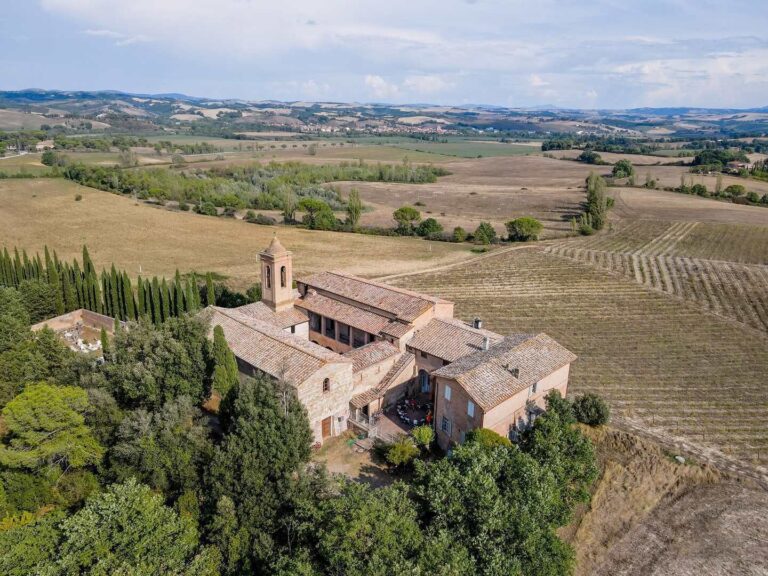 AgriturismosAgriturismos autour de Murlo
 AccommodationsOù dormir autour de Murlo