Red
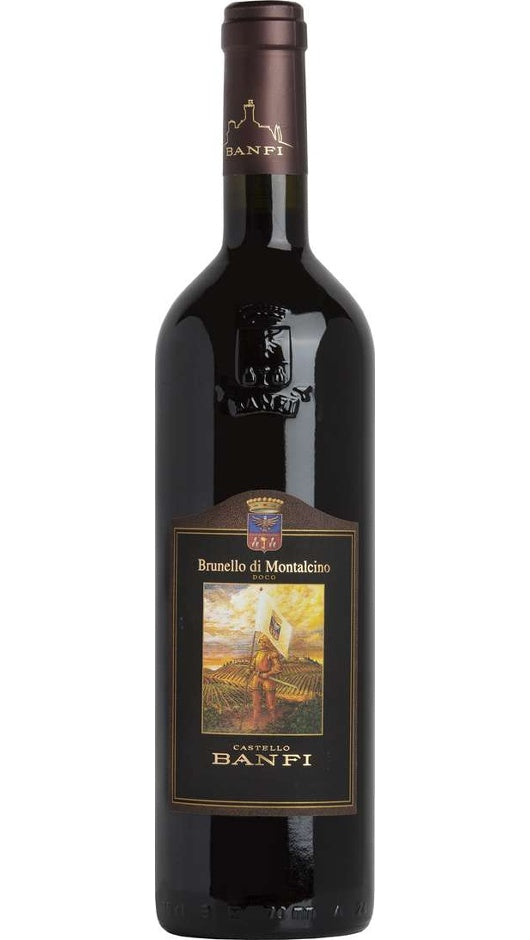
Castello Banfi · Montalcino
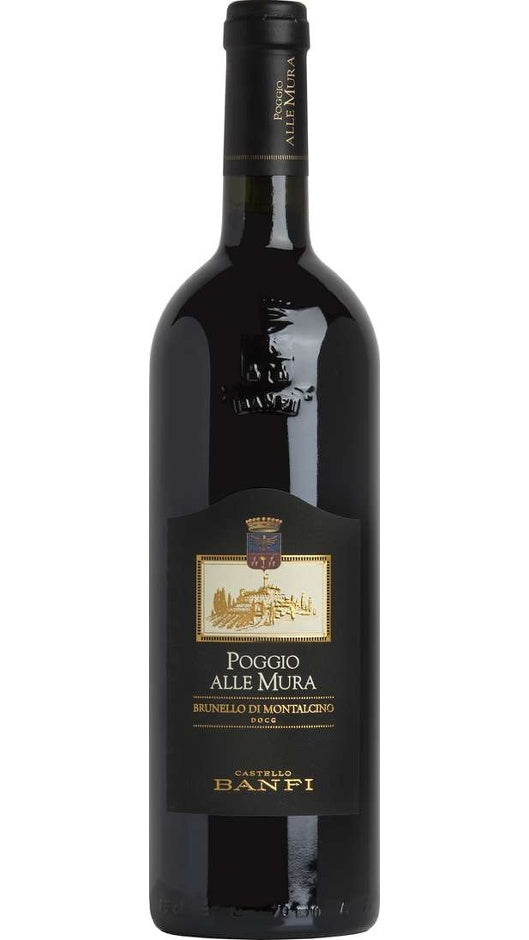
Brunello di Montalcino DOCG
- DOCG
- Sangiovese Grosso
- 2020 · 600 cl
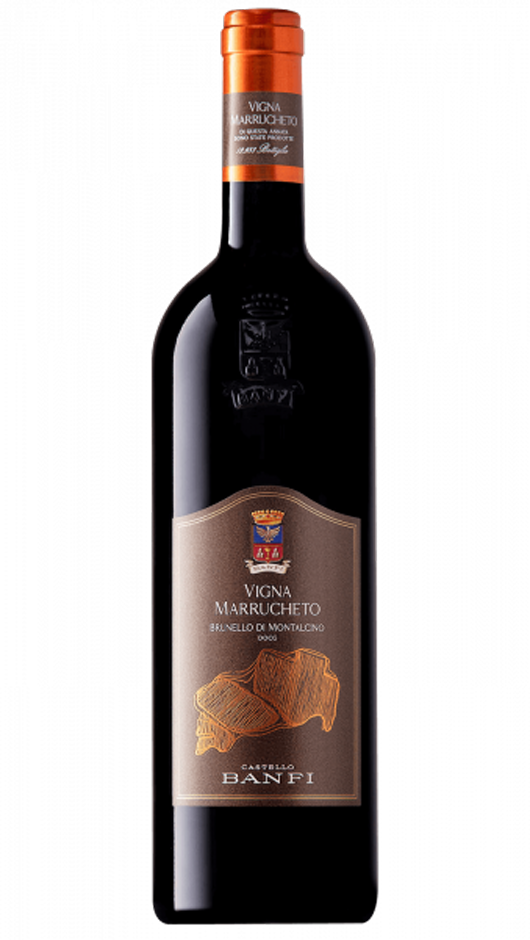
Brunello di Montalcino DOCG 2020 from Castello Banfi, Sangiovese Grosso from Montalcino, aged at least 5 years including 2 in wood, in 6 L format
7,3
1,202 vins notés
Morellino, Brunello, Bolgheri, Vermentino : appellation, cépage, prix relevé et notre note, pour choisir avant de commander.
🍷 This site features wines
This content concerns alcoholic beverages. Please confirm that you are of legal drinking age in your country of residence.
Alcohol abuse is dangerous for your health. Consume in moderation.
Brunello di Montalcino DOCG 2020 from Castello Banfi, Sangiovese Grosso from Montalcino, aged at least 5 years including 2 in wood, in 6 L format
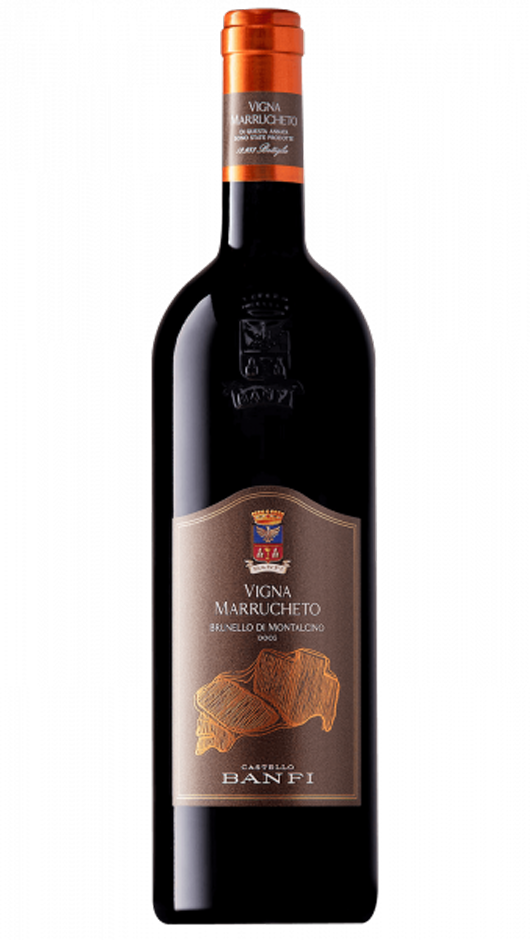
Brunello di Montalcino DOCG 2020 from Banfi, Sangiovese Grosso from Montalcino, aged at least 5 years including 2 in wood, in 1.5 L format
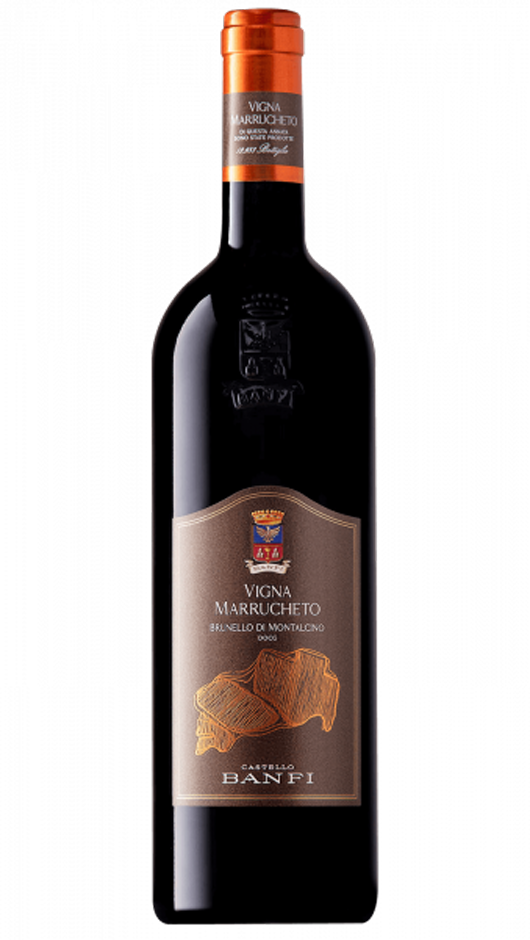
Brunello di Montalcino DOCG 2021 from Banfi, Sangiovese Grosso from Montalcino, aged at least five years including two in wood, at €67.28 instead of €85.66
Brunello di Montalcino DOCG 2021 from Banfi, pure Sangiovese Grosso, aged five years including two in wood, in large 1.5 L format at €72.44 per 75 cl
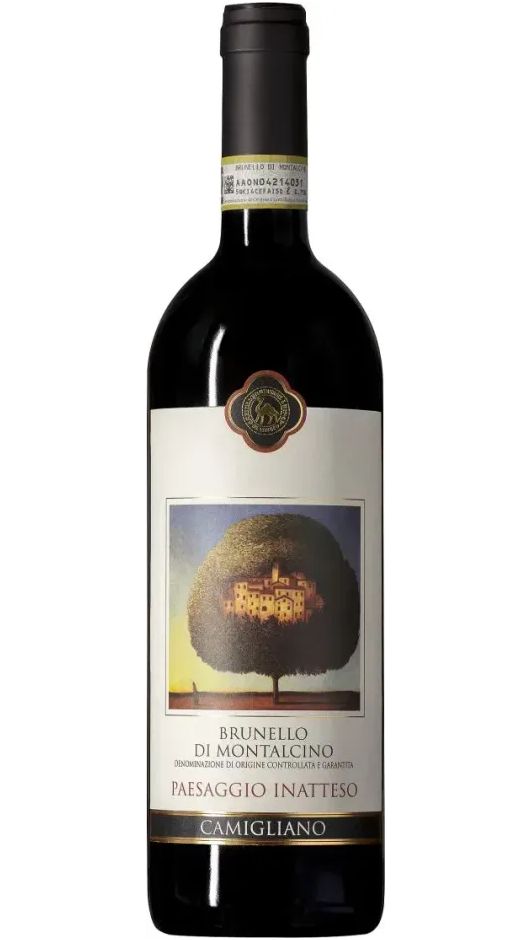
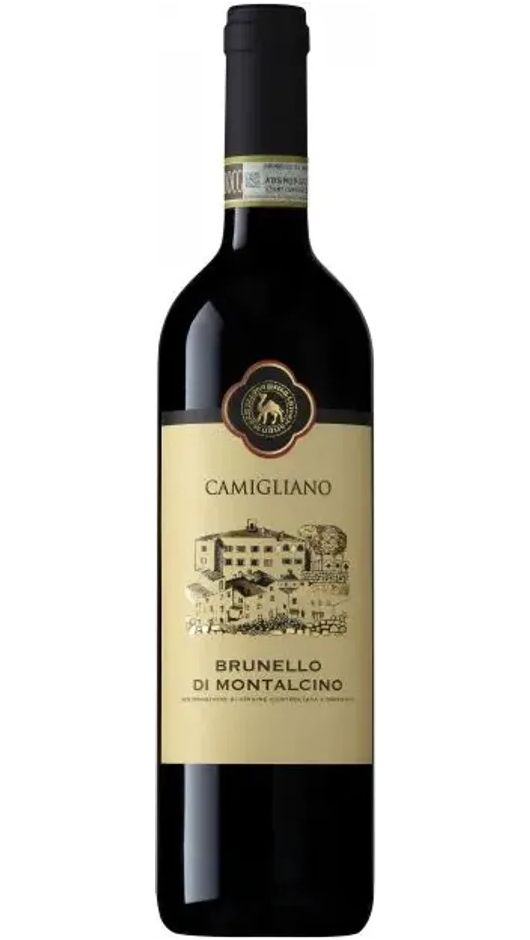
Brunello di Montalcino 2021 from the Camigliano estate, organic Sangiovese Grosso from Montalcino, fermented in steel and aged at least five years, at €50.07 instead of €57.91
Brunello di Montalcino DOCG from the Camigliano estate, organically farmed, Sangiovese Grosso from Montalcino aged a minimum of 5 years, offered at €32.28
Brunello di Montalcino DOCG 2020 from Banfi, Sangiovese Grosso, aged at least five years including two in wood, sold in 1.5 L format
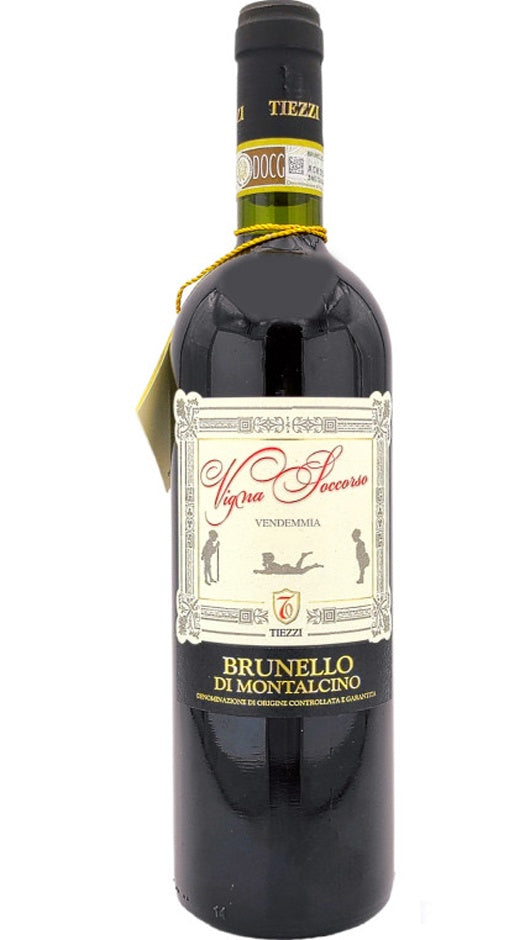
Brunello di Montalcino DOCG from Cantina Tiezzi, Sangiovese Grosso from Montalcino, aged at least 5 years including 2 in wood, at €58.04 instead of €69.81
Brunello di Montalcino DOCG 2020 from Banfi, Sangiovese Grosso, aged at least 5 years including 2 in wood, in large 3 L format at €55.78 per 75 cl
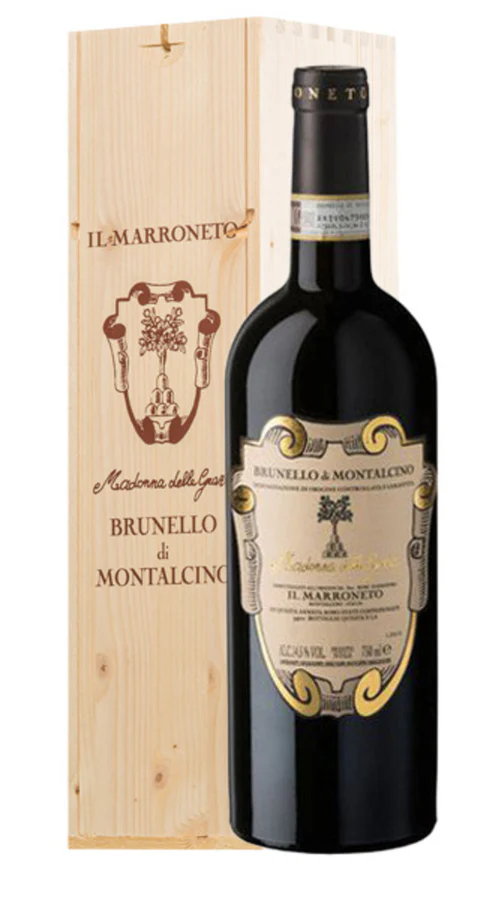
Brunello di Montalcino DOCG 2021 from Il Marroneto, Sangiovese Grosso from Montalcino, aged at least 5 years including 2 in wood, in 3 L format
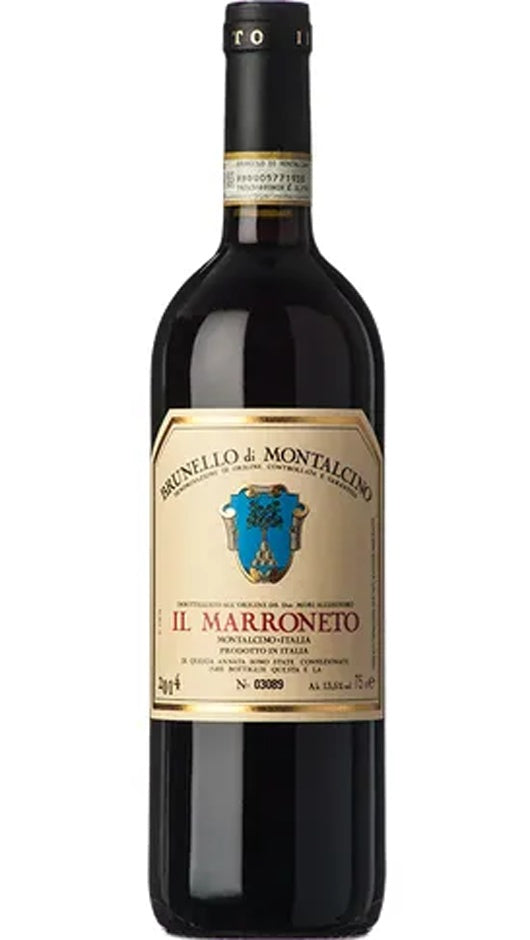
Brunello di Montalcino 2021 from Il Marroneto in Sangiovese Grosso, aged at least five years including two in wood, served at 16-18°C with red meats and game
Brunello di Montalcino 2021 from Il Marroneto, Sangiovese Grosso from Montalcino, aged at least five years including two in wood
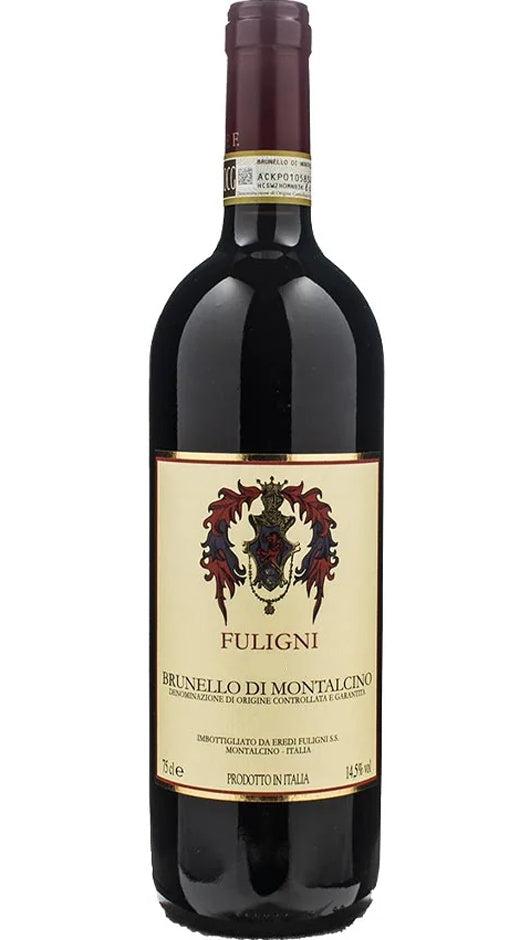
Brunello di Montalcino DOCG 2021 from Fuligni, Sangiovese Grosso on clay and galestro soils, aged at least 5 years, in large 1.5 L format
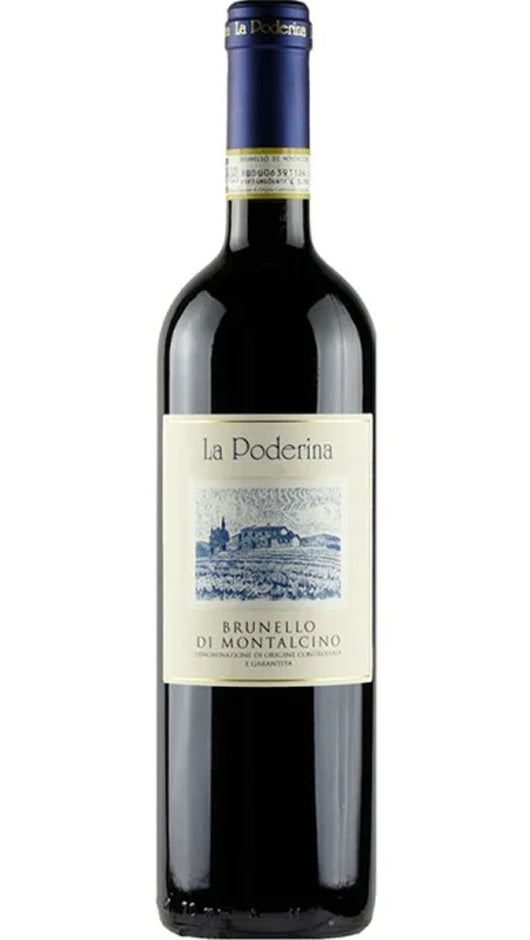
Brunello di Montalcino DOCG 2020 from La Poderina, Sangiovese Grosso from Montalcino, refined at least 5 years in oak, at €32.11 instead of €35.27
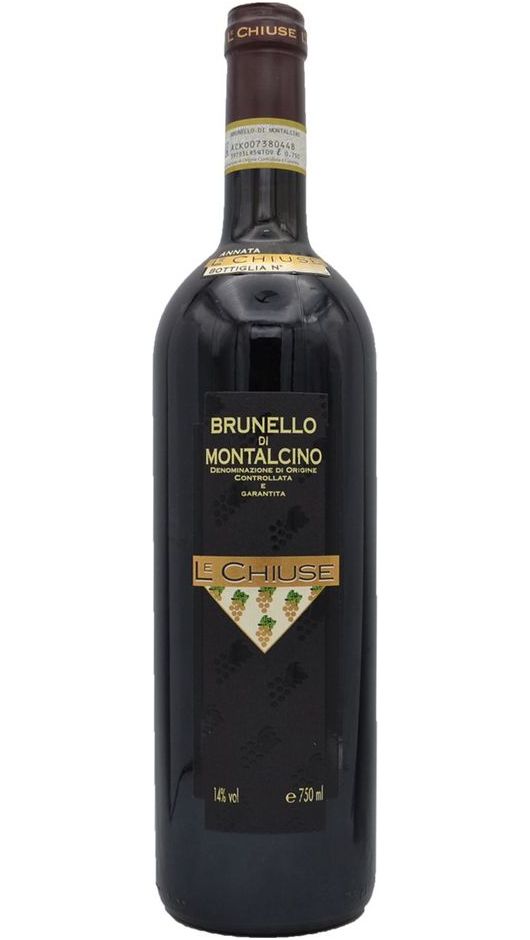
Brunello di Montalcino DOCG 2020 from the Le Chiuse estate, Sangiovese Grosso from Montalcino, aged at least five years, at €80.54 instead of €98.81
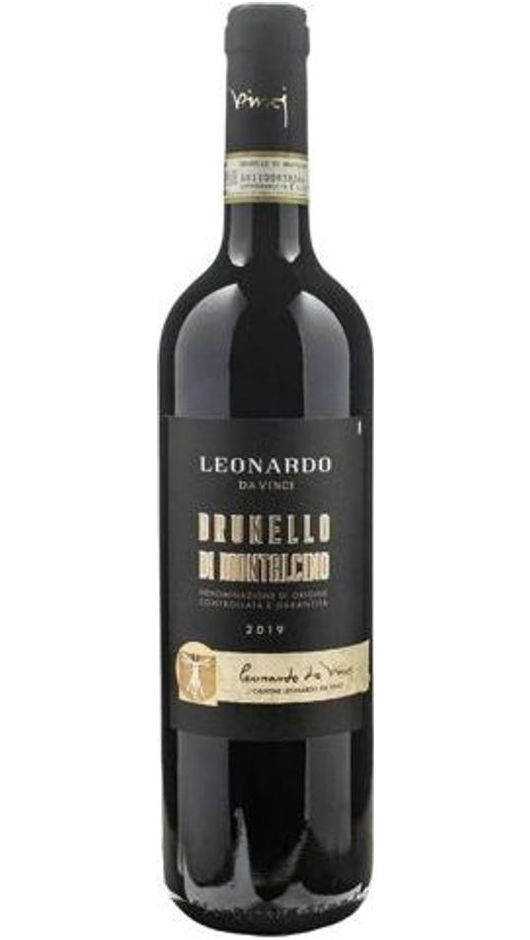
Brunello di Montalcino DOCG 2017 from the Leonardo Da Vinci 1502 estate, Sangiovese Grosso from Montalcino, aged at least five years partly in oak, at €27.83
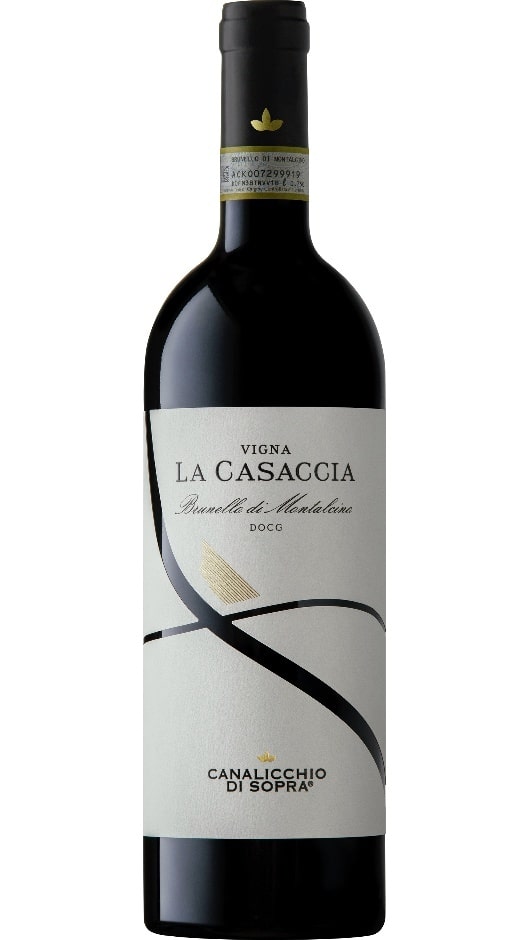
Brunello di Montalcino DOCG 2020 from the Canalicchio Di Sopra estate, Sangiovese Grosso from the La Casaccia plot, aged at least five years
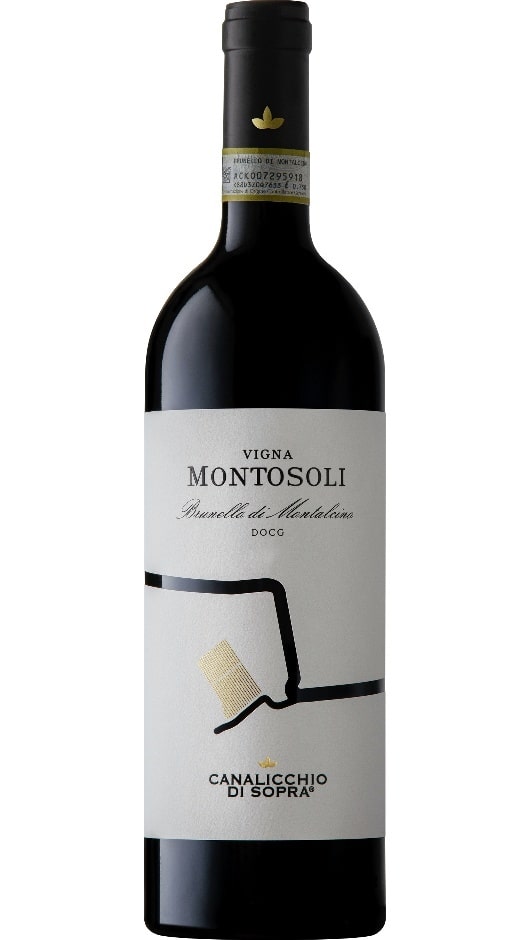
Brunello di Montalcino DOCG 2020 from the Canalicchio Di Sopra estate, from the Vigna Montosoli, Sangiovese Grosso aged at least 5 years including 2 in wood, in 1.5 L format
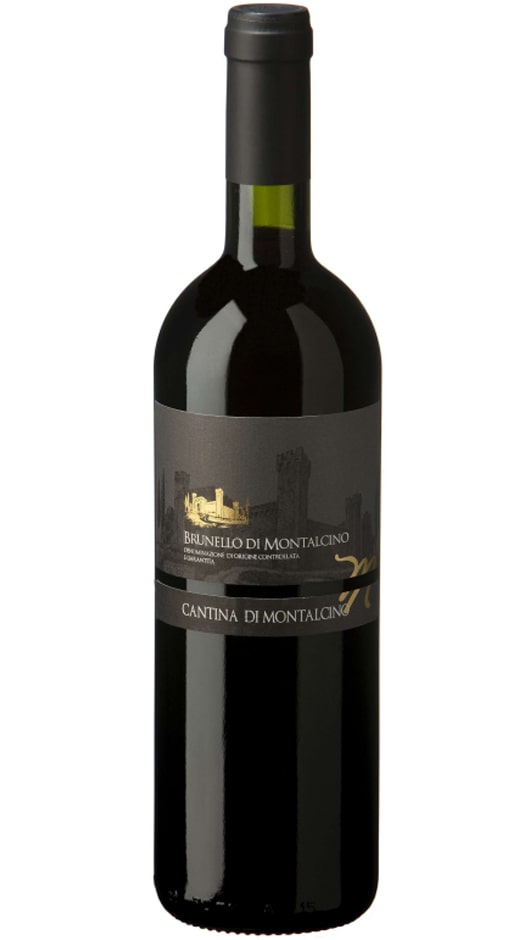
Brunello di Montalcino DOCG 2016 from Cantina Di Montalcino, 100 % Sangiovese Grosso, aged a minimum of 5 years, offered at €22.20 instead of €27.25
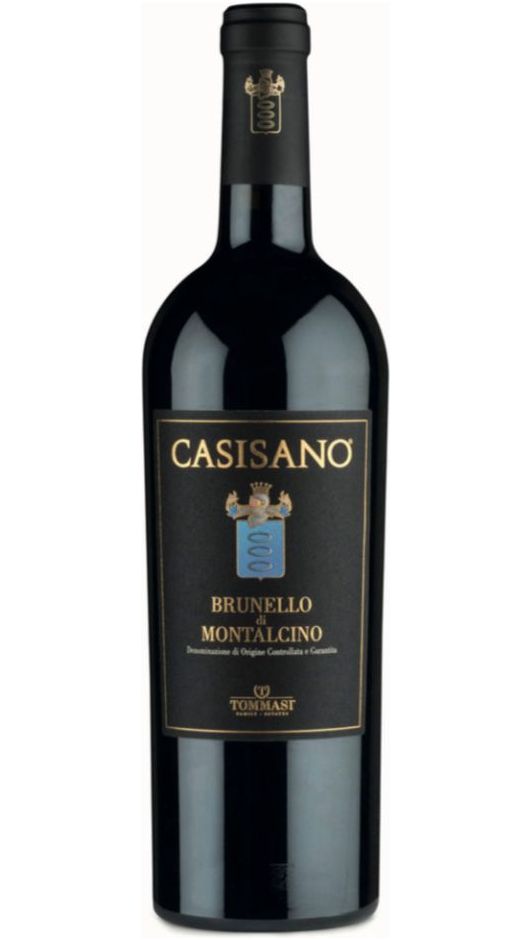
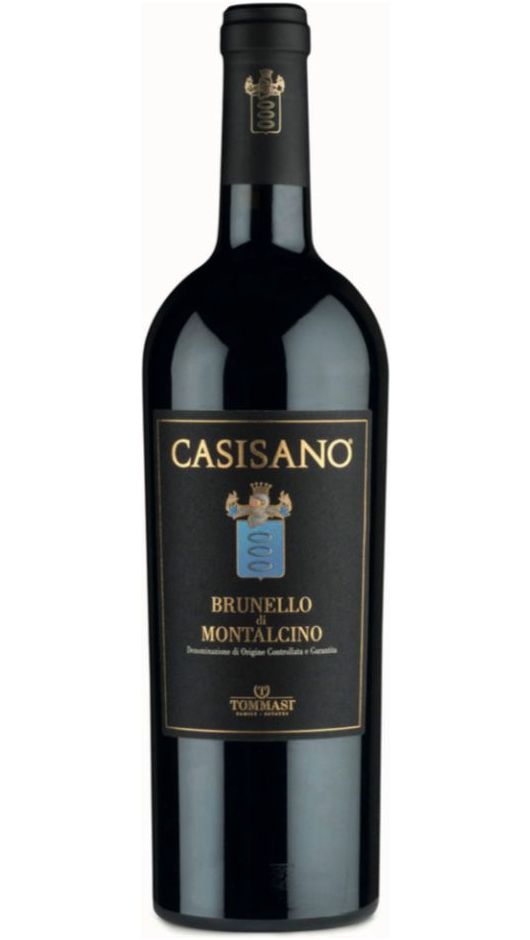
Brunello di Montalcino DOCG 2013 from Podere Casiscano, Sangiovese Grosso, aged at least 5 years including 2 in wood, in 1.5 L format
Brunello di Montalcino DOCG 2011 from Podere Casisano, 100 % Sangiovese Grosso, aged 5 years including 2 in wood, at €46.94 instead of €53.36
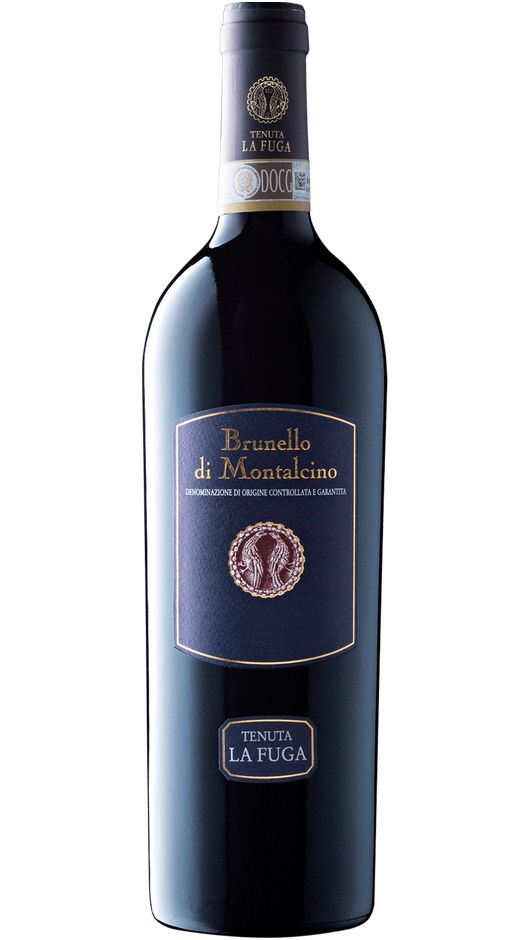
Brunello di Montalcino 1999 de Folonari, Sangiovese 100% de la Tenuta La Fuga à Camigliano, élevé quatre ans dont 24 mois en fûts de Slavonie
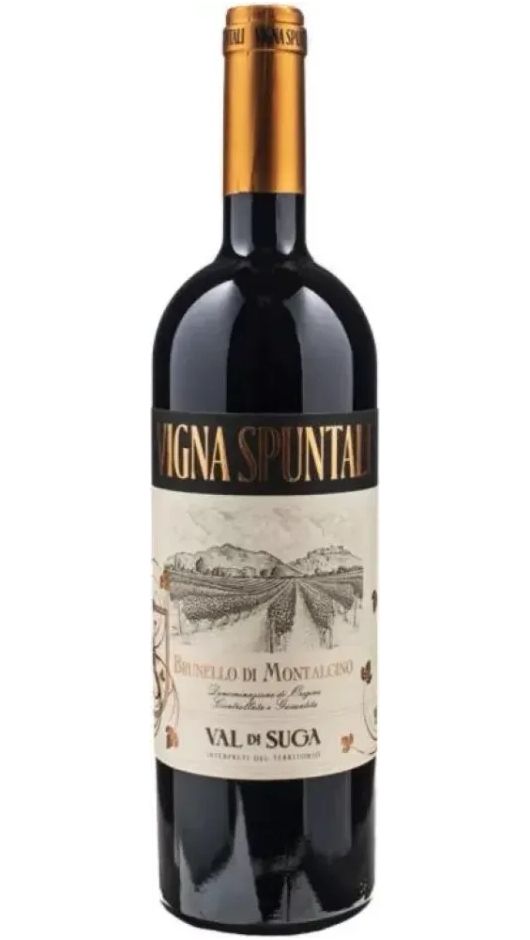
Brunello di Montalcino 2019 from Val di Suga, Sangiovese Grosso from Montalcino, aged at least 5 years including 2 in wood, at €91.31 instead of €115.00
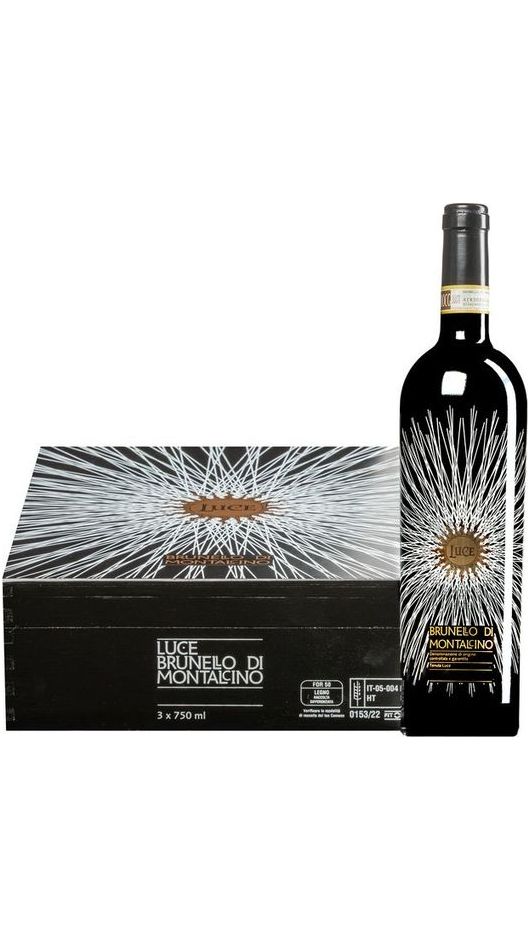
Brunello di Montalcino DOCG 100 % Sangiovese de Luce, élevé au moins 24 mois en chêne de Slavonie, en format 2,3 L
Classement par note Toscane Cachée (fiche technique, avis de la presse et rapport qualité-prix). Prix relevé chez le vendeur, à vérifier au moment de la commande ; les liens sont affiliés.
L'abus d'alcool est dangereux pour la santé, à consommer avec modération. Vente interdite aux mineurs.
Compléter ton séjour
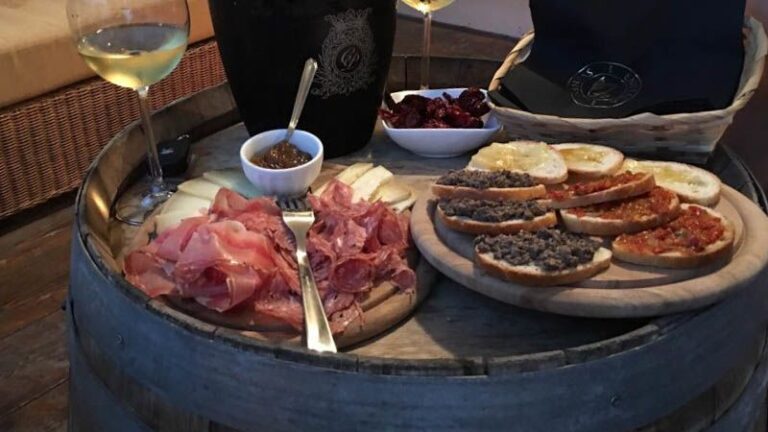 RestaurantsOù manger autour de Località CastelGiocondo, Montalcino13 restaurants à moins de 12 km
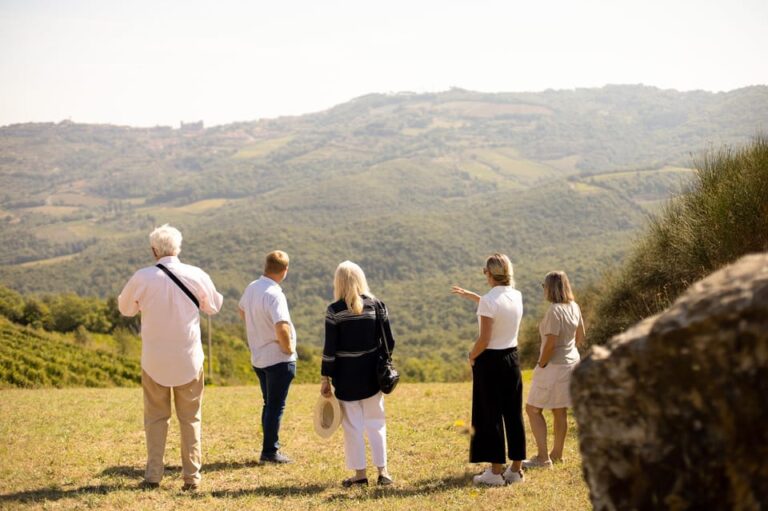 Wine tastingsDégustations autour de Località CastelGiocondo, Montalcino52 dégustations à moins de 12 km
 Places to visitÀ voir autour de Località CastelGiocondo, Montalcino4 lieux à moins de 12 km
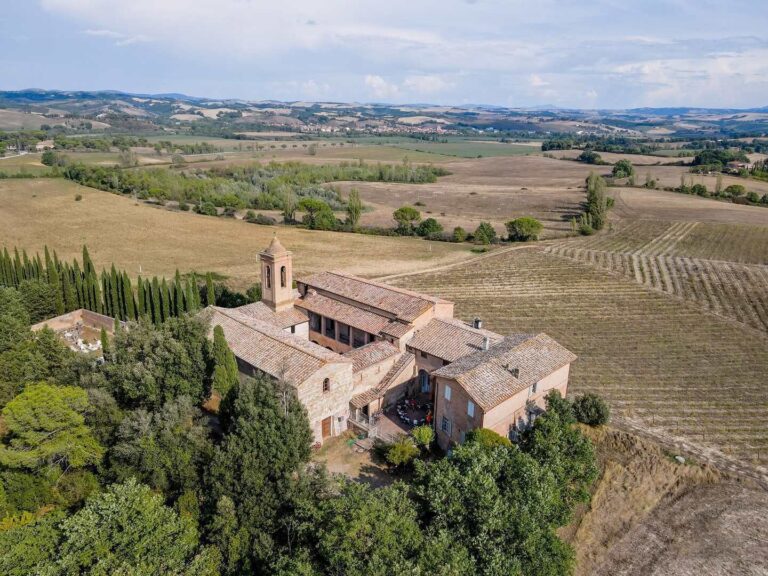 AgriturismosAgriturismos autour de Località CastelGiocondo, Montalcino21 agriturismos à moins de 12 km
 AccommodationsOù dormir autour de Località CastelGiocondo, Montalcino12 hébergements à moins de 12 km
Questions fréquentes
Pour une bouteille de Morellino di Scansano de 75 cl, compte environ 8 à 17 € en magasin ou chez un producteur ; une Riserva coûte souvent davantage, autour de 12 à 25 €,…
Lire la réponse complète →Les vins les plus typiques de la Maremme toscane sont le Morellino di Scansano, rouge à base de sangiovese, et les blancs de Vermentino et d’Ansonica. Le Morellino est une DOCG élaborée avec au…
Lire la réponse complète →Le marché hebdomadaire de San Vincenzo a lieu le samedi matin, généralement de 8 h à 13 h, sur la piazza Giovanni XXIII. Arrive plutôt avant la fin de matinée : les étals commencent…
Lire la réponse complète →Le Vermentino est un cépage blanc méditerranéen, et le nom du vin élaboré à partir de ce raisin. On le trouve notamment en Maremme, dans le sud de la Toscane, ainsi qu’en Sardaigne et…
Lire la réponse complète →Pour goûter les vins les plus typiques de la Maremme, commence par le Morellino di Scansano DOCG, puis compare-le à un Montecucco Sangiovese DOCG et à un Vermentino de la Maremma Toscana DOC. Il…
Lire la réponse complète →Winedering est une plateforme de réservation : tu compares des dégustations proposées par des domaines en Toscane, puis tu choisis une expérience, une date et le nombre de participants. Les offres peuvent inclure seulement…
Lire la réponse complète →Explorer
Chaque lien mène à une page avec sa propre liste, ses filtres et ses conseils.
Le guide
La Toscane produit plus de 2,6 millions d’hectolitres de vin chaque année, mais la majorité des bouteilles que tu trouves en supermarché ne sont que des étiquettes industrielles sans âme. C’est rageant de voir des amateurs payer le prix fort pour un Chianti générique alors que les terroirs de schiste et d’argile cachent des characterful gems.
Tu finis souvent par choisir ton flacon au hasard de l’étiquette sans comprendre ce que le Sangiovese raconte vraiment. Ce guide vin toscane est là pour t’apprendre à décoder les appellations et à débusquer les flacons authentiques, des rouges structurés aux blancs oubliés, pour que tu finally stop drinking hot air.

Sangiovese dominates Tuscany with its tannic structure and acidity, ranging from the minerality of Maremma's schists to the power of the clays, thus defining the Brunello and Chianti Classico appellations. It all starts with the rock and soil that forge its character.
Les terroirs argileux retiennent l’eau et forcent une maturation lente. Cela donne au Sangiovese une massive tannic power and density on the palate that you won't find anywhere else.
Schist brings a unique mineral tension. Discover the Montecucco Sangiovese DOCG: The secret wine of Tuscany to taste this saline uprightness.
L’argile offre corps et puissance, le calcaire apporte élégance et rondeur, tandis que le schiste garantit une minéralité tranchante. Regional typicity depends on this geological puzzle.
Le calcaire mise sur l’élégance et la finesse des arômes. À l’inverse, l’argile construit des vins charnus. Ta sélection doit respecter cette typicité régionale to avoid standardized juices.
The Mediterranean breeze regulates summer temperatures along the coast. This breeze brings a subtle salinity to the grapes and naturally protects the clusters from devastating fungal diseases.
Les montagnes imposent des contrastes thermiques radicaux. Ces nuits fraîches sont vitales pour préserver l’acidité naturelle du cépage Sangiovese, garantissant ainsi son équilibre et sa longévité.
L’altitude devient le rempart ultime contre le réchauffement climatique. C’est le secret des domaines les plus authentiques qui parviennent encore à produire des vins digestes et équilibrés aujourd’hui.

Après avoir compris la terre, tu dois maintenant learn to decipher what is written on the bottle so you don't go wrong.
Le Brunello impose un vieillissement en fût de 24 mois. Le Rosso sort en un an seulement. Cette attente forge la structure.
The price of Brunello funds its complexity and aging potential. C’est un vin de patience. Découvre la vallée d’Orcia et les caves de Montalcino pour le comprendre.
Préfère le Rosso pour un immediate pleasure. C’est l’option idéale pour boire local sans te ruiner inutilement.
% 1001 Sangiovese, long aging, exceptional cellaring potential, high price.
Short aging, accessible fruit, immediate pleasure, affordable price.
Look for the Gallo Nero to identify the historic zones. This symbol guarantees a controlled origin and strict production.
The Annata, Riserva and Gran Selezione hierarchy defines quality. Each level gains in aromatic finesse and woody structure.
Avoid the industrial versions with no character. Always check these elements :
Le coq noir distingue le Chianti Classico historique des productions de masse. C’est your only true quality benchmark.
Our addresses · Montalcino
Our favorite addresses around Montalcino
Excessive alcohol consumption is dangerous for health, drink in moderation.
Si les appellations classiques te semblent trop rigides, sache qu’il existe a fascinating world off the beaten path.
In the 70s, rebellious winemakers shook everything up. They planted Cabernet Sauvignon against the obtuse rules. These pioneers thus broke the codes of the traditional DOC.
IGT Bolgheri wines now dominate the global prestige market. Ce sont des bouteilles d’exception, souvent vendues à prix d’or. Regarde bien which Maremma wine to buy? so you don't go wrong.
Careful, these powerful reds require serious decanting. L’aération est vitale pour qu’ils s’ouvrent enfin.
La Vernaccia de San Gimignano est un blanc historique au tempérament bien trempé. Son amertume finale est sa signature. C’est le first Italian wine to earn the DOC.
L’Aleatico Passito d’Elba est un nectar rouge rare et envoûtant. Its notes of rose and candied red fruits are unique. The grapes dry in the sun on traditional racks.
The coastal grape varieties deserve your full attention to break out of all-red.
| Grape variety | Style | Region | Perfect pairing |
|---|---|---|---|
| Vernaccia | Dry, fresh, almond | San Gimignano | Grilled fish |
| Vermentino | Fresh and saline | Tuscan coast | Marine aperitif |
| Ansonica | Structured and dry | Maremma / Giglio | Local antipasti |
| Aleatico | Sweet, red fruits | Île d’Elbe | Dark chocolate |

Having a good bottle is one thing, savoir la servir et l’accompagner is another to truly enjoy it.
Set your temperature limits carefully. A red served too hot quickly becomes boozy. It then loses all its initial aromatic freshness.
Déboucher ta bouteille à l’avance ne suffit pas. L’échange d’air reste quasi nul dans le goulot. Ta bouteille toscane a needs more.
Favor decanting for your closed vintages. Use this technique sparingly. You release the complex aromas without tiring your wine.
Évite les températures élevées pour ne pas brûler les arômes. Le simple débouchage est inutile pour l’oxygénation ; opt for a decanter for closed wines.
Pair your game with a Morellino di Scansano. Its robust structure absorbs the shock. It stands up to the power of the local wild boar ragù.
Pair your aged pecorinos with evolved reds. The richness of the cheese is demanding. It requires mellowed tannins pour l’équilibre en bouche.
To enhance the truffle, forget wines that are too oaky. Here are the best options for your guide Maremma gastronomy :
Maîtriser ce guide vin toscane, c’est comprendre que le Sangiovese dicte sa loi entre schistes et argiles. Ne te fais plus avoir par le marketing : choisis la puissance d’un Brunello pour ta cave ou la fraîcheur d’un Rosso for your next ragù. Grab your bottles now before the Maremma gems become inaccessible. Become the sole master of your glass.
If you dream of great artistic landmarks and monuments you recognize before even arriving, Tuscany may better suit your first stay. Florence concentrates many iconic places, such as the Uffizi Gallery, the Ponte Vecchio, the Piazza della Signoria and Santa Maria del Fiore. Siena offers a different atmosphere, centered notably on the Piazza del Campo and the Palio. This duo works if you want to devote a good part of the trip to art cities and alternate visits with excursions into the hills or vineyards.
Choose rather Umbria if you want to combine spirituality, civic heritage and characterful towns. In Assisi, the Basilica of Saint Francis, the Basilica of Santa Chiara and Giotto’s frescoes give a strong place to religious and artistic history. In Perugia, the Fontana Maggiore, the Palazzo dei Priori and the Pozzo Etrusco form interesting landmarks for discovering the regional capital. Before booking, look at the places that really attract you and check how they fit together in your itinerary. There is no universally better choice: Tuscany highlights famous stops and hilly landscapes, while Umbria combines historic towns, forests and more mountainous terrain.
To discover the towns of Umbria without turning the stay into a race, choose a few stops that match your desires and the shape of your itinerary. Spello, Gubbio, Bevagna and Norcia are good names to compare, but they do not constitute a ranking or an exhaustive list of the region’s villages. You can also consider Orvieto or Spoleto if these places fit better with the other stops you have selected. The right choice depends less on the number of villages checked off than on the time you wish to devote to each.
Start by identifying the towns you absolutely want to visit, for example Perugia or Assisi, then add one or two towns rather than accumulating detours. This method leaves more room for walks, breaks and the unexpected. To prepare a trip to Umbria, also note what you wish to do on site: stroll through a historic center, discover heritage, enjoy the landscapes or linger over a meal. Group the stops that naturally fit into your route and check travel times before fixing your accommodation. Villages are not all visited the same way, and a lighter itinerary can be more pleasant than a succession of too-short stops. The goal is not to claim to have seen all of Umbria, but to choose places that make you want to slow down.
Yes, the Maremma is a lead to consider if you want to discover a facet of Tuscany different from the wine-growing hills and the most famous stops. It is presented in your itinerary as a wilder side of the region, with an atmosphere more oriented towards open spaces and outdoor activities. A horseback ride in the Maremma can thus suit you if you want to spend a day in the open air rather than multiplying city visits. This does not mean that the whole area will necessarily be quiet or that the experience will be identical everywhere: the atmosphere will depend on the places and dates chosen.
Saturnia et la island of Elba can also broaden a Tuscan stay beyond the classic stops, but they do not automatically replace a stop in the Maremma. Before including them, ask yourself what type of trip you want to build: landscapes and outdoor activities, discovery of a thermal area, or an island escape. Avoid bringing together too many distant areas in a too tight program. First choose your priorities, then organize nights and travel around them, checking practical conditions for your dates. If your stay already includes Florence, Siena or Chianti, an additional stop only makes sense if you have time to enjoy it. For a less conventional Tuscany, the Maremma therefore deserves to be considered as a real part of the trip, rather than as a simple detour added at the last moment.
It is better not to choose Umbria on the assumption that it will necessarily be cheaper or less crowded. The cost of your trip will depend above all on your choices: accommodation, meals, transport, visits and activities. A one-off good deal is not enough to establish a rule valid for an entire region. To compare seriously, rather prepare two scenarios with equivalent stops: for example, a few nights in Florence and Siena, then another estimate around Perugia and Assisi. Use the same criteria for both and take your exact dates into account.
Crowds are also compared at the scale of the chosen places, not only between regions. In Tuscany, the very famous stops like Florence, Siena and Chianti naturally attract the attention of many travelers. This does not mean that every Tuscan area has the same atmosphere: the Maremma can offer a different experience, more oriented towards landscapes and the open air. For its part, Umbria is not reduced to a calm region by definition; the experience will depend on the cities, towns and the calendar of your trip. To better control your budget and pace, select your stops, compare accommodation options for those dates and avoid booking on a generality like « this region is cheaper ». The best choice is the one that matches what you really want to do.
Choose according to the experiences you want to find at the heart of the trip, rather than looking for a region that would have a superior gastronomy to the other. In Tuscany, Chianti combines vineyard landscapes and wine tastings. You can imagine a day that combines discovery of the area, a gourmet break and a walk, without necessarily filling every moment with booked activities. If you want to give a wilder tone to the stay, the Maremma is more suited to outdoor activities, for example a horseback ride, than to a program centered only on tastings.
In Umbria, truffle, pecorino and charcuterie offer another way to explore the terroir. In Perugia, a chocolate workshop can complement heritage visits, especially if you want to vary activities beyond monuments. To decide, ask yourself whether you prefer to organize the trip around vineyards and hills, or around local products and Umbrian towns. Check dates, terms and availability of experiences before building your program: the article does not allow you to assume that a tasting, a workshop or an activity will be open at the time that suits you. Also think about keeping free time for meals and spontaneous discoveries. A gourmet stay works better when activities fit into the stops you already want to visit, rather than when they impose long detours.
There is no ideal duration valid for all trips to Tuscany or Umbria. The number of days depends on the places you really want to discover, the time you wish to spend there and the pace at which you like to travel. A stay centered on Florence and Siena is not built like a route that also includes Chianti, the Maremma or the island of Elba. In the same way, visiting Perugia and Assisi does not require the same program as if you add several towns like Spello, Gubbio, Bevagna or Norcia.
To prepare your stay, first note the stops that matter most to you, then distinguish must-see visits from possible additions. Group the places that fit well into the same route and check travel times before booking your nights. If you want to see cities, villages and landscapes, avoid planning a new stop every day without leaving margin: breaks and time spent on site are part of the trip. The choice of authentic accommodation can also influence your itinerary, because you may want to devote more time to its surroundings rather than leaving again immediately. For a trip in 2026, check availability and practical conditions corresponding to your dates before finalizing your program. So start with your desires — heritage, hills, forests or wilder countryside — then adjust the duration. Counting destinations is not enough to know how much time you will need to enjoy them.
Explore the Tuscan Maremma wine route in 2 days. Taste the Morellino and…
Discover which Maremma wine to buy: Morellino di Scansano for its power…
Discover Sassotondo in Sorano: taste organic Ciliegiolo on volcanic tuf and explore…
Découvre mon avis winedering maremme toscane : réserve tes dégustations bio chez Mambrini ou…
Trier par
Color
Zone viticole
Prix de la bouteille
Grape variety
Origin
Style
Vintage
Estate
Bouteille ou coffret
Réserver sur
Hidden Tuscany Rating
Notre note sur 10 est volontairement exigeante : les coups de cœur sont les 10 % les mieux notés du hub.
 Français Français
 Italiano
 English
 Polski
 Português do Brasil
 Nederlands
 Español
 Deutsch
 Bottle of Italy