Wine tasting
🍷 This site features wines
This content concerns alcoholic beverages. Please confirm that you are of legal drinking age in your country of residence.
Alcohol abuse is dangerous for your health. Consume in moderation.
The wine
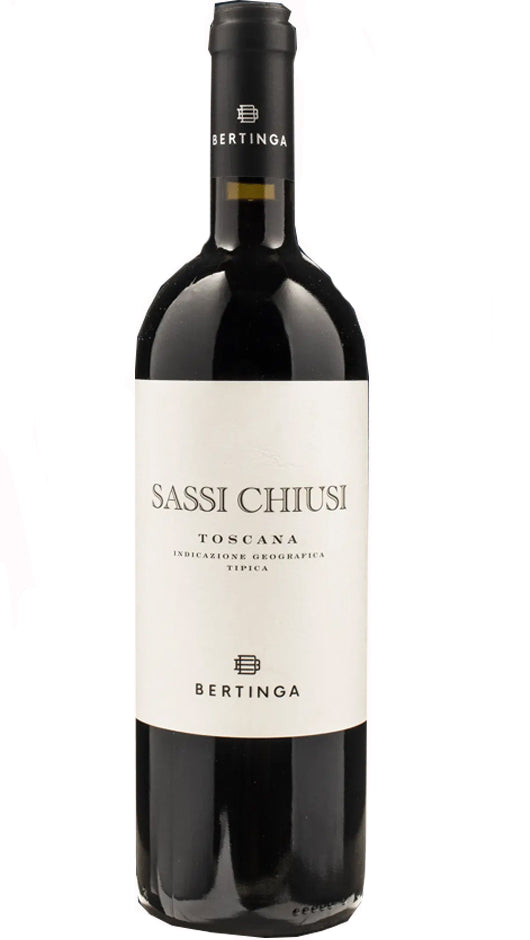
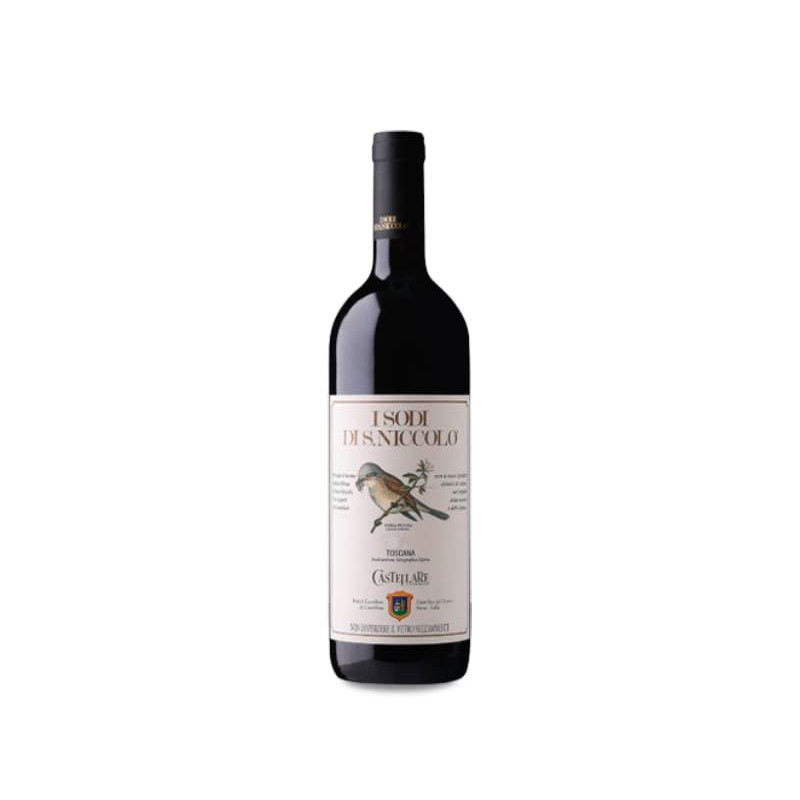
In this red from Castellare di Castellina, Sangiovese meets Malvasia Nera and gives rise to an expression that is full yet restrained, typical of the Tuscan hills. What stays with me most is the contrast between its ripe cherry aromas and its freshness, supported by a long aging that gives it time to settle.
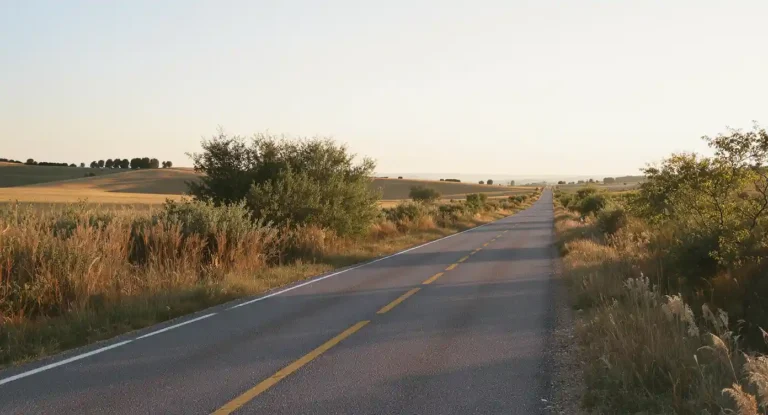
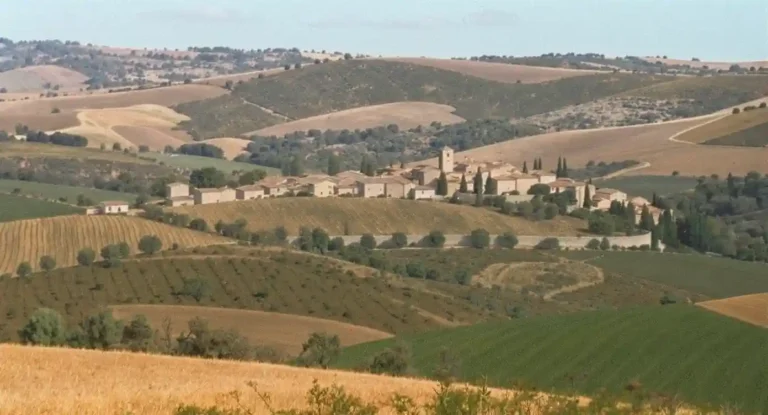
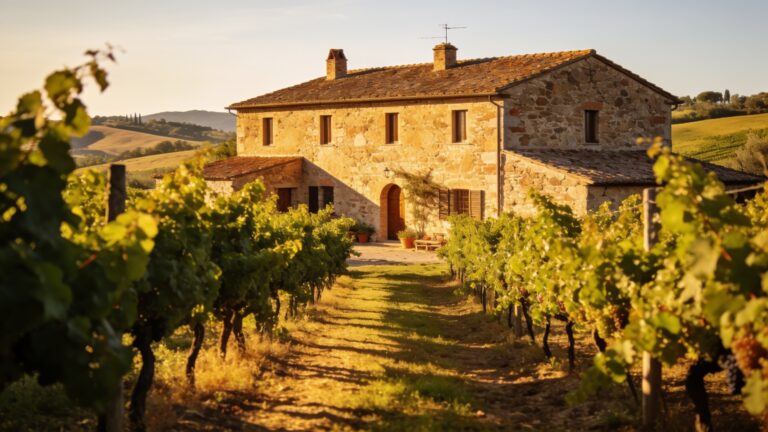
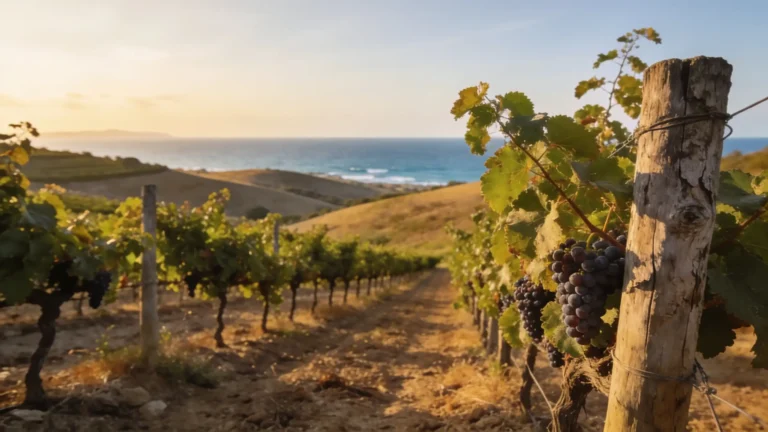
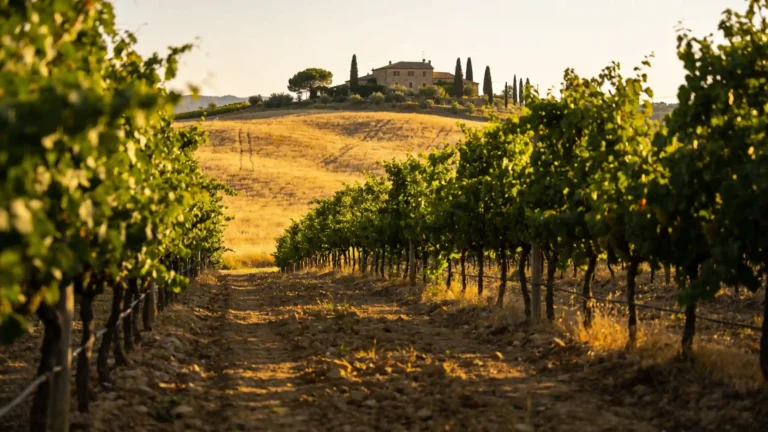
This wine is produced in Tuscany and labeled IGT Toscana. Its name refers to “sodi,” a local term for soils that are difficult to work. The vines stretch across the slopes of a natural amphitheater, up to 450 meters above sea level, with a southeast exposure. They are between seven and forty-five years old. The estate, committed to viticulture since the 1970s, farms its 33 hectares by hand, without machines. This attention to the environment is part of an approach that respects nature; the presence of birds on the labels also recalls the return of various species to the estate's land.
The blend combines 85% Sangiovese and 15% Malvasia Nera. Yields are kept low, according to the wine's presentation, and the grapes come from plots bearing the name of the church of San Niccolò. For the 2020 vintage, aging includes 30 months in barrique, followed by 12 months in bottle. This fairly long maturation accompanies the wine without erasing the traits highlighted at tasting: ripe fruit, a fresh structure and supple tannins.
To the eye, its robe is an intense ruby red. The nose opens on ripe cherry, joined by delicate floral notes and a touch of spice. On the palate, the structure remains balanced: freshness animates the mouth, while silky tannins add relief without harshness. The acidity brings liveliness to the whole and prolongs the sensation of fruit. The finish stretches out, with a lingering impression that gathers these nuances without weighing them down. I would choose it for someone who loves Tuscan reds that are both structured and fresh, where the fruit keeps its place amid the spices and the oak.
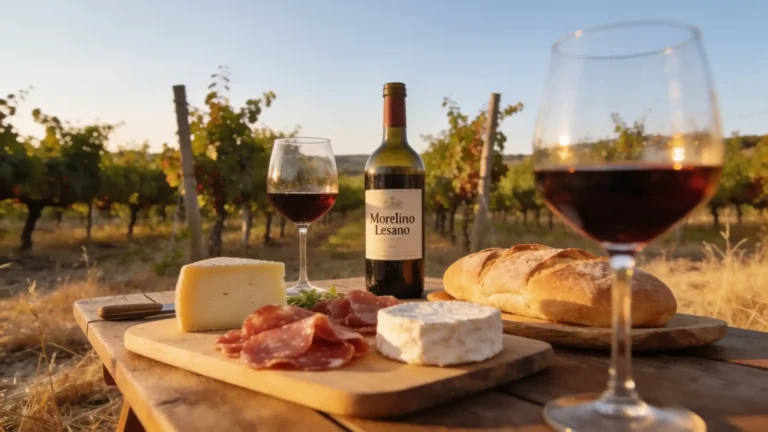
I would serve it with roast meat, a slow-cooked dish with herbs, or pasta with a rich tomato sauce: flavorful dishes that can match its structure without masking its cherry notes. A platter of aged cheeses can also offer a lovely counterpoint. Open the bottle at a meal where you take your time, and let it rest a few moments in the glass so the bouquet can unfold. It is a simple way to taste, through a precise blend and soils renowned for being demanding, a singular face of Tuscany.

To read
 Français Français
 Italiano
 English
 Polski
 Português do Brasil
 Nederlands
 Español
 Deutsch