Village
Stay in the Maremma

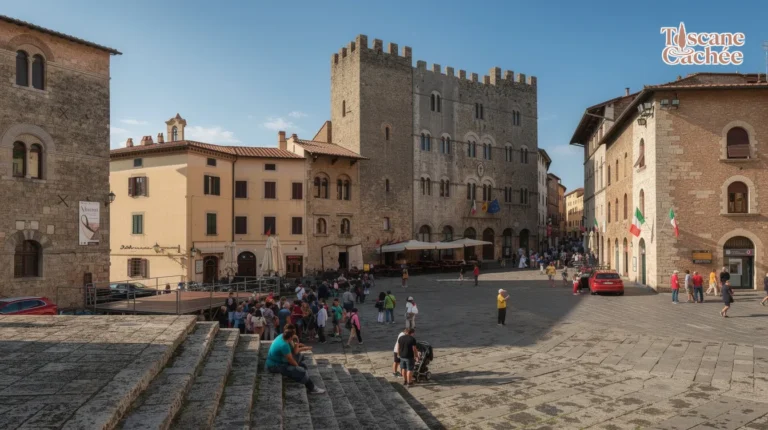
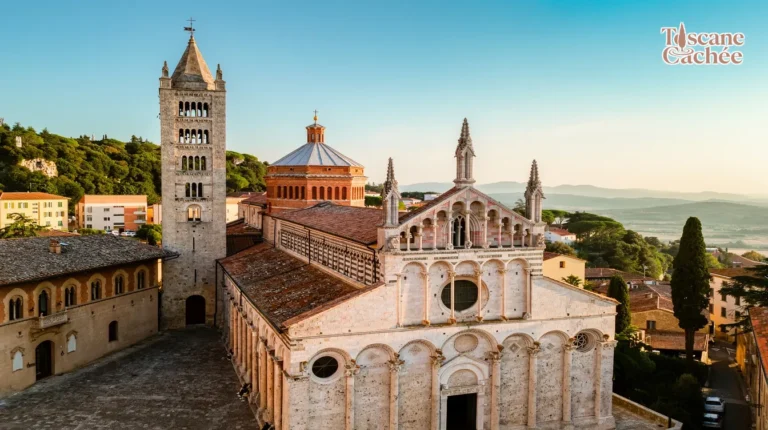
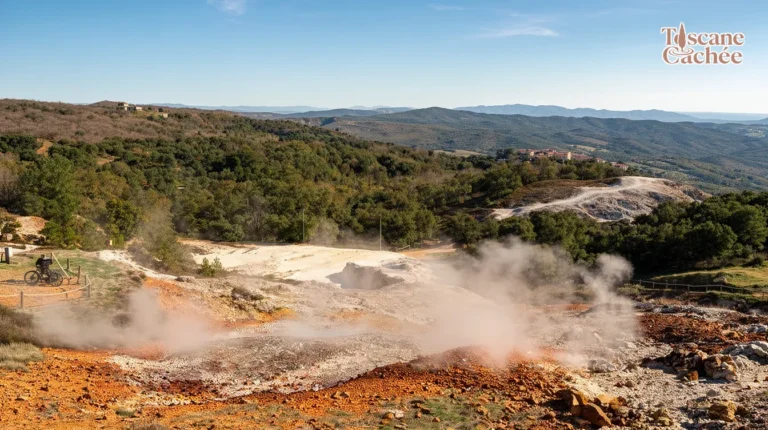
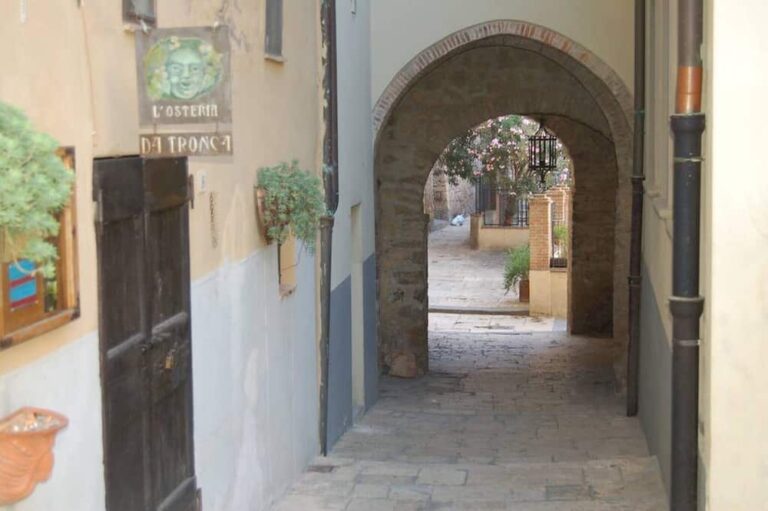
Tosco's wordMassa Marittima climbs its hill, between cobbled alleys and weathered stone façades, and Piazza Garibaldi buzzes as soon as the sun goes down. Here, the old San Cerbone cathedral watches over the whole village, while the former mines of the Colline Metallifere recall the town's past wealth. My tip: go down to visit the Museo della Miniera, then come back to stroll on the steps of the square at sunset, that's where the town tells its story best!
Stay22 map: if you book through it, we earn a commission, at no extra cost to you.
To visit
Within 8 km, highest rated first.
Around Massa Marittima
Discover how to visit Massa Marittima and the Maremma in 2 days. Explore the underground mines and…
Massa Marittima is a medieval town located in the Metalliferous Hills, known for its medieval mines,…
A visit to San Gimignano can take two hours, 3 to 4 hours, a morning…
The three major Italian lakes are Como, Garda and Maggiore. Como means Bellagio, Varenna, villas…
Explore Tuscany off the beaten track in 2026. Discover wild Maremma, its tufa towns…
Explore the secret Tuscany of tufa towns. Discover Pitigliano and the Etruscan Vie Cave for…
Find your ideal agriturismo in Maremma for 2026. Choose between XXL pool, quiet without children or…
Discover the Calidario Etruscan thermal baths in Venturina. Dive into a 36°C thermal lake and enjoy…
Can't decide? The referee suggests three addresses around Massa Marittima →
Benchmarks calculated from the official timetables for a typical week (week of 10/11), connections included: they change with the seasons and school holidays. Check the day before on at-bus.it and, for the train, on trenitalia.com. Timetable source: Tuscany Region, open data (CC BY).
The guide
Staying in Massa Marittima means sleeping in a grey stone town perched on a hill, with the wind of the Colline Metallifere in its alleys and not a beach umbrella in sight. Here, you choose the upper town, the cellars and the country roads. The sea remains a detour. This page helps you decide where to put your suitcase, and with which car.
Many searches get the Massa wrong. The one in the province of Massa-Carrara belongs to the Apuan Alps and marble, with its regional park created in 1985. It has nothing to do with the Maremma.
Massa Marittima is in the province of Grosseto, in the heart of the metalliferous hills. Its neighbours are Montieri, Prata, Tatti, Monterotondo Marittimo and Il Bagno, near Gavorrano.
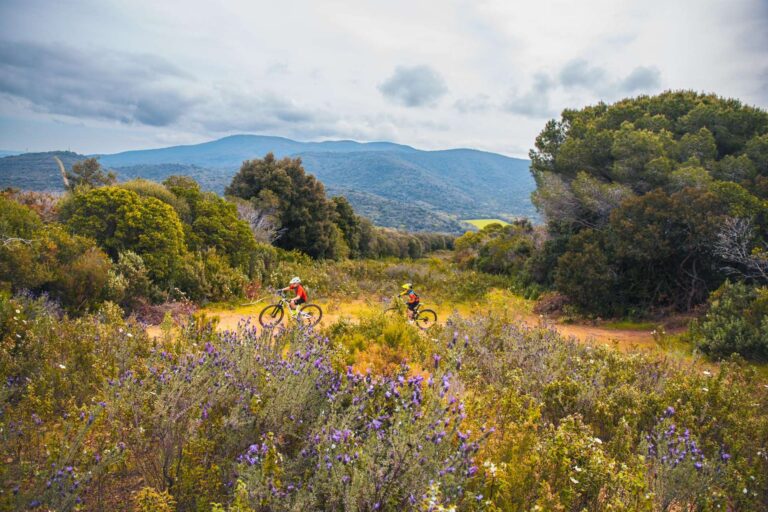
Massa Marittima is an inland base. You choose it for its medieval town, its wine, its cycling routes and its calm. You don't choose it for swimming: the sea is about 25 km away, and no beach can be reached on foot.
In the evening, when the tour groups have left, the town belongs to those who sleep in it. That is the real advantage of a base here.
For swimming, you have two options: the car, or a dedicated excursion. There is no shuttle from the square, nor a path leading down to the water. The sea has to be organised like a day trip in its own right, with your bag, your departure time and your return at the end of the day.
It works for art and history lovers, wine enthusiasts, cyclists and walkers, and for those who want to escape the crowds of the classic stops. The mining past gives the place a depth that pretty towns do not always have.
It works less well if you want to lay your towel on the sand straight after breakfast. In that case, sleep on the coast and come here for the day.
The hotel matters less than how you choose to stay. Two ways of experiencing the same town, and they don't mix.
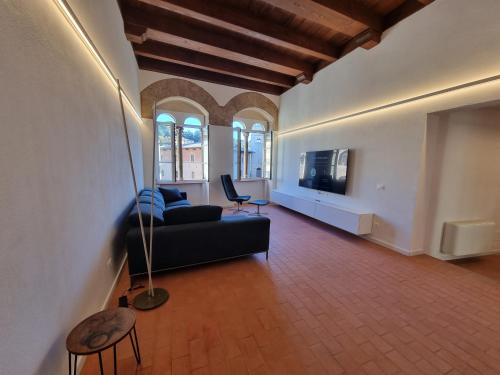
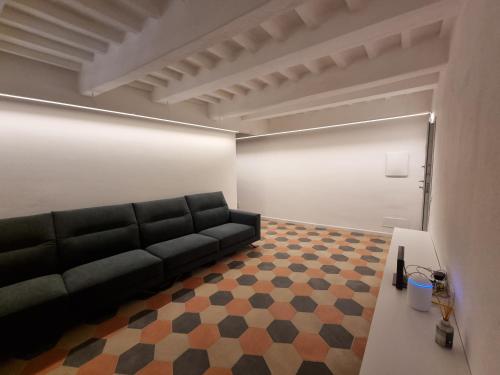
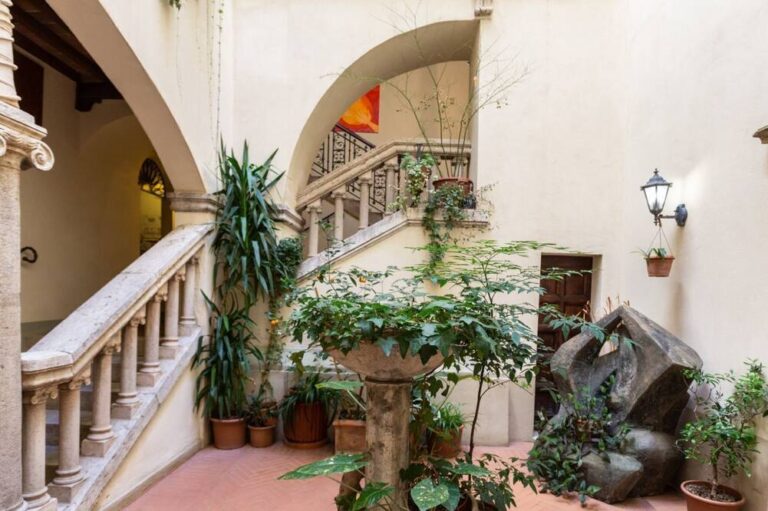
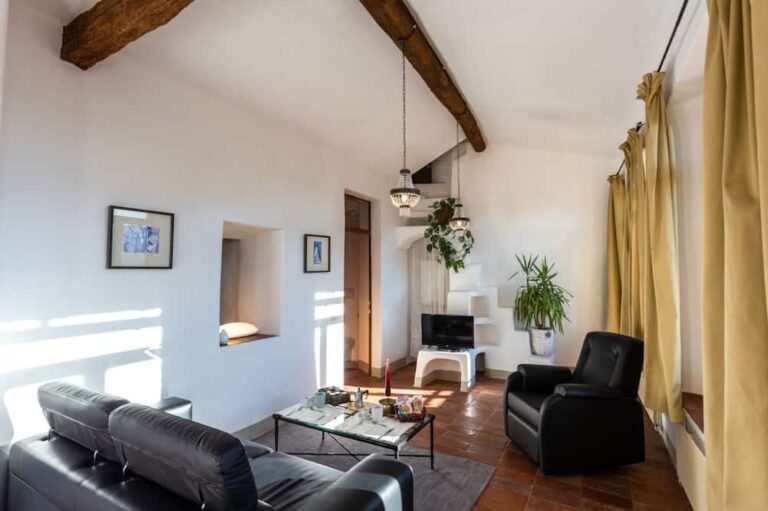
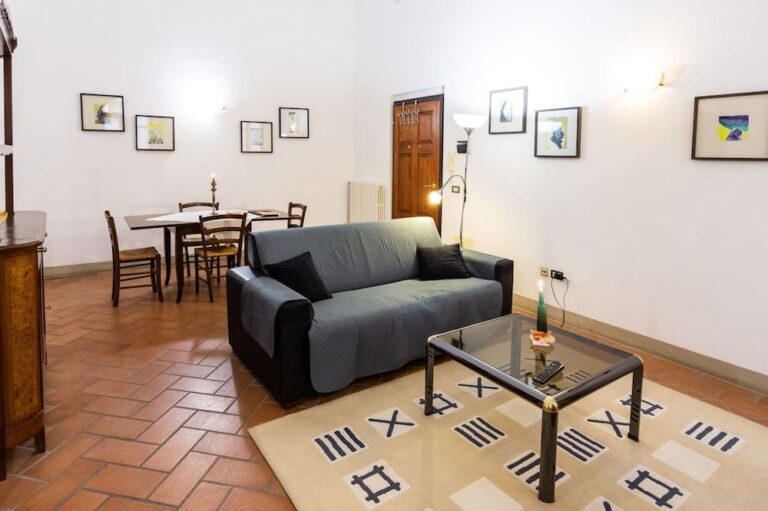
The apartments in the historic centre put you a short walk from Piazza Garibaldi and the San Cerbone cathedral, and you can have dinner without taking the car again. In the evening, you return over the cobblestones, the cathedral façade still warm from the day.
Palazzo Malfatti is housed in a palace, a short walk from the upper town. La Dimora dei Conti Biserno opens directly onto Piazza Garibaldi: you wake up with the shutters open on the square. Casa Aurora, a guest house in the centre, suits you if your budget is tight.
Park outside the alleys and finish on foot, after confirming access with your host. A car wedged between two medieval walls quickly ruins an evening.
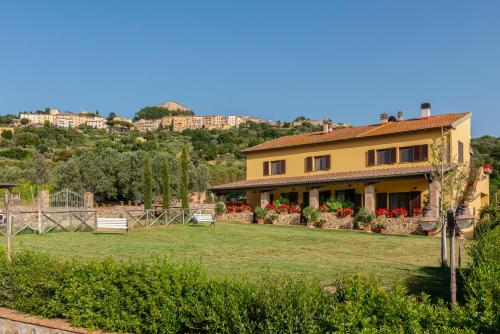
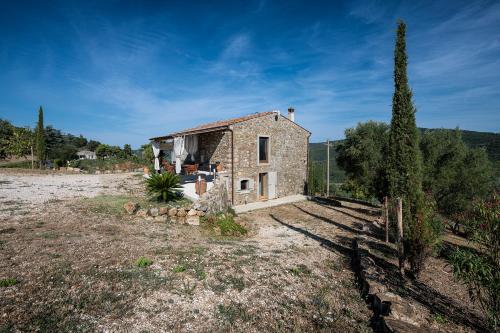
In the countryside, you gain silence, views and wine. You lose independence: agriturismi require a car, without exception. In the evening, you hear insects and nothing else.
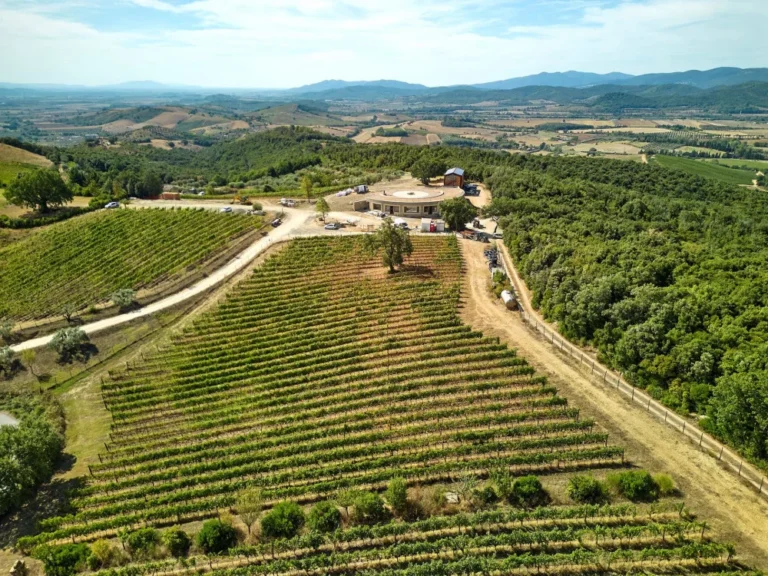
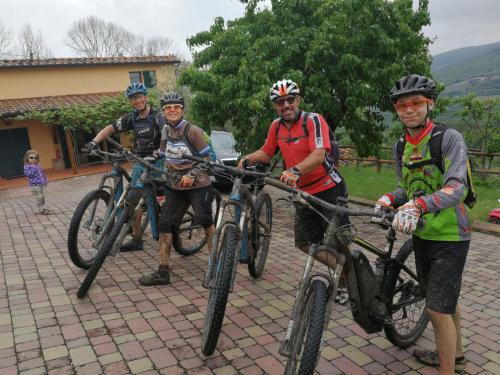
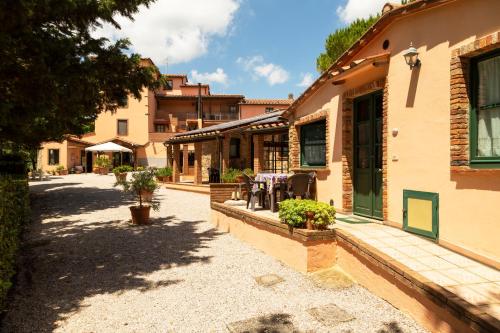
At Il Felciaione and Agriturismo San Ottaviano, the rooms open onto the fields and woods. Agriturismo & Cantina Tenuta Casteani is linked to its cantina, and Vin Hotel – La Meridiana ties your sleep to the world of wine. Cyclists will rather head to Agriturismo Bike Hotel Podere Giarlinga.
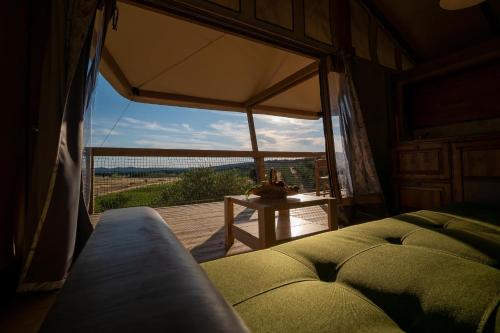
Glampings, such as Le Stelle di Elisa built around wine and truffles, put you under canvas for the night, with the dark sky of the hills as your ceiling.
Two nights are enough for the town and a first impression: one night only passes through it, two let it breathe. With three nights or more, you add the wine, the countryside and a day at the sea. Beyond that, you go round in circles if you don't drive.
In the town centre, you can do without a car: you walk everywhere in the upper town, and dinners are done without a steering wheel. In the countryside, no. Without a car, you stay stuck on your terrace, and the white gravel roads don't forgive a tired little city car.
Spring and autumn bring mild temperatures for walking and visiting the vineyards. I recommend these two seasons if you come for the hills. The vines turn green or red, and the light on the stone is lower.
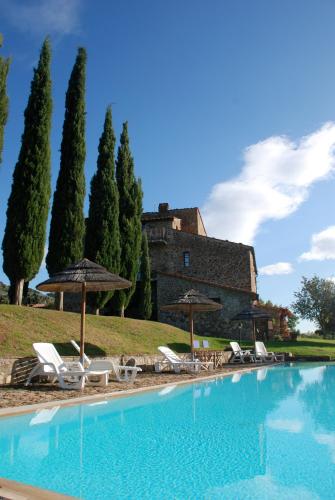
Summer is hot and busy. Aim for accommodation with shade or a pool, and head to Lago dell'Accesa: you can swim there and stroll under the trees. Wine Apartments Le Sedici and Podere Buriano offer a pool for when the heavy days arrive.
A fixed base saves you from repacking your bags. The mining heritage, the vineyards and the sea are all done as day trips, and then you come back to sleep in the same place.
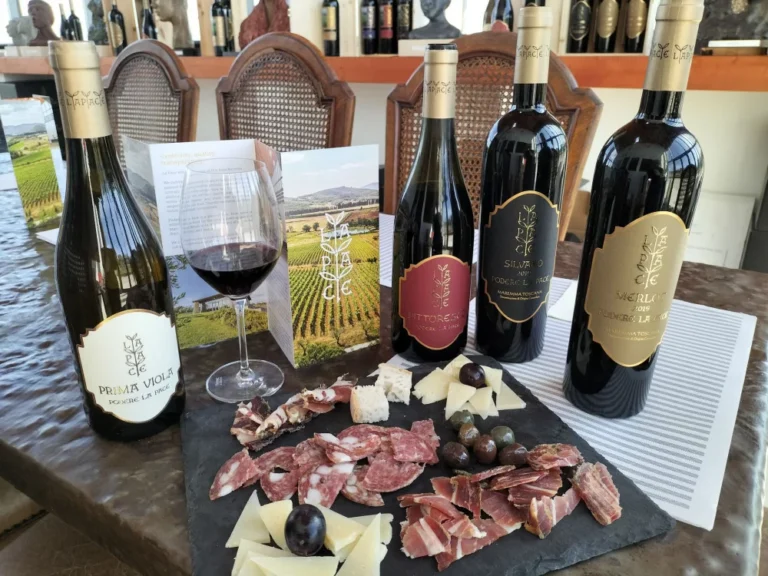
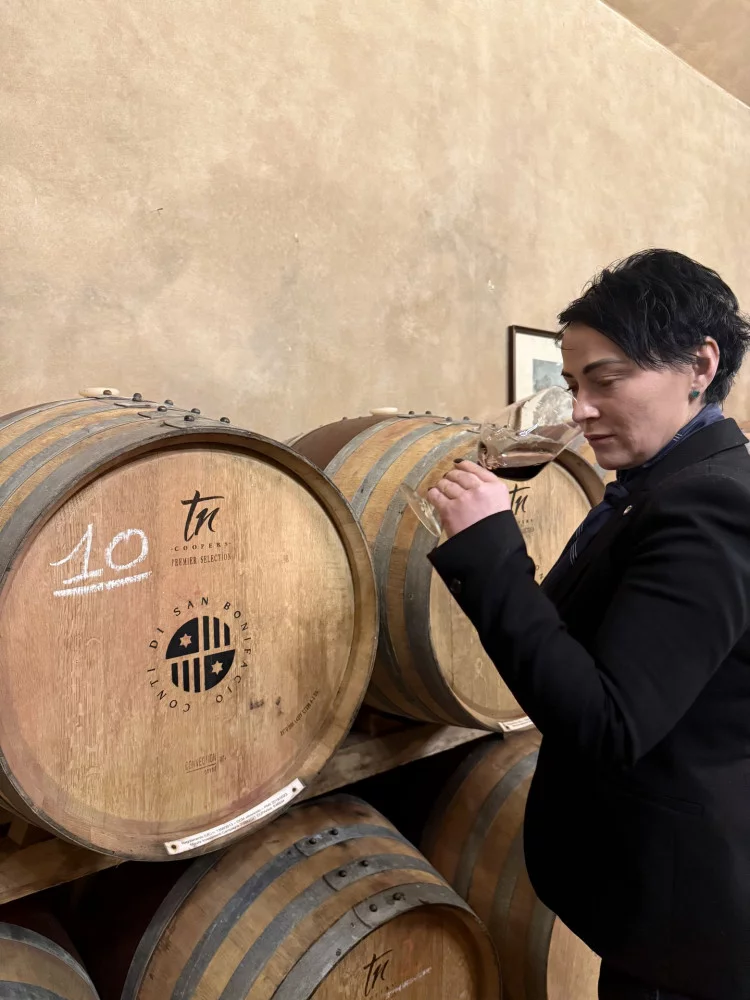
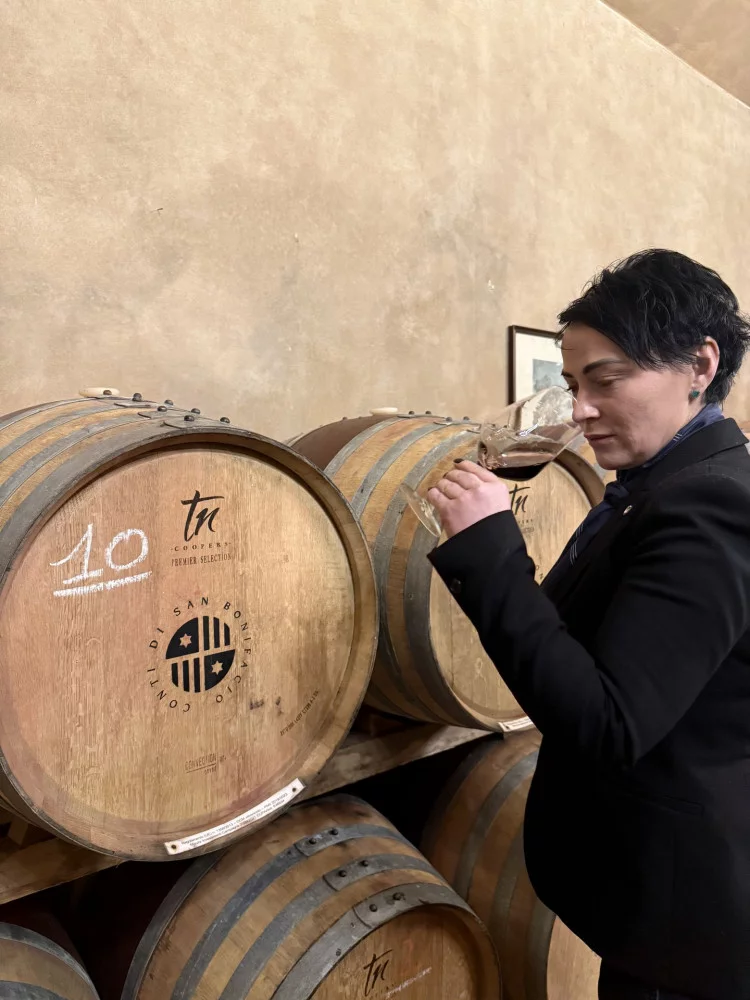
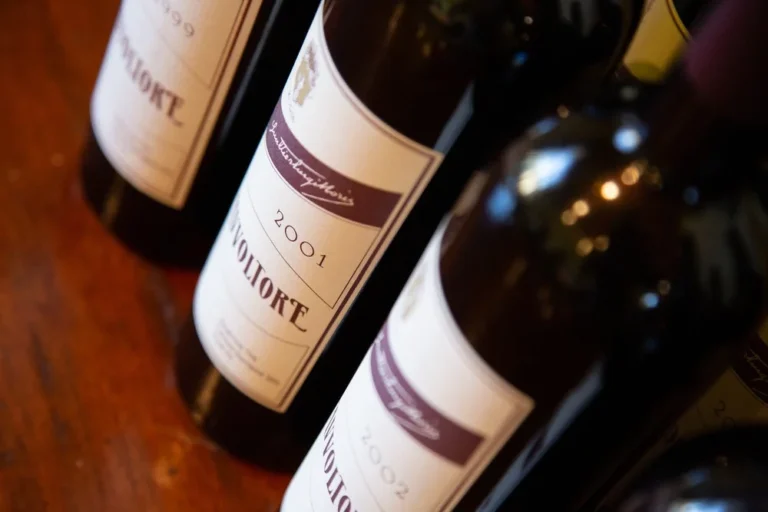
The Museo della Miniera, the Subterraneo, opens the door to the mining history of the hills. You go down into the cold rock, come back up into the light, and the town takes on a different meaning. As for wine, there are three experiences: a complete workshop at Conti di San Bonifacio, a vertical tasting of the Avvoltore at Morisfarms, and a visit to the Podere La Pace cellar.
For the sea, plan a real day out, not a spur-of-the-moment late-afternoon decision. Start by deciding: town or countryside. The rest of your stay follows from that, including the car.
In Tuscany, pools are generally open from May to September, but you have to…
Book your agriturismo in Maremma at the best price. Choose May or October, favor the hinterland…
Choose between an authentic agriturismo and a hotel in Maremma. Find out which accommodation suits your...
Discover the ideal accommodation in Maremma for 2026. Agriturismo, glamping or hotel: choose your…
Discover why the Maremma beats the Chianti. Choose raw authenticity, prices 30% lower…
Find your ideal agriturismo in Maremma for 2026. Choose between an XXL pool, calm without…
Book your agriturismo in Maremma, Tuscany, among the best rated for 2026. Enjoy the calm…
Avoid booking pitfalls in Maremma. Master the deposits, check the authenticity of the farms…
Frequently asked questions
Answers drawn from our rated addresses around Massa Marittima, figures updated every day.
Count on roughly €245 per night for a classic lodging and roughly €302 for an agriturismo, with offers starting at €71 for a lodging and €119 for an agriturismo. These benchmarks come from all the addresses listed on the page, not from seasonal pricing.
To get a sense of it, look at the agriturismos of Massa Marittima if you want quiet and meals on site, then compare with the places to stay in the village if you prefer to be within walking distance of the old town. The price depends mostly on the season and the number of people: a room for two costs proportionally less than one for a family.
Note: rates vary a lot by season and exact dates, so always check the actual price for the period you're interested in before booking.
Yes, a car is the simplest option, but not essential if you stay in the village and its immediate surroundings. By car, count 1 h 47 from Pisa airport, 2 h 18 from Florence, and 3 h 17 from Rome Fiumicino. Without a car, the bus from Grosseto station offers 5 departures a day on weekdays: check the timetable before planning your itinerary, as frequency drops noticeably at weekends.
The village and its nearby sites are indeed accessible on foot or over a short distance: 11 places to visit lie within 8 km, including the historic center, the San Cerbone Cathedral and the Museo della Miniera. If you want to explore toward Lake Accesa or the Colline Metallifere, a car quickly becomes useful, since public transport links there are rare.
Choose your accommodation according to this choice: a town address lets you do everything on foot, whereas an isolated agriturismo almost always requires a car. Look at, for example Il Felciaione, well rated, or Casa Aurora if you want to stay close to the center.
For a stay in Massa Marittima, the agriturismo most often offers the calmest setting, but it costs more: the median there is €302 versus €245 for a classic town lodging. The difference lies mainly in comfort: an agriturismo like Agriresort La Colombaia, at €438, relies on its pool and space, while town lodging is more convenient for walking to the piazza and the museums.
Look at the rating as well as the price. Il Felciaione obtient 7.9 pour 255 €, ce qui en fait un bon compromis si tu veux la campagne sans payer le haut de gamme. Côté ville, Casa Aurora reste accessible à 114 € avec une note de 7.8.
A caveat to keep in mind: our ratings are based on analysis of reviews and information, not on visits by the editorial team. If you plan to rely on a car to reach the surrounding sites, an isolated agriturismo is more convenient; without a vehicle, stay in the town center instead.
Account two to three days to see Massa Marittima and its surroundings without rushing: the village alone takes half a day, and the 11 sites within 8 km (including Lake Accesa, the mines and the Palazzo del Podestà — Museo Archeologico) split easily between a nature day and a heritage day. If you also want to enjoy a pool or long walks, plan on four days instead.
To organize your time, group visits by area: the historic center, Piazza Garibaldi, the San Cerbone Cathedral and the Cassero Senese in the morning, then the mining museum and the Colline Metallifere in the afternoon. Choose your accommodation according to this rhythm: an agriturismo takes you away from the center but gives you a calm base for excursions, whereas a town lodging saves you time on foot.
An honest limit: museum opening hours and the season change a lot how interesting each visit is, so check them before fixing your itinerary.
Allow about 71 € per night for the most affordable lodging, and around 245 € per night for a mid-range lodging, plus meals and transport. Without a car, the bus from Grosseto station only runs on weekdays, with 5 departures a day, so match your schedule to it before setting your dates.
For a tight budget, first look at the lodgings of Massa Marittima : you will find options from €71, leaving room for travel. If you want more character, the agriturismi in the area start at €119 but climb quickly, with a median of €302. The center is visited on foot, so the real variable expense is transport to places outside the village.
An honest limit: I don't have detailed seasonal rates, so these figures are starting points, not quotes. Check actual prices for your dates and book in advance if you're visiting in high season.
In the FAQ
Very close
 Français Français
 Italiano
 English
 Polski
 Português do Brasil
 Nederlands
 Español
 Deutsch