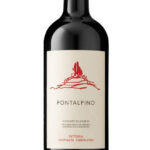
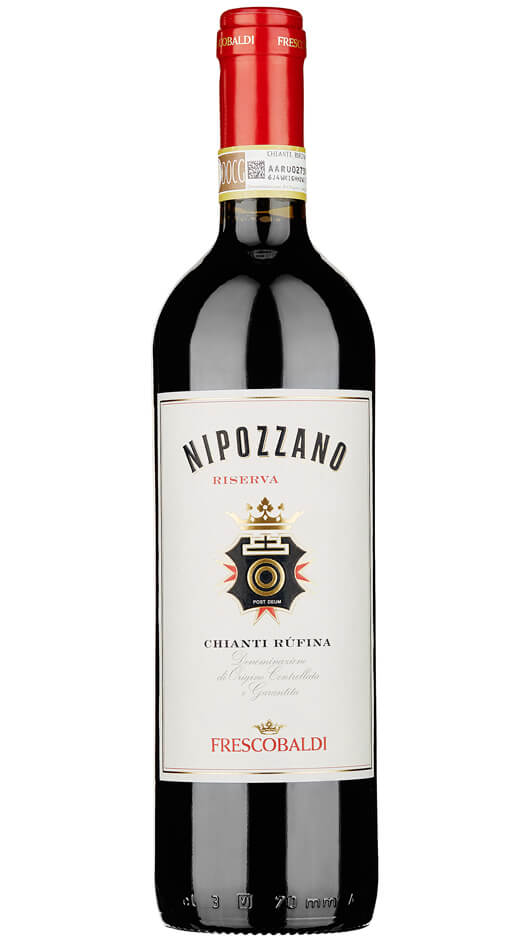
Chianti Rufina Riserva DOCG from Frescobaldi, sangiovese aged at least 24 months, awarded by Gambero Rosso, Veronelli, Bibenda and several international guides
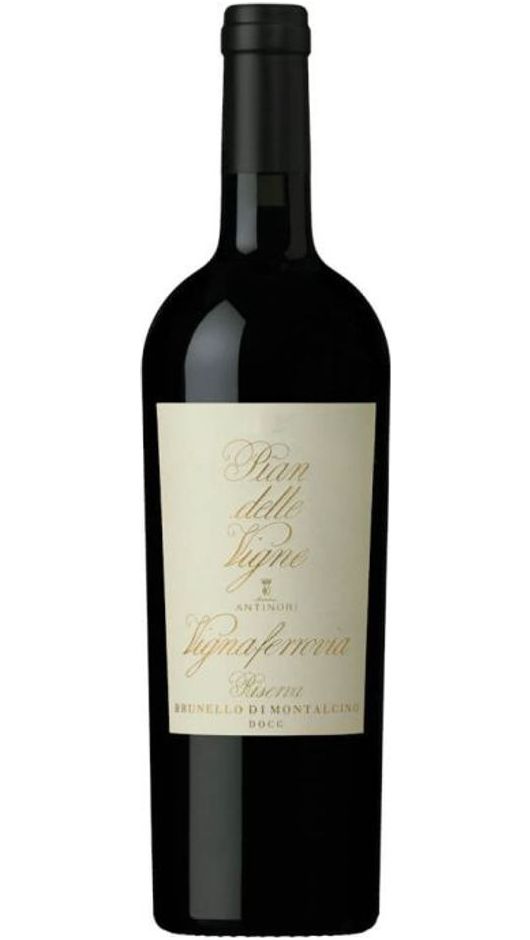
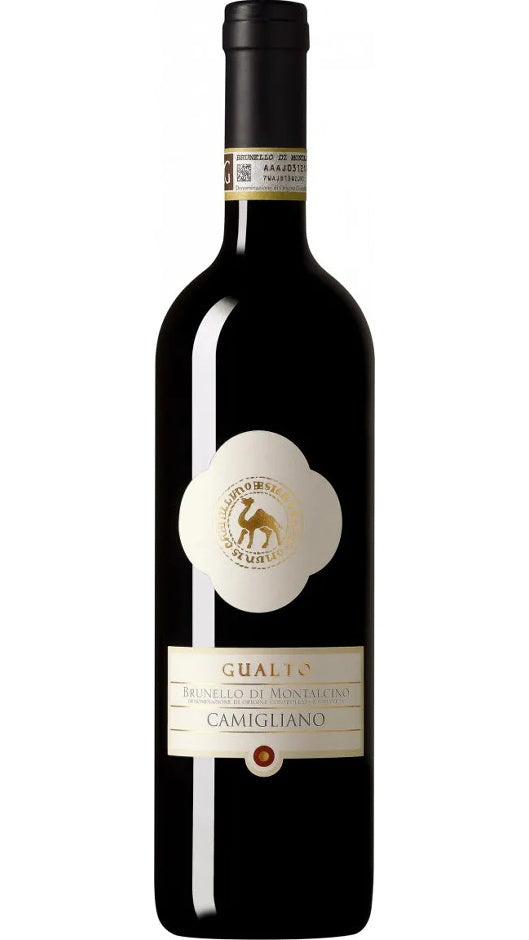
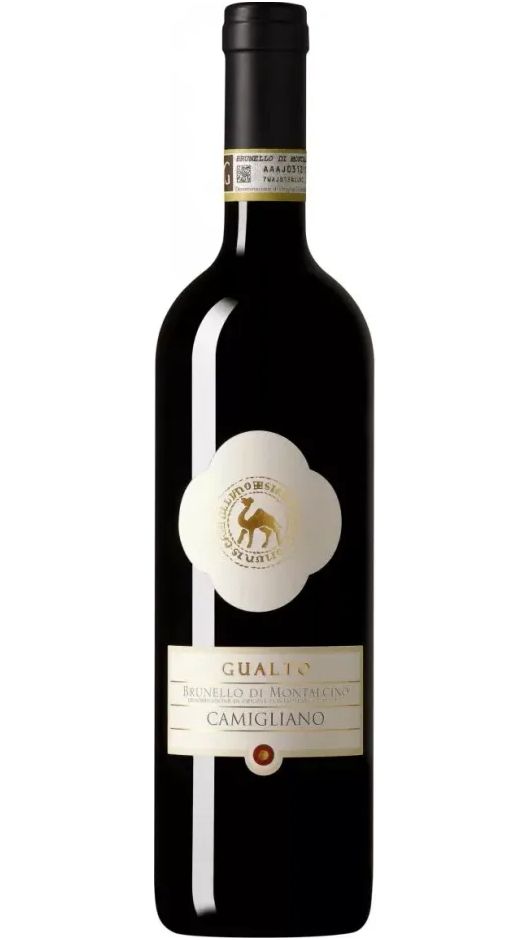
Brunello di Montalcino Riserva 2016 from Camigliano, organic Sangiovese Grosso, aged at least five years including two in wood and multi-awarded (3 bicchieri, 5 grappoli)
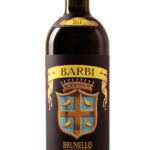
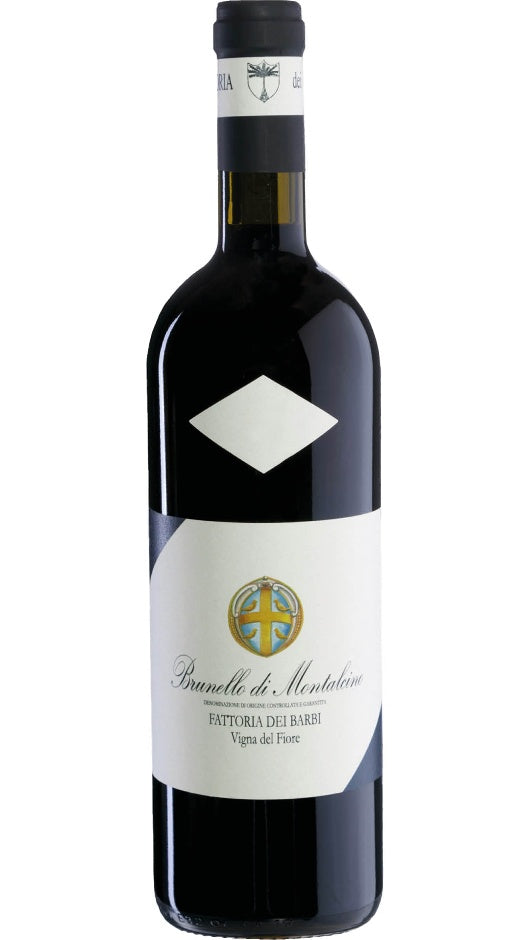
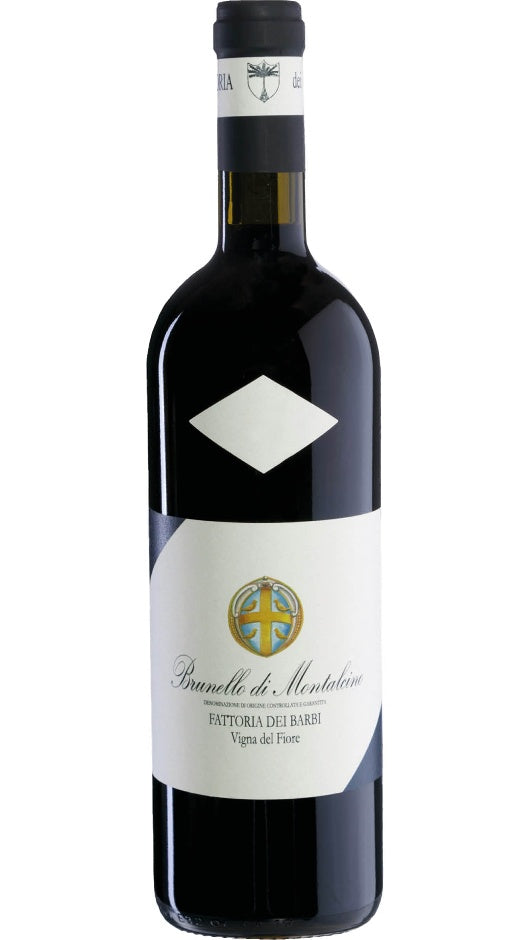
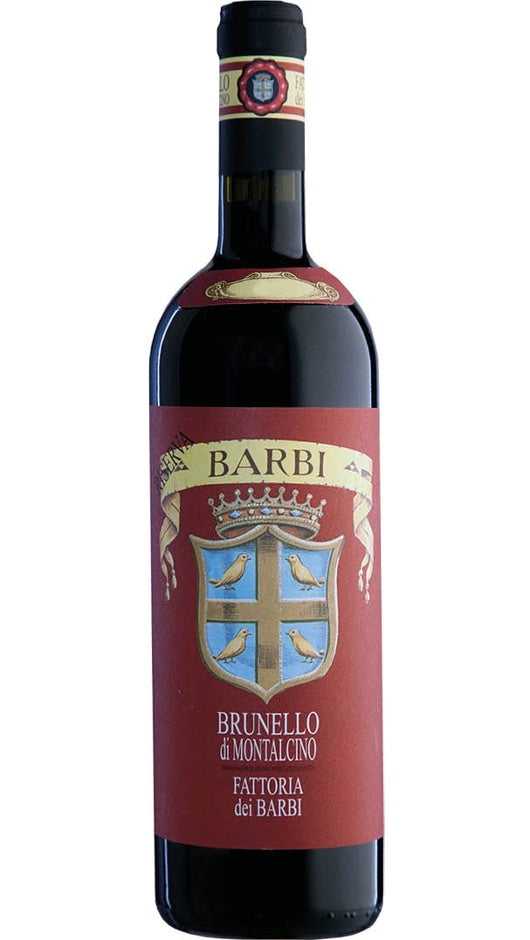
Brunello di Montalcino DOCG 2021 from Fattoria dei Barbi, Sangiovese Grosso, aged at least 5 years including 2 in wood, distinguished by Bibenda and the guides
Brunello di Montalcino 2019 from Fattoria dei Barbi, Sangiovese Grosso, aged at least 5 years including 2 in wood, distinguished by 5 grappoli Bibenda and 90 from Suckling, Parker and Wine Spectator
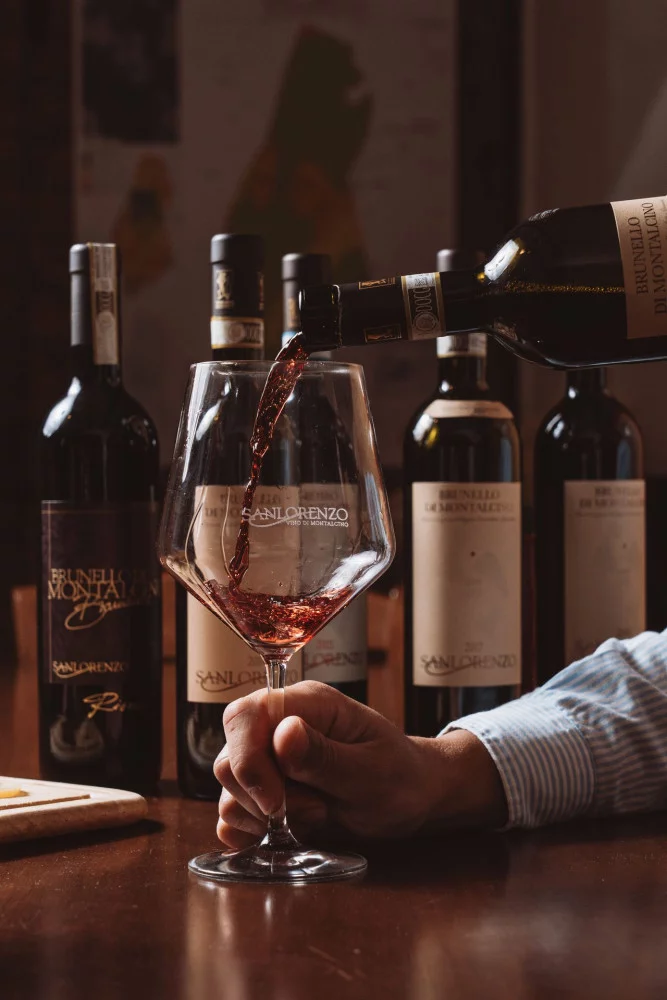
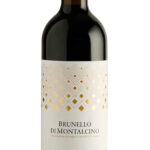
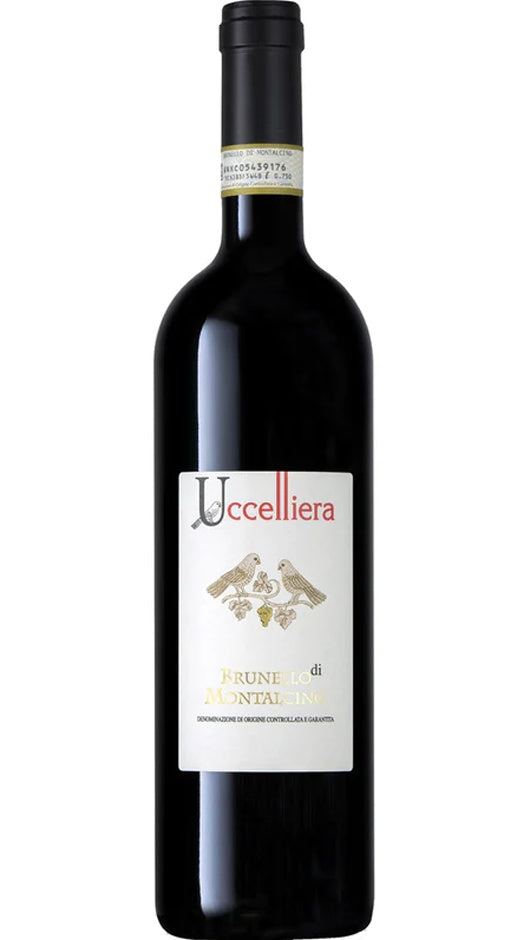
Brunello di Montalcino DOCG from Uccelliera, Sangiovese Grosso from Montalcino vintage 2017, aged a minimum of five years and distinguished by several guides (Bibenda, Veronelli, Suckling)
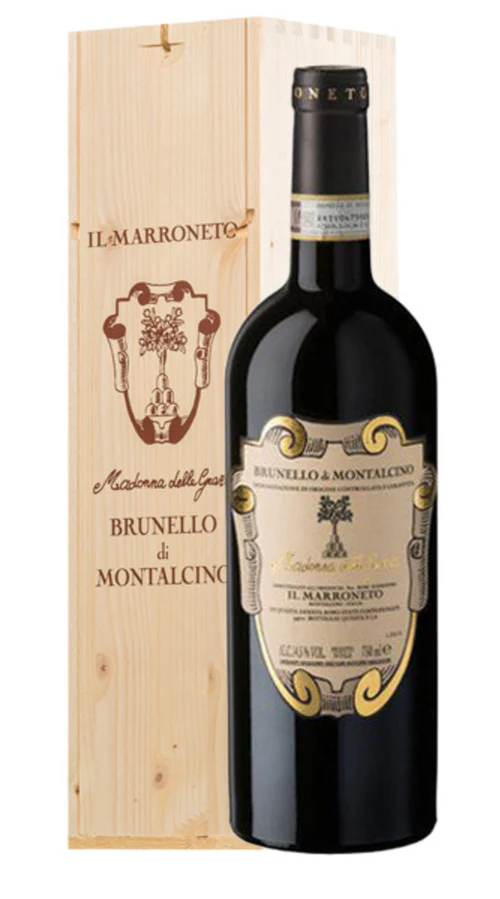
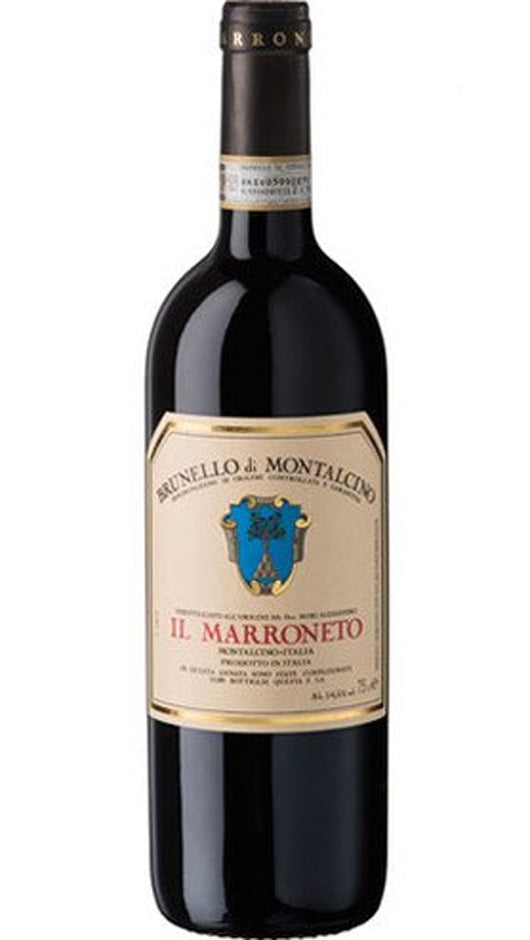
Brunello di Montalcino 2018 from Il Marroneto, Sangiovese Grosso aged at least five years, distinguished by Gambero Rosso, Veronelli, Bibenda and Parker
Brunello di Montalcino Riserva 2017 from Fattoria dei Barbi, Sangiovese Grosso, aged a minimum of five years including two in wood, rated 90 by three guides
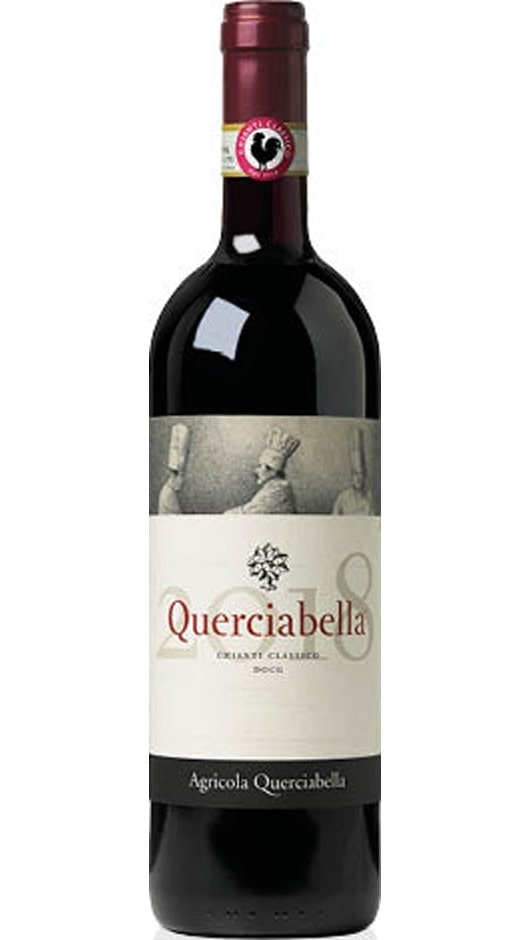
Querciabella signs a Chianti Classico DOCG 2022 at 100 % sangiovese, distinguished by 4 grappoli Bibenda and 90 points James Suckling, sold in large 1.5 L format
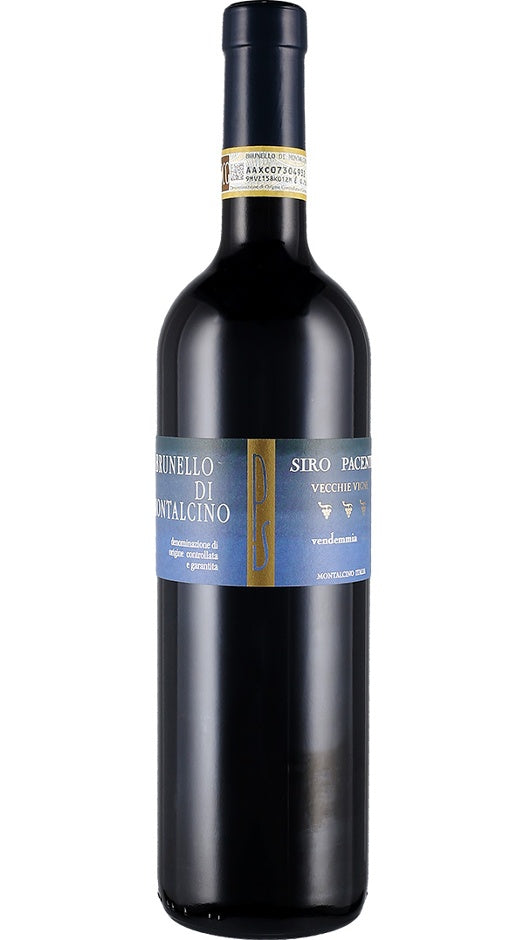
Brunello di Montalcino DOCG 2018 from Siro Pacenti, Sangiovese Grosso from old vines, aged at least 5 years including 2 in barrel and rated 90 by three guides
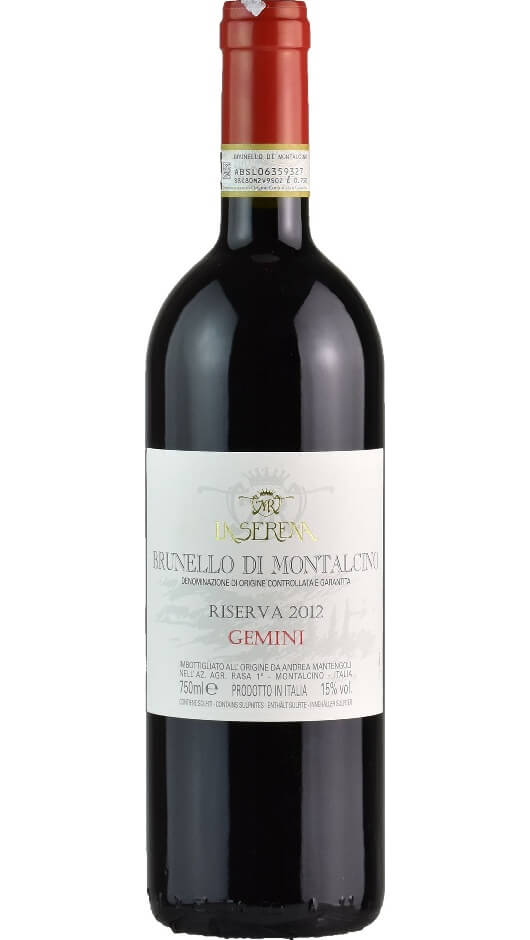
Brunello di Montalcino Riserva 2016 from La Serena, Sangiovese Grosso from Montalcino, aged at least 5 years including 2 in wood and rated 90 by James Suckling and Wine Spectator
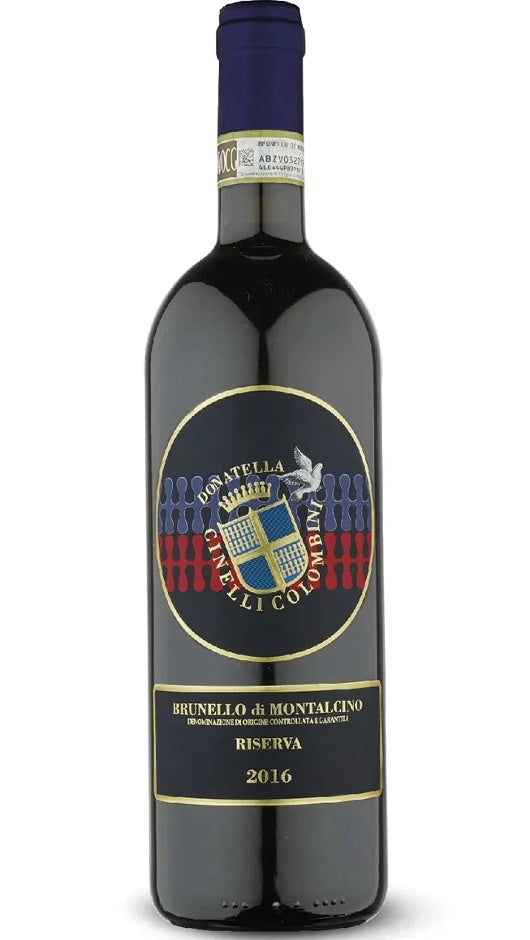
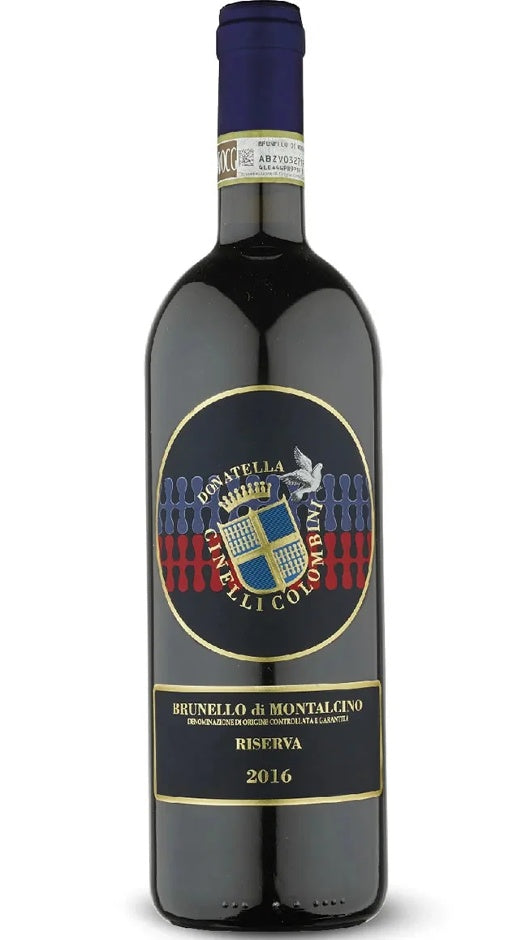
Brunello di Montalcino Riserva 2019 from Donatella Cinelli Colombini, Sangiovese Grosso aged 5 years including 2 in wood, awarded 4 viti AIS and 90 points
Brunello di Montalcino Riserva 2015 from Donatella Cinelli Colombini, Sangiovese Grosso aged at least 5 years including 2 in wood, awarded 90 points by three guides
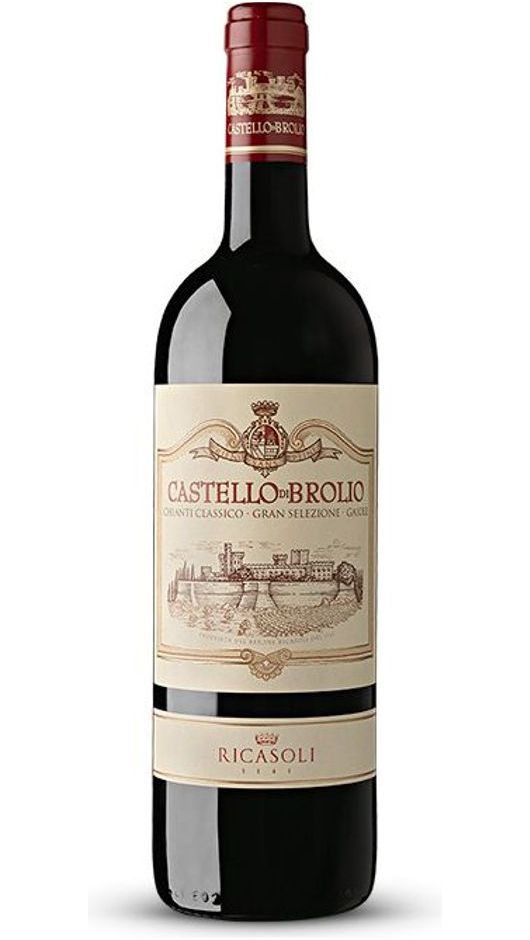
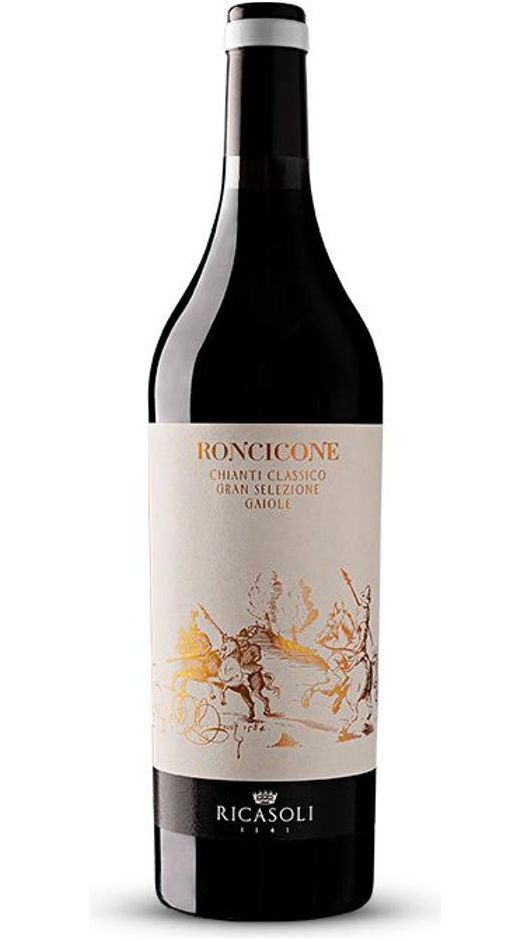
This 2022 Chianti Classico Gran Selezione from Ricasoli is 100% Sangiovese from the Roncicone vineyard in Gaiole in Chianti, aged 22 months in 500 L barrels
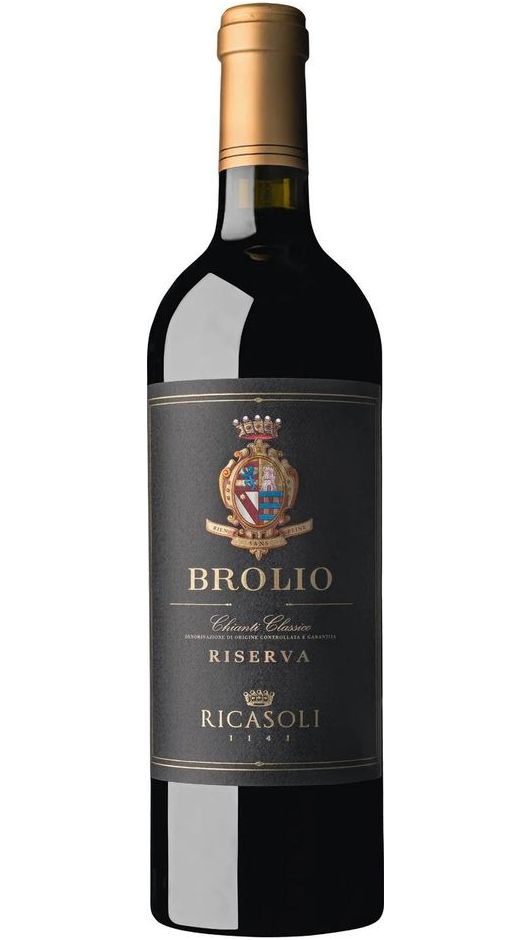
A Chianti Classico Riserva 2023 from Ricasoli, at Castello di Brolio, dominant Sangiovese, aged 16 months in wood, sold at €26.33 for 75 cl in 3 L format
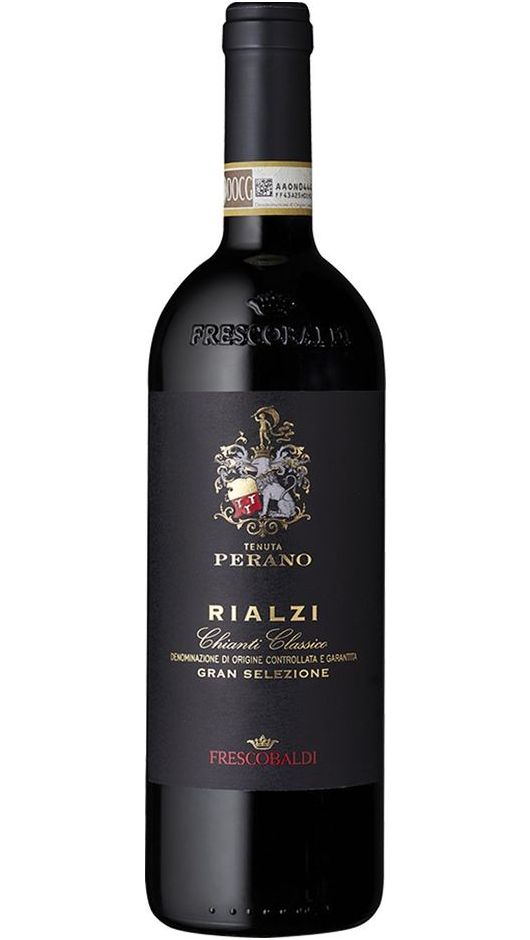
Chianti Gran Selezione DOCG from Frescobaldi, Sangiovese from the Tenuta Perano, distinguished by James Suckling 93 and Wine Spectator 95, aged at least 30 months
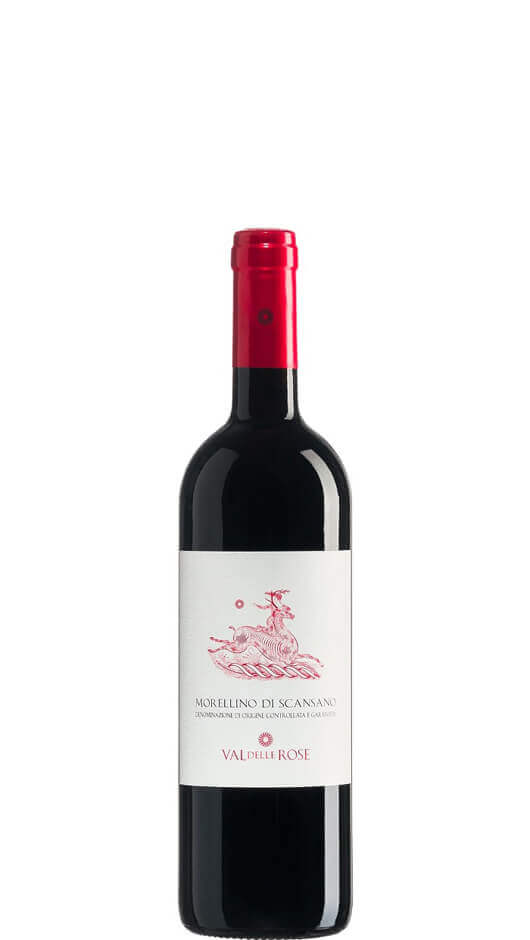
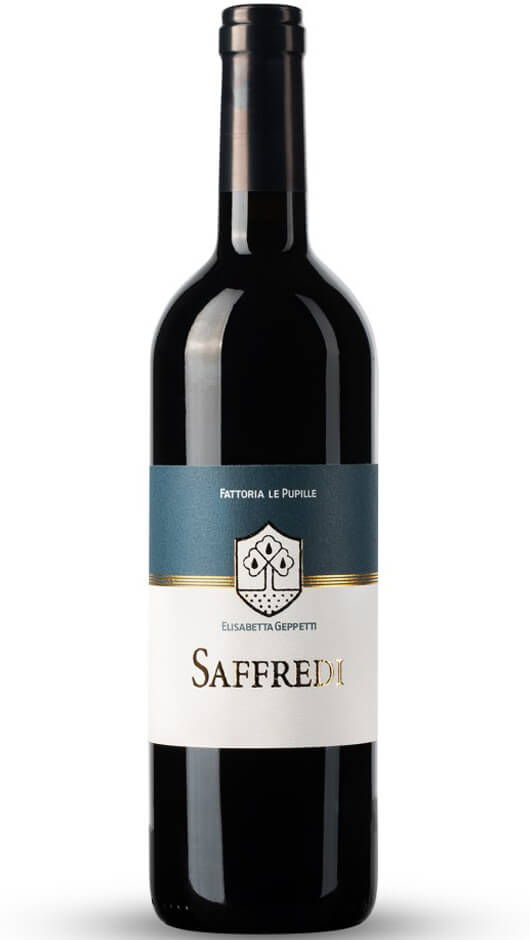
Morellino di Scansano DOCG 2018 from Fattoria le Pupille, Sangiovese from Scansano in Maremma, awarded 3 viti AIS, 4 grappoli Bibenda and 90 points from Suckling and Parker
Ranked by Toscane Cachée rating (technical sheet, press reviews and value for money). Price noted at the seller, to be verified at the time of ordering; links are affiliate links.
Excessive alcohol consumption is dangerous for your health, please drink in moderation. Sale prohibited to minors.
Guide to Tuscan wines: choosing and tasting by style
Tuscany produces more than 2.6 million hectoliters of wine each year, but most of the bottles you find in supermarkets are just soulless industrial labels. It's frustrating to see enthusiasts pay top price for a generic Chianti when schist and clay terroirs hide characterful gems.
You often end up choosing your bottle at random from the label without understanding what Sangiovese really says. This Tuscan wine guide is here to teach you to decode appellations and to track down authentic bottles, from structured reds to forgotten whites, so that you finally stop drinking hot air.
Sangiovese: why this grape is the only one that really matters
Sangiovese dominates Tuscany with its tannic structure and acidity, ranging from the minerality of Maremma's schists to the power of the clays, thus defining the Brunello and Chianti Classico appellations. It all starts with the rock and soil that forge its character.
The influence of soil: clay, limestone and schist
Clay soils retain water and force a slow maturation. This gives Sangiovese a massive tannic power and density on the palate that you won't find anywhere else.
Clay offers body and power, limestone brings elegance and roundness, while schist guarantees a sharp minerality. Regional typicity depends on this geological puzzle.
Limestone favors elegance and delicacy of aromas. Clay, on the other hand, builds full-bodied wines. Your selection should respecter cette typicité régionale to avoid standardized juices.
Climate: between sea breeze and Apennine coolness
The Mediterranean breeze regulates summer temperatures along the coast. This breeze brings a subtle salinity to the grapes and naturally protects the clusters from devastating fungal diseases.
The mountains impose radical temperature contrasts. These cool nights are vital for preserving the natural acidity of the Sangiovese grape, garantissant ainsi son équilibre et sa longévité.
Altitude becomes the ultimate bulwark against climate warming. It's the secret of the most authentic estates that still manage to produce digestible, balanced wines today.
Brunello or Chianti: stop paying for hot air on the label
Après avoir compris la terre, tu dois maintenant learn to decipher what is written on the bottle so you don't go wrong.
Brunello vs Rosso : comprendre ce que tu paies en rayon
Le Brunello impose un vieillissement en fût de 24 mois. Le Rosso sort en un an seulement. Cette attente forge la structure.
Excessive alcohol consumption is dangerous for health, drink in moderation.
Super-Tuscans and forgotten whites: luxury away from the crowd
If the classic appellations seem too rigid to you, know that there are a fascinating world off the beaten path.
The Super-Tuscan revolt: when going off-piste becomes cult
In the 70s, rebellious winemakers shook everything up. They planted Cabernet Sauvignon against the obtuse rules. These pioneers thus broke the codes of the traditional DOC.
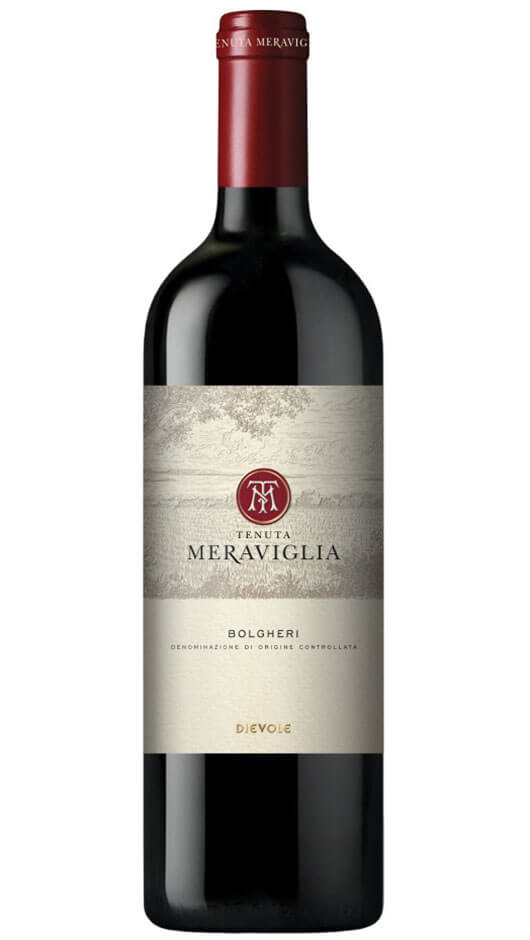
IGT Bolgheri wines now dominate the global prestige market. These are exceptional bottles, often sold at premium prices. Look carefully which Maremma wine to buy? so you don't go wrong.
Careful, these powerful reds require serious decanting. Aeration is vital so that they finally open up.
Vernaccia and Aleatico: the whites and sweet wines the guides forget
Vernaccia di San Gimignano is a historic white with a strong character. Its lingering bitterness is its signature. It's the first Italian wine to earn the DOC.
Aleatico Passito from Elba is a rare and enchanting red nectar. Its notes of rose and candied red fruits are unique. The grapes dry in the sun on traditional racks.
The coastal grape varieties deserve your full attention to break out of all-red.
Grape variety
Style
Region
Perfect pairing
Vernaccia
Dry, fresh, almond
San Gimignano
Grilled fish
Vermentino
Fresh and saline
Tuscan coast
Marine aperitif
Ansonica
Structured and dry
Maremma / Giglio
Local antipasti
Aleatico
Sweet, red fruits
Island of Elba
Dark chocolate
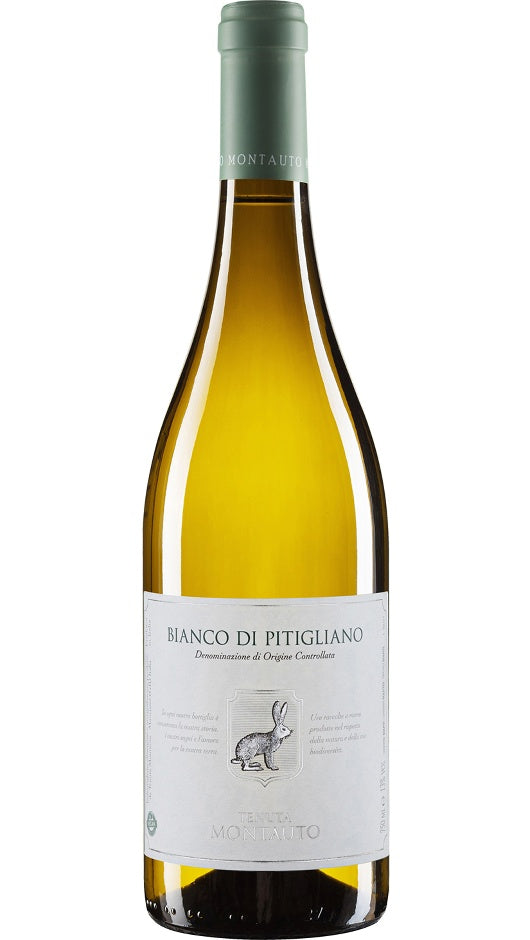
Wine tastingsVisiting a winery in MaremmaMorellino, Vermentino, Bianco di Pitigliano: estate visits and tastings at the producer's.232 tastingsSee the tastings →Excessive alcohol consumption is dangerous for health, drink in moderation.
Drinking and eating: the real pairings that aren't on Instagram
Having a good bottle is one thing, knowing how to serve it and pair it is another to truly enjoy it.
Temperature and oxygen: don't ruin your glass
Set your temperature limits carefully. A red served too hot quickly becomes boozy. It then loses all its initial aromatic freshness.
Uncorking your bottle in advance is not enough. Air exchange in the neck is nearly zero. Your Tuscan bottle has needs more.
Favor decanting for your closed vintages. Use this technique sparingly. You release the complex aromas without tiring your wine.
Sandro's opinion
Avoid high temperatures so you don't burn the aromas. Simply uncorking the bottle is useless for oxygenation; opt for a decanter for closed wines.
Wild pairings: what to drink with a wild boar ragù
Pair your game with a Morellino di Scansano. Its robust structure absorbs the shock. It stands up to the power of the local wild boar ragù.
Pair your aged pecorinos with evolved reds. The richness of the cheese is demanding. It requires mellowed tannins for balance on the palate.
To enhance the truffle, forget wines that are too oaky. Here are the best options for your guide Maremma gastronomy :
Fresh pasta and white truffle.
Structured white wine.
Light red wine such as a Rosso.
Mastering this Tuscan wine guide means understanding that Sangiovese sets the rules between schist and clay. Don't let marketing fool you anymore: choose the power of a Brunello for your cellar or the freshness of a Rosso for your next ragù. Grab your bottles now before the Maremma gems become inaccessible. Become the sole master of your glass.
Frequent questions
By booking on DiscoverCars, you go through a comparison and booking intermediary, but it is not the one that hands you the car. On the day of pickup, it is the local rental company indicated on your voucher that manages handing over the keys, checks your documents, applies the rental conditions and carries out the vehicle inspection. In Grosseto, do not rely solely on the name of the platform or the price shown during the search: open the offer and check the identity of the rental company that will actually fulfill the rental.
Before paying, examine the rating and reviews of the local rental company, its exact location, its pickup hours and arrival instructions. An office at the airport does not necessarily offer the same terms as a downtown agency, and some pickups may require a transfer or a phone call. Keep the voucher handy: it contains the rental company’s contact details, the pickup location, any balance to be paid and the conditions specific to your offer. If you are planning a loop towards the coast, you can also identify the steps of your stay, for example by consulting this page about a cove in the Argentario to discover. The practical rule is simple: compare on the platform, but only book if the provider indicated on the voucher suits you.
The price shown initially is not enough to know how much your rental will actually cost you. Before booking, compare the total price, the amount to pay online, the balance to pay at the counter and the security deposit, which is added to the price and must remain available on your card. Also check the fuel policy, the included mileage, any additional driver fees and the cancellation conditions. Two car rental offers in Maremma may seem close at first glance, while leaving a very different amount to pay upfront at the time of pickup.
Also look at the local rental company’s rating and the pickup arrangements in Grosseto or in the city where you arrive. If your itinerary includes several villages, beaches or thermal springs, estimate your road and stay expenses before choosing a car category. To prepare the overall budget, you can compare the cost of the rental with that of meals thanks to this guide for eating in Maremma without exceeding your budget. The most useful is to compare offers with equivalent conditions: same duration, same category, same pickup location and actually desired protections. If the low price depends on a high deposit, a specific card or strict cancellation, consider these constraints as part of the cost of the offer, not as small details.
Yes, this is a risk to check before booking. Some rental companies require a credit card in the name of the main driver to block the security deposit. In that case, a debit card or prepaid card may be refused at the counter, even if the online booking payment was accepted. The local rental company indicated on the voucher applies its own rules: the payment validation by DiscoverCars does not therefore guarantee, by itself, that your card will be suitable for pickup.
Before paying, read the offer’s conditions all the way to the section on accepted cards and the deposit. Check the difference between a credit card and a debit card with your bank, and make sure that the card is in the name of the person who will drive and that it has enough funds or available limit. Do not wait until you are in front of the agency in Grosseto to find out this requirement: you could end up without a car and have to look for a replacement solution at the last minute. If you are traveling with others, the fact that another passenger has a card is not necessarily enough if that person is not the main driver named in the contract. In case of doubt, contact the rental company before booking and ask for written confirmation regarding your card and the deposit amount. Choosing a slightly more expensive offer that is compatible with your payment methods can be wiser than an attractive price with a condition that cannot be fulfilled at the counter.
No, do not assume that Full Coverage will remove the deposit or automatically replace the rental company’s insurances. According to the conditions presented in the article, this protection can allow you to request a refund for certain costs related to damage or theft, within the limits provided by the voucher. It does not, however, change the rental company’s requirements regarding the security deposit, the bank card to present or the insurance linked to the contract signed at the counter. The rental company may first charge you fees, then you have to put together a file to request a refund.
Before choosing a protection, read carefully what is covered and excluded. Damage to third parties, personal belongings, certain ancillary fees or situations contrary to the contract may not be covered in the way you imagine. Also check exclusions related to off-road driving and compliance with local laws: a trip to an isolated place does not mean you can take any path. If an incident occurs, keep the signed contract, the vehicle condition reports at pickup and return, the invoice and proof of payment. According to the elements provided in the article, the refund request must be sent within 90 days and an incomplete file can extend the review by 28 days. For a stay focused on coastal landscapes, plan your trips on authorized roads and check the rental company’s instructions before leaving the agency.
The confirmation can be immediate or depend on the agreement of the local rental company. The usual delay indicated in the article is 24 to 48 hours. If you still have not received a confirmation after this delay, contact the rental company giving your reservation number and the pickup dates. Also check your spam folder and the email address used during payment, because the voucher is sent by email once the reservation is confirmed. Do not go to the agency assuming that the reservation is validated if you have not received the document or a clear confirmation.
The voucher is important for organizing the pickup: it summarizes the reservation, the name and contact details of the rental company, the location and pickup instructions, as well as the amount that may remain to be paid at the counter. Re-read it upon receipt and compare its information with that of your trip, especially the dates, the driver’s name and the pickup location. If you notice an error or if your arrival time changes, report it quickly to the rental company indicated on the document. For a stay around Grosseto, allow some margin between the arrival of your train or flight and the vehicle pickup, especially if the agency closes at a fixed time. Keep a copy of the voucher offline on your phone, as well as the reservation number and the rental company’s contact details. This avoids depending on an Internet connection when you are looking for the agency or need to clarify a condition.
Before leaving the agency, walk around the car with the rental company and note every visible defect in the condition report document. Take clear photos of the bodywork, wheels, windshield, interior and fuel level, making sure that the images can be linked to the date and the vehicle. Check that existing damages are properly recorded in the contract and keep a copy of the signed documents. On return, do another condition check and keep evidence of the key handover. These precautions are useful even if you have purchased additional protection: it does not necessarily prevent the rental company from charging fees initially.
In case of a problem, start by contacting the local rental company with the details from the voucher or contract. If the disagreement is not resolved, then contact DiscoverCars via the « Help Center » or « My Booking » sections, attaching the required documents and your reservation number. For a request related to Full Coverage, the article indicates a deadline of 90 days and recommends gathering the signed contract, the condition reports at pickup and return, the invoice and proof of payment. An incomplete file can slow down the review. Stay factual in your communications: indicate the dates, the disputed fees and the documents that support your request. Before setting off on the roads of Maremma, finally make sure you have the rental company’s contact details saved offline, so you can reach them without urgently searching for your confirmation email.
Discover my winedering review of Maremma Tuscany: book your organic tastings at Mambrini or…
Questions fréquentes
Your questions about Tuscan wines
Réponses tirées de notre base de 1,202 vins, chiffres mis à jour chaque jour.
Which Tuscan wine should you choose for good value for money?
For good value for money, I recommend you look at the Chianti Classico and the Morellino di Scansano (Maremma). Chianti Classico is very well represented, with bottles from €7 and a median around €46, while the Maremma remains much more accessible, with a median of €18 for bottles from €7. For your first search, start with the Chianti Classico, then compare with la Maremme.
What makes the difference is above all the vintage and the designation. A Chianti Classico with a good score is not necessarily the most expensive: sorting our list by score will help you more than price alone. Morellino di Scansano offers a more supple, fruitier Sangiovese profile, very approachable for everyday drinking.
An honest caveat: these medians vary with the season and the vintages available, so treat them as ballpark figures and check the price at the time of your purchase.
The least expensive areas are Chianti, San Gimignano & Val d'Elsa, Colli Senesi & Crete and Maremma & Montecucco, with medians around €10 to €18, compared with €68 in Montalcino. To find these bottles, filter by Chianti ou par Maremma & Montecucco and first look at the Sangiovese reds under €15.
The price depends above all on the reputation of the appellation: in Montalcino, Brunello sells high because it requires several years of aging, whereas a young Morellino di Scansano can be found from €7. A very well-rated listing such as the Morellino di Scansano DOCG illustrates this good value for money well.
Keep in mind that these medians are ballpark figures, which vary with the season and the vintage. A low price is no guarantee of quality: always compare the score and the producer before choosing.
What is the difference between a Brunello di Montalcino and a Rosso di Montalcino?
The Brunello di Montalcino is the summit of the appellation: it is a Sangiovese aged for a long time, more expensive and worth waiting for, while the Rosso di Montalcino is drinkable earlier, at a gentler price. On our list, the median for Montalcino is €68 versus an overall median of €41, and the area counts 319 listings, many of them Brunello to see in the Montalcino filter.
To choose, first look at the name on the label: "Brunello" implies mandatory aging, so a more concentrated and more expensive wine, whereas "Rosso" is a more supple wine, ideal for a meal within three years. If your budget is tight, a recent-vintage Brunello like the one on sheet F8 can already offer a lot for its price. If you want a wine to keep, favor older vintages, but expect a considerably higher budget.
An honest caveat: prices vary with the season and the vintage, so take our figures as ballpark amounts and always check against the wine shop's label.
What budget should you plan for a quality Tuscan wine bottle?
For a good Tuscan bottle, expect on average between €19 and €41, with a range of €15 to €30 as a solid entry point. Across the whole catalogue, a quarter of listings stay under €19 and half under €41, while a quarter exceed €95. These are ballpark figures: prices move with the season and the vintage.
The budget depends above all on the appellation. In the Maremma & Montecuccothe median drops to €18, whereas the Montalcino hover around €68. For serious value for money, the Morellino di Scansano at €8 is a good example.
An honest caveat: a high score does not guarantee a low price, and some big names far exceed the median. Set your ceiling before filtering, then compare vintages.
Which white or rosé Tuscan wines should you try in the Maremma this summer?
This summer, in the Maremma, turn to the Vermentino it holds around 16 € the bottle at the median, with dry, fresh fruitiness that drinks well on a terrace. For a fuller white, look at the Malvasia (median 27 €) and the Trebbiano (median 25 €), two Tuscan grape varieties that are more discreet but often interesting. The Vermentino from the selection and the list of blancs allow you to quickly compare.
For rosés, count from 9 € with a median around 25 €, which makes them a light option when it is hot. The simplest is to filter by rosé then compare the grape variety and the year. Know, however, that the offer of whites and rosés remains much more limited than that of reds: on the site, 125 whites and 30 rosés against 1,033 reds.
Which Chianti Classico should you choose to avoid industrial versions?
To avoid industrial versions, looks for well-rated artisanal producers : the Chianti Classico from Fattoria Carpineta Fontalpino (score 8.0/10, from 17 €) and the one from Fontodi (score 8.0/10, from 31 €) are among the best-rated addresses in the area. Look for the mention "organic farming" and the vintage, which say a lot about how the grape was grown and vinified.
In the Chianti Classico area of the catalog, the median price is 46 €, which gives an idea of the starting level. A low price is not necessarily a sign of industrial quality, but a very cheap bottle in this appellation deserves a careful look at the estate. You can browse the Chianti Classico selection and filter by estate or by budget.
Do the soils of Maremma really change the taste of Sangiovese?
No, not demonstrable with our data: soil cannot be isolated from the rest. What the list clearly shows is the price gap. The median Sangiovese is at 38 €, whereas Maremma wines show a median of 18 €. More affordable, then, but this measures price, not the effect of terroir on taste.
To judge the soil rather than the wallet, compare two bottles of Sangiovese of the same vintage and same price range, one from Maremma, the other from another area. Look at the estate, the age of the vines and the winemaking method, which often weigh more heavily. You can start with the filter Wines of Maremma.
An honest limitation: our selection does not allow us to conclude on the influence of soil alone. If you want concrete benchmarks, the Morellino di Scansano is a good entry-level option in the area.
Which vintages should you favor for a Tuscan wine to drink right now?
To drink a Tuscan wine right now, favor the vintages 2022 à 2024 the median price for these years lies between 16 € and 26 €, whereas 2017 and earlier climb to a median of 90 €. These recent vintages are ready to drink, without waiting years for aging, and their price remains much more accessible.
Honest caveat: the price varies by season and wine shop, and the scores reflect an analysis of perceived quality, not a tasting by the editorial team. Check the vintage on the label before buying.










 Bottle of Italy
 Wine tastingsWine tastings around Murlo
 Places to visitThings to see around Murlo
 AgriturismosAgriturismos around Murlo
 AccommodationsWhere to stay around Murlo