Home › FAQ › Gastronomy & wine › History
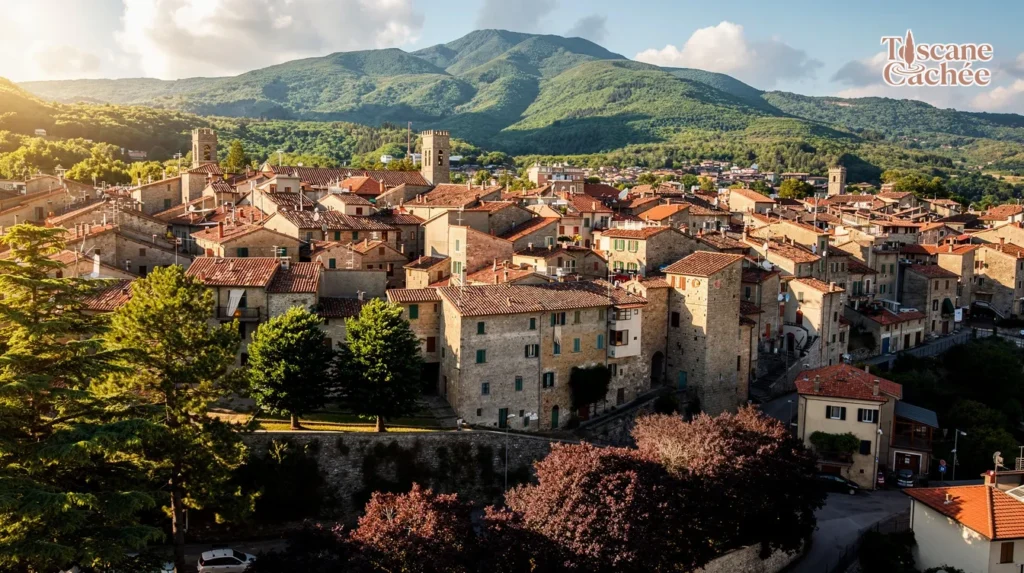
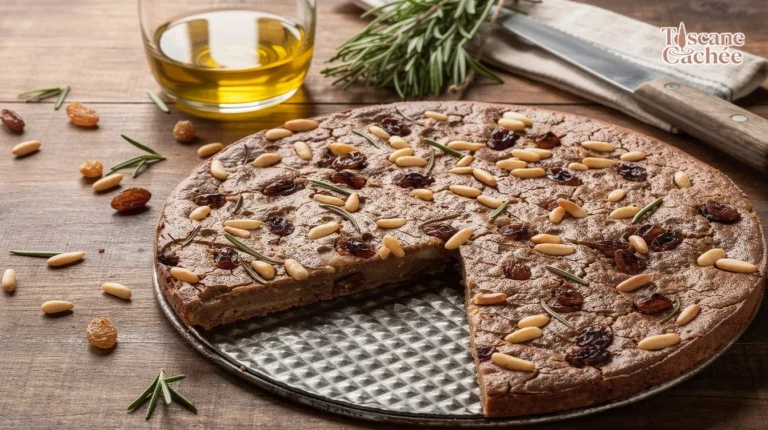
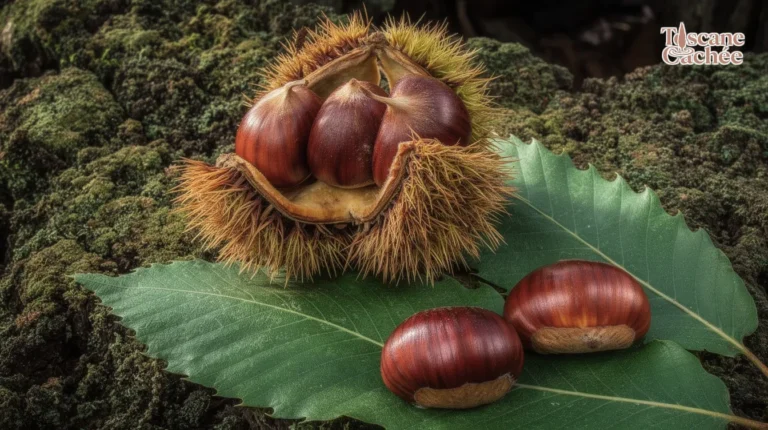
The history of the chestnut of Mount Amiata, is first and foremost that of a staple food for mountain families: as early as the 14th century, the statutes of the local communities protected the chestnut groves and regulated the harvest. The owner had a reserved period, then the picking opened to everyone and could continue until Carnival, so that the poorest could also find food. Chestnuts were eaten fresh or dried, often as flour, in polenta and in castagnaccio; they complemented a diet that depended heavily on local resources.
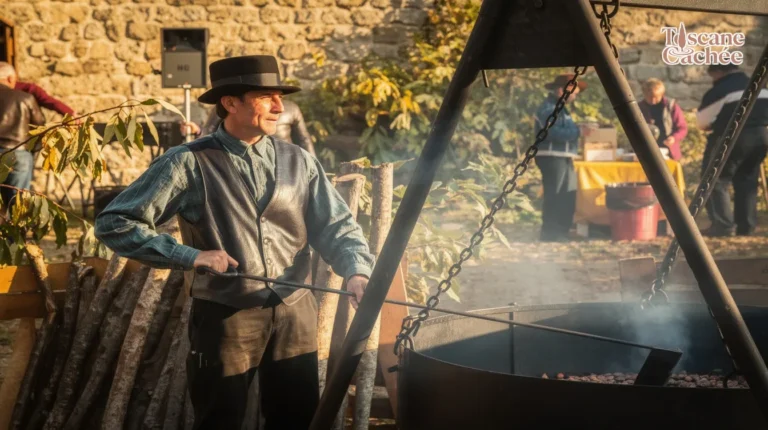
The cultivation has endured thanks to the conditions of the massif: the chestnut groves lie between 350 and 1,000 meters, on soils notably derived from volcanic rocks. Today, the designation Castagna del Monte Amiata IGP, recognized in 2000, covers three varieties: Marrone, Bastarda Rossa and Cecio. The harvest generally takes place from mid-September to mid-November. If you pass through the area in autumn, you can taste them roasted or in local dishes; it is not just a seasonal specialty, but the remnant of a rural economy where the chestnut mattered as much for feeding the inhabitants as for sustaining the woods.
 Article
 Article
 Place sheet
 Place sheet
 Place sheet
 Français Français
 Italiano
 English
 Polski
 Português do Brasil
 Nederlands
 Español
 Deutsch

