See at Decantalo →
Wine tastingNo. 3Scansano
🍷 This site features wines
This content concerns alcoholic beverages. Please confirm that you are of legal drinking age in your country of residence.
Alcohol abuse is dangerous for your health. Consume in moderation.
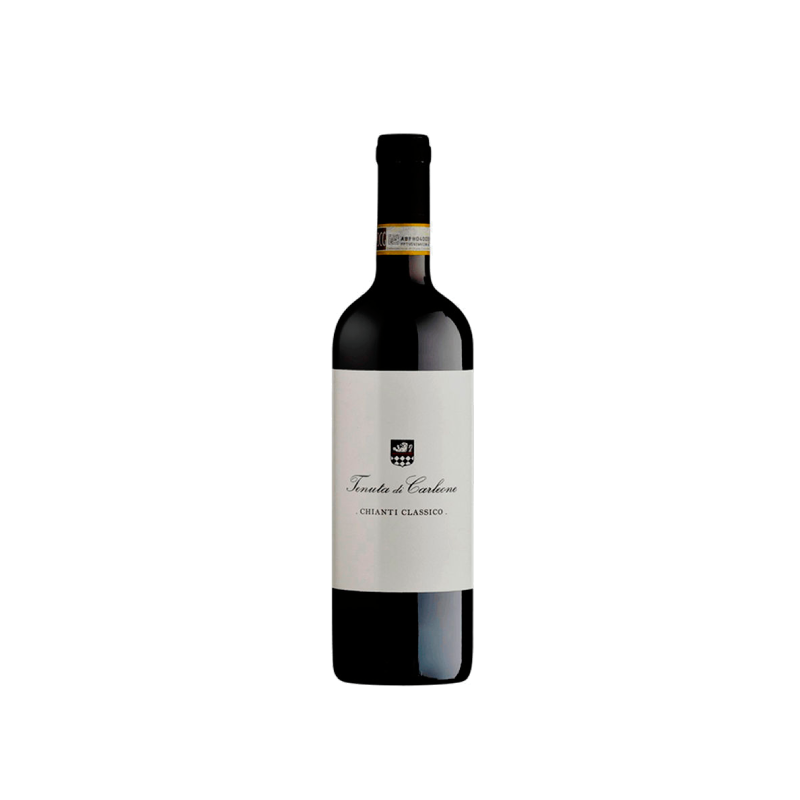
The wine
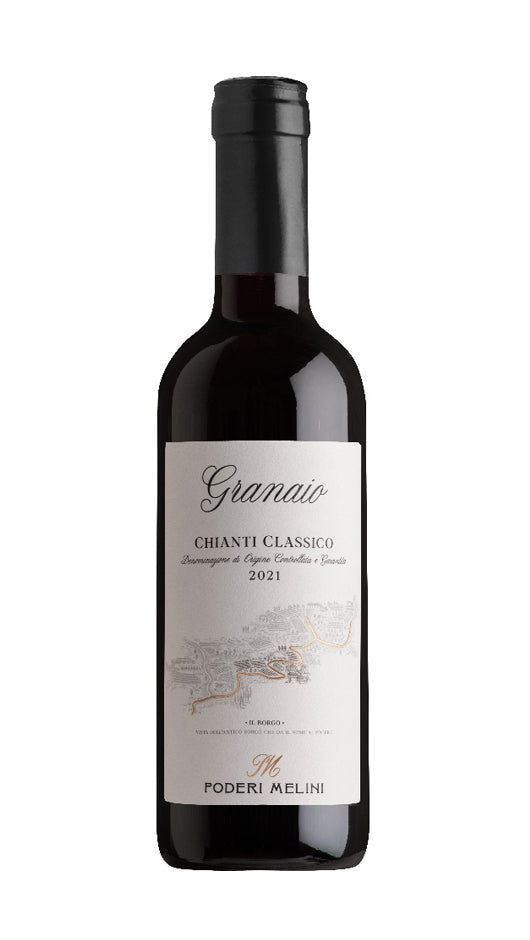
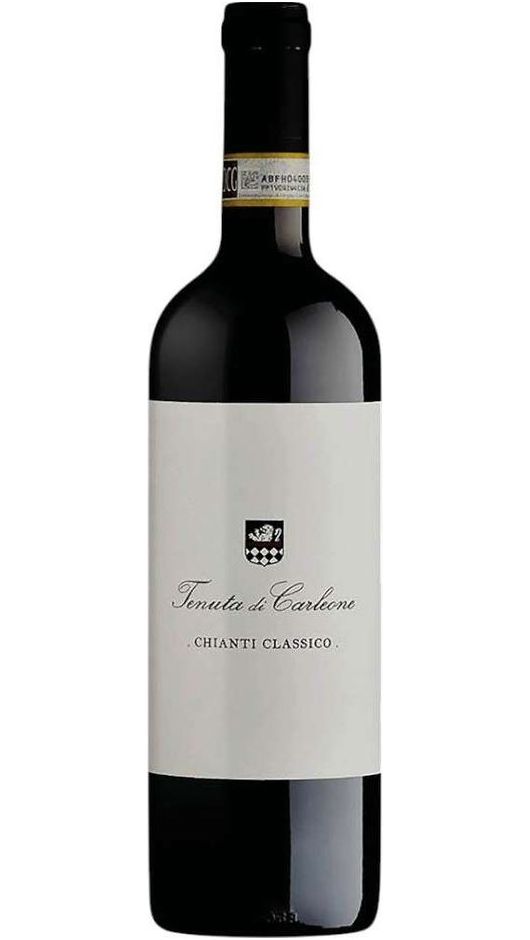
I'm keeping this red for its roots in the Chianti hills and for its advertised expression as fruity and spicy, without any heaviness. Made from Sangiovese and grown organically, it offers an interesting entry point into the work of Tenuta Di Carleone. The available information, however, does not give precise aromatic notes: better to let the glass speak than to attribute imaginary scents to it.
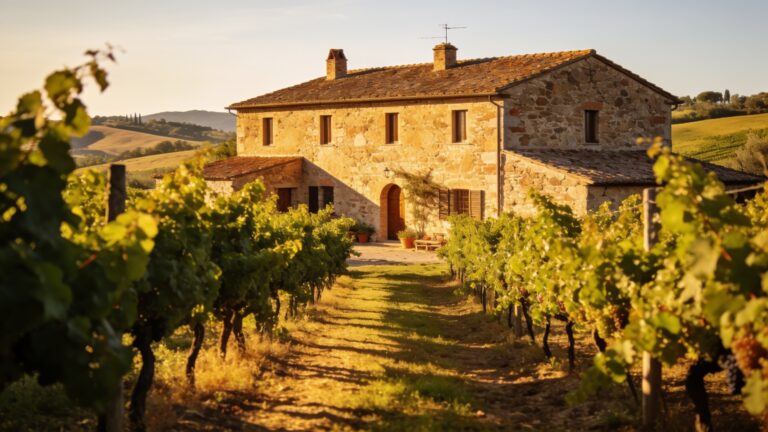
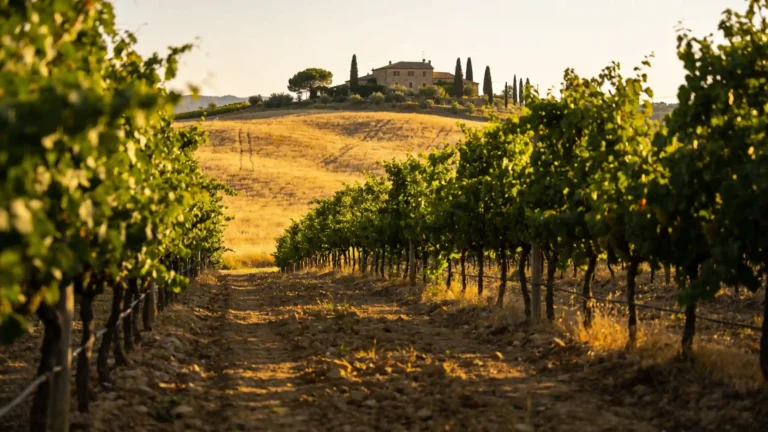
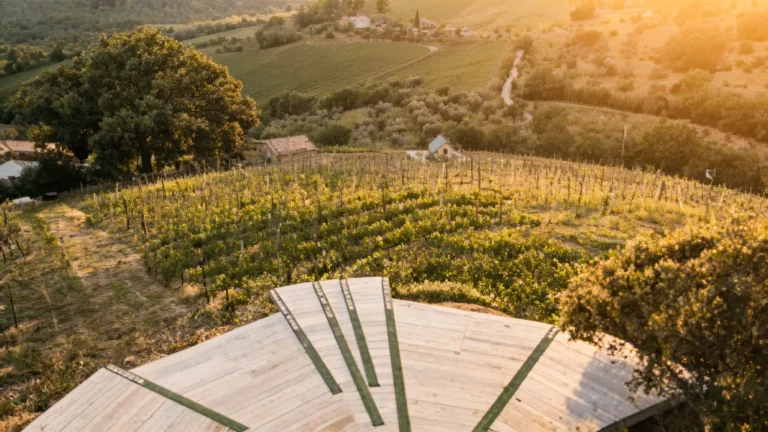
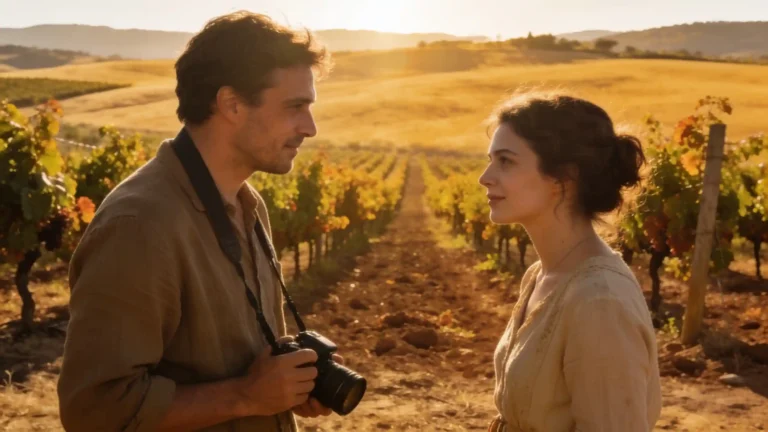
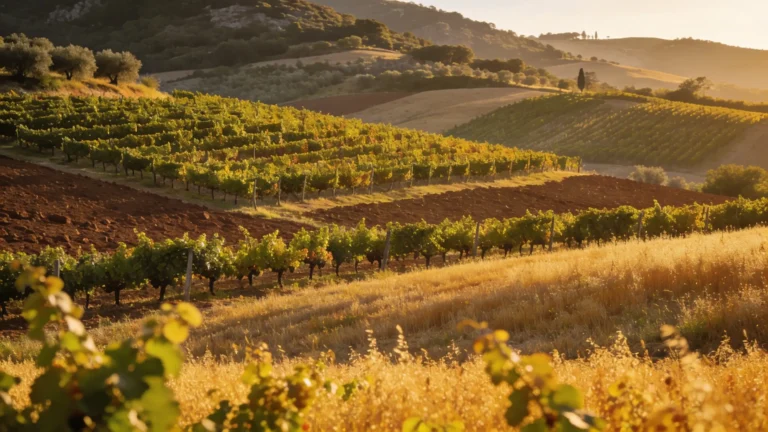
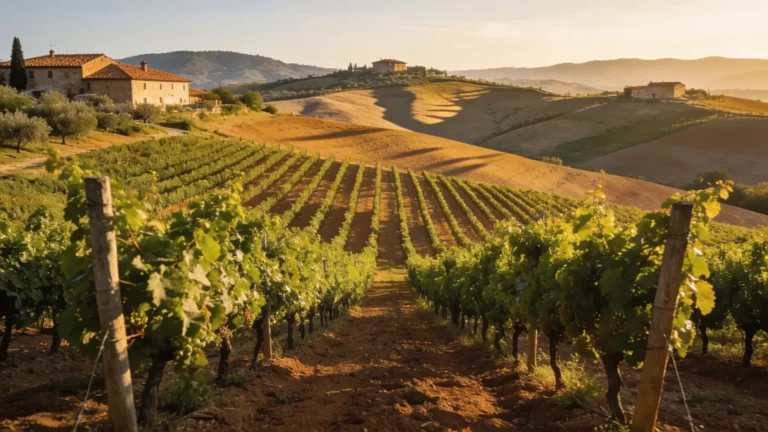
Tenuta Di Carleone sits in the heart of Chianti, in the rolling landscape between Siena and Florence. The estate farms twenty hectares of vines surrounded by woods, small streams and plains. Its project claims to pay homage to the historical boundaries of Chianti Storico, and belongs to a territory where the identity of the wine is closely tied to Sangiovese. Viticulture is organic, with biodynamic methods described as respectful of the natural balance of the place.
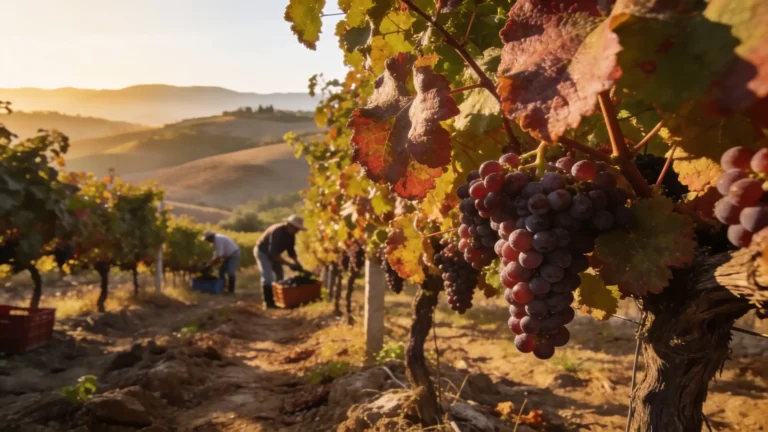
At the head of the estate, Sean O’Callaghan oversees the work in the vineyard and the cellar. The grapes are harvested by hand and sorted in the parcels. Vinification uses indigenous yeasts, extended maceration and limited sulfur intervention. One point needs clarifying about the appellation: the wine's name presents it as Chianti Classico, while the style indication provided classifies it as IGP Toscana. The available details do not resolve this difference; I would rather flag it than smooth it over.
The communicated profile places it in the middle of the body scale, between light and structured, with a fairly pronounced fruity character and a present spicy dimension. It also sits halfway between youthfulness and aging in wood. No robe color or precise aroma is documented, so I cannot honestly describe notes of cherry, flowers or particular spices. The information on aging also diverges: one source mentions eighteen months in stainless steel and concrete tanks, the other a blend of stainless steel and oak barrels. This caveat does not prevent appreciating the pursuit of finesse and respect for the fruit, but it invites us not to over-interpret the profile.
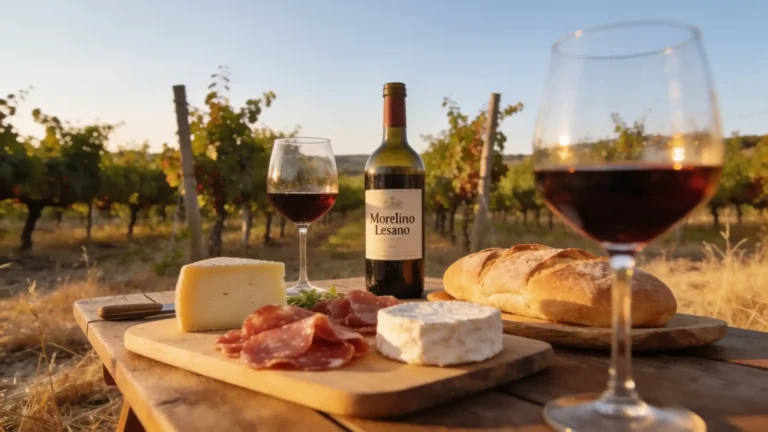
I would serve it with white meats, red meat or game, pairings proposed for this wine and consistent with its advertised spiciness. It can also accompany a platter of cured meats or aged cheeses, for a simple meal where the Sangiovese keeps its place without demanding any staging. Open it when you feel like a red with character, but give it time to express itself in the glass: here, the interest lies as much in the landscape and the cultivation choices as in the sensations you will discover at the table.

To read
 Français Français
 Italiano
 English
 Polski
 Português do Brasil
 Nederlands
 Español
 Deutsch