Archaeo. site.

Sorano
Via Cava di San Rocco
- Archaeo. site.
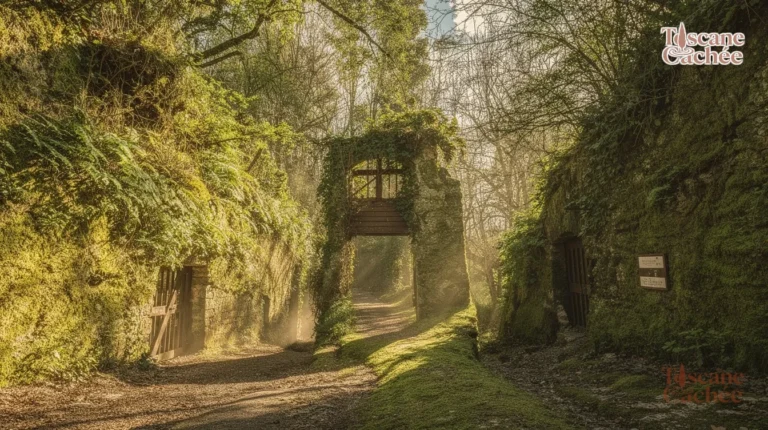
Etruscan pathway carved into the tuff 2 km from Sorano, linking the San Rocco necropolis to the Lente valley
301 lieux notés
Explorez notre sélection de lieux pour la catégorie Toscane Étrusque en Toscane cachée. Des destinations authentiques au cœur de la Maremme et de l'Étrurie toscane.
Etruscan pathway carved into the tuff 2 km from Sorano, linking the San Rocco necropolis to the Lente valley
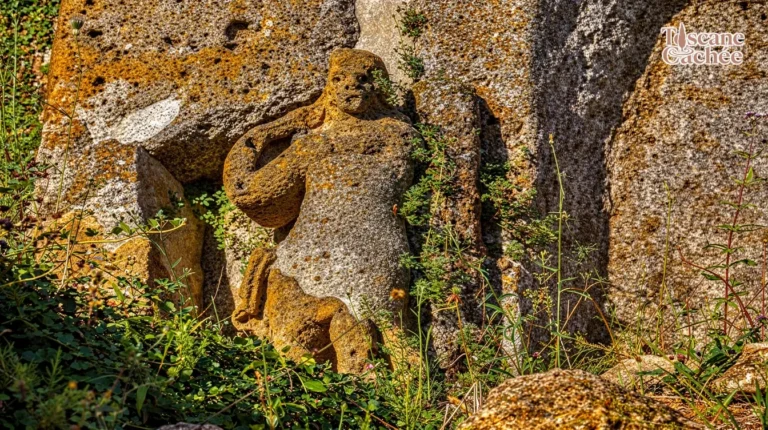
The Tomba della Sirena is an aedicula Etruscan tomb whose figured pediment is the only preserved one comparable to that of the Demoni alati, in the rock-cut necropolis of Sovana
Last stop of the vie cave circuit, the Via Cava di Poggio Cani plunges into corridors of tuff dug by the Etruscans, with caverns still used as wine cellars
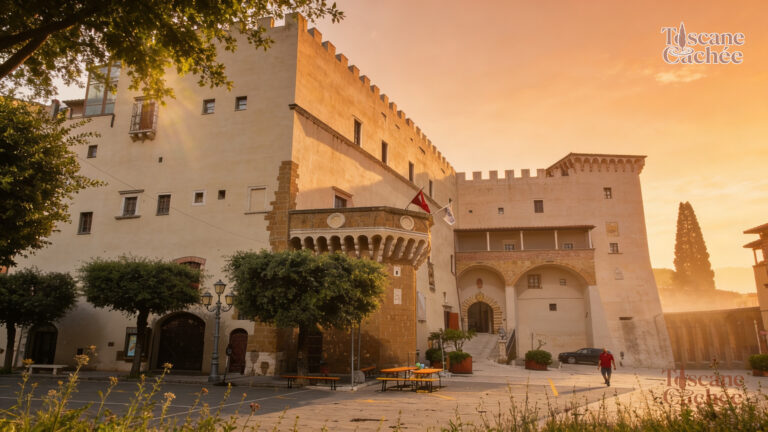
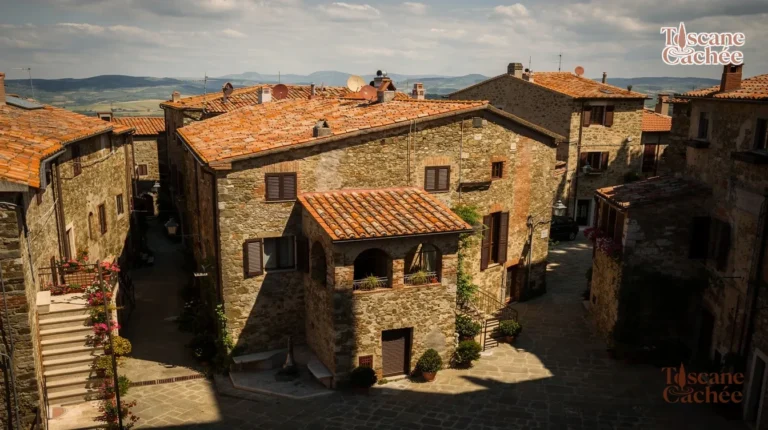
Central square of a still-inhabited tuff village, framed by tightly packed stone houses and the highest point of the tuff villages loop
Housed in the Palazzo Vitelleschi, the museum displays the furnishings of the Monterozzi tombs: winged horses in terracotta, sarcophagi, jewelry and Attic ceramics
Porto Ercole locks down its bay with four 16th-century fortifications, including the six-pointed star-shaped Fort Stella, at €4, and forts with free access
A cliff-cut way carved by the Etruscans in the tuff, described as the most monumental in the Maremma, with tombs and engraved symbols
In Sovana, the Tomb of Ildebranda is a temple-tomb carved into the tuff, integrated into the rock-cut necropolis and the Vie Cave of the Città del Tufo park
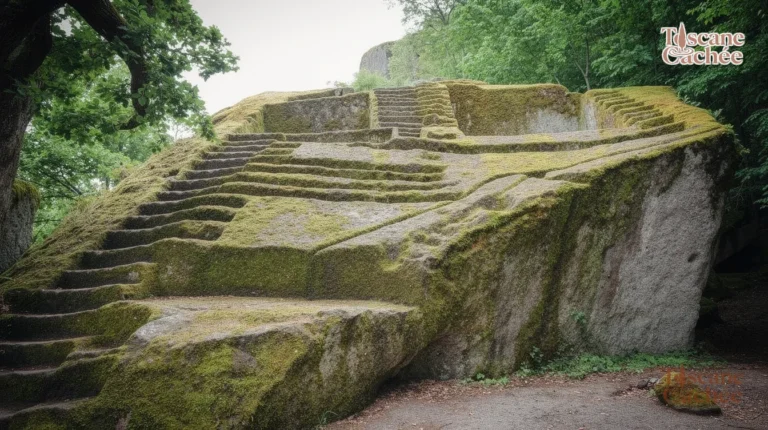
A monolith of volcanic rock carved with staircases, the «preacher's rock» hides in the woods of Bomarzo, near the waterfalls of Chia and the necropolis of Santa Cecilia
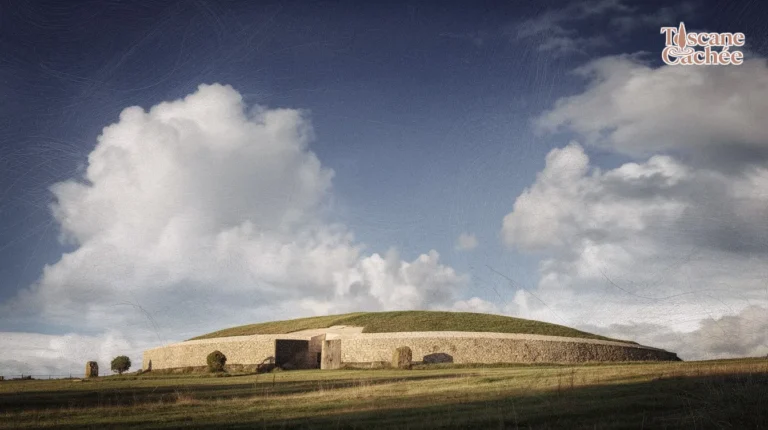
The largest tumulus in Etruria, the Cuccumella is an earthen mound with underground galleries in the archaeological and naturalistic park of Vulci, open every day
The Palazzo Orsini brings together two museums in an Aldobrandeschi palace of the 15th-16th centuries, with 21 frescoed rooms and an old oil mill
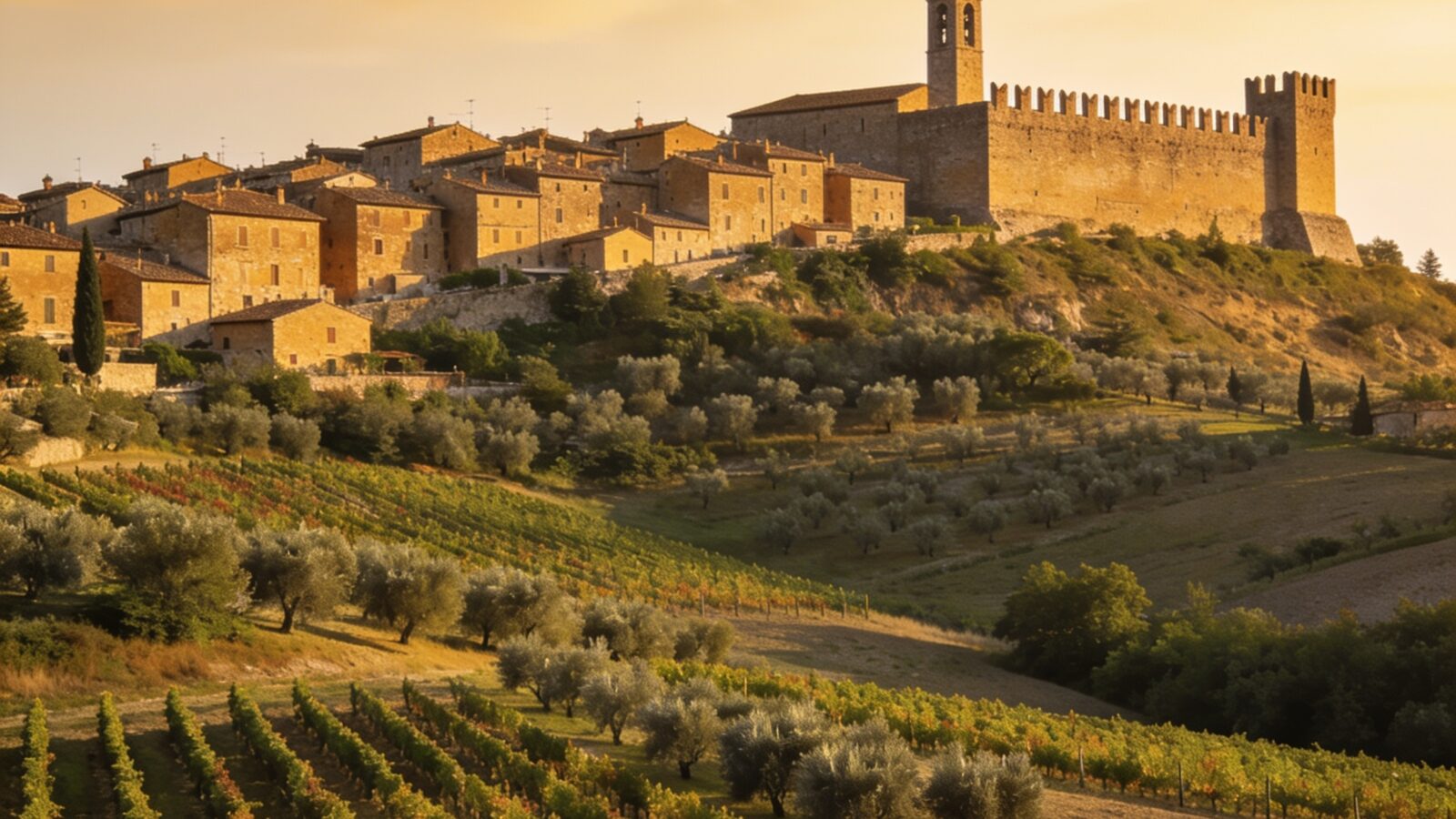
A hilltop village in the Maremma, Manciano offers views from the Amiata to the Argentario and serves as a base for Montemerano and the free hot springs of Saturnia
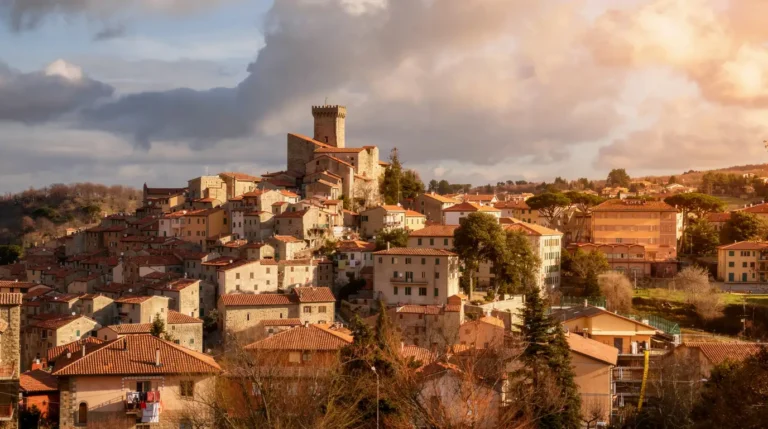
A medieval village on Mount Amiata, attested as early as 860, where you climb from lane to lane up to the Rocca overlooking the rooftops
700 meters of galleries carved into travertine, period tools and guides' stories: a dive at 12°C into the mining past of the Maremma
Montemerano is a medieval village with paved lanes and flowered arches, counted among the most beautiful villages in Italy and close to the hot springs of Saturnia
The Palazzo del Podestà, a 13th-century palazzo with a travertine façade, houses the Giovannangelo Camporeale archaeological museum: Etruscan collections from Vetulonia and the stele of Vado all'Arancio, in the heart of Massa Marittima
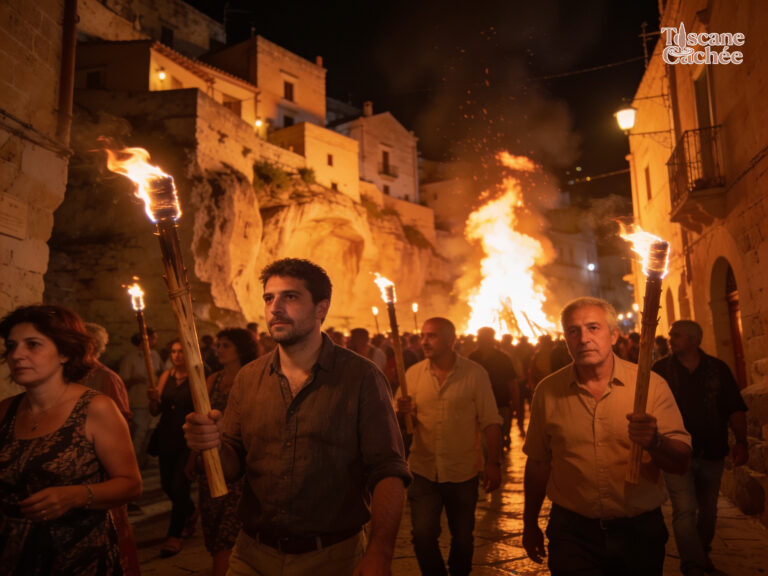
Night-time torchlight procession and Invernaccio bonfire, on March 19 in Pitigliano: a local festival presented as one of the most identity-defining in the Maremma, in a tufa village
The synagogue is at the heart of the «Little Jerusalem», the Jewish ghetto of Pitigliano occupied since the 15th century, extended by a museum and spaces carved into the tuff
Vetulonia, an Etruscan village in the Maremma, is part of the three archaeological parks along with Cosa and Roselle and hosts ongoing excavations at the Domus dei Dolia
Capalbio is a medieval village whose walkway, running along the ramparts and towers, opens onto the sea, the Argentario and the lakes of Burano and San Floriano
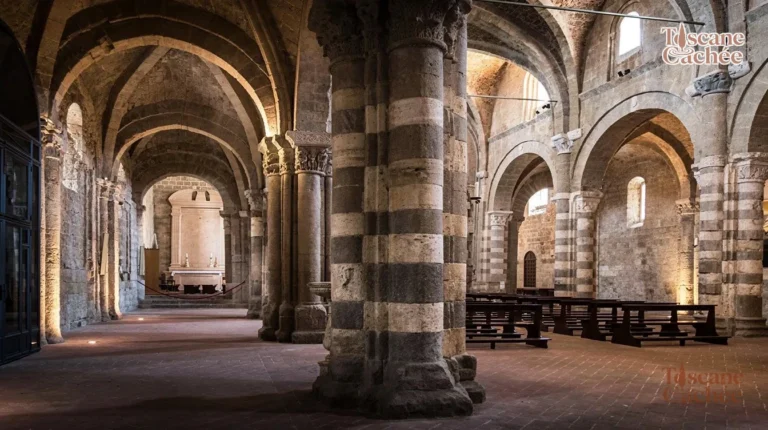
The co-cathedral of Saints Peter and Paul, Gothic-Romanesque in style, stands on the tufa block overlooking the valley of Sovana's necropolis, a medieval borgo of just a few houses
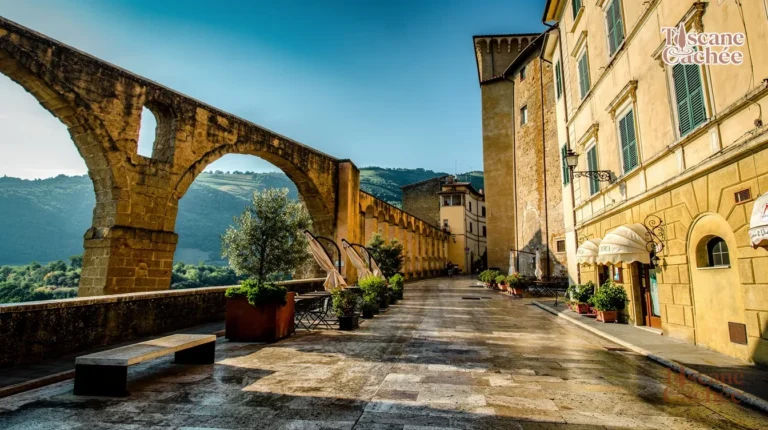
Its 16th-century tuff arches, leaning against the medieval walls, and the fountain of the Sette Cannelle with animal heads mark the entrance to the village
Sorano is a medieval tuff town built by the Aldobrandeschi, whose houses cling above the Lente valley
Classement par note Toscane Cachée : analyse des avis voyageurs et des informations de chaque adresse (notre méthode). Les liens de réservation sont affiliés.
Compléter ton séjour
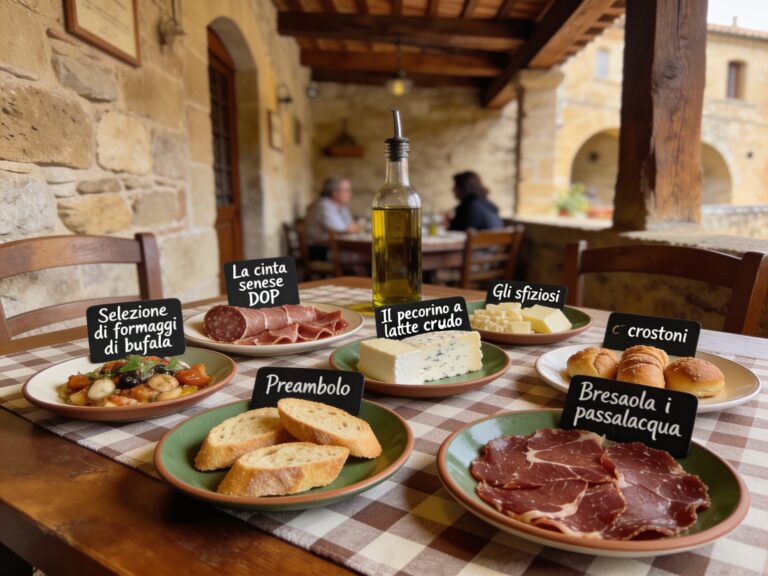 RestaurantsOù manger autour de Manciano15 restaurants à moins de 12 km
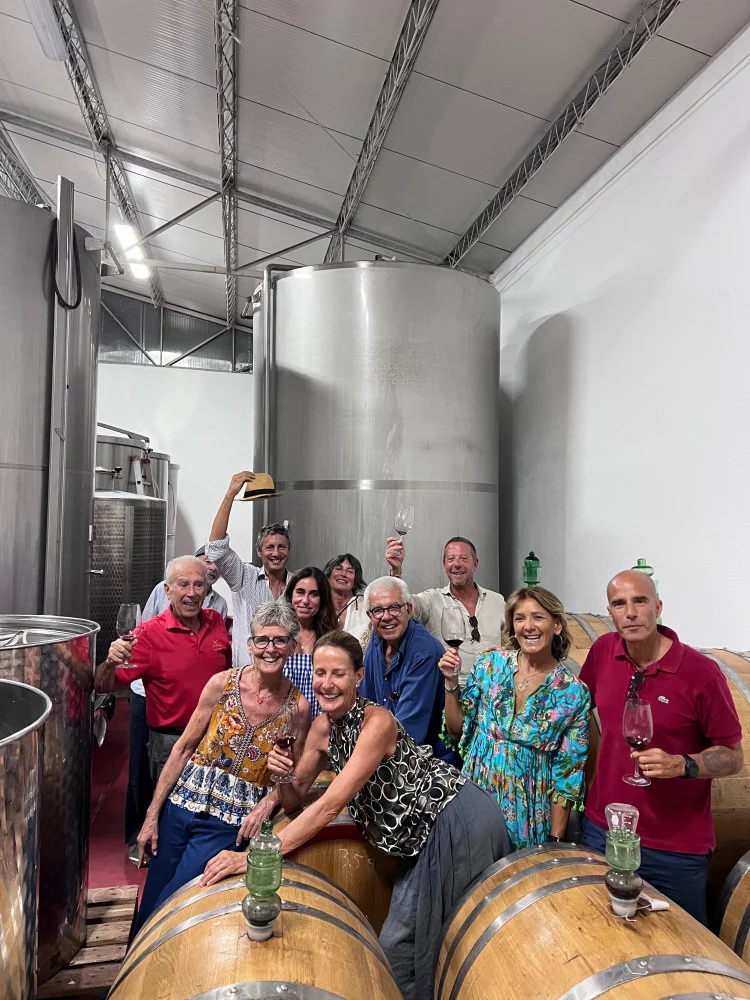 Wine tastingsDégustations autour de Manciano29 dégustations à moins de 12 km
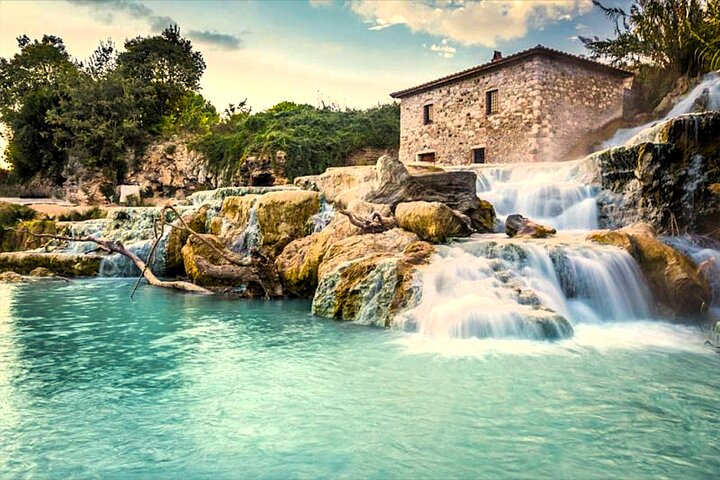 ActivitiesQue faire autour de Manciano21 activités à moins de 12 km
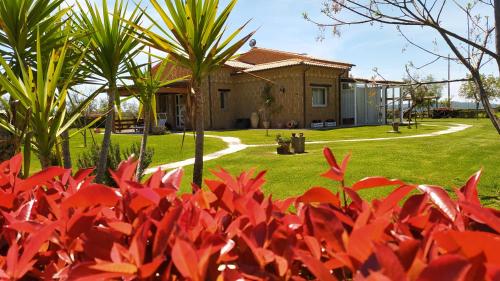 AgriturismosAgriturismos autour de Manciano76 agriturismos à moins de 12 km
 AccommodationsOù dormir autour de Manciano117 hébergements à moins de 12 km
Questions fréquentes
Si tu parles de la « dernière plage » de Toscane avant le Latium, elle se trouve à Chiarone Marina, dans la commune de Capalbio, tout au sud de la région. Le nom désigne…
Lire la réponse complète →À Vulci, visite d’abord les vestiges de la cité étrusco-romaine, puis le Castello della Badia et son musée : petite précision, Vulci n’est pas en Toscane mais dans le Latium, près de la frontière…
Lire la réponse complète →Depuis la Maremme, le plus simple est d’aller à Vulci en voiture : compte environ 30 minutes depuis Manciano (à peu près 26 km) et 1 h 20 depuis Grosseto (environ 85 km). Le…
Lire la réponse complète →À Vulci, tu peux parcourir les vestiges de l’ancienne cité étrusque et romaine, voir le Ponte della Badia au-dessus du Fiora, puis rejoindre le laghetto del Pellicone. Le site se trouve près de Canino…
Lire la réponse complète →Montemerano se trouve à environ 5 à 6 km des thermes de Saturnia, soit généralement 8 à 10 minutes en voiture. La distance dépend du lieu visé : le complexe thermal et les Cascate…
Lire la réponse complète →Compte 1 h 30 à 2 h pour visiter tranquillement Montemerano, parcourir ses ruelles et faire une halte sur la place du Castello. Le centre historique est compact : la rue principale, Via Italia,…
Lire la réponse complète →Explorer
Envies, types et zones : chaque lien mène à une page avec sa liste, sa carte et ses conseils.
Notre conseil
Etruscan Tuscany is a territory that extends far beyond the coast alone: it stretches from the tufa cliffs of Pitigliano to the necropolises of Vulci, from the via cave carved between Sorano and Sovana to the wine-growing hills of Scansano, from the gulf of Baratti at Populonia to the medieval villages of inland Maremma. It is this entire southern Tuscany with its Etruscan imprint that Toscane Cachée documents in this category.
The Etruscans left extraordinary traces here: rock-cut necropolises carved into the volcanic tufa, oppida on the heights, roads cut into the rock. Pitigliano, the «Little Jerusalem», rises from its tufa plateau like a fairy-tale vision. Sorano and Sovana complete the tufa trilogy in the Lente valley — three villages less than 15 kilometers from one another, each with its own personality and its restaurants where you can eat like a local. The vie cave that connect them are one of the most singular archaeological routes in Europe: corridors 8 to 10 meters deep, crossed on foot in the silence of the tufa.
Further north and toward the coast, Populonia overlooking the gulf of Baratti is the only Etruscan site in Italy where a city lies directly on top of its necropolis — an out-of-the-ordinary place that few visitors truly explore. The sea of the Etruscans, along the Piombino peninsula, offers for its part memorable dives over ancient amphorae lying just a few meters deep.
Our selection covers the little-known treasures of this entire area: intimate archaeological museums whose interest far outweighs their low visitor numbers, poorly signposted open-air remains, and hiking itineraries along the ancient Etruscan roads. Each entry includes precise GPS coordinates, access conditions and an honest rating to plan your exploration of Etruscan Tuscany entirely on your own.
Trier par
Univers
Place type
Territory
Note Toscane Cachée
Notre note sur 10 est volontairement exigeante : les coups de cœur sont les 10 % les mieux notés du hub.
 Français Français
 Italiano
 English
 Polski
 Português do Brasil
 Nederlands
 Español
 Deutsch