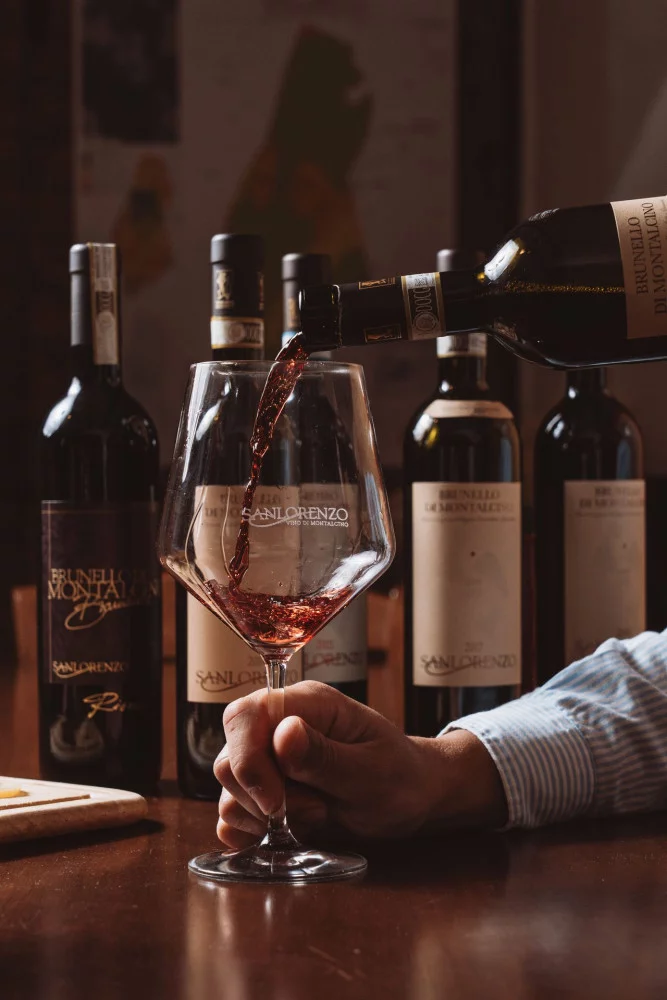
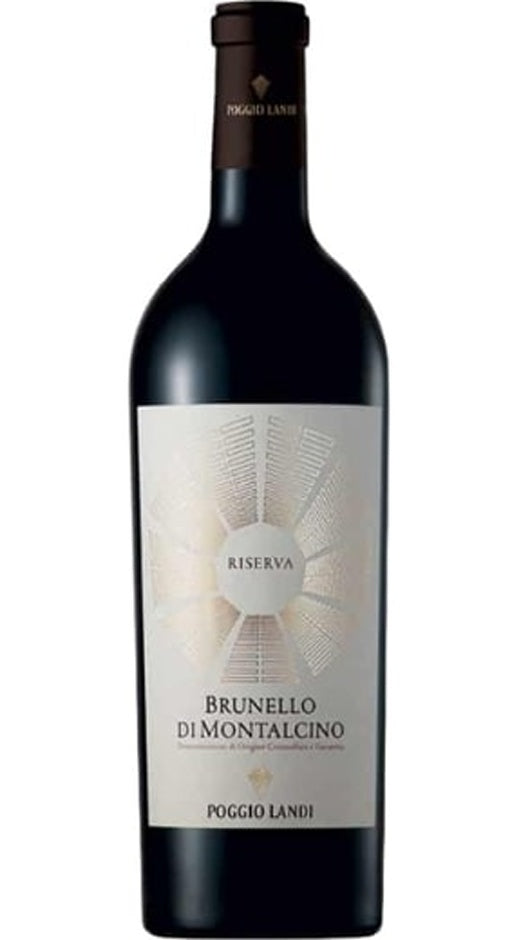
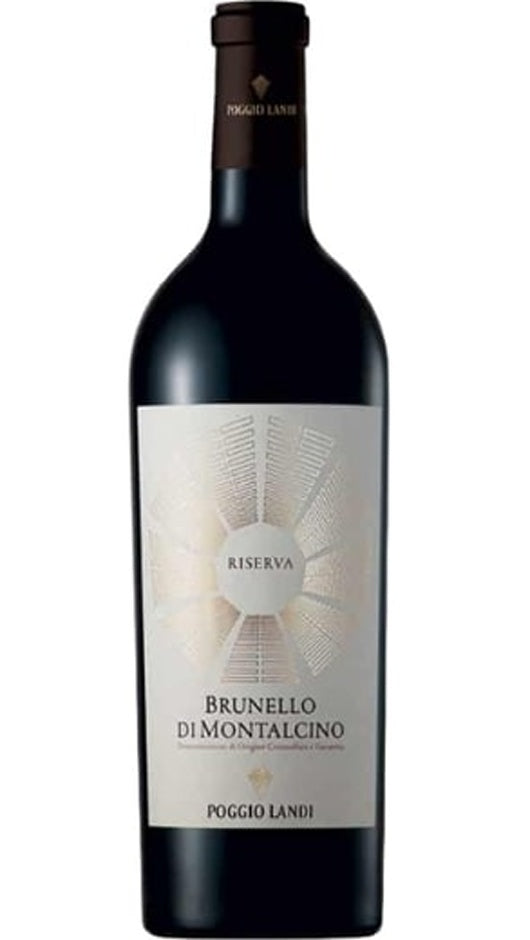
Brunello di Montalcino Riserva 2018 from Poggio Landi, Sangiovese Grosso from Montalcino, aged at least 5 years including 2 in wood and distinguished by two bicchieri and three stelle Veronelli
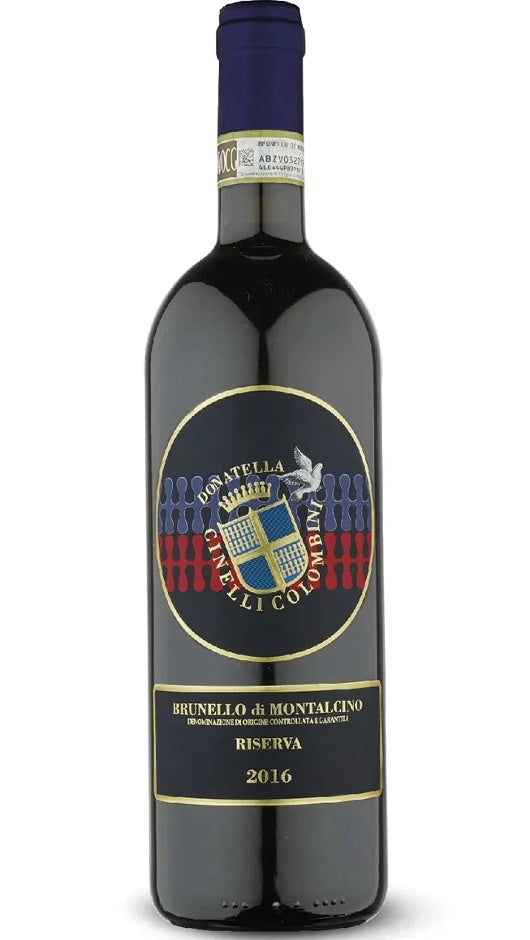
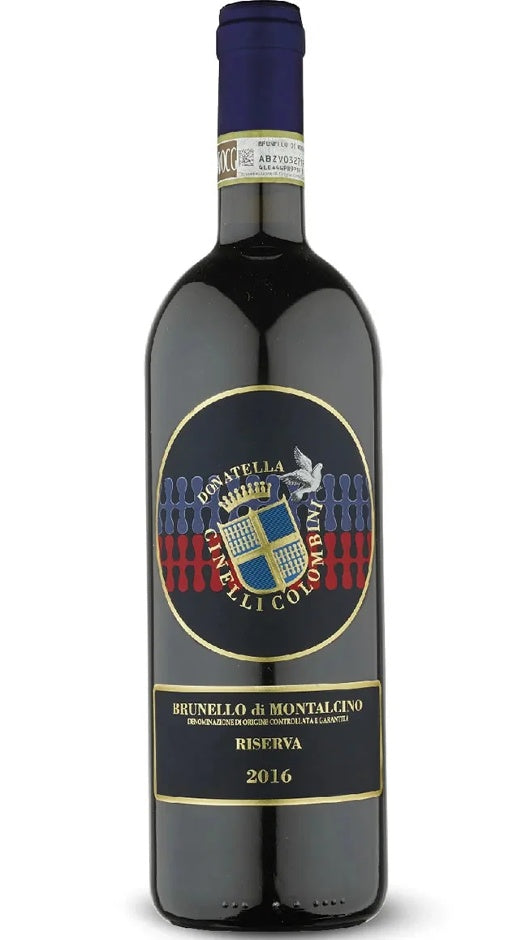
Brunello di Montalcino Riserva 2019 from Donatella Cinelli Colombini, Sangiovese Grosso aged 5 years including 2 in wood, awarded 4 viti AIS and 90 points
Brunello di Montalcino Riserva 2015 from Donatella Cinelli Colombini, Sangiovese Grosso aged at least 5 years including 2 in wood, awarded 90 points by three guides
Brunello di Montalcino Riserva 2018 from Poggio Landi, Sangiovese Grosso, aged at least 5 years including 2 in wood, distinguished by several guides and sold in large 1.5 L format
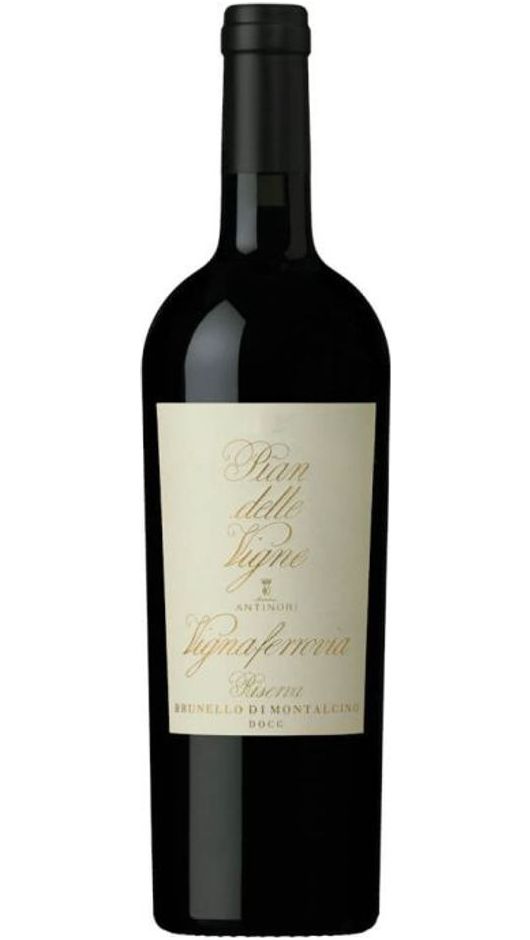
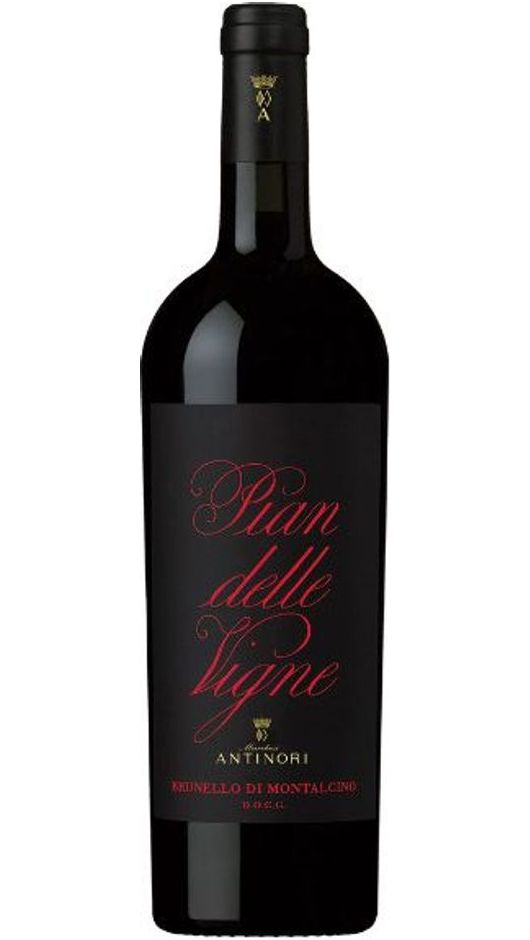
Brunello di Montalcino DOCG 2020 from Antinori, 100 % Sangiovese from the Tenuta Pian delle Vigne, aged two years in large casks and sold in 1.5 L format at €54.72 per 75 cl
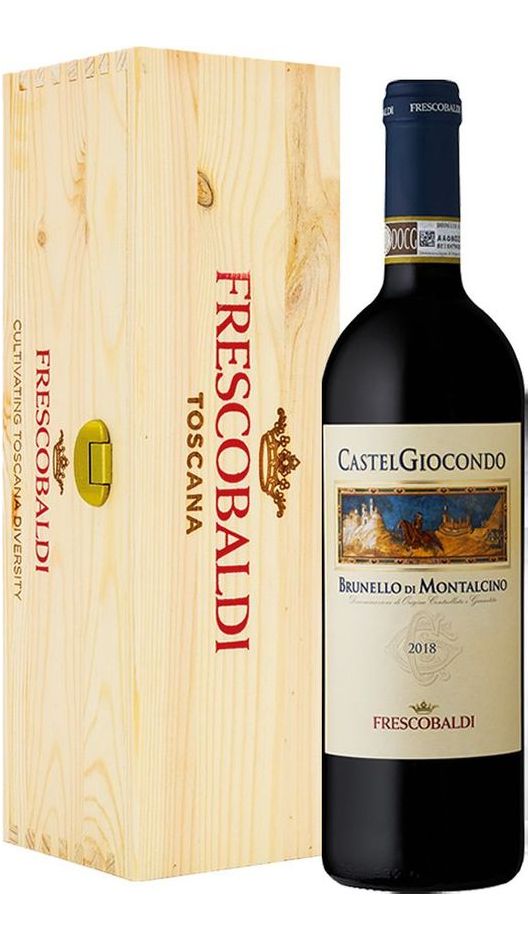
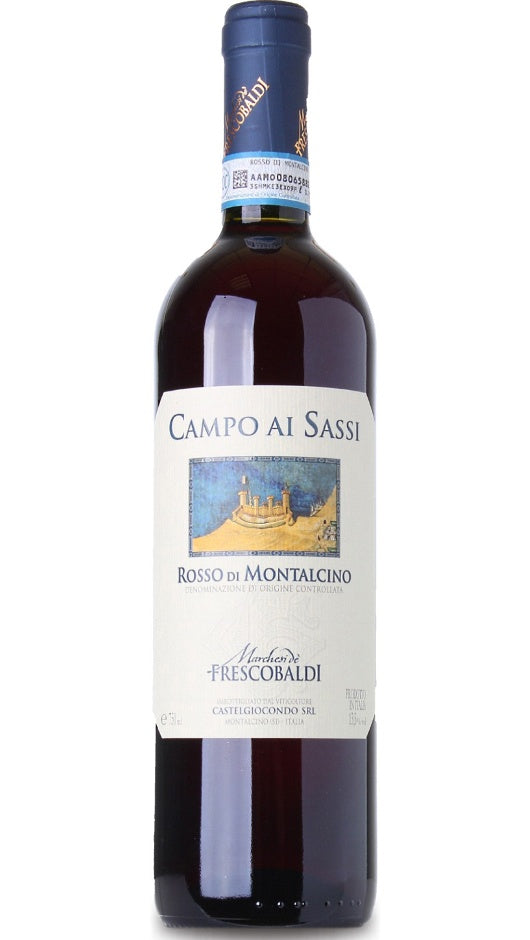
Brunello di Montalcino DOCG from the Frescobaldi estate, 100 % Sangiovese Grosso, aged for a minimum of five years including two in wood, with several guide distinctions
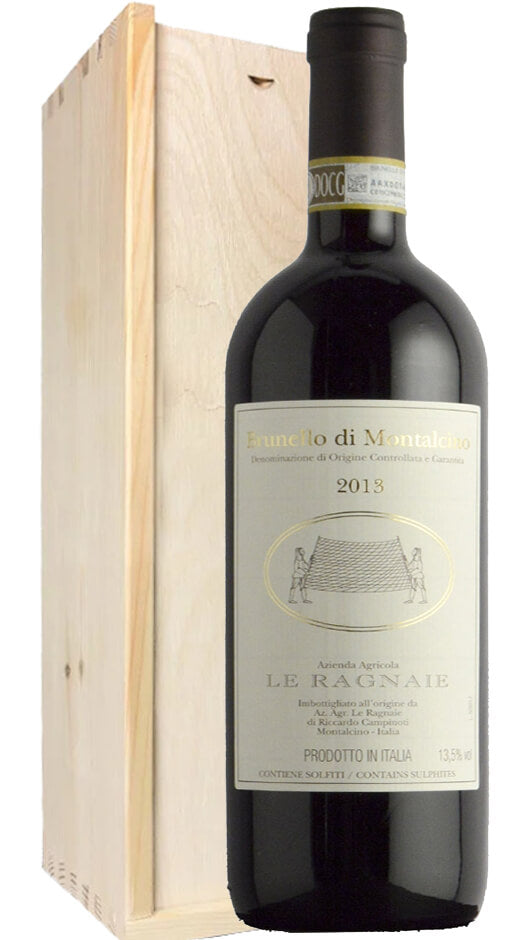
Brunello di Montalcino 2013 from the Le Ragnaie estate, sangiovese from Montalcino aged at least 5 years including 2 in wood, rated 90 points by three guides
Brunello di Montalcino DOCG from Frescobaldi, Sangiovese Grosso from Montalcino, aged a minimum of 5 years and distinguished by Veronelli and guides with 90 points
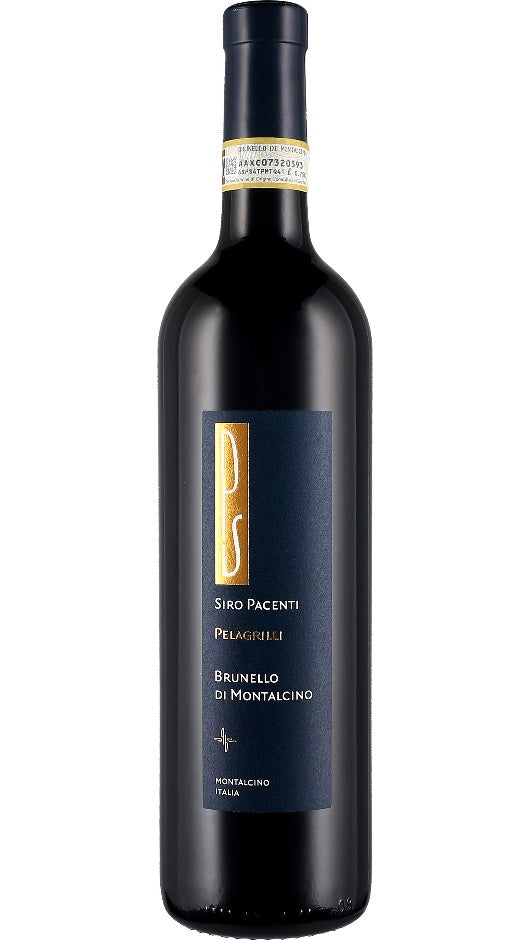
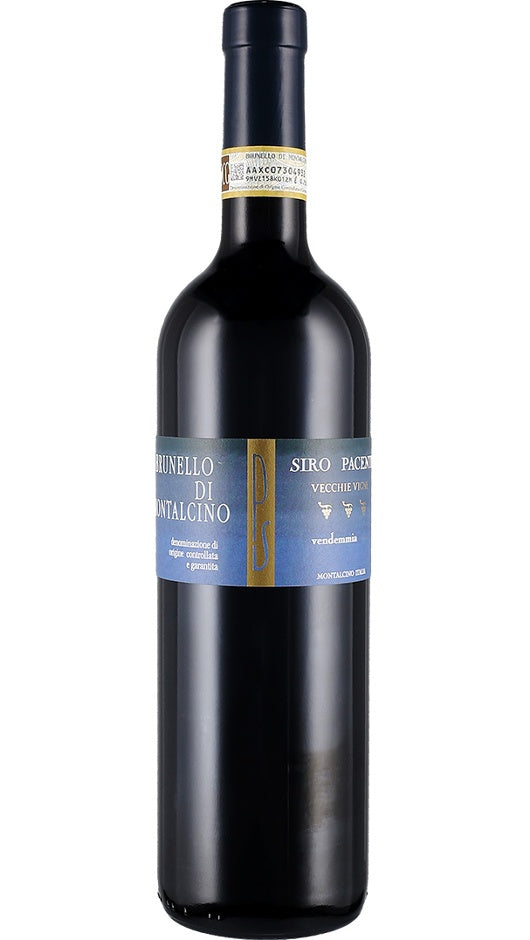
Brunello di Montalcino 2018 from Siro Pacenti, Sangiovese Grosso from the Pelagrilli vineyard, aged at least five years including more than two years in barriques
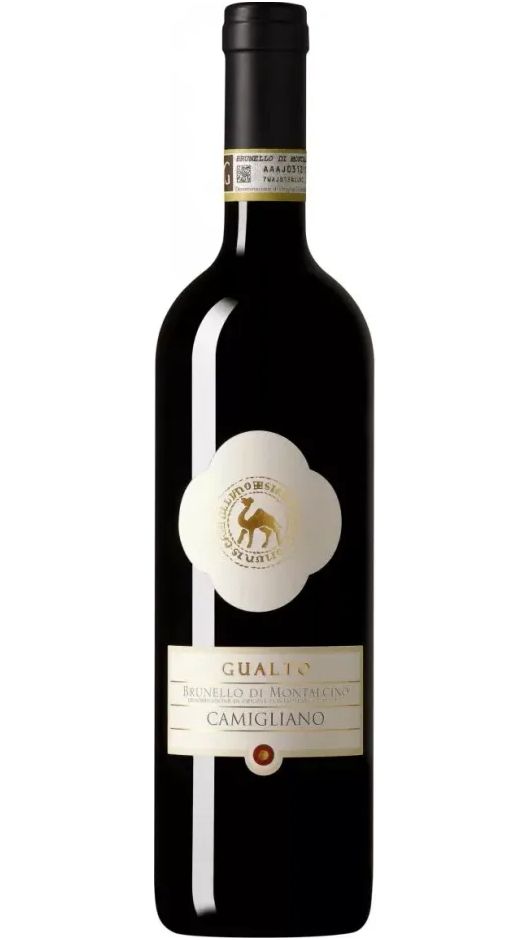
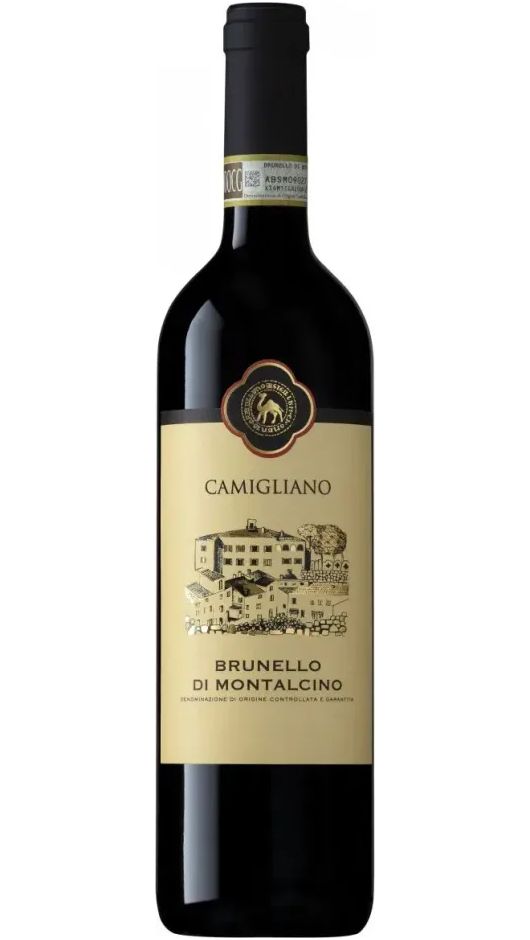
Brunello di Montalcino DOCG 2021 from the Camigliano estate, Sangiovese Grosso from Montalcino, aged a minimum of 5 years including 2 in wood and farmed organically
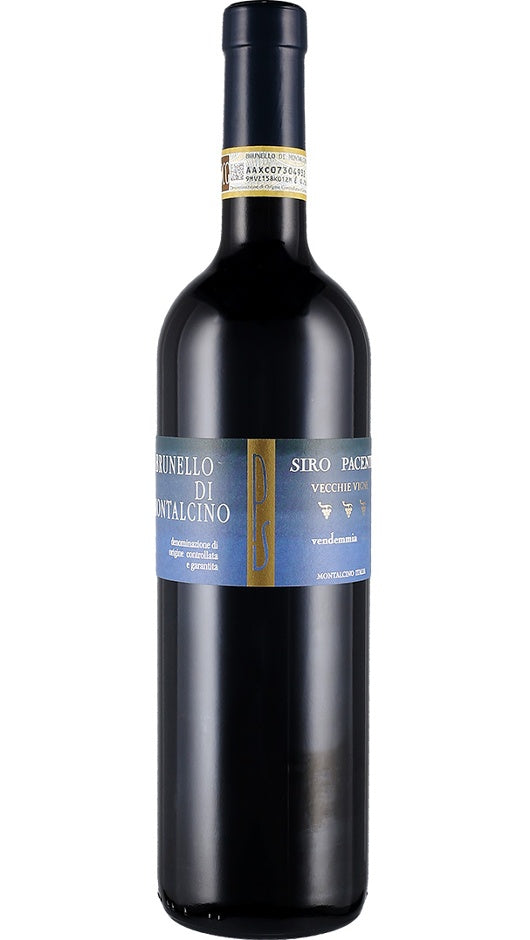
Brunello di Montalcino DOCG 2017 from Siro Pacenti, Sangiovese Grosso from Montalcino, aged at least 5 years including 2 in wood, rated 90 by three guides
Brunello di Montalcino DOCG 2013 from Siro Pacenti, Sangiovese Grosso from Montalcino, aged at least 5 years including 2 in wood, rated 90 by three guides
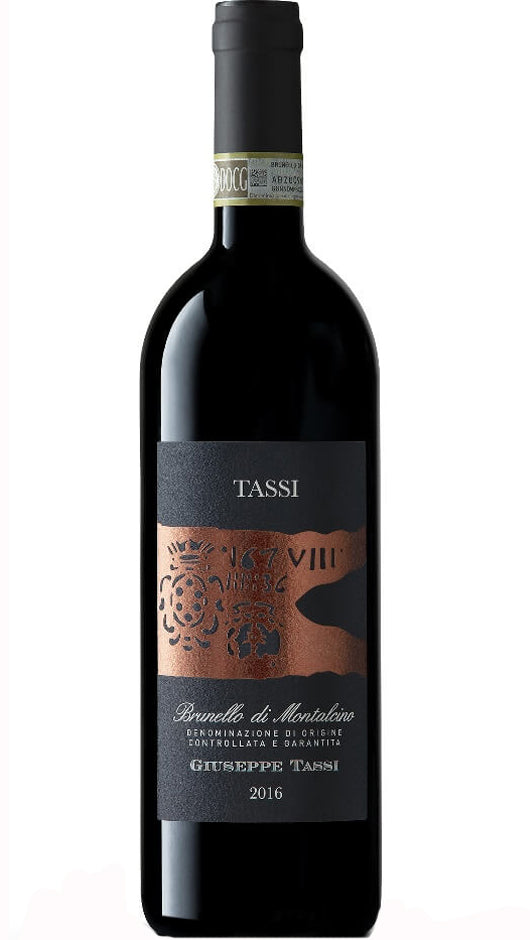
Brunello di Montalcino 2016 from Frescobaldi, Sangiovese Grosso from Montalcino, awarded by Veronelli, Parker and Wine Spectator, offered at €115.62 instead of €143.64
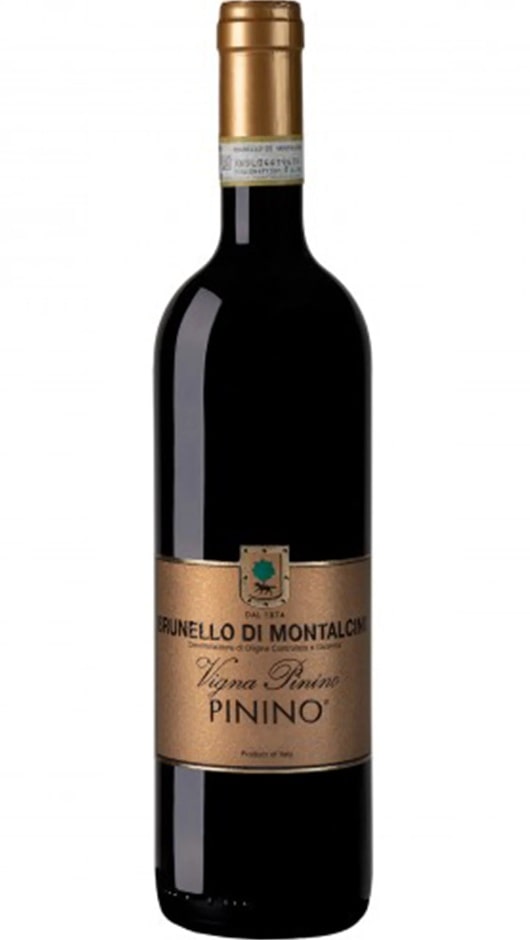
Brunello di Montalcino DOCG from the Pinino estate, Sangiovese Grosso on limestone-clay soils, fermented in steel with long maceration and aged at least 5 years
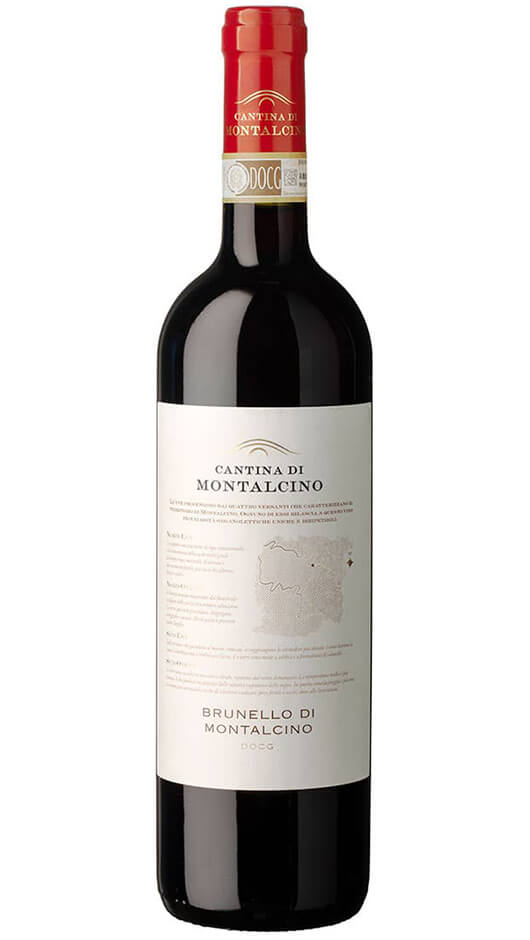
Brunello di Montalcino DOCG 2017 from Cantina Di Montalcino, Sangiovese Grosso, aged at least five years including two in wood, at €25.70 instead of €30.68
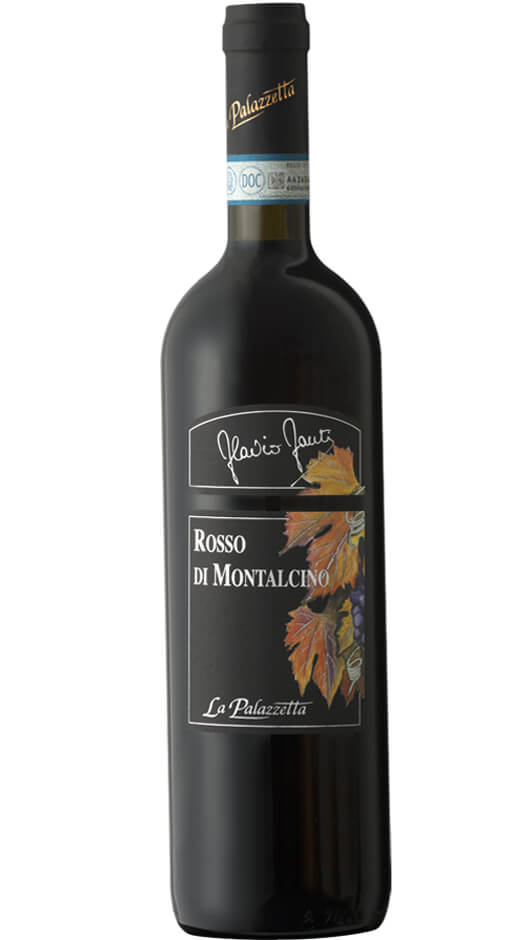
Rosso di Montalcino 2020 de La Palazzetta, 100% Sangiovese de Castelnuovo dell'Abate, élevé 14 mois en tonneaux de chêne français et noté 90 par James Suckling
Classement par note Toscane Cachée (fiche technique, avis de la presse et rapport qualité-prix). Prix relevé chez le vendeur, à vérifier au moment de la commande ; les liens sont affiliés.
L'abus d'alcool est dangereux pour la santé, à consommer avec modération. Vente interdite aux mineurs.
Pour une bouteille de Morellino di Scansano de 75 cl, compte environ 8 à 17 € en magasin ou chez un producteur ; une Riserva coûte souvent davantage, autour de 12 à 25 €,…
Les vins les plus typiques de la Maremme toscane sont le Morellino di Scansano, rouge à base de sangiovese, et les blancs de Vermentino et d’Ansonica. Le Morellino est une DOCG élaborée avec au…
Le marché hebdomadaire de San Vincenzo a lieu le samedi matin, généralement de 8 h à 13 h, sur la piazza Giovanni XXIII. Arrive plutôt avant la fin de matinée : les étals commencent…
Le Vermentino est un cépage blanc méditerranéen, et le nom du vin élaboré à partir de ce raisin. On le trouve notamment en Maremme, dans le sud de la Toscane, ainsi qu’en Sardaigne et…
Pour goûter les vins les plus typiques de la Maremme, commence par le Morellino di Scansano DOCG, puis compare-le à un Montecucco Sangiovese DOCG et à un Vermentino de la Maremma Toscana DOC. Il…
Winedering est une plateforme de réservation : tu compares des dégustations proposées par des domaines en Toscane, puis tu choisis une expérience, une date et le nombre de participants. Les offres peuvent inclure seulement…
Guide to Tuscan wines: choosing and tasting by style
Tuscany produces more than 2.6 million hectoliters of wine every year, but the majority of the bottles you find in supermarkets are just soulless industrial labels. It's infuriating to see enthusiasts pay top dollar for a generic Chianti when the schist and clay terroirs hide characterful gems.
You often end up choosing your bottle at random based on the label without understanding what the Sangiovese is really telling you. This Tuscan wine guide is here to teach you how to decode the appellations and track down authentic bottles, from structured reds to forgotten whites, so that you finally stop drinking hot air.
Sangiovese: why this grape is the only one that really matters
Sangiovese dominates Tuscany with its tannic structure and acidity, ranging from the minerality of Maremma's schists to the power of the clays, thus defining the Brunello and Chianti Classico appellations. It all starts with the rock and soil that forge its character.
The influence of the soil: clay, limestone and schist
Clay terroirs retain water and force slow maturation. This gives the Sangiovese massive tannic power and density on the palate that you won't find anywhere else.
Clay offers body and power, limestone brings elegance and roundness, while schist guarantees a sharp minerality. Regional typicity depends on this geological puzzle.
Limestone relies on elegance and finesse of aromas. Conversely, clay builds fleshy wines. Your selection should respecter cette typicité régionale to avoid standardized juices.
Climate: between sea breeze and Apennine coolness
The Mediterranean breeze regulates summer temperatures along the coast. This breeze brings a subtle salinity to the grapes and naturally protects the clusters from devastating fungal diseases.
The mountains impose radical thermal contrasts. These cool nights are vital for preserving the natural acidity of the Sangiovese grape variety, garantissant ainsi son équilibre et sa longévité.
L’altitude devient le rempart ultime contre le réchauffement climatique. It is the secret of the most authentic estates that still manage to produce digestible and balanced wines today.
Brunello or Chianti: stop paying for wind on the label
Après avoir compris la terre, tu dois maintenant learn to decipher what is written on the bottle so you don't go wrong.
Brunello vs Rosso : comprendre ce que tu paies en rayon
Le Brunello impose un vieillissement en fût de 24 mois. Le Rosso sort en un an seulement. Cette attente forge la structure.
Alcohol abuse is dangerous for health, consume in moderation.
Super-Tuscans and forgotten whites: luxury away from the crowd
If the classic appellations seem too rigid to you, know that there exists a fascinating world off the beaten path.
The Super-Tuscan revolt: when going off-piste becomes cult
In the 70s, rebellious winemakers shook everything up. They planted Cabernet Sauvignon against the obtuse rules. These pioneers thus broke the codes of the traditional DOC.
IGT Bolgheri wines now dominate the global prestige market. These are exceptional bottles, often sold at a premium. Look closely which Maremma wine to buy? so you don't go wrong.
Careful, these powerful reds require serious decanting. Aeration is vital for them to finally open up.
Vernaccia and Aleatico: the whites and sweet wines the guides forget
Vernaccia from San Gimignano is a historic white with a strong temperament. Its final bitterness is its signature. It is the first Italian wine to earn the DOC.
Aleatico Passito from Elba is a rare and captivating red nectar. Its notes of rose and candied red fruits are unique. The grapes dry in the sun on traditional racks.
The coastal grape varieties deserve your full attention to break out of all-red.
Grape variety
Style
Region
Perfect pairing
Vernaccia
Dry, fresh, almond
San Gimignano
Grilled fish
Vermentino
Fresh and saline
Tuscan coast
Marine aperitif
Ansonica
Structured and dry
Maremma / Giglio
Local antipasti
Aleatico
Sweet, red fruits
Elba Island
Dark chocolate
Wine tastingsVisiting a winery in MaremmaMorellino, Vermentino, Bianco di Pitigliano: estate visits and tastings at the producer's.232 tastingsSee the tastings →Alcohol abuse is dangerous for health, consume in moderation.
Drinking and eating: the real pairings that aren't on Instagram
Having a good bottle is one thing, knowing how to serve and pair it is another to truly enjoy it.
Temperature and oxygen: don't ruin your glass
Set your temperature limits carefully. A red served too hot quickly becomes boozy. It then loses all its initial aromatic freshness.
Opening your bottle in advance isn't enough. The air exchange remains almost nil in the neck. Your Tuscan bottle needs more.
Favor decanting for your closed vintages. Use this technique sparingly. You release the complex aromas without tiring your wine.
Sandro's opinion
Avoid high temperatures so as not to burn the aromas. Simply uncorking is useless for oxygenation; ; opt for a decanter for closed wines.
Wild pairings: what to drink with a wild boar ragù
Pair your game with a Morellino di Scansano. Its robust structure absorbs the shock. It stands up to the power of the local wild boar ragù.
Pair your aged pecorinos with evolved reds. The richness of the cheese is demanding. It requires mellowed tannins for balance on the palate.
To enhance the truffle, forget wines that are too oaky. Here are the best options for your guide Maremma gastronomy :
Fresh pasta and white truffle.
Structured white wine.
Light red wine such as a Rosso.
Mastering this Tuscan wine guide means understanding that Sangiovese dictates its law between schist and clay. Don't be fooled by marketing anymore: choose the power of a Brunello for your cellar or the freshness of a Rosso for your next ragù. Grab your bottles now before the Maremma gems become inaccessible. Become the sole master of your glass.
Frequently asked questions
For a road trip of two weeks in Maremma, the 10 GB plan valid for 15 days is a good compromise if you mainly use your phone for GPS, bookings, messaging and a few searches during visits. It matches moderate usage without paying upfront for a very large data volume. If you plan to publish lots of photos and videos or regularly share your connection with another person, look instead at a larger allowance, such as the 20 GB plan valid for 30 days presented in the article.
The most suitable plan also depends on the accommodation you choose. In an agriturismo, you can often enjoy Wi-Fi in the evening and reserve mobile data for journeys, villages and beaches. To estimate your stay budget, you can check this guide on the price of a night in an agriturismo in Maremma. Before purchasing, carefully check the validity period, the exact data volume and the final price displayed at checkout, as rates may vary depending on the available offer. Tethering is indicated as allowed in the article’s information, which can be handy for two people. On the other hand, standard calls and SMS are not included: plan on apps like WhatsApp to communicate when you have an internet connection.
The article states that the JamboSIM eSIM relies in particular on the TIM network and that the connection is generally available in villages like Pitigliano and Sorano. This is useful for checking an itinerary, looking up an address or contacting your accommodation on arrival. Coverage can nevertheless change from one street to another and depending on the terrain: sunken roads, isolated valleys and some rural areas can weaken the signal. Even with a wide network, it is better not to consider coverage as guaranteed everywhere in Maremma.
Before leaving a town or your accommodation, download the maps you need for the journeys to the tuff villages and keep your lodging’s address at hand. On arrival in Italy, check that the eSIM is selected for mobile data and that data roaming is enabled on that line. If the signal seems weak, testing 4G can help, especially in areas where 5G is not available or stable. Also remember to charge your phone and keep an offline map: GPS can locate you without a connection, but some searches and live information require data. This precaution is particularly useful when driving on the secondary roads of the province of Grosseto, where opportunities to stop and find signal again may be limited.
For a week in Maremma, the volume needed depends mainly on the time spent watching videos and posting content. If you mainly use GPS, WhatsApp, emails and a few searches, a small plan of 1 to 5 GB may be enough, provided you take advantage of your accommodation’s Wi-Fi in the evening. For frequently browsing social media, sending photos and looking up information during excursions, a more comfortable allowance avoids monitoring every megabyte. The article notably presents offers of 10 GB and 20 GB, with different validity periods.
Streaming videos and video calls consume more data than browsing or written messaging. Before leaving, download the maps of Tuscany, booking confirmations and the information you might need offline. You can also disable automatic updates and limit autoplay of videos on social media. If you use your phone as a modem for a computer, plan a more generous plan: tethering can quickly increase consumption. To keep a balanced budget during your stay, you can also organize your expenses in advance thanks to this guide on the budget for eating in Maremma. Finally, check the volume actually offered at the time of purchase, since you should choose according to your usage habits, and not solely according to the plan’s commercial name.
The simplest way is to install the eSIM profile before departure, at home, using a stable Wi-Fi connection. After purchase, JamboSIM sends a QR code by email that you can scan in your phone’s settings to add the plan. Beforehand, check that your smartphone is eSIM-compatible and that it is unlocked, meaning it can accept a line from another operator. Once the profile is added, name it for example « Italy » so you can easily distinguish it from your French SIM. Avoid deleting the profile after installation: depending on the offer’s conditions, reinstalling it can be complicated.
You can keep your French SIM in the phone to receive calls or SMS, but select the JamboSIM eSIM as the line used for mobile data when you arrive in Italy. To limit the risk of roaming charges on your usual line, disable data abroad on the French SIM and check that roaming is indeed enabled on the JamboSIM profile if it is necessary for it to work. Standard calls and SMS are not announced as included in these data plans; to communicate over the internet, use WhatsApp or another messaging app instead. Before the trip, keep the installation email and a screenshot of the useful information. If you plan to drive, preparing your routes and learning about local rules before departure can also save you from having to do urgent research once on the road.
In the content provided, the promo code highlighted in the section devoted to the discount is TCJAMBO, announced as a 15% discount on Italy plans. Another part of the introduction, however, mentions the code ESIMD. Since both codes appear in the article, do not assume that they are both active or stackable: enter the code offered for your order and check that the discount is clearly visible before paying. The final amount displayed in the cart is the best reference to confirm that the discount has been applied.
Entry is indicated at the step preceding payment. Copy the code exactly, in capital letters, then check the order summary before entering or confirming payment. If the price does not change, check the spelling, the conditions applied to the chosen plan and the validity period of the promotion. The article mentions rates starting from €4.50 and an unlimited seven-day plan, but the amounts presented in its different sections are not identical. The exact price may therefore depend on the offer displayed at the time of purchase. Avoid basing your budget solely on an indicative rate: look at the final amount after the discount and check the duration, data volume and terms of use before confirming the order.
An eSIM can be handy for checking a map, verifying a booking or sending a message during a stay in Maremma, but the connection depends on mobile coverage at the exact location. In a remote agriturismo, the signal can vary depending on the distance to antennas, the terrain and the thickness of the walls. On the Argentario coast, reception can also change between a village, a cove and an area further from the roads. A connection indicated as available in the region therefore does not guarantee a constant signal in every accommodation or on every trail.
Before a day of excursion, download the maps and useful information while you have Wi-Fi, then let your loved ones know your itinerary if you are heading into a little-frequented area. At the lodging, ask whether Wi-Fi is accessible and which parts of the property have the best mobile network coverage. The eSIM mainly serves to complement these solutions to stay reachable while on the move; it does not replace offline preparation if you plan a walk in a cove or a water activity. To discover a particular outing on the coast, you can read this article on the Argentario cave and underwater caving. Remember to check the activity’s conditions and keep your phone protected from water. Finally, a power bank is useful if you frequently combine GPS, camera and mobile data during the day.









 Bottle of Italy
 RestaurantsOù manger autour de San Quirico d'Orcia
 Wine tastingsDégustations autour de San Quirico d'Orcia
 Places to visitÀ voir autour de San Quirico d'Orcia
 AgriturismosAgriturismos autour de San Quirico d'Orcia