

Are you looking for total immersion in the wildest Tuscany? This 25-kilometre crossing between limestone cliffs and maquis dense requires a genuine physical effort under a sun that is often relentless. Your Talamone Alberese hike requires strict logistical preparation, as the trail plunges into protected areas where shade is non-existent.
Discover how to organise your itinerary between Spanish towers and isolated coves to succeed in this wild adventure in the heart of the park of the Maremma.
The Talamone Alberese hike in the Maremma Park
The Talamone-Alberese crossing covers 25 km of wild coastline, demanding 8 to 10 hours of walking. Access to San Rabano and Cala di Forno requires an official guide during the summer period to prevent fires and protect the rugged terrain.

A wild route between cliffs and scrubland
The cumulative elevation gain reaches 180 metres on the steepest sections. The limestone ground makes progress technical. The trails overlook the Tyrrhenian Sea directly.
The view over the Tuscan archipelago is constant from the ridges. You can clearly make out the silhouettes of the islands of Giglio and Elba. The horizon opens up completely in clear weather.
L’odeur du mastic tree and wild rosemary dominates the entire route. Shadows are nonexistent here.
Access restrictions and the mandatory guide
The park enforces strict regulations between June and September. The risk of fire prohibits free access to certain areas. You must necessarily be accompanied by an accredited guide.
Book your spot online or directly at the Alberese visitor center. To plan your departure, check the details on the guided hike in the Maremma park.
Strictly follow the marked trails during your walk. The dune ecosystem is extremely fragile and protected.
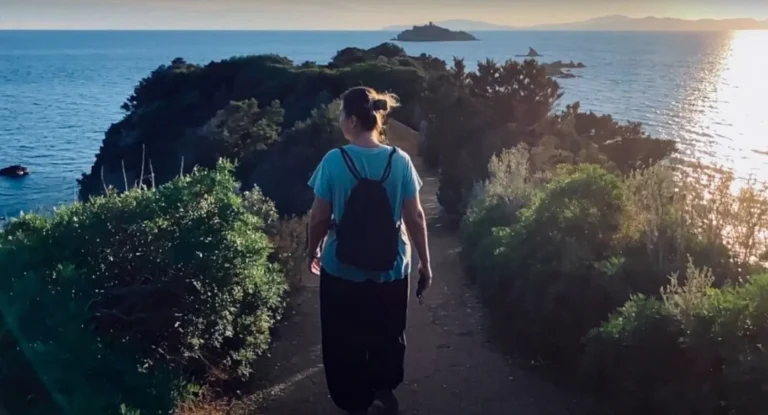
3 things to prepare for your pack before setting off
To get through this wild territory safely, you must anticipate your logistical needs well before lacing up your shoes.
Technical equipment and water reserves
Never neglect your hiking shoes. The sharp rocks of the maquis show no mercy to overly soft soles. Your ankles must be perfectly supported to avoid any injury.
Calculate your water volume precisely. Without any drinkable water source along the route, three liters are the strict minimum. In intense heat, your safety depends solely on your supplies.
- Wide-brimmed hat
- Biodegradable sunscreen
- First aid kit with blister plasters
- Safety whistle
Plan for a minimum of 3 liters of water per person; no drinkable water source along the route; sun protection essential as shade is almost nonexistent.
Managing parking and return shuttles
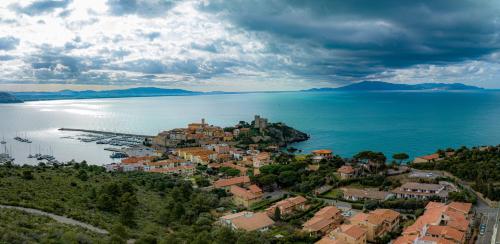
Find the paid parking lots in Talamone. Spaces are very limited in high season. Aim for the area near the medieval fortress that overlooks the entire harbor.
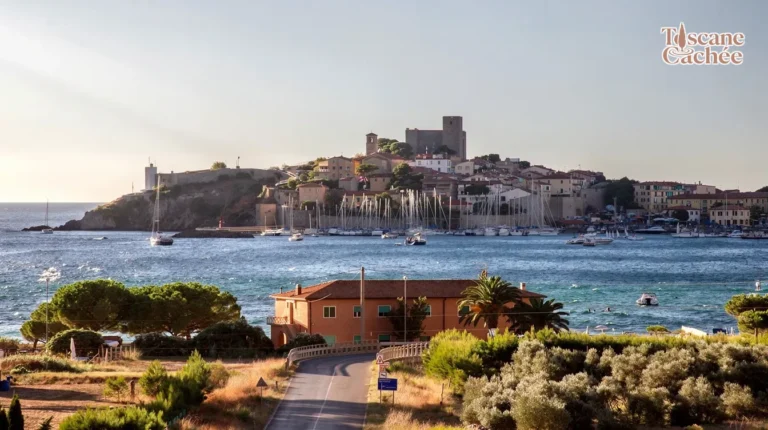
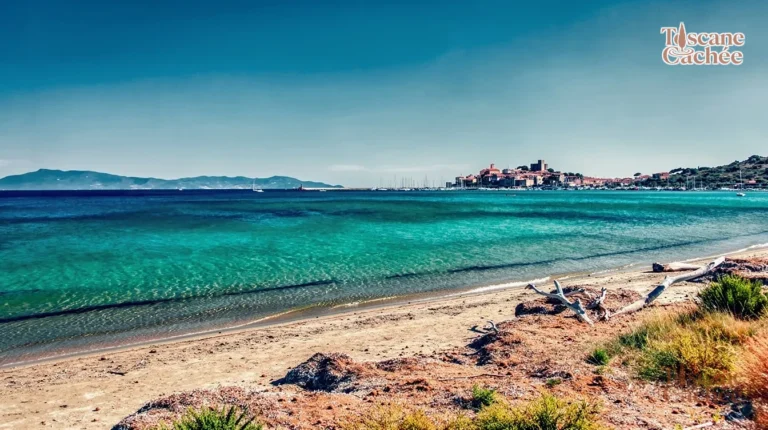
Talamone
Fishing village on a rocky promontory, with 13th-century ramparts, Rocca Aldobrandesca and southern access to the trails of the Maremma park

Tosco Monte à la Rocca just before dusk: between the memory of Garibaldi's passage and the sweeping view over the Giglio, it's one of the most spectacular and wild panoramas in all of Maremma!
Organizing this linear route requires method. To help you with theoverall transport organization, check out our tips for plan your stay in the wild without stress.
Drop off a second vehicle at Alberese. This is the simplest method to your independence. You will thus not depend on any bus schedule for your return.
Our addresses · Talamone
Our favorite addresses around Talamone
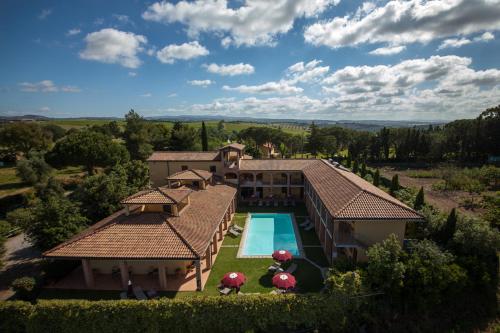
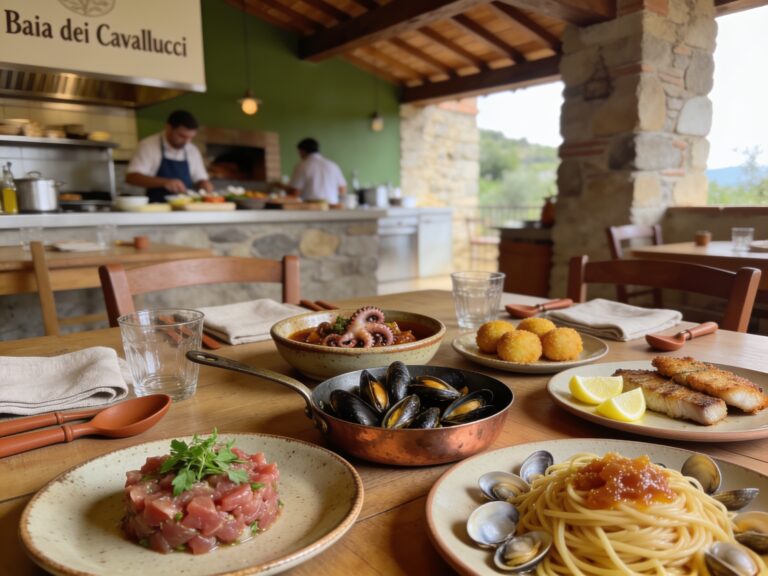
How can you reach Cala di Forno from Talamone?
Once equipped, the trail delves into the maritime history of the Maremma, where watchtowers still keep an eye on the horizon.
The Spanish towers and the history of the lookouts
You will come across the Torre delle Cannelle and the Torre di Poggio Raso. These stone sentinels bear witness to the era when the State of the Presidi protected the coast from Barbary raids.
A system of fires was used to alert the neighboring tower in case of pirate approach. Explore the trail of medieval towers in the Maremma 9. to understand this strategic defensive network.
The robust architecture of these bastions is purely functional. They blend perfectly into the mineral landscape of the Uccellina coast.
The grey stone stands out against the blue sky. The silence is broken only by the cry of the peregrine falcons.
Arriving at Cala di Forno and the wild fauna
The arrival on this crescent-shaped beach offers an immediate visual shock. The golden sand and crystal-clear waters make it one of Tuscany's most secret gems.
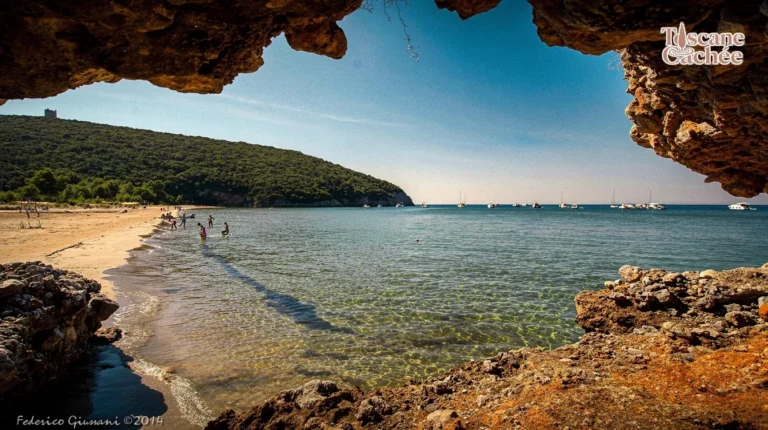
Cala di Forno
Cala di Forno, a cove framed by cliffs, is reached by a long hike through a strict nature reserve, rewarded by an unbuilt coastline and a often deserted beach

Tosco Ten kilometres of walking without a single bar at the finish is not something to improvise: fill up your water bottle before setting off and keep an eye on your sandwich, my maquis cousins have a sharp nose!
You will almost certainly come across fallow deer or unafraid foxes on the shore. They live here in complete freedom, far from the human hustle and bustle.
Keep absolutely quiet to observe them without disturbing them. Follow the safety guidelines to preserve this fragile natural balance.
| Species | Observation moment | Behaviour to adopt |
|---|---|---|
| Wild boar | Dawn / Dusk | Safety distance, do not approach. |
| Deer | Daytime | Complete discretion, avoid sudden movements. |
| Fox | All day long | Strictly forbidden to feed the animal. |
| Hermann's tortoise | Daytime | Do not touch, do not move. |
Swimming is a well-deserved reward. The isolation guarantees total tranquility, far from the usual crowd.
From San Rabano to the Collelungo dunes
After the beach break, the path rises again towards the spiritual and forest heart of the Uccellina massif.
The medieval abbey hidden in the forest
Here you discover the imposing ruins of the San Rabano abbey. This Benedictine monastery from the 11th century seems literally devoured by the surrounding holm oak forest.

San Rabano Abbey
San Rabano is a ruined medieval Benedictine abbey, lost in the hills of the Uccellina, in the heart of the Maremma park
Tosco Bring good shoes and enough water for the climb from Alberese: the trail climbs steeply under the holm oaks of the Uccellina, but emerging onto these fortified ruins in the middle of nowhere has a real Tuscan Indiana Jones feel!
A mystical atmosphere reigns between these centuries-old stone walls. The monks sought absolute silence here. They fled the tumults of the swampy plains once malarial.
Look at the adjacent watchtower, the Campanile. You can consult our guide on the Maremma and its nature to explore other isolated historical sites.
Benedictine abbey from the 11th century ; Romanesque architecture; located on the ridges of the Monti dell'Uccellina; formerly a refuge against the malaria of the plains.
Admire the restoration work that preserves this fragile heritage. It is a unique testimony of medieval monastic power.
The Collelungo dunes and the end of the journey
Now begin the descent towards the sea through the pine forest. The scent of maritime pines replaces that of the maquis. The ground gradually becomes sandier under your feet.
You finally arrive at the dunes of Collelungo. These shifting mountains of sand shelter endemic vegetation. It bravely withstands the sea spray and the salt.
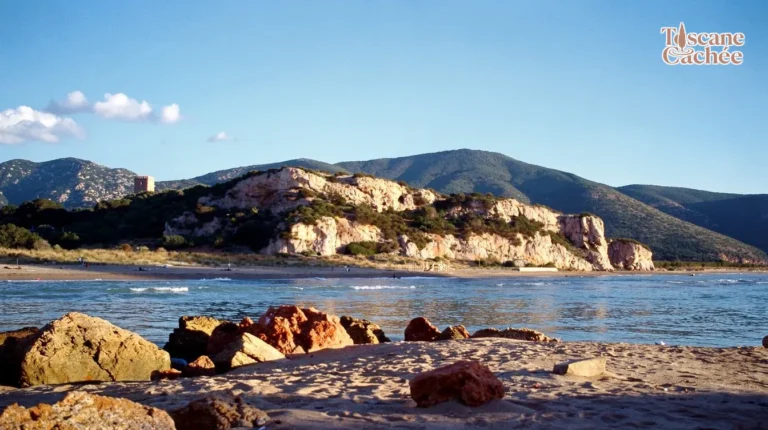
Collelungo Beach
3. Three kilometers of untouched sand dominated by a medieval tower, with no bars or parasols, one of the few long Italian beaches left intact

Tosco Keep your picnic tightly closed at the bottom of your bag: the foxes and my wild boar cousins from the Uccellina never hesitate to come and rummage through the towels as soon as your back is turned in the water!
Finish your walk at the foot of the Collelungo tower. This Renaissance sentinel overlooks an immense beach. It marks the symbolic end of your physical effort.
Enjoy the last rays of sun on the waves. The feeling of accomplishment is total. You have just completed an epic crossing in the wild Maremma.
Your return logistics and the flavors of Alberese
Once you have shaken the sand off your shoes, it is time to think about the comfort of the journey home and the delights of the table.
Transport and shuttles between the villages
Organize your transfer to collect your vehicle in Talamone. Local taxi services or specific shuttles can be booked in advance at the village of Alberese. This is the fastest option.
Check the timetable of the Tiemme bus connecting Alberese to Grosseto station. It is a economical alternative if you are traveling without your own car in the region. Allow about two hours of travel time.
- Taxi Costa D'Argento: +39 347 255 4303
- Mobile application Tiemme (line g15)
- Last shuttle 1. : Contact the visitor center
- Taxi fare Approximately 35 to 45 dollars
Where to taste an acquacotta in Alberese
Reward your efforts with a traditional acquacotta. This vegetable and bread soup, typical of the shepherds of Maremma, is served in all the good agritourism farms. It often contains an egg.
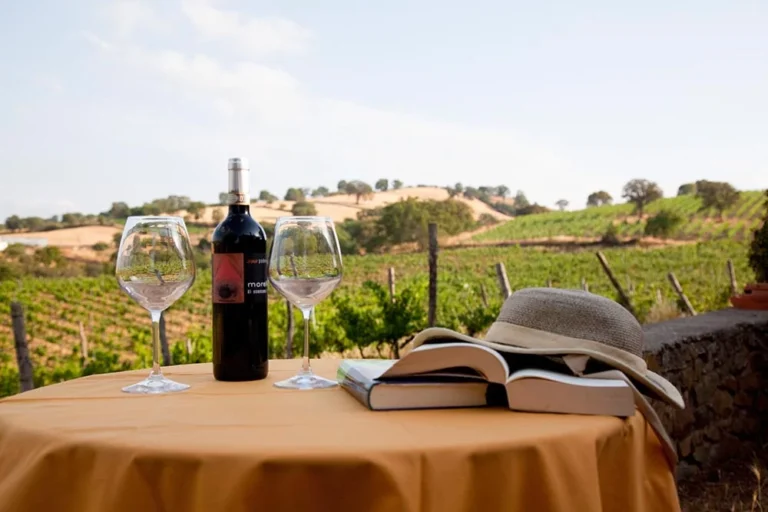
Accompany your meal with a glass of Morellino di Scansano. This powerful red wine, made from the Sangiovese grape, perfectly reflects the wild and generous character of the local terroir. Also try the wild boar.
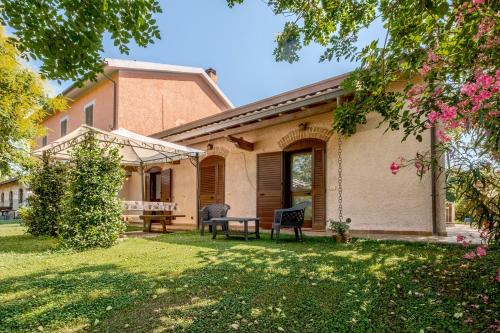
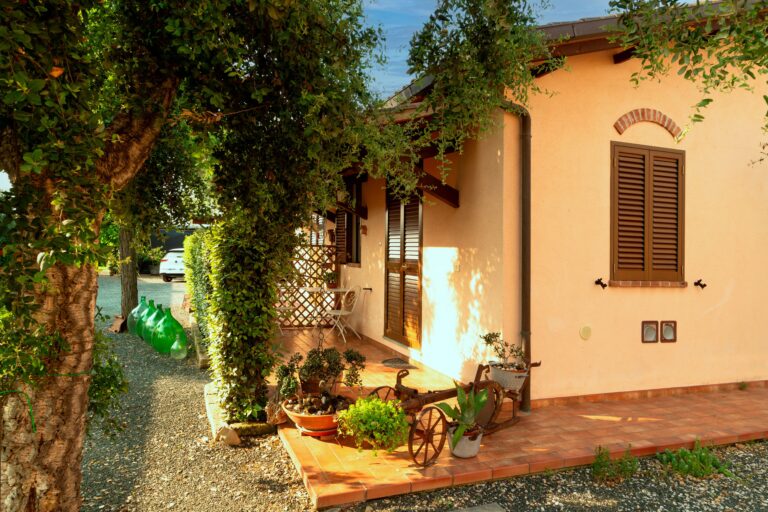
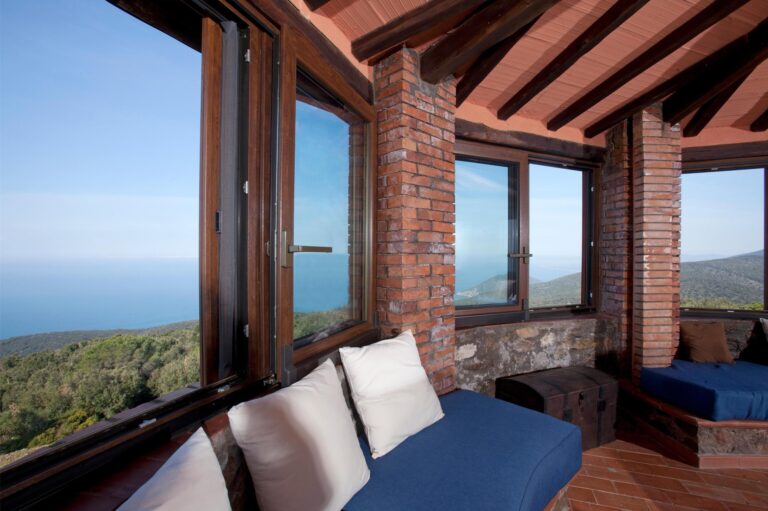
You can check this selection to find a authentic accommodation in Talamone after the feast. It's ideal for extending your immersion in the wild south of the province of Grosseto.
Completing the crossing between Talamone and Alberese requires rigorous organization, but the immersion in this raw nature remains a unique experience. Between the Spanish towers and the ruins of San Rabano, you will discover the wild soul of the Maremma. Are you ready to take on the challenge of these steep trails on your next stay?
Our picks · Alberese
Our favorite addresses around Alberese


Absolutely, the hike from Talamone to Alberese is unquestionably a demanding route that requires good physical fitness and careful preparation. This 25-kilometre coastal trail, which crosses the wild heart of the Maremma Park, will take you over steep limestone terrain with a cumulative elevation gain of about 180 metres in certain sections. You should count on 8 to 10 hours of effective walking, not counting breaks. The main difficulty lies in the nature of the terrain: sharp rocks and uneven ground that absolutely require sturdy high-top hiking boots for good ankle support. The total absence of shade is another major difficulty factor, especially between June and September, when the sun can be relentless. It is therefore crucial to plan for maximum sun protection: a wide-brimmed hat, biodegradable sunscreen and light but covering clothing.
For your safety, water management is paramount. There are no drinkable water sources along the entire route, so you will need to carry a minimum of 3 litres of water per person, or even more in intense heat. A well-stocked first aid kit, including blister plasters and a safety whistle, is also essential. Between June and September, access to certain areas such as Cala di Forno et la Abbey of San Rabano is regulated and requires the presence of an official licensed guide, mainly for fire prevention reasons and to protect the fragile ecosystem. You must absolutely book your spot online or at the Alberese visitor centre. Strictly staying on the marked trails is a golden rule for preserving the wildlife and flora, especially the fragile dune ecosystem. Caution is required, but the effort is amply rewarded by landscapes of incomparable wild beauty and encounters with unshy wildlife.
Access to the magnificent Cala di Forno and the ruins of the Abbey of San Rabano is subject to strict regulations, particularly during the summer period, that is between June and September. Due to the high fire risk and to preserve this exceptionally fragile ecosystem, the Maremma Park requires mandatory accompaniment by an official licensed guide for these areas. It is therefore not possible to access them freely during this period. This measure aims to guarantee visitor safety and to minimise the human impact on particularly sensitive areas.
To organise your visit, you must absolutely book your spot online in advance or directly at the Alberese visitor centre. I strongly recommend that you plan ahead, especially if you are travelling in high season, as places may be limited. The guide will accompany you and provide you with valuable information about the local history, wildlife and flora, while ensuring compliance with the park’s rules. Once there, at Cala di Forno, you will be rewarded with the discovery of a crescent-shaped beach of golden sand and crystal-clear waters, a true secret jewel of Tuscany. As for the Abbey of San Rabano, you will be immersed in a mystical atmosphere amid 11th-century Benedictine ruins, literally swallowed by the holm oak forest. These two sites are highlights of the hike and fully justify the access restrictions in order to preserve their authenticity and wild beauty. Feel free to consult resources about the Maremma and its nature to learn more about these isolated sites.
Organising the return to Talamone after finishing the hike at Alberese is a crucial step in the planning, especially if you are travelling alone and without a second vehicle. The simplest and most self-sufficient method is to drop off a second vehicle at Alberese before starting the hike, but if that is not an option, other solutions exist. The first is to use a local taxi service. You can book in advance a taxi that will pick you up at Alberese to take you back to Talamone. A useful contact is Taxi Costa D'Argento: +39 347 255 4303. The fare for this trip may vary, but count on about 35 to 45 euros. This is the fastest and most comfortable option after a long day of walking.
A more economical alternative is to use public transport. The bus of the Tiemme company connects Alberese to the Grosseto train station. From there, you can take another bus or a train to reach Talamone. To check the timetables and plan your journey, you can use the Tiemme mobile app and search for the G15 line. Keep in mind that this journey can take about two hours or more, and you will need to carefully check the connection times to avoid waiting too long. It is also advisable to check the times of the last shuttle if the park offers a shuttle service from the hike’s finishing point to the village of Alberese. Anticipating these details will allow you to fully enjoy your hike without unnecessary stress about the return trip.
For a hike as demanding and exposed as the coastal trail from Talamone to Alberese, equipment and water supply are non-negotiable elements for your safety and comfort. The total absence of shade is a major factor, which makes sun protection essential. Plan for a wide-brimmed hat or a cap, sunglasses, and above all, generously apply a high-SPF biodegradable sunscreen. Light, light-coloured and covering clothing, preferably in breathable technical fabrics, will help you protect yourself from the sun while wicking away sweat. .
As for water, this is the most critical point: there are no drinkable water sources or supply points along the 25 kilometres of the route. It is imperative to carry a minimum of 3 litres of water per person. In intense heat, or if you are someone who sweats a lot, it is even recommended to increase this amount to 4 or 5 litres. Do not hesitate to bring electrolytes or salt tablets to compensate for the loss of minerals. For your feet, , high-top hiking boots with good ankle support and a stiff sole are absolutely necessary to tackle the limestone and potentially slippery terrain. A complete first aid kit with anti-blister plasters, a disinfectant, painkillers and any personal medication is also essential. Finally, a safety whistle can prove useful in case of emergency. Also think about some light energy provisions such as cereal bars or dried fruit. Preparing your backpack with care is the key to succeeding in this wild adventure in the Maremma. For other ideas for stays in the region, you can consult a 3-day itinerary in the wild Maremma.
The Maremma Park is a true sanctuary for wildlife, and one of the great rewards of this hike is the opportunity to observe animals in their natural habitat, often unshy. Along the way, and particularly around Cala di Forno, you have a good chance of encountering fallow deer and foxes. These animals are used to human presence but it is crucial to observe them with respect and discretion. Wild boars are also very present in the park, often visible at dawn or dusk. With a bit of luck and attention, you might also spot red deer, Hermann’s tortoises, and a multitude of birds, including raptors such as the peregrine falcon.
To avoid disturbing this precious wildlife and preserve the natural balance, a few golden rules must be strictly followed. First, maintain a safe distance from all animals. Never try to approach them, touch them or, worse still, feed them. Feeding wild animals alters their natural behaviour and can make them dependent or aggressive. Stay silent and discreet, avoid sudden movements and loud noises. If you are observing animals, use binoculars so as not to get too close. In case of an encounter with a wild boar, it is best to stay calm and move away slowly without provoking it. The marked trails are there to guide you, but also to protect the animals’ nesting or resting areas. By following these guidelines, you will have the chance to experience an unforgettable observation experience and contribute to the preservation of this exceptional natural heritage. The animals of the Maremma Park are one of the major attractions of this wild Tuscany.
Absolutely! The coastal trail from Talamone to Alberese is much more than a simple nature hike; it is also a journey through the maritime and medieval history of the Maremma. You will have the opportunity to discover several historical sites that bear witness to the strategic past of this coast. The route is dotted with ancient Spanish towers, stone sentinels that still watch over the horizon. You will notably come across the Torre delle Cannelle et la Torre di Poggio Raso. These robust bastions, erected during the era of the State of the Presidi, served to protect the coast from the incursions of Barbary pirates. A system of fires allowed the neighbouring towers to be alerted in case of enemy approach. Their functional architecture blends perfectly into the mineral landscape of the Uccellina coast, offering a striking contrast with the blue of the Tyrrhenian Sea.
The historical high point of the hike is without any doubt the Abbey of San Rabano. 1. . These imposing ruins of an 11th-century Benedictine monastery are literally swallowed by the holm oak forest, giving off a mystical, timeless atmosphere. The monks sought absolute silence here, fleeing the tumult and the malaria of the former marshy plains. You will be able to admire the remains of Romanesque architecture and the adjacent watchtower, the Campanile. The restoration of this site preserves a fragile heritage, a unique testament to medieval monastic power. Finally, the Collelungo tower, a Renaissance sentinel overlooking an immense beach, marks the symbolic end of your journey. These remains are so many reminders of the rich and eventful history of this wild region of Tuscany. Feel free to explore the trail of medieval towers in the Maremma to deepen your knowledge of this defensive network.
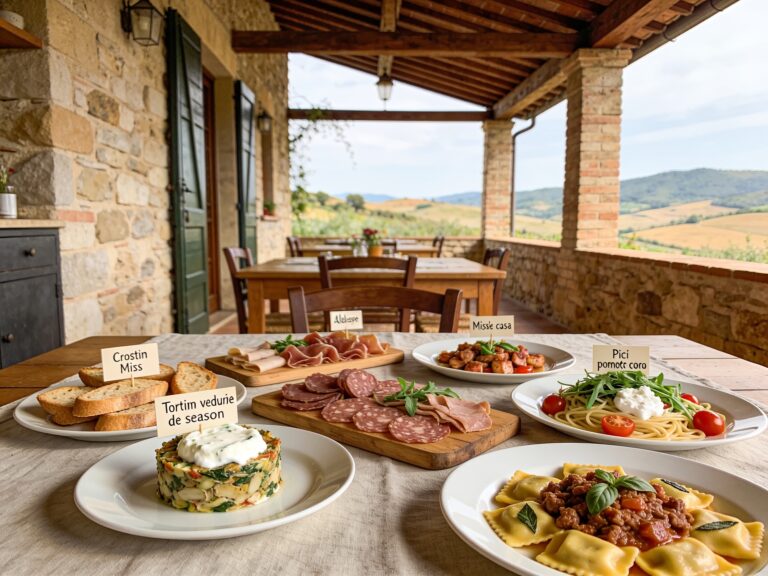
After taking on the challenge of crossing from Talamone to Alberese, you will have amply earned a culinary reward and a well-deserved rest. To taste an authentic acquacotta, the traditional soup of the Maremma shepherds, I recommend heading to the agritourism farms 2. and local trattorias of Alberese or the surrounding area. This peasant soup, often served with a poached egg, seasonal vegetables and stale bread, is a true comfort after the effort. Do not hesitate to ask the locals or your guide for recommendations for the best establishments. To accompany your meal, a glass of Morellino di Scansano, a powerful red wine made from the Sangiovese grape typical of the region, will be perfect and will reflect the wild character of the terroir.
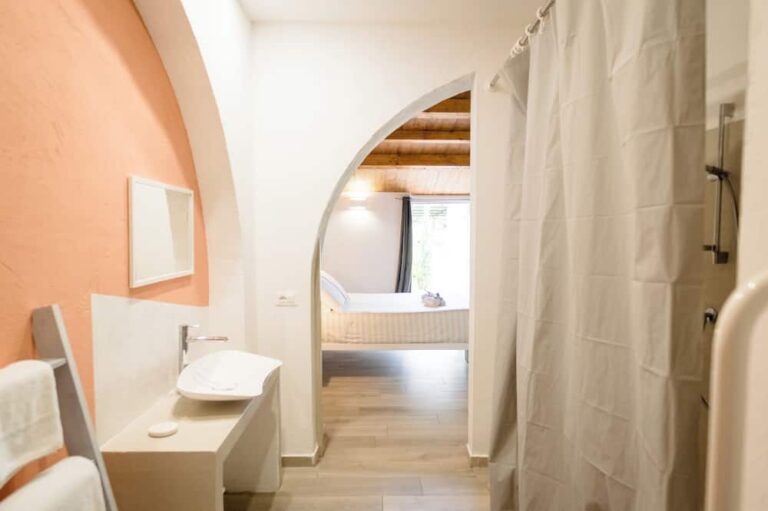
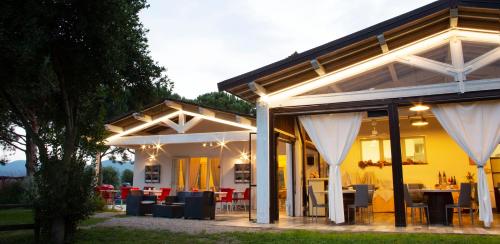
As for authentic accommodation in Talamone, you have several options to extend your immersion in the wild south of the province of Grosseto. Talamone, with its picturesque harbour and medieval fortress, offers an ideal setting. You can opt for 3. charming hotels 4. with a sea view, bed and breakfasts run by locals, or agritourism farms located slightly outside the village, which often offer local products and a family atmosphere. For a truly authentic stay, look for accommodation that showcases the traditional architecture and materials of the Maremma. I recommend consulting a selection of authentic accommodation in Talamone to find the ideal place to rest and fully enjoy the unique atmosphere of this coastal village after your epic hike.
Around this article


Is the map not displaying? See accommodations on Stay22
Map and prices provided by Stay22: Toscane Cachée may receive a commission on bookings.
You will also like
A day in the Maremma Nature Park: the true all-inclusive cost
Discover the Maremma park visit price: count 10 € per adult entry. Optimise your…

Maremma Park Hike: 5 trails between sea and nature
Prepare your Maremma park hike: explore the Uccellina trails and the abbey of...

The 7 most beautiful wild beaches of Maremma without concrete
Explore the most beautiful wild Maremma beaches. From Cala Violina to Cala di Forno,…

Animals in Maremma: 7 wild species and where to observe them
Discover the animals of Tuscan Maremma: wild boars, fallow deer and wolves. Learn where and...