

You think the Maremma is limited to its wild beaches. You forget that as soon as the sun declines, the thickets of the Uccellina come alive with intense life and sometimes surprising.
Encountering Maremma Tuscany animals requires patience and a few rules of conduct. I give you here the keys to observing wild boars and fallow deer without disturbing their fragile balance.
1. The wild boar, the untamable emblem of the thickets
The Maremma is home to a dense fauna including wild boars, fallow deer at Alberese, coastal foxes and flamingos at Orbetello. Optimal observation takes place at dawn or dusk, particularly in the Maremma Park, refuge of wild boar herds.

Dans le parc de l'Uccellina, les sangliers vivent en compagnies matriarcales d'une dizaine d'individus menées par une laie dominante — on les observe surtout à l'aube et au crépuscule sur les sentiers vers Talamone, là où le maquis dense rejoint les zones ouvertes. Leurs boutis caractéristiques, ces sols labourés à la recherche de racines, de glands et de vers, signalent partout leur présence dans le sous-bois de chênes-lièges. Le silence et l'immobilité sont indispensables : leur odorat, redoutable, détecte l'homme à plus de 300 mètres.

Wild behavior and roots in the local land
The wild boar companies leave the dense thickets as soon as the light fades. These matriarchal groups then venture to the edge of the forest. They actively seek their food where the maquis meets the cultivated fields.
This animal defines the cultural identity of Grosseto. Its presence marks the local gastronomy, despite tensions with the winegrowers. It remains the undisputed king of the wild hills.
Nocturnal feeding areas often border watering holes. The vineyards represent an irresistible pantry for them and rich.
Stalking tips and field reality
Favor the trails of the Uccellina park, especially near Talamone. Total calm guarantees your chances of coming across a specimen. Stay discreet when moving around.
Sows are extremely protective of their piglets. Keeping a safe distance is imperative to avoid any defensive charge from the animal.
Absolute silence is required between dog and wolf. The slightest crunch of dry leaves is enough to scare the animals away.
Be vigilant and keep your distance, especially with mothers and their young.
2. The fallow deer, the lord of Alberese's clearings
If the wild boar is the king of the shadows, the fallow deer reigns over Alberese's open spaces. You will find them in numbers in the pastures surrounding the visitor center. These cervids form large herds visible from the road leading to the sea. It is the simplest observation spot in the province of Grosseto.
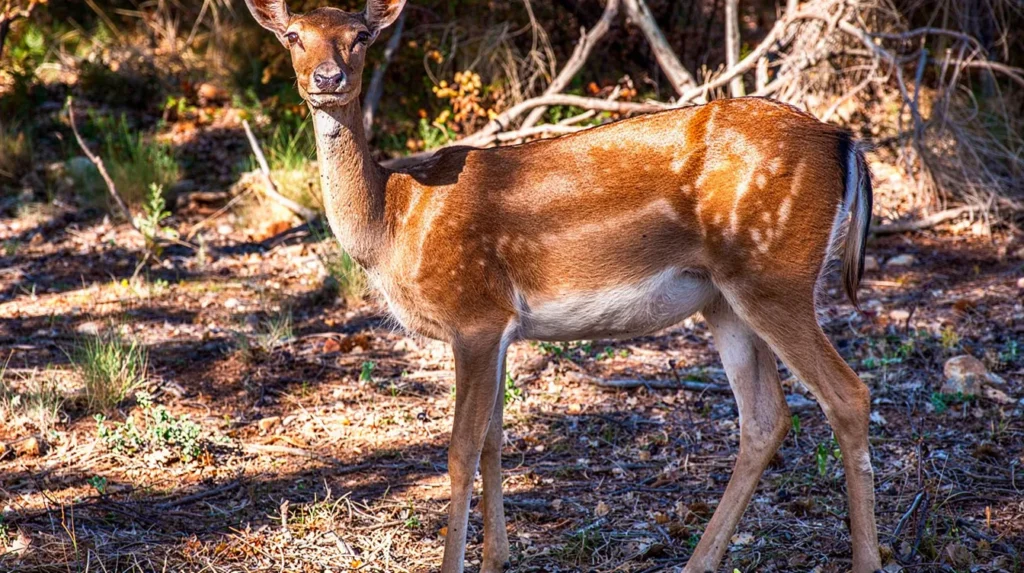
The fallow deer has been present in the Maremma Nature Park since Antiquity and forms in Alberese herds of several dozen individuals, visible to the naked eye from the visitor center road on routes A2 and A3. The spectacle of the rut in October is unforgettable: the males, recognizable by their palmate antlers, bellow and clash in the clearings at dawn. A semi-crepuscular species, the first and last hours of light are by far the most favorable for observing them at the forest edge.

In autumn, their behavior changes radicallyDuring the rut, males become noisy and territorial to impress the females. Although not very shy here, they keep a watchful eye.
- Rutting period : October.
- Coat shedding : seasonal.
- Resting areas: summer shade.
I recommend routes A2 and A3 for optimal visibility. These trails cross mosaics of forests and meadows. It’s the ideal terrain to surprise them without any particular effort.
Stay vigilant: these are wild animals despite their apparent docility. Never try to touch or feed them. This breaks their natural balance and can prove dangerous.
During the hot hours, they retreat into the dense scrub. They then seek coolness under the holm oaks. So favor dawn or dusk for your outings.
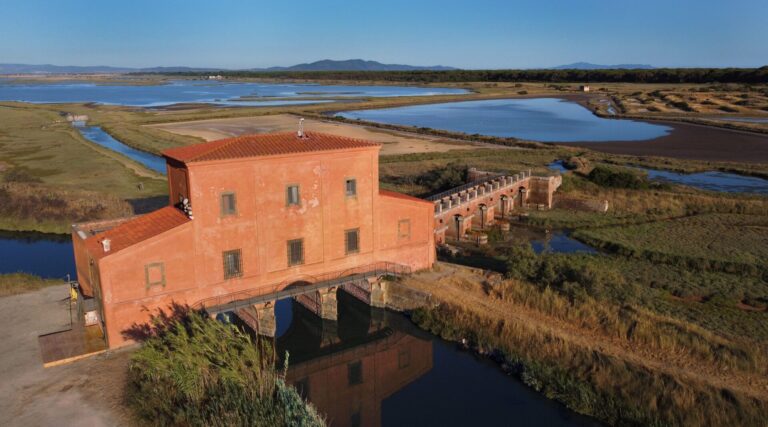
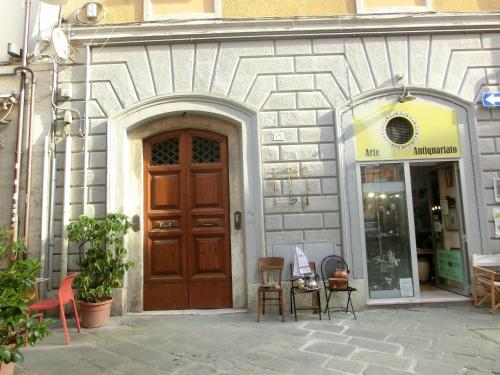
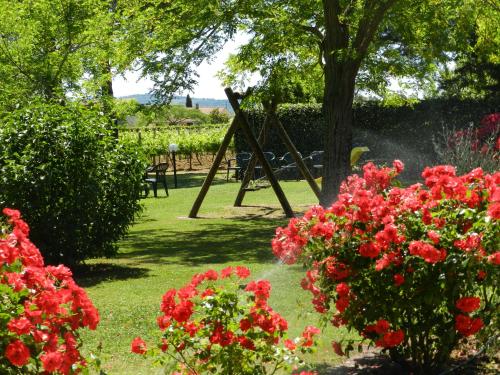
Our picks · Alberese
Our favorite spots around Alberese
3. The crested porcupine, a prickly nocturnal encounter
Let's leave the great plains to watch for a much more discreet and mysterious inhabitant of the Tuscan embankments.
Nocturnal habits of an atypical rodent
The’Hystrix cristata loves embankments. You will often find it in the ditches bordering our country roads. This large rodent digs deep burrows. It hides there all day long to sleep peacefully.
Listen carefully during your nighttime walks. You will hear a strange metallic rustling. It is its quills clashing against each other. This noise betrays its movement through total darkness.
The porcupine is a greedy opportunist. It often visits the vegetable gardens of local agritourism farms. There it looks for fresh roots or tubers. To learn more about the local wildlife, see Hidden Tuscany.
| Characteristic | Porcupine detail |
|---|---|
| Average weight | 10 to 24 kg |
| Quill length | Up to 30-40 cm |
| Diet | Herbivore (roots, bulbs) |
| Activity | Strictly nocturnal |
Signs of presence and discretion
Keep your eyes open on dirt paths. You will sometimes find lost two-toned quills. It is proof that it passed by there.
Photographing it is a challenge because it is shy. The slightest flash makes it flee instantly. Avoid any sudden movement if you spot it.
Explore the hills around Scansano. The slopes there are numerous and well preserved. It is an ideal site for observation.
4. The fox, the cheeky regular of the beaches
While the porcupine flees humans, some foxes of the coast have adopted a radically different strategy.

The foxes of Marina di Alberese have developed a unique behavior: they frequent the beach in broad daylight, accustomed for generations to holidaymakers and their picnic leftovers. This habituation phenomenon is worrying — feeding them is strictly forbidden by the park's regulations because it creates a dependency that compromises their winter survival. Despite everything, these foxes remain essential functional predators: by regulating rodents and ground-nesting birds, they maintain the fragile balance of this protected dune ecosystem.

A remarkable adaptation to the Maremma coastline
You will be surprised to come across foxes on the dunes of Marina di Alberese, déambulant entre les serviettes de plage à la recherche de restes de pique-nique. Ces opportunistes scrutent les flux de randonneurs pour se nourrir sans effort, délaissant ainsi la pine forest littorale pour le confort des zones fréquentées.
Yet they remain essential predators. By regulating rodent and bird populations, they maintain the health of the fragile dune ecosystem. To explore these areas, check out our guide on the Wild Maremma, Parks and Secret Beaches.
Observation ethics and health risks
Le nourrissage est formellement interdit. Un renard dépendant de l’homme perd son instinct de chasse et finit condamné à terme.
Never feed the foxes. This habit creates a deadly dependence and exposes them to collisions with vehicles.
Keep your distance as they remain capable of biting if they feel cornered. Finally, birthing takes place in spring in the sand burrows. Absolutely avoid trampling the marked dune areas to protect vulnerable fox cubs.
5. The pink flamingo, the rosy elegance of the Orbetello lagoon
Let's leave the land mammals for the chromatic brilliance of the wetlands in the south of the province.
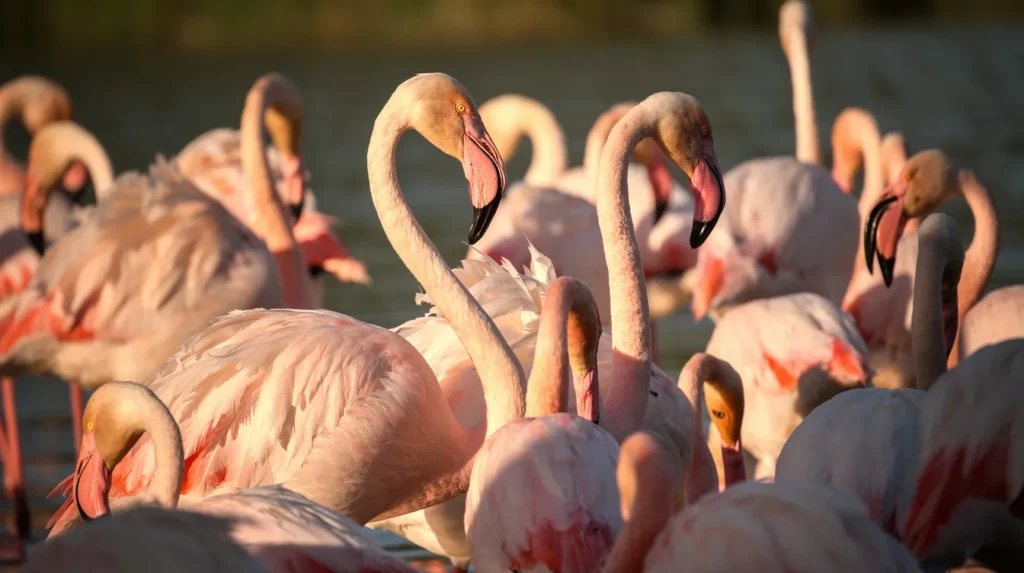
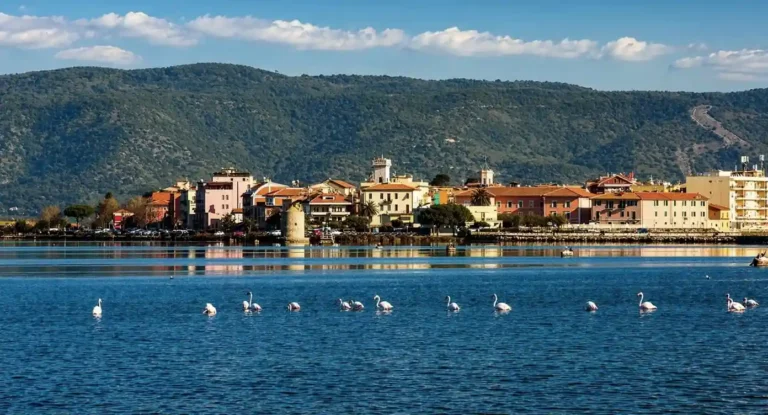
The Orbetello lagoon is one of the most important wintering sites in the Mediterranean for the pink flamingo, hosting up to 10,000 individuals between October and March. They filter the brackish waters thanks to their unique inverted beak, feeding on Artemia shrimp and insect larvae whose carotenoids gradually color their plumage — the more they eat, the pinker they get. The observation towers of the Patanella WWF Oasis allow you to approach them within a few dozen meters without disturbing the colony.

Migratory stopover in the wetlands
The Orbetello lagoon is a major wintering site in the Mediterranean. Thousands of birds find refuge there. The calm waters offer abundant food. It is a raw natural spectacle.
These birds use precise filtering. Their specialized beak extracts the crustaceans. They sift through the brackish waters daily. It is their survival technique.
Their pink plumage comes from carotenoid pigments. Eating shrimp colors their wings. The richer the diet, the the pink is intense. The sparkle then becomes truly spectacular.
- Greater flamingos
- Little egrets
- Ospreys
Observation points and required equipment
Go to the observatories of the WWF Oasis of Patanella. These wooden huts are perfect. You can observe without being seen. It's the ideal place for discretion.
Take your binoculars or a powerful telephoto lens. The distance allows you to admire the courtship displays. Observe natural behaviors without interfering. That's the golden rule here.
Keep your distance so as not to frighten the colony. A mass takeoff is a sign of stress. Respect their tranquility to enjoy the moment.
Restaurants · Orbetello
Nos tables préférées autour d'Orbetello

6. The roe deer, the furtive silhouette of the forest edges
In the denser woods surrounding the tufa villages, another cervid relies on its discretion.
Secret life between woods and fields
The roe deer is distinguished from the fallow deer by its modest size. It is a solitary and nervous animal. Unlike its spotted cousin, it prefers to live hidden. It often takes refuge in thick undergrowth.
It comes out mainly in the morning. It then grazes on tender young shoots. It's the ideal time to spot it. It ventures cautiously into open meadows.
Ecotone areas are its favorite habitats. The edges of mixed forests suit it perfectly. They offer abundant food. It also finds immediate shelter there.
You can explore these landscapes during a Tuf villages circuit: 3 days in the Maremma. This is the perfect geographical area for these encounters.
Patience and tracking of prints
Favor dawn hides for your observations. Your chances of a sighting will then be maximal. Total stillness remains the golden rule. Its sharp senses will not forgive you any movement.
Learn to spot its tracks in the mud. They are very fine and pointed. You will notice they are smaller than those of fallow deer. This is an infallible sign of presence.
Many beginners still confuse the two species. Look carefully at the hindquarters to tell them apart. The roe deer has no visible tail, unlike the fallow deer which has a clearly black one.
7. The wolf, the discreet shadow of the Uccellina hills
Let us finish this Maremma safari with the most mythical and most invisible of Italian predators.
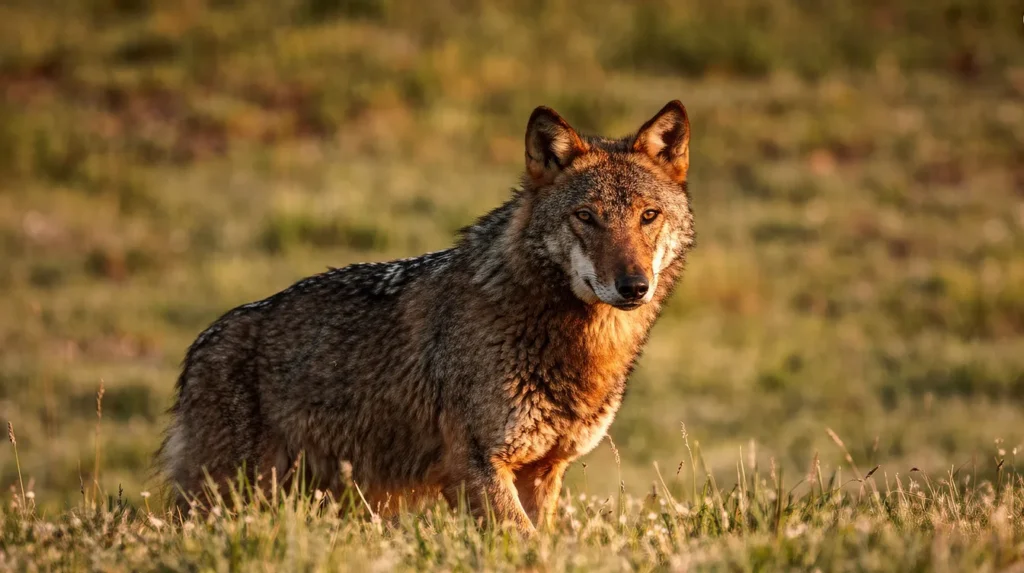
The wolf of Italy (Canis lupus italicus), protected since 1976 by Italian law, naturally recolonized the Uccellina hills in the early 2000s after a century of absence — without any human reintroduction. The park's packs occupy territories of 150 to 300 km² and actively regulate wild boar and fallow deer populations, restoring an ecological balance that had been lost for decades. Encountering one remains exceptional even for scientists: a 10 cm track in the mud of a trail after the rain is already an unforgettable encounter.
Natural return of a mythical predator
The wolf of Italy has naturally reclaimed the province of Grosseto. Protected by law, it once again occupies its former territories. It is found mainly in the wild hills of the region.
This super-predator plays a crucial role here. It regulates wild boar and deer populations. Its presence maintains the biological balance of our Mediterranean forest.
Yet, the animal remains extremely elusive. It has a visceral fear of humans. In reality, it detects you long before you catch sight of it.
To explore these remote areas, check out my Guide to the Etruscan roads. That’s where nature is reclaiming its rights. The trails there are often deserted.
The Italian wolf is a protected subspecies of the grey wolf. It is essential for regulating populations of wild boars and fallow deer. Naturally wary, it systematically avoids any contact with humans.
Reality of observation and tracking activities
Some expert guides organize wolf-howling outings. It is a striking auditory experience in the heart of the Maremman night. You listen to their responses without ever disturbing them.
Seeing it in broad daylight is almost impossible. Observations are mainly made via camera traps set up by researchers. These pictures reveal their secret life.
During your solo hikes, stay on marked trails. Respect the tranquility of the local wildlife. Never try to track an individual off the paths.
Organizing your outing: field tips for successful observation

To turn these fact sheets into real encounters, here is how to prepare your immersion in the wild nature. Choose neutral-colored clothing. Absolutely avoid strong fragrances. The animals of the Maremma have a highly developed sense of smell and sight. It is their only safeguard for their survival.
Equip yourself with a pair of 8×42 binoculars. This equipment offers the ideal compromise between weight and brightness. It's perfect for dark undergrowth or the Orbetello lagoon. Make sure they are waterproof to withstand the morning humidity.
Always check the opening hours of the parks before setting off. The respect of strictly protected areas is fundamental. These spaces guarantee the tranquility of the local wildlife. Leave no trace of your passage in these sanctuaries. Your discretion is the key to an authentic encounter.
- Gear : 8×42 binoculars, water bottle, closed shoes.
- Best hours : Dawn and dusk to maximize your chances.
- Application: Local weather to anticipate sudden changes.
You've got it: observing Maremma's animals requires patience and real discretion. By respecting the natural cycles, from dawn to dusk, you increase your chances of encountering these wild silhouettes without disturbing their habitat. Ready to try the adventure on your next outing in the Uccellina park?
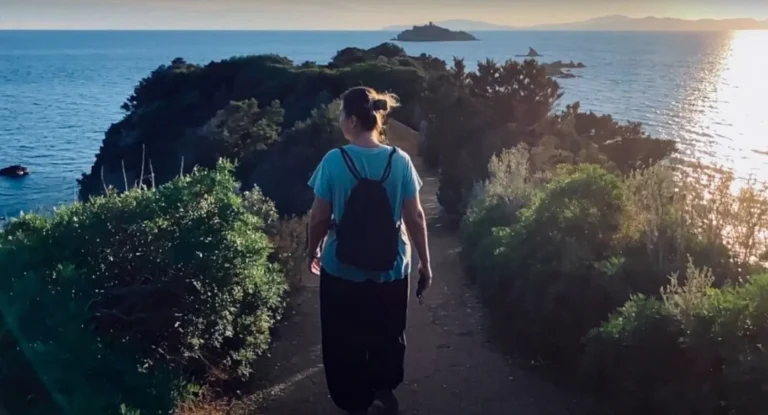
Pour maximiser vos chances d'observer des sangliers et des daims dans la Maremma, il est crucial de privilégier les moments de la journée où ces animaux sont les plus actifs : l'aube et le crépuscule. Les sangliers, emblèmes de la région, sont particulièrement présents dans les Maremma Park, et plus précisément dans les fourrés de la Uccellina. Dès que la lumière décline, les compagnies de sangliers, souvent des groupes matriarcaux, s'aventurent en lisière de forêt et dans les champs cultivés à la recherche de nourriture. Les sentiers du parc des Uccellina, notamment ceux menant à Talamone, sont de bons endroits pour les observer. La discrétion est de mise : le moindre bruit ou mouvement brusque peut les faire fuir. Au printemps, soyez particulièrement vigilant et gardez vos distances, car les laies peuvent se montrer très protectrices envers leurs marcassins. Le silence absolu est de rigueur pour ne pas déranger ces animaux.
Quant aux daims, ce sont les seigneurs des Alberese clairières. Vous les trouverez en grand nombre dans les pâturages entourant le centre d'accueil du parc de la Maremma. C'est l'un des points d'observation les plus faciles de la province de Grosseto, car de grands troupeaux sont souvent visibles depuis la route menant à la mer. Je vous recommande particulièrement les itinéraires A2 et A3 du parc, qui traversent des mosaïques de forêts et de prairies, offrant un terrain idéal pour les surprendre sans effort particulier. Bien qu'ils puissent sembler ne pas craindre l'homme, n'oubliez jamais qu'il s'agit d'animaux sauvages. Évitez de vous en approcher, de les toucher ou de les nourrir, afin de préserver leur équilibre naturel et votre sécurité. En automne, pendant la période du brame en October, les mâles deviennent bruyants et territoriaux, offrant un spectacle fascinant. Pendant les heures chaudes de la journée, les daims se retirent dans le maquis dense pour rechercher la fraîcheur, ce qui rend l'aube et le crépuscule encore plus pertinents pour les observer.
Pour une observation réussie des flamants roses, votre destination incontournable dans la Maremma est la Orbetello Lagoon. Ce site est une halte migratoire majeure en Méditerranée et un terrain d'hivernage privilégié pour des milliers d'oiseaux, dont ces élégants échassiers roses. Les eaux calmes de la lagune offrent une abondance de nourriture, ce qui attire et retient ces oiseaux. Leur plumage rose intense est d'ailleurs le reflet de leur alimentation riche en crustacés et en pigments caroténoïdes, ce qui rend le spectacle d'autant plus éblouissant.
Pour les observer dans les meilleures conditions, je vous conseille de vous rendre aux affûts d'observation de l'oasis WWF de la Patanella. Ces cabanes en bois sont spécialement conçues pour permettre une observation discrète, sans déranger les oiseaux. Il est essentiel de garder vos distances afin de ne pas effrayer la colonie ; un envol massif est souvent signe de stress. Côté matériel, des, 8×42 binoculars sont idéales, offrant un excellent compromis entre poids et luminosité, parfaites pour des conditions de lumière variables. Un powerful telephoto lens will also be an asset if you wish to capture detailed images of the courtship displays or natural behaviors of the flamingos. In addition to flamingos, you may also spot other species such as little egrets and ospreys, thus enriching your birdwatching experience in Maremma. Do not forget that respecting the animals’ tranquility is paramount to fully enjoy these moments and contribute to the preservation of this fragile ecosystem.
The crested porcupine (Hystrix cristata) is indeed a fascinating and discreet inhabitant of the Tuscan embankments in Maremma. Observing it is a challenge, as it is a strictly nocturnal and particularly shy animal. However, with a little patience and by knowing its habits, you can increase your chances of detecting its presence. This large rodent loves embankments and ditches bordering country roads, where it digs deep burrows to rest during the day. That is why the hills around Scansano, , with their many well-preserved embankments, can be a good area to explore.
To spot it, listening is often more effective than sight. During your night walks, pay attention to a strange metallic rubbing sound; it is its quills clashing together and betraying its run through the darkness. On dirt paths, keep your eyes open: you might find lost bicolored quills, an infallible clue of its passage. The porcupine is a greedy opportunist that often visits the vegetable gardens of agritourism farms in search of fresh roots or tubers. Photographing it is a real challenge; the slightest flash will make it flee instantly. If you are lucky enough to spot one, avoid any sudden movement. To learn more about the local wildlife and the particularities of this region, the website Hidden Tuscany offers valuable information about the secrets of Maremma.
Yes, the beaches of Maremma, and especially the dunes of Marina di Alberese, offer the opportunity to come across foxes, an observation that can be surprising for the traveler. Unlike other more wary species, some coastal foxes have adapted to human presence and do not hesitate to wander between beach towels in search of picnic leftovers. They are opportunists that have learned to watch the flows of hikers to feed without effort, sometimes forsaking the coastal pine forest for the comfort of frequented areas. Although they are fascinating to observe, it is crucial to follow ethical rules and health precautions.
The golden rule is to never feed the foxes. This habit creates a deadly dependency, compromises their hunting instinct and exposes them to dangers such as collisions with vehicles. Always keep your distance, because even if they seem accustomed to humans, they remain wild animals capable of biting if they feel cornered or threatened. Spring is a particularly sensitive period, as the birth of the young takes place in the sand burrows. It is imperative to avoid trampling the marked dune areas to protect the vulnerable fox cubs. These foxes play an essential ecological role by regulating rodent and bird populations, thus contributing to the health of the fragile dune ecosystem. To explore these coastal areas and their particularities, resources such as the guide on Wild Maremma, Parks and Secret Beaches can give you valuable information.
In the denser woods of Maremma, especially those surrounding the tuff villages, the roe deer is a cervid that stands out for its discretion. To tell it apart from the fallow deer, several clues must be taken into account. The roe deer is of a more modest size and its coat is generally uniform (reddish-brown in summer, grey-brown in winter), without the characteristic white spots of the fallow deer. It is a more solitary and nervous animal than the fallow deer, preferring to live hidden in thick thickets rather than in the large herds of the clearings. The most infallible clue to distinguish them is the hindquarters: the roe deer has no visible tail, while the fallow deer has one, quite black. Also learn to recognize their tracks: those of the roe deer are very fine and pointed, and smaller than those of fallow deer.
To observe it, patience is the key. Favor stakeouts at dawn, as this is the moment when it comes out of the thickets to graze on tender young shoots in the open meadows. The ecotone areas, , that is to say the edges of mixed forests, are its favorite habitats, as they offer it both food and immediate shelter. Total stillness is a golden rule, as its sharp senses allow it to detect the slightest movement or noise. The roe deer is very shy; it will probably have spotted you before you catch a glimpse of it. Exploring landscapes like those crossed during a Circuit des villages de tuf : 3 jours en Maremme can lead you to the geographical areas conducive to these furtive encounters. Do not forget that respecting its tranquility is essential so as not to disturb it.
Yes, the wolf of Italy is indeed present in Maremma, particularly in the collines sauvages des Uccellina and more broadly in the province of Grosseto. It is a mythical predator that has naturally reclaimed its former territories and is today protected by law. Its presence is crucial for the ecosystem, as it plays an essential role in regulating wild boar and deer populations, thus helping to maintain the biological balance of the Mediterranean forest. However, the wolf is an extremely elusive animal and has a visceral fear of humans. It will detect you long before you can catch a glimpse of it, making a direct encounter in broad daylight almost impossible for the average traveler.
To ‘meet’ it or at least detect its presence, a different approach must be adopted. Visual sightings are extremely rare and often come down to luck. Researchers mainly use camera traps to document its secret life. For the visitor, the best approach is listening. Some expert guides organize wolf-howling outings, a striking auditory experience in the heart of the Maremma night. It consists of listening to their responses without ever disturbing them. During your solitary hikes, it is essential to rester sur les sentiers balisés and to respect the tranquility of the local wildlife. Never try to track an individual off the paths. The remote areas explored via a Guide des routes étrusques are places where nature reclaims its rights and where the probability of coming across clues of its presence (tracks, droppings) is higher, even if the animal itself will remain a discreet shadow.
Around this article




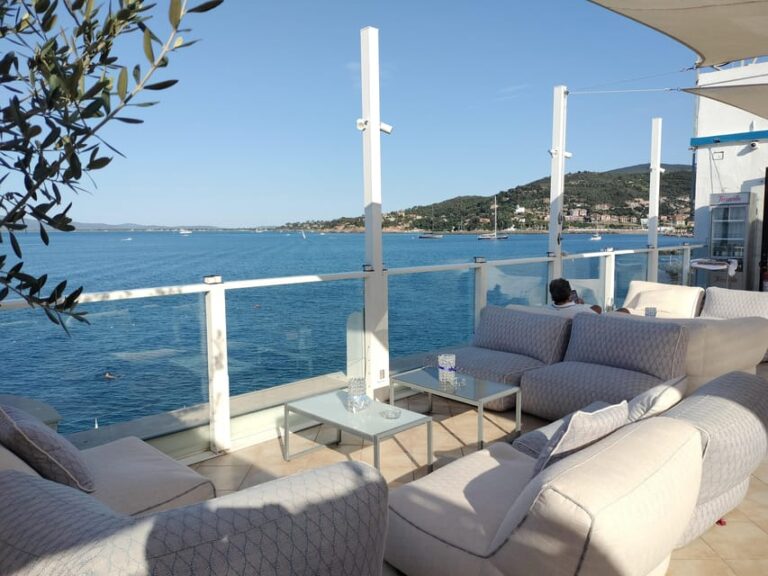
16. Wine & Waves at Argentario: wine tasting with your eyes on the water
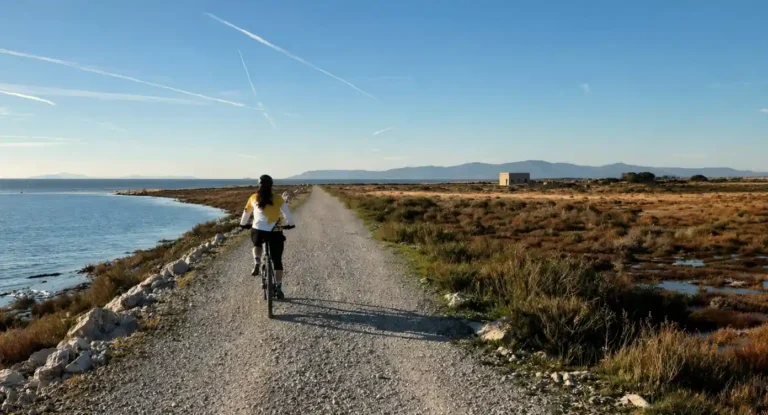

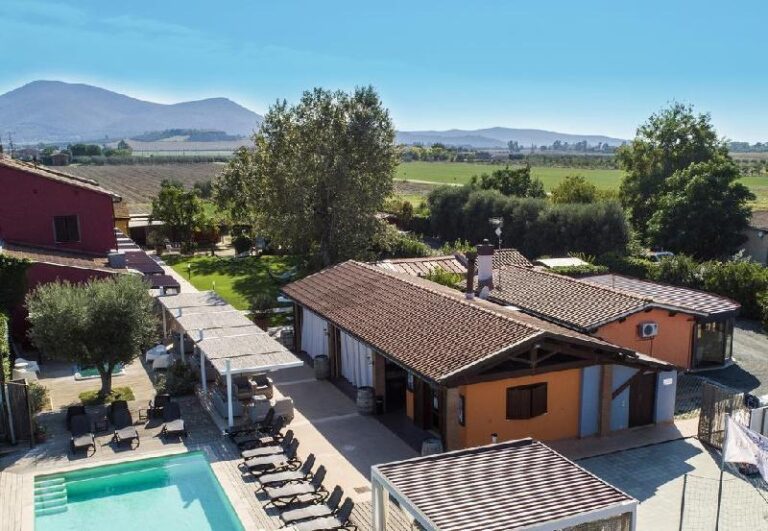

Is the map not displaying? See accommodations on Stay22
Map and prices provided by Stay22: Toscane Cachée may receive a commission on bookings.
You will also like

Explore the wild Maremma between land and sea in Tuscany
Explore the wild Maremma in 2026: between natural parks, tuff towns and…

Maremma Park Hike: 5 trails between sea and nature
Prepare your Maremma park hike: explore the Uccellina trails and the abbey of...

I followed the Maremma Butteri at dawn: the wild Tuscany that no one sees
Discover the Maremma butteri, legendary riders in Alberese. Explore this wild Tuscany between...

Visiting Maremma Park in 2026: prices and tours
Explore the Maremma natural park in 2026: book your visit, observe the horses…