










Did you know that the Roman fasces have their roots on this hill Maremma overlooking the former Lake Prile?
If you want to visit the Etruscan city of Vetulonia without the crowds, you risk getting lost in its wild necropolises. I will help you decipher its Cyclopean walls and its domus cachées for a total immersion.
Why visit Vetulonia, an Etruscan city, today

Vetulonia
Vetulonia, an Etruscan village in the Maremma, is part of the three archaeological parks along with Cosa and Roselle and hosts ongoing excavations at the Domus dei Dolia

Tosco Don't limit yourself to the village museum: take the path below to explore the Tomba della Pietrera amid the olive trees, the atmosphere there is magical and much wilder than in Populonia!
Vetulonia, a major city of the Dodecapolis overlooking the former Lake Prile, stands out for its aristocratic domus at Poggiarello Renzetti, its monumental tholos tombs and its famous stele of Aule Feluske displayed in the local museum. This site embodies the power of the Etruscan Tuscany before its rediscovery by Isidoro Falchi.
The wind often blows strongly over this ridge overlooking the Grosseto plain, carrying with it the scent of maquis scorched by the sun. It is here, among these gray stones and twisted olive trees, that the history of the Maremma has found its roots again the deepest.
The miraculous rediscovery of Isidoro Falchi
Isidoro Falchi, a modest country doctor, identified the site at the end of the 19th century. A passionate archaeologist, he followed his intuition despite prevailing skepticism. His persistence eventually paid off against the official experts from that era.
The importance of ancient coins was decisive. Stamped with the Etruscan abbreviation "Vatl," these finds provided irrefutable numismatic proof. The exact location of the city was finally confirmed scientifically.
1880s: Isidoro Falchi identifies Vetulonia thanks to the coin inscriptions. His discovery was validated by an official ministerial commission.
These excavations had an immense impact on the Maremma. Vetulonia emerged from a forgotten past of several centuries. It has once again become a major pillar of regional Etruscan culture.
Falchi's work ranked the site among the most prestigious. It now rivals Tarquinia or Populonia. Its historical influence is today internationally recognized by researchers.
We owe immense gratitude to this visionary physician. Without his tireless work, these remains would still be anonymous piles of stones. He gave a soul back to these hills.
This success is intimately linked to the local topography. The ancients did not choose this summit by simple chance. The view from it is strategic.
A balcony over the former Lake Prile
From the hill, you now gaze over the vast Grosseto plain. In the past, your eyes would have swept across an lagoon immense navigable waterway. It was a landscape of water and ship masts.
Vetulonia served as a true river port for the region. It controlled the transit of metals and precious goods. Lake Prile was the gateway to the Mediterranean.
This trade generated absolutely colossal wealth for the elite. The precious objects found in the tombs bear witness to this. Opulence was visible in the imported gold and amber.
Yet geology eventually radically transformed the site. The lake silted up, creating an unhealthy and dangerous marsh. Modern land reclamation finished draining this wetland area.
You can compare this evolution with the history displayed at the archaeological museum of Grosseto. This allows you to better understand the metamorphosis of the surrounding plain.
The hilltop position of the city was purely strategic. It allowed them to monitor every suspicious movement on the coast. Nothing escaped the gaze of the city's guardians.
The current atmosphere remains charged with this maritime memory. The wind whistling through the ruins seems to whisper. One still seems to hear the echo of merchant ships.
2 secrets of urban planning at Poggiarello Renzetti
After admiring the panorama, you must descend into the beating heart of the city to understand how the inhabitants lived on a daily basis.
Aristocratic domus and water management
The foundations of the residences at Poggiarello Renzetti reveal complex plans. You can see rooms organized in a very rational manner for the period. These structures bear witness to the high social status of the families of Vetulonia.
The Etruscans were masters of hydraulics. They knew perfectly well how to store rainwater for dry periods. You will notice cisterns carved directly into the rock or carefully built with masonry.
Ingenious pipelines carried wastewater away from living areas. This system proves a a very advanced concern for hygiene for the Hellenistic period. Nothing was left to chance in drainage.
- Central courtyard serving as a light well
- Stone cisterns for storage
- Massive door thresholds and sturdy
- Drainage pipes for wastewater
The courtyards served as essential light wells. They also acted as natural thermal regulators for the bedrooms. Air circulated freely between the different living spaces.
You can view this directory of archaeological sites to locate Poggiarello Renzetti. It is a major landmark among the cities of the Maremma. It helps you grasp the extent of the site.
The use of local stone ensures impressive durability. It still allows us today to admire these urban layouts. The blocks have remained in place despite the centuries.
The walls were probably adorned with colorful frescoes. Imagine the splendor of these houses in the past.
Daily life between paving stones and shops
You can walk on the original paved roads here. The Via Decumana retains its wide, rounded stone slabs. You can still make out the repeated passage of ancient chariots.
The thresholds of the old shops are easy to recognize. The artisans' workshops opened directly onto the main street. It was a lively neighborhood geared toward trade.
The Etruscans had already established remarkable urban comfort. The Romans merely imitated and perfected these techniques later. The heritage is evident when one observes the sewers.
Imagine the sound of hammers striking bronze. The cries of merchants echoed in these narrow streets. The atmosphere must have been electric on market days.
| Urban element | Etruscan function | State of preservation |
|---|---|---|
| Paved roads | Circulation of chariots and pedestrians | Good (Via Decumana) |
| Workshops | Metalwork craftsmanship and trade | Average (visible thresholds) |
| Cisterns | Water management and storage | Good (accessible) |
| Retaining walls | Stabilization of urban terraces | Good (Mura dell'Arce) |

The social and functional diversity was the rule here. Workplaces stood alongside private homes without distinction. This lively neighborhood probably never truly slept.
Vetulonia was famous for its work in gold and bronze. Metalworking was the economic engine of the city. Excavations revealed many precious objects.
Every block tells a story of ancestral craftsmanship. Look closely at the details of the cut stones.
The walls of the Arce and Costa Murata
If the residential quarter impresses with its refinement, the defensive structures of the acropolis bear witness to raw power and an iron will.

Techniques of the cyclopean blocks
You are left speechless at the size of these limestones. These massive blocks, known as cyclopean, are assembled without mortar. The absence of mortar is surprising. The surgical precision of the fitting commands respect.
These ramparts were meant to discourage attackers. They protected the city during tensions between neighbors. The external threat justified this defensive gigantism.
Look closely at the different layers of stone. You can clearly distinguish the ancient Etruscan bases. The Roman repairs can be recognized higher up. The size of the stones changes radically here.
You can consult the details on the the walls of the Arce at Vetulonia to explore further. This defensive network is unique in Maremma. It tells the military history of the site.
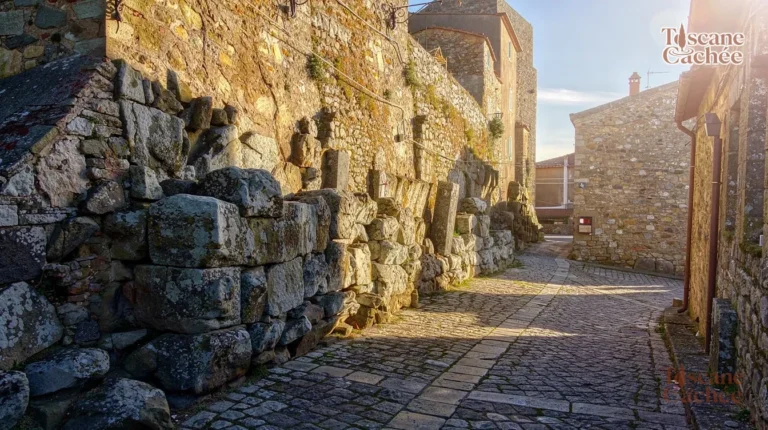
Mura dell'Arce
At Vetulonia, the Mura dell'Arce are Cyclopean walls of Etruscan construction that define the acropolis of the ancient city
Tosco Seeing these cyclopean blocks standing without any cement for more than two millennia is impressive, but remember to pair your visit with the Falchi museum in the village to see the famous engraved helmets of the HASPNA clan!
Hauling such monoliths remains a technical feat. The hill is steep and hard to reach. The builders' effort commands real admiration.
These walls have held firm for two millennia. They survived the region's earthquakes. Wars failed to bring them down.
The geometry of the blocks creates a powerful pattern. It perfectly accentuates the ridge of the hill. The aesthetic aspect here meets the military function.
Touch the rough stone under your fingers. Feel the strength exerted by the men.
The acropolis as a symbol of power
The Arce constitutes the highest point of Vetulonia. This is the sacred citadel of the city. Temples and political decisions were seated here. Everything started from this strategic summit.
Vetulonia sat proudly within the League. It asserted its dominion over northern Maremma. Its economic power could be read in its walls.
The horizon opens generously before your eyes today. On a clear day, you can make out the island of Elba. The outlines of Corsica can sometimes be made out.
Explore other monuments and museums of the Etruscan coasts to compare. Each acropolis has its own visual identity. The Maremma is full of such citadels.
Imagine the religious ceremonies on this platform. The summit connected the people of the celestial deities. The air there still seems charged with rituals.
The decline came with the gradual Romanization. The center of gravity then shifted elsewhere. The Arce nevertheless remained a visual landmark.
Enjoy the silence that now envelops the site. The acropolis invites you to meditate on past civilizations. Modern bustle seems far away from you.
Spot the paths leading down to the forest. They lead directly to the necropolises.
How to explore the Via dei Sepolcri without a guide?
Leaving the city of the living to reach the city of the dead asks you to venture a little deeper into the wild maquis of the hill.

Architecture of the Pietrera Tomb
The giant Pietrera tumulus houses a circular chamber. This tholos structure has a primitive dome. The whole rests on a massive central pillar. It is themost imposing building here.
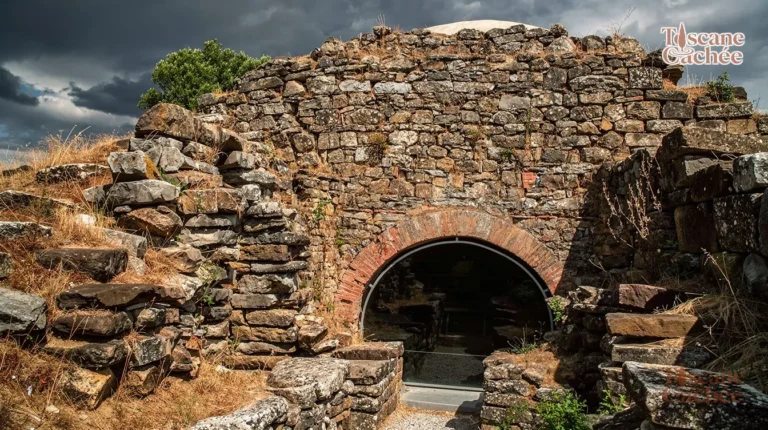
Tumulo della Pietrera
The Tumulo della Pietrera, in Vetulonia, combines two superimposed tombs and a central omphalos pillar, in a Maremma free of crowds

Tosco If you have already explored the mysterious Vie Cave, this giant dome will amaze you: it is one of the rare sites in Maremma where the Etruscans actually stacked one monumental tomb on top of another!
The aristocratic families used these places. They laid their dead to rest there in luxury. These objects ensured their eternal prestige. The rite marked social power.
Physical access requires some care. You must take a narrow corridor called the dromos. It leads toward the cool gloom. The tomb remains isolated from the world.
You can compare these tumuli with other cities. The Tarquinia necropolis offers different painted tombs. Styles vary according to regions. Etruscan funerary architecture is rich.
The ingenuity of the construction is striking. The stacking of stones creates a vault. It is self-supporting without a keystone. This ancient technique is fascinating.
Standing here alone is impressive. The thousand-year-old stone dome weighs heavy. One feels a unique temporal connection. The silence of the stone envelops.
Fragments of statues have been found. These sandstone pieces lined the corridor. They attest to decoration that was once carefully executed. The site was richly adorned.
Mind your head. The entrance is really low. It requires some flexibility.
Mysteries of the Diavolino II Tomb
The false dome technique evolves here. Unlike the Pietrera, the volume changes. Stability seems better technically mastered. It is a different architectural stage.
The funerary furnishings have been moved. The treasures are now in the local museum. The stone setting is nevertheless impressive. One imagines the past wealth.
The conditions on site are changing. Dampness and coolness dominate the interior. This contrasts with the heat of the maquis. The air suddenly becomes very cold.
- Take a flashlight useful.
- Wear closed shoes imperatively.
- Respect the silence of the place.
- Never touch the fragile walls.
The name Diavolino is quite curious. It evokes local folk legends. The inhabitants linked these holes to the devil. Underground mysteries fueled the tales.
Integration into nature is complete. The vegetation now covers the tumuli. This creates verdant artificial hills. The landscape hides its secrets well.
The preservation of these sites is crucial. These stone structures are fragile. Archaeologists must monitor the constant erosion. Time weakens the blocks.
Finally, you must step back into the sunlight. The Maremma light welcomes you. This underground journey ends here.
The Isidoro Falchi Museum and its treasures
To give faces and names to the shadows of the necropolises, a stop at the village museum is a must as the indispensable complement.
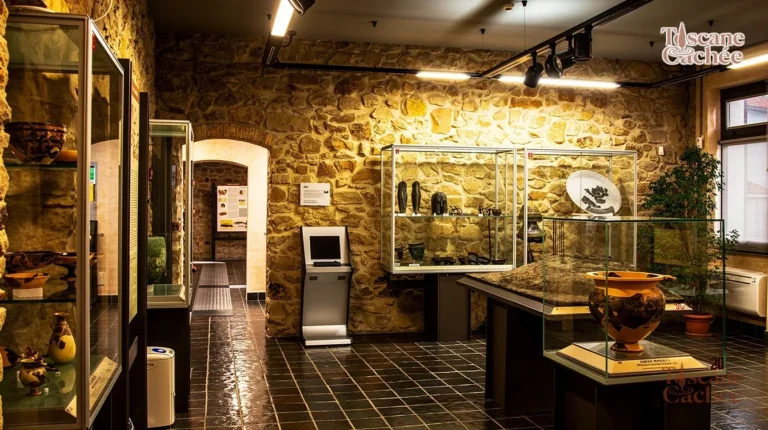
Isidoro Falchi Museum
At Vetulonia, the Isidoro Falchi Museum displays original Etruscan furnishings, from Villanovan urns to Orientalizing jewelry, spanning several millennia.
Tosco A tip: after exploring the treasures of Falchi, head on foot to the nearby Montecalvario tumulus to see where these mysterious Etruscans truly rested!
The stele of Aule Feluske
The engraved warrior commands respect. He firmly holds a double-headed axe. This symbol of power is striking. It will later inspire the Roman lictors.
The archaic Etruscan alphabet frames the silhouette. These letters reveal an identity to us. We discover this major figure of the 7th century.
You can consult the stele of Auvele Feluske at Vetulonia here. This page offers a complete analysis. It is the centerpiece of the museum.

The line is simple and powerful. The style of the Orientalizing period is recognizable. Vetulonia then shone across all of central Italy.
The stele of Aule Feluske, dating from the 7th century BC, features a double-headed axe. This motif is considered thepossible origin of the lictors and the fasces, symbols of authority in ancient Rome.
Many Roman royal symbols are born here. Maremma nourished the foundations of Rome. The roots of the Urbs are Etruscan.
The stone has crossed the millennia. The details of the armor remain visible. The inscription can still be deciphered perfectly 4. before your eyes.
Few objects from this period survive in this way. Its state of completeness is a rarity. It is an exceptional archaeological testimony.
Aule Feluske stares at you steadily. He still watches over his city.
Goldsmithing and local crafts
The granulation reaches absolute perfection here. The filigree seems unreal in its fineness. Modern jewelers struggle before such mastery.
The bronze mirrors tell of intimacy. Mythological scenes adorn the polished metal. Etruscan women cultivated a taste for beauty.
The styles evolve from room to room. The geometric shapes become more fluid. The influence of Greece transforms gradually art.
- Gold fibulas worked in granulation
- Bronze mirrors finely engraved
- Terracotta canopic urns with human faces
- Necklaces of solid amber
Amber and gold circulated in abundance. The silver came from nearby local mines. The lagoon port facilitated all these precious exchanges.
The kitchen ceramics are equally admirable. Their shape serves a precise function. Even the utilitarian bears witness to a real aesthetic sense.
The museum is very well organized. You follow the history in chronological order. The display cases are clear and accessible to all.
Admire the finesse of a pin. Every tiny detail counts.
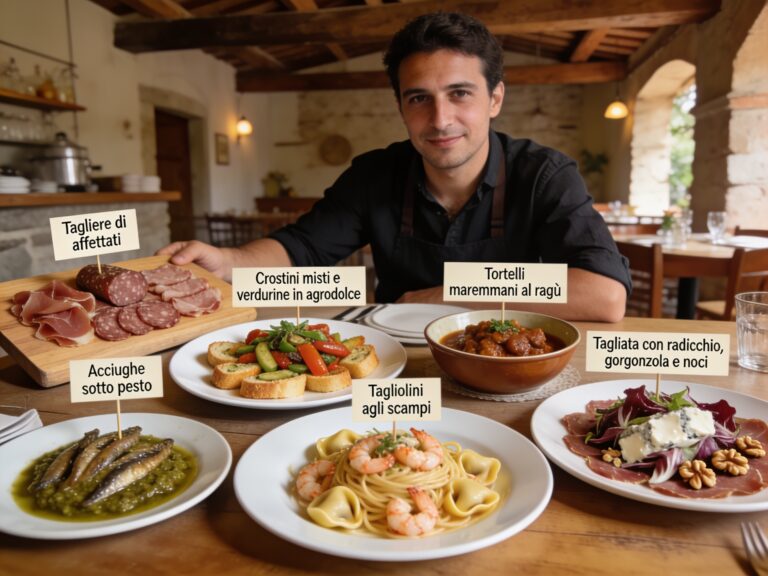
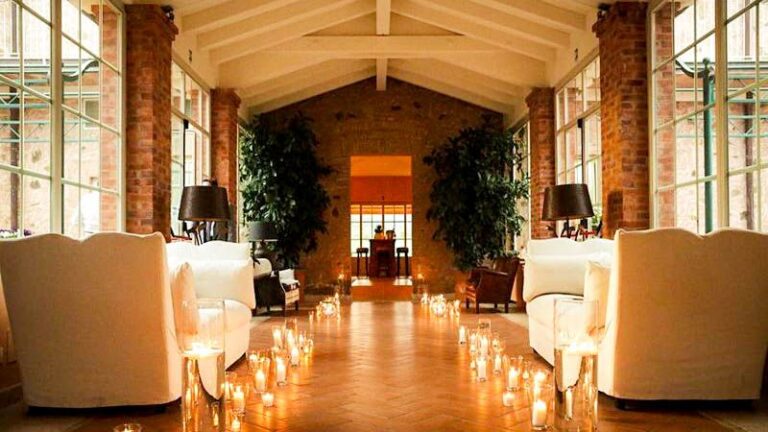
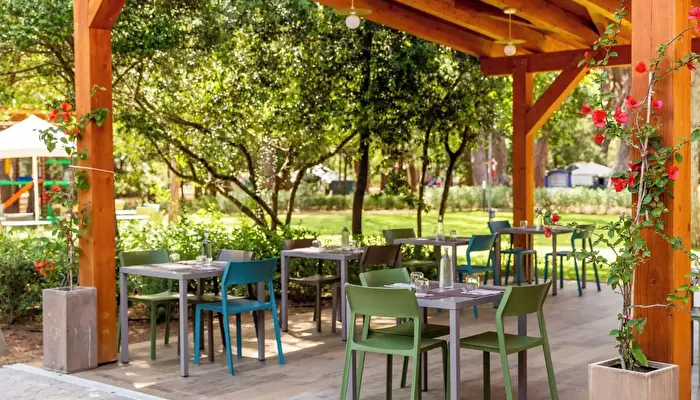
Restaurants · Vetulonia
Our favorite tables around Vetulonia
3 routes for hiking in the forest
For those who prefer adventure in the open air, the surroundings of Vetulonia offer trails where history hides under the holm oaks.
Paths between the village and the necropolises
You can easily trace a walking route here. An easy loop starts from the village center. It descends toward the Pietrera. It then goes back up through the scrubland paths.
Look carefully at the natural points of interest. The Mediterranean maquis is particularly dense here. It is also very fragrant. You'll find strawberry trees and giant heathers there.
It is best to follow the trail markers. Look for the red and white marks of the CAI. Some secondary trails can be misleading. This is especially true after heavy rains.
Check out this guide on the Maremma by car and its vineyards. It's perfect if you want to combine the hike. You can explore the neighboring wine estates.
The forest atmosphere is truly unique. The song of the cicadas accompanies you everywhere. The shade of the cork oaks creates a wild atmosphere. It is a typically Maremman and soothing moment.
You may make some unexpected encounters. Be discreet to come across land tortoises. You might also spot a fox. They often stay at the edge of the woods.
Enjoy the natural viewpoints along the path. Several openings offer plunging views. You will see the plain and the sea.
Breathe in the scent of the mastic tree. It is the essence of this land.
Equipment and heat management
I strongly recommend good shoes. The trails are rocky and slippery. So forget the sandals for today. Opt for sneakers or hiking shoes.
Pay attention to departure times. In summer, leave at dawn. From 11 a.m. on, everything changes. The heat reflecting off the stones quickly becomes exhausting.
Plan ahead for your water needs. There is no spring along the trails. Fill your water bottles at the village fountain. Do so imperatively before leaving.
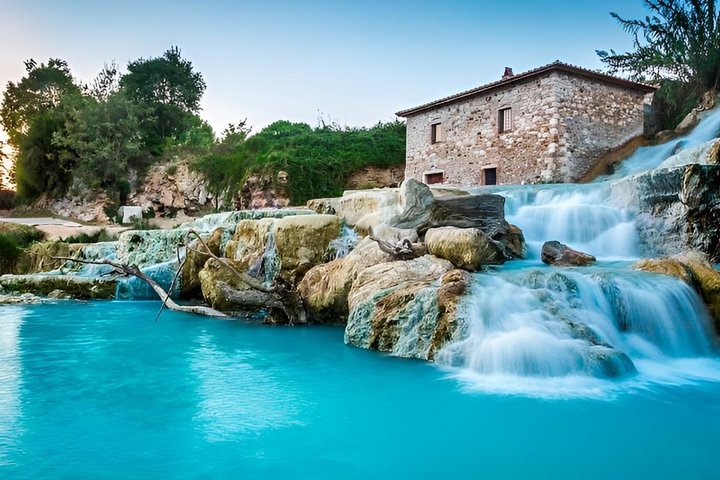
After the effort, read this guide on the free thermal baths in Tuscany. It's an excellent idea for relaxation. Your body will appreciate it after this long walk.
Don't forget your maximum. A hat and cream are essential. Some sections of the Via dei Sepolcri are exposed. The sun beats down hard there.
Bring a small practical backpack. Take something to nibble on. Also take a basic first aid kit. The area is quite isolated.
Respect the environment around you. Leave no waste behind you. Stay on the marked trails. This protects the fragile flora of the site.
Always check the weather. A storm changes everything here. The trails become streams.
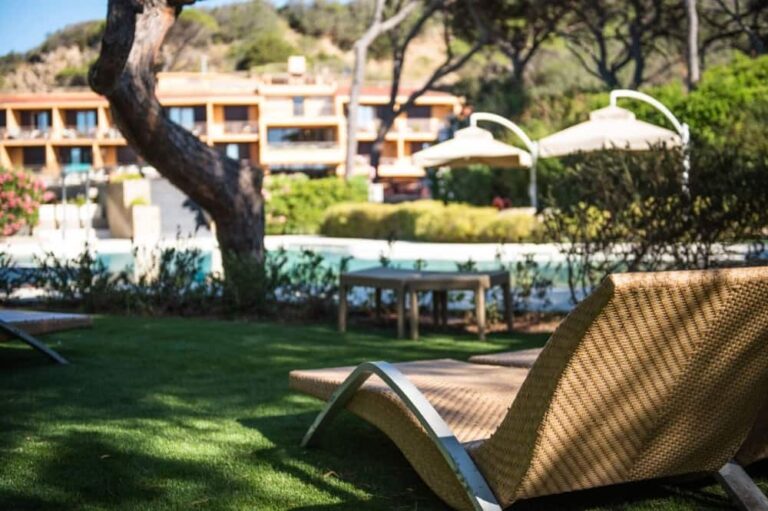
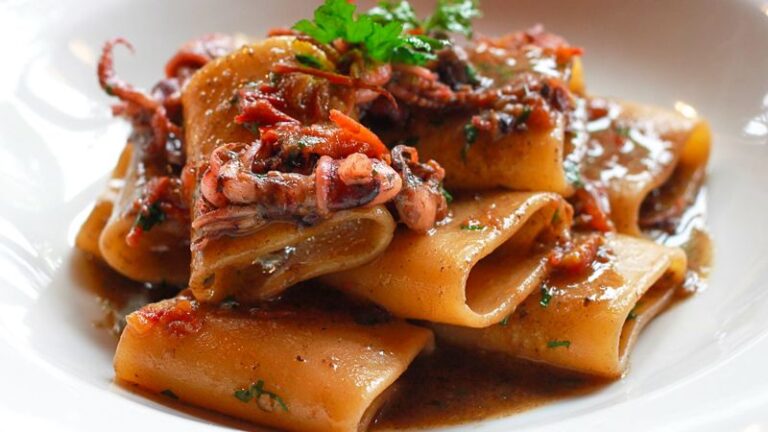
Our picks · Castiglione della Pescaia
Our favorite addresses around Castiglione della Pescaia
Logistics and access for a successful day
To make this historical immersion a pleasure, a few practical details help you avoid last-minute surprises.
Road access and parking
From Castiglione della Pescaia, the road winds gently. You pass through olive groves for twenty minutes. The summit of the hill finally draws near. The view over the plain opens up magnificently.
There are large parking areas. They are free right at the entrance to the village. These spaces are well marked by signs. They are often shaded by trees.
The narrow streets of the historic center are narrow. They are often reserved for residents only. Whatever you do, don't venture there by car. You risk getting needlessly stuck.
You can also visit Pitigliano to compare accessibility. This hilltop village also requires some planning. The experience there is nonetheless very different. Parking is scarcer there.
Be careful if you're driving a wide vehicle. Some hairpin bends require caution. Access remains possible by motorhome, however. Just take your time on the climbs.
Buses connect Grosseto to Vetulonia daily. But the frequencies remain quite limited. This is especially true on Sundays. Public holidays see little traffic.
Use a well-updated GPS. The secondary roads of Maremma are disorienting. Yet, the village of Vetulonia is signposted. You should not get lost easily.
Arrive early in the morning on site. You'll enjoy a prime spot. The light is magnificent on the rooftops. Calm still reigns everywhere.
Access: 20 min from Castiglione della Pescaia. Parking: Village entrance (free). Museum: Isidoro Falchi (variable hours). Dining: Local grocery stores and restaurants.
Accessibility and on-site services
The village has a fairly steep slope. Visitors with reduced mobility can visit the museum. But the archaeological sites are complex. The dirt paths are sometimes uneven.
There are a few small local grocery stores. They are perfect for an impromptu picnic. Restaurants also serve the excellent cuisine. The gastronomy of the Maremma is authentic.
The museum ticket is affordable. It gives access to detailed explanations. You will better understand the excavation areas. The investment is really worth it.
Check the options for guided tour in Maremma. Professional guidance changes the whole perspective. The experts reveal invisible details. You will save precious time.
The visit is possible with children. The vast spaces of the necropolises appeal to them. But watch them closely near the stones. The ancient structures remain fragile.
Check the museum opening hours carefully. They vary depending on the current season. There is often a midday closure. It is a typical habit in Italy.
Enjoy the few local craft shops. You can find jewelry reproductions. They draw inspiration from the models in the Falchi Museum. The granulation work is impressive.
Take the time to chat with the locals. They often know secret corners. These places are off the beaten path. The welcome here is always sincere.
Taking the time to visit Vetulonia, an Etruscan city, allows you to grasp the grandeur of Vatluana, far from the crowds of classic sites. Between the domus of Poggiarello Renzetti and the silence of the necropolises, you discover an authentic and powerful Maremma. Do you prefer the cool shade of the museum or the wild wind of the acropolis?
Absolument, Vetulonia est une destination de premier choix si vous voulez explorer l'héritage étrusque en Toscane sans la foule souvent présente sur les sites plus médiatisés. Ce qui fait Vetulonia particularly unique is its history of «miraculous» rediscovery by the physician Isidoro Falchi, who proved the existence of this major city of the Dodecapolis thanks to coins marked «Vatl» at the end of the 19th century. This gives the place an atmosphere of authentic exploration and discovery. You will see impressive remains that testify to Etruscan engineering and opulence, such as the advanced urban planning of Poggiarello Renzetti avec ses domus aristocratiques et ses systèmes hydrauliques sophistiqués, ainsi que les tombes tholos monumentales de la nécropole.
Unlike Tarquinia, célèbre pour ses tombes peintes, ou Volterra avec son architecture urbaine étrusque bien préservée, Vetulonia offre une immersion dans une cité qui était un port de mer important sur l'ancienne Lake Prile, un détail fascinant qui a façonné son développement économique et stratégique. La vue depuis la colline, qui domine aujourd'hui la plaine de Grosseto, vous permettra d'imaginer l'étendue de cette lagune navigable d'autrefois et l'importance du commerce pour l'élite locale, comme en témoigne l'orfèvrerie qui y a été trouvée. Les murs cyclopéens de la Acropolis, assembled without mortar with astonishing precision, are another highlight, revealing the Etruscans’ power and technical mastery in fortifications. It is an immersive experience that will connect you directly to a lesser-known, but equally rich, facet of the Etruscan civilization in the Maremma.
That’s an excellent question that touches on the fascinating geological and economic history of Vetulonia! En effet, la ville, bien que perchée sur une colline, était autrefois un port fluvial stratégique. À l'époque étrusque, la plaine de Grosseto que vous voyez aujourd'hui était occupée par un vaste plan d'eau salée, Lake Prile. Ce lac était navigable et reliait Vetulonia directly to the Tyrrhenian Sea. The city’s elevated position allowed it to control the transit of precious metals and goods, making it a thriving commercial center and a major maritime power. The opulence of Vetulonia‘s elite, as evidenced by the gold and amber objects found in the tombs, is directly linked to this intense port activity.
Malheureusement, au fil des siècles, les processus naturels ont entraîné l'ensablement progressif de Lake Prile. Les sédiments charriés par les rivières ont progressivement transformé la lagune en marais insalubre. Plus tard, les travaux de bonification, notamment aux XIXe et XXe siècles, ont achevé l'assèchement total de cette zone humide pour la rendre cultivable. Aujourd'hui, vous ne verrez plus le lac, mais la topographie et la vue panoramique depuis la colline vous permettront d'imaginer l'étendue de ce plan d'eau ancien. Le vent qui souffle sur les ruines semble encore murmurer l'écho des navires marchands, et la position stratégique des murailles de la Acropolis, qui permettaient de surveiller la côte, est une preuve tangible de son passé maritime. Pour mieux comprendre cette métamorphose, je vous recommande de visiter le musée archéologique de Grosseto, qui propose des explications détaillées sur l'évolution de la plaine environnante et l'importance du lac.
Si l'architecture et l'ingénierie antiques sont votre passion, Vetulonia, et en particulier le quartier de Poggiarello Renzetti ainsi que les murailles de la Acropolis, vous réservent de merveilleuses surprises. À Poggiarello Renzetti, vous pourrez observer les fondations des habitations aristocratiques qui révèlent un urbanisme remarquablement avancé pour l'époque. Les Étrusques étaient de véritables maîtres de l'hydraulique : vous verrez des citernes creusées dans la roche ou soigneusement maçonnées pour stocker l'eau de pluie, ainsi que d'ingénieux canalisations pour l'évacuation des eaux usées, témoignant d'un souci d'hygiène très développé. Les cours centrales des domus servaient de puits de lumière et de régulateurs thermiques naturels, témoignant d'une compréhension sophistiquée de l'intégration architecturale et environnementale. En marchant sur les routes pavées d'origine, comme la Via Decumana, with its wide rounded stone slabs, will give you an idea of the urban comfort they had established, well before the Romans who merely imitated and perfected these techniques.
On the acropolis, , the walls of the Arce and Costa Murata are a striking testimony to Etruscan power and know-how. You will be impressed by the size of the cyclopean limestone blocks, assembled dry without mortar with surgical precision. This technique, which made it possible to build impregnable ramparts, is a considerable technical feat, especially when you consider the transporting of these monoliths up a steep hill. You will be able to distinguish the different layers of stone, with the ancient Etruscan bases and the Roman rebuilds, where the size of the stones changes radically. These walls have withstood earthquakes and wars for two millennia, proof of their robustness and the ingenuity of their builders. The acropolis, , as a sacred citadel and political center, symbolized Vetulonia's dominance over northern Maremma, , and its walls are its most tangible expression.
Yes, absolutely! Vetulonia is an excellent base for exploring the Etruscan Coast and the historical treasures of the Maremma. . Its position slightly set back from the coast, but only about twenty minutes from the sea, offers a perfect balance between easy access to the beaches and the tranquility of the Tuscan countryside. You will be ideally located to visit other major Etruscan sites like Populonia and its archaeological park, or to head to the magnificent beaches of the Maremma. The region’s wealth of history and nature makes it an ideal base for day trips.
For authentic accommodations, the Maremma is renowned for its agriturismi, , which are renovated farms often offering charming guest rooms, delicious local cuisine and an exceptional natural setting. Near Vetulonia, you will find many agriturismo options that showcase Tuscan hospitality. These establishments often offer farm products, swimming pools and breathtaking views over vineyards and olive groves. Don’t hesitate to check traveler reviews in Maremma to get an idea of the experiences lived. For a truly immersive stay, I recommend looking for accommodations in the small surrounding villages or directly in the countryside, where you can enjoy the calm and authenticity of the region. Remember to book in advance, especially during high season, as the best agriturismi are in high demand.
For an amateur photographer, , Vetulonia is a true gem offering unique landscapes and captivating perspectives, especially at sunrise and sunset. The city is perched on a hill overlooking the vast plain of Grosseto, , offering a breathtaking panorama. At sunrise, you can capture the morning mists rising from the plain, bathing the Etruscan remains in a soft, golden light. The silhouettes of the twisted olive trees and the grey stones of the ruins will stand out magnificently against the changing sky, creating a mystical and timeless atmosphere. The cyclopean walls of the Acropolis, , with their massive dry-assembled blocks, offer textures and powerful lines that lend themselves wonderfully to architectural photography under this raking light.
At sunset, the spectacle is just as grand. The sun setting over the Tyrrhenian Sea, , visible in the distance, sets the sky ablaze with orange, pink and purple hues. The remains of Vetulonia, , from the foundations of Poggiarello Renzetti to the imposing tholos tombs of the 16. Pietrera, , take on a dramatic dimension. You can play with cast shadows, contrasts and silhouettes to create memorable shots. The distant view of Elba Island, , and sometimes even the outlines of Corse in clear weather, adds interesting compositional elements for your landscape photos. Don’t forget to explore the Via dei Sepolcri at the end of the day; the fading light on the tumuli and the surrounding wild scrubland gives your images a poetic depth and melancholy. Every stone, every path tells a story, which is ideal for narrative photography.
Visiting Vetulonia with children can be an enriching experience, provided you know how to capture their attention and make the discovery fun. Although there are no modern interactive facilities on the archaeological site itself, imagination is the best tool! Children can be fascinated by the idea of walking on the same paved roads as the Etruscans thousands of years ago, especially on the Via Decumana, , and imagining the chariots and merchants that traveled there. The foundations of the houses at Poggiarello Renzetti can be an opportunity to have them guess how people lived in those days, by observing the water cisterns or the thresholds of the ancient shops.
The cyclopean walls of the Acropolis are particularly impressive for children. The gigantic size of the stone blocks, assembled without mortar, can fill them with wonder and make them feel like explorers in an ancient fortress. You can tell them stories of warriors and protected cities. As for the necropolises, and especially the Tomb of the Pietrera, the « treasure hunt » aspect can be very effective. The access through a narrow corridor (dromos) leading to a circular chamber under a giant tumulus is a somewhat mysterious and exciting experience. Explain to them that these places were the « houses of the dead » of Etruscan kings and queens, filled with treasures. You can also encourage them to look for fragments of statues or architectural details. Before the visit, a short introduction to the Etruscans and their customs, with pictures, can greatly help spark their curiosity. Don’t forget to bring water and hats, as the site is outdoors and can be sunny.
Around this article

Agriturismo Al Vermigliano
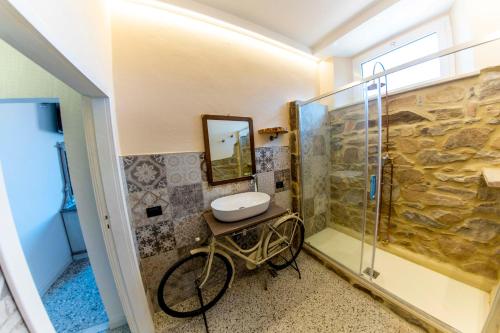
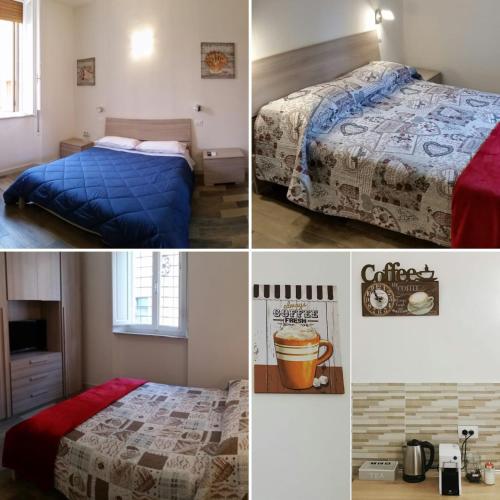
Want to go further? Tours of Tuscany in the same spirit as this article.

From Florence to Pitigliano: 7 days of guided Tuscan craftsmanship

Guided hike from Pisa to Elba Island, 8 days

Self-guided tour San Gimignano, Siena and Volterra, 6 days
Live map & prices
Where to stay around Vetulonia?
Our recommended addresses nearby, then today's prices for your dates.
Cars · live prices
Your rental car from Grosseto airport
No rental company operates in the villages: the closest agencies to Vetulonia are in Grosseto. Here are the best current deals, compared and rated.
Searching for available cars…
See all cars and choose my dates
Booking and payment through Discovercars: the link earns us a commission, without changing your price.
Around Vetulonia
You will also like

Tuscan Etruria: the complete guide to Etruscan heritage in Maremma 2026
Explore the Etruscan heritage in Maremma: from Roselle to Sovana, discover the cities…

The 5 must-see Etruscan archaeological sites of Maremma
Explore the Etruscan archaeological sites in Maremma. From Roselle to Sovana, discover ramparts...

The silence of Roselle: the Etruscan ruins no one visits in Maremma
Explore the Etruscan ruins of Roselle in Maremma. Admire the cyclopean walls and the amphitheater…

Exploring the treasures of the Etruscan museum of Vetulonia
Discover the Etruscan museum of Vetulonia: admire the fine goldsmithery and the stele of Auvele Feluske.…
