
Sagra / Festival
The place
Punta Ala is worth the detour for its lifeguarded beach and its pine forest, but it remains a classic seaside resort rather than an authentic village.
👥 Who it's for: Travelers looking for accessible sea mixed with pine forest, water activities and a bit of comfort, as a couple, with family or under canvas.
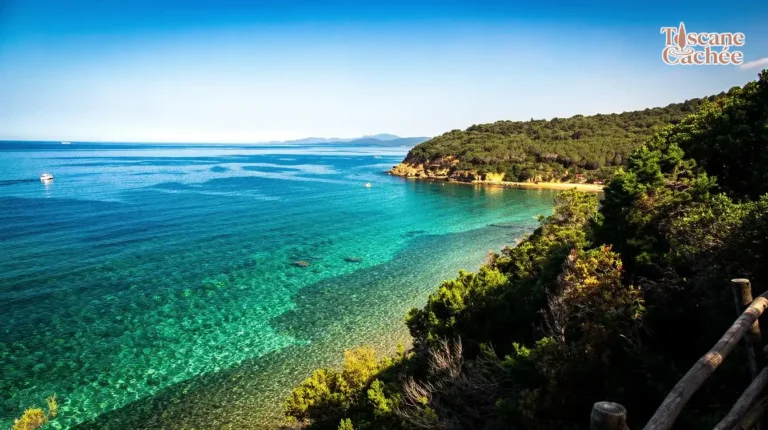
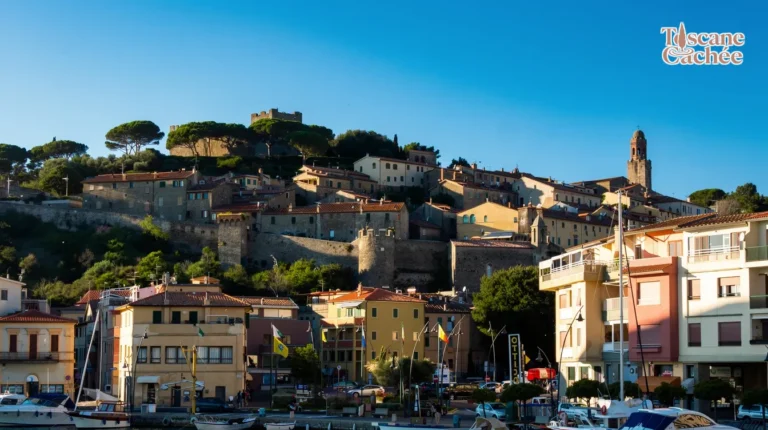
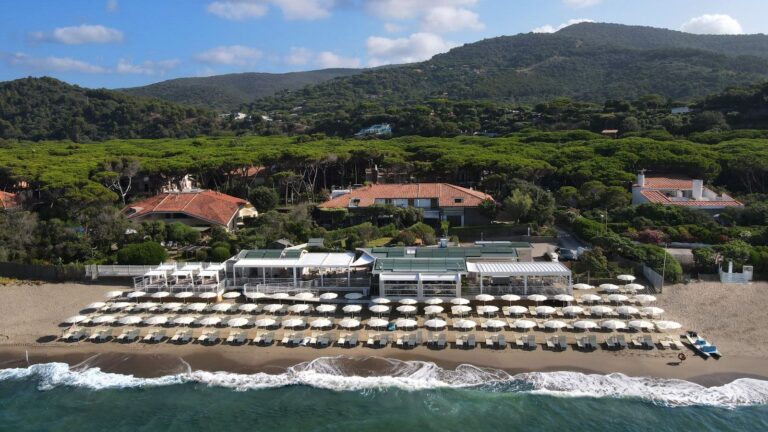
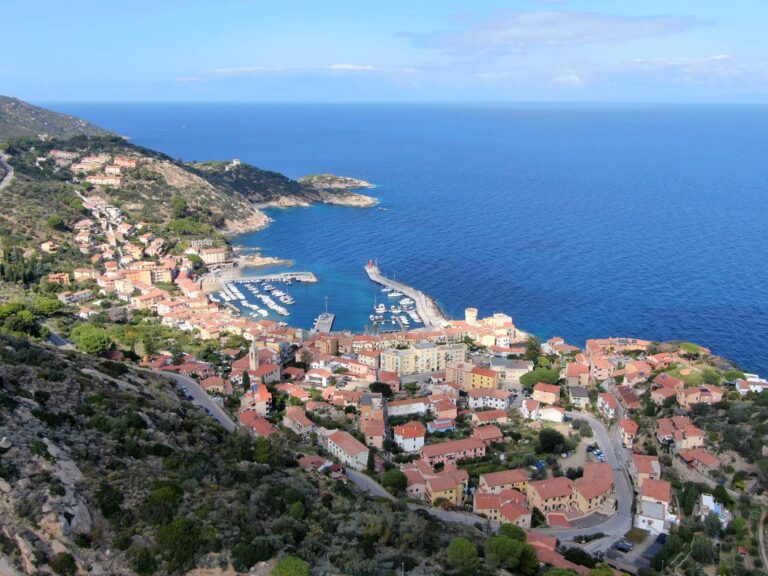
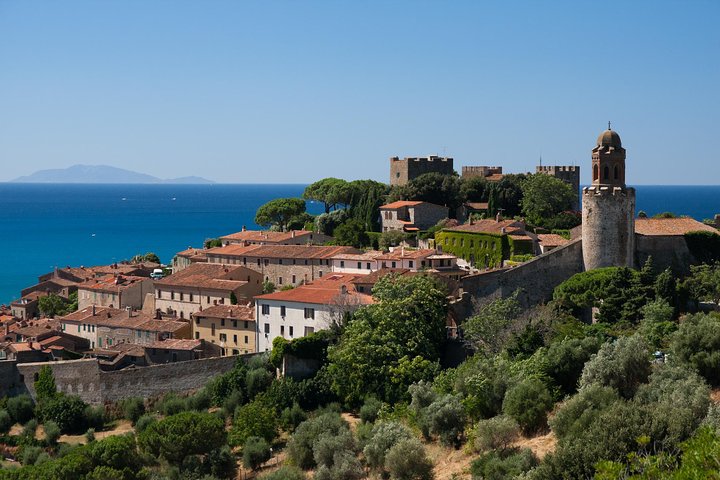
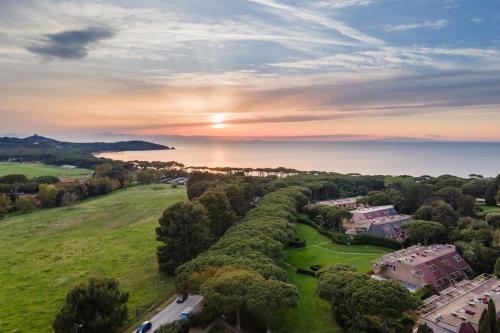
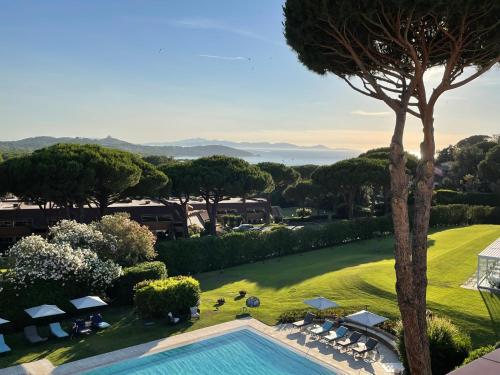
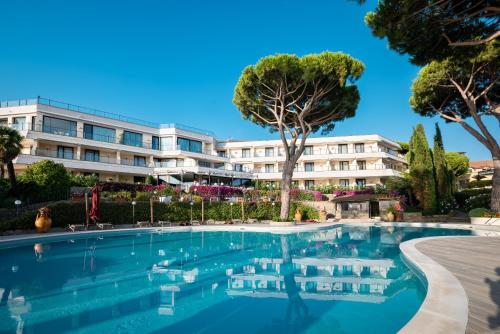
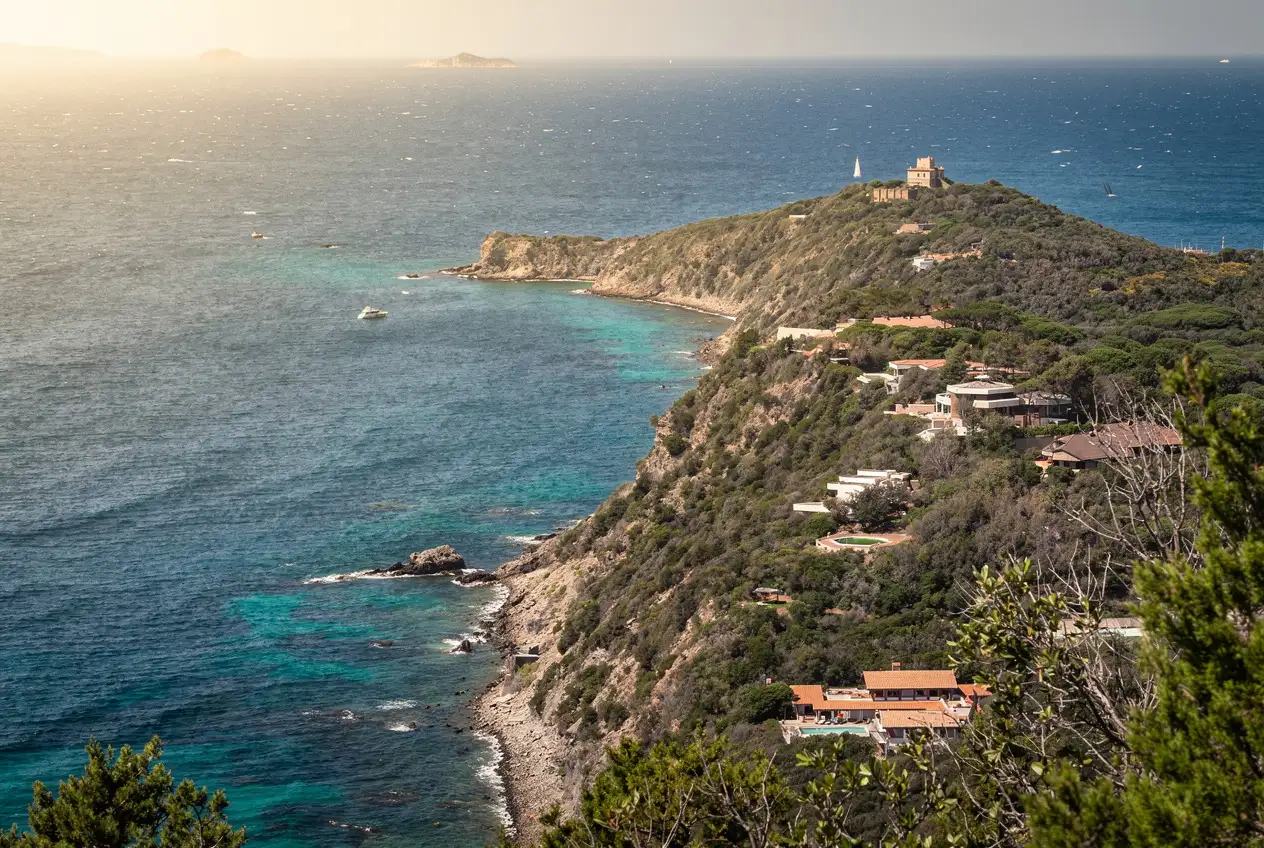
In Punta Ala, Maremma takes on the air of an elegant seaside retreat: a marina lined with masts, villas hidden among the greenery, long blond beaches under the pines. But the setting is not reserved for boat owners. You can also come for a day at the sea, or pitch your tent at a campsite between forest and shore. The place has a certain contrast: chic without being only high society, developed without having erased the scent of the pine forest.
The light changes quickly here: in the morning it slips between the trunks and makes the Gulf of Follonica shimmer; at the end of the day the boats stand out against a darker sea. Punta Ala is best savored by taking your time rather than ticking off a long list of monuments.
Before becoming Punta Ala, the locality was called Punta Troia. The current name is associated with the aviator Italo Balbo, who discovered the coast from the air in the early 1930s and bought land and villas in the surrounding area. The shape of the promontory is said to have inspired the word "Ala", the wing. This story also reminds us that the tourist development of the area is relatively recent: the marina was built starting in 1962, and then hotels, residences and sports facilities shaped the modern resort.
Yet the history of the headland goes back much further. Excavations carried out in 2010-2011 near the panoramic path toward Punta dello Sparviero uncovered a Bronze Age work site dated to the 18e and 17the th centuries BCE. The ancient name of the place is less certain: one hypothesis links it to a distortion of Portus Traiani, mentioned in Latin sources. Keep it in mind as a lead, not as a certainty carved in stone.
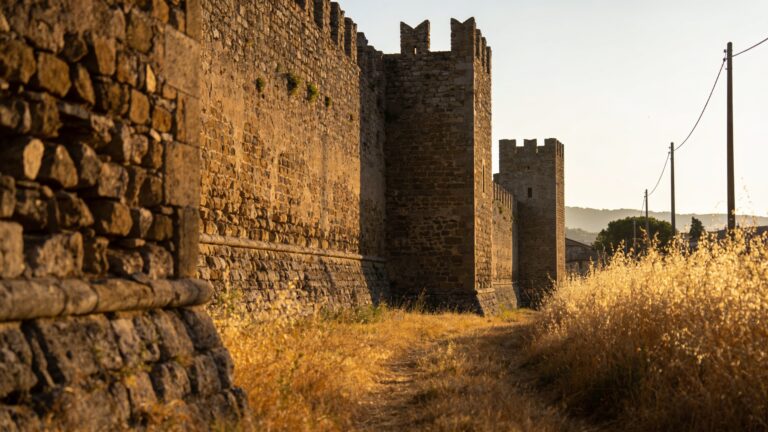
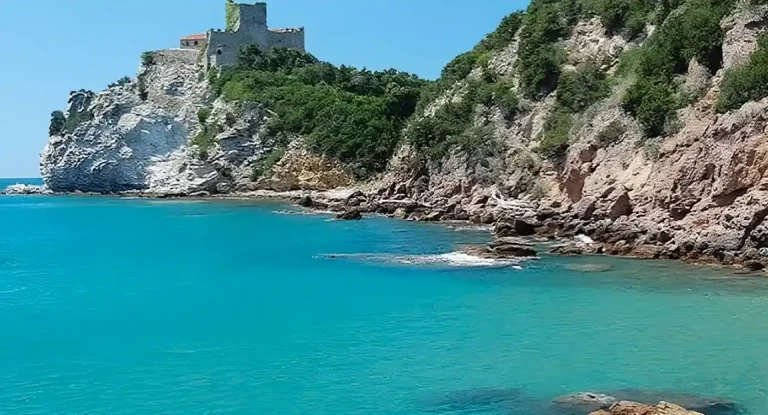
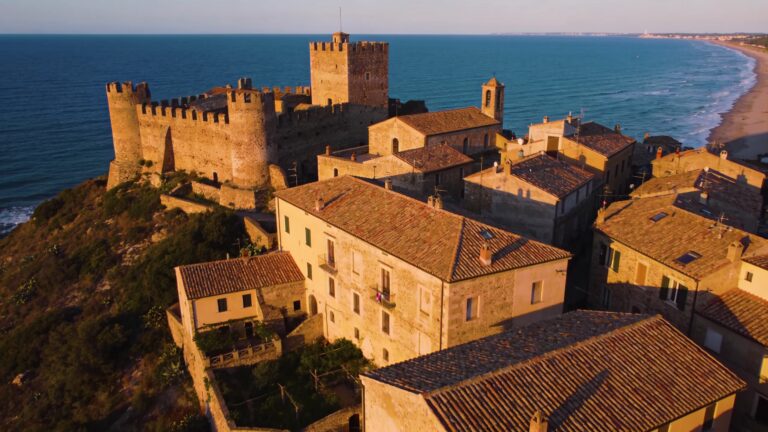
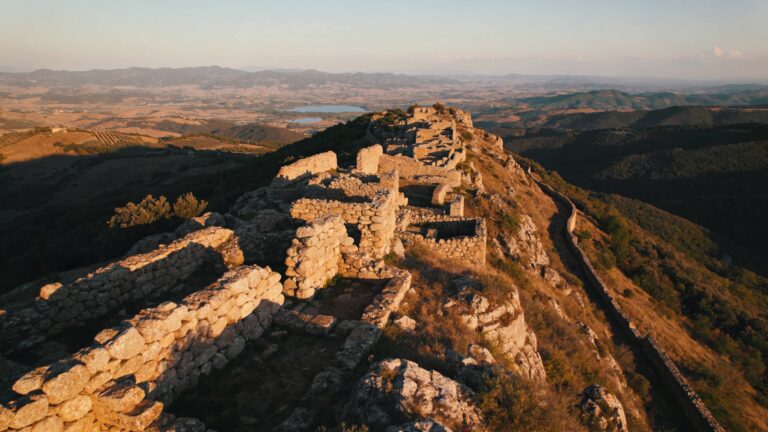
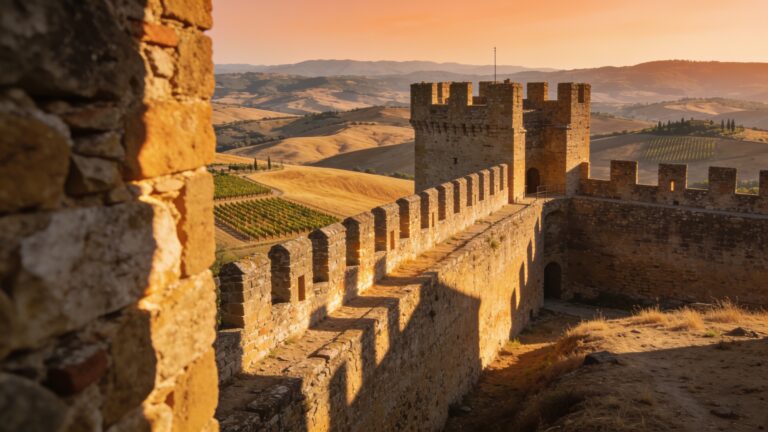
The promontory also bears the traces of a coastline that had to be watched. The fort of Punta Ala — also called Castello Balbo — dates back to the second half of the 16e century and was built under the Grand Dukes of Tuscany to defend the coast against raids from the sea. The Torre Hidalgo, also known as Torre del Barbiere, dates from 1577 and served as a lookout post. From the shore, the gaze drifts toward the islet of dello Sparviero and the rocks nicknamed the "Porcellini".
Don't plan your day as if these monuments were museums open at fixed hours: they are presented as curiosities of the territory, with no published regular visiting hours. It is better to admire them from the accessible viewpoints and check with the local tourist office whether any exceptional opening is announced. To extend your discovery of the coastline, the towers of the Argentario offer another perspective on the region's coastal defenses.
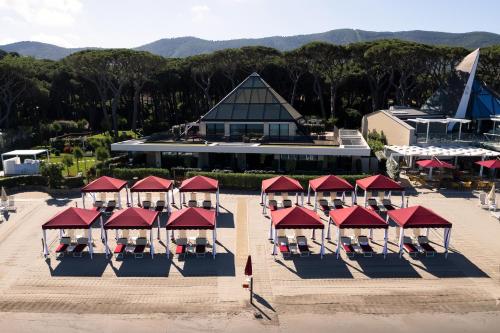
The long beach of Punta Ala stretches for nearly six kilometers: sand, stretches of maquis and the shade of pine groves make up a coast where you can alternate between swimming and strolling. There are pedestrian access points and parking lots, as well as beach establishments, but crowds and available spots vary by season. The Spiaggetta del Porto, near the marina, is run by a beach establishment and access is tied to renting a parasol and loungers. For a quieter little escape, Cala Barbiere can be reached by a trail starting from a dirt parking area. Cala Tartana and Cala Tartanella are harder to reach; a boat trip is an option to consider rather than an improvised hike.
The beaches do not operate like a fenced site with a single entry time. However, the services — bathing facilities, dining, rentals and shuttles — follow their own schedules, often seasonal. In the heart of summer, arrive early to find parking and take your trash away with you: the sand and the pines are not an open-air dump. If the urge to go sailing takes hold of you, the boat rental in Porto Ercole lets you explore the coves of the Argentario at your own pace.
Punta Ala is part of the municipality of Castiglione della Pescaia, in the province of Grosseto. By car, the coastal road SP158 is the convenient route to reach the area. The useful train station is Follonica; from there, you need to complete the journey by bus or taxi. Local public transport is seasonal: for summer 2026, the operator Tiemme announced in particular the C2 line Castiglione della Pescaia–Tirli–Punta Ala and the C4 shuttle from Punta Ala from July 1st to August 30. Since these dates have passed, check the updated timetables before any trip outside the season or next summer. To plan your journey from the major cities, all the transport options to Maremma are detailed on the blog.
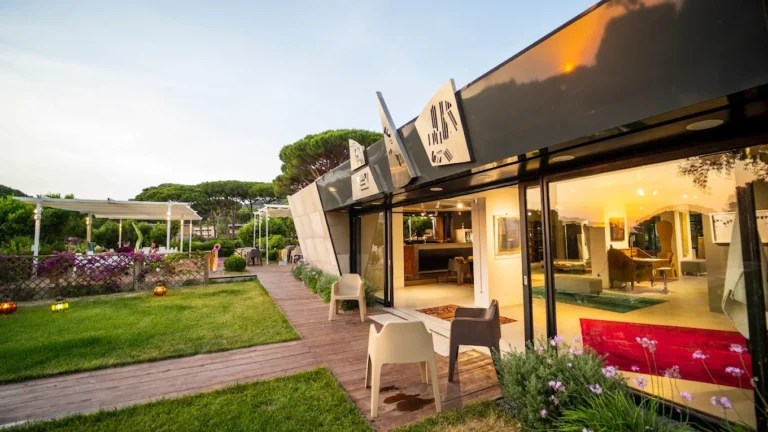
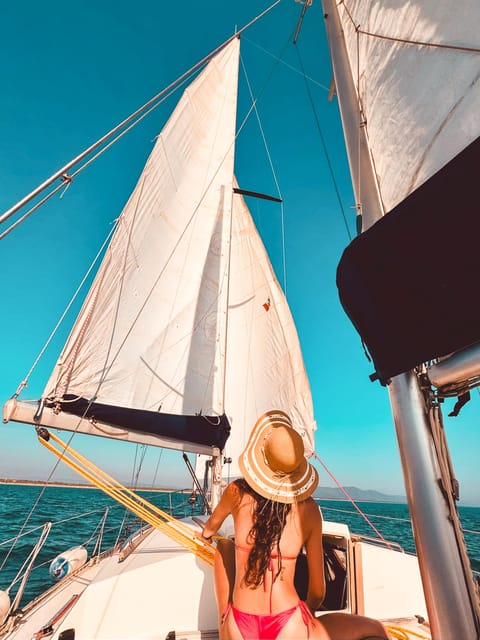
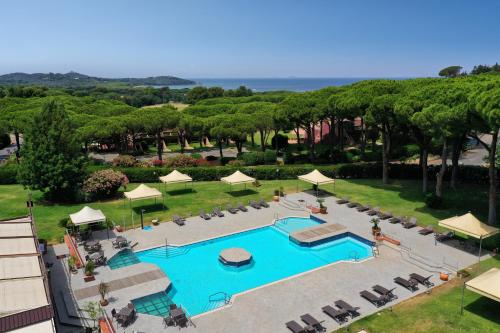
Punta Ala will suit those who want a sea easy to combine with a pine forest, water activities and a bit of comfort. The Marina and the sailing tradition set the tone; the resort also hosted Luna Rossa, the Italian yacht that competed in the 2000 America's Cup. But campers have their place too: the PuntAla campground offers pitches under the pines, along with bungalows and glamping accommodation. The chic image doesn't rule out a stay under canvas, although the price level will depend on the season and the option chosen.
My advice: come outside the hottest hours, walk a little away from the main access points, and keep some time to watch the bay from dry land. For a fuller stay in the region, the 5-day itinerary through authentic Maremma will take you to thermal baths, tufa villages and farmhouse cooking.
Evaluation criteria
Is the map not displaying? See accommodations on Stay22
Map and prices provided by Stay22: Toscane Cachée may receive a commission on bookings.
To read
 Français Français
 Italiano
 English
 Polski
 Português do Brasil
 Nederlands
 Español
 Deutsch