Village

Pitigliano
Pitigliano
- Village
Tuff village clinging to its cliff, with a Jewish quarter, a 1598 synagogue, the Palazzo Orsini and Vie Cave carved by the Etruscans
8,0
Very goodHidden Tuscany Rating
301 lieux notés
Explorez l'ensemble de nos destinations secrètes en Toscane — thermes sauvages, villages médiévaux, sentiers étrusques, vignobles de la Maremme et bien plus. Chaque fiche a sa note, son accès et ce qu’il faut savoir avant d’y aller.
Tuff village clinging to its cliff, with a Jewish quarter, a 1598 synagogue, the Palazzo Orsini and Vie Cave carved by the Etruscans
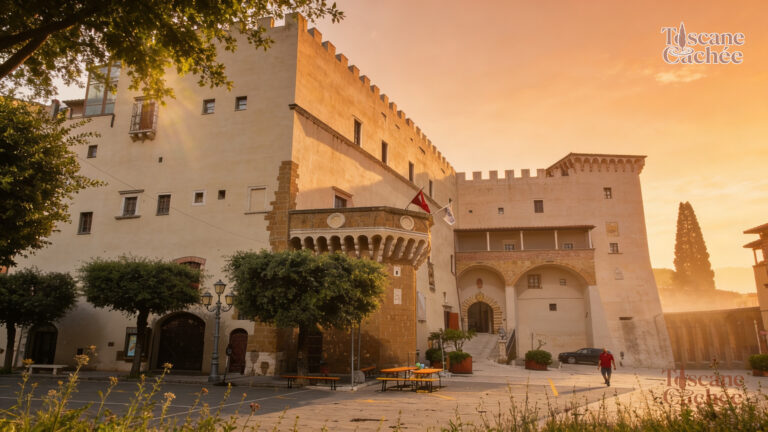
The Palazzo Orsini brings together two museums in an Aldobrandeschi palace of the 15th-16th centuries, with 21 frescoed rooms and an old oil mill
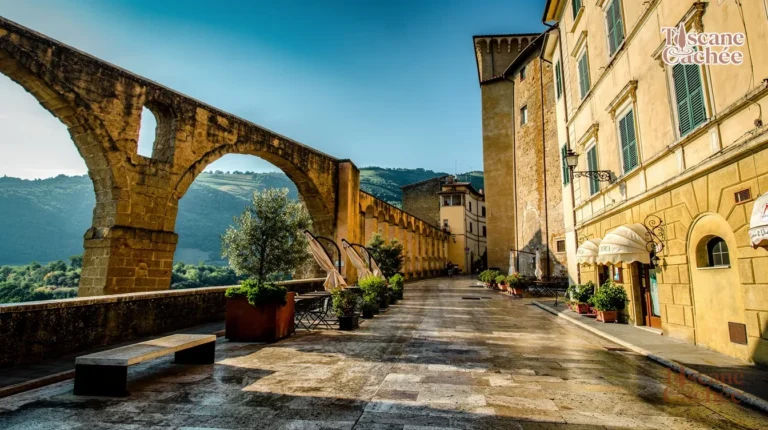
Its 16th-century tuff arches, leaning against the medieval walls, and the fountain of the Sette Cannelle with animal heads mark the entrance to the village
Pitigliano, a village carved into the tuff nicknamed Little Jerusalem, combines a 15th-century Jewish ghetto, a synagogue, the Palazzo Orsini and gorges along the Vie Cave
Weekly market on Wednesday morning in Pitigliano, where shepherds and confectioners sell pecorino aged in tuff cellars and local sfratto
The synagogue is at the heart of the «Little Jerusalem», the Jewish ghetto of Pitigliano occupied since the 15th century, extended by a museum and spaces carved into the tuff
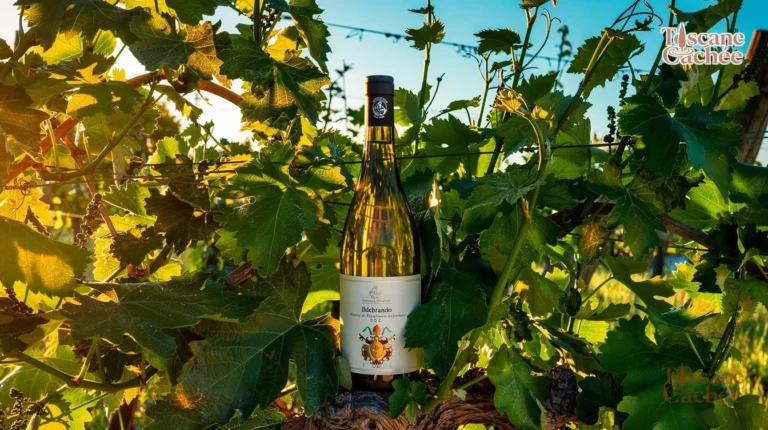
Bianco di Pitigliano, among Italy's first DOCs, is born from the tufa lands of the old town, where the Cantina di Pitigliano brings together the grapes of the cru
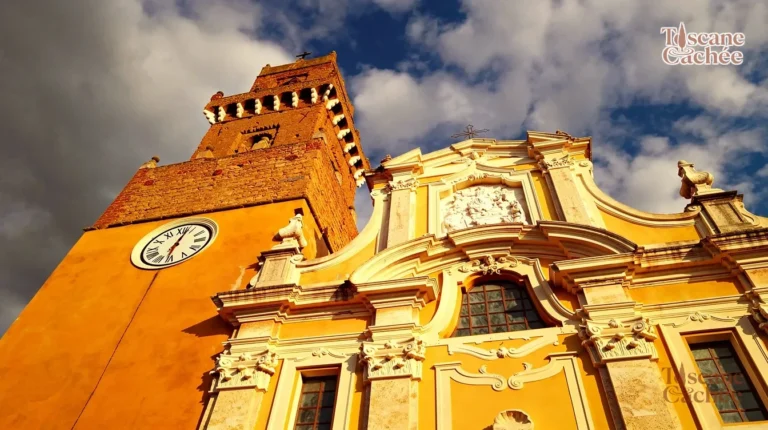
Cathedral of Saints Peter and Paul: Renaissance façade, sculpted angels and Romanesque bell tower in the heart of Pitigliano, a tufa borgo known as little Jerusalem
A village dinner centered on acquacotta, the peasant soup of the Maremma, served at the former Seminary of Pitigliano to benefit the inclusive Living Nativity
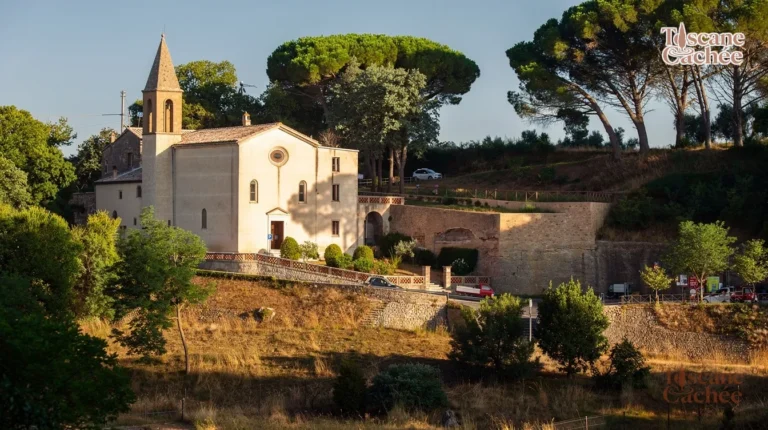
From the Madonna delle Grazie sanctuary, adjoining an Etruscan via cava, opens the most famous «postcard» view of Pitigliano perched on its tufa
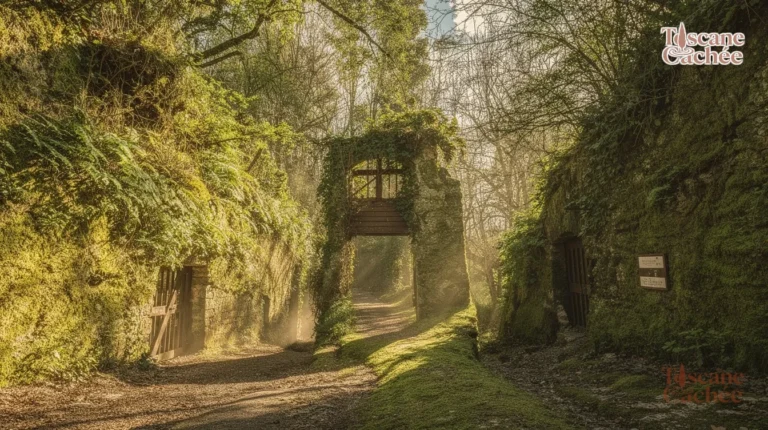
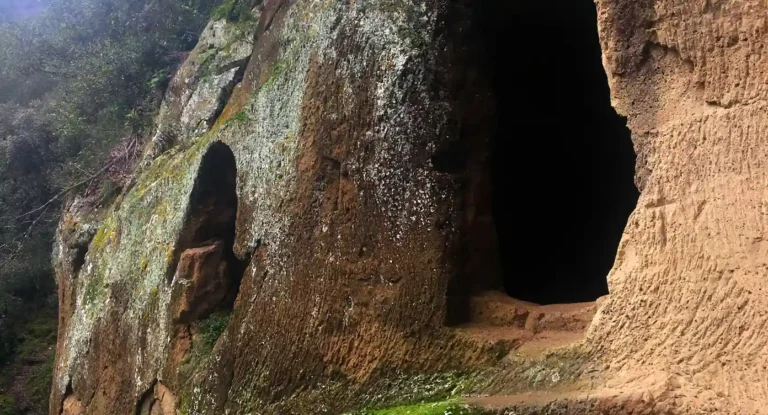
Last stop of the vie cave circuit, the Via Cava di Poggio Cani plunges into corridors of tuff dug by the Etruscans, with caverns still used as wine cellars
An Etruscan canyon carved into the tuff, paired with a small necropolis of chamber tombs and an image of Saint Joseph painted on the rock
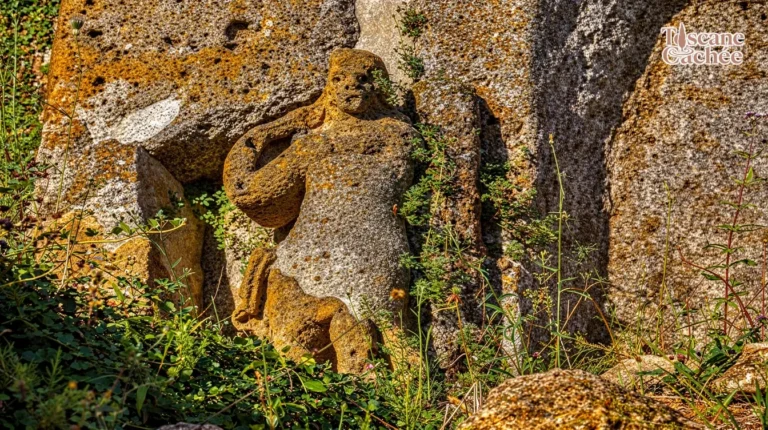
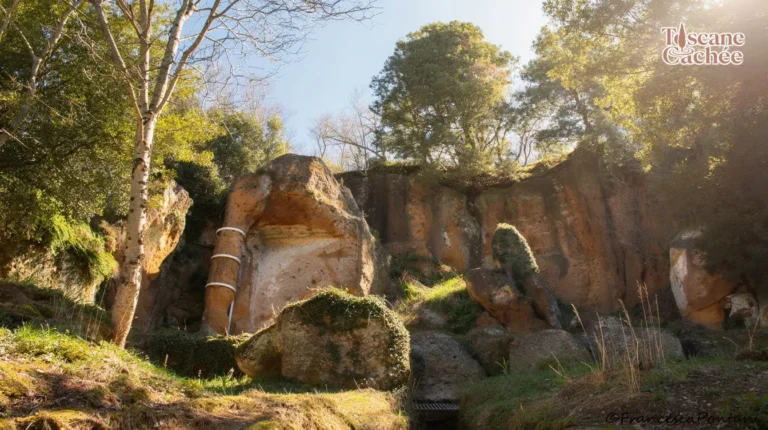
The Tomba della Sirena is an aedicula Etruscan tomb whose figured pediment is the only preserved one comparable to that of the Demoni alati, in the rock-cut necropolis of Sovana
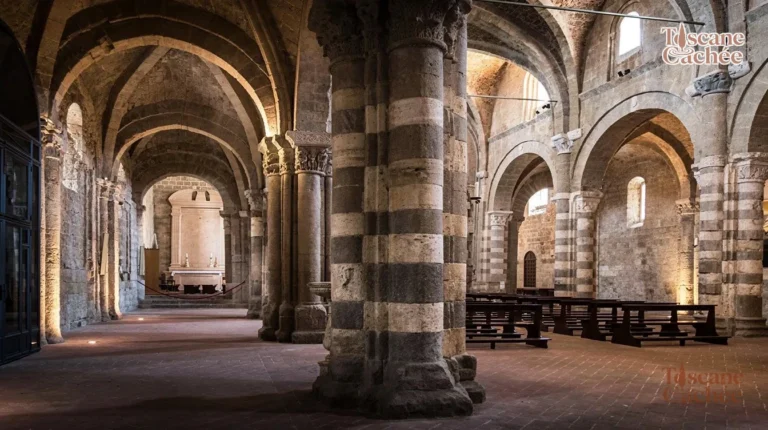
The co-cathedral of Saints Peter and Paul, Gothic-Romanesque in style, stands on the tufa block overlooking the valley of Sovana's necropolis, a medieval borgo of just a few houses
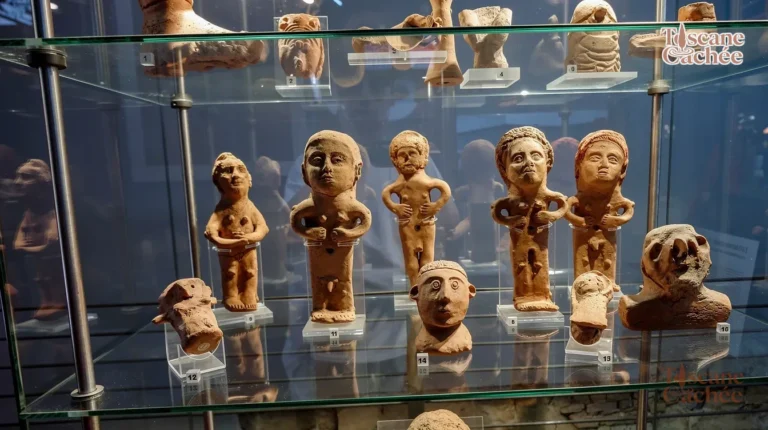
The San Mamiliano museum, in the church where 498 gold coins from the 5th century were found in 2004, also displays objects discovered at the entrance of the Cavone
Sovana, a small medieval tuff town, is home to an Etruscan necropolis as well as the vie cave of Cavone and San Sebastiano, linked to the Città del Tufo park
Sovana combines a 2,500-year-old Etruscan necropolis, Vie Cave carved into the tuff and a medieval hilltop borgo of 399 inhabitants
A cliff-cut way carved by the Etruscans in the tuff, described as the most monumental in the Maremma, with tombs and engraved symbols
An Etruscan path carved into the tuff at Sovana, with vertical walls and a cool, humid atmosphere, in the area of the vie cave of the Città del Tufo
In Sovana, the Tomb of Ildebranda is a temple-tomb carved into the tuff, integrated into the rock-cut necropolis and the Vie Cave of the Città del Tufo park
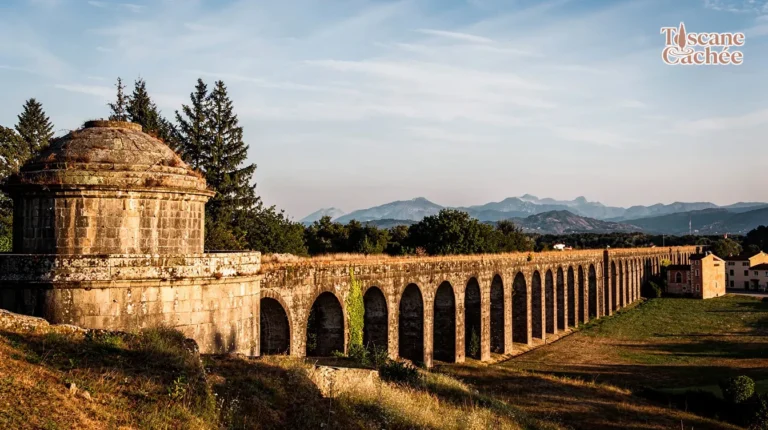
At the bottom of the Lente valley, a 19th-century aqueduct with neoclassical arches winds through a wooded ravine near Vitozza [pitigliano.org](https://pitigliano.org/en/vie-cave-etruscan-built-roads/)
At Sovana, the tomba Pola is an Etruscan temple tomb carved into the tuff: a single chamber of 18.50 m, a fluted column in place, a necropolis crossed by the vie cave
Tuf trail linking Sorano to Vitozza: the via cava of San Rocco, the Lente valley and nearly 200 cave dwellings
Small Tuesday market in Sorano, beneath the Orsini fortress: heritage vegetables, local beans and charcuterie from free-range pigs raised in the oak groves
Classement par note Toscane Cachée : analyse des avis voyageurs et des informations de chaque adresse (notre méthode). Les liens de réservation sont affiliés.
Compléter ton séjour
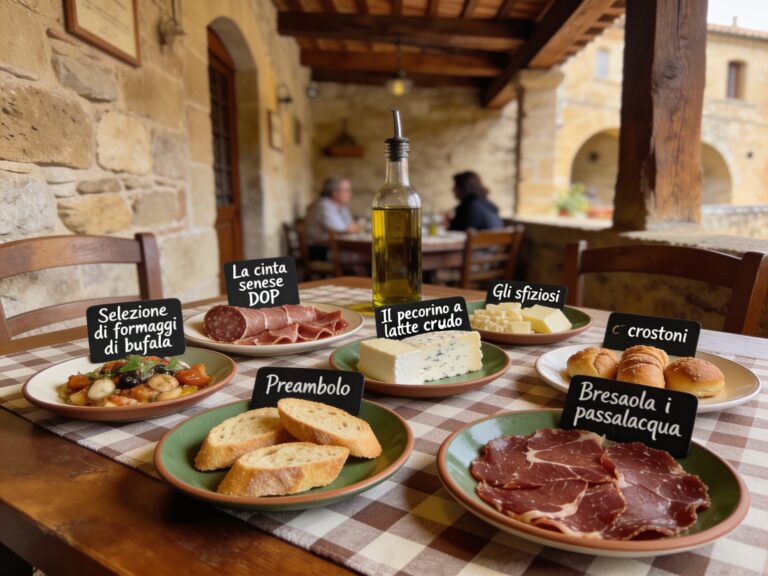 RestaurantsOù manger autour de Pitigliano13 restaurants à moins de 12 km
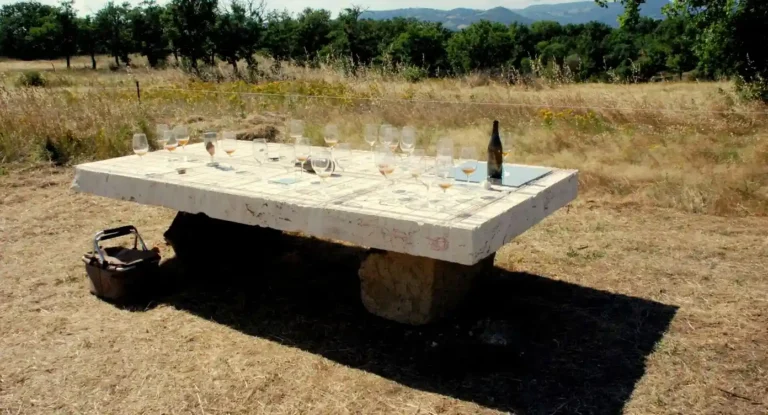 Wine tastingsDégustations autour de Pitigliano28 dégustations à moins de 12 km
 ActivitiesQue faire autour de Pitigliano17 activités à moins de 12 km
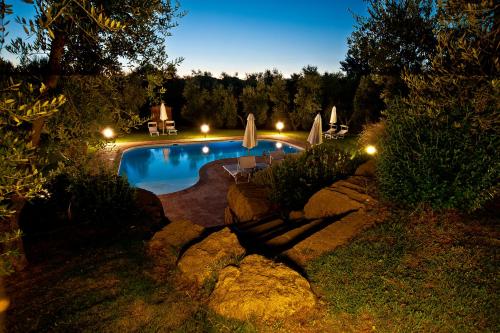 AgriturismosAgriturismos autour de Pitigliano52 agriturismos à moins de 12 km
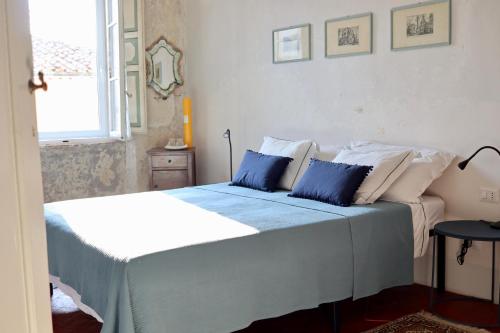 AccommodationsOù dormir autour de Pitigliano168 hébergements à moins de 12 km
Questions fréquentes
Si tu parles de la « dernière plage » de Toscane avant le Latium, elle se trouve à Chiarone Marina, dans la commune de Capalbio, tout au sud de la région. Le nom désigne…
Lire la réponse complète →Pitigliano est surnommée la « petite Jérusalem » parce qu’elle a accueilli une communauté juive importante, dont la présence a profondément marqué la ville. À partir du XVIe siècle, des familles juives fuyant les…
Lire la réponse complète →À Pitigliano, le parcours principal des voies creusées dans le tuf forme une boucle d’environ 10 km, à compter en près de 3 heures sans longues pauses. Tu pars de Piazza Garibaldi, descends par…
Lire la réponse complète →À Pitigliano, la spécialité la plus emblématique est le sfratto dei goym — mais attention, c’est un dessert, pas un plat salé. Ce bâtonnet de pâte renferme une garniture de miel et de noix,…
Lire la réponse complète →L’histoire de Pitigliano remonte aux Étrusques, mais le nom de la ville apparaît dans un document écrit seulement en 1061. Les Étrusques ont laissé des nécropoles et des vie cave, des chemins creusés dans…
Lire la réponse complète →À Vulci, visite d’abord les vestiges de la cité étrusco-romaine, puis le Castello della Badia et son musée : petite précision, Vulci n’est pas en Toscane mais dans le Latium, près de la frontière…
Lire la réponse complète →Explorer
Envies, types et zones : chaque lien mène à une page avec sa liste, sa carte et ses conseils.
Notre conseil
Hidden Tuscany is an independent travel guide devoted to authentic Tuscany, far from the saturated tourist circuits. Our directory lists the places we have personally visited and documented: free-access wild hot springs, inhabited medieval villages, little-known Etruscan trails, discreet wineries, restaurants of trattoria family-run.
Each listing is rated on five criteria — authenticity, accessibility, value for money, photogenic quality and overall experience — to help you prioritize your visits according to your expectations. Whether you are planning a weekend in the Maremma, a thermal stay in Saturnia, a tour of the tuff villages or an exploration of the Etruscan coast, our directory is designed to be your starting point.
Use the filters by thematic hub or by place type to refine your search. The «Top ratings» ranking guides you toward our absolute favorites. Each card leads to a complete listing with detailed description, ratings per criterion, GPS coordinates and practical tips.
Trier par
Univers
Place type
Territory
Note Toscane Cachée
Notre note sur 10 est volontairement exigeante : les coups de cœur sont les 10 % les mieux notés du hub.
 Français Français
 Italiano
 English
 Polski
 Português do Brasil
 Nederlands
 Español
 Deutsch