

Forget the summer crowds and the scorching sand to discover a wild and intimate Tuscany. In winter, Maremma welcomes you with a mild climate and deserted Etruscan sites, perfect for unpretentious exploration.
Dive into Saturnia's 37°C waters or wander the alleyways of Pitigliano to experience an authentic experience in the heart of the province of Grosseto.
Why visiting Maremma in winter changes your experience
Winter in Maremma offers mild temperatures around 10-15°C, privileged access to Saturnia's 37°C hot springs and total solitude at the Etruscan sites of Pitigliano, far from the summer crowds.
This mild climate, specific to southern Tuscany, radically transforms your outdoor exploration days.
Average temperatures between 10 and 15°C, natural protection of the province of Grosseto against cold winds and frequent sunshine in January.
A Mediterranean microclimate ideal for exploring
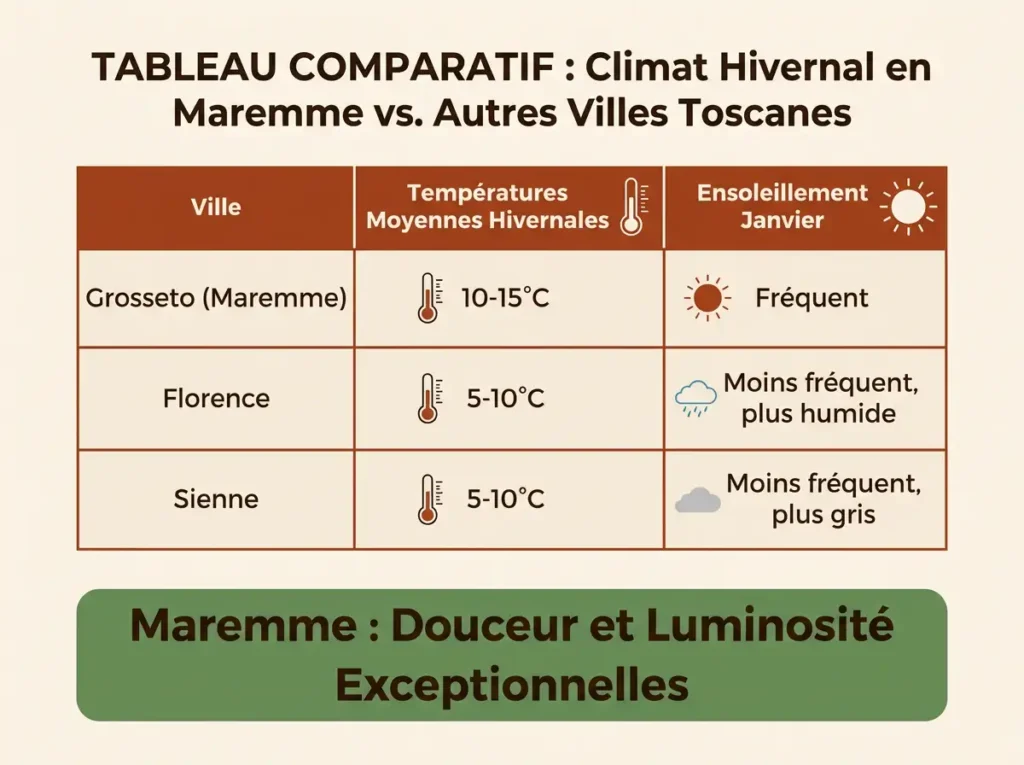
The province of Grosseto benefits from natural protection against cold winds. The sun often shines there in January. You enjoy a surprising mildness for the season.
Compare this climate with Florence or Siena, often more humid and grey. Here, you enjoy’exceptional brightness for your photos. The sea air stabilizes daytime temperatures.
You can walk without sweating on the trails. The coastal paths are bathed in magnificent raking light. It's the perfect time to monitor the weather and the seasons locals.
The privilege of solitude at the historic sites
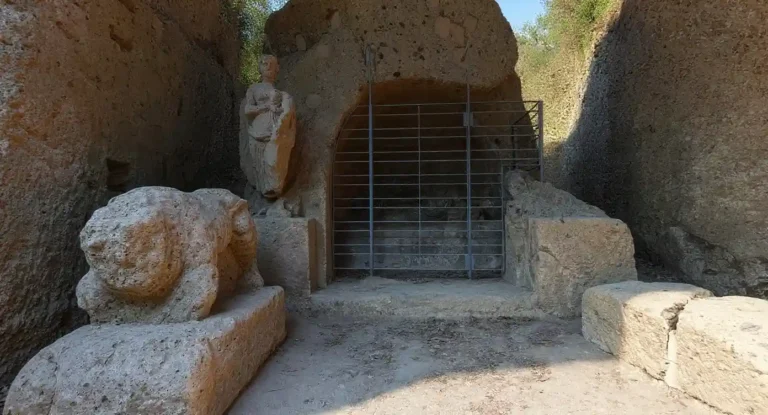
Listen to the silence that reigns over the Etruscan necropolises. You are alone facing millennia-old history. The atmosphere becomes almost mystical without the usual noisy groups.
Wander freely through the narrow medieval alleys. The locals take back possession of public space. You never wait anymore to take a perfect photo.
Site keepers are more available for a chat. You discover details invisible in the height of summer. You can even imagine the life of winter seasonal workers of the past.
It's a total immersion. You truly feel the wild soul of this ancient land.
The tufa cities frozen in winter silence

Pitigliano
Tuff village perched on its cliff, with Jewish quarter, synagogue from 1598, Palazzo Orsini et Vie Cave carved by the Etruscans

Tosco Make sure to stop at the viewpoint on the road when arriving from Manciano at sunset: seeing this village carved into the tuff suddenly blaze with color is one of the craziest panoramas in all of Tuscany!
After tasting the mildness of the climate, head east to discover the gems carved into the volcanic rock.
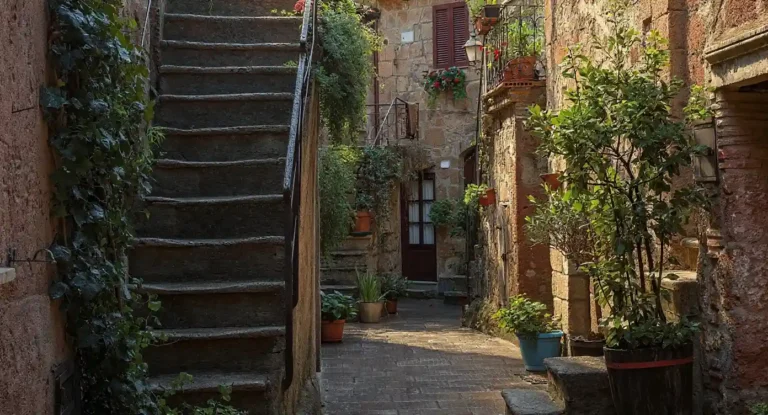
Pitigliano literally springs from its tuff cliff. Its spectacular silhouette seems to defy the laws of gravity. In winter, the morning mist envelops the walls, reinforcing this unreal aspect.
Explore the Jewish quarter, nicknamed the Little Jerusalem. Visite la synagogue sans subir la foule habituelle. Prends aussi le temps d’admirer les ancient wine presses carved directly into the dark rock.
Observe the view from the ramparts at sunset. The tuff stone then takes on intense orange hues. The cool wind stings your cheeks, but the horizon remains perfectly clear. It's a pure moment of contemplation.
Deliberately get lost in the narrow stairways. Every nook reveals an architectural detail or a small sleepy square. To miss nothing, check out this complete guide to Pitigliano before your departure.
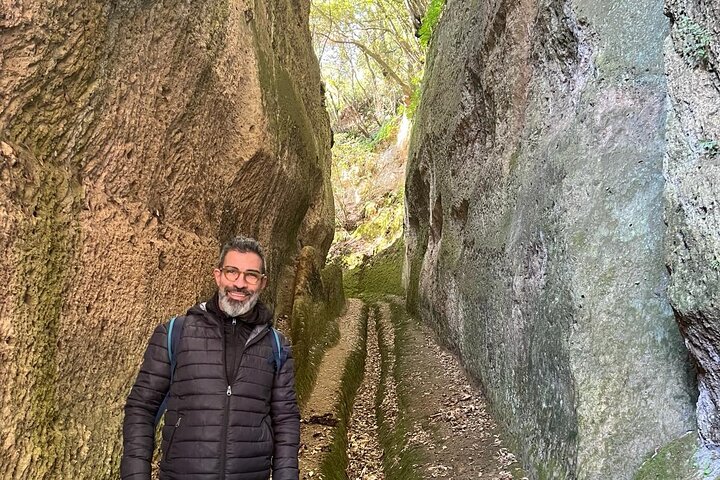
Take the Vie Cave, these mysterious paths carved by the Etruscans. In winter, the moss displays a brilliant green on the walls. The ambient humidity makes the volcanic rock darker and more imposing.
Then explore Sovana, a tiny but historically powerful village. Its Romanesque cathedral is a true masterpiece a model of architectural sobriety. The total inner silence is conducive to the deepest contemplation.

Finish with the Orsini fortress that dominates Sorano. Its massive military architecture impresses with its raw power. The viewpoints over the wild valley are simply dizzying from the heights.

These villages seem completely out of time. You feel like a solitary 19th-century explorer. This is the true luxury of slow travel in this Etruscan area of the Maremma.
Where to find the best hot springs in the middle of winter?
If the cold starts to numb you, know that the Maremma land hides treasures of natural warmth.
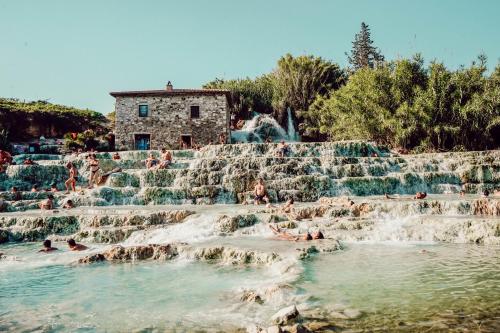
The Cascate del Mulino sont gratuites et ouvertes toute l’année. L’eau jaillit à 37,5 degrés précisément. C’est un geological miracle accessible to everyone.

Imagine the contrast between the fresh air and the water vapor. Your body instantly relaxes in the sulfur. The white limestone basins shine under the winter sky. It is a unique sensory experience.
Come at sunrise to avoid the crowds. The steam creates a mystical curtain over the river. This is the best time for tranquility.
| Thermal spring | Access | Temperature | Winter atmosphere |
|---|---|---|---|
| Saturnia | Free | 37.5°C | Mystical steam and limestone pools. |
| Petriolo | Free/Paid | 43°C | Wild setting under an old viaduct. |
| Bagno Vignoni | Paid/View | Variable | Historic pool in the heart of the village. |
Prepare a warm bathrobe for getting out. The thermal shock is sharp but invigorating for the body.
The Petriolo springs are located between Grosseto and Siena. They are nestled under an old Roman viaduct. The setting is wild and wooded.

You can choose the natural pools by the riverside. Or prefer the private thermal facility right next door. The comfort there is superior for winter.
The sulphurous waters heal the respiratory tract. They are ideal for strengthening your immune system. Your body will thank you for this break.
Don't forget to hydrate well after the bath. The heat is tiring despite the feeling of well-being. It's the winter ritual par excellence.
To face the cold as in the old days, take a look at the historical use of the bed warmer to keep warm. Today, a thick bathrobe and constant moisturizing after the sulfur are your best allies.
Our picks · Saturnia
Our favorite spots around Saturnia

Hikes and raw nature between sea and hills
Once warmed up, pick up your walking stick again to explore the natural parks at their most beautiful.
The Maremma Park under a raking light
The Uccellina park offers magnificent trails to San Rabano. The medieval abbey stands proudly among the oaks. The climb is easier in winter.
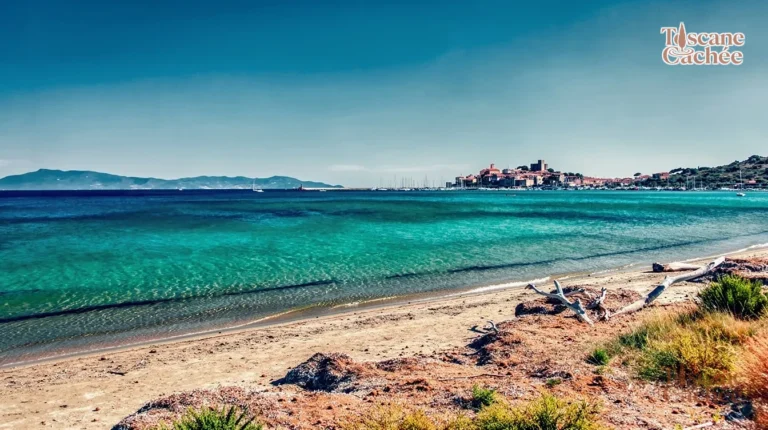
Uccellina Park
Coastal park of 9,000 hectares between pines, scrubland and cliffs, with 25 km of coastline, the abbey of San Rabano and herds living in the wild

Tosco If you attempt the walk to Cala di Forno, set off as soon as Alberese opens and bring plenty of water: on these wild beaches, no snack bar or parasol, just my boar cousins and the fallow deer roaming free!
The beaches of Marina di Alberese are deserted. You can walk for miles on the fine sand. The bleached tree trunks create a surreal setting.

Bring good walking shoes and a windbreaker. The weather can change quickly near the sea. Also take water and some dried fruit. The wild nature here has remained intact.
The late afternoon light is a gift. It highlights the relief of the hills with incredible precision.
Meeting the butteri and the wildlife
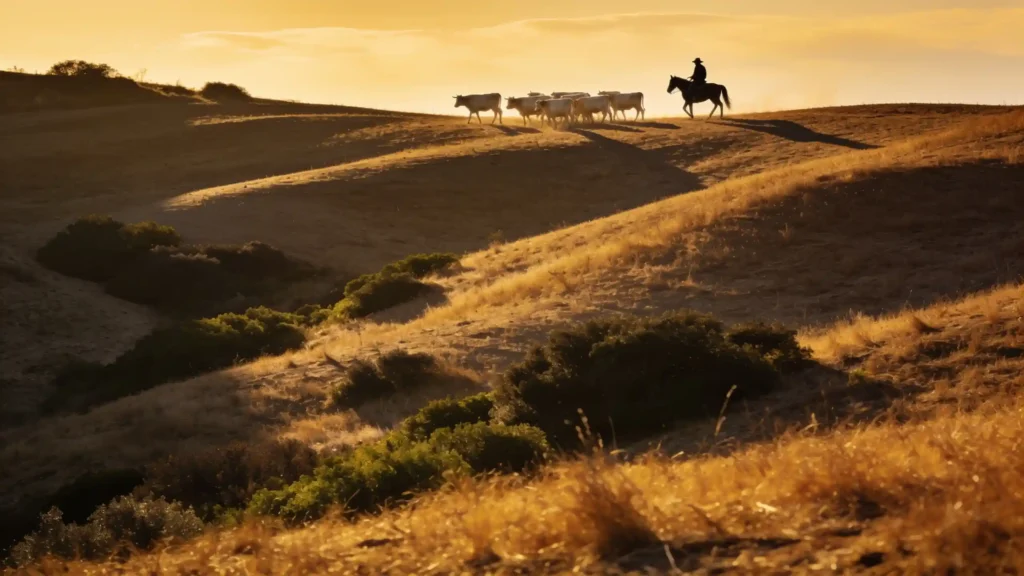
The butteri are the guardians of equestrian traditions. You can see them working with the Maremmana cattle. Their gestures have remained unchanged for centuries.
Winter is the ideal season to observe animals. Deer and wild boar come out of the woods more easily. Be discreet and use binoculars.
La Diaccia Botrona is a paradise for birds. Flamingos often winter in these marshes. It's a colorful spectacle in the gray landscape.
This wildlife is the beating heart of the region. It symbolizes resistance to mass tourism. Discover this butteri tradition and respect their tranquility during your visits.
5 culinary specialties to face the cold
After physical effort, it's time to sit down to discover the robust gastronomy of the Tuscan winter.
The land dishes between game and peasant soups
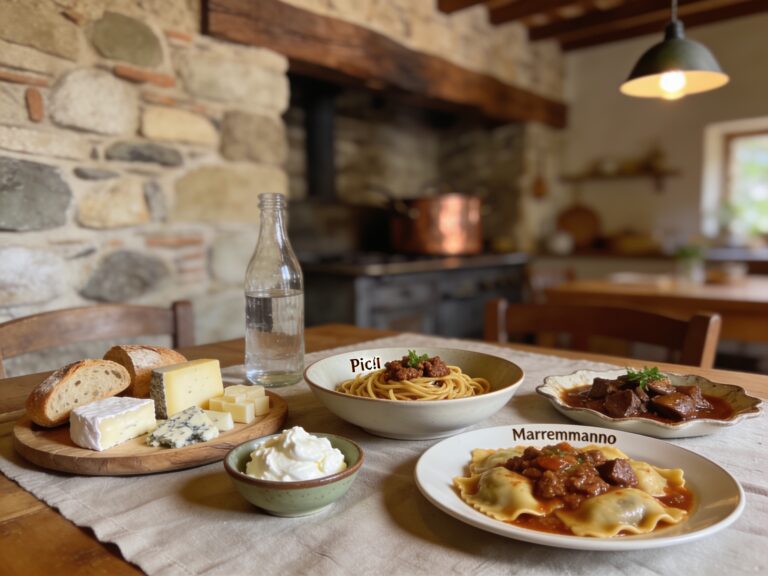
Wild boar in sauce is the king of winter tables. The meat marinates for a long time in red wine. It's a powerful and very comforting dish.
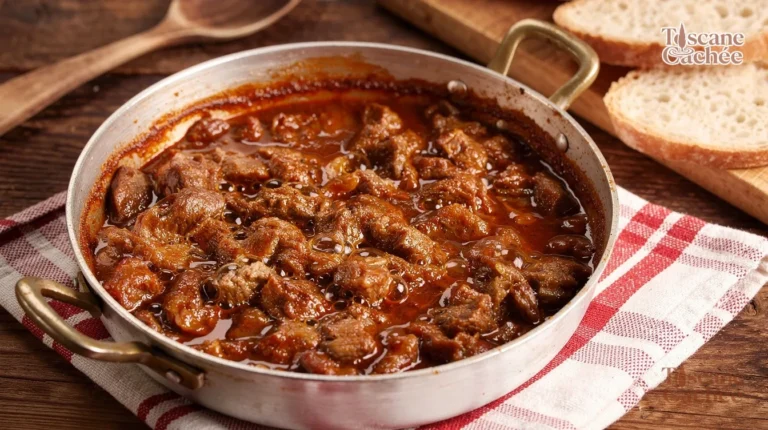
Cinghiale in umido
Cinghiale in umido is the traditional wild boar stew of the Maremma, said to be the ideal pairing for the red wines of the Area del Tufo
Tosco It's a bit delicate for a young wild boar like me to talk about it, but if you stop by Scansano, you absolutely must order it with steaming polenta so as not to leave a single drop of this Morellino sauce!
Acquacotta is the historical soup of the shepherds. It consists of stale bread, onions, and an egg. It is the very essence of peasant cooking.
Traditional soup of the Maremma, literally ‘cooked water’, made with stale bread, onions, seasonal vegetables, and a poached egg.
Don't forget the chestnuts of Mount Amiata. They are enjoyed roasted or as flour for cakes. They bring a welcome sweetness at the end of the meal. It is the authentic taste of the mountain.
- The wild boar stew
- Traditional Acquacotta
- The Maremman Tortelli
- Chestnut soup
- The Castagnaccio
The green gold and the cellars of Morellino di Scansano
New olive oil arrives just before winter. It is fiery, green, and full of character. Taste it simply on a slice of toasted bread.
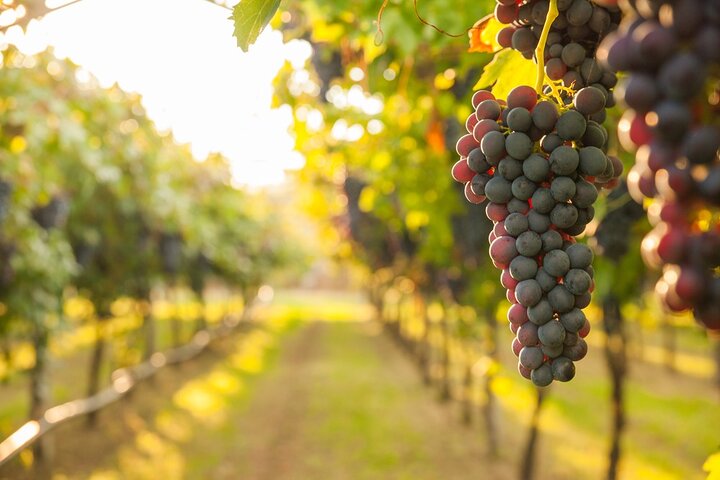
The Morellino di Scansano pairs perfectly with red meats. This wine is produced on the surrounding hills. It has an elegant and warm structure.
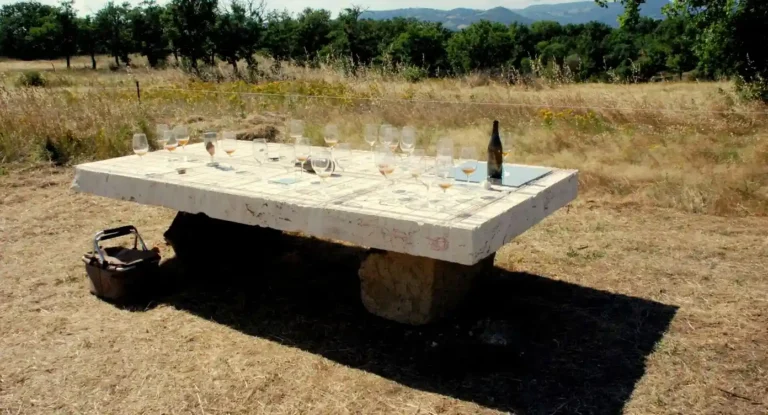
Many cellars remain open for tastings. It's an opportunity to meet the winemakers without the summer crowds. They gladly share their passion.
Take advantage of these moments to fill your trunk. These products are the best souvenirs to bring back. They will extend your trip once you return home.
Wine tastings · Scansano
Our favorite tastings around Scansano
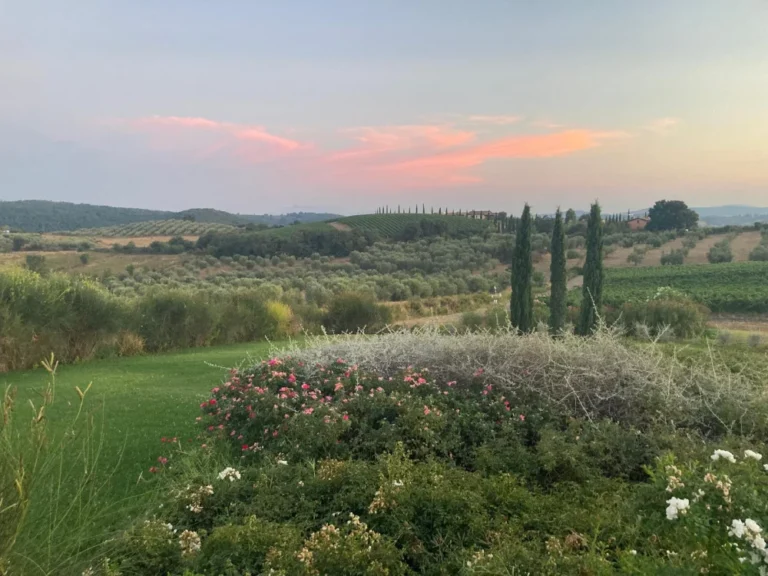
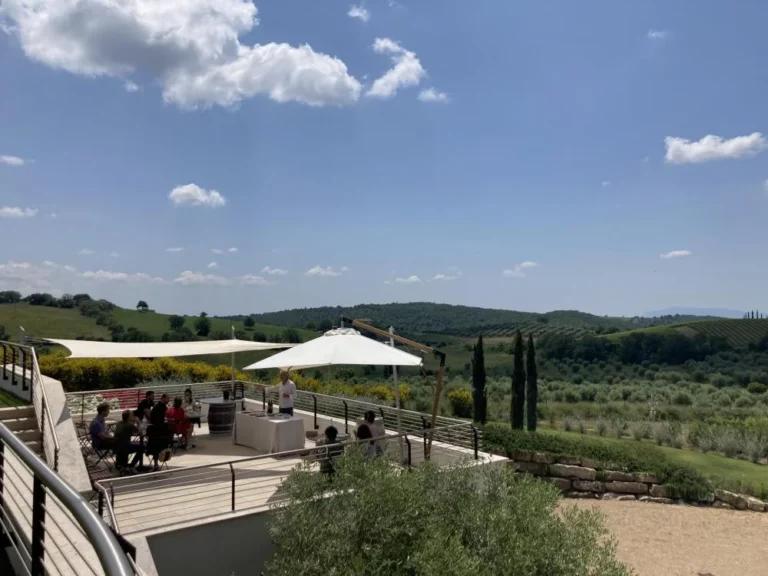
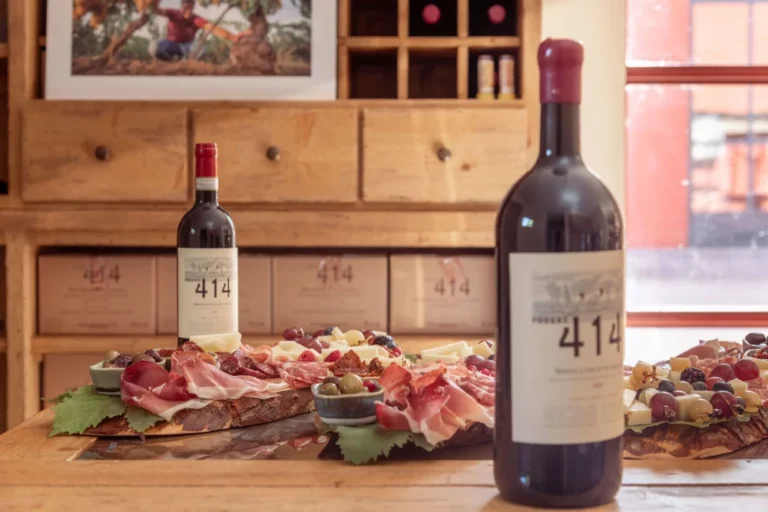
Alcohol abuse is dangerous for health, consume in moderation.
Practical tips for your successful winter stay
For your adventure to go smoothly, here are some essential logistical keys.
The car as an indispensable tool of freedom
Renting a car is mandatory to explore the countryside. Public transportation is scarce between small villages. You gain a precious freedom of movement.
The roads are generally in good condition but winding. In winter, the parking is free in almost all the centers. It's a considerable advantage.
Pick up your vehicle at the airport of Rome or Pisa. Rental rates are much lower in the off-season. Check the condition of the tires carefully before setting off. Safety is paramount on the hills.
Download your maps in advance for the GPS. The signal can be weak in some remote valleys. Be ready for the unexpected and enjoy the passing scenery while following my tips for driving in Maremma.
Where to stay between agritourismos and wine estates
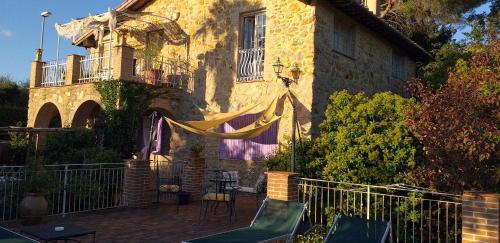
Choose an agritourism with a fireplace for your evenings. It's the height of comfort after a day of walking. The owners' welcome is often warmer.
Always check that the establishment has efficient heating. Some old stone buildings can stay cold in January. Ask when booking.
Check for the presence of an efficient heating system or a working fireplace before booking a stone agritourism property; some establishments close for works in winter.
Check the list of recommended accommodations on Toscane Cachée. These are addresses tested and approved for their authenticity. You will find farms that are still in operation. It is the guarantee of a successful stay.
Book a little in advance even in low season. Some estates use the winter to carry out works. A simple phone call is enough to confirm the opening and explore your accommodation options.
Visiting Maremma in winter gives you privileged access to a raw and silent Tuscany, between steaming hot springs and deserted tuff villages. You enjoy a genuine immersion in local traditions, far from the summer hustle and bustle. Are you ready to trade the crowds for the serenity of the Grosseto hills?
That’s an excellent question, and I can assure you that your fears are unfounded! Maremma in winter is a destination of choice, offering a totally different and often more authentic experience than during the high summer season. Unlike other regions of Tuscany such as Florence or Siena, which can be grey and damp in winter, the province of Grosseto benefits from a particularly mild Mediterranean microclimate. Average temperatures generally range between 10 and 15°C, and the sun is surprisingly frequent, even in January. This mildness is due to the natural protection of the Apennines against cold winds and to the maritime influence.
As for activities, you will be pleasantly surprised by the wealth of possibilities. The absence of crowds will allow you to explore the Etruscan sites such as Pitigliano, Sorano and Sovana in an atmosphere of absolute serenity, a historical immersion that summer cannot offer. The Cascate del Mulino in Saturnia, with their 37.5°C water, are an even more magical experience in winter, the contrast with the cool air creating mystical vapors. You can also enjoy hiking in the Maremma Natural Park (Parco dell’Uccellina) where the low winter light enhances the landscapes and where wildlife is more easily observable. Finally, the local gastronomy, with its comforting dishes such as Cinghiale in umido or Acquacotta, is perfectly suited to the season, and you can taste Morellino di Scansano directly at the producers’ estates, who are often more available. It is an ideal time for a slow and immersive trip, far from the tourist hustle and bustle.
Absolutely! If you are passionate about Etruscan history, Maremma in winter is the ideal time for a deep and unencumbered immersion. One of the greatest advantages of this season is the near-absence of tourists, which transforms the experience of the archaeological sites. Imagine yourself strolling through the narrow streets of Pitigliano, nicknamed «Little Jerusalem», without the summer hustle and bustle. You can explore the synagogue, the ancient wine presses carved into the rock, and the ramparts in complete tranquility, the tuff stone taking on intense orange hues under the winter sun. The silence that reigns over these places will allow you to fully feel the thousand-year-old history and the soul of these cities.
The Vie Cave, these mysterious paths carved by the Etruscans, are particularly impressive in winter. The ambient humidity makes the volcanic rock darker and more imposing, and the moss displays a brilliant green on the walls, creating an almost fairy-tale and mystical atmosphere. You can follow these unique trails near Pitigliano, Sovana, and Sorano, without rushing. The site keepers are often more available to share anecdotes and information, greatly enriching your visit. It is a rare opportunity to discover these Etruscan treasures in their most authentic state, far from the hustle and bustle, with winter light that highlights every architectural and landscape detail. Don’t forget to consult a complete guide on Pitigliano before your departure to optimize your exploration.
Your dream of thermal bathing in winter is entirely achievable and even highly recommended in Maremma! The Cascate del Mulino in Saturnia are indeed the reference point and an unmissable experience. They are completely free, open 24/7, and the water gushes out at a constant temperature of 37.5°C. The contrast between the cool air and the warmth of the water, with the steam rising from the white limestone pools, is absolutely magical, especially at sunrise for maximum tranquility. It is a unique and very rejuvenating sensory experience.
However, the Cascate del Mulino are not the only option! The sources of Petriolo, located between Grosseto and Siena, also offer a wild and free thermal experience. The water there is even hotter, reaching about 43°C, and the setting is magnificent, nestled under an ancient Roman viaduct and surrounded by forests. There is also a private thermal establishment nearby for those who prefer a bit more comfort in winter. Finally, the village of Bagno Vignoni, although further north and therefore slightly outside Maremma proper, is famous for its historic thermal pool in the heart of the village. Although direct access to the pool is paid via the adjacent establishments, the view of this unique square is free and well worth the detour. For all these options, plan a warm bathrobe and water shoes to make the transition between water and cold air easier, and don’t forget to stay well hydrated after each bath to fully enjoy their benefits.
Absolutely! The Maremma Natural Park, also known as the Parco dell’Uccellina, is a true gem to discover in winter. At this time of year, nature reveals itself in a different light, often softer and more photogenic, and the absence of crowds guarantees precious tranquility for wildlife observation. The trails are perfectly accessible, and the mildness of the Maremma climate makes hiking very enjoyable, far from the sometimes overwhelming heat of summer.
I highly recommend the trails leading to the Abbey of San Rabano, a magnificent medieval structure nestled among the oaks, offering breathtaking views of the coastline. The climb is easier in winter, and the atmosphere is very serene. For deserted coastal landscapes, the beaches of Marina di Alberese are a must. You can walk for miles on the fine sand, admiring the tree trunks bleached by the sea, in an almost surreal setting. It is also the ideal season for wildlife watching: deer and wild boar come out of the woods more easily, and the Diaccia Botrona, a protected wetland, becomes a paradise for migratory birds, including flamingos. Don’t forget to bring good walking shoes, a windbreaker, and binoculars for animal watching. It is a unique opportunity to connect with the wild and preserved nature of Maremma, and perhaps to meet the famous Butteri, the horseback herd keepers who perpetuate an ancestral tradition.
Excellent idea to choose an agriturismo for your winter family stay in Maremma! It is the ideal type of accommodation for an authentic and warm experience. However, it is crucial to choose carefully to guarantee your comfort. The most important point to check is the presence of effective heating. Many agriturismos are installed in old stone buildings which, although charming, can be cool in winter if the heating system is not efficient. Don’t hesitate to ask the question explicitly when booking: ask whether the agriturismo has central heating, radiators in all the rooms, and whether there is a functional fireplace, which adds undeniable charm to winter evenings.
I advise you to favor agriturismos that highlight their winter ambiance, sometimes with photos of fireside fires or cozy spaces. Some estates take advantage of winter to carry out work, so it is always good to confirm that they are open. For addresses tested and approved for their authenticity and comfort, even in winter, I invite you to consult the list of recommended accommodations on Toscane Cachée. You will find working farms there, often offering local products to taste. Also remember to check the proximity of villages or restaurants if you do not plan to cook every evening. A good agriturismo in winter is the guarantee of cozy evenings after days of outdoor exploration, a perfect combination for a successful family vacation.
Renting a car is indeed essential for exploring Maremma in winter, as public transport is scarce and not well suited to discovering small villages and remote natural sites. It is your passport to total freedom! The roads in Maremma are generally well maintained, even in winter. They are often winding, crossing hilly landscapes, but most main and secondary routes are passable without difficulty. It is always wise to check the condition of the rental vehicle’s tires before setting off, especially if you plan to venture onto less frequented or high-altitude roads, even if snow is rare in this coastal region.
A considerable advantage of winter is parking: in almost all historic centers and villages, parking is free at this time of year, which will save you time and money compared to the high season. As for driving itself, be attentive to possible patches of frost early in the morning in shaded or high-altitude areas, although this remains infrequent. The GPS signal can sometimes be weak in certain remote valleys, so I strongly recommend that you download your maps in advance for offline navigation. Finally, don’t hesitate to consult my tips for driving in Maremma to be perfectly prepared. Driving in winter offers magnificent views of a peaceful and authentic Maremma, with winter light that enhances the landscapes. Take your time, savor the journey, and let yourself be carried away by the beauty of the place.
Around this article



Is the map not displaying? See accommodations on Stay22
Map and prices provided by Stay22: Toscane Cachée may receive a commission on bookings.
You will also like

When to go to Central Italy: the month-by-month calendar to avoid pitfalls
Discover when to go to the Maremma to avoid the heatwave. Choose spring or autumn…
Saturnia vs Petriolo: which to choose according to your traveler profile?
Choose between Saturnia at 37.5°C and the wild Petriolo at 43°C. Find out which bath...

Visiting Pitigliano in 2026: guide to the tuff city
Discover how to visit Pitigliano in 2026. Explore Little Jerusalem, its Etruscan Vie Cave…

Top 5 spectacular Etruscan sunken roads in Maremma
Explore the 5 most beautiful Etruscan sunken roads in Maremma. Discover these paths of...