










Do you really think medieval Tuscany boils down to the towers of San Gimignano and Siena's Piazza del Campo? The authentic side lies elsewhere, far from the crowds and souvenir shops, rooted in a landscape of volcanic tuff that the Etruscans carved out three thousand years ago.
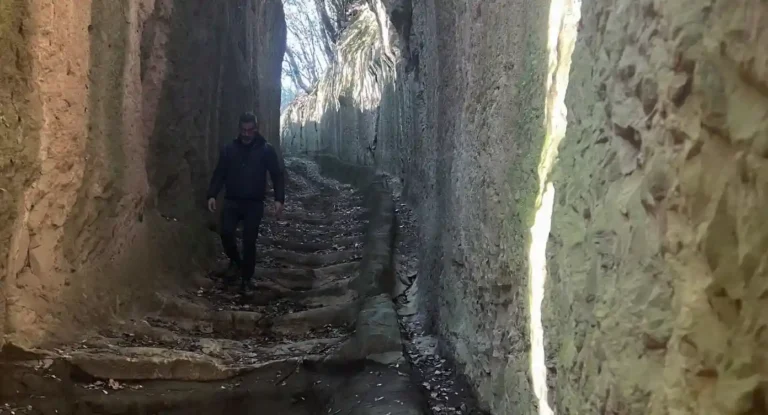
In Maremma, five villages seem to defy gravity, perched on rocky outcrops. They are not postcard backdrops, but inhabited places, connected by a network of secret paths, the Vie Cave, which are the very soul of this territory. It is here, in the south of the province of Grosseto, that the Tuscan Middle Ages are still lived on a daily basis, without artifice.
My selection is not based on popularity, but on a blend of preserved architecture, a tangible connection to Etruscan history, and that unique atmosphere that only wild Maremma can offer. Each village has its own identity, its specific religious heritage, and a different reason to stop there: one for its tuff wines, another for its vertiginous hikes, and yet another for the absolute serenity of its narrow lanes.
What do they have in common? An almost total absence of mass tourism. You come here to walk on the same stones as medieval merchants and Etruscan pilgrims, not to push your way through guided tour groups. Spring (April-June) or autumn (September-October) are the ideal periods for this immersion, when the light is soft and the villages regain their rhythm after the summer.
To choose your village, ask yourself what you are really looking for: an impressive fortress, an immersion in the vineyards, or the starting point for the most beautiful hikes along the Vie Cave. They are all beautiful, but each excels in one area.
These five gems are easy to visit in two or three days, as they are geographically close to one another. You can stay in a agriturismo one and make day trips. It's the perfect opportunity to discover a radically different Tuscany, where heritage is not a showcase, but the very foundation of local life.
Montiano: the forgotten village of the Crete Senesi plateau

Montiano
Montiano est un village perché des collines de l'Albegna, ceint de walls médiévales au passé aldobrandesque et siennois

Tosco If you want a far more secret alternative to Magliano in Toscana, go and get lost in the oval enclosure of Montiano: its Aldobrandeschi walls have remained untouched since the Middle Ages!
You leave the hustle and bustle of the coastal villages for an almost absolute silence. Montiano is not a stop on a postcard, it is a raw sensory experience, a lesson in light and stone. If you are looking for authenticity without embellishment, far from souvenir shops and crowds, this is where your path must lead.
These are the famous "clay hills" of Tuscany, south of Siena. Their rolling, bare landscapes, streaked with cypresses, offer a unique, almost surreal atmosphere, which Montiano overlooks with tranquil majesty.
A discreet perch far from the tourist radar
Perched on its rocky outcrop, Montiano dominates the Crete Senesi plateau with a discretion bordering on insolence. No advertising signs, no queues, no mass tourist infrastructure. The village is a maze of paved lanes so narrow that sunlight only penetrates in fleeting, slanting bursts.
The medieval architecture is preserved in its original state, without ostentatious restorations. The rough stone façades tell centuries of history to those who know how to observe them. The atmosphere is dominated by an almost religious silence, disturbed only by the wind and the rustling of lizards on the warm walls.
Why Montiano rather than another
The reason is simple: visitor numbers are ultra-minority. Compared to the coastal villages of Maremma or very busy places like San Gimignano, you'll have Montiano almost to yourself, especially on weekdays. It's a deliberate choice for those who flee the beaten tracks.
This voluntary isolation makes it an ideal playground for photographers and travelers seeking raw visual compositions. Here, no need to frame to avoid tourists; the austere, minimalist beauty gives itself fully, without artifice. It's the antithesis of the Instagrammable village: it's a village to *feel*.
Come in the late afternoon. The raking light of the setting sun transforms the stone facades into a palette of warm colors, from ochres to oranges, and accentuates the shadows of the labyrinthine alleys. It's magical.
What to do on site
Don't expect structured activities. The only thing to 'do' in Montiano is to let yourself be absorbed by its atmosphere. Wander without an agenda through the medieval maze, deliberately get lost. Every turn reveals a new perspective on the alleys or a plunging view over the rolling hills.
Nos adresses · Montiano
Nos adresses préférées autour de Montiano
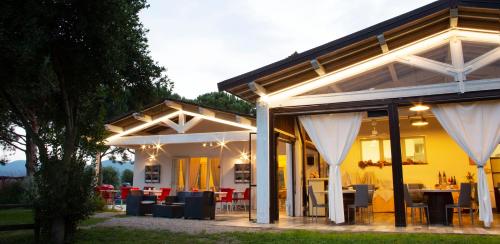
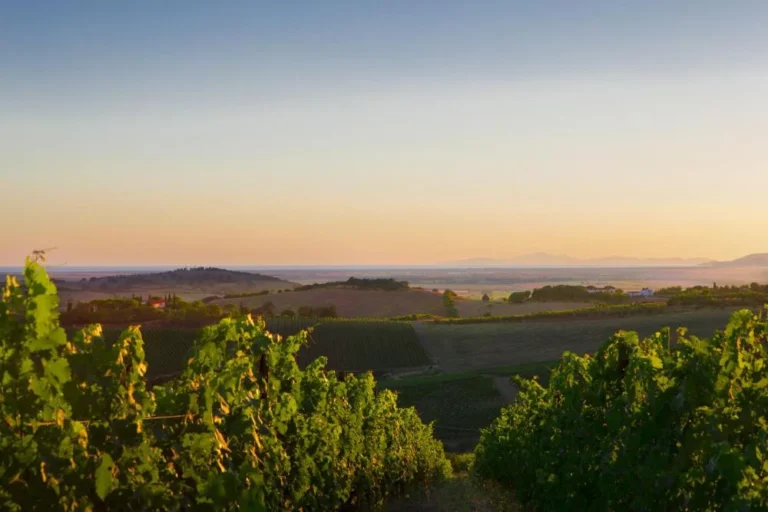
Belguardo Express wine tour and tasting in the heart of the Maremma
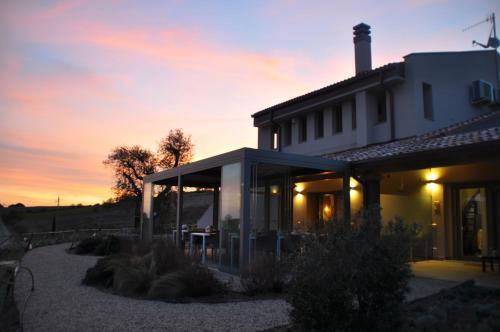
Alcohol abuse is dangerous for health, consume in moderation.
Pereta: the forgotten fortress of inland Maremma

Pereta
Pereta is a village in the Etruscan Coast with ancient walls and medieval alleys, marked by an Etruscan and Roman past

Tosco Forget the crowds of the big towns: with its incredible 29-meter tower and its silent alleys, Pereta is the Maremma's best-kept secret, perfect to combine with a wine stop in Scansano!
If you're looking for a medieval village that hasn't been smoothed over for tourists, stop at Pereta. Here, no souvenir shops or over-themed museum. Just a massive fortress, half abandoned, dominating hills of vineyards as far as the eye can see.
Access must be earned: a winding road snakes through the isolated countryside before emerging onto this mineral eyrie. You'll feel the strategic isolation that dictated its location centuries ago.
A castle-village frozen in the Middle Ages
Pereta is one of the rare examples of a fortress-village whose defensive architecture has remained intact. The thick walls, narrow gates and zigzagging alleys respond to a single logic: protection.
Unlike other more restored sites, here the stone still bears the stigmarks of time. The traces of wear, the impacts, the masonry repairs tell a raw story, without embellishment.
A medieval settlement where the fortified enclosure and the dwellings are one. Defense takes precedence over comfort, dictating the narrowness of the alleys and the height of the walls.
Access is via a single winding departmental road. Plan to park before the village; the alleys are too narrow for cars.
The architectural unusual
What strikes you at Pereta is its hybridity. The fortress is partially inhabited, some parts are abandoned, others minimally maintained. This coexistence creates a unique atmosphere, between suspended life and stony melancholy.
There is no marked route or explanatory sign. The experience is direct, sensory: the silence, the coolness of the walls, the raking light sliding between the tightly packed houses.
Climb up to the remains of the ramparts. The view over the vineyards and the rolling hills of Maremma alone justifies the detour. You understand why they built here.
Immersive experience
Here, you don't visit a set, you walk in the footsteps of the 14th-century inhabitants. The narrowness of the passages, the height of the walls, the absence of an escape route: you physically feel the defensive logic that governed everything.
Explore the still accessible walkways, touch the cold stone, observe the arrow slits. It's a lesson in medieval architecture far more telling than a museum.
Come in the late afternoon on weekdays. The light is sublime, and you'll have a great chance of being alone facing the stones and the wind.
The honest nuance? It's not a spectacular or photogenic site in the Instagrammable sense of the term. It's austere, minimalist, and it won't appeal to those looking for easy picturesqueness.
Pereta is a contemplative stop, for those who love raw history and places that still breathe their original vocation. If you're in that mood, it's a stop worth the trip.
Combine it with a tasting in the surrounding vineyards or a visit to Santi Vinai festival in Pitigliano for a perfect contrast between mineral heritage and local flavors.
Nos adresses · Pereta
Nos adresses préférées autour de Pereta
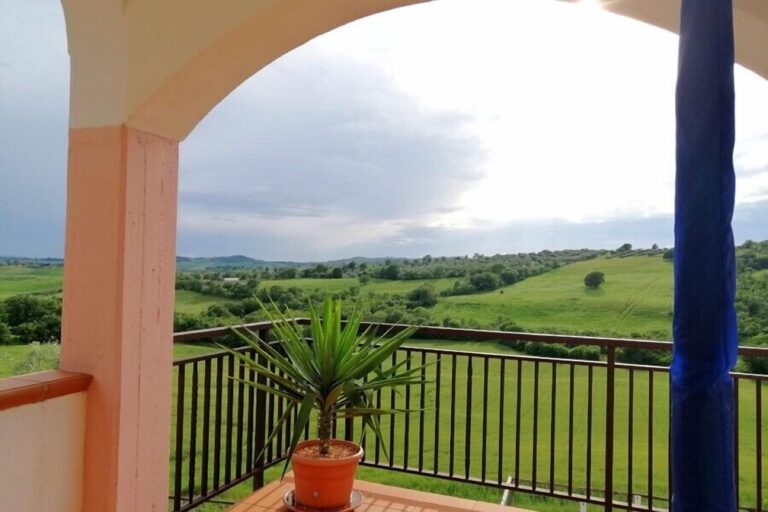
Alcohol abuse is dangerous for health, consume in moderation.
Rocchette di Fazio: the authentic tuff hilltop village

Rocchette di Fazio
Rocchette di Fazio is a medieval hamlet with stone facades adorned with Templar crosses and engravings, watched over by its commandery above the Albegna valley

Tosco Ouvre l'œil sur la façade du Palazzo dell'Ospedaletto : repérer la gravure de l'effigie de Baphomet au milieu du silence de ce village fantôme donne un sacré frisson médiéval !
After the sobriety of Pereta, Rocchette di Fazio plunges you into another dimension. Here, forget the easy picturesqueness of Pitigliano or Sorano. This village is a lesson in raw architecture, a place where tuff is not a backdrop, but the very substance of life.
You will discover a medieval settlement that has literally melted into the volcanic rock, without ornamentation or superficial restoration. It's the anti-postcard, an immersive experience for anyone who wants to understand how man domesticated the mineral.
Raw tuff architecture and mineral landscape
At Rocchette di Fazio, the border between nature and the built environment is deliberately blurred. The houses are not built *on* the tuff, but *in* the tuff. The facades follow the contours of the rock, and many dwellings have cellars that are in fact enlarged natural cavities.
Unlike the better-known villages, you will not find repainted facades or neo-traditional shutters. The architecture is purely vernacular, designed to withstand the climate and take advantage of the local geology. The result is an organic, almost sculptural ensemble that seems to have grown there naturally.
A style of construction that uses local materials and traditional know-how, responding directly to the practical needs and environmental conditions of a place, without any predefined aesthetic research.
The honest nuance? The village is small and some alleys are very narrow, almost austere. If you're looking for lively beautiful squares and picturesque cafés, you risk being disappointed. The interest lies elsewhere: in the tangible feeling of history and human adaptation.
Geological and historical unusualness
What makes Rocchette di Fazio fascinating is the layering of eras. The medieval construction techniques seem to echo much older know-how, such as that of the Etruscans who carved the famous Vie Cave nearby.
Walking around the outskirts of the village, you may catch a glimpse of the beginning of these paths carved deep into the tuff. This historical continuity is palpable: the habit of digging, of sculpting the rock to move around and take shelter, spans the centuries.
The absence of museification is a blessing here. There are no flashy explanatory panels, just the place in its functional state. You are invited to observe, to deduce the history yourself, which makes the visit much more personal and engaging.
To explore
The visit is not limited to a simple stroll through the alleys. To truly grasp the essence of the place, I recommend leaving the village on foot. Take the paths that descend into the surrounding valleys for a geological perspective.
Observe the architectural details: how the doors are embedded, how the staircases follow the slope of the rock, how the light plays on the porous texture of the tuff in the late afternoon. It's a place suited to photography of details and materials.
Visit the village in the mid-afternoon to enjoy the interplay of shadow and light that sculpts the tuff walls, revealing their full texture. Bring good shoes to explore the surrounding paths.
Combine this visit with a tasting at Santi Vinai festival in Pitigliano for a perfect contrast between raw mineral and the generous flavors of tuff wine. If you're traveling in autumn, also check out our October guide to synchronize your visit with the mushroom sagre.
Magliano in Toscana: the fortified village with a view over wild Maremma
Magliano in Toscana
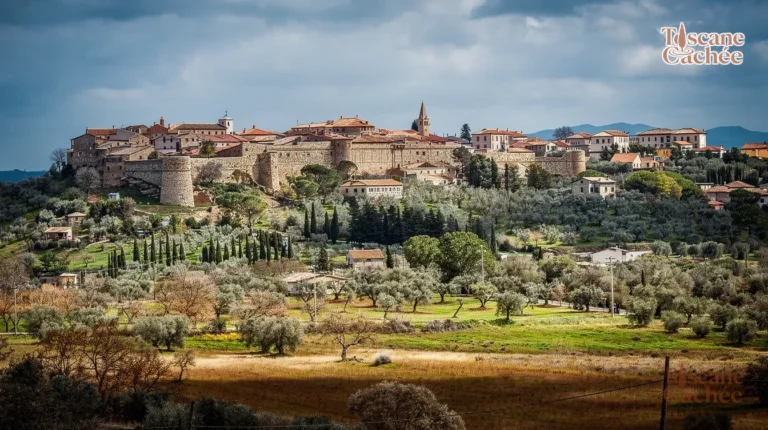
Magliano in Toscana is a village with medieval ramparts, lanes and olive trees, described as far from the crowds in the Grosseto countryside
Tosco Be sure to make a detour via the open-air ruins of San Bruzio at the exit of the village: this raw and isolated spot in the middle of the olive trees easily rivals the famous abbey of San Galgano!
If you're looking for a medieval village whose walls still tell the story of military strategy, stop at Magliano. Here, the ramparts are not a picturesque ruin, but an almost complete defensive belt, a rare case in the Maremma. It is the perfect example for understanding how the local lordships controlled this wild territory.
The position on its hill is no accident. It offered a breathtaking view over the Maremma plain and the wetlands, making it possible to watch the approaches and enemy movements, from coastal raids to conflicts between feudal families. You immediately feel the defensive logic when entering through one of its ancient fortified gates.
Intact ramparts and strategic panorama
What strikes you at Magliano is the continuity of the ramparts. You can literally walk all the way around them, a privilege few villages in the region still offer. This integrity allows you to read the landscape the way its defenders did.
From the walkway or the observation points, the panorama unfolds without obstruction. It is not a romantic view of cypresses, but a raw geostrategic reading: the farmland to be controlled, the natural expanses to be crossed, the total absence of modern urbanization that recalls the site's original isolation. Each gate, like the Porta San Giovanni, was a bottleneck designed for control.
A village whose entire urban layout (narrow streets, enclosure, gates) was designed first for the defense and control of a strategic territory, long before aesthetics or comfort. Magliano is a preserved archetype of this.
Architectural heritage and atmosphere
Inside the walls, time seems to have stood still. The paved alleys are narrow and winding, in keeping with the plan of a medieval fortification where space was not wasted and assaults were made difficult. There have been no modern widenings to make way for cars.
The religious architecture, with the Chiesa di San Giovanni Battista and other buildings, is preserved in its medieval state, adding to the immersion. The contrast is total between this mineral, enclosed atmosphere and the view from the ramparts over the wild immensity of the Maremma. You go from a closed world to an infinite landscape in a few steps.
Reason for the visit
You come to Magliano to understand a different Maremma: not the land of shepherds or thermal springs, but that of territorial control and defense. The experience is immersive because it is physical: walking on the ramparts, passing through the ancient gates, feeling the human scale of the fortification.
The real rarity today is the silence and solitude. Tourist attendance is very low compared to official destinations. You will have this authenticity without having to deal with the crowds of saturated tour circuits, for a trip focused on the historical essence of the place.
Visit in the late afternoon. The raking light accentuates the relief of the ramparts and gives golden hues to the stone, while the heat has subsided. It is also the time when you are most likely to be alone on the walls.
Combine this exploration with a gourmet stop at a nearby winery to taste the wines of the Maremma grossetana. If you are traveling in autumn, also check our October guide to discover the village festivals and the region's mushroom sagre.
Capalbio: the character village with a viewpoint over the coast

Capalbio
Capalbio is a medieval village whose walkway, running along the ramparts and towers, opens onto the sea, the Argentario and the lakes of Burano and San Floriano
Tosco Climb up onto the Rocca's walkway at dusk to see the Maremma sparkle all the way to the sea, and at the restaurant, try the authentic *acquacotta* instead… spare my cousins a little!
If you're looking for a medieval village that offers a unique geographical vantage point over the Maremma, Capalbio is your answer. It is not located directly on the beach, but perched on its hill, it overlooks the perfect transition between the hinterland and the coast. This intermediate position is its strength: you get the authenticity of a preserved fortified village, with the bonus of a rare perspective on the Tuscan coast and its protected natural areas.
Unlike the tuff villages further east, here the horizon opens toward the Tyrrhenian Sea. The experience is as much visual as sensory: you walk on intact ramparts, you explore alleys that are still living spaces, and you catch that particular light that sweeps across the coastal plain. It is a stop that literally gives your road trip some elevation.
Medieval fortification with a view over the Tyrrhenian Sea
What strikes you at Capalbio is the integrity of its enclosure. The stone ramparts and the two medieval access gates are not decorative fragments, but a complete defensive system that you can walk through. Walking on these walls means immediately understanding the logic of the fortress-village: everything is oriented toward surveillance and protection.
The view from the walkway is the major asset. On a clear day, your gaze crosses the farmlands and pine groves to reach the blue line of the Tyrrhenian Sea and, further away, the contours of the island of Giglio. This perspective, where the hinterland meets the coast, is unique among the villages on the list. It perfectly illustrates the hybrid geography of the Maremma.
For the clearest view of the coast, climb up to the section of rampart located west of the village, near the Porta Senese. In the late afternoon, the setting sun lights up the seaward facade, offering a striking sight.
Heritage and unique atmosphere
Inside the walls, Capalbio does not look like a frozen film set. It is an inhabited village, where the medieval heritage is part of everyday life. The discreet Chiesa di San Nicola blends naturally into the maze of paved alleys. The residential architecture, with its solid wooden doors and shuttered windows, is preserved but not museumified.
The atmosphere is that of a place that has found its balance. You will find a few essential shops and one or two restaurants, enough for a pleasant stop, but not enough to turn it into an overcrowded attraction. Its relative isolation preserves its character. The real pleasure lies in aimless wandering, looking for the play of light on the warm stone and the intimate little squares that appear around the corner of an alley.
Hands-on and sensory experience
Visiting Capalbio means accepting to slow down. Plan an hour or two to walk the full circuit of the ramparts, then get lost in the inner labyrinth. Pay attention to the details: the steps worn down by centuries, the wisteria climbing the facades, the perspectives framed by stone arches.
The experience is deeply tied to the geography of the place. On one side, you observe the vastness of the countryside and the first hills; on the other, you glimpse the Orbetello lagoons and the beaches of the Feniglia nature reserve. This double reading of the landscape is what makes the visit memorable. It places you at the heart of what defines the Maremma: a wild territory where land and sea are in constant dialogue.
- Parking : A free parking lot is located just below the ramparts, before the climb up to the village. Absolutely avoid driving into the narrow streets of the walled enclosure.
- Best time : On weekdays outside the summer season (July-August) for a peaceful atmosphere. In the evening, the village is beautifully lit.
- Combine with : A swim on the wild beaches of the reserve or a tasting at a nearby winery. If you are traveling in autumn, find out about the Sagra del Cinghiale for a local tasting experience.
The honest nuance? Capalbio is small. If you expect a museum-village filled with major monuments, you will be disappointed. Its magic lies in the subtlety of its atmosphere and the power of its viewpoint. It is a contemplative interlude, a place to breathe and take in the essence of this Tuscan coast at a single glance.
Our addresses · Capalbio
Our favorite addresses around Capalbio
How to visit these 5 villages: selection logic and timing

This list is not a ranking of the region's "most beautiful villages." It is a deliberate selection, designed to offer an authentic and varied medieval experience, far from saturated tourist circuits. You will not find here the names that appear in every guidebook.
We have chosen five distinct facets of the Maremma's heritage, forming a coherent geographic triangle that you can explore in two or three days without rushing. The goal? To show you that there is an intact medieval Tuscany, where people still get lost for the pleasure of it.
Why these 5 and not the others
Iconic medieval villages like Pitigliano or Sorano, although magnificent, have become very busy destinations. Our primary criterion was therefore genuine everyday authenticity, not tourist fame.

Next, we looked for diversity of heritage angles. Each village on this list embodies a unique atmosphere and architectural character, avoiding redundancy. Finally, their location in the Maremma proper allows for a logical and fluid itinerary, without long unnecessary drives.
- Authenticity vs popularity : Villages where local life prevails over souvenir shops.
- Diversity of angles : A mineral plateau, an isolated fortress, raw tufa, intact ramparts, a coastal view.
- Geographic coherence : A triangle that can be visited in a few days, in the heart of the Maremma.
Thus, Montiano offers you a mineral plateau with stone houses, Pereta a solitary fortress in the hills. Rocchette di Fazio is carved directly into the tufa, Magliano in Toscana protected by its perfect ramparts, and Capalbio gives you that transition toward the sea. Together, they tell a far richer story than a single site.
Itinerary and realistic timing
To explore these five villages without stress, plan for three days. This leaves you one to two hours for a leisurely visit per place, plus travel time and impromptu breaks. Slowness is here a virtue, not a luxury.
Day 1, dive into the inland. Start with Montiano for its mineral and peaceful atmosphere. Then, head to Pereta, its isolated fortress overlooking the olive groves. The journeys between them and from a central base like Scansano do not exceed 30 minutes.
Day 2, explore the defensive heritage and the tuff. Rocchette di Fazio, a ghost village clinging to the rock, is best visited in the morning. In the afternoon, head to Magliano in Toscana for a walk along its exceptionally well-preserved ramparts. They are close to one another, on the same ridge line.
Day 3, conclude with the transition to the coast. Capalbio, with its panoramic view over the Tyrrhenian Sea and the Orbetello lagoon, is the contemplative apotheosis. It is time to slow down even more, before perhaps continuing on to the beach or a last meal inland.
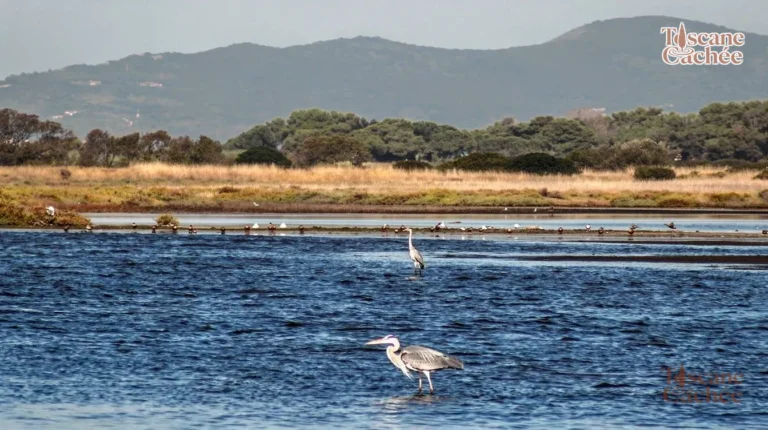
Orbetello lagoons
A 870-hectare WWF reserve, a RAMSAR site, with 272 bird species and three trails, including a 1.2 km birdwatching route with nine observation points
Tosco Hop on a bike to cross the shaded pine forest of the Feniglia in the late afternoon: it's the best way to approach the lagoon in silence and watch the flamingos without frightening them!
Don't schedule every minute. The key is to get deliberately lost in the narrow streets, to push open a church door, to stop on a bench and watch the light change on the stone. It is in these unplanned moments that authenticity reveals itself.
Best time to visit and practical tips
The quality of your experience depends largely on the season. For a raking light that sculpts the stones and minimal crowds, aim for April-May or September-October. Temperatures are pleasant for walking.
Avoid July and August at all costs. The heat can be overwhelming at these exposed sites, and even the hinterland suffers from the influx of coastal mass tourism. Winter is possible, but some small shops or cafés may be closed on weekdays.
As for logistics, be clear: a rental car is mandatory. Public transport between these villages is non-existent or so unreliable that it would make the itinerary impossible. Make sure to look into parking rules and limited traffic zones (ZTL) before you leave.
Finally, adopt the right mindset. You are not coming to tick off monuments, but to feel the atmosphere of each place. Let yourself be guided by curiosity, not by a checklist. It is the only way to truly touch the unusual soul of this medieval Maremma.
- Transport : Car essential. Check out our guide on driving in Italy.
- Recommended base : A central agriturismo near Scansano or Manciano.
- Ideal season : Spring (April-May) or autumn (September-October). For activity ideas, see what to do in Maremma in September.
The essentials to remember for a successful immersion
These five villages are not just stops to tick off, but the pillars of one and the same experience: that of authentic Maremma, far from the crowds. Their strength lies in their complementarity, offering a complete view of the Tuscan hinterland, between palpable history and contemporary rural life.
The selection criterion was simple: favor places where you can still feel the heartbeat of the region, where the stone tells a story and where each visit supports the local economy. It is the perfect antidote to mass tourism, an experience to be savored rather than consumed.
For a smooth road trip, start with Pitigliano for its visual impact in the morning. Continue on to Sorano in the afternoon, then Sovana. The next day, make Manciano your base camp for exploring Capalbio and its beaches. This logic avoids back-and-forth trips and maximizes time on site.
The car is indispensable, but it is an integral part of the journey. Be prepared to drive on winding roads, to look for parking on the outskirts, and to explore on foot. It's the price to pay for total freedom and access to viewpoints that tour buses will never see.
Timing is crucial. A weekday in September or October is ideal: the light is soft, there are fewer tourists, and you may even be lucky enough to come across a village festival like the Festa dell'Uva in Scansano. Winter reveals another atmosphere, more intimate, conducive to discovering traditions like the Torciata di San Giuseppe in Pitigliano.

Festa dell'Uva (Scansano)
Grape harvest festival of Scansano on the last two weekends of September, centered on Morellino: tastings, stalls, craft market and taverns
Tosco Aim for the first weekend if you really want to taste and chat in peace with the winemakers, because the second turns the whole village into a gigantic, far livelier popular celebration!
Beyond the stones, immersion happens through the table. Tasting tuff wine in a cellar in Pitigliano, sampling the new olive oil in November, or taking part in a wild boar sagra in autumn: these are the moments that turn a visit into a true memory.
In short, this medieval Maremma does not reveal itself easily. It must be earned through a certain slowness, curiosity for details, and a willingness to step off the heavily-trodden paths. But the reward matches the effort: the rare feeling of having touched the true soul of Tuscany.
For an authentic medieval immersion in Maremma, far from the beaten path and tourist traps, I highly recommend focusing on villages like Montiano, Pereta, and Rocchette di Fazio. These places, unlike the more famous destinations of central Tuscany, have managed to preserve their soul and original appearance, precisely because they are less visited. The absence of massive tourist infrastructure is moreover the first clue to their authenticity. In Montiano, for example, you will find an almost absolute silence and cobbled alleys so narrow that light enters only in glimmers. There are no souvenir shops on every corner, but raw stone facades that tell centuries of history. It is a village to be felt, ideal for photographers and those who flee the « Instagrammable picturesque ».
To make sure you don’t fall into tourist traps, the best approach is to favor low season periods, such as spring (April-June) or autumn (September-October). During these months, the light is soft and the villages regain their rhythm after the summer. In addition, avoid weekends if possible and focus your visits on weekdays, especially in the late afternoon, when the light is at its most beautiful and the places are almost deserted. In Pereta, you will discover a massive fortress, half abandoned, whose defensive architecture has remained intact. Access is winding and parking is done before the village, a sign that the place is not designed for mass tourism. Finally, in Rocchette di Fazio, you will be struck by the raw tuff architecture, where the houses literally blend into the volcanic rock. There are no flashy explanatory signs, just the place in its functional state, inviting you to observe and deduce the history for yourself. It is this absence of museumification that guarantees a deeply immersive and authentic experience.
Absolutely! Maremma is a true paradise for hiking and Etruscan history enthusiasts, and several villages are directly linked to the fascinating Vie Cave. Although the article focuses on lesser-known villages, it mentions that the Vie Cave are the soul of this territory, connecting these medieval gems. For a total immersion in this heritage, I suggest you head to the Valle del Tufo region, also called the Area del Tufo, which encompasses villages like Pitigliano, Sovana and Sorano. These localities are built on tuff promontories and are surrounded by these paths carved into the rock, offering unique hiking opportunities.
Near Rocchette di Fazio, for example, the article mentions the possibility of glimpsing the beginning of these paths deeply carved into the tuff, highlighting the historical continuity of the habit of sculpting rock. For a more in-depth experience, Pitigliano, often nicknamed the « little Jerusalem », is famous not only for its spectacular position on a tuff cliff, but also for the impressive Vie Cave that surround it. These ancient paths carved into the rock are perfect for a short hike and are accessible free of charge. Similarly, Sovana, a charming village made of tuff stone, has an archaeological park nearby, ideal for exploring monumental Etruscan tombs and other Vie Tagliate. Finally, , Sorano, with its powerful Orsini fortress, is also surrounded by trails running through the Via Cave. Don’t forget to wear comfortable shoes, as the terrain can be rough, and plan at least a half-day to explore the surroundings and the Vie Cave.
Absolutely! Maremma is an increasingly renowned wine region, and combining the discovery of its medieval villages with tastings is an excellent idea. Although the article focuses on authenticity and medieval history, it explicitly mentions the link between some of these villages and wine production. For example, in Pereta, the village is perched above vine-covered hills as far as the eye can see. The view from the remains of the ramparts over these rolling vineyards alone justifies the detour, and it would be a shame not to take the opportunity to explore the surrounding estates. The article also suggests combining the visit of Pereta with a tasting in the surrounding vineyards or a visit to Santi Vinai in Pitigliano for a perfect contrast between mineral heritage and local flavors. This indicates that the region around these villages is full of oenological opportunities.
More generally, the Etruscan Coast, which encompasses part of Maremma, is crossed by a Wine Route, allowing you to discover the places of origin of traditional flavors, including wine. Villages like Suvereto, for example, are known for their excellent food and wine products. If you are specifically looking for villages where wine is central, I would advise you to find out about the wine estates located around Pereta and Pitigliano. Morellino di Scansano is a very well-known Tuscan wine originating from the Scansano region, a charming village also located in Maremma, which even has a Wine and Vine Museum. By staying in a central agriturismo, you can easily branch out to visit these villages and organize tastings. Don’t hesitate to ask locals or your host for recommendations of small local producers, as that is often where you discover the best gems.
Traveling as a family with young children in Maremma is an excellent idea for an authentic immersion, but it is true that some villages may be more suitable than others. The villages described, such as Montiano, Pereta, and Rocchette di Fazio, offer a very authentic experience focused on raw history and architecture. For young children, the interest could lie in exploring the labyrinthine alleys and imagining medieval life. In Montiano, the narrow alleys and the silence can offer an intriguing atmosphere of discovery. However, there are no activities specifically designed for children, so their engagement will depend on their natural curiosity and your ability to make history come alive for them.
Pereta, with its massive fortress and ramparts, could captivate children’s imagination, transforming them into knights exploring a castle. The immersive experience of walking through alleys designed for defense can be very evocative. However, it is important to note that these villages are not « museumified » and have no tourist infrastructure dedicated to families (playgrounds, suitable cafés, etc.). Rocchette di Fazio, with its raw tuff architecture and its houses that seem to grow out of the rock, can be fascinating for understanding how people lived in harmony with nature. Exploring the paths around the village could be a little adventure. My advice would be to combine these visits with more playful activities for children, such as a day at the wild hot springs of Saturnia, which are a true natural and fun water park. Also remember to bring comfortable shoes for the whole family, as the villages are often cobbled and have uphill sections. These villages are more suitable for slightly older children, capable of appreciating observation and imagination, rather than those who need direct entertainment.
To explore the five medieval villages of Maremma in an authentic and practical way, the best choice is undoubtedly to stay in an agriturismo. These restored farms offer a total immersion in the Tuscan way of life, often with local products, traditional meals and a magnificent natural setting. The article moreover mentions that you can stay in a central agriturismo and easily branch out to visit these gems. Maremma is full of such accommodations, ranging from the simple bed and breakfast to more luxurious structures with a pool, but always with respect for the local architecture and environment.
In terms of geographic area, to cover the villages mentioned (Montiano, Pereta, Rocchette di Fazio, 1. , and potentially others like Pitigliano, Sovana, Sorano which are in the same area), I would advise you to look for accommodation in the south of the province of Grosseto, 2. , around the Valle del Tufo or the 3. inner Maremma. 4. . Localities like Manciano, Semproniano, or even the surroundings of Pitigliano or Sorano, could be excellent bases. These areas are central enough to easily access the various villages by car, while offering the tranquility and typical landscapes of Maremma. Don’t hesitate to consult platforms specialized in 5. agriturismi in Tuscany and to read reviews to ensure the quality and authenticity of the experience. Accommodation with good knowledge of the surroundings can also give you valuable advice on back roads and small hidden gems.
13. Oui, spring (April-June) and autumn (September-October) are indeed the ideal periods to explore Maremma and its medieval villages, and for several reasons. If I had to choose a specific period, I would lean towards 6. late May-early June 7. in spring, or 8. late September-early October in autumn. In spring, nature is in full effervescence: the fields are green, wildflowers are blooming, and the temperatures are pleasantly mild, ideal for hiking and exploring the Vie Cave. The light is clear and bright, highlighting the colors of the landscapes. It is also the period when the days are long, allowing you to make the most of the visits and sunsets over the perched villages. The article mentions that this is the moment when the villages regain their rhythm after the summer, which means fewer crowds and a more serene atmosphere.
9. In autumn, 10. late September and early October offers a very special atmosphere. The vineyards are adorned with warm colors, ranging from golden to purple, creating magnificent landscapes, notably around villages like Pereta. The temperatures are still mild, but the air is cooler and drier, perfect for long walks. The light, more slanting at the end of the day, transforms the stone facades of the villages into a palette of ochres and oranges, as the article describes for Montiano, accentuating the shadows of the labyrinthine alleys. It is also the period of the grape harvest and harvests, offering opportunities to discover fresh local products and take part in events related to gastronomy and wine. These two periods avoid the intense heat of summer and the higher tourist attendance, guaranteeing a deeper and more authentic immersion in medieval Maremma.
Around this article

Is the map not displaying? See accommodations on Stay22
Map and prices provided by Stay22: Toscane Cachée may receive a commission on bookings.
You will also like

These paths carved into the rock have existed for 2500 years — and no one talks about them
The Vie Cave are paths carved directly into the volcanic tuff of the…

Etruscan sites in Tuscany: the complete tour of the necropolises and tuff villages
Explore the Etruscan sites of Tuscany in 2026. Discover the Vie Cave of Sovana...

Tuscan Etruria Itinerary: 7 days of tuff and necropolises
Discover this 7-day itinerary in the Etruscan Tuscany circuit. Explore Pitigliano, the Via…

Tuff villages tour 2026: 3 days in Tuscan Maremma
Discover this tuff villages tour in Maremma. Explore Pitigliano, Sorano and Sovana in 3…
