

Did you know that the Etruscans carved immense pyramids and vertiginous paths in volcanic tuff well before the heyday of Rome?
If you're looking to explore these lost cities without getting lost in the crowd, this seven-day Tuscan Etruria tour guides you through the wild necropolises and the medieval fortresses of the Maremma. Here I give you the precise itinerary and logistical tips to make your 2026 adventure a success.
Itinerary in Tuscan Etruria: preparations and logistics before departure
A 7-day trip in Maremma requires a compact car and good shoes for the steep trails. Anticipating logistics is the only way to avoid unpleasant surprises.
Take sturdy-grip shoes for the tuff and cash for small shops.
Bookings and equipment for the tuff trails
Quickly book your night in an agriturismo in Maremma, especially in high season. Bring technical hiking shoes for the slippery walls and always carry cash.
Rural businesses often shun credit cards. Keep some bills for your cafés and the local markets.
Mobility and road management in the Maremma
Rent a compact vehicle for the hilltop villages with narrow alleys. Check the condition of the dirt roads after rain.
Driving on the white roads requires caution. A up-to-date GPS remains essential here.
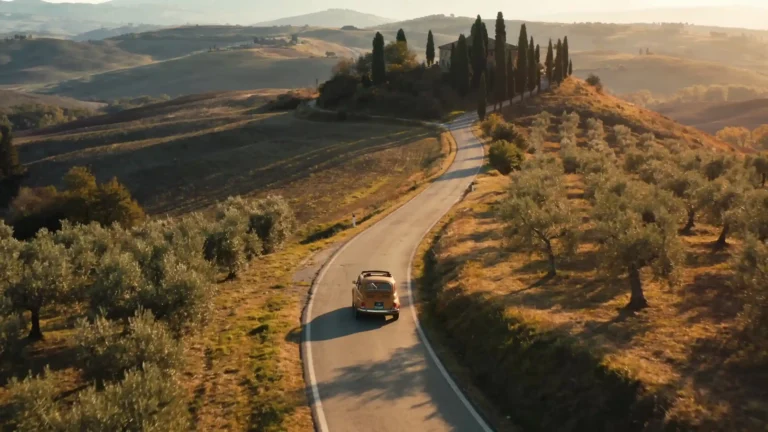
Day 1: Arrival in Viterbo and medieval immersion

After sorting out the logistical details, your adventure begins in the heart of the city of popes. This is where you will truly grasp the roots of this region, long before Rome dictated its law.
San Pellegrino district and Papal Palace
You must walk the preserved medieval alleys of Viterbo's historic center. Visit the site of the first conclave in history at the papal palace. The gray stone architecture imposes a solemn silence. Admire the finely carved loggias under the sun. This city clearly shows its influence on Roman civilization.
The exterior staircases, called profferli, are typical of the neighborhood. It is a immediate journey through time.
Check-in and first local tasting
Choose accommodation in the center to make it easier to get around on foot. Go taste the culinary specialties in a trattoria local. The Piazza del Plebiscito offers a perfect setting to start.
Order a legume soup, such as acquacotta, typical of the region. The local wine will perfectly accompany your first Italian dinner.
2 strange sites in Bomarzo: pyramid and park of monsters
Leave the walls of Viterbo to explore unusual structures carved into the volcanic rock.
Hike to the Etruscan pyramid of Chia

Follow the forest trail to reach the carved monolith. Observe the steps and altars carved directly into the rock. It is a mystical and little-visited place.
Moss often covers the ancient steps. The silence of the forest reinforces the sacred aspect of this enigmatic structure.
Exploring the Parco dei Mostri in the afternoon

Wander through the garden dotted with alchemical and mythological sculptures. Favor a visit at the end of the day to avoid the crowds. The long shadows magnify the stone faces.
The leaning house defies your senses and your balance. Each statue tells a forgotten legend of the Italian Renaissance.
How to cross the Via Cava between Pitigliano and Sovana?

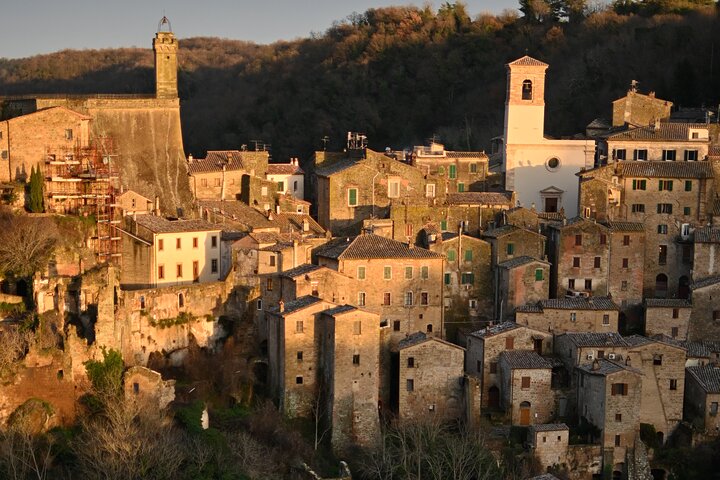
Pitigliano
Tuff village perched on its cliff, with Jewish quarter, synagogue from 1598, Palazzo Orsini and Vie Cave carved by the Etruscans

Tosco Make sure to stop at the viewpoint on the road when arriving from Manciano at sunset: seeing this village carved into the tuff suddenly glow is one of the most breathtaking panoramas in all of Tuscany!
The journey continues toward the heart of the Maremma, where the roads are dug into the earth.
Walk through the carved paths of San Sebastiano
You must descend into the Cyclopean trenches carved into the volcanic tuff. These ancient passages served as defense and as a hydraulic system.
Trenches dug into the volcanic tuff reaching up to 20m high. They provide a constant coolness even in the middle of summer.
The walls rise more than twenty meters. The humidity maintains a constant coolness there, even in the height of summer, around Pitigliano.
Necropolis of Sovana and the Tomb of Ildebranda

Examine the monumental architecture of Ildebranda's columned tomb. Then head to the village of Sovana.
The sandstone takes on orange hues at dusk. It is one of the most precious gems of Etruscan art.
20. Our addresses · Pitigliano
Our favorite spots around Pitigliano
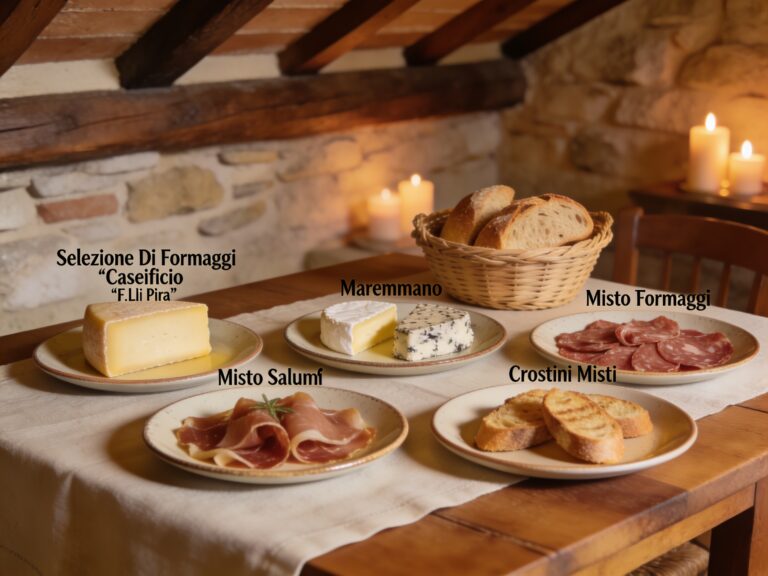
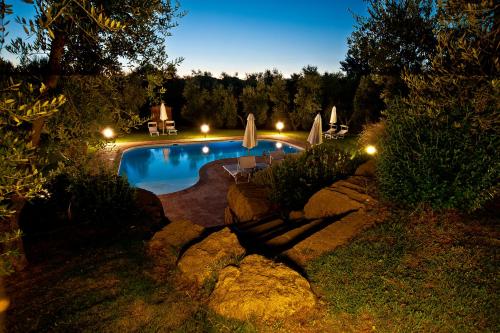
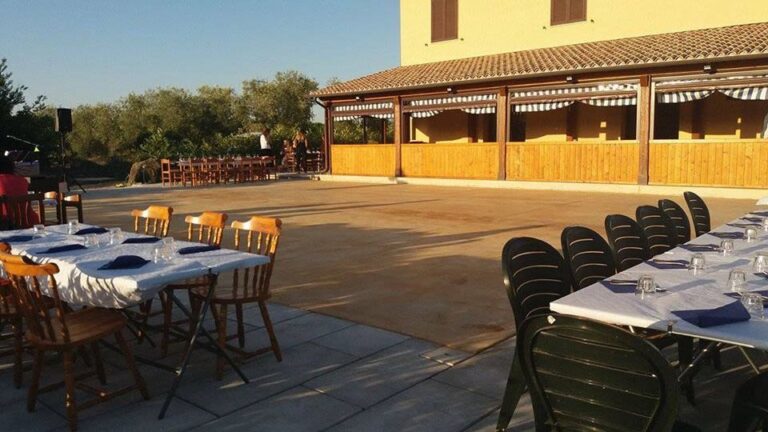
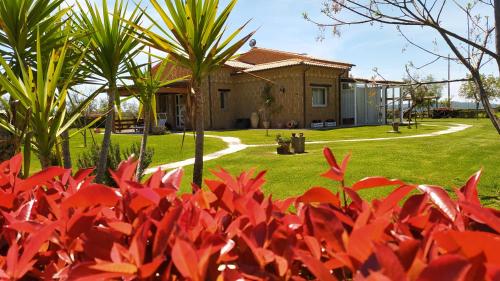
Day 4: Sorano and exploration of the city of Vitozza
A few kilometers away, another cave city awaits curious explorers.
Hiking through the caves of the lost city
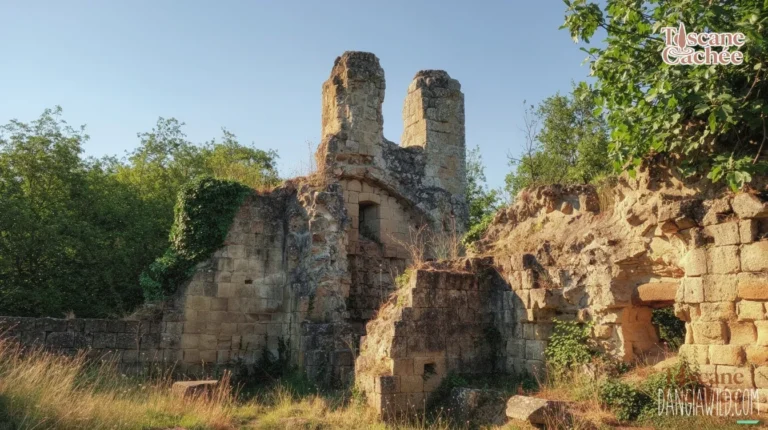
Vitozza
Abandoned rock-hewn town and one of the largest in Italy: about 200 cavities carved into the tuff, ramparts, cisterns and churches, inhabited until the 17th century

Tosco If you liked Sorano's troglodyte atmosphere, Vitozza holds an even wilder adventure in store for you: whatever you do, don't stop at the first caves and go down to the springs of the Lente to find the hidden waterfall!
You will explore the hundreds of inhabited cavities until the last century at Vitozza. Follow the course of the Lente stream carefully to reach the village. Nature has reclaimed its rights here.
The Etruscan columbariums are still visible in the rock. It is a easy hike under a very dense forest canopy, ideal for staying cool during the walk.
Night in the medieval fortress of Sorano

Discover the defensive system of the Orsini family overlooking the valley. Enjoy the panoramic view of the tuff rooftops at sunset. The bastions are truly massive.
Sleeping within the historic walls is a unique experience. The narrow streets of Sorano gently light up once night falls, creating a medieval atmosphere you won't find anywhere else.
2 Romanesque basilicas to see on the acropolis of Tuscania

Leave the tuff fortresses behind for the plains of the Maremma and its Romanesque treasures.
San Giusto loop and landscapes of Maremma
Walk from the Cistercian abbey through silvery olive groves. Connects viewpoints over the surrounding gorges. The light of the Maremma here is incomparable.
The trails are lined with wildflowers in spring. It is a peaceful itinerary far from the hustle and bustle of major tourist cities.
Treasures of San Pietro and Santa Maria Maggiore

Admire the rose windows and Cosmatesque mosaics on the façades. Visit the crypt with reused ancient columns. These churches are masterpieces of Italian Romanesque art.
The acropolis offers a panorama over the entire Marta valley. The sculpted details on the portals deserve close attention.
| Monument | Style | Key element | Access |
|---|---|---|---|
| San Pietro | Romanesque (11th c.) | Crypt with 28 ancient columns and Cosmatesque floor. | On the ancient Etruscan acropolis. |
| Santa Maria Maggiore | Italian romance | Facade with rosettes and detailed carved portals. | At the foot of the San Pietro hill. |
Day 6: Wild necropolises of Marturanum park
The journey comes to an end with a total immersion in the wild nature of necropoleis.
Biedano trail to the necropolis of San Giuliano
You walk through the wooded gorges sheltering hidden rock-cut tombs. Identifies the porticoed tombs and tumulus structures. The trail follows the course of the Biedano river, an axis typical of the Tuscan Etruria route.
The dense vegetation protects these remains from time. It is a true exploration worthy of an archaeological adventure film. Get your shoes ready, the terrain is wild.
Roman remains and rock churches of Barbarano
Discover the remains of the Roman baths integrated into nature. End the day in the fortified village of Barbarano Romano. The historic center is a labyrinth of volcanic stone.
The churches carved into the rock bear witness to an ancient faith. Enjoy a last drink on the village's main square. The medieval atmosphere there is total.
What budget should you plan for the Tarquinia frescoes?
To close this journey, head to the the most famous site of ancient funerary art.
Painted tombs of the Monterozzi necropolis

Monterozzi Necropolis
Two hundred painted tombs out of 6,000 carved into the tuff, with frescoes from the 7th century BC
Tosco If you explore Monterozzi, don't make the mistake of skipping the museum at the Vitelleschi Palace in town: it's the perfect complement to admire the original detached frescoes and the famous winged horses!
Observe the banquets and games inscribed on the UNESCO list. Understand the mineral pigment preservation techniques on the fresh plaster.
Each tomb requires an underground descent. The colors remain absolutely strikingly fresh for millennia, despite the humidity.
National Archaeological Museum and sarcophagus collections

Analyze the famous winged horses in terracotta. Study the evolution of Etruscan funerary art and the’organization of the cities of Etruria.
The museum perfectly complements the visit to the necropolis. Allow about two hours to see everything properly without rushing.
Restaurants · Tarquinia
Our favorite dining spots around Tarquinia
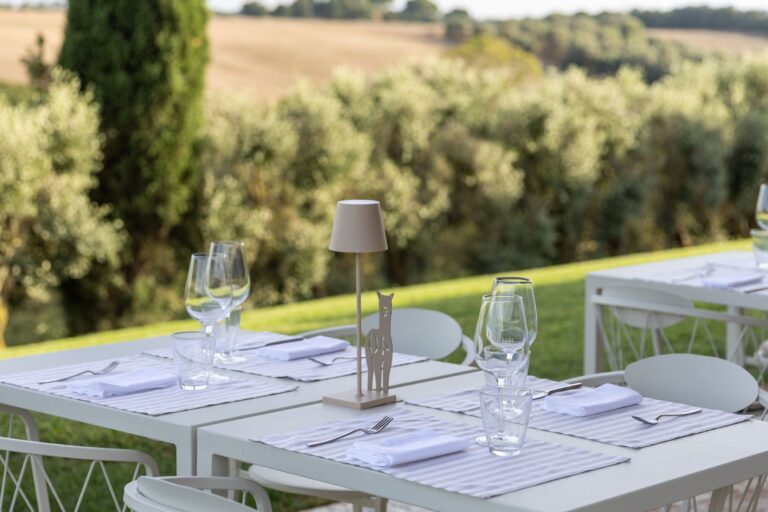
3 variants to adapt this itinerary to your needs
Not everyone travels the same way; here is how to personalize your stay according to your wishes or constraints.
Family option with fun activities and thermal baths
Plan stops at the natural hot springs. Choose stroller-accessible sites for your children. Relaxation is essential for a successful family trip.
- Thermal Springs of Saturnia
- Bagni di San Filippo
- Thermal baths of Vulci

The Saturnia waterfalls will delight your youngest. It's a welcome break between two visits to necropolises or dusty archaeological sites.
Also plan a stop at the San Filippo baths, lesser known but just as relaxing.

The Terme di Vulci complete this thermal break along the route.

Short version or extension to the Populonia coast
Select the three major sites for a four-day stay. Add a seaside stop to see the Baratti necropolis. The sea brings a necessary touch of blue.
Populonia offers a breathtaking view of the Tuscan archipelago. It is the only Etruscan city built directly facing the sea, just above the Gulf of Baratti.
Practical info: budget, transport and season for 2026
To finish, here are the last tips for packing your bag and your budget before setting off in the footsteps of the Etruscans.
Ideal period and managing the climate in Tuscany
Opt for a departure in May or September for walking without suffocating. Absolutely avoid the month of August because the heat becomes overwhelming on the trails. Some accesses may even close.
Autumn transforms the landscapes by offering incredible colors in the vineyards. Take advantage of it for a wine tasting in Maremma or to discover the Morellino di Scansano during the local festivals.
Estimate of the overall budget for one week
Plan a daily budget for your meals and your car's gasoline. Allow between five and ten euros per site for the archaeological passes. This is the average observed price.
- Archaeological site entrance : €5 to €10
- Full meal in a trattoria : ~30€
- Recommended duration : 7 days
A classic trattoria will cost you about thirty euros for a full meal. Don't neglect the fuel budget, essential for getting around these isolated rural areas.
Your itinerary in Tuscan Etruria ends between the frescoes of Tarquinia and the tuff villages. By planning your departure for May or September, you will fully enjoy the trails and necropolises without the stifling heat. Ready to explore these millennia-old cities and immerse yourself in ancient history ?
For an authentic medieval and Etruscan immersion in Viterbo and its surroundings, far from the crowds, I recommend starting with the heart of the city of popes. The San Pellegrino district is a true medieval gem, with its cobbled alleys and houses made of volcanic stone. Don’t miss the Papal Palace, the site of the first conclave in history, whose imposing architecture and sculpted loggias will instantly transport you to the past. Stroll through the streets and admire the profferli, those typical exterior staircases that add a unique charm to the whole. For a first local tasting, settle down on the Piazza del Plebiscito and order an acquacotta, an emblematic legume soup of the region, accompanied by a local wine in an authentic trattoria. For accommodation, choose an establishment in the historic center to fully enjoy the nighttime atmosphere.
Then, the surroundings of Viterbo are full of strange and fascinating sites. A few kilometers away, the Etruscan Pyramid of Chia offers a mystical and little-visited experience. Follow a forest trail to discover this sculpted monolith, with its steps and altars carved directly into the rock. The moss that often covers the stones adds to its sacred atmosphere. In the afternoon, head to the Parco dei Mostri in Bomarzo. This alchemical and mythological garden is dotted with gigantic and surprising sculptures. To avoid the crowds, prefer a visit at the end of the day; the long shadows magnify the stone faces and the leaning house will challenge your balance. Each statue tells a forgotten legend of the Italian Renaissance, offering a unique cultural and playful experience.
To explore the Via Cava and the necropolises of Maremma safely and comfortably, equipment and mobility are crucial aspects that must not be neglected. Regarding equipment, the absolute priority is the pair of shoes. The Via Cava, these paths carved into volcanic tuff, can be extremely slippery, especially after rain or because of the constant humidity that reigns there, even in the middle of summer. It is imperative to plan for technical hiking shoes with strong grip. Forget city sneakers or sandals, they are absolutely not suited to the steep and often muddy terrain. Also remember to bring cash. In small rural shops or local markets in Maremma, credit cards are not always accepted. Having bills for your coffees, your small purchases or even for the entrance fees of some less frequented sites will save you many inconveniences. Don’t forget either a water bottle and a few snacks, as supply points can be rare on the trails.
As for mobility, renting a car is not only recommended, but indispensable for this type of trip in Maremma. Opt for a compact vehicle. The hilltop villages like Pitigliano, Sorano or Sovana have very narrow alleys where a car that is too large would be a real nightmare to maneuver and park. The roads of Maremma can include sections of ‘strade bianche’ (white roads, unpaved), which can be dusty in dry weather and muddy in rainy weather. Caution is required on these paths. Check the condition of the tracks, especially after bad weather, and drive slowly. An up-to-date GPS is also a valuable ally, as network coverage can sometimes be unreliable in some more isolated areas. Finally, for the Via Cava, such as those of San Sebastiano near Pitigliano, prepare yourself for passages that can reach 20 meters in height, , offering a constant coolness that is very pleasant but also a notable humidity. Exploring sites like the necropolis of Sovana or the surroundings of Sorano and Pitigliano requires good preparation to fully enjoy these breathtaking landscapes.
Absolutely! Exploring the troglodyte cities and medieval fortresses of Maremma is an unforgettable experience, and the region of Vitozza and Sorano is an excellent example. For Vitozza, prepare yourself for a true immersion in a lost city where nature has reclaimed its rights. You will discover hundreds of cavities, inhabited until the last century, which testify to a fascinating cave-dwelling life. Follow the course of the Lente stream to reach this troglodyte village. It is a relatively easy hike, often under a dense forest cover, which is ideal for staying cool even in summer. You will be able to observe Etruscan columbariums still visible in the rock, proof of the antiquity of the site’s occupation. It is an exploration worthy of an adventure film, but without major difficulty, perfect for those curious about history and nature. For more details on this unique exploration, feel free to consult our article on Vitozza, the forgotten rock-cut city of Maremma.
After this day of exploration, spending the night in the medieval fortress of Sorano is a simply magical experience. This tuff city, dominated by the defensive system of the Orsini family, offers a breathtaking panoramic view of the valley and the tuff roofs of the surrounding houses, particularly spectacular at sunset. The massive bastions of the fortress will give you an idea of the power of this medieval family. Sleeping within the historic walls of Sorano means treating yourself to a total immersion. The narrow and winding alleys gently light up once night falls, creating a medieval atmosphere found nowhere else. Look for authentic accommodation, such as a bed and breakfast or a small hotel within the old town itself, to prolong this unique atmosphere. Take the opportunity to stroll after dinner and soak up the history that seeps from every stone. The ensemble formed by Sorano, Pitigliano and Sovana is a must for anyone interested in the tuff villages of Tuscan Maremma.
To understand Etruscan funerary art, the must-visit destination is without any doubt Tarquinia. It is here that the famous necropolis of Monterozzi is located, a UNESCO World Heritage site, which houses hundreds of painted tombs. These frescoes, dating from the 6th to the 2nd century BC, are of incredible iconographic richness, depicting scenes of banquets, dances, games and the daily life of the Etruscans, offering a precious insight into their beliefs and their society. Each tomb is a small underground funerary chamber accessed by a descent. The conservation of the mineral pigments on the fresh plaster is absolutely striking, and despite the millennia, the colors retain an astonishing freshness. Plan good shoes and some agility to go down and up from the tombs, whose access is regulated to preserve these treasures. The entrance price for the necropolis of Monterozzi is generally between €5 and €10, a modest budget for such a journey through time.
To perfectly complement the visit to the necropolis, it is essential to go to the National Archaeological Museum of Tarquinia, , located in the magnificent Palazzo Vitelleschi. This museum houses an exceptional collection of Etruscan artifacts, including the famous winged horses in terracotta, an emblematic sculpture of Etruscan art. You will also discover richly decorated sarcophagi, jewelry, ceramics and everyday objects that allow a better understanding of the evolution of funerary art and the organization of the cities of Etruria. The museum offers a broader perspective on the Etruscan civilization, contextualizing the scenes of the frescoes and explaining the funerary rituals. Plan about two hours for an in-depth visit of the museum without rushing. The museum entrance is generally included in the same price range as the necropolis, that is between €5 and €10. . By combining these two sites, you will have a complete and fascinating vision of Etruscan funerary art.
Traveling as a family with children in Maremma and in the footsteps of the Etruscans is entirely possible and can be an enriching and fun experience! To adapt the itinerary, the integration of natural thermal spa breaks is an excellent idea. Children love splashing around in the water, and it offers a welcome relaxation between two cultural visits. The cascades of the Mulino in Saturnia are perfect for this: these open-air natural pools, with their sulfurous waters at around 37°C, are free and accessible to all. It is a unique and very fun experience for young and old alike. Other options include the baths of San Filippo, with their spectacular limestone formations, or the Thermal Baths of Vulci, which offer more developed facilities. These aquatic breaks will allow the children to let off steam and cool down, especially if you travel outside the hottest months.
Regarding archaeological sites, favor those that offer open spaces and possibilities for more active exploration. The rock-cut city of Vitozza, for example, is a real adventure for children, with its hundreds of caves and cavities to explore, all in a natural and forested setting that invites imagination. The Via Cava, these paths carved into the tuff, can also be very exciting for them, turning walking into a real expedition in a mysterious labyrinth, provided you have good shoes. For museums, choose those that offer reconstructions or interactive visual supports. Finally, for accommodation, opt for an agriturismo in Maremma. Many offer farms with animals, swimming pools and large green spaces where children can play freely. These establishments often offer meals prepared with local products, an excellent way to discover Tuscan gastronomy as a family in a friendly atmosphere. Don’t forget picnics for hiking days, an activity always appreciated by children!
To fully enjoy the trails, necropolises and tuff cities of Etruscan Tuscany without suffering from the stifling heat, the best time to visit is undoubtedly spring (May) or early autumn (September). These months offer pleasant temperatures, ideal for hiking and outdoor exploration. The landscapes are green in spring, with abundant flowering, while autumn dresses the vines in magnificent colors and allows you to enjoy the harvests and local festivals, such as those dedicated to Morellino di Scansano. It is strongly advised to éviter absolument le mois d'août, when the heat can become overwhelming, making outdoor activities very difficult, even dangerous. In addition, some accesses to sites may be temporarily closed in case of high heat for safety reasons. Tourist attendance is also higher in the middle of summer, which can harm the experience of immersion in these places steeped in history.
Regarding the daily budget for a week in Etruscan Tuscany, it is wise to plan an envelope that covers meals, gasoline and site entrances. For the entrance fees to archaeological sites, , generally count between €5 and €10 per person and per site. Some combined passes may exist, inquire on site. For meals, a full lunch or dinner in a classic trattoria will cost you about €30 per person. You can reduce this budget by opting for picnics or simpler meals at midday. Fuel is a significant expense, as the car is indispensable for getting around this rural and isolated region. The cost will depend on your vehicle’s consumption and the distances traveled, but plan a significant part of your budget for this. In summary, including accommodation (which varies greatly depending on the type, from agriturismo to hotels), gasoline, meals and visits, an average budget of €100 to €150 per day and per person (excluding flights and car rental) is a reasonable estimate for a comfortable and enriching experience. Don’t forget a few euros in cash for small shops and cafés in remote villages.
Absolutely! Maremma is full of fascinating sites where one can clearly observe the superposition and coexistence of the Etruscan and Roman civilizations, bearing witness to the historical evolution of the region. A striking example is the city of Roselle, near Grosseto. Founded before the 7th century BC by the Etruscans, it later became an important Roman city. Today, the archaeological site of Roselle allows you to wander among the remains of both civilizations, with imposing Etruscan walls alongside a Roman forum, an amphitheater and thermal baths. It is an ideal place to understand how the Romans integrated and sometimes transformed the pre-existing structures, leaving their mark while respecting the Etruscan heritage. The visit to Roselle offers a unique perspective on this transition and the lasting influence of the Etruscans on Roman culture.
Another site where this superposition is palpable is Tuscania. 1. . On its acropolis, you will discover not only the magnificent Romanesque basilicas of San Pietro and Santa Maria Maggiore, 2. , but also the traces of the ancient Etruscan acropolis on which they were built. The crypt of San Pietro, with its 28 reused ancient columns, is a perfect example of how the materials and architectural elements of previous civilizations were integrated into new constructions. As you walk around these churches, you will also notice the remains of the fortifications and dwellings that bear witness to continuous occupation from the Etruscan era until the Middle Ages. Finally, even if it is not a direct superposition, the 3. necropolis of Monterozzi in Tarquinia, 4. , with its painted tombs, and the 5. National Archaeological Museum, 6. , with its collections of sarcophagi and the famous winged horses, will give you a deep understanding of the Etruscan civilization, which so influenced Rome, particularly in its funerary rites and its architecture. The study of these sites allows one to grasp the complex and rich heritage left by both peoples in this region of Tuscany.
Around this article


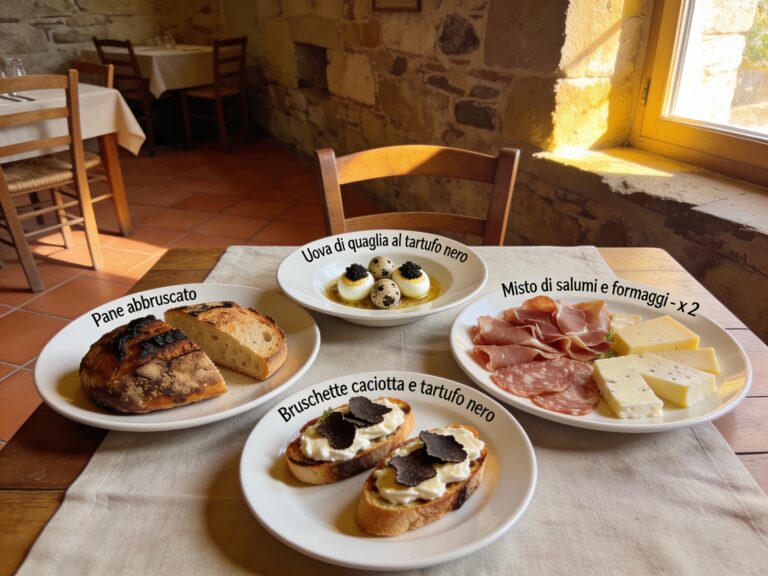
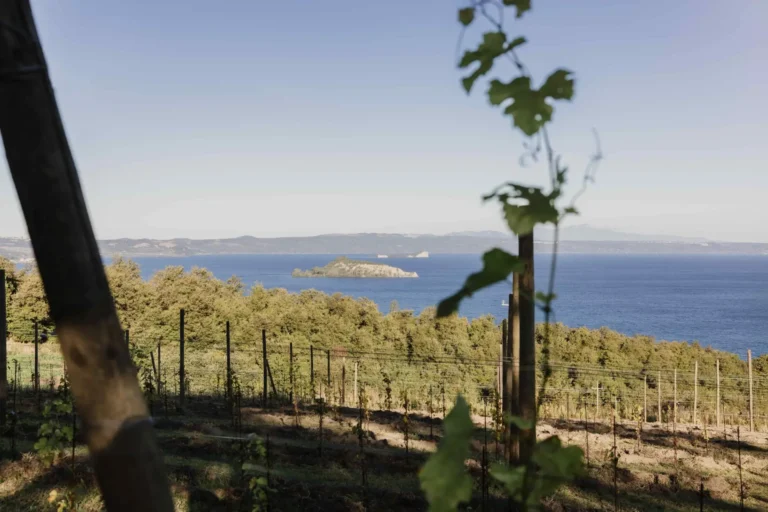
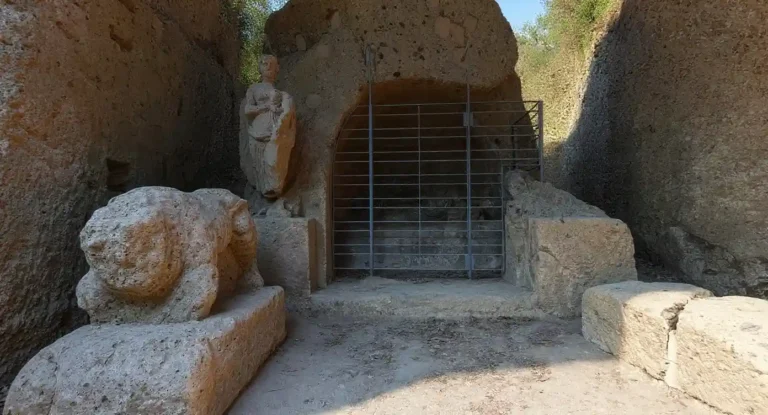
Is the map not displaying? See accommodations on Stay22
Map and prices provided by Stay22: Toscane Cachée may receive a commission on bookings.
You will also like

Tuscan Etruria: the complete guide to Etruscan heritage in Maremma 2026
Explore the Etruscan heritage in Maremma: from Roselle to Sovana, discover the cities…

Top 5 spectacular Etruscan sunken roads in Maremma
Explore the 5 most beautiful Etruscan sunken roads in Maremma. Discover these paths of...

Tuff villages tour 2026: 3 days in Tuscan Maremma
Discover this tuff villages tour in Maremma. Explore Pitigliano, Sorano and Sovana in 3…

Vitozza: explore the forgotten rock city of Maremma
Explore the Vitozza trek, the troglodyte site, the forgotten city of stone. Discover 200 caves…