










Imagine yourself alone facing 120 hectares of wild tufa where the silence is broken only by the murmur of the Fiora river. Arriving at opening time on a July morning allows you to feel the raw power of this ancient city-state without meeting anyone.
The challenge is enduring the crushing heat to explore the necropolises and the Roman decumanus. I guide you through this age-old site to visit Vulci and discover its buried secrets, from the Devil's Bridge to the frescoes of the François Tomb.
Visiting Vulci: a raw immersion in the Etruscan-Roman city
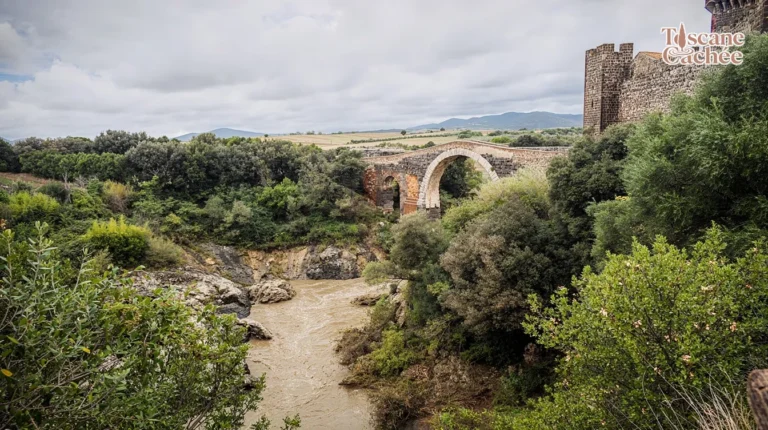
Vulci Archaeological Park
Site étrusque majeur : 120 hectares de fouilles, le Pont du Diable à 25 mètres au-dessus du Fiora, une necropolis aux fresques et un château-musée, pour 5 €

Tosco Forget the crowds of Populonia: in Vulci, absolutely go down to the foot of the Abbadia bridge in the Fiora gorges, it's the best viewpoint of the canyon and its volcanic walls!
The Vulci park stretches over 120 hectares of tufa, home to the Devil's Bridge and the François Tomb. This site, between Montalto di Castro and Canino, reveals a powerful city-state. Vulci: The Secret Etruscan Site of the Maremma, Hidden Tuscany allows you to grasp the organization of this massive plateau.
120 hectares of volcanic tufa between Montalto di Castro and Canino. Former major city-state.
The morning silence on the plateau prepares you to discover the imprint of the first builders.
The central plateau and the imprint of the first builders
Vulci fut une cité-état dominante de la Maremma. Sa puissance reposait sur un emplacement stratégique en terre de tuf. L’élite contrôlait alors les échanges méditerranéens.
The site occupies the entire volcanic plateau. Nature is reclaiming its rights on the ancient foundations. The marked trails wind through this wild setting.
The feeling of vastness is immediate. The place still vibrates with its glorious past.
Here, you sense how the Etruscans must have dealt with Rome's influence.
From the Etruscan city-state to Rome's influence
Rome eventually absorbed the city without erasing its roots. The Etruscan soul endures beneath the Roman blocks. It is a historical mille-feuille visible at every step.
The Roman roads intersect with the foundations of older temples. These mysteries have nourished the studies of the École française de Rome on this major transition.
4 remains not to miss along the decumanus
After understanding the overall history, it is time to walk the paving stones of the decumanus to discover the most impressive structures.
The Domus du Cryptoportique and its Mithraeum
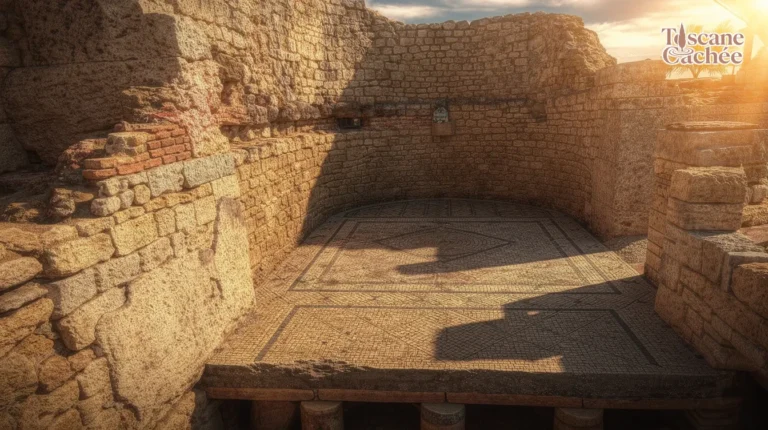
Domus of the Cryptoporticus of Vulci
The Domus of the Cryptoporticus can be visited at Vulci, on an Etruscan and Roman archaeological site, in the form of an underground passageway
Tosco Remember to whip out your phone's flashlight before going down: the lighting there can sometimes be temperamental, but that coolness under the Maremma's scorching sun is pure bliss!
Here you step into a Roman aristocratic residence. The mosaics still visible testify to refined ancient luxury. As you go down, you enjoy the coolness of the underground structures. It is an immediate journey into the intimacy of a vanished elite.
The Mithraeum hides in the basements of the domus. This secret place of worship dedicated to the god Mithras retains a mystical atmosphere. You will find an antechamber and a cult room there. The energy of the place remains palpable between these walls.
You can also visit the MAAM Grosseto. . This will allow you to compare these discoveries with the provincial collections. It is an ideal complement to understand the extent of the excavations. The objects there are better preserved. .

Between the West Gate and the East Gate
The West and East Gates mark the boundaries of the fortified city. You walk between these monumental entrances that once protected the inhabitants. The ramparts made of tufa blocks command respect through their mass. The silence enhances their power. .
The Great Temple and the Chapel of Hercules dominate the urban landscape. These religious buildings testify to the ’spiritual importance of Vulci. Their massive proportions strike the mind upon arriving on the plateau. The Etruscans expressed all their fervor and craftsmanship there. .
- The Great Temple and its massive podium
- The Chapel of Hercules
- The remains of the shops lining the main road
Why walking along the Fiora changes everything?
Leaving the dry stones to reach the banks of the Fiora offers an essential wild dimension to experience.
The Devil's Bridge and the echoes of the Emporium
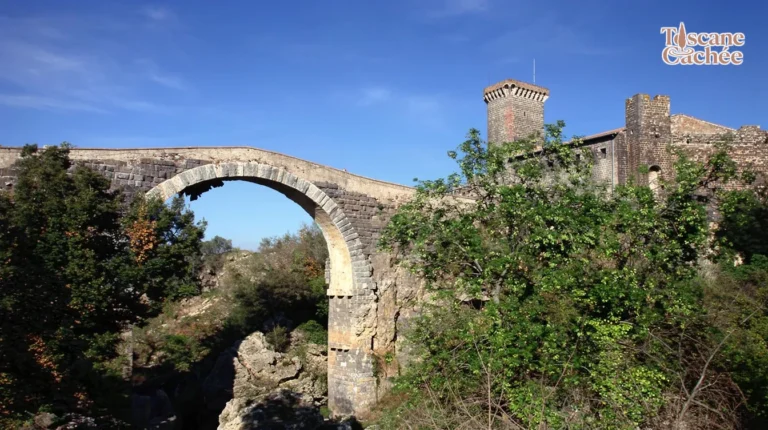
Ponte dell'Abbadia Vulci
A medieval bridge crosses the gorges of the Fiora, in the heart of the Vulci park, between Etruscan and Roman remains and wild nature
Tosco Insider tip: after admiring the bridge’s dizzying arch, dash off to explore the Laghetto del Pellicone right next door in the park — its volcanic canyon and waterfall are just as worth the detour as the ancient ruins!
Crossing the Ponte dell'Abbadia is a physical experience. This medieval bridge rests on impressive Etruscan foundations. It towers over dizzying gorges. The view over the Fiora river, thirty meters below, is breathtaking.
Then imagine the ancient Emporium by the river. It was a bustling river port. Mediterranean goods constantly passed through it. Vulci was a major commercial crossroads long before the Romans.
Wild coolness at Lake Pellicone
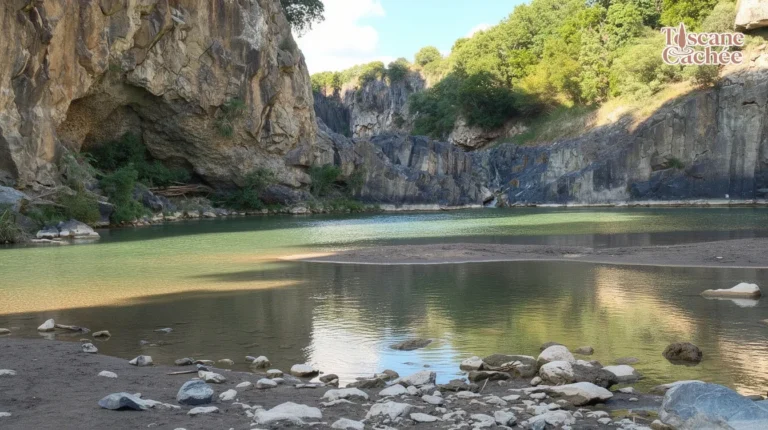
Lago del Pellicone
A canyon lake in Vulci, fed by a small waterfall of the Fiora, in a 900-hectare park with Etruscan necropolises [sitiarcheologiciditalia.it](https://www.sitiarcheologiciditalia.it/)
Tosco Si ce décor de canyon volcanique te dit quelque chose, c'est normal : c'est ici que Benigni et Troisi se baignent dans le film culte *Non ci resta che piangere* ! Pense juste à prendre de vraies chaussures de marche pour descendre jusqu'à la cascade, les roches de basalte peuvent être très glissantes.
The trail to Lake Pellicone is a a true oasis. You will find a five-meter natural waterfall there. It is a cool, quiet place. It has even served as a setting for several famous films.
Keep your eyes open for the local biodiversity. You may come across Maremmana cattle or migratory birds. The vegetation is dense along the river. It is the wet and wild face of the region.
| Trail | Distance | Difficulty | Strong point |
|---|---|---|---|
| Urban loop | 2.3 km | Easy | Domus du Cryptoportique |
| Fiora trail | 4.2 km | Medium | Lake Pellicone and waterfall |
| Path of the Necropolises | 3.5 km | Easy | François Tomb (by reservation) |
The silence of the dead: François Tomb and Badia Castle
You cannot leave Vulci without going down into its depths, where the Etruscans left their finest testimonies.
Accessing the necropolises and the Cuccumella Tumulus
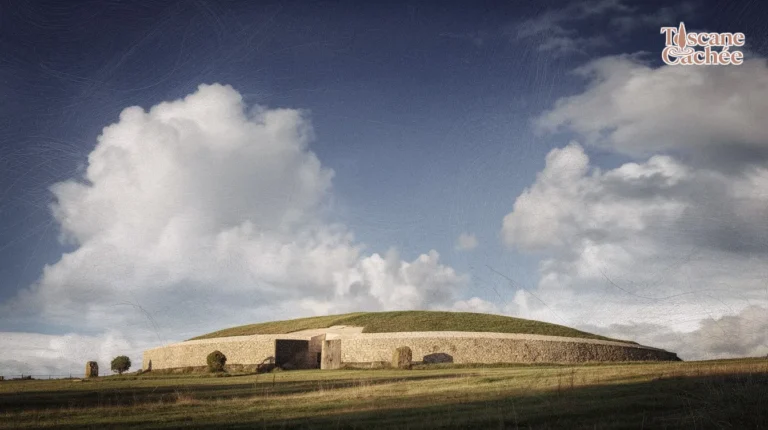
Cuccumella Tumulus
The largest tumulus in Etruria, the Cuccumella is an earthen mound with underground galleries in the archaeological and naturalistic park of Vulci, open every day

Tosco If you've already explored the necropolises of Sovana, get ready to change scale: with its 65-metre diameter and its 700 metres of galleries carved in tuff, the Cuccumella is an absolute monster of Etruria!
The Cuccumella monument is impressive with its 65-meter diameter. It is the largest tumulus in Etruria. It is called the giant of Cuccumella for its massive structure.
Access to the frescoes from 330 BC requires a reservation 48 hours in advance. The originals are in Rome, but the atmosphere of the site remains intact. The number of visitors is limited to protect the walls.
You should continue your journey to the Tuff villages in Tuscany: Pitigliano, Sovana, Sorano. These cities perfectly complete the story of the rock-cut necropolises. The landscapes there are just as wild.
The Badia Castle as guardian of the treasure
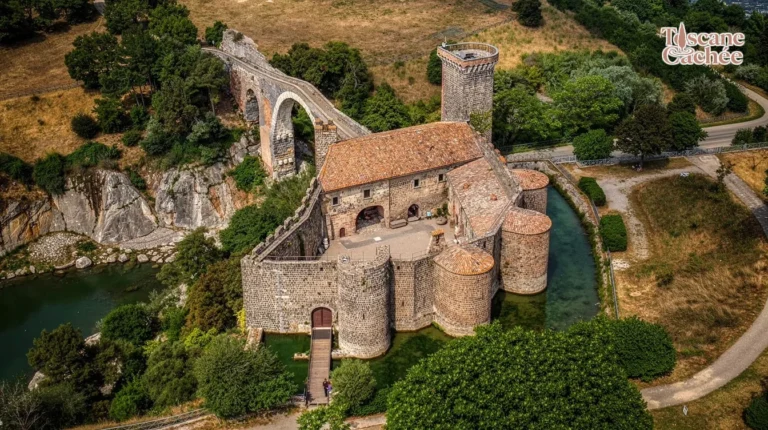
castello dell abbadia
At Vulci, on the Etruscan Coast, the Castello dell'Abbadia combines Etruscan remains and medieval collections within a single museum-monument
Tosco Don't stay stuck in the museum rooms: head down the Fiora gorges trail instead to admire the Devil's Bridge from below, the perspective there is a thousand times more impressive!
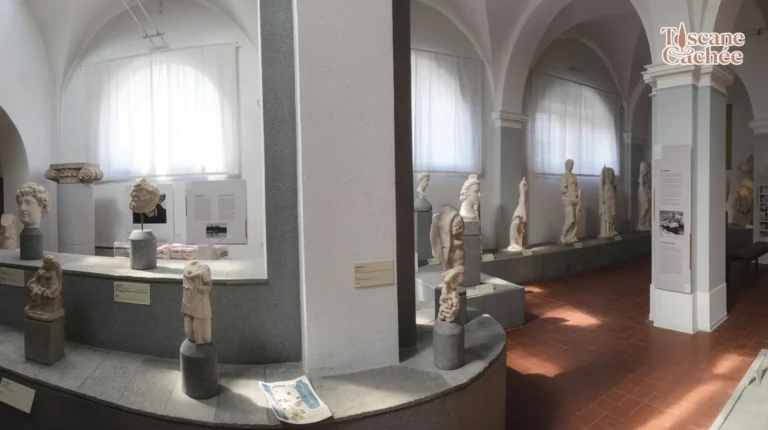
The national museum occupies a 12th-century medieval castle. The rooms display ceramics and bronzes of great quality. The museum design remains sober, letting the objects tell their own story.
These thick walls serve as a safe for local excavations. The pieces on display come directly from the surrounding necropolises. It's the logical next step after walking on the ancient plateau under the July sun.
If Etruscan craftsmanship interests you, go see the Vetulonia Etruscan Museum. There you will find another vision of this civilization's know-how. It's an ideal complement to your visit to Vulci.
What no one tells you about this solitary walk
For your immersion to be successful, a few logistical details are necessary before setting off on the trails.
Logistics, rates and access to Montalto di Castro
The full-price ticket costs 10 euros to access the archaeological park. You will find the ticket office right at the main entrance, next to the parking lot. It's simple and quick.
Allow 3 to 4 hours to cover the 120 hectares of the site. The sun beats down hard on the plateau. Don't underestimate this cultural hike in the middle of wild nature.
The site remains difficult to reach without your own vehicle. Make sure to Succeed in your car rental in Maremma to reach Montalto di Castro independently from Rome or Pisa.
Price: around €10. Duration: 3 to 4 hours. Access: car recommended. Equipment: water and hiking shoes.
Equipment and timing to avoid the July heat
Take at least two liters of water and real hiking shoes. The dust on the trails is stubborn. The July sun forgives no material negligence.
This walk is for lovers of silence and absolute solitude. Arrive at opening time at 9:00 a.m. to avoid the crowds. You will thus enjoy the wild character of the place.
After the effort, nothing beats a bath in the sulfurous waters. Head to the Cascate del Mulino: The Wild Thermal Baths of Saturnia to totally relax after this exploration.
Come at opening time in summer to capture the low light on the Fiora without meeting anyone. End your day at the Saturnia thermal baths to soothe your muscles.
Walking alone on this tuff plateau, you will feel that intimate connection with the city-state that only the morning solitude allows. Between the frescoes of the François Tomb and the silence of the Devil's Bridge, visiting Vulci remains a raw immersion. Prefer the cooler hours to meditate in front of these thousand-year-old remains.

To enjoy an authentic and solitary experience in the ancient city of Vulci, especially in the height of July, the secret is to arrive right when the site opens, ideally around 9:00 am. That’s when the light is at its most beautiful, grazing the remains, and you’ll be able to enjoy absolute tranquility across the 120 hectares of the plateau. The heat can be intense in summer, but by starting early, you’ll avoid the hottest hours and most of the visitors. Allow at least 8. 3 to 4 hours to explore the place without rushing. The ticket office is located at the main entrance, and the full price is 10 euros. Don’t forget your car, as the site is difficult to access without a personal vehicle. For optimal preparation, I recommend checking out our tips for Make a success of your car rental in Maremma so you can travel independently from Rome or Pisa.
Among the must-sees for a deep immersion, focus on the central plateau, which houses the Great Temple et la Domus of the Cryptoporticus with its underground Mithraeum. These remains will give you a glimpse of everyday Etruscan-Roman life and spirituality. Also don’t miss the majestic Devil’s Bridge (Ponte dell’Abbadia), which spans the Fiora river, offering spectacular views and echoes of the ancient river Emporium. For a truly unique experience, be sure to book your access to the François Tomb 48 hours in advance, , famous for its frescoes dating from 330 BC. It's a rare opportunity to step into the intimacy of the Etruscan necropolises. Finally, end your exploration with a refreshing break near the Pellicone lake waterfall, a true haven of peace where you can observe the local biodiversity.
The July heat at Vulci is an important factor to consider for your visit, especially on such a vast and exposed site as the central plateau. Equipment is essential: bring at least two liters of water per person, or even more, as water points are rare along the trail. Comfortable and sturdy walking shoes are also indispensable, as the trails are dusty and sometimes uneven. A wide-brimmed hat, sunglasses, and high-SPF sunscreen are also valuable allies to protect you from the intense solar radiation. Also think about lightweight, breathable clothing.
As for the trails, the site offers a variety of routes. The Fiora trail, although rated as «moderate» in difficulty, will lead you to Pellicone lake and its waterfall, a cooler and shaded spot, ideal for a break. It's an excellent option to temporarily escape the plateau sun. The urban loop (2.3 km, easy) around the Domus of the Cryptoporticus is relatively short, but remains exposed. On the other hand, the Necropolises trail (3.5 km, easy), which includes the path to the Cuccumella Tumulus et la François Tomb, , may offer some more wooded areas in places, but you should expect sections in full sun. Remember that the best way to manage the heat is to start your exploration right at opening time at 9:00 am, to enjoy the milder morning temperatures and the solitude of the site. After the effort, an excellent option is to head to the Cascate del Mulino: The Wild Thermal Baths of Saturnia for some well-deserved relaxation.
Absolutely! The Maremma is full of Etruscan and Roman treasures that will enrich your understanding of this fascinating civilization after your immersion at Vulci. For a complementary and in-depth perspective, I highly recommend visiting the National Museum located in the Castello della Badia, right next to Vulci. This museum houses an impressive collection of artifacts discovered during the excavations of the site itself, including ceramics and bronzes, providing valuable context to the remains you will have explored. It’s a logical and essential step to visually bring the history of the place to life.
Then, to broaden your perspective on rock-cut necropolises and Etruscan urban planning, an excursion to the famous Tuff Villages is a must. Pitigliano, Sovana, Sorano are cities perched on tuff outcrops that offer spectacular landscapes and unique architectural testimonies of this civilization. There you will discover other impressive necropolises and troglodyte dwellings. Finally, for another perspective on Etruscan craftsmanship and daily life, the Etruscan Museum of Vetulonia is an excellent destination. Vetulonia was another major Etruscan city, and its museum presents rich collections that will allow you to compare skills and customs with those of Vulci. These sites, combined with your experience at Vulci, vous offrira une vision complète et mémorable de la culture étrusque en Tuscany.
La visite du parc archéologique de Vulci est tout à fait abordable, avec un tarif d'entrée de 10 euros for the full price. It’s excellent value for money for the historical richness and natural beauty of the site. As for accommodation and dining, the Maremma de la région, et notamment les zones autour de Montalto di Castro or Canino, offers many authentic options that can fit a tight budget. One of the best choices for an immersive and economical stay is the agriturismo. These farmhouse inns often offer comfortable rooms and home-cooked meals with local products at very competitive rates. It’s a fantastic way to discover Tuscan culinary culture without breaking the bank. To give you a more precise idea of costs, I recommend checking out our article on Agriturismo in Maremma: how much does a night really cost (and why it's often worth it), qui vous fournira des détails sur les prix et les avantages de ce type d'hébergement.
For dining, you’ll find trattorias and osterias in the surrounding villages offering tasty local cuisine at reasonable prices. Avoid overly touristy restaurants and favor establishments frequented by locals, often a guarantee of quality and authenticity. Local markets are also an excellent option to buy fresh products and prepare your own picnics, which is ideal for a day of exploration at Vulci. Pour des conseils plus approfondis sur la gestion de votre budget alimentaire, notre guide Eating in Maremma without breaking the bank: the real food budget for the savvy traveler in 2026 vous donnera des astuces précieuses pour profiter des spécialités locales sans vider votre portefeuille. Avec une bonne planification, vous pourrez pleinement profiter de la Maremma and Vulci tout en respectant votre budget.
Absolutely! The Maremma est une région bénie pour les amoureux de la nature sauvage et de la déconnexion, et elle se prête merveilleusement aux activités alliant histoire et grands espaces après votre immersion à la Vulci. The path along the Fiora river at Vulci, especially towards Pellicone lake and its waterfall, is already an excellent appetizer. But if you're looking for even wilder landscapes and longer hikes, the region has a lot to offer. The Maremma Natural Park, also known as the Uccellina Park, is a top destination. It offers kilometers of marked trails through pine forests, wild beaches, and hills covered with Mediterranean scrub, where you may spot Maremmana cattle and other wild animals. It's an authentic and preserved nature experience, far from the hustle and bustle.
Pour une randonnée spécifique dans ce parc, je vous suggère de jeter un œil à notre guide sur le Hiking Maremma Park | Guide and reviews 2026 in Uccellina, which will give you all the practical information to organize your adventure. You'll find routes suitable for different levels and tips to make the most of these landscapes. Another option for a nature immersion is to explore the surroundings of the Tuff Villages (Pitigliano, Sovana, Sorano). Au-delà de leur intérêt historique et architectural, ces villages sont entourés de vallées profondes et de sentiers qui serpentent à travers une végétation luxuriante, souvent le long de cours d'eau, offrant des paysages spectaculaires et un sentiment de solitude comparable à celui de Vulci. Ces zones sont idéales pour des promenades méditatives, où le silence n'est rompu que par les sons de la nature, prolongeant ainsi l'expérience de déconnexion vécue à la Vulci.
En combinant votre visite historique de la Vulci avec un moment de détente aux célèbres Cascate del Mulino, les sources thermales sauvages de la Saturnia, is an excellent idea and a perfect ending to a day of intense exploration! It's actually advice I often give: after the effort of walking on the sunny plateau of Vulci, rien de tel qu'un bain dans les eaux sulfureuses pour apaiser les muscles et l'esprit. Les Saturnia ne sont pas directement adjacentes à la Vulci, mais elles sont facilement accessibles en voiture. Comptez environ une heure à une heure et demie de route from Vulci, ce qui en fait une excursion parfaitement réalisable dans la même journée. Le trajet vous fera traverser les paysages pittoresques de la Maremma, , adding an extra touch of discovery to your day.
The best time to visit the Cascate del Mulino depends on your preferences. As wild thermal springs, they are accessible 24/7 and are free. . To avoid the crowds, especially in high season (July included), I advise you to go either late in the evening after dinner, or very early in the morning, , before most tourists arrive. However, after your visit to Vulci in the late morning or early afternoon, arriving at Saturnia in the late afternoon could be a good compromise, allowing you to enjoy the sunset over the pools. The water is naturally hot (about 37°C) all year round, so temperature will never be a problem. Bring a towel, sandals, and be prepared for the characteristic smell of sulfur, which is the sign of its beneficial properties. It’s a unique and deeply relaxing experience that will wonderfully complete your Etruscan adventure.
Around this article
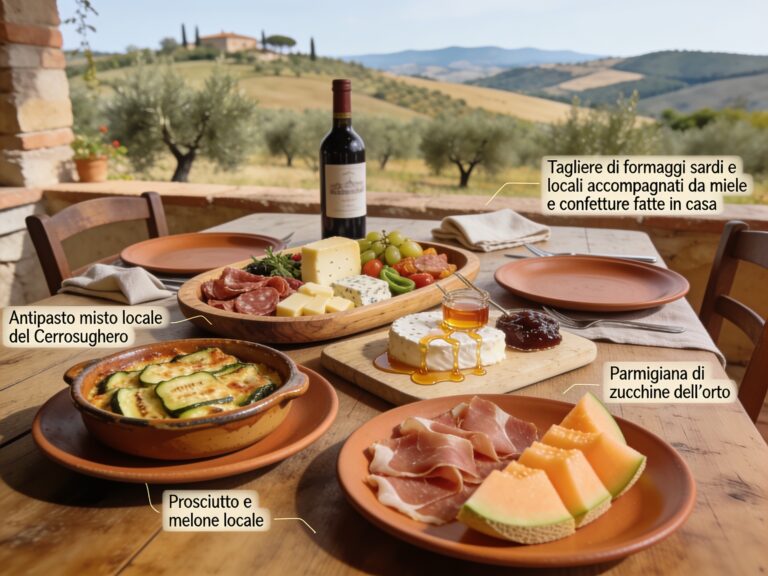
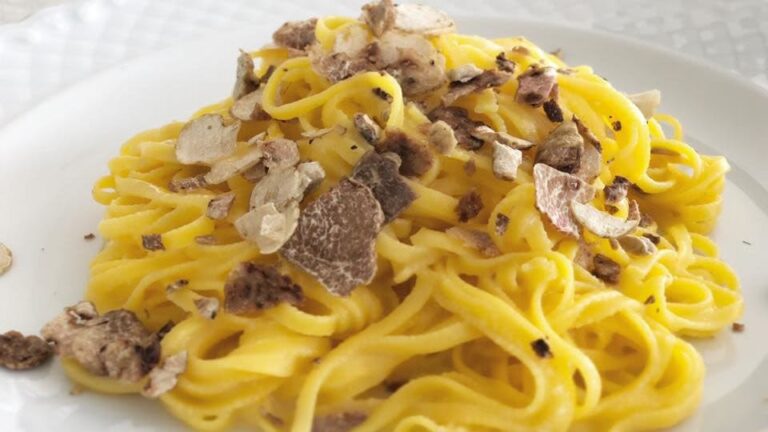
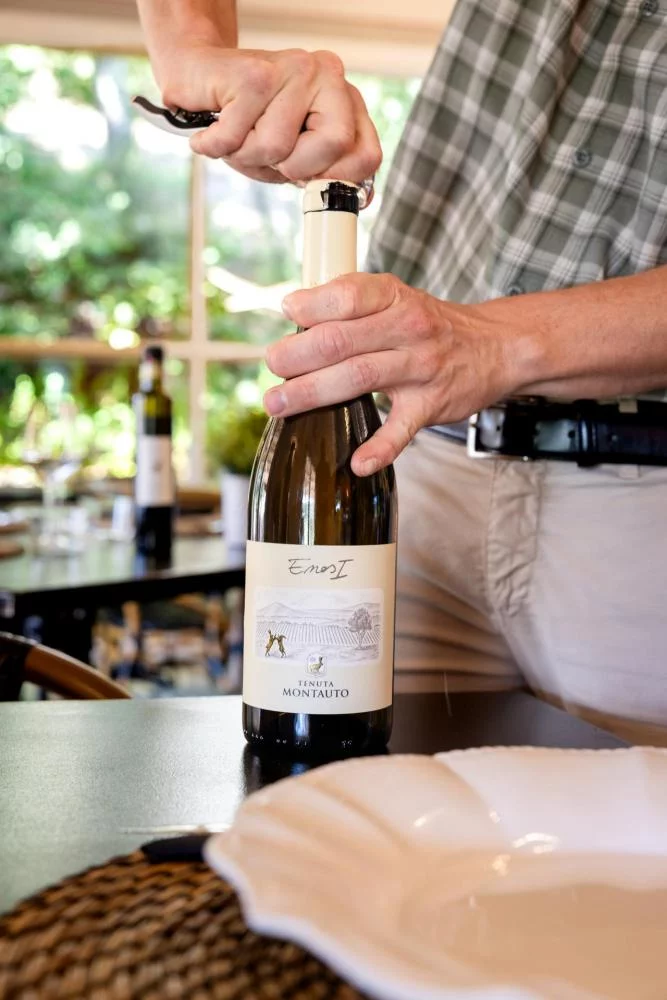
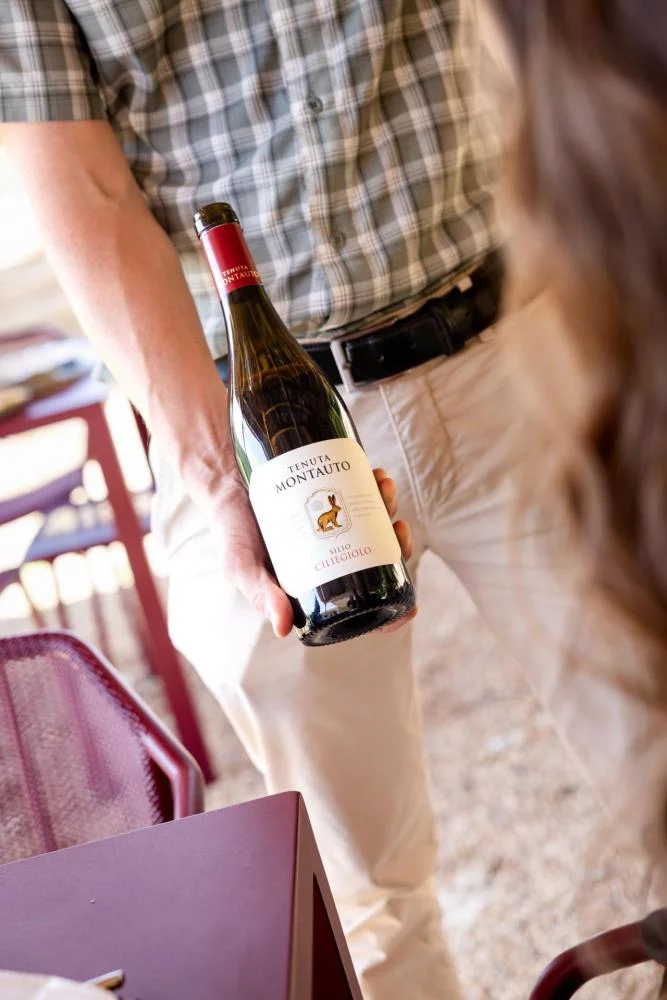
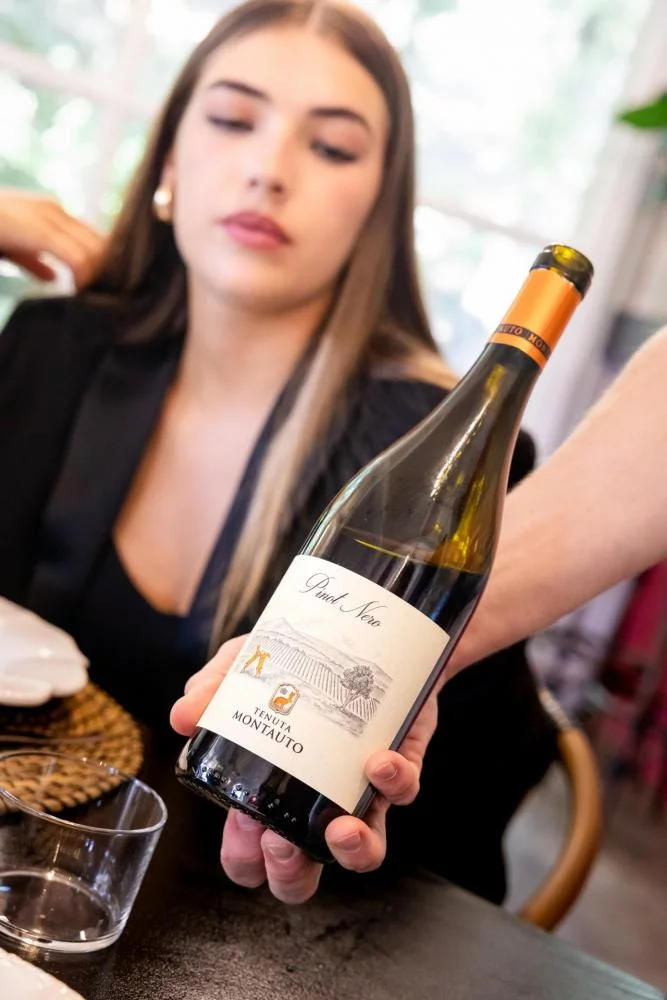
"Taste and Chill" wine tasting at Tenuta Montauto, Maremma Toscana

Is the map not displaying? See accommodations on Stay22
Map and prices provided by Stay22: Toscane Cachée may receive a commission on bookings.
You will also like

Visiting the Etruscan sites of Maremma: how much to budget and where to save
Master your budget for the Maremma Etruscan sites in 2026. Discover my tips for sleeping in...

Tuscan Etruria: the complete guide to Etruscan heritage in Maremma 2026
Explore the Etruscan heritage in Maremma: from Roselle to Sovana, discover the cities…

The 5 must-see Etruscan archaeological sites of Maremma
Explore the Etruscan archaeological sites in Maremma. From Roselle to Sovana, discover ramparts...

3 days between nature and Etruria: Maremma-Etruscan transversal itinerary
Follow this 3-day Maremma Etruscan itinerary. Explore Pitigliano, hike in Uccellina and…
