










You think you know Tuscany, but have you ever explored the depths of the wild Maremma? Between the ramparts of Roselle and the tufa cliffs, the Maremma Etruscan archaeological sites hide millennia-old cities that the crowds of Florence completely ignore.
I’m taking you to discover cinq lieux bruts où le silence des nécropoles et l’ingénierie des hollow ways plunge you into an authentic and mysterious Italy.
1. Roselle, the head-on clash between Etruscans and Romans
Roselle, Vetulonia and Sovana form the archaeological heart of the Maremma, where the cyclopean walls and tholos tombs reveal unique mining engineering, accessible via the famous roads carved into the tuff.

Archaeological site of Roselle
Roselle combines an intact Roman amphitheatre in the closely mown grass and Etruscan cyclopean blocks from the 7th century BC

Tosco Much wilder and more intimate than Populonia, Roselle lets you explore an ancient amphitheatre and thermal baths romains au milieu des olive trees sans croiser un chat. Grimpe tout en haut en fin d'après-midi : la lumière dorée sur la plaine de Grosseto y est tout simplement magique !
Leaving the beaten paths of the tuff, one climbs up to Roselle to see how history physically piles up.
The soul of a city between ramparts and forum
The cyclopean walls of the 7th century command respect. You will clearly see the Roman stones crushing down onto the massive Etruscan foundations. It is a raw visual shock. The power of history sweats beneath your feet.
The atmosphere here remains wild and untamed. The view over the Grosseto plain is immense. The silence advantageously replaces the bustle of the Florentine museums. It is a rare luxury in Tuscany.
The residential districts can still be made out beneath the short grass. The Roman amphitheater draws a perfect ellipse in the landscape. One easily imagines the noise of the ancient markets. The urban plan has remained intact.
The methodical excavations of Roselle show the importance of the site. This place still requires major archaeological attention. It surely hides other secrets beneath its medieval layers.
Practical access and reality on the ground
You access the site through the hamlet of Bagno Roselle. The final climb must be done on foot. It is a small physical effort that is necessary. The summit is truly earned.
Il n’y a quasiment aucune zone d’ombre sur le parcours. L’été, le soleil cogne dur sur les dalles de travertine. Plan for a sufficient amount of’water.
The information panels have suffered from UV rays and time. Some have become illegible over the years. A paper guide remains a smart option to understand the ruins.
- Recommended times : from opening time in the morning
- Visit duration : about 2 hours
- Equipment: hiking shoes mandatory
No shade available on the site. Very harsh summer sun. Mandatory walk uphill to reach the summit. Water essential.
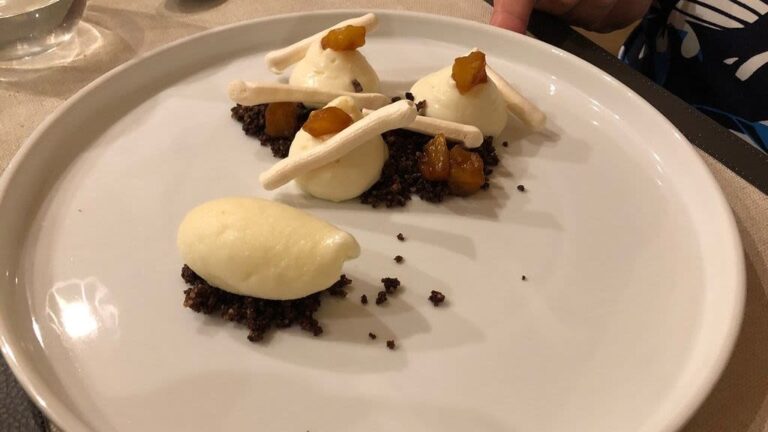
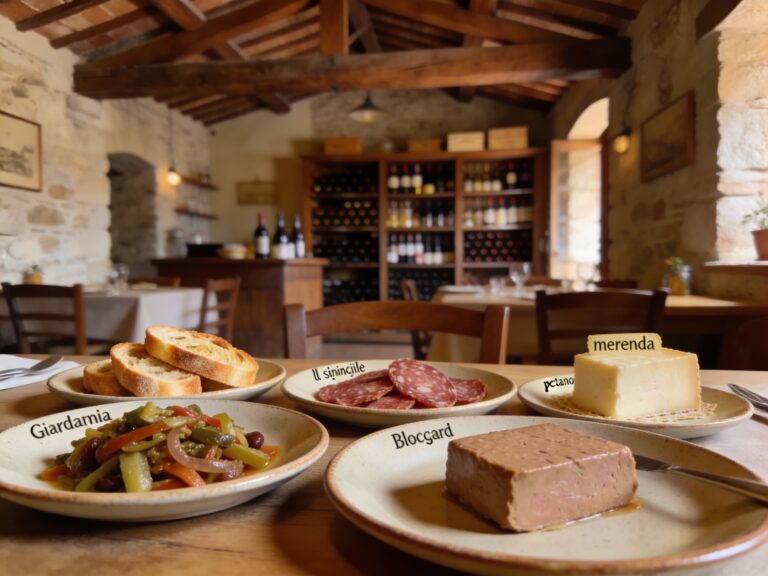
Restaurants · Roselle
Nos tables préférées autour de Roselle

2. Vetulonia, black gold and the giant tumuli
After exploring the heights of Roselle, head west to discover Vetulonia, the ancient industrial power of the Maremma.

Vetulonia
Vetulonia, an Etruscan village in the Maremma, is part of the three archaeological parks along with Cosa and Roselle and hosts ongoing excavations at the Domus dei Dolia

Tosco Don't limit yourself to the village museum: take the track below to explore the Tomba della Pietrera among the olive trees, the atmosphere there is magical and much wilder than in Populonia!
Mining power carved in stone
Vetulonia once dominated the regional economy thanks to its underground resources. The city grew wealthy through bronze working in Vetulonia and metal extraction. The surrounding copper and iron mines fueled a thriving trade.
The Via dei Sepolcri offers a striking contrast with the residential districts. At the bottom of the hill, the giant tumuli such as the Pietrera command respect. Themassive architecture of these princely tombs bears witness to a very marked social hierarchy.
The finesse of the local goldsmithery is simply stunning. The gold jewelry found in the funerary chambers displays incredible technical precision. The artisans of Vatluna were true masters of ancient luxury.
The city's influence extended far beyond its lands. Its ports on the ancient Lake Prile ensured distant maritime trade. Vetulonia was a major hub between the sea and the metal deposits.
Logistics and the downside
The geographical dispersion of the remains requires rigorous organization. A vehicle is essential to connect the hilltop village to the necropolises located below. The distances are short but the slopes are steep.
The narrowness of the local roads demands constant attention. The turns are tight and the asphalt sometimes unpredictable in the heart of Maremma. Drive with caution in these remote areas.
The state of the vegetation can sometimes surprise the visitor. The wild grasses regularly hide the least cleared ruins. This adds a wild charm but reduces the visibility of the structures.
| Site | Interest | Access |
|---|---|---|
| Isidoro Falchi Museum | Goldsmithery and trousseaux | Village center |
| Tomb of the Pietrera | Tholos architecture | Via dei Sepolcri |
| Scavi Città district | Urban planning and domus | Top of the hill |
3. Sovana, the grand spectacle of the Ildebranda Tomb
If Vetulonia shines through its bronze trade, Sovana impresses with its ability to carve the tuff cliffs with surgical precision.

Tombs of Ildebranda
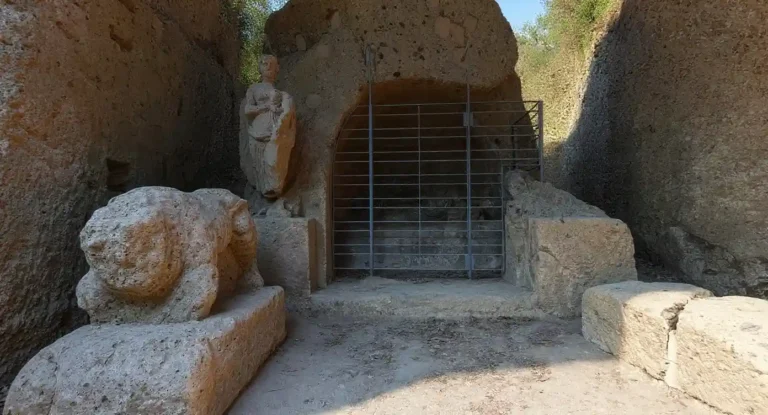
In Sovana, the Tomb of Ildebranda is a temple-tomb carved into the tuff, integrated into the rock-cut necropolis and the Vie Cave of the Città del Tufo park
Tosco Don't just admire this fake Greek temple carved into the rock: head straight to the neighboring *Via Cava di San Sebastiano*, it's the perfect combo to feel all the magic of the tuff!
The Ildebranda Tomb is a technical feat unique in Maremma. It resembles a monolithic Greek temple entirely carved into the rock face. Everything is extracted from the limestone mass, without any external addition. The visual effect is striking in front of this monumental facade.
The forest trail to reach it is just as striking. It winds between the holm oaks and the thick moss. One discovers the Tomb of the Siren around a sharp bend. The immersion in this rock-hewn necropolis is total.
The work on the facades shows incredible finesse. The ornamental details and columns are still clearly visible despite erosion. The volcanic tuff, soft when extracted, allowed this monumental funerary art. It is a direct testament to local Etruscan engineering.
To explore these sites, you can follow this Tuff villages tour 2026: 3 days in Tuscan Maremma. The trail links the wildest points of the area.
The mystical silence of the place enhances the experience. Far from noisy roads, you can only hear the birdsong. It is an open-air sanctuary where the atmosphere is both heavy and magnificent.
The site houses major monuments : the Tomb of Ildebranda (temple structure), the Tomb of the Siren and the Tomb of Pola.
Get the combined ticket as soon as you arrive in the village. It includes access to the San Mamiliano church and the museum. It is more economical for families. Ask for it at the central ticket office to save time.
Be careful, the tuff is extremely treacherous in wet weather. Light rain turns the ground into a real ice rink. Be vigilant on the descents. Always wear good cleated soles.
Don't be surprised by the scaffolding. The Tomb of Ildebranda is regularly under restoration to stop the tuff from crumbling. This protects the monument for future generations. But your photos will inevitably be less spectacular.
- Ticket price : About €5 (site only)
- Recommended parking : Strada Provinciale Sovana 34 (free and shaded)
- Estimated walking time : Allow 2 hours for the necropolis
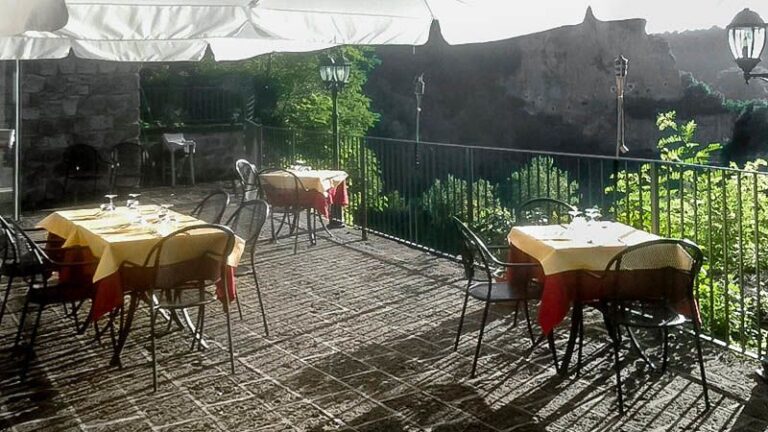
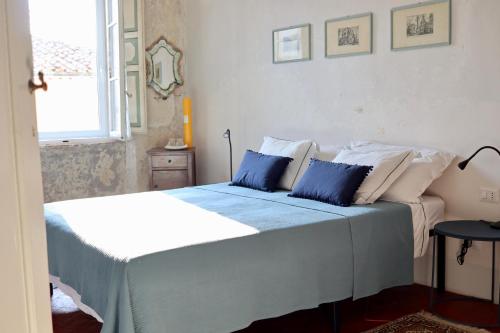
Our addresses · Sovana
Our favorite addresses around Sovana
4. The Vie Cave of Pitigliano, the engineering of silence
Leave the monumental tombs to enter the bowels of the earth via the mysterious sunken roads.

Walking through the bowels of the earth
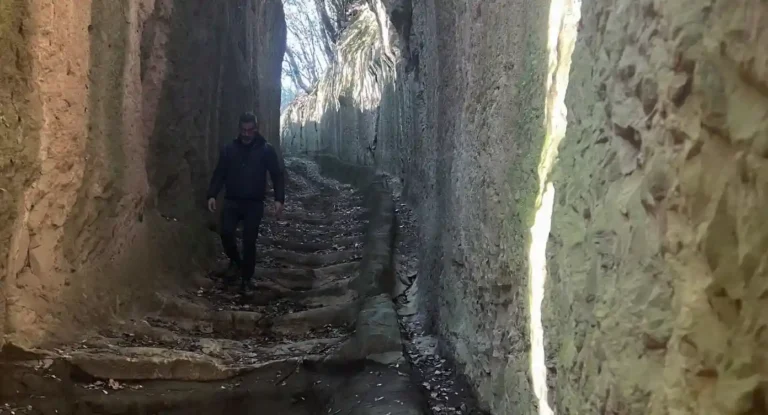
The walls rise twenty meters high. You feel tiny in these corridors. It is a dive into the shadow. The coolness grips you immediately.
Why dig so much rock by hand? These paths connected the dead to the living. It is a remarkable feat of ancient engineering.
The sound does not echo like elsewhere. Every step seems muffled by the moss. It is a guaranteed journey out of time.
To prepare your itinerary well, check out this guide on the Tuscan via cava | Pro guide to the Etruscan roads 2026. It is the basis for not wandering aimlessly.
Ferns love this constant humidity. The walls are covered in intense green. It is a a very particular and wild microclimate.
Walking precautions and orientation
I you technical shoes recommended. The humidity makes the bottom of the paths muddy. Avoid city sneakers. Your ankles will thank you.
Some trailheads are well hidden. Look for the Porta di Sovana. It's the good starting point.
The rock is crumbly in places. Some sections sometimes close without warning. Check with the local tourist office before leaving.
To explore these tufa passages safely, don't set out empty-handed.
- Headlamp useful
- Anti-mosquito spray
- One-liter water bottle
The terrain can be slippery even in the middle of summer. Stay alert on the stone slabs worn by centuries.
5. The Grosseto Museum, to connect the dots
To understand the coherence of all these sites, a stop in the capital of the Maremma is a must.
The Museum of Archaeology and Art of the Maremma (MAAM) brings together the major collections of the province. The warrior stelae from the archaic period are truly impressive. You can also see cinerary urns from all over the region. It's a perfect synthesis for your journey.
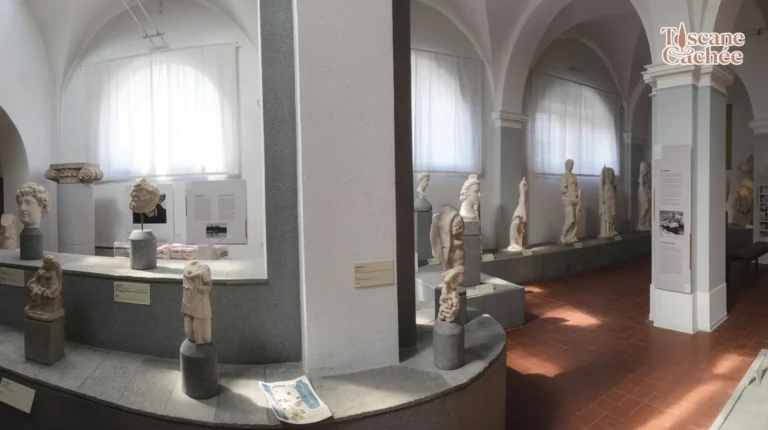
MAAM — Archaeological and Art Museum of the Maremma
Housed in the former courthouse of Grosseto, the museum displays across forty rooms on three floors gold from Vetulonia, a bucchero bowl and statues from the forum of Roselle
Tosco First go see the treasures of the MAAM and its incredible Roman shipwreck before climbing up to the ancient site of Roselle: your eyes will read the ruins very differently!
The craftsmanship is displayed in a way that shows its evolution. You move from the geometric style to very marked Greek influences. The objects tell of the intense trade of the era. It's an effective visual history lesson.
Underwater archaeology holds a special place here. The coast hid wrecks loaded with amphorae, proof that ports like Populonia were active thanks to the iron industry in Populonia. You will even see a reconstruction of a shipwreck.
The museum also highlights the wealth of Vulci, studied during the excavations of Vulci by Stéphane Gsell. You quickly understand that it was a major center of artistic craftsmanship. The pieces on display are of rare fineness.
The museum is located in a pedestrian zone, in the former courthouse. Park near the ramparts of Grosseto to reach the center. The walk is short but necessary to access the building. The city center is quite pleasant, by the way.
Beware of the density of the 40 rooms spread over three floors. It is sometimes a bit compact to take everything in. Choose your favorite themes upon entering. Do not needlessly saturate your mind.
One can regret the absence of modern digital devices. Children might get a little bored during the tour. Interactive screens are clearly missing. It is a museum with a very classic style.
| Floor | Theme | Unmissable |
|---|---|---|
| Ground floor | Prehistory | Origins of the Maremma |
| 1st floor | Etruscans | Bucchero bowl with alphabet |
| 2nd floor | Romans | Statues of the forum of Roselle |
| 3rd floor | Sacred Art | Madonna with cherries of Sassetta |
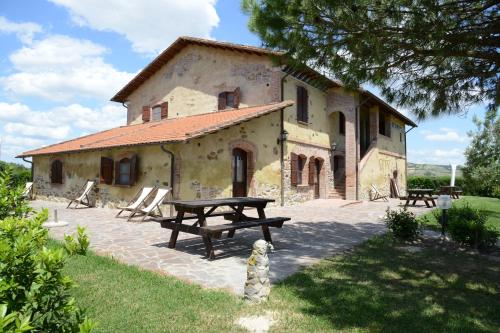
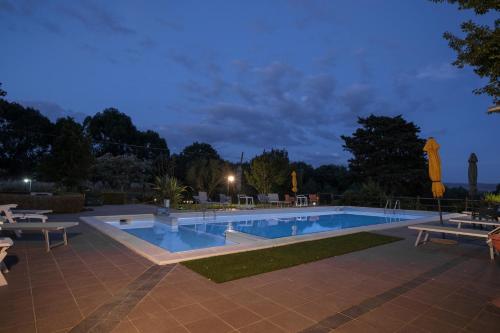
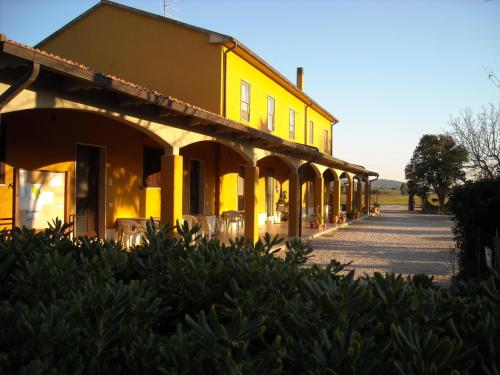
Agriturismos · Grosseto
Nos agriturismos préférés autour de Grosseto
How to organize your trip to the Etruscan land
Now that the sites hold no more secrets for you, let's move on to the logistical details for a successful expedition.
Seasons and access from the hubs
Favor the intermediate months for your explorations. May and September are ideal for walking. The heat remains bearable and the vegetation has not yet smothered the trails.
Prefer a flight to Rome Fiumicino rather than Pisa. The route to southern Maremma is more direct. You will save precious time for your visits.
Rent a small compact car. The roads of Maremma are often narrow and winding. A large SUV will quickly become a handicap for parking near the necropolises.
Seasons: May and September.
Airport: Rome Fiumicino.
Transport: Agile city car.
Base: Sorano / Sovana area.
Equipment for the wild Maremma
Take a powerful flashlight. The rock-cut tombs are often very dark, even in broad daylight. Water is vital here, never forget it before setting out.
Sleep between Sorano and Sovana. It's the heart of the tuff and the major sites. You'll be on site early in the morning, before the rare groups arrive.
Download your offline maps as a must. Mobile network is unreliable as soon as you go deep into the forest. Technology helps, but don't count on 4G.
- GPS app with downloaded maps
- Long clothing to protect against ticks in the forest
- External battery for your phone
Explore these Etruscan archaeological sites in Maremma lets you get up close to fascinating ancient engineering, between cyclopean walls and hollowed-out roads. To make the most of this tuff journey, choose spring or autumn. Will you prefer the mystical silence of Sovana's necropolises or the raw power of Roselle?
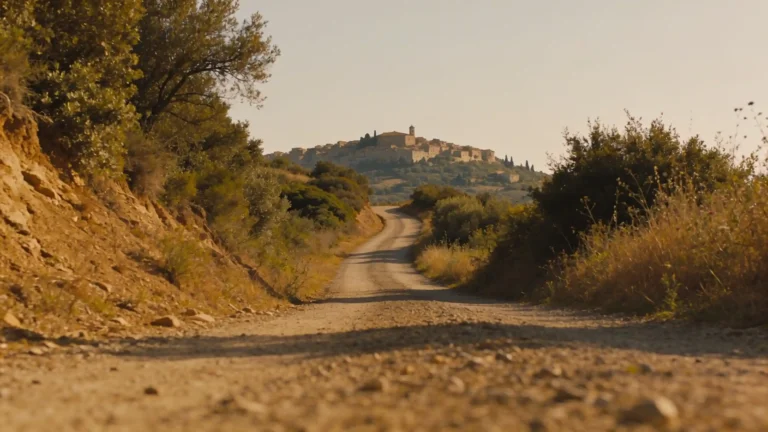
Ah, summer in Maremma! It is a wonderful time to explore the region, but it is true that the heat can be intense, especially at archaeological sites like Roselle. Regarding your question about how well the site handles the summer heat, the answer is somewhat nuanced: it is entirely visitable, but with indispensable precautions. The main challenge at Roselle is the almost complete lack of shade. The site is very exposed to the sun, and the travertine flagstones store heat, which can make the walk particularly difficult during the hottest hours of the day, between 11 am and 4 pm.
As for the climb up to the site, it must be done on foot from the hamlet of Bagno Roselle. It is not a very long ascent, but it is a steady slope that can be grueling under a blazing sun. My expert advice is to opt for a visit early in the morning, right at opening time, or in the late afternoon, to avoid the peak heat. Be sure to bring a good amount of water (at least 1.5 liters per person), a wide-brimmed hat, sunglasses, and sunscreen. Comfortable, breathable walking shoes are also essential, as the terrain is uneven. Finally, be aware that the informational panels on the site may be degraded by the sun and weather, so purchasing a paper guidebook or using a dedicated app before your visit could greatly enrich your experience of discovering the cyclopean walls and the Roman forum that overlay them.
Absolutely! If ancient craftsmanship and goldsmithing fascinate you, Vetulonia is an unmissable stop on your journey through Maremma. This ancient Etruscan city was once a major economic power, notably thanks to its expertise in the extraction and working of metals. You will be delighted by the refinement of the goldsmith pieces discovered in the region’s princely tombs. The gold jewelry that has been found, with its incredible technical precision, testifies to the exceptional skill of the artisans of Vatluna, who were true masters of ancient luxury. To admire these treasures, your first stop should be the Isidoro Falchi Museum, located in the heart of the village. It is there that the finest examples of Etruscan goldsmithing and funerary trousseaus are displayed, offering a striking glimpse into the wealth of this civilization.
Regarding the organization of the visit between the hilltop village of Vetulonia and the necropolises, it is important to know that the remains are geographically dispersed. A vehicle is therefore indispensable to connect the village to the necropolises located downhill. The distances are not very great, but the slopes can be steep. I recommend starting with the museum in the village center to get an overview, then heading to the Via dei Sepolcri to explore the giant tumuli. The Tomb of the Pietrera, for example, is a remarkable example of tholos architecture that inspires awe. The local roads are often narrow and winding, which requires careful driving. Finally, pay attention to the vegetation which, at times, can hide certain ruins, adding a wild charm but requiring extra vigilance to spot the structures properly. Allow a good half-day for an in-depth exploration of Vetulonia, between the village, the museum and the necropolises.
The Ildebranda Tomb in Sovana is indeed an archaeological marvel, a unique technical feat that will leave you speechless. To make the most of it, I advise you to take your time and let the mystical atmosphere of the place sink in. This tomb, carved directly into the tuff cliff, resembles a monolithic Greek temple and its visual effect is breathtaking. The forest trail that leads to it is just as enchanting, winding between holm oaks and thick moss, and it will allow you to discover other tombs such as the Tomb of the Siren along the way. The immersion in this rock-cut necropolis is complete, and the silence of the place enhances this unique experience.
As for the practical aspects, I strongly recommend buying the combined ticket as soon as you arrive in the village of Sovana. This ticket includes access to the San Mamiliano church and the museum, which is more economical and will save you time. The price of the ticket for the site alone is about 5 €. 1. . Regarding the terrain, be extremely vigilant, especially in wet weather. Tuff is a volcanic rock that, when wet, can become very slippery and turn into a veritable skating rink. It is imperative to wear good 2. walking shoes with lugged soles to avoid falls. The recommended parking is located on the 18. Strada Provinciale Sovana 34; 3. ; it is free and shaded, which is no small advantage in Maremma. Allow about 2 hours 4. to explore the necropolis and its wonders. Finally, do not be surprised to see scaffolding around the Ildebranda Tomb5. : it is regularly under restoration to protect it from erosion, which is essential for its conservation, even if it may slightly alter your photos.
The Vie Cave, 6. , those mysterious hollow ways near Pitigliano, 7. , are an absolutely unique experience and one of the most fascinating wonders of Etruscan Maremma. Imagine walking through narrow canyons, carved by hand by the Etruscans into the tuff rock, with walls that can reach twenty meters high. It is a literal plunge into the bowels of the earth, where the coolness and humidity immediately take hold of you, creating an atmosphere outside of time. These paths once connected the dead to the living, the necropolises to the dwellings, and represent a remarkable feat of ancient engineering. Sound is muffled there, light is filtered, and the walls are often covered with ferns and moss, creating a very particular and wild microclimate. It is a sensory journey that will stay with you.
8. For a safe and enjoyable exploration, preparation is essential. First, I recommend technical hiking shoes 9. with good lugged soles. The bottom of the hollow ways can be muddy and slippery, even in the middle of summer, due to the constant humidity. Absolutely avoid city sneakers. For orientation, some trailheads can be a bit hidden; look for the Porta di Sovana, 10. , it is an excellent starting point. Since the rock is crumbly in places, some sections may close without notice for safety reasons, so it is wise to check with the local tourist office 11. before setting out. Finally, as for the essential items to have with you, I recommend a headlamp 12. (even during the day, some sections are darker), a good mosquito repellent spray 13. (the humidity attracts these little critters), and a one-liter water bottle. 14. . To deepen your knowledge of these paths and prepare your itinerary well, I invite you to consult this guide on the 15. Tuscan Via Cava | Pro guide to the Etruscan roads 2026, 16. , a valuable resource for not wandering aimlessly and for discovering all the subtleties of these unique routes.
17. That is an excellent question and a very relevant approach after exploring the sites « in the field ». To connect the dots and gain a global understanding of the Etruscan and Roman history of Maremma, a stop at the 18. Museum of Archaeology and Art of Maremma (MAAM) in Grosseto 19. is absolutely essential. This museum is the true nerve center for the province, bringing together the major collections and offering a perfect synthesis of your journey. You will discover pieces of incredible richness, from warrior steles of the archaic period to cinerary urns from across the region, as well as the evolution of Etruscan craftsmanship, showing Greek influences and the intense commercial exchanges of the era. It is a highly effective visual history lesson that will allow you to put all your discoveries into context.
20. The museum is not limited to the Etruscans; it also highlights underwater archaeology with reconstructions of shipwrecks loaded with amphorae, testifying to the maritime commercial activity of ports like Populonia and its iron industry. In addition, it showcases the richness of Vulci, a major center of artistic craftsmanship, with pieces of rare refinement. The MAAM is located in a pedestrian zone, in the former courthouse. To get there, park near the walls of Grosseto and enjoy a short, pleasant walk through the town center. Note that the museum is vast, spread over three floors and comprising about 40 rooms. To avoid feeling overwhelmed, I advise you to choose your favorite themes right from the entrance. Although the museum is classical in style and may lack interactive digital features for younger visitors, it remains an invaluable resource for history and archaeology enthusiasts wishing to deepen their understanding of ancient Maremma.
Organizing a 3-day tour to explore the Roselle, Vetulonia and Sovana triangle is an excellent idea to dive into the heart of Etruscan and Roman Maremma. To optimize your experience, the choice of the time of year is crucial. I highly recommend favoring the shoulder months, that is to say May and September. During these periods, the heat is generally more bearable for exploring on foot, and the vegetation is not yet too dense or, on the contrary, has not yet dried out, which makes the trails more pleasant. This way you will avoid the summer crowds and the sometimes crushing temperatures of July and August, which can make visiting very exposed sites like Roselle particularly grueling.
Regarding optimizing your travel from abroad, I advise you to land at Rome Fiumicino Airport (FCO) rather than Pisa. The road from Fiumicino to southern Maremma is more direct and will save you precious time, which you can devote to your visits rather than to the journeys. Once there, renting a small compact car is essential. The roads of Maremma, although charming, are often narrow and winding, especially for accessing hilltop villages like Vetulonia or isolated necropolises. An easy-to-handle car will allow you to get around more easily and safely. Keep in mind that these sites are often in the middle of nature, far from frequent public transportation. For a detailed itinerary and tips for a 3-day tour, you could draw inspiration from resources like the Tuff Villages Tour 2026, which links the wildest points of the area and will give you an excellent basis for planning your days.
Around this article

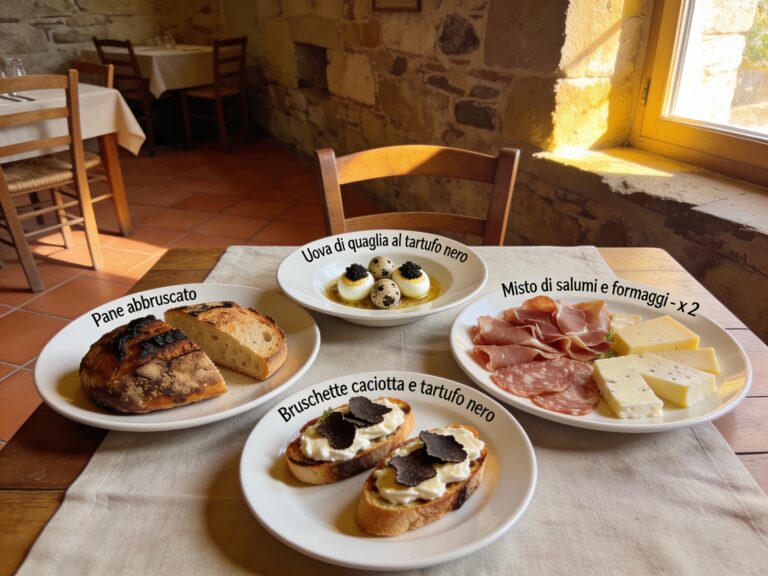

Is the map not displaying? See accommodations on Stay22
Map and prices provided by Stay22: Toscane Cachée may receive a commission on bookings.
You will also like

Tomb of Ildebranda in Sovana: the most beautiful Etruscan burial you have ever seen
Explore the ildebranda sovana tomb, a unique Etruscan temple carved into the tuff. Discover…

Tuscan Etruria: the complete guide to Etruscan heritage in Maremma 2026
Explore the Etruscan heritage in Maremma: from Roselle to Sovana, discover the cities…

Visiting Sovana: medieval gem and Etruscan mysteries
Go visit Sovana, a tuff jewel in Maremma. Discover its Etruscan necropolis, its cathedral…

I spent a day alone in the necropolis of Sovana: silence and Etruscan stone
Explore the necropolis of Sovana and its monumental tombs. Walk through the Vie Cave…