Tu penses vraiment que les cèpes de supermarché ont du goût ? Sur les pentes volcaniques du Mont Amiata, le porcini mushroom n’est pas un produit de catalogue, mais a wild treasure with firm flesh and a hazelnut scent.
If you want to avoid industrial traps and taste the real 16th-century soup, you must respect the picking rules and get your permit. I'll show you how to track down the true Amiata porcino and which villages to celebrate autumn in without getting ripped off.
Sagra del Fungo Amiatino: why you should forget the commercial fairs

Festival of the Amiata Mushroom
A village sagra in early-to-mid October dedicated to the Amiata mushroom, with specialized menus and nature walks in the Amiata woods, in Bagnolo, near Santa Fiora

Tosco Un conseil pour en profiter au max : arrive dès l'ouverture des stands à midi pour savourer tes tagliatelle aux cèpes sans faire la queue, puis file digérer au calme autour de la Peschiera à Santa Fiora !
In autumn, Mount Amiata celebrates the IGP porcino mushroom and the Castagna del Monte Amiata IGP chestnut in Arcidosso and Piancastagnaio. Picking requires a specific permit, protecting a unique forest ecosystem.
Amiata IGP Porcino Mushroom and Mount Amiata IGP Chestnut.
Volcanic soil rich in minerals and forest altitude.
This natural sanctuary demands absolute rigor to distinguish the true wild product from the pale industrial imitations that flood the supermarkets.
The Amiata Porcino versus industrial impostors
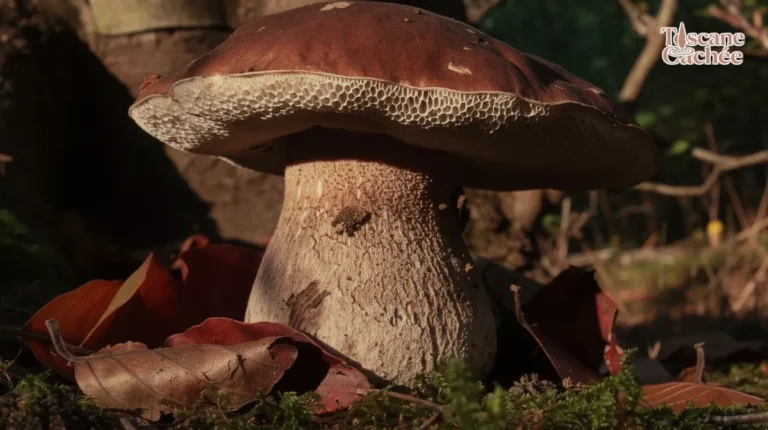
Porcino of Amiata
The Porcino dell'Amiata is a wild mushroom named after the Amiata forest massif, to be enjoyed pan-fried or in local dishes

Tosco If you pass through the Amiata in autumn, don't just pick them up: head straight to a trattoria in Bagnore to taste the *tagliatelle ai funghi porcini* with a drizzle of Olivastra Seggiana oil, it's the perfect volcanic combo!
Forget the soft porcini imported from the East. The Amiata porcini is recognized by its incredibly firm flesh. Its hazelnut aroma crushes all mediocre competition.
The volcanic soil charges this mushroom with essential minerals. The taste is more intense, almost wild, thanks to the altitude. Absolute freshness is here the only acceptable rule.
It is the ideal time to consult the guide: When to go to Maremma: weather and sagre month by month. The season forgives no delay.
The heritage of the miners and lumberjacks in your lunchbox
Here, the forest is not a backdrop. The miners survived thanks to it. The chestnut represented the poor man's bread, a social heritage engraved in stone.
Observe the seccatoi, these traditional drying houses still standing. They preserved the fruit for the winter. The smoke once perfumed every alley of the mountain villages.
This culture survives on every plate today.
The sensory experience of silence under the chestnut groves
Listen to the dry crunch of leaves under your feet. The smell of humus hits you in the gut. Forest bathing is not a marketing gimmick, it is a physical reality.
Beech forests instantly soothe your nervous system. Light barely filters through the century-old branches. It's a brutal reconnection with the wild earth of Maremma.
But be careful, this freedom requires total respect of the legal framework. Foraging is serious business, strictly regulated by law.
Picking without ending up at the police station: the guide to permits and rules
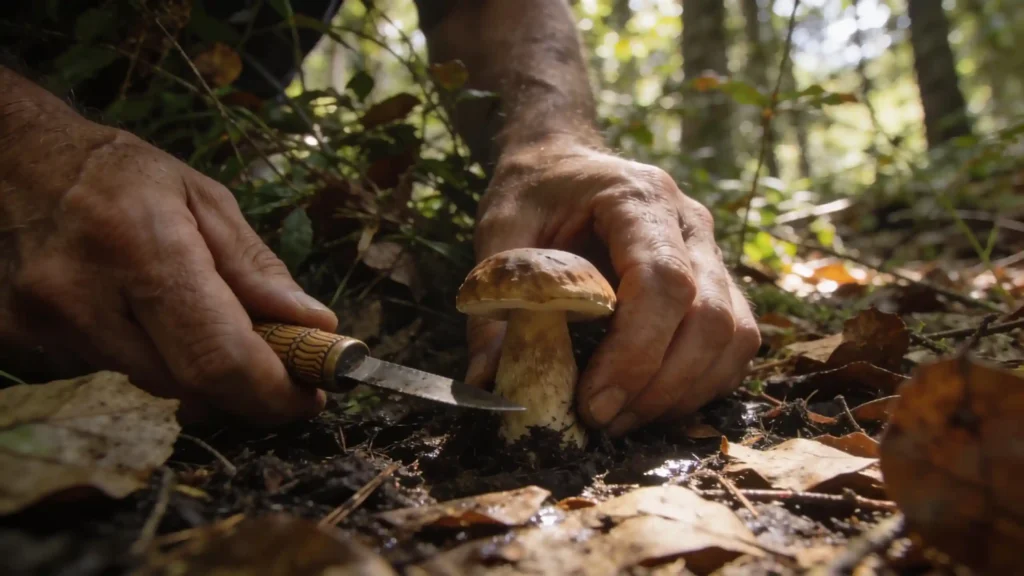
But be careful, you can't pick just anything any way you like without risking a hefty fine.
Getting the permit for non-residents without hassle
The tourist permit is mandatory for non-residents. Simply pay online or by postal slip. It's quick and essential.
Local bars and town halls also sell these tickets. It's more convenient on site. Always keep your payment receipt with you.
Forest inspections are frequent in season. Stay within the rules to avoid trouble. The forest has eyes.
Pro tips so you don't wreck the ecosystem
- Wicker basket mandatory to spread spores.
- Plastic bags prohibited.
- 3 kg limit per person.
- Brief cleaning on site.
The respect for the mycelium is vital for regrowth. Never scratch the soil with a rake. Use your hands with care.
To get organized, take a look at Your day-by-day itinerary in Maremma. It's concrete and effective for your stay.
Safety and identification of local edible varieties
Never consume a doubtful specimen. Free mycological centers check your harvest. Caution saves lives in the mountains.
Learn to recognize the Fly Agaric, often found near porcini mushrooms. The terrain is slippery. Wear suitable hiking shoes.
Fog falls quickly on the peaks. Stay on the marked trails. Don't play with your safety.
The villages where things really happen between Arcidosso and Abbadia
Once your basket is full (or not), head to the villages for the festival.
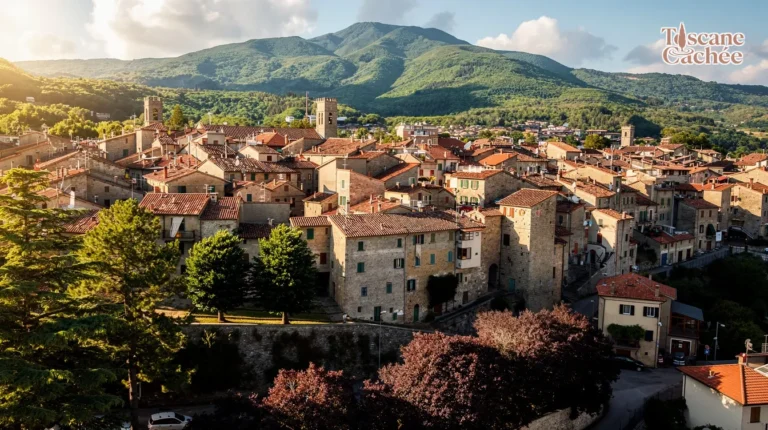
You can't say you know the Tuscan autumn if you haven't dragged your boots through the alleys of Arcidosso during Castagna in Festa. The medieval atmosphere is palpable there. The smoke from the braziers and the music bring every corner to life beneath the ramparts.

Castagna in Festa
Series of autumn sagre revolving around chestnuts and mushrooms, spread across several villages of the Amiata over several weekends in October
Tosco Take it from this wild boar's instinct, autumn on the Amiata beats everything else: dash to Arcidosso to bite into *caldarroste* blazing hot from the wood fire, but above all save room for a real slice of *castagnaccio* with fresh ricotta!
This is where you taste real chestnut polenta, far from the bland tourist versions. The craft stalls overflow with sincere local products. The welcome from the locals never cheats, it's raw and warm.
If you're looking for other flavors, look to the Festa dell'Olio Novo in Marsiliana. It's the best.
Arcidosso: Castagna in Festa (mid-October). Piancastagnaio: Crastatone (late October). Abbadia San Salvatore: Autumn festival.
In Abbadia San Salvatore, the mining heritage gives the festivities a unique character. The underground taverns open their doors for the occasion. It's an experience outside of time, far from postcard folklore.

The town lights up as evening falls, revealing magnificent gray stone architecture. You drink local wine while listening to ancient tales. It's the’soul of the mountain that speaks here.
All of this takes place at the foot of the Mount Amiata. A sacred volcano.
The Crastatone of Piancastagnaio remains the ultimate experience, the oldest festival in the area. Tons of chestnuts are roasted over giant fires. The smell of roasting takes over the whole south of Tuscany.
To digest, try a Maremma Hike between the villages. It's the best way to make up for the excesses of the table.
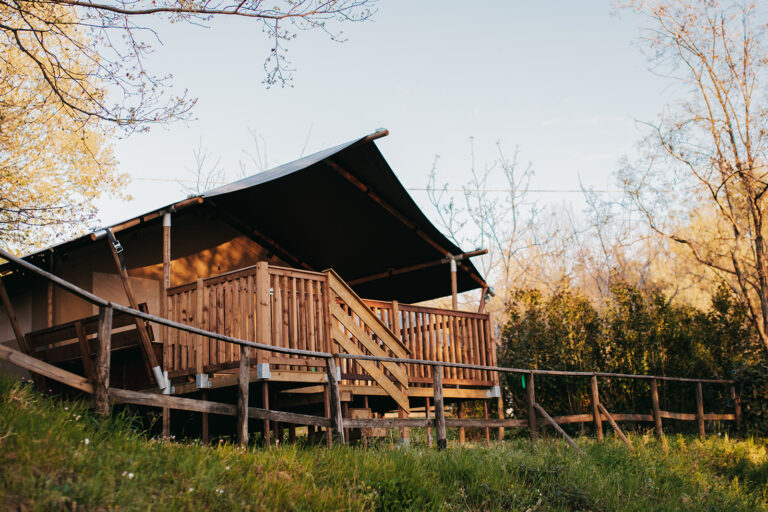
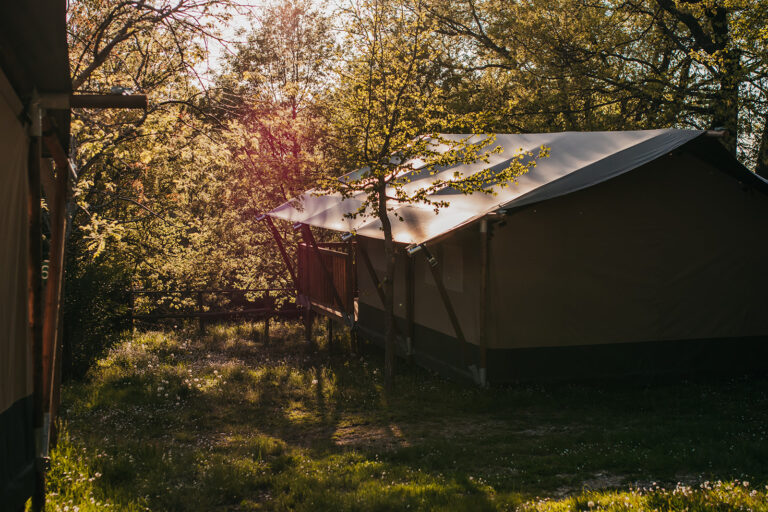
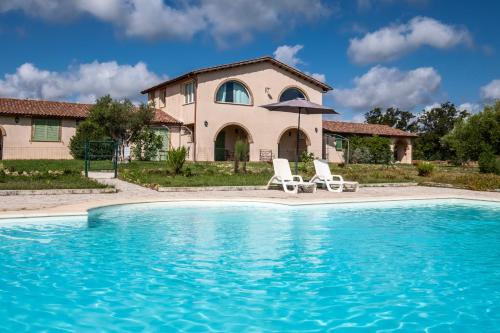
Hébergements · Arcidosso
Nos hébergements préférés autour d'Arcidosso
Eating mushroom and chestnut like a true Maremman
In short, after the effort and the festivities, let's get down to business: your plate.
The 16th-century soup against tourist menus
Real mushroom soup contains no cream. It's a clear broth, rich in woodland flavors. Demand authenticity in your bowl.
Flee the tourist traps that serve frozen products. Look for the small hidden osterias. The taste of the land never cheats.
Pairing the undergrowth with the characterful reds of Montecucco
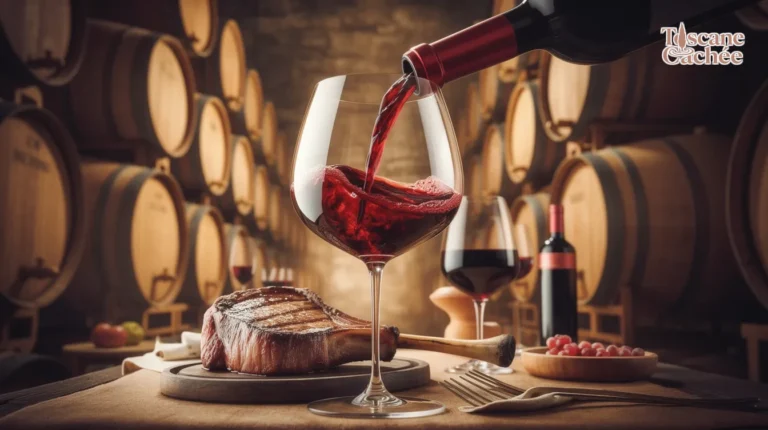
Sangiovese of Montecucco DOCG
The Sangiovese di Montecucco is a DOCG appellation of the Maremma, a local grape variety growing on volcanic terroir
Tosco If you love Brunello but don't want to break the bank or run into busloads of tourists, head straight to the estates around Seggiano: the volcanic rock of Amiata gives Sangiovese here a stunning mineral tension!
Montecucco PDO wine is the ideal companion. Its robust tannins support the power of the porcini. It's a marriage of reason and passion.
Don't forget a drizzle of extra virgin olive oil. It must be fiery to enhance the fresh mushroom. It's the secret of local chefs.
Also discover the Festa delle Cantine of Manciano. A raw experience.
How to buy your products without getting ripped off
| Product | Sign of freshness | Trap to avoid | Indicative price |
|---|---|---|---|
| Fresh porcini | Firm cap | Spongy stem | Depending on harvest |
| PGI chestnut | Shiny skin | Insect holes | Local market |
| Chestnut flour | Sweet smell | Bitter taste | Direct producer |
| New oil | Green reflections | Total transparency | Estate price |
Favor farmers' markets. Traceability is your best guarantee of quality.
End on a note gourmande. The wild Maremma awaits you for this feast.
Monte Amiata doesn't cheat with its forest treasures. By respecting the picking rules and favoring the village tables of Bagnolo or Arcidosso, you will discover the true taste of IGP porcini and chestnuts. Ready to trade industrial fairs for this wild immersion in the Maremma.
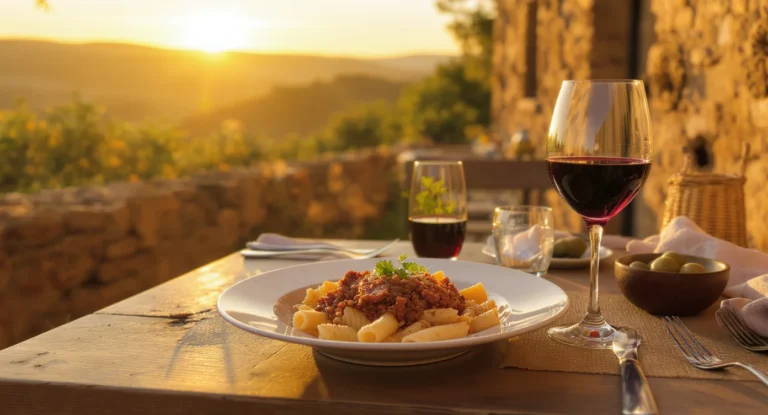
To fully immerse yourself in the mushroom-picking tradition on Mount Amiata, obtaining a permit is a crucial step for non-residents. This pass is mandatory and protects the unique forest ecosystem of this volcanic region. You can acquire it in several practical ways: either online via the Tuscany Region website, or by postal form, or even more simply, directly on site in the local bars or town halls of the Amiata villages. I recommend opting for an on-site purchase, as it is often faster and allows you to get additional information from the locals.
Once you have your permit in hand, several rules must be scrupulously followed for a respectful and legal harvest. First, the limit is set at 3 kg of mushrooms per person per day. It is imperative to use a wicker basket to carry your harvest; plastic bags are strictly forbidden because they prevent the dispersal of spores, which is essential for mushroom regeneration. Avoid using tools such as rakes so as not to damage the mycelium and the soil. Finally, always keep your permit payment receipt and an ID on you, as forest checks are frequent, especially in high season. If in doubt about a mushroom's edibility, take no risks and have your harvest checked at the local free mycological centers. Caution is essential for your safety and for the preservation of this precious natural heritage.
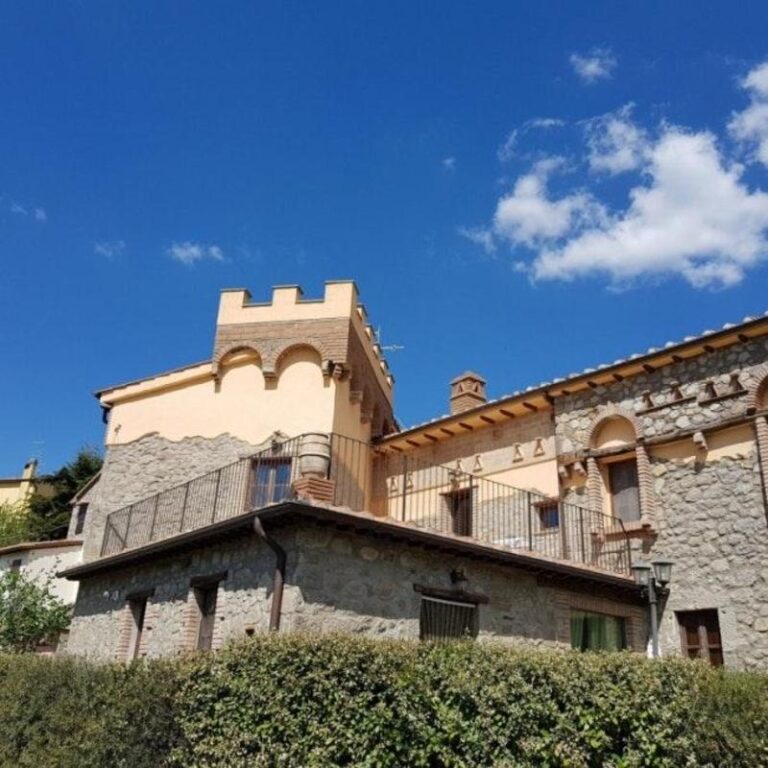
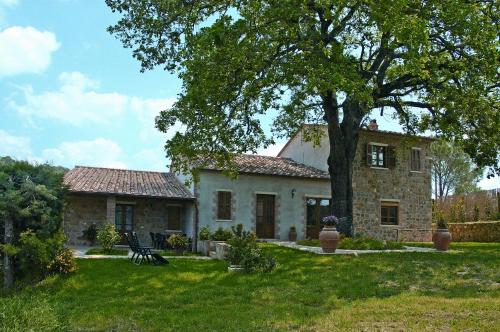
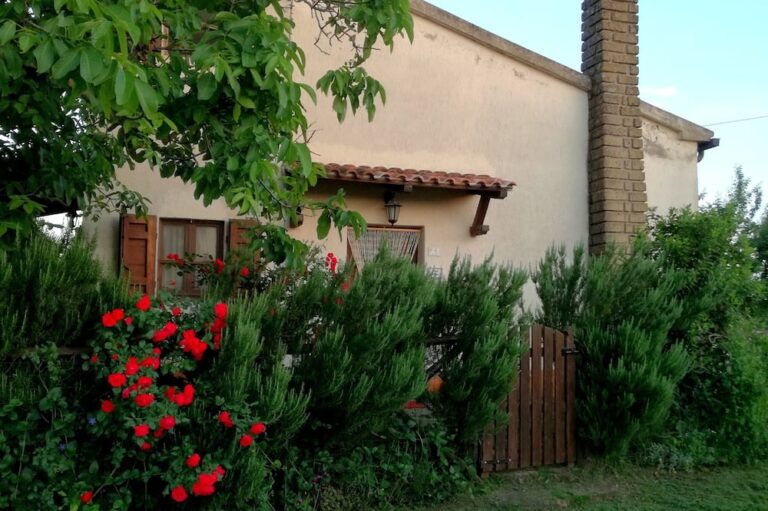
Absolutely! For a total immersion in the culture and autumn flavors of Mount Amiata, I warmly recommend giving priority to agriturismos. These restored farmhouses not only offer comfortable rooms or apartments, but are often run by local families who cultivate the land and produce their own specialties: olive oil, wines, cheeses, honey, and of course, dishes made with chestnuts and mushrooms. It is a far richer experience than a conventional hotel, as you will be in direct contact with the locals, their traditions and their way of life. Many agriturismos are ideally located in the heart of the landscapes you will explore, offering breathtaking views of the hills, beech forests or olive groves. You can consult our article on the cost of an agriturismo in Maremma to get an idea of the rates and benefits.
One example you could look for is the Agriturismo la Piaggia, but there are many others around villages such as Santa Fiora, Arcidosso or Seggiano. The advantage of agriturismos is that they often offer meals prepared with the farm’s products, allowing you to taste genuine, seasonal Tuscan cuisine. Some even offer activities such as cooking classes, tastings or tours of their farms. Another interesting option could be to rent a small stone house in a medieval village like Santa Fiora or Montegiovi. This will allow you to live at the locals’ pace, get lost in the narrow streets and enjoy the unique atmosphere of these history-laden places, far from the usual tourist crowds.
To taste the genuine Amiata porcino PGI, you need a discerning eye and should favor short supply chains. The Amiata porcino is radically different from industrial products. Its first characteristic is its incredibly firm flesh, a hallmark of its quality and freshness. Forget the soft, waterlogged porcini sometimes found in supermarkets. Its scent is also unique: a delicate hazelnut aroma, far more pronounced and complex thanks to the region’s mineral-rich volcanic soil. This particular terroir gives the mushroom an intense, almost wild taste and an absolute freshness that brooks no comparison.
To be sure you are not being fooled, the best advice is to head to the local farmers’ markets in the villages of Mount Amiata. Places like Arcidosso, Piancastagnaio or Abbadia San Salvatore, , especially during the autumn festivals such as Castagna in Festa or the Crastatone, 2. , are ideal meeting points. Here, you can buy directly from the pickers or small vendors who guarantee the origin. A good indicator of freshness is a firm cap with no suspicious spots. Beware of spongy stems, a sign of a mushroom that has traveled or is too old. Traceability is your best guarantee of quality, and do not hesitate to ask the vendor where their mushrooms come from. It is by favoring these authentic channels that you will discover the true taste of the mountain.
The «16th-century soup» I mention is a true culinary institution of Mount Amiata, 4. , a dish that embodies the heritage of the miners and lumberjacks, and which showcases the treasures of the forest. Far from the sweetened, creamy versions sometimes found, the true Amiata mushroom soup is a clear broth, incredibly rich in woodland flavors. It is prepared with fresh porcini mushrooms, local aromatic herbs and often a little stale bread to give it body, never with cream. It is a simple yet profound dish, which tells the story of survival in the mountains and the inhabitants’ intimate bond with their environment. To taste this authenticity, you must absolutely avoid restaurants with overly generic menus and head for the small, hidden spots.
5. To track down this marvel, I advise you to look for the hidden little osterias or family trattorias in the villages of Mount Amiata, such as in Arcidosso, Santa Fiora or Abbadia San Salvatore. 6. . During the autumn festivals, such as Castagna in Festa in Arcidosso or the Autumn Festival 7. in Abbadia San Salvatore, many stalls and temporary taverns offer traditional dishes, and it is often an opportunity to taste the soup prepared according to ancestral recipes. Do not hesitate to ask the locals where they eat; it is often the best indicator of authentic cuisine. To eat in Maremma without breaking the bank and discover other culinary gems, you can consult our guide 8. Eating in Maremma without breaking the bank. 9. . Pair this soup with a good glass of Montecucco PDO 10. for a perfect marriage of local flavors.
11. To fully experience the authentic atmosphere of the autumn festivals on Mount Amiata 12. and combine your passion for mushrooms with local traditions, several villages are absolutely unmissable. The calendar is packed and offers a deep immersion in the culture of chestnuts and porcini. Among the flagship events, do not miss Castagna in Festa in Arcidosso, 13. , which usually takes place on the 14. second and third weekends of October. 15. . The medieval atmosphere is palpable, with food and wine tastings, music and historical reenactments. It is the ideal place to taste true chestnut polenta and discover craft stalls overflowing with sincere local products.
16. Another major event is the Crastatone of Piancastagnaio, 17. , the oldest event in the region dedicated to the chestnut, which takes place between 18. late October and early November. The term «crastata» refers to roasted chestnuts, and the smell of roasted chestnuts pervades the whole village. The four contrade (districts) set up stalls of typical products, not to mention the oil and new wine. Finally, , Abbadia San Salvatore hosts its Autumn Festival on the 14. second and third weekends of October. 1. . Here, the fruits of the forest are in the spotlight, offered for lunch and dinner in the various terzieri 2. (districts). The program also includes guided hikes to pick chestnuts and local craft markets. These festivals are the perfect opportunity to discover the soul of the mountain and share unique moments with the locals.
The seccatoi 3. are emblematic architectural and cultural features of Mount Amiata, 4. , witnesses to the historical importance of the chestnut in this region. They are traditional drying houses, small stone or wooden structures, often located at the edge of chestnut groves or in the villages. Their function was essential: to preserve the harvested chestnuts for the winter, a period when they constituted a fundamental source of food for the inhabitants, especially the miners and lumberjacks. The chestnut was nicknamed the « bread of the poor », and its transformation into flour, after drying, made it possible to prepare bread, pasta and cakes, ensuring families’ subsistence during the cold months. The smoke given off by the wood fires in the seccatoi once perfumed every alley of the mountain villages, creating a unique and comforting atmosphere.
5. Even today, although their use is less vital, the seccatoi still stand and some are still in use, perpetuating a centuries-old tradition. They are not merely a relic of the past; they embody a social and cultural heritage carved in stone and in collective memory. As you explore the villages of the Amiata, you will be able to observe these structures and understand the ingenuity of these ancestral practices. Chestnut cultivation, with its specific varieties such as the 6. Marrone del Monte Amiata PGI, , survives on every plate today, whether in the form of soups, polenta, cakes or roasted chestnuts (the famous « crastate »). Discovering the seccatoi and this history of the chestnut is a profound way to connect with the soul of Maremma and to understand the resilience of its inhabitants in the face of the mountain's generous but sometimes harsh nature.
Around this article


Is the map not displaying? See accommodations on Stay22
Map and prices provided by Stay22: Toscane Cachée may receive a commission on bookings.
You will also like
What to do in Maremma in November: thermal baths, new oil and village festivals
Discover Maremma in November: swim in Saturnia without the crowds, taste the oil…

3 days around Mount Amiata: hiking, villages and unexpected hot springs
Explore Mount Amiata for 3 days between thermal springs and villages. Travel the Via…

Tuscany in October: where to go when high season is over?
Discover Maremma in October: visit Pitigliano and the springs of Saturnia without…
Maremma Wine Route: 2 days between Morellino, Ansonica and Bianco di Pitigliano
Explore the Tuscan Maremma wine route in 2 days. Taste the Morellino and…