

Do you think that traveling the roads of southern Tuscany is a walk in the park? Between the wild boars that appear at dusk and the limited traffic zones of the stone villages, the adventure requires real logistical preparation.
To explore the Tuscan Maremma by car without ending up with a hefty fine, you must choose the right hub between Rome and Pisa. Here's how to outsmart the pitfalls of the white roads and park smartly to finally enjoy the landscape.
Renting a car to explore the wild Maremma
The Maremma requires a car to reach Pitigliano or the Uccellina park. The Rome Fiumicino and Pisa hubs offer the best rates, while Grosseto centralizes the local agencies for rural exploration.
To venture into the wild south, your home base dictates the pace of the stay. Forget the classic itineraries and favor the coastal access points to reach the province of Grosseto.
Rome or Pisa: choosing your arrival hub
Rome Fiumicino is 1h45 from Grosseto via the A12. Pisa takes about 1h42 for 120 km. These two options are the fastest.
Avoid Florence. The traffic there is hellish and the roads to the south are winding. Prefer the coastal hubs to gain in comfort and time.
You can also arrive in Grosseto by high-speed train. Then rent your vehicle directly at the station to avoid the fatigue of long highway journeys.
Arrival at Grosseto station by high-speed train then direct rental on site to avoid the fatigue of the A12 motorways or Florence.
Check the specifics of the car rental in the Tuscan Maremma. Planning your car rental in the Maremma guarantees better rates.
Local agencies or major rental companies: the real calculation
Local rental companies offer more flexibility and know the dirt roads. Their offices in town avoid the endless waits at airports.
Watch out for basic insurance. The gravel of the white roads often causes impacts. Check the coverage for the underbody of the vehicle.
A compact car is enough for the villages, but a small SUV makes it easier to access isolated agritourism farms. Avoid wide models, unsuitable for medieval alleys.
- Check the deductible for unpaved roads
- Choose a compact model for parking lots
- Request an up-to-date GPS or use Waze
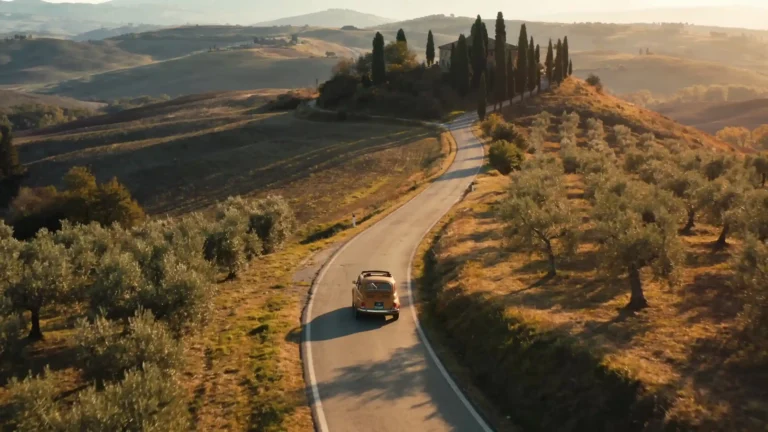
Road conditions and driving between sea and hills
Once you have the keys in hand, you have to face the particular geography of southern Tuscany.
Dealing with uneven road surfaces and tight bends
The departmental roads are sometimes bumpy. Maintenance varies depending on the municipality. Stay vigilant about potholes in the deep hinterland.
Don't blindly trust the GPS. Travel times are often underestimated. Always allow a safety margin for your appointments.
You'll often come across tractors. The agricultural vehicles have right of way on these roads. Wait before overtaking safely.
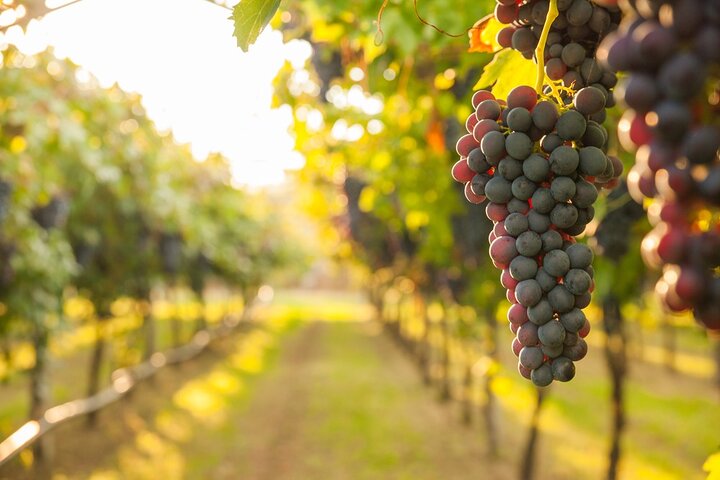
Think about renting a car to explore the vineyards. It's the best means of transport.
Safety: speed cameras and wild animals on the road
Wild boars come out at dusk. Deer cross wooded areas without warning. Reduce your speed as soon as the sun goes down.
Watch the entrances to hamlets. Fixed speed cameras are often installed there. The 30 or 50 km/h speed limits are strict.
Locals sometimes drive in a nervous manner. They know every bend by heart. Don't let yourself be intimidated by their proximity.
Explore wild nature of the Maremma. Be attentive to the local wildlife.
Wild animals: Wild boars come out at dusk. Speed cameras: Strict 30 or 50 km/h limits in the hamlets. Road conditions: Presence of potholes.
Parking and getting around medieval villages
Arriving in the stone towns requires particular attention to avoid administrative inconveniences.
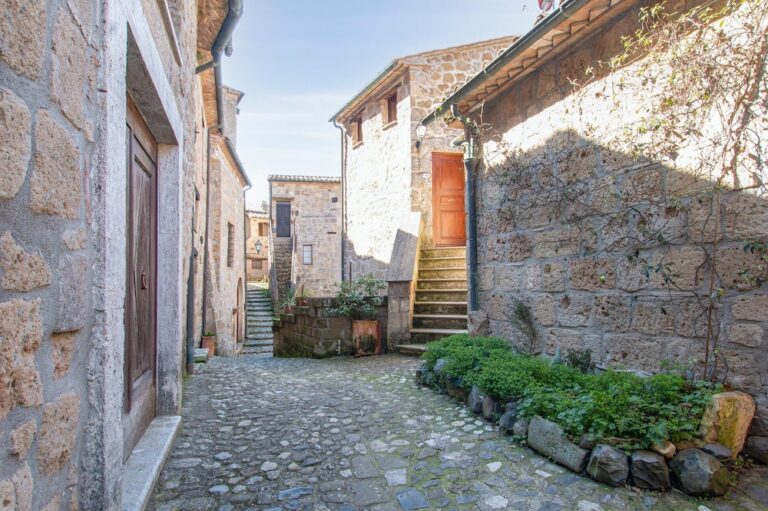
Resident-only zones in historic centers like Pitigliano, monitored by cameras with automatic fines.
Avoiding ZTL fines in Pitigliano and Sorano
Take good note of the ZTL signs. These limited traffic zones are monitored by cameras. The fine is automatic if you cross the line.
Use the parking lots on the outskirts. In Pitigliano, the Republic Square parking lot is convenient. Some are free a little further away.

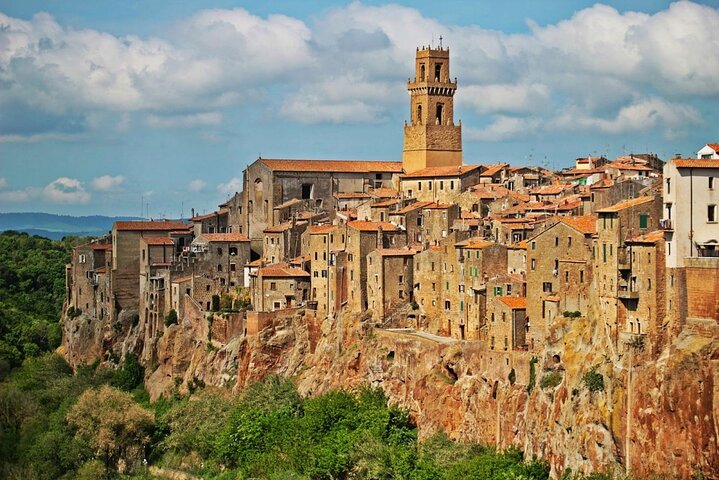
Pitigliano
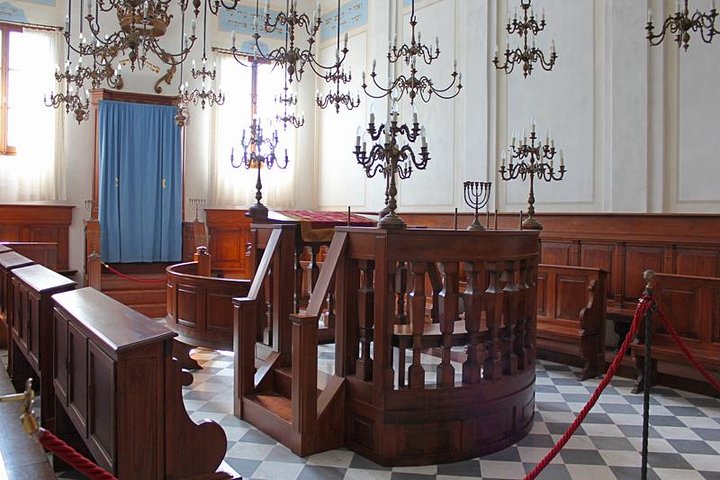
Tuff village clinging to its cliff, with a Jewish quarter, a 1598 synagogue, the Palazzo Orsini and Vie Cave carved by the Etruscans

Tosco Make sure to stop at the viewpoint on the road when arriving from Manciano at sunset: seeing this village carved into the tuff suddenly blaze with color is one of the craziest panoramas in all of Tuscany!
Unload your luggage strategically. Stop briefly in the authorized areas. Then reach your accommodation on foot through the narrow alleys.
Carefully plan your itinerary in the Etruscan Maremma to anticipate your stops.
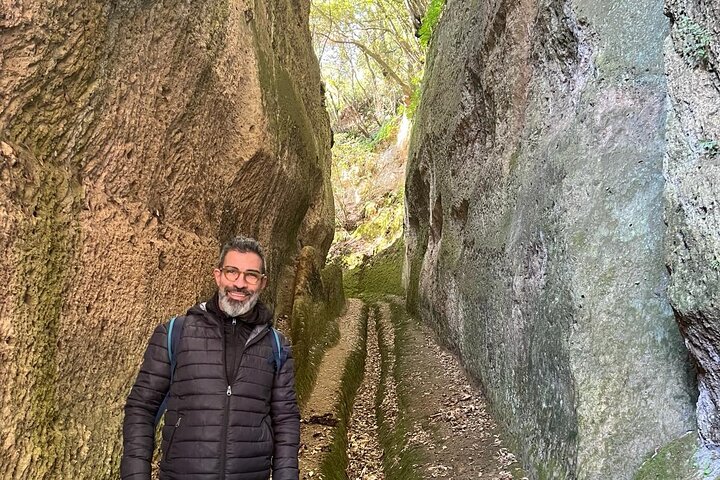
Car access to the Vie Cave and Etruscan sites
The trails in Sovana are well signposted. You can park near the necropolis. The spaces are limited in high season.

The Etruscan sites are often isolated. The parking lots are located in the open countryside. Don't leave any valuables in sight.
In Saturnia, the parking lot is paid. It fills up very quickly from early morning. Arrive early to avoid circling around for a long time.

Saturnia
A free thermal bath at 37.5 °C in travertine pools shaped by the Gorello stream, accessible 24/7 and free of charge all year round

Tosco My wild boar tip: come at dawn or right in the middle of the night with a flashlight to paddle under the stars at 37.5°C without the daytime crowd!
Explore all the natural wealth of the Maremma by car to access the remote sites.
20. Our addresses · Pitigliano
Our favorite spots around Pitigliano
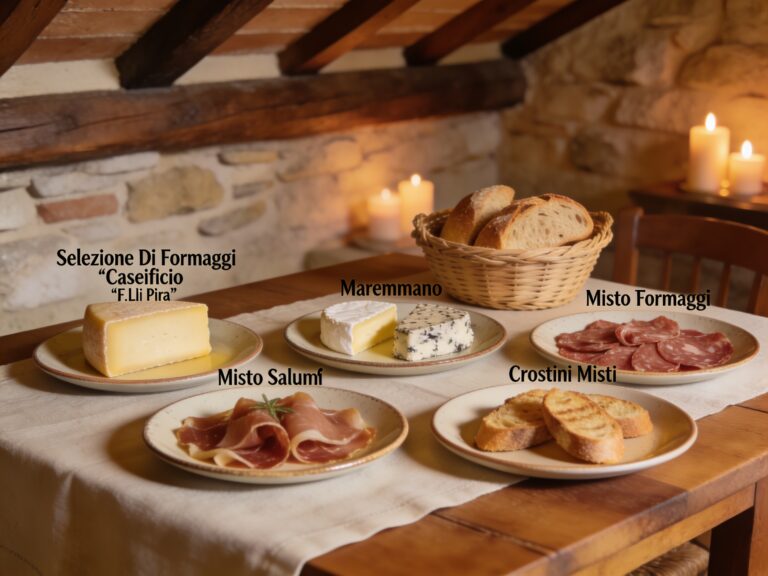
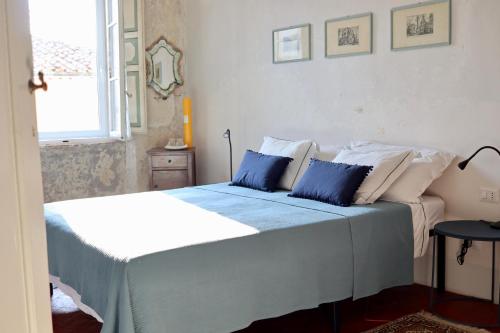
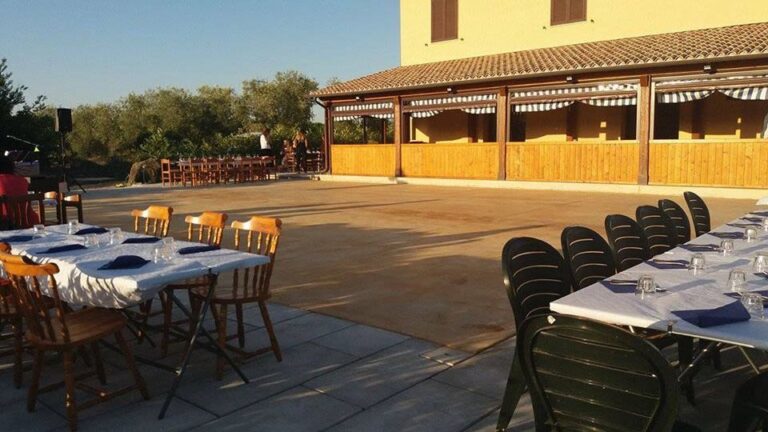
4-day itinerary on the local country roads
To make the most of your vehicle, here's a suggested loop combining culture and landscapes.
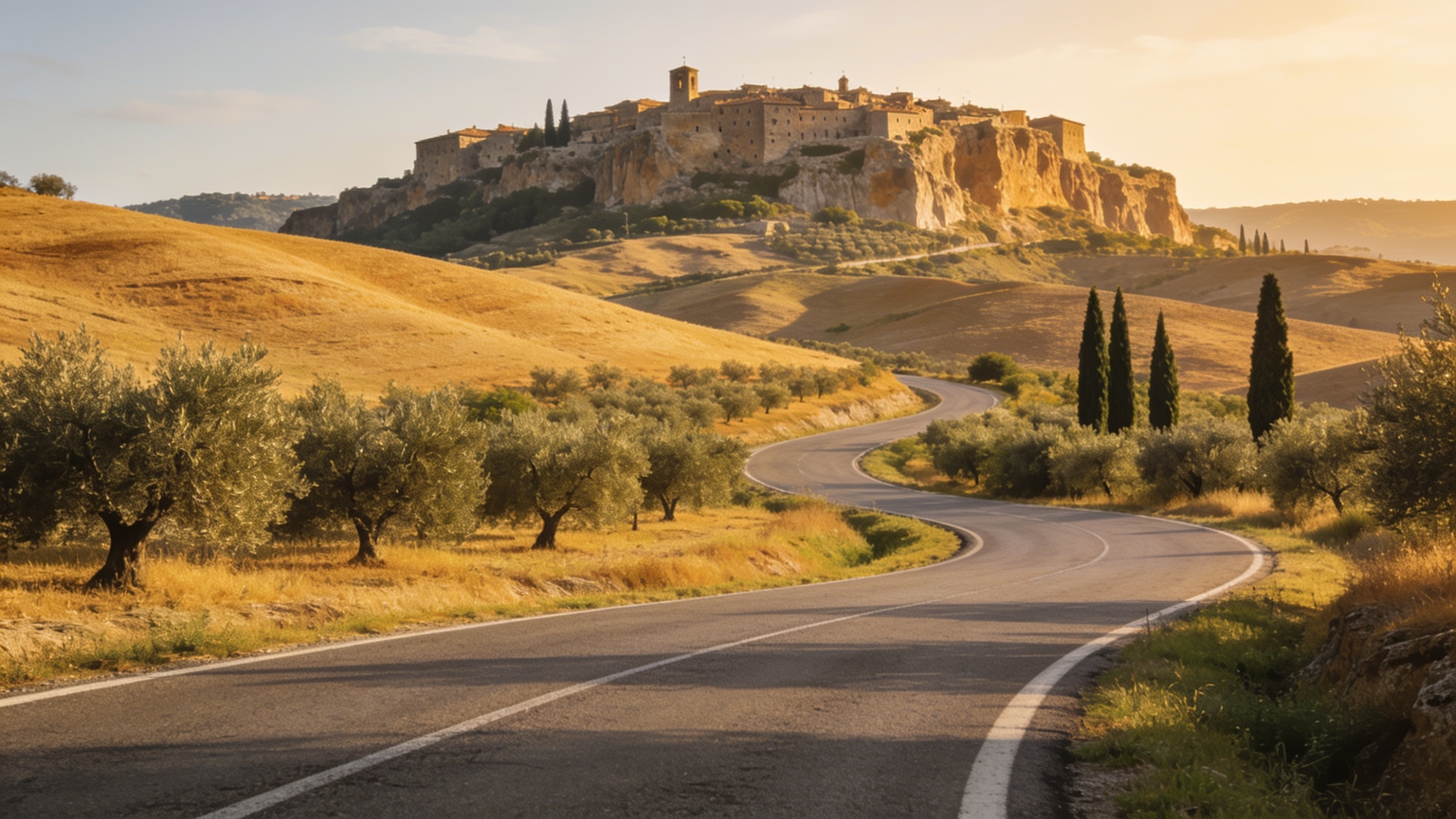
Inland loop: from Saturnia to the tufa towns
The road between Manciano and Pitigliano is superb. The panoramas over the valley are exceptional. Take the time to stop at the viewpoints.
Oil producers line the road. You'll see numerous direct-sale signs. It's the perfect opportunity to taste the local products.
Plan your day well. The distances are short but the driving is slow. Allow three hours for the journey and photo stops.
You can easily plan your itinerary in Maremma so as not to miss anything. The winding roads require concentration.
Distance Grosseto-Massa Marittima: 77 km. Allow about 3 hours for an inner loop including photo stops.
Heading for the coast: Maremma Park and Argentario
Marina di Alberese limits car access. A counter displays available spaces. When it's full, you must take the shuttle.

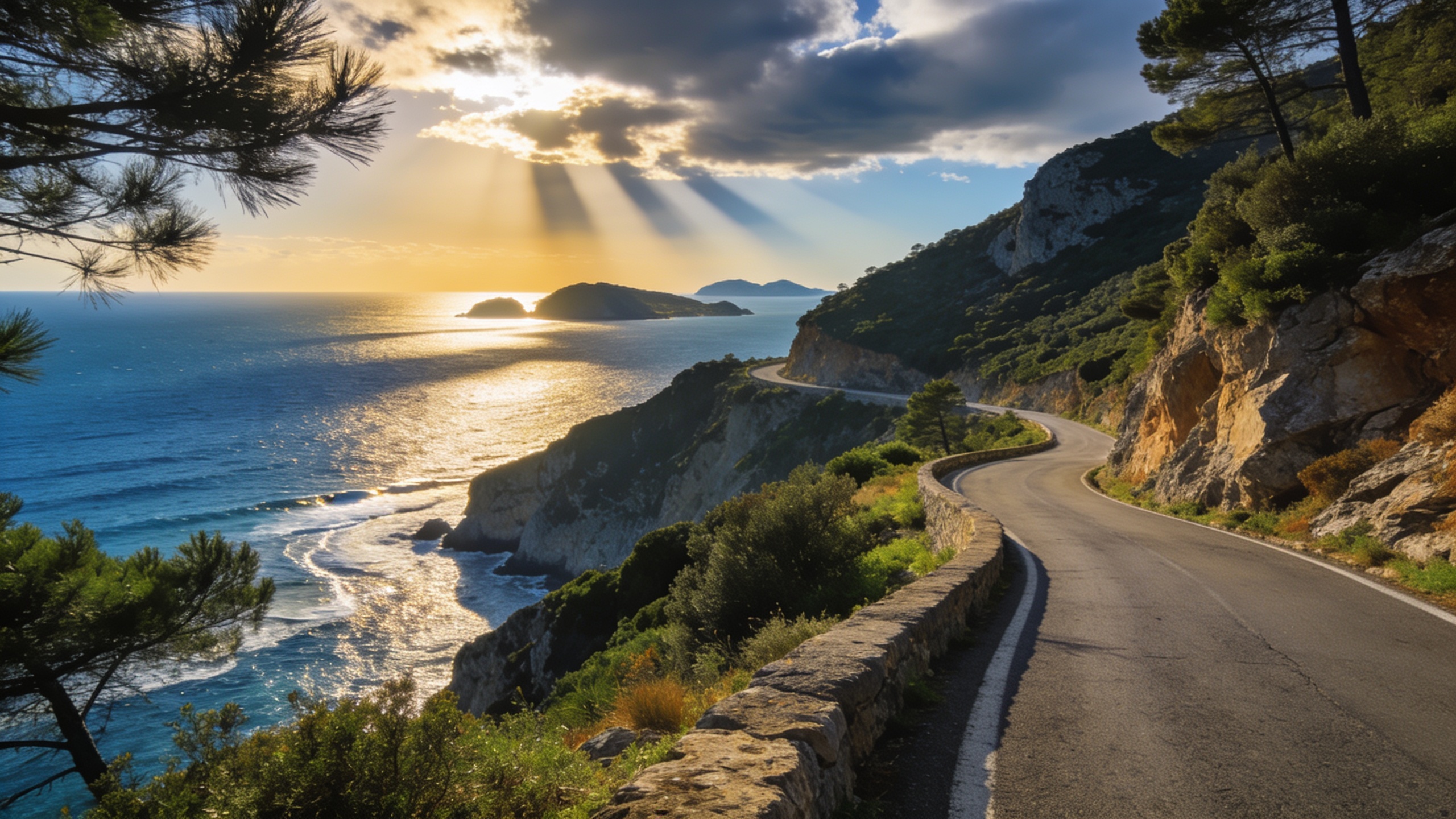
The Argentario panoramic road is dizzying. It offers plunging views over the sea. Drive carefully on these cliff roads.

Strada Panoramica dell'Argentario
The Strada Panoramica dell'Argentario crosses wild Mediterranean scrub and leads to coves described as secret, with varied sea panoramas
Tosco If you attempt the descent to Cala del Gesso from the Panoramica, put your flip-flops straight at the bottom of the trunk: the climb back up in the blazing sun is merciless and requires real sneakers!
The Orbetello lagoon has mandatory parking lots. You cannot park just anywhere. Respect the environmental protection zones.
- Restricted access to Alberese
- Panoramic road of Porto Ercole
- Feniglia parking lots
Agriturismos · Saturnia
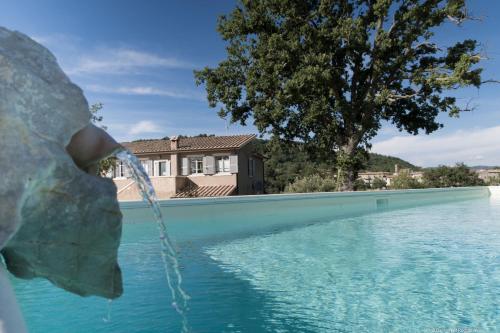
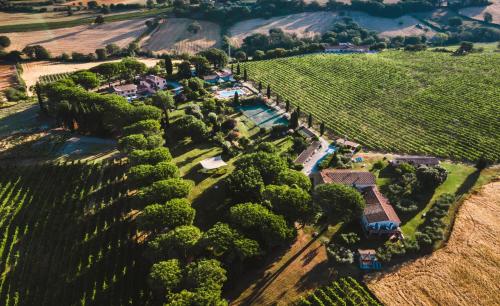
Nos agriturismos préférés autour de Saturnia
Budget and logistics for your road trip in 2026
Anticipating costs and practical organization guarantees peace of mind for your Tuscan journey.
Fuel prices vary by area. Supermarket stations are cheaper. Fill up before heading into the backcountry.
| Expense item | Estimated budget / day | Rating |
|---|---|---|
| Car rental | €35 to €85 | Depending on model and season |
| Fuel | €15 to €25 | Favor supermarkets |
| Parking | €5 to €15 | Paid blue zones |
| Tolls | €2 to €8 | Low in rural Maremma |
| Insurance | €10 to €20 | Buyout of the deductible recommended |
Book your vehicle several months in advance. Stock is limited in Maremma. Prices rise quickly as spring approaches.
Always keep some change for parking meters. Some older models don't yet accept the card. It's useful in small villages.
For a total immersion, choose to sleep in a agriturismo in the Tuscan Maremma. It's the ideal base for your exploration.
Check for the presence of a safety kit. The triangle and the vest are mandatory. Rental companies normally provide them as standard. Check them before setting off.
Renting a car remains your best asset for exploring the Tuscan Maremma in complete freedom. Between the tuff towns and the wild coastal roads, this vehicle guarantees you a total immersion in southern Tuscany. Would you rather pick up your keys in Rome or in Pisa to start your journey.
13. Oui, Rome Fiumicino (FCO) l'aéroport est un excellent point de départ pour votre exploration de la Maremme. Il est situé juste 1h45 from Grosseto via the A12 l'autoroute, ce qui en fait l'une des options les plus rapides et les plus pratiques, comparable à Pise. L'avantage de Rome est souvent une plus grande disponibilité de véhicules de location et des tarifs potentiellement plus compétitifs que dans les petits aéroports. Une fois votre voiture récupérée, suivez les panneaux indiquant A12 towards Civitavecchia, puis continuez jusqu'à Grosseto. Cette autoroute est généralement moins encombrée que les axes menant à Florence, vous offrant une entrée dans la région plus paisible.
To optimize your journey, I recommend renting a compact car or a small SUV upon arrival, as they are better suited to the secondary roads of the Maremma and the narrow streets of medieval villages. Remember to check the insurance, especially underbody coverage, as the white roads (unpaved) can cause impacts. Before leaving the airport, make sure you have an up-to-date GPS or use an app like Waze, as the signal can sometimes be weak in the more remote areas of the Maremma. Don’t forget to fill up before leaving the larger towns, as service stations are rarer in the countryside. Finally, always allow a little extra time in your journey estimates, as country roads can be winding and travel times are often underestimated by GPS.
Vos inquiétudes concernant les ZTL (zones à trafic limité) et les radars, appelés Autovelox, sont tout à fait légitimes dans la Maremme, car ils peuvent transformer un road trip idyllique en une série d'amendes salées. Pour éviter les ZTL, la règle d'or est de toujours guetter les pictogrammes «ZTL» signs (red circle with a white bar) et radars avant d'entrer dans un centre historique. Ces zones sont surveillées par des caméras et toute infraction est automatiquement pénalisée, même pour quelques mètres. Dans des villages comme Pitigliano, Sorano or Manciano, la meilleure stratégie est de se garer systématiquement dans les parkings situés en périphérieux des remparts de la ville. À Pitigliano, par exemple, le parking Piazza della Repubblica is a good option. Other car parks, often free, are available a little further on foot, so don’t hesitate to look for them.
Concernant les radars, soyez extrêmement vigilant quant aux limitations de vitesse, qui peuvent baisser très rapidement, surtout à l'entrée des hameaux et villages (souvent à 30 or 50 km/h). Autovelox are present not only on motorways but also on departmental roads and even small country roads. Don’t rely on the speed of the locals; scrupulously respect the signs. If you use a GPS, keep the sound alerts activated for cameras, but always obey the road sign, which takes precedence. Avoid braking suddenly in front of a speed camera so as not to risk an accident. Finally, be aware that fines can arrive several weeks, or even months, after your return, sometimes with additional administrative fees via your car rental company. Fuel can also be a significant expense; count around €1.90 per litre, et faites le plein dans les stations-service des supermarchés qui sont généralement moins chères, surtout avant de vous aventurer dans la campagne où les pompes sont plus rares.
Choisir un agritourisme pour une immersion authentique dans la Maremme est une excellente idée. Ces hébergements sont souvent nichés au cœur de la campagne, accessibles par white roads (strade bianche), those characteristic Tuscan dirt tracks. A compact city car can generally reach them, but it is crucial to check a few points. Before booking, I strongly advise you to contact the agritourism and ask for details about the condition of the access road: is it well maintained, or are there particularly difficult sections with deep ruts or gravel? Some agritourism farm stays may be at the end of rougher tracks, for which a small SUV would be more comfortable and would reduce the risk of damaging your vehicle’s underbody.
If you opt for a city car, be very vigilant when driving on the white roads. Slow down, avoid sudden manoeuvres and watch out for loose gravel which can cause impacts. It is also imperative to check the extent of your rental insurance. Basic insurance will often not cover damage to the underbody or tyres caused by these unpaved roads. Consider an excess waiver or comprehensive insurance that includes these risks. Opting for a car with good ground clearance can save you a lot of trouble. Finally, don’t forget that the Maremma is also home to magnificent landscapes and wild hot springs, souvent accessibles par ces mêmes routes, ce qui ajoute au charme de l'aventure malgré les contraintes de conduite.
Absolutely, visiting the Saturnia sources chaudes et sites étrusques comme le Vie Cave of Sovana, Vitozza or Pitigliano est un incontournable de la Maremme, mais cela nécessite effectivement une certaine préparation en matière de conduite et de stationnement. Pour les Saturnia Hot Springs, le parking principal, situé près des célèbres Mulino cascades, est payant et a tendance à se remplir très rapidement, surtout en haute saison ou le week-end. Mon conseil est d'arriver very early in the morning, idéalement à l'aube, pour trouver une place plus facilement et profiter de la magie du lieu avant l'afflux de visiteurs. Vous pouvez consulter notre guide sur comment profiter de Saturnia sans la foule à l'aube pour plus de détails. En arrivant tôt, vous éviterez non seulement les problèmes de stationnement mais aussi la foule, ce qui rendra l'expérience bien plus agréable.
Quant aux sites étrusques et aux Vie Cave, ils sont souvent situés dans des zones plus isolées, accessibles par des routes secondaires, parfois des pistes de terre. Les parkings y sont généralement plus petits et moins aménagés, souvent en pleine nature. À Sovana, for example, you will find spaces near the necropolis, but they may be limited in high season. It is crucial not to leave any valuables visible in your car, as these more remote places can be targets for theft. Driving on these roads requires vigilance, as they can be narrow, winding and sometimes uneven. Download offline maps before setting off, as the mobile signal can be intermittent in these valleys. Finally, don’t hesitate to ask locals or your host for advice on the best ways to access these sites and the safest and most convenient parking options at the time.
For a week in the Maremma in 2026, it is essential to budget the car-related costs properly to avoid unpleasant surprises. For renting a city car, plan a budget of around €35 to €85 per day, i.e. approximately €245 to €595 for the week, depending on the model, the time of year (prices rise in high season and if you book late) and the rental agency. It is strongly recommended to book your vehicle several months in advance, especially if you are travelling in spring or summer, as stocks are limited in the Maremma. Don’t forget insurance: an excess waiver is strongly advised, especially if you plan to explore the white roads, which can add €10 to €20 per day.
Fuel is a significant expense. The price of a litre of petrol currently hovers around €1.90. Given the distances between the tuff villages, the Etruscan coast and the wild hot springs, and the need to explore this region by car, plan a fuel budget of around €15 to €25 per day, i.e. €105 to €175 for the week. For parking, anticipate between €5 and €15 per day. Parking is often paid in towns and villages (blue lines) as well as in certain protected areas like the Maremma Park (Marina di Alberese) where you should count €2 per hour. Always keep some change at hand, as some parking meters, especially in small villages, do not accept bank cards. Finally, tolls are low in rural Maremma, but plan for €2 to €8 if you take the motorways for longer transfers. In total, for a week, count an overall car budget of around €400 to €800, not counting potential fines!
Yes, the saying that « the small car is queen in Tuscany » is particularly true for the Maremma, and it’s not just a matter of aesthetics. The streets of medieval villages like Pitigliano, Sorano or Manciano sont souvent très étroites, et les parkings peuvent être exigus. Une citadine compacte vous offrira une maniabilité incomparable pour vous faufiler et vous garer plus facilement. Elle sera aussi plus sobre en carburant et souvent moins chère à la location. Cependant, l'avantage d'un petit SUV, même un peu plus large, réside dans sa higher ground clearance. . C'est un atout considérable si vous prévoyez de séjourner dans des agritourismes isolés ou de visiter des sites plus reculés, souvent accessibles par des white roads (pistes en terre) ou des chemins de gravier.
These roads can be uneven, with potholes or gravel, and a standard city car would more easily risk damaging its underbody or suffering punctures. A small SUV will offer you better shock absorption and greater peace of mind on these tracks. It is therefore important to weigh the pros and cons according to your precise itinerary and type of accommodation. If your programme includes many hilltop villages and historic towns, a city car is preferable. If, on the other hand, you favour agritourism farm stays in the open countryside, , wild hot springs ou des sites étrusques isolés, un petit SUV pourrait vous apporter un confort et une sécurité supplémentaires. Dans tous les cas, assurez-vous que le véhicule choisi peut contenir confortablement vos bagages.
Around this article


Is the map not displaying? See accommodations on Stay22
Map and prices provided by Stay22: Toscane Cachée may receive a commission on bookings.
You will also like

Succeed in your Maremma car rental without pitfalls
Rent your car in Maremma to explore the tuff villages and the beaches.…

Renting a car to visit the Maremma vineyards: tips and itineraries 2026
Explore the Maremma vineyards by car: our 2026 tips for renting your vehicle,...

Pitigliano vs Sorano: which of the two tuff cities is really worth the detour?
Choose Pitigliano for its Jewish and medieval effervescence or Sorano for its wild calm.…

Tuff villages tour 2026: 3 days in Tuscan Maremma
Discover this tuff villages tour in Maremma. Explore Pitigliano, Sorano and Sovana in 3…