

The province of Grosseto is home to nearly 40,000 hectares of protected land where nature still dictates its own law. People often end up exhausting themselves in the queues of Florence while the most rugged and genuine Tuscany hides a few hours to the south.
This guide gives you the keys to exploring the wild Maremma in 2026, from the coastal trails of the Uccellina park to the millennia-old tuf towns. Together we review the secret itineraries and the authentic agriturismos for succeed in your immersion.
Wild Maremma: your guide to exploring Tuscany's secret side
The Maremma, located in the province of Grosseto, offers 40,000 hectares of unspoiled nature between the tuff towns and the wild coastline. In 2026, favor spring to observe wildlife without the crowds. This diversity of landscapes marks a clear break with the rest of the region.
Province of Grosseto, 40,000 hectares of protected nature, tuf towns and lagoon of Orbetello.
To understand this land, you must first grasp how its terrain dictates its untamable character.
A unique geography between hills and protected lagoons
The province of Grosseto defines the contours of this area. There you will find a striking contrast between the metalliferous hills and the plains. Lagoons, like that of Orbetello, dot this varied coastline.
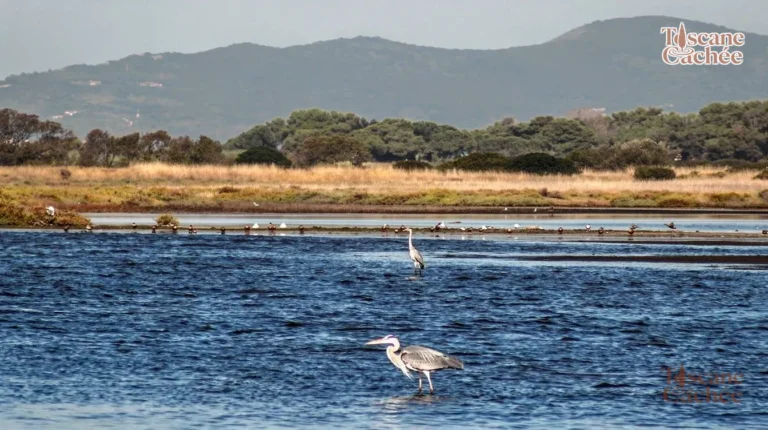
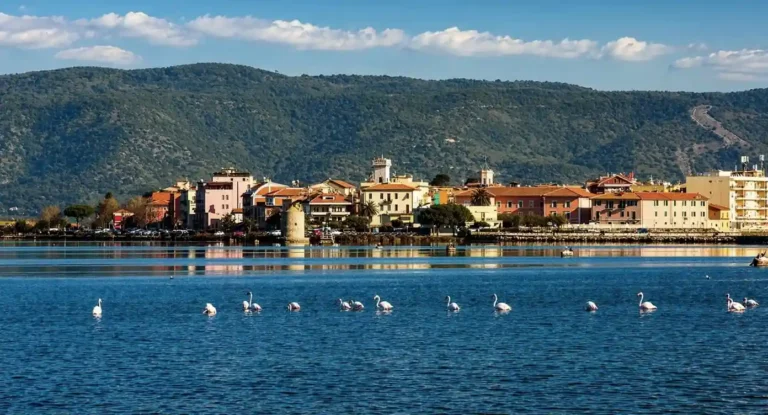
Orbetello lagoons
Réserve WWF de 870 hectares, site RAMSAR, avec 272 espèces d'oiseaux et trois sentiers, dont un parcours ornithologique de 1,2 km à neuf postes d'observation

Tosco Hop on a bike to cross the pine forest shaded area of the Feniglia in the late afternoon: it's the best way to approach the lagoon in silence to observe the flamingos without frightening them!
The territory forms a true mosaic of natural environments. Le maquis Mediterranean scrubland coexists with essential wetlands. One often has the impression of exploring a landlocked island, cut off from the world.
According to The Tuscan Maremma, the steep slopes bear witness to a harsh past. These reliefs long protected the region from outside influences.
It is this wild and untamed aspect that forges the current identity. Maremma resembles no other part of Tuscany.
Why this region still escapes mass tourism
The historical isolation stems from the former unhealthy marshes. Malaria long kept travelers at a distance. This natural barrier has preserved the authenticity of the place.
Forget the Val d'Orcia or the bustle of Florence. Here, you will not see any large concrete complexes. The coastline remains free of any massive hotel infrastructure.
The locals fiercely care about preserving their spaces. The Maremma must be earned and requires patience. It does not offer itself to the first hurried tourist.
The best time for total immersion in 2026
I recommend aiming for May or June. The vegetation literally explodes with colors everywhere. The temperatures are ideal for walking without suffering.
Autumn is perfect for observing wild fauna. You will be able to hear the bellowing of the stag in the forest. Migratory birds then occupy the lagoons massively.
Summer remains popular for the secluded beaches, despite the heat. In September, the grazing light becomes magical for photographers. The shadows stretch across the golden plains.
Every season radically transforms the palette of the tuff hills. The landscape reinvents itself about every three months.
Preparing your arrival from the hubs of Rome or Pisa
Rome Fiumicino is often the’most strategic option. The Aurelia highway takes you directly into the south of the province. It is a simple and quick journey.
A car is strictly indispensable for getting around here. Public transport does not serve the isolated villages. The natural parks remain inaccessible without a vehicle.
You can plan your itinerary in Maremma to avoid logistical mistakes. This will save you precious time on site.
Choose a vehicle with proper ground clearance. White roads are frequent for reaching the agriturismi. Drive carefully on the winding roads.
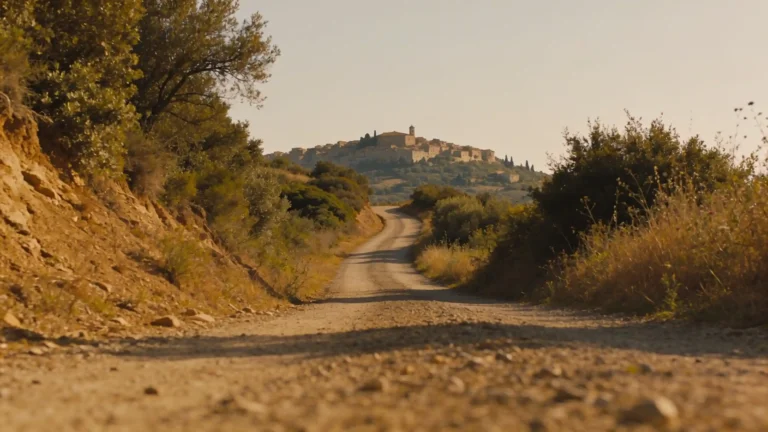
Maremma Natural Park: trails and wildlife between land and sea
After understanding the geographical basics, it is time to delve into the green heart of the region: its emblematic park. Forget the mowed hills of the Val d'Orcia. Here, the wild Maremma expresses itself through dense scrubland that ends its course in the waves. It is a territory of 10,000 hectares where one does not come to see, but to feel the force of a nature that has never truly been tamed.
The coastal trails leading to medieval watchtowers
The departure is from Alberese. The trails climb quickly through the olive trees. You then reach the ridges of the Uccellina mountains.
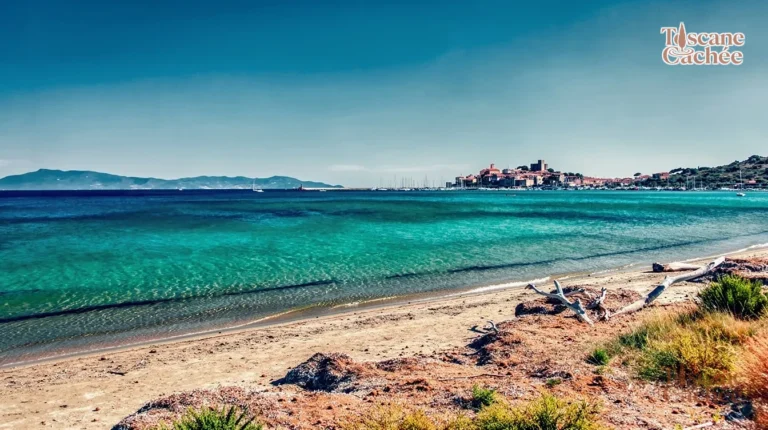
Parc de l'Uccellina
Parc côtier de 9 000 hectares entre pins, maquis et falaises, avec 25 km de littoral, l'abbaye de San Rabano et des troupeaux à l'état sauvage
Tosco If you attempt the walk to Cala di Forno, set off right at opening time in Alberese and bring plenty of water: on these wild beaches, zero snack bars or parasols, just my cousins the wild boars and free-roaming fallow deer!
You will come across towers like Castelmarino. These sentinels once watched over the sea. They protected the lands against Saracen pirates.
At the top, the view of Giglio is complete. The Tuscan archipelago stands out clearly on the horizon.
The visual contrast is striking. The deep blue of the sea collides with the dark green. Umbrella pines line the wild coastline.
Accessible routes to observe animals in the wild
The richness of the fauna is confirmed by parco-maremma.it. You will see wild boars and fallow deer. They occupy the clearings without any shyness.

In the Uccellina park, wild boars live in matriarchal groups of about ten individuals led by a dominant sow — they are mostly observed at dawn and dusk on the trails toward Talamone, where the dense maquis meets the open areas. Their characteristic rooting, these ploughed-up soils in search of roots, acorns and worms, signal their presence everywhere in the cork oak undergrowth. Silence and stillness are essential: their formidable sense of smell detects humans from more than 300 meters away.

These animals of the Tuscan Maremma are at home. Foxes sometimes approach hikers. They show no particular fear.
Favor dawn or dusk. Animals then come out of the scrubland. This is the best time to see them feeding.
The wolf is present but very discreet. This apex predator remains invisible. Yet, it naturally regulates ungulate populations here.
The Abbey of San Rabano: a mystical ruin in the heart of the forest
This Benedictine abbey dates from the 11th century. It hides on a wooded hill. No road leads directly to this.

San Rabano Abbey
San Rabano est une abbaye bénédictine médiévale en ruines, perdue dans les collines de l'Uccellina, au cœur du parc de la Maremme
Tosco Bring good shoes and enough water for the climb from Alberese: the trail climbs steeply under the holm oaks of the Uccellina, but emerging onto these fortified ruins in the middle of nowhere has a real Tuscan Indiana Jones feel!
The atmosphere there is totally silentsite. Vegetation slowly invades the old stones. The bell tower still emerges above the canopy.
The access path is quite demanding. You will have to cross holm oak forests. It is a place steeped in spirituality and history.
This site recalls a forgotten era. It symbolizes the power of the monastic orders. They once reigned over this wild area.
Rules of conduct to preserve this fragile ecosystem
- Dogs forbidden even on a leash
- Stay on marked trails
- Do not feed the animals
- Pick up your trash
Silence is your best weapon. Noise disturbs bird nesting. Strictly observe the imposed visitor quotas.
Never introduce domestic animals here. This protects the wildlife from diseases. It is a strict biological safety rule.
You are responsible during your visit. Every gesture counts for the biological balance. Preserve this unique sanctuary in Tuscany.
Activités · Alberese
Nos activités préférées autour d'Alberese

Tuff cities: the Etruscan heritage from Pitigliano to Sovana
Let us leave the coast for the inland, where the volcanic rock tells a thousand-year-old story.
Pitigliano: the town carved into volcanic rock
The arrival by road is a visual shock. The village suddenly appears around a bend. It seems to be the natural extension of the tuff cliff.

Pitigliano
Tuff village clinging to its cliff, with a Jewish quarter, a 1598 synagogue, the Palazzo Orsini and Vie Cave carved by the Etruscans

Tosco Make sure to stop at the viewpoint on the road when arriving from Manciano at sunset: seeing this village carved into the tuff suddenly glow is one of the most breathtaking panoramas in all of Tuscany!
It is called the Little Jerusalem. The Jewish quarter houses a synagogue from 1598. The old cellars are dug directly beneath the residential houses.
Medieval architecture defines every square meter. Narrow alleys wind between ochre façades. Every corner offers a sweeping view over the valleys. Silence reigns there.
The Medici aqueduct dominates the entrance to the historic center. Its imposing arches mark the boundary of time. It is a massive structure that commands respect.

The Vie Cave: hikes through tunnels dug by the Etruscans
Discover these cyclopean paths unique in the world. The Etruscans carved deep corridors. They cut through the soft tufa rock with precision.
The walking experience is totally immersive. 1. The walls sometimes rise to more than twenty meters. Moss and ferns create a constantly humid atmosphere.
2. One inevitably wonders about their real function. Were they simple communication routes? Drainage systems or sacred passages? The mystery remains complete.
3. Remember to take good walking shoes. The ground can be slippery even in midsummer. The permanent shade retains a sometimes treacherous humidity.
Sorano and Sovana: the silence of medieval stones
Sorano looks like an impregnable and rugged fortress. The military structure of the Rocca degli Orsini is colossal. It dominates the entire surrounding landscape with severity.
Sovana is a tiny and precious jewel. Its central square seems frozen in time. Its isolated Romanesque cathedral breathes absolute serenity.
4. To understand the scale of this Etruscan heritage in Maremma, 5. , explore the necropolises. The famous Tomb of Ildebranda is a major funerary monument. It dates from the 3rd and 2nd centuries BC.

Tombs of Ildebranda
À Sovana, la Tombe d'Ildebranda est une tombe-temple taillée dans le tuf, intégrée à la nécropole rupestre et aux Vie Cave du parc Città del Tufo
Tosco Don't just admire this fake Greek temple carved into the rock: head straight on to the nearby *Via Cava di San Sebastiano*, it's the perfect combo to feel all the magic of the tuff!
These villages have preserved an rare authenticity. You will not find standardized souvenir shops. Here, the stones tell the truth of the land.
Visiting the major archaeological sites independently
Head to Roselle for a total immersion. This site offers a fascinating layering of remains. There you can see Roman constructions on Etruscan foundations.
Go through the MAAM Grosseto 6. to deepen your knowledge. It is a indispensable complement to the on-site visit. The collections there are particularly rich.

7. Don't forget Vetulonia and its tholos tombs. The village sits very high up. The panorama over the coast from this point is breathtaking.
Most of the sites are accessible without a guide. Just follow the explanatory signs. They are often translated to make understanding easier.
Beaches and coastline: finding the most secluded coves
8. After immersing yourself in the ancient stones, let’s return to the coolness of the Tyrrhenian Sea and its secret shores.
9. The Maremma coast looks nothing like the rows of parasols you will find elsewhere in Italy. Here, the shoreline must be earned. Between the cliffs of the Gulf of Follonica and the lagoons of Orbetello, you will discover raw nature, often protected by reserves where the human footprint remains minimal. If you are looking for silence, translucent waters and the scent of the maquis, you are in the right place.
10. Marina di Alberese and Collelungo: access via the park
11. Marina di Alberese is an immense beach. Tree trunks bleached by salt serve as natural huts. It is a wild and unique setting.

Marina di Alberese
Plage de sable de plusieurs kilomètres au sud de l'embouchure de l'Ombrone, desservie par navette estivale, piste cyclable et une aire adaptée aux personnes à mobilité réduite
Tosco 12. Don't stay glued to the beach entrance where everyone stops: instead head south towards the Torre di Collelungo, that's where you'll have the sand and the driftwood huts all to yourself!
According to parco-maremma.it, 13. , a summer shuttle makes access easier. Parking is strictly limited. This 14. protects the fragile balance of the site.
You have to walk further to reach Collelungo. This stretch of sand is dominated by a solitary tower. The calm here is absolutely total.
Mobile dunes line the shore. Pioneering vegetation stabilizes this coastline. This landscape is in perpetual motion.
Cala Violina and the pearls of the Gulf of Follonica
The name of this cove comes from its sand. Composed of quartz, it sings beneath your feet. 15. . It sounds like the sound of a violin.

Cala Violina
Quartz sand that sings underfoot, crystal-clear waters between two headlands: a singular cove of the Bandite di Scarlino reserve
Tosco 16. A real local's tip: come at first light of day or in October, otherwise with the chatter and the splashing of bathers, you will never hear the sand sing!
Be careful, booking is mandatory in summer. 17. . The number of spots is limited. It is the price to pay to avoid degrading the trail.
18. If Cala Violina is full, walk to Cala Martina. This neighboring cove is accessible by the same forest path but remains far less crowded.
Cala Martina offers a more peaceful alternative. The forest paths there are shaded. You will find there a welcome peace far from the crowds.
19. The water here is incredibly clear. It easily rivals Sardinia. It is a true natural aquarium for mask and snorkel.
20. The Orbetello lagoon: paradise of flamingos
This ecosystem is unique in the world. Three sand spits link the Argentario to the mainland. They enclose a shallow and rich lagoon.
Ornithological observation there is exceptional. The pink flamingos stay here almost all year round. Their display is of infinite grace.
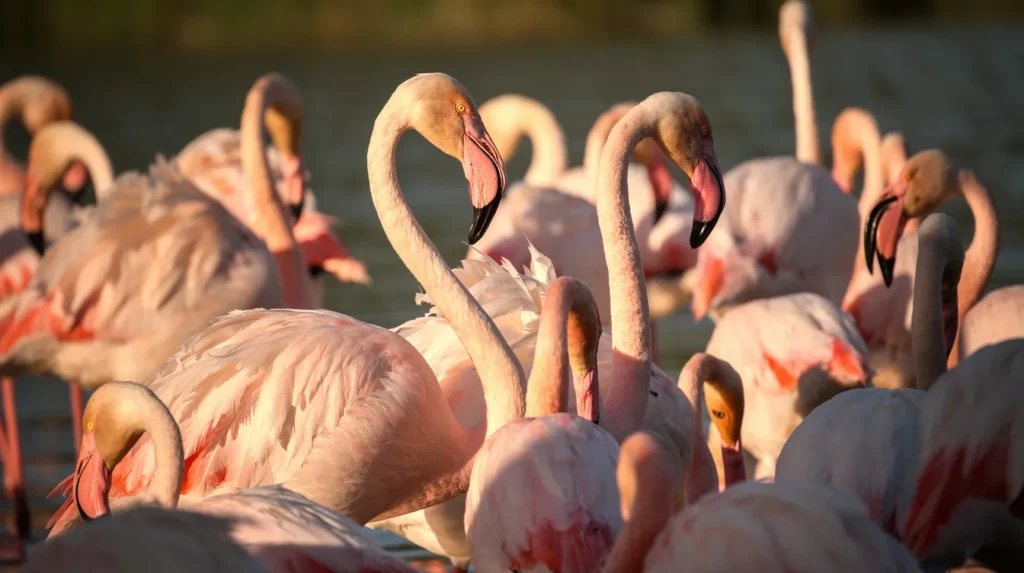
The Orbetello lagoon is one of the most important wintering sites in the Mediterranean for the flamingo, hosting up to 10,000 individuals between October and March. They filter the brackish waters with their unique inverted beak, feeding on Artemia shrimp and insect larvae whose carotenoids gradually color their plumage — the more they eat, the pinker they become. The observation hides of the Patanella WWF Oasis allow you to approach them within a few dozen meters without disturbing the colony.

The WWF oasis offers marked trails. You can approach the observation hides discreetly. Migratory birds are thus never disturbed.
Marine seagrass beds are essential for biodiversity. They serve as a nursery for many species. It is the beating heart of the lagoon.
Gentle water activities in the estuaries and lagoons
Sea kayaking is an awesome option. It is the best means of coastal exploration. You can access spots unreachable by land.
The mouth of the Ombrone river is a prime spot. We glide silently between the reeds. We observe herons and kingfishers there.
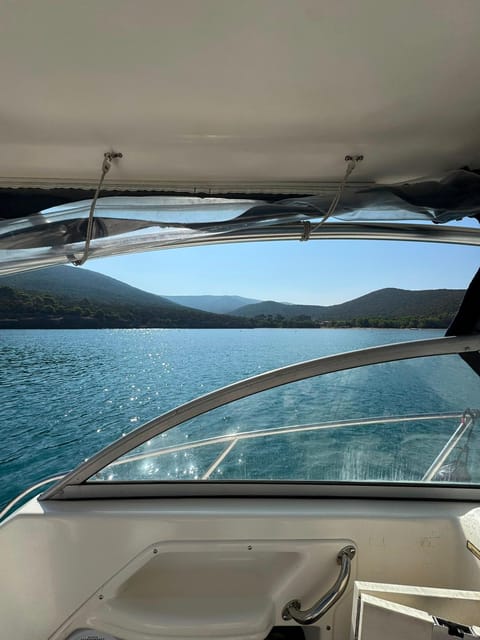
Be sure to respect authorized navigation zones. Complete protection is crucial for wildlife. Do not disturb the fragile aquatic balance.
I recommend the outings at sunset. The sensory experience is then at its peak. The colors on the water are unforgettable.
Bateaux · Follonica
Nos bateaux préférés autour de Follonica



Local culture: butteri and authentic rural traditions
Maremma is not just a natural setting; it is a land of traditions carried by passionate men and women.
The butteri: Europe's last horseback herders
Butteri
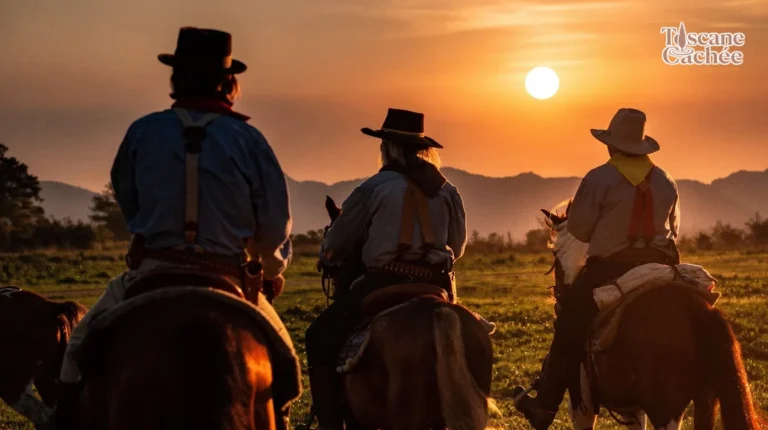
An experience revolving around the butteri, the Tuscan cowboys of the Maremma, paired with wild landscapes, beaches and an Etruscan past
Tosco Forget the American myth: in 1905, our Butteri downright gave a riding lesson to Buffalo Bill's troupe! Go and watch their work near Alberese at the end of the day, the atmosphere among the great horned oxen is simply breathtaking.
The role of the butteri is rooted in the history of the province of Grosseto. These horsemen once managed free-roaming herds. They are the guardians of a centuries-old rural economy.
Their attire remains unchanging and practical. The felt hat protects from the weather. The velvet jacket is part of this living heritage.
They work with the Maremmana cows. These animals have impressive lyre-shaped horns. The riders practice a demanding and spectacular working riding style.
Public demonstrations take place in summer. You can admire their lasso skills. The cattle sorting shows their unique bond with the horse.
Immersive experiences: workshops and farm life
I advise you to visit local farms. Many producers open their doors. They show the making of cheese or oil.
To find the best addresses, check out this guide on the’agriturismo in the Tuscan Maremma. There you will find places offering these immersions.
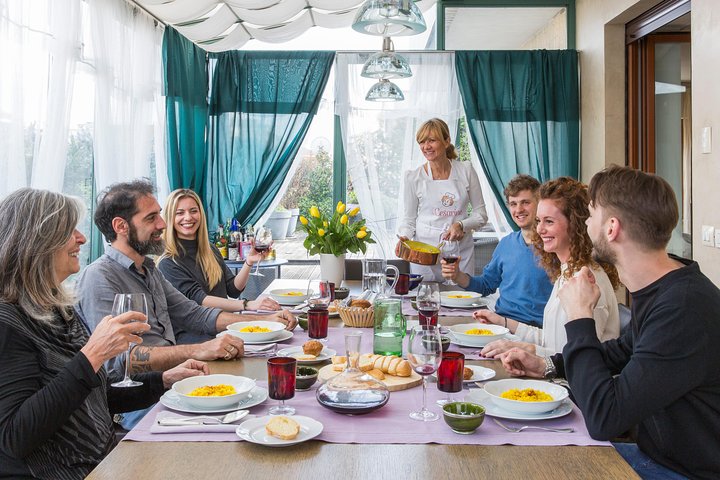
Don't miss the cooking workshops. Learning to prepare tortelli maremmani is awesome. It is a experience that leaves a lasting mark on the traveler.
Slow tourism is a golden rule here. Talking with the artisans is essential. It allows understanding the deep soul of the region.
The Tarot Garden: monumental art in Capalbio
Discover the monumental work of Niki de Saint Phalle. This colorful sculpture park is incredible. It draws directly on the arcana of the tarot deck.

Niki de Saint Phalle's Tarot Garden
Garden of monumental sculptures by Niki de Saint Phalle in Capalbio, in southern Maremma ([visittuscany.com](https://www.visittuscany.com/fr/territoires/sud-de-la-maremme/))
Tosco Watch out for the hours, the garden only opens at 2:30 PM: aim for the very last late-afternoon slot to see the mirrors sparkle in the golden light without roasting under the Maremma sun!
 Viator
The integration into the wild nature is total. The mosaics of mirrors and ceramics sparkle. They hide among the olive trees and oaks.
Go rather at the end of the day. The fading light sublimates the reliefs of the statues. It's a dreamlike place, totally out of time.
Online booking is essential. The site is very popular despite its isolation. Anticipate your purchase to guarantee your entry.
Avoiding tourist traps during village festivals
Learn to distinguish the truly authentic sagre. Look for events organized by local associations. Avoid overly generic commercial fairs.
Consult the list of Maremma markets for your shopping. That's where you'll find the real seasonal products.
Go for the festivals linked to agricultural harvests. The festival of the new oil is superb. The chestnut one offers sincere sharing.
Look carefully at the posters in the bars. The best festivities are often announced there. It's the secret to finding the good addresses.
Hot springs: enjoying Saturnia and hidden waters
Nothing like a immersion in the warm waters to conclude a day of exploration in the tufa lands.
Water at a constant 37.5°C. High sulfur and carbon content. Free access to the Cascate del Mulino. Visit recommended at dawn for the calm.
Cascate del Mulino: how to avoid the crowds
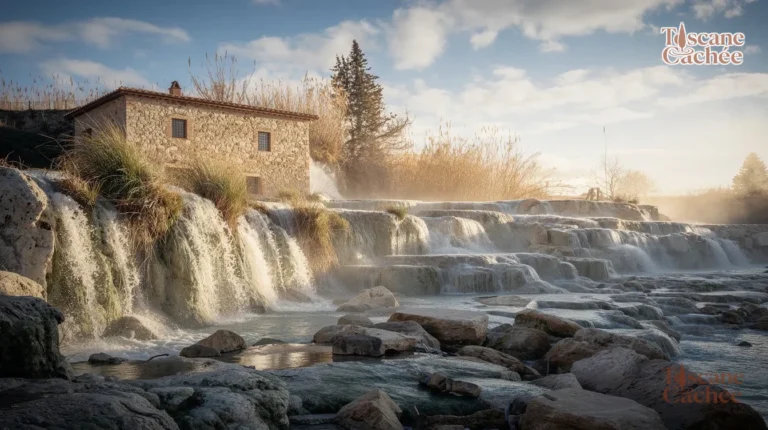
These natural limestone basins form a staircase of white stone. The water at 37.5°C flows in successive cascades in a picture-postcard setting. The visual spectacle is as striking as the sensation of warmth.
Cascate del Mulino
Travertine pools fed at 37.5 °C by the Gorello, freely accessible 24/7 near the old mill: a rare natural thermal bath in Tuscany
Tosco Come at dawn or in the middle of the night to have the pools all to yourself, but bring an old swimsuit: the sulfur smell doesn't forgive!
I advise you to come at dawn. It's the only time to enjoy the site without the crowd of the afternoon. At that hour, the water vapor mixes with the morning mist.
The origin of this water is volcanic. It comes from the depths of Mount Amiata after a 40-year underground journey. It is rich in sulfur and in minerals beneficial for the skin.
Remember that access is free and open all year round. You can bathe there even in the middle of winter. The outside temperature hardly matters once you're immersed.
The lesser-known thermal baths of the province of Grosseto
There are also the springs of Petriolo. Located on the edge of the Farma river, they allow you to alternate between hot water and cool water. It is a radical and invigorating thermal contrast.

Petriolo Thermal Baths
Petriolo réunit des bassins naturels gratuits d'eau sulfureuse et des installations thermales modernes au cœur d'une nature sauvage
Tosco Much wilder and more secret than Saturnia, the essential ritual here is to alternate between the scalding 43°C pool and the lively water of the Farma! Just remember to bring an old swimsuit, as the sulfur smell does not forgive.
Look for hidden springs in the woods. Some small natural pools are known only to locals and require a bit of searching. They are often located a few hundred meters from the main sites.
Here, the environment is completely wild. Unlike luxury spas, nature reclaims its rights without artifice. The silence is only interrupted by the singing of birds and the wind.
Also explore the surroundings of Sorano. Other thermal springs exist in this tufa area. The province of Grosseto is full of these discreet little natural pools.
Properties and benefits of the travertine thermal waters
The chemical composition of these waters is unique. Sulfur and carbon act on the joints and respiratory tracts. There is also calcium and magnesium.
The local traditions do not lie. The elders came here to heal various ailments after working in the fields. It was their natural remedy against fatigue and pain.
The relaxing effect is immediate. The constant heat relaxes the muscles after a long hike in the Vie Cave. It is a complete natural treatment for body and mind.
The smell of sulfur is strong, that's true. Yet, it is the guarantee of the therapeutic effectiveness of these waters. Don't let this detail stop you, your skin will thank you.
Practical tips for a safe night-time swim
I recommend using a headlamp. The paths leading to the natural springs are not lit at night. It is easy to trip over a root or a stone.
Bring warm towels or a bathrobe. The temperature difference when getting out of the water can be striking under the stars. The cold catches up with you quickly outside the pools.
Insist on respecting silence. At night, sounds carry far in the Maremma countryside. Avoid leaving litter behind you to preserve this fragile place.
Night swimming offers a mystical experience. You are alone facing the stars, far from the usual daytime bustle. It is a moment of pure connection with the wild Maremma.
Maremma tables: game, cheeses and local wines
Maremma cuisine is not that of Tuscan postcards. No bistecca fiorentina, no ribollita. Here, it is wild boar, pecorino di Manciano, eel from Lake Orbetello. Dishes that come from hunting, farming, and fresh water, not from tourism. This guide gives you the keys to knowing what to look for on the menus, with what people really order and where to find it. Discovering wild Maremma inevitably goes through the robust flavors of its peasant cuisine.
Wild boar cuisine: hunting specialties
Wild boar is the king ingredient of the inland lands. It is often prepared as a stew, simmered with olives and herbs from the scrubland. It is a meat with character.
Acquacotta is the other local staple. This traditional soup was the meal of the butteri, the horse-riding herders of the region. It combines seasonal vegetables and stale bread.
Pappardelle with wild boar remain the go-to choice. Wide pasta holds the smooth and fragrant sauce perfectly. It is the comforting dish after a day outdoors.
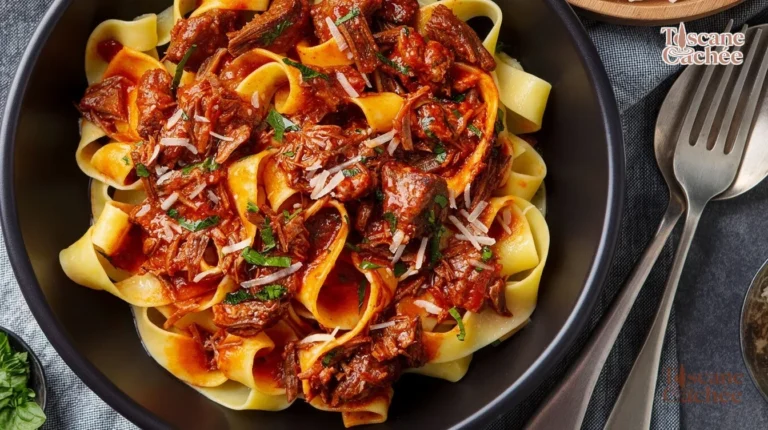
Wild boar pappardelle
An emblematic dish of the Maremma, pappardelle with wild boar ragù is cited as a traditional local specialty
Tosco Even if it pinches my snout a little for my Maremma cousins, don't forget the locals' real secret: add a square of very dark chocolate at the very end of cooking to bind the sauce and cut the acidity!
For authenticity, aim for the small village osterias. The recipes there have been passed down for several generations. You will find the true taste of Maremme.
Morellino di Scansano: a full-bodied red wine
This DOCG red wine is based on the Sangiovese grape. It draws its strength from the volcanic soil and the maritime influence. It is a powerful and sunny wine.

You can stop in a agriturismo wine estate of the domain for a direct experience. Tasting local vintages on site changes everything.
Morellino offers notes of red fruits and spices. It pairs perfectly with grilled meats. It is also the ideal companion for the aged cheeses of the area.
Take a tour of the cellars around Scansano. Many winemakers offer simple tastings. No advance booking needed at most estates.
Pecorino di Manciano et produits du lac d’Orbetello
Sheep's cheese is an institution here. The Manciano Pecorino is renowned for its mildness. Il exhale des arômes subtils d’herbes sauvages du maquis.
Towards the coast, taste the Orbetello's bottarga. Ces œufs de mulet séchés sont un trésor lagunaire. C’est un savoir-faire ancestral des pêcheurs de la lagune.
Les poissons fumés sont l’autre facette méconnue. L’anguille et la daurade sont préparées selon des méthodes anciennes. The taste is intense, very different from maritime standards.
Ces produits reflètent la double identité de la région. La Maremme sauvage balance entre terre pastorale et mer nourricière. C’est this contrast that makes its strength.
Local markets and raw products to bring back
To fill your bag before leaving, here is l’essentiel à chercher :
- Huile d’olive extra vierge pressée à froid.
- Chestnut honey from the inland hills.
- Maremma saffron, rare and precious.
- Local wines bought directly from the producer.
Prefer the markets of Grosseto or Castiglione della Pescaia. There you will find fruit picked that very morning. L’ambiance y est vivante et sans artifice.

L’huile d’olive locale est une signature indissociable. Son goût ardent et herbacé réveille n’importe quel plat. C’est the most useful souvenir to bring back.
Achète directement chez les producteurs dès que possible. C’est la meilleure façon de soutenir l’économie circulaire. Tu repartiras avec des produits dont tu connais l’origine.
Nos adresses · Grosseto
Nos adresses préférées autour de Grosseto
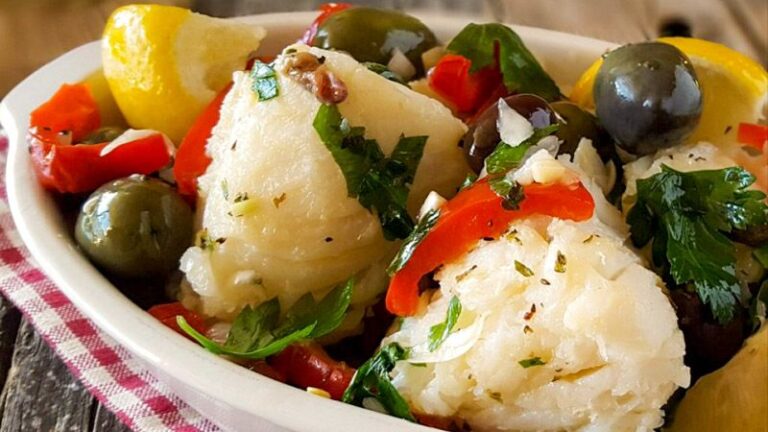
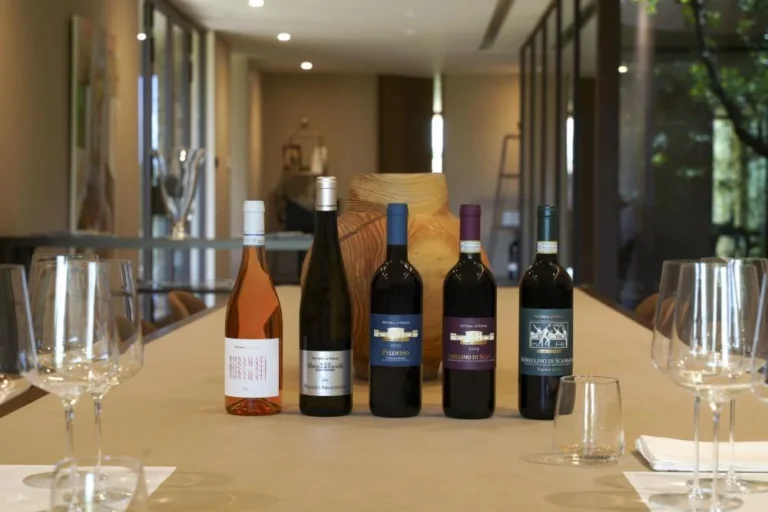
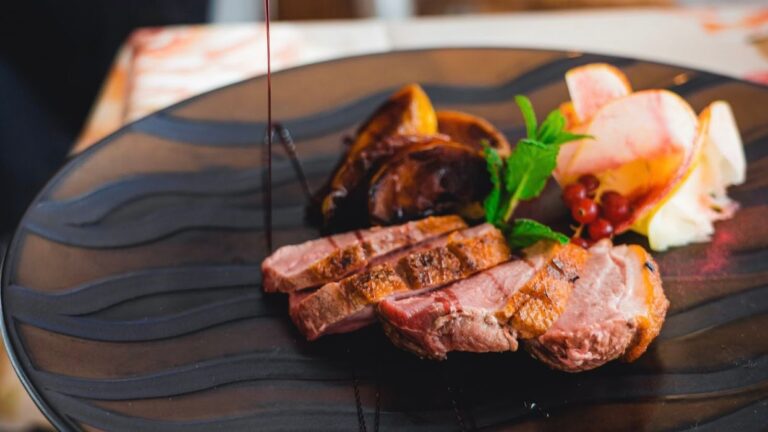
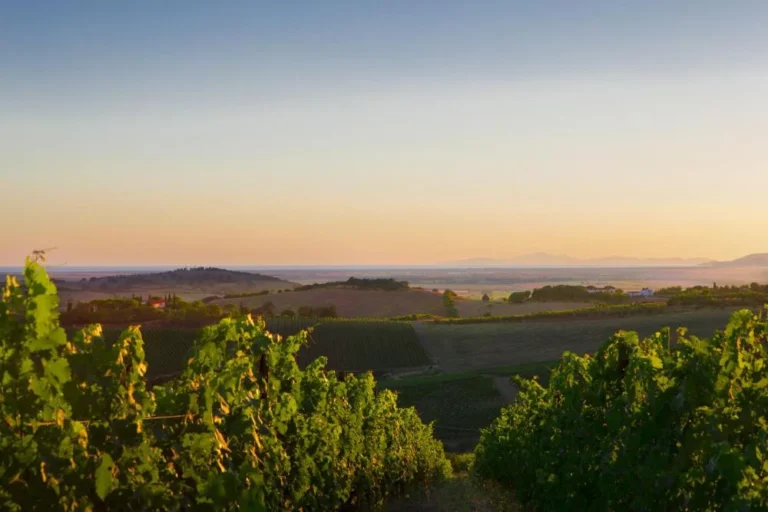
Belguardo Express wine tour and tasting in the heart of the Maremma
L'abus d'alcool est dangereux pour la santé, à consommer avec modération.
Slow tourism: canoeing, cycling and immersion in nature
Pour s’imprégner vraiment de l’atmosphère, il faut slow your pace and adopt gentle modes of transport.
Descente de l’Ombrone : une perspective fluviale
The official website parco-maremma.it propose des sorties encadrées en canoë canadien. C’est le moyen idéal pour explore the Maremma Regional Park without noise.
The Ombrone river offers a absolute calm. You glide silently between the banks. Willows and poplars form a dense green wall.
Ouvre l’œil pour observer la faune riveraine. Tu croiseras sûrement des tortues d’eau ou des hérons cendrés. L’immersion dans cet écosystème est totale et immédiate.
L’activité est family-friendly. It requires no particular technical skills. Catamaran-type boats are stable and safe.
Cycling routes between olive groves and pine forests
The Alberese-Marina loop is a classic. The cycle path crosses flat pastures. You will see the Maremma cows with their imposing horns.
The terrain changes towards the tufa areas. The climbs are drier and more demanding. Renting an electric bike in Alberese is an excellent idea.
Emprunte les célèbres chemins blancs, les strade bianche. Ces routes de gravier serpentent entre les vignobles. C’est ici que bat le heart of authentic Tuscany.
Les loueurs locaux connaissent parfaitement le terrain. Ils fournissent des cartes détaillées. C’est le meilleur moyen de find the least frequented trails.
Hiking off the marked trails
Head to the metalliferous hills north of Grosseto. This wild area alternates between old mines and dense forests. The trails there are particularly well preserved.
Stay alert as the trail marking is sometimes imprecise. In these isolated areas, caution is advised. A GPS app on your phone will be very useful.
Ici, l’expérience de la solitude est réelle. On marche des heures sans croiser personne. C’est un rare luxury for lovers of raw nature.
N’oublie pas d’emporter suffisamment d’eau. Les points de ravitaillement n’existent pas dans l’arrière-pays profond. Anticipate your needs before setting off.
Birdwatching in the wetlands
Les réserves de la Diaccia Botrona ou d’Orbetello sont parfaites. Des structures en bois servent de postes d’affût. On y can watch the birds without disturbing them.

Diaccia Botrona Nature Reserve
Ramsar wetland of 1,277 hectares between Grosseto and Castiglione della Pescaia, the last remnant of Lake Prile, rich in birds; its visitor center is the Casa Rossa Ximenes built in 1765 [regione.toscana.it](https://www.…
Tosco Passe par la Casa Ximenes en toute fin d'après-midi avec tes jumelles : la lumière rasante sur l'ancien lac Prile et le ballet des balbuzards, c'est mille fois plus magique que les plages bondées de Castiglione !
The spectacle changes with the migratory seasons. You may catch a glimpse of ospreys or cranes. White spoonbills also frequent these lagoons.
L’usage de jumelles est indispensable pour en profiter. Un bon équipement optique transforme l’expérience. Prends le temps d’study their natural behaviors.
Local naturalist guides organize themed outings. Their knowledge is valuable for identifying species. C’est passionnant, même pour les débutants.
Agriturismos: three tested addresses for your 2026 stay
Pour vivre pleinement l’expérience maremmane, le choix de l’hébergement est déterminant. Voici our recommendations.
Agriturismo Le Querciole in Manciano: calm and local produce
Cet établissement se situe sur une colline. Tu profites d’une clear view. Les champs d’oliviers et de blé entourent la propriété.
Tu peux comparer cette option avec l’ Agriturismo Maremma Tuscany. C’est un secteur riche en adresses. The choice will depend on your specific desires.
La proximité avec Saturnia est un atout. C’est le ideal haven. You enjoy the hot springs early in the morning.
The’the welcome there is particularly warm. The owners gladly share their love. They give good advice for exploring.
Agriturismo Il Girasole in Grosseto: agricultural immersion
This farm is located near the natural park. The structure lives to the rhythm of the fields. The seasons dictate the local daily life here.
Look for a agriturismo pool Maremma pour la fraîcheur. C’est indispensable après une longue randonnée. Le Girasole propose justement cet équipement.
La table d’hôte valorise les circuits courts. Les produits proviennent directement de l’exploitation. Freshness is guaranteed at every meal.
L’ambiance familiale te séduira immédiatement. On se sent comme à la maison. C’est loin des standards hôteliers froids.
Agriturismo Pereti in Roccatederighi: views and authenticity
L’emplacement offre un exceptional panorama. The medieval village seems suspended. It overlooks the entire surrounding Maremma plain.
L’établissement propose diverses relaxing activities. Yoga classes are organized. You can also take botanical walks.
Le silence nocturne est ici total. L’absence de pollution lumineuse est rare. The Milky Way appears with exceptional clarity.
Criteria for choosing sustainable accommodation in southern Tuscany
| Criterion | Importance | What to check |
|---|---|---|
| Gestion de l’eau | Capital | Rainwater harvesting. |
| Energy | High | Presence of solar panels. |
| Food | Essential | Farm products. |
| Waste | Moderate | Waste sorting and composting. |
L’importance des circuits courts est primordiale. Un bon agriturismo transforme ses produits. Vérifie les labels environnementaux de Toscane. C’est un guarantee of reliability.
L’usage des énergies renouvelables se généralise. De nombreuses fermes utilisent le solaire. La biomasse sert aussi pour la consommation. C’est un coherent technical choice.
Your conscious choice has an impact. It helps preserve this wild territory.
Pour vivre ta propre expérience en Maremme sauvage, privilégie le printemps ou l’automne, saisons idéales pour explorer les sentiers du parc d’Alberese ou les cités du tuf sans la foule. Réserve dès maintenant ton agriturismo pour garantir ton immersion entre maquis et lagunes. La Toscane secrète t’attend pour une total and brutal disconnection.

Absolutely! The wild Maremma, particularly the province of Grosseto, is the antithesis of overcrowded Tuscan destinations like Florence or the Val d’Orcia. Its raw nature and its millennia-old tuff towns offer total disconnection. What makes it so unique is its history: long swampy and affected by malaria, it remained isolated, thus preserving its authenticity and the fierce determination of its inhabitants to protect their spaces. Here, you won’t see large hotel complexes or crowded beaches, but rather kilometres of wild coastline, vast nature parks, and villages where time seems to have stood still. To make sure you avoid mass tourism, spring 2026 (ideally May or June) is the perfect period. The vegetation is lush, the temperatures are pleasant for hiking, and tourist attendance is much lower than in the height of summer. Autumn is also an excellent option for wildlife watching.
For a total immersion, I recommend focusing on activities that highlight this unspoilt nature and heritage. Explore the Parc naturel de la Maremma, especially the coastal trails leading to the medieval watchtowers, or the accessible routes for observing wildlife at dawn or dusk. The tuff towns such as Pitigliano, Sorano and Sovana offer a dive into Etruscan history, with their narrow alleys and troglodyte dwellings. These places, due to their layout and remoteness, attract a more respectful clientele in search of authenticity. Keep in mind that the Maremma has to be earned: a car is indispensable, and the accommodation is often isolated agriturismi, which contributes to dispersing visitors and creating a more intimate experience.
The Parc naturel de la Maremma, also known as the Parco dell'Uccellina, is a true gem for lovers of nature and wildlife. For spring 2026, you have chosen the ideal period for exploration. The starting point for most of the trails is Alberese. From there, you can take coastal trails that will lead you through olive groves and Mediterranean scrub up to the ridges of the Uccellina mountains. There you will discover ancient watchtowers such as Castelmarino, offering breathtaking views of the Tuscan archipelago and the island of Giglio. To find your way around, I recommend consulting a detailed hiking guide for the Maremma park.
As for wildlife watching, the park is rich in species. You will easily spot wild boars, fallow deer and foxes, especially at dawn or dusk, when the animals come out of the scrub to feed. Although the wolf is present, it is very discreet and rarely seen. For an optimal and respectful experience, you must follow the park’s rules of conduct: stay on the marked trails, never feed the animals, pick up all your litter, and above all, do not bring domestic animals (dogs are forbidden, even on a leash) to protect the wildlife from diseases. Silence is also a precious ally so as not to disturb bird nesting and the tranquillity of the animals. You will find additional information about the richness of the wildlife on . Remember to favour walking or cycling for a total and silent immersion.
The Maremma is a true haven for Etruscan heritage and thermal relaxation, a perfect combination for an authentic trip. For Etruscan heritage, you absolutely must explore the fascinating tuff towns. Pitigliano is a must-see, nicknamed « little Jerusalem » for its Jewish quarter and its synagogue dating from 1598. The village is literally carved into the volcanic rock, offering a striking visual spectacle. Don’t miss the Vie Cave, those mysterious paths carved deep into the tuff by the Etruscans, which you can explore on foot for an immersive experience. Sorano, with its imposing fortress, and Sovana, a tiny medieval village housing an isolated Romanesque cathedral and the famous Tomb of Ildebranda (dating from the 3rd and 2nd centuries BC), are also essential stops for understanding the scale of this ancient civilisation. For a more complete immersion, visit the archaeological sites of Roselle, where Roman remains overlap Etruscan foundations, and Vetulonia, with its tholos tombs and its exceptional panorama over the coast. The MAAM Grosseto is an excellent complement to deepen your knowledge.
After these cultural explorations, nothing beats a break in the wild hot springs. The Maremma is famous for the Cascate del Mulino in Saturnia. These natural hot springs, fed by sulphurous water that gushes out at a constant temperature of 37.5°C, are accessible free of charge all year round, 24/7. It is the ideal place to relax and enjoy the healing properties of these waters, already appreciated by the Etruscans. I strongly recommend going at dawn to avoid the crowds and enjoy the magical atmosphere created by the morning steam on the limestone cascades. A large free car park is available on site, but it can quickly fill up in high season. A car is indispensable for reaching these hot springs and the Etruscan sites, as public transport is scarce in this rural region.
To get to the Maremma from an international hub, the most strategic option is generally to land at Rome Fiumicino (FCO) airport. From there, the Aurelia motorway will take you directly to the south of the province of Grosseto, which makes for a simple and quick journey. If you arrive at Pisa (PSA) airport, it will take a little longer to reach the Maremma, but it is also a viable option. In any case, once you have arrived in Italy, the question of mobility on site is crucial.
I can confirm that a car is strictly indispensable for exploring the Maremma. It is a rural region with isolated villages, nature parks and secret coves that are very poorly served, or not served at all, by public transport. Without a vehicle, your itinerary would be strongly limited to the few towns accessible by train or bus, such as Grosseto or Orbetello, and you would miss the very essence of the wild Maremma. A car will give you total freedom to discover the tuff towns like Pitigliano, the natural hot springs of Saturnia, the trails of the Maremma Nature Park, and the isolated beaches. I recommend renting a vehicle with adequate ground clearance, as the famous strade bianche (unpaved white roads) are frequent for accessing authentic agriturismi and certain sites. Feel free to use our tool for planning my itinerary in the Maremma for optimal organisation of your travels.
For a trip to the Maremma with a wild and unspoilt spirit, the most authentic and typical accommodation is the agriturismo. Far from standardised hotel complexes, an agriturismo is an active farm where you will be immersed in rural Tuscan life. Italian law requires these establishments to have a dominant agricultural production, which guarantees a raw disconnection and access to zero-kilometre local products. You will often find rooms or apartments carefully fitted out, but without the standardised luxury of hotels, and that is precisely what makes their charm. It is an opportunity to taste the local cuisine, often prepared with products from the farm, and to enjoy a peaceful setting amid vineyards, olive groves or fields.
To make sure you find a place that matches the wild spirit of the Maremma, favour agriturismi located away from towns, often accessible via strade bianche, which reinforces the sense of isolation and tranquillity. Many agriturismi are former farms restored with respect for local architecture. Don’t hesitate to read reviews and look at photos to make sure the establishment offers the rustic and natural atmosphere you are looking for. If you plan to visit the hot springs of Saturnia, sleeping nearby is a tactical choice to enjoy the cascades at sunrise without the crowds. For cultural discovery, you can target areas such as the south near Capalbio for beaches and medieval villages, or the centre near Magliano in Toscana for vineyards and access to the Etruscan sites. The hosts of the agriturismi are often a mine of information about hidden trails and small local producers, which will greatly enrich your experience.
The Maremma coastline is a wonder of raw nature, very different from the overcrowded beaches found elsewhere in Italy. Here, the emphasis is on preservation, and access to the most isolated coves often requires a little effort, which is precisely what helps keep the crowds away. To unearth these gems, I recommend heading to the Parc naturel de la Maremma. The beach of Marina di Alberese is an excellent starting point. It is an immense, wild beach, characterised by its tree trunks bleached by salt which create a unique setting. Access is regulated: parking is strictly limited and a summer shuttle can facilitate access, which helps control attendance and preserve the balance of the site. You will find detailed information about access and the rules on .
For an even deeper immersion and even more isolated beaches, continue your walk from Marina di Alberese towards Collelungo. This stretch of sand is dominated by a solitary tower and offers absolute tranquillity. Further south, the promontory of the Argentario also holds magnificent and less accessible coves, often reachable via hiking trails. The idea is to favour beaches requiring a significant walk or access via rough tracks. Services and refreshment stands are often non-existent on these unspoilt beaches, so plan to bring everything you need (water, picnic, sun protection). A car is indispensable for getting to the starting points of the coastal trails, but the rest of the exploration will often be done on foot or by bike, which will guarantee you an experience away from the crowds and in perfect harmony with the wild nature of the Maremma.
Around this article


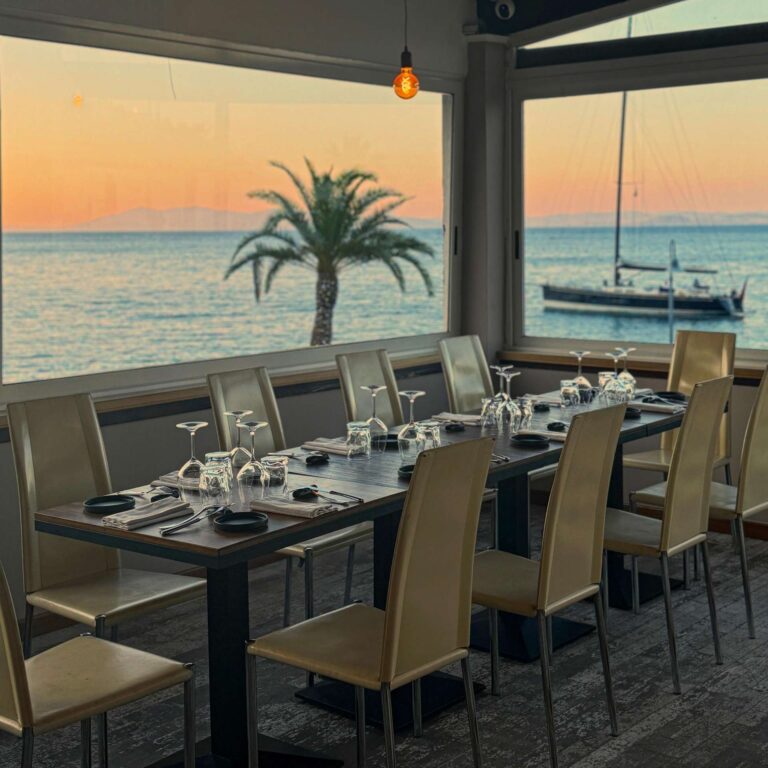
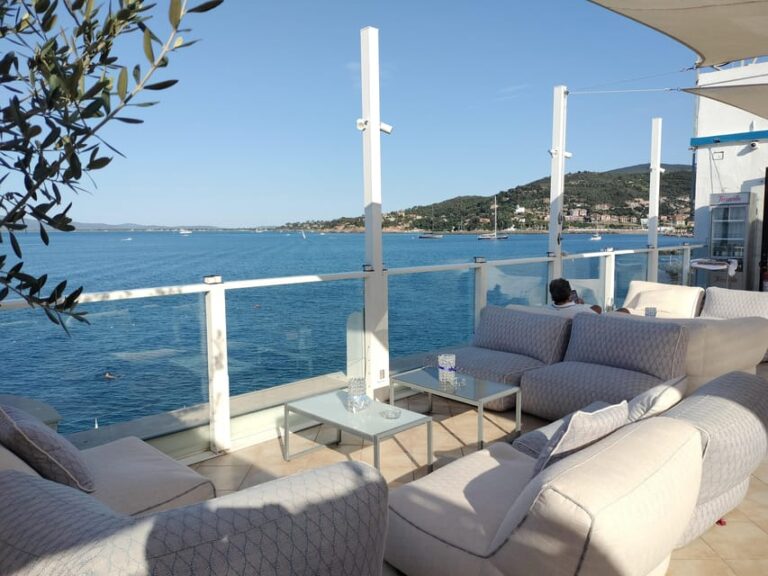
16. Wine & Waves at Argentario: wine tasting with your eyes on the water

Is the map not displaying? See accommodations on Stay22
Map and prices provided by Stay22: Toscane Cachée may receive a commission on bookings.
You will also like
Beach or thermal baths in Maremma: what to choose for a perfect day depending on the season?
Maremma beach or hot springs? Choose the sand of Cala Violina in summer or…

Maremma Park Hike: 5 trails between sea and nature
Prepare your Maremma park hike: explore the Uccellina trails and the abbey of...

Visiting Maremma Park in 2026: prices and tours
Explore the Maremma natural park in 2026: book your visit, observe the horses…

Animals in Maremma: 7 wild species and where to observe them
Discover the animals of Tuscan Maremma: wild boars, fallow deer and wolves. Learn where and...