Home › FAQ › General › History
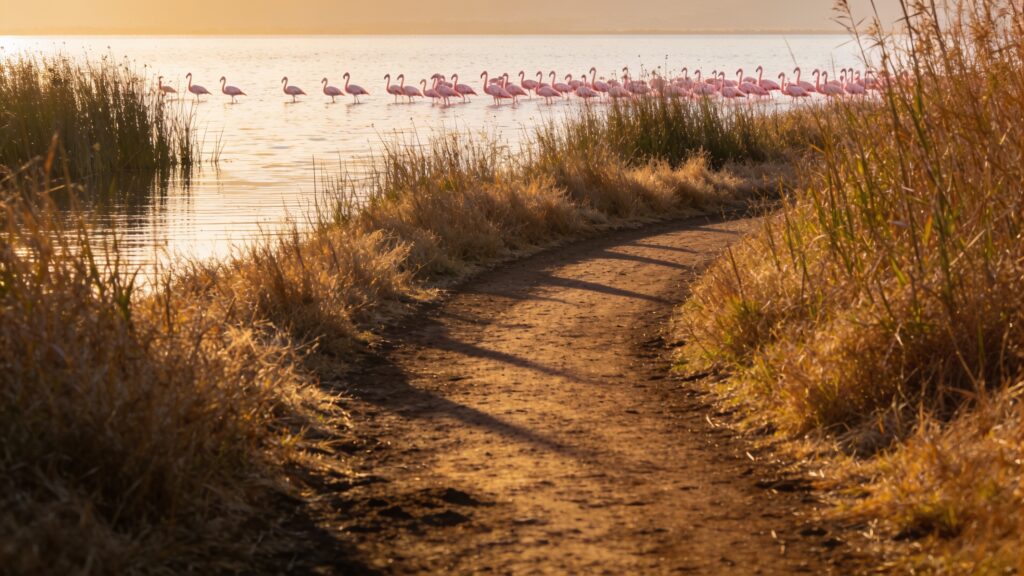
The dark sand of La Torba, on the coast of Capalbio, is not simply a beach of ashes deposited by a nearby volcano: its color is mainly associated with iron-rich minerals present in the local sediments. The waves and currents sort and redistribute them, which can make the sand's appearance vary from one area to another. The beach is well known for its blackish hue, but the available information does not allow for a single, precisely established volcanic origin to be told.
In short, its «history» is geological rather than legendary: rocks and sediments erode, their grains are transported, and then the sea reshuffles them along the coast. The geology around Capalbio includes several formations, notably marine deposits and terrains of varied origin; this does not mean that the entire beach is made of lava. And the dark hue is not uniform: it can be more visible in places or depending on recent conditions on the beach. If you expect an entirely black expanse like on some volcanic islands, you may therefore be disappointed: at Capalbio, it is above all a local feature of the sand, not the constant backdrop of the whole shore.
Is the map not displaying? See accommodations on Stay22 →
Map and prices provided by Stay22: Toscane Cachée may receive a commission on bookings.
 ★ 9.0B&B Il GiardinoCapalbio · 6.6 km
 ★ 9.2Agriturismo GraziaOrbetello · 7.1 km
 ★ 9.9Agriturismo Valle Del ChiaronePescia Romana · 7.5 km
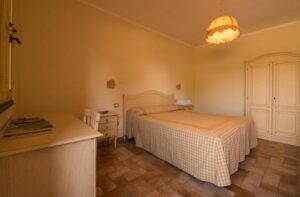 ★ 8.0Corte Degli Struzzi B&BPescia Romana · 7.7 km
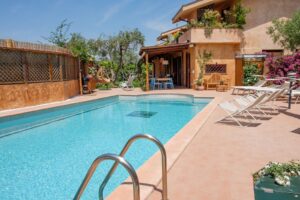 Villa in Capalbio ScaloCapalbio · < 1 km
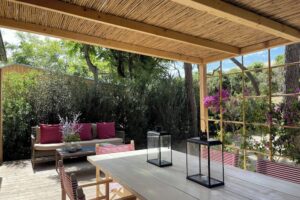 Designer lodge in Burano Nature ReserveCapalbio · 1.9 kmfrom 661 €
 ★ 9.0Resort CapalbioCapalbio · 2,3 kmfrom 271 €
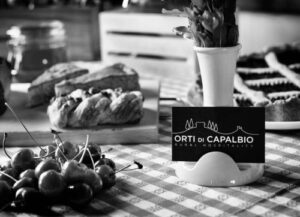 ★ 9.2Orti Di CapalbioCapalbio · 2,4 kmfrom 178 €
 Tuscan Maremma: Premium Wine Tasting and Gourmet FoodCapalbio · 6,3 km
 Capalbio: wine and olive oil tasting with a view of the vineyardsCapalbio · 6,3 km
 ★ 10.0Twilight hike in Capalbio: legends and Maremma flavorsCapalbio · 6,3 km
 ★ 5.0Capalbio: night hike in the great outdoors under the starsCapalbio · 6,3 km
 Français Français
 Italiano
 English
 Polski
 Português do Brasil
 Nederlands
 Español
 Deutsch