Pitigliano, Sorano and SovanaSaturnia and MancianoArgentario and Orbetello lagoonCapalbio and the southScansano and the Morellino hillsGrosseto and the Maremma parkCastiglione della Pescaia and the coastFollonica and Punta AlaMassa Marittima and the metalliferous hillsMonte AmiataVal d'Orcia and MontalcinoLake of Bolsena and Tuscia (Latium)Val di Chiana and MontepulcianoAilleurs en Toscane
Price
Hidden Tuscany Rating
Our score out of 10 is deliberately demanding: the favourites are the top 10% rated in the hub.
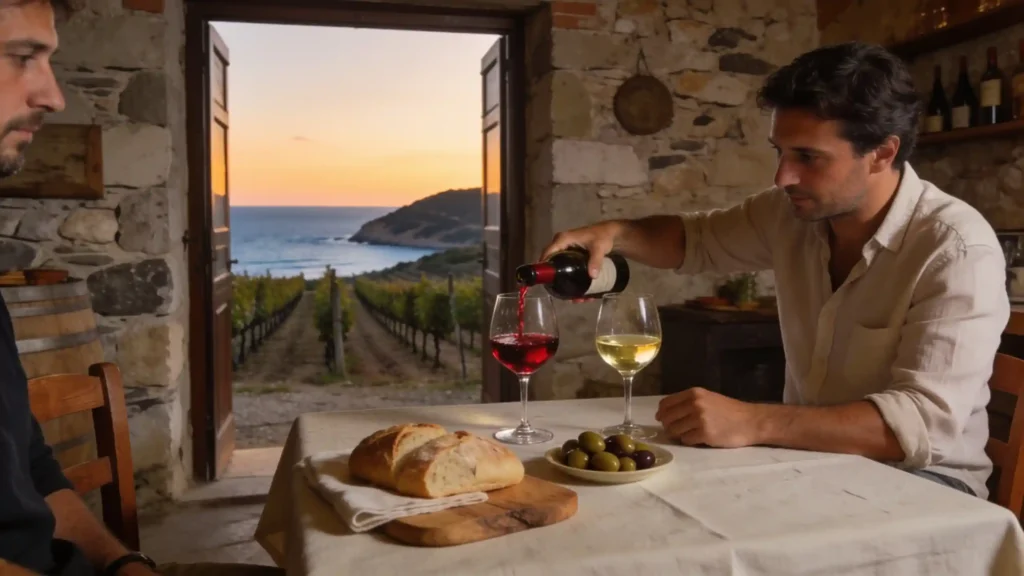
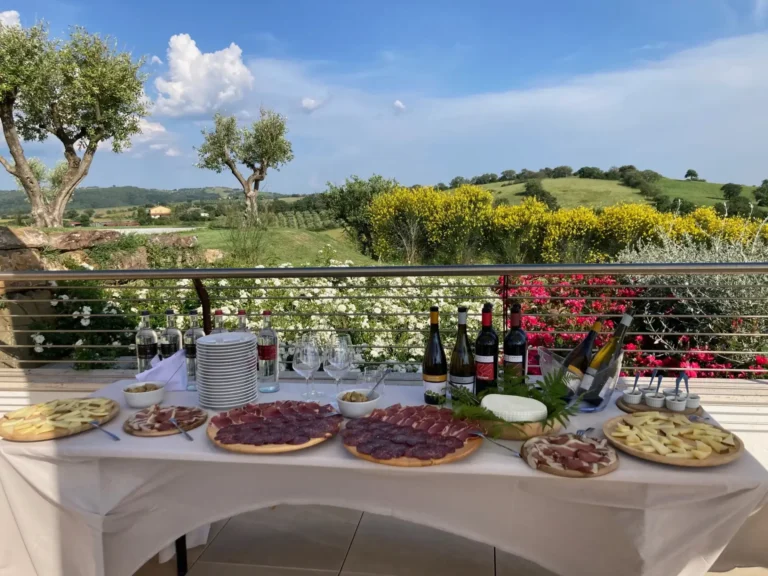
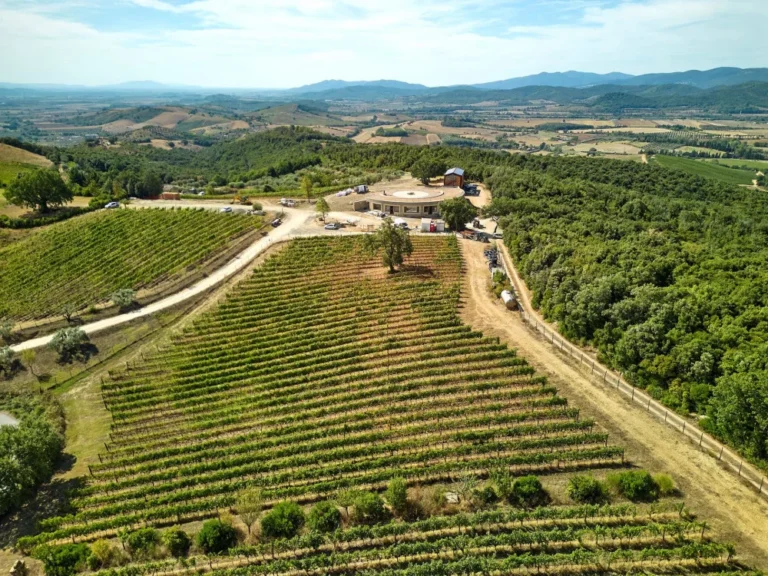
Tasting of seven organic Super Tuscan wines with a tour of the vineyards and the winery, including a barrel sample of a new vintage, Tuscan platter included
Wine Tasting in Maremma and Tuscany: What You Taste, Where, and How to Book
The essentials to remember: a wine tasting in Maremma lasts between 1h30 and 2h to soak up the wild terroir without fuss. There you discover the Morellino di Scansano and Vermentino, served with pecorino or local cured meats. For avoid the hassles, use immediate booking on Winalist and opt for an agritourismo to sleep on site and savor the experience without driving.
Maremma isn't tasted from crystal glasses in stuffy salons; it's lived with your feet in the earth between Scansano and the lagoons of the Argentario. People often end up choosing their estate at random, only to realize once on site that they missed the essence of the wild terroir or were served a standard wine without soul. A successful Maremma Tuscany wine tasting asking where to track down the real Morellino and how to avoid the tourist traps that swarm along overly signposted roads.
I'm going to help you decoding what really happens in the cellars of Grosseto...from the Magliano vineyards to the volcanic soils of Pitigliano, so you know exactly what to taste and where to book without getting it wrong. Let's take stock together of the grape varieties that matter and the honest way these encounters unfold with our winemakers.
What really happens during a tasting
A tasting in Maremma lasts about 2.5 hours, costs between €27 and €32, and includes a visit to the cellars. You taste the Morellino di Scansano and the Ciliegiolo, often accompanied by local products.
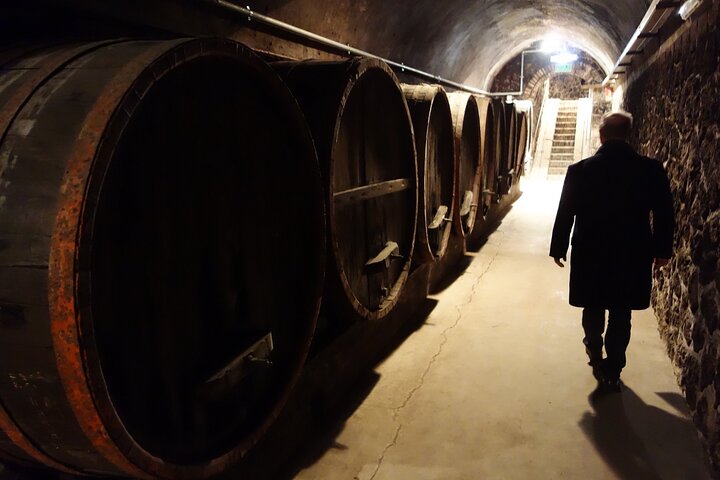
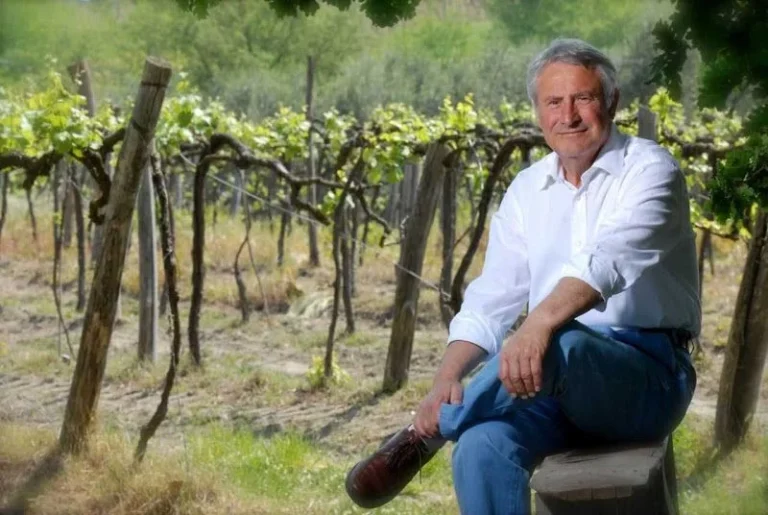
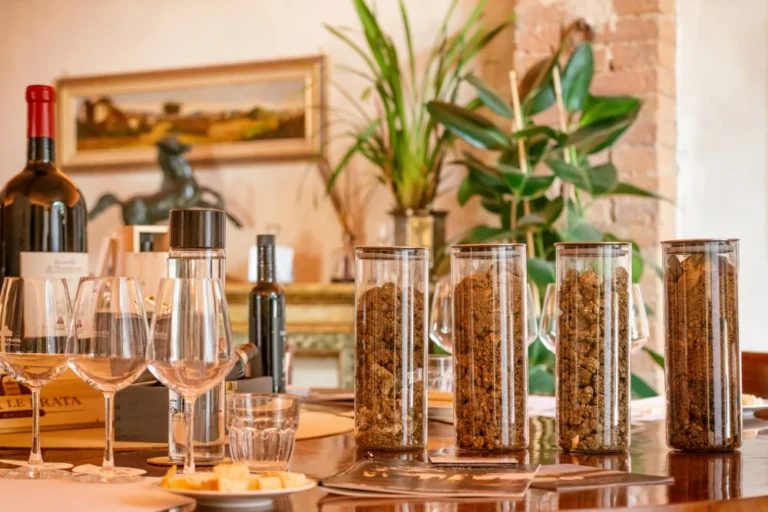
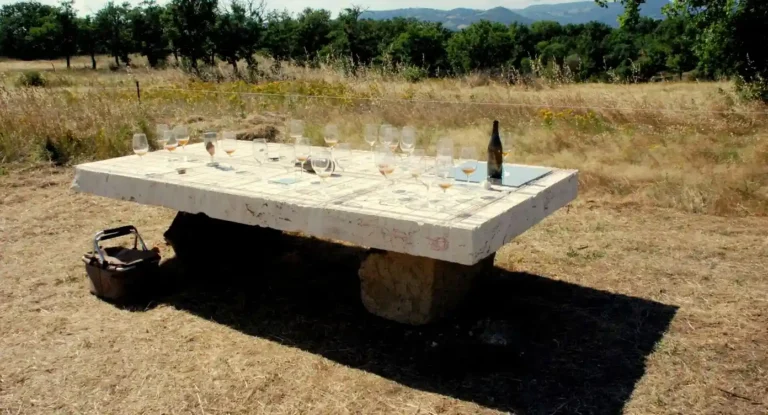
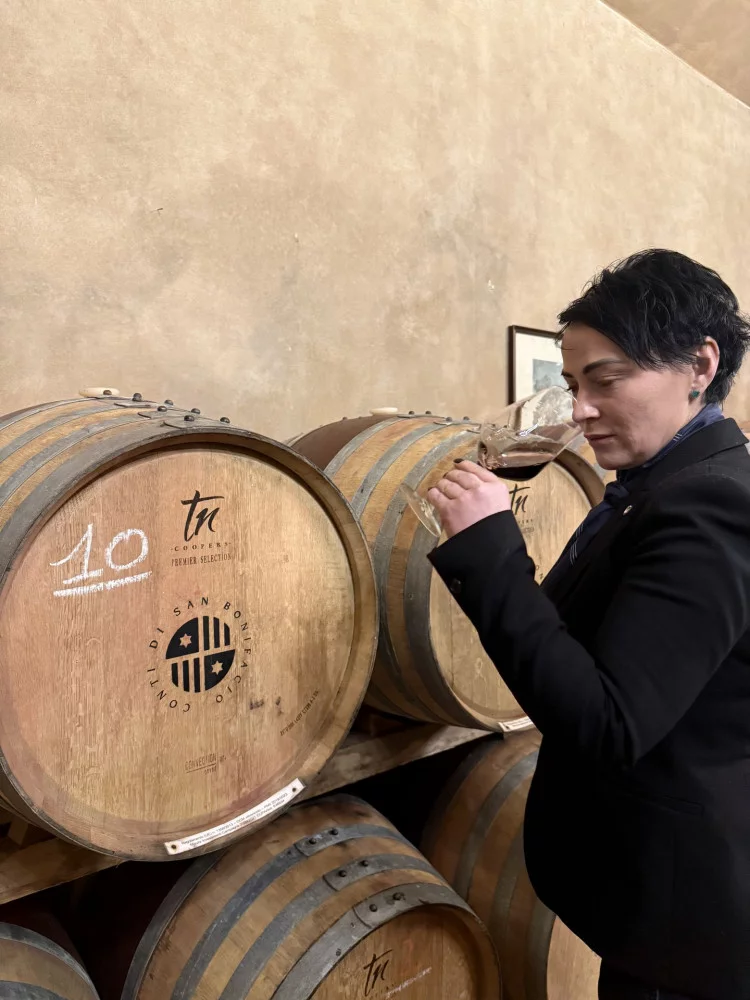
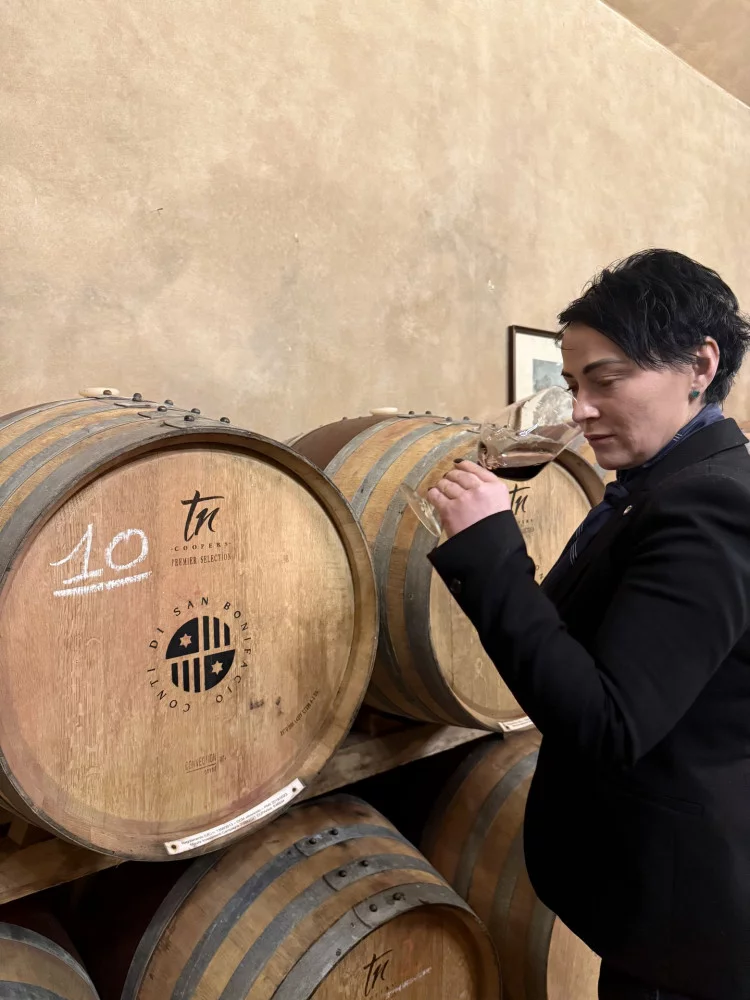
The welcome at the estate kicks off the festivities. You often start by walking through the vineyards before entering the aging cellar. It's the perfect moment to observe the imposing vats and barrels. The terroir can be felt here.
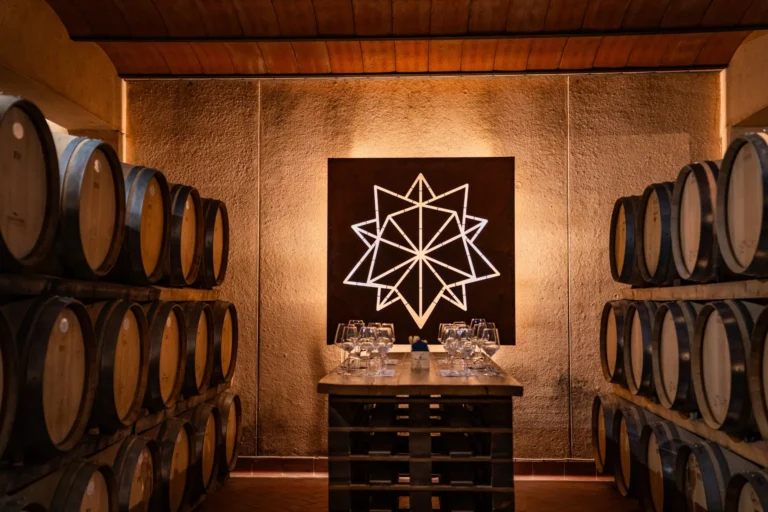
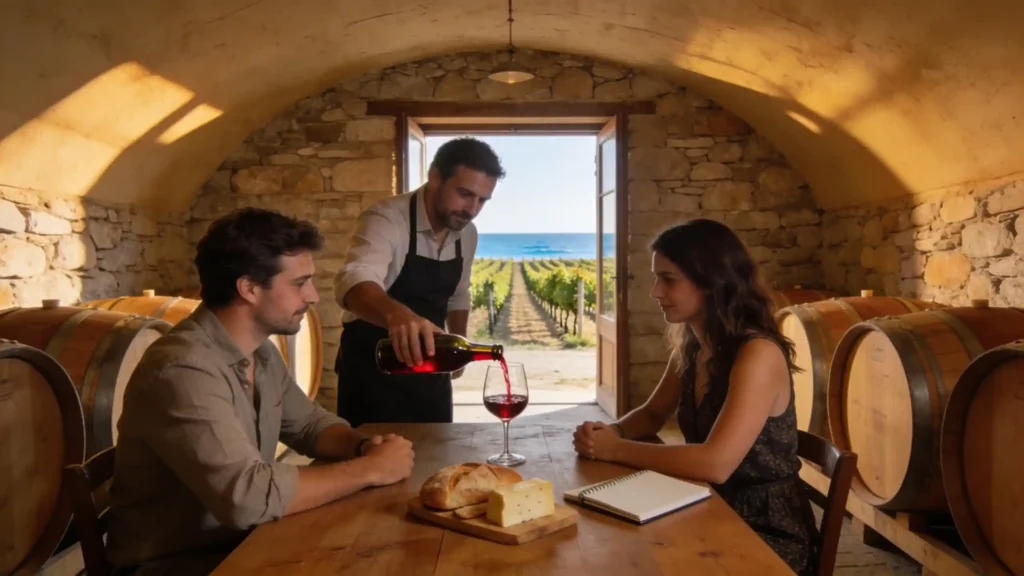
Then you settle into the tasting room. You're going to taste a selection of three to five different winesThe winemaker explains each cuvée with raw passion, far from polished marketing speeches. Listen closely to his story.
To avoid getting lost, take advantage of these tips for a successful tasting. These tips radically change how you approach your glass.
They serve classic accompaniments such as bruschetta, pecorino, or local cured meats. These products bring out the aromas of the red wine. It's a friendly, direct exchange without unnecessary fuss. We share the real thing.
The session ends with a stop at the shopFeel free to buy a few bottles.
Step
Estimated duration
Main content
Welcome and vineyards
20 min
Presentation of the estate and the terroir.
Cellar tour
40 min
Discovery of the vats and barrels.
Guided tasting
60 min
Sensory analysis of 3 to 5 wines.
Free time/Shop
30 min
Final exchanges and possible purchases.
In terms of communication, they speak Italian and English. Some estates even offer a wine tasting with a bilingual guide. It's simpler for grasping the winemaker's technical nuances.
Always plan your visit in advance. Small estates don't accept impromptu visits between two rows of vines. Plan ahead to avoid finding the door closed.
Here, Morellino di Scansano expresses a unique wild terroir. The atmosphere is noticeably less stiff than elsewhere in Tuscany. Rustic authenticity is what matters mostwithout frills or pretense.
You leave with a better understanding of winemaking work. It's a complete sensory experience.
In short, it's a an unforgettable moment of sharing.
Where to taste in Maremma, zone by zone
After seeing how it unfolds, let's now see where to drop your bags for explore the best vineyards.
Scansano and the wine route
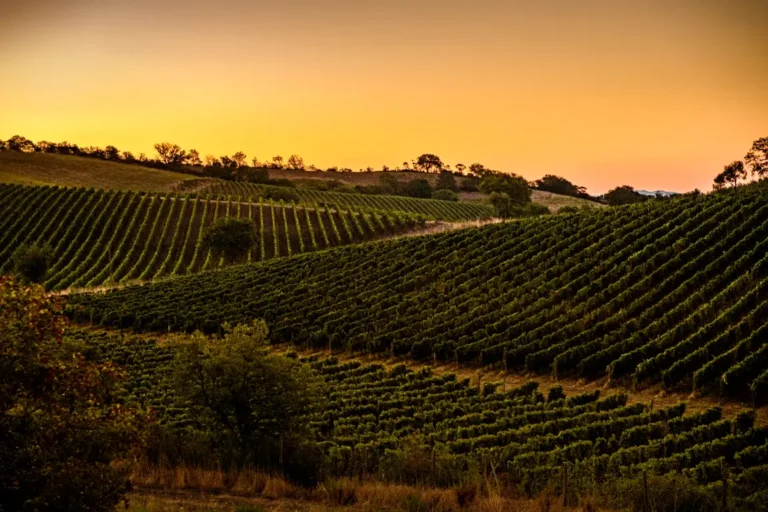
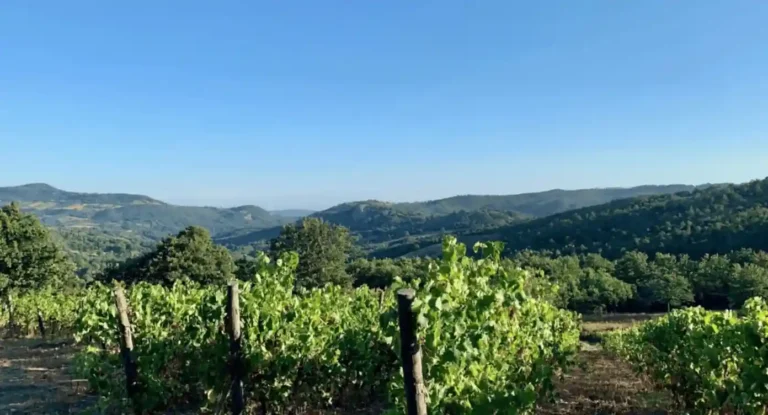
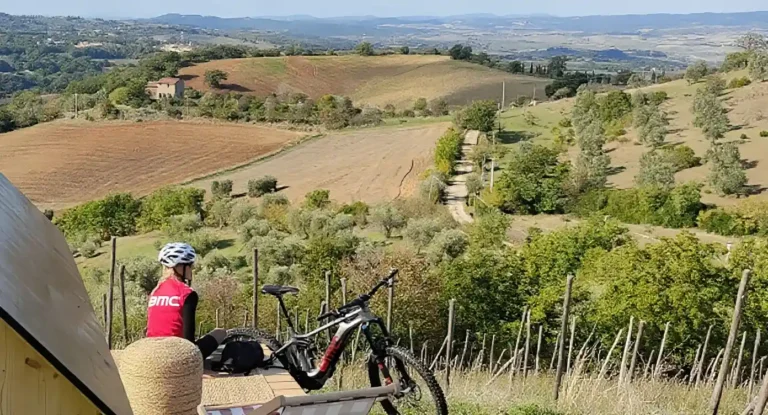
Scansano is the heart of the vineyard. Its hills offer superb views. Here, Sangiovese becomes the Morellino di Scansano DOCG.
The Scansano Cooperative Cellar
Organic family estates
Magliano in Toscana
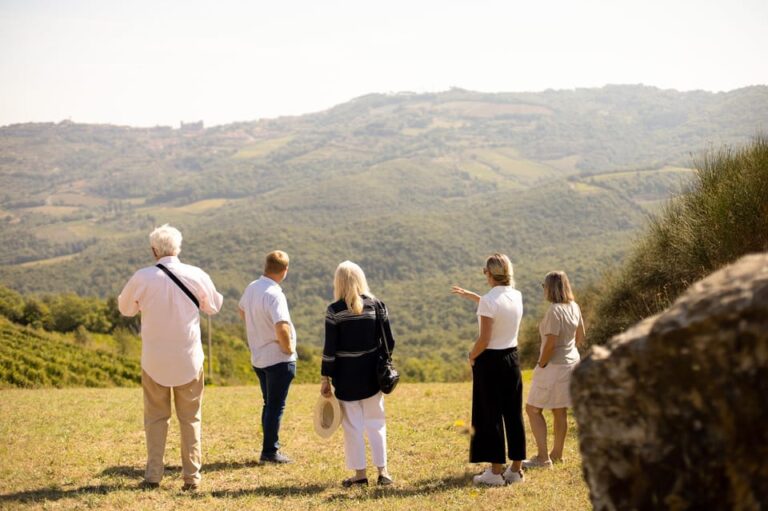
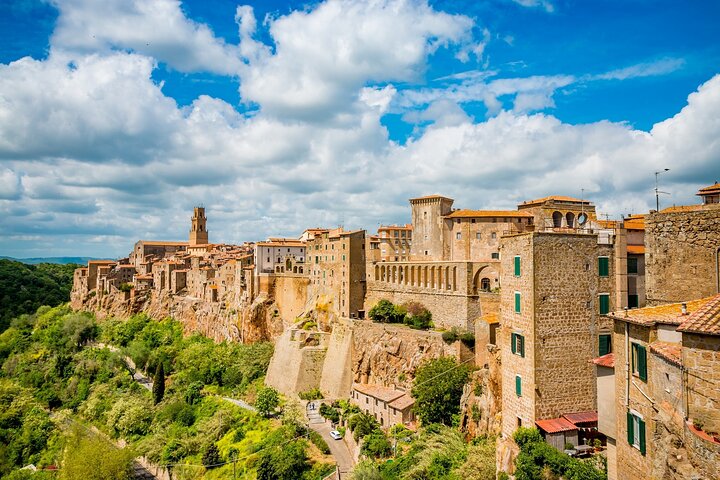
This medieval village overlooks the vineyards. The sea air shapes the character of the wines. It's the luxury of simplicity.
Enjoy a sunset tasting. Intimate estates allow for genuine exchanges with passionate owners.
Which wines we taste in Maremma
If you imagine Tuscany boils down to Chianti served in straw-wrapped bottles, you're mistaken. Here in the Maremma, we don't try to copy our northern neighbor. We have our own character, shaped by sea salt and volcanic rock. But by the way, what will you actually have in your glass once you're there?
The essence of the terroir
Morellino di Scansano is a DOCG based on Sangiovese. Vermentino is a Mediterranean white grape. Ansonica is typical of Argentario.
The Morellino di Scansano
It is the undisputed king of local reds. It is composed mostly of Sangiovese. Its character is both robust and fresh, very typical of Maremma.
Morellino, made from the Sangiovese grape, has a strong identity. This wine perfectly accompanies the grilled red meats you will find on our tables.
It exists in an "Annata" or "Riserva" version. The second version 必须 ages longer in wood, for at least twelve months.
Aromas of cherry and plum largely dominate. On the palate, the tannins are present but silky. It's a wine with temperament, without frills.
Vermentino
Vermentino is the emblematic white grape of the coast. It loves sun and sandy soils. The result is a lively and mineral wine.
You can explore further the whites of Maremma to understand this maritime influence. It's a unique sensory experience.
You'll find notes of citrus and sometimes white flowers. It's absolutely perfect for an aperitif under the Tuscan heat.
Vermentino pairs wonderfully with fish from the Argentario coast. It's freshness embodied, far from heavy, oaky whites.
Ciliegiolo
This ancient grape variety has come back strongly in recent years. Long used in blends, it is now vinified on its own. Its name directly evokes cherry (ciliegia).
It's a a gourmand and very fruity redIt drinks easily, even in summer if served lightly chilled.
Ciliegiolo is the little-known gem you absolutely must try. It finally steps out of Sangiovese's shadow to shine on its own.
Maremma winegrowers now pamper it in stainless steel tanks. It represents well the renewal of Tuscan terroir. A real discovery for your curious taste buds.
Grape / Wine
Dominant Profile
Ideal pairing
Morellino di Scansano
Structured red, red fruits
Grilled meats, Pecorino
Vermentino
Mineral white, citrus
Fish from Argentario
Ciliegiolo
Fruity, crunchy red
Local charcuterie, Porchetta
Booking on Winalist or on Winedering
To organize all of this without stress, two platforms share the market for wine experiences.
Winalist
Winalist is the European leader in online reservationsThe interface is clear and very intuitive. You can filter by type of activity or by price.
Confirmation is often immediateIt's handy for last-minute decisions during your stay.
Reviews from other travelers are a real plus. You know exactly what to expect before arriving at the estate. Transparency is total.
Winedering
Winedering is a very specialized Italian alternative. They offer experiences that are often more original and off the beaten track. The choice in Maremma is excellent.
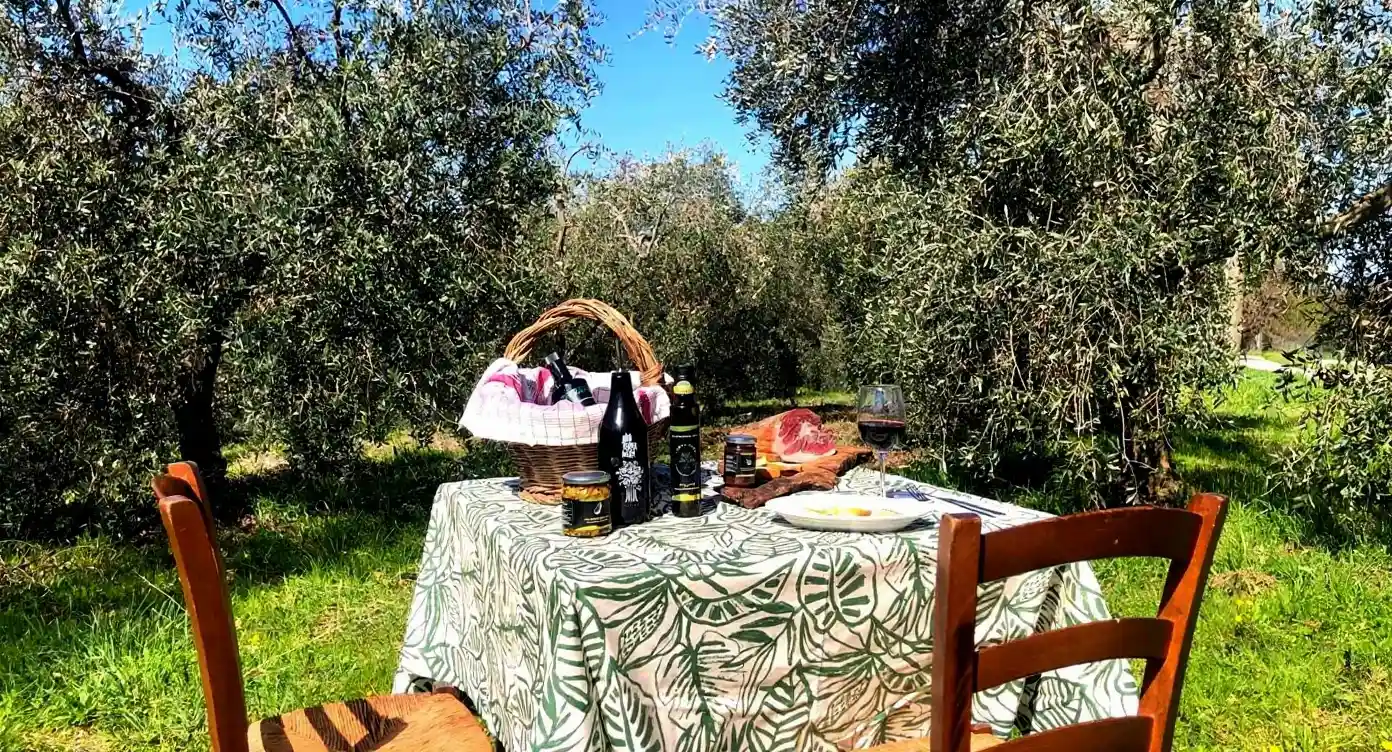
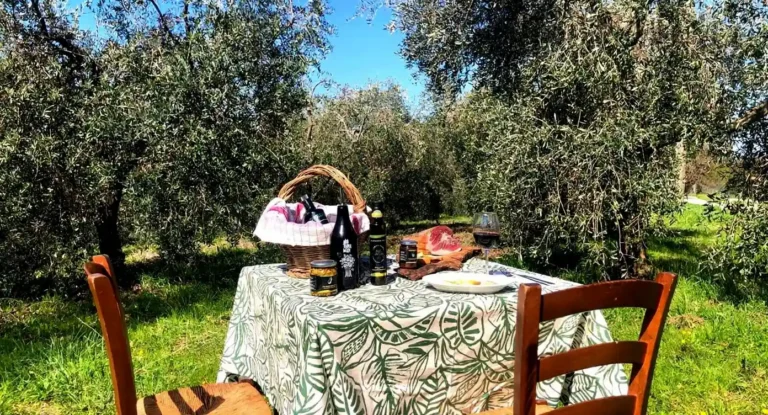
You'll find tastings paired with picnics. You can even find a wine tasting and picnic to eat in the middle of the vine rows.
Customer service is responsive and knows the terrain well. It's reassuring if you're looking for something specific. A solid option for your trip.
How much does a tasting cost, and how to compare
Let's not kid ourselves, the money question always ends up on the table when we talk about bottles. In Maremma, prices make a wide leap depending on whether you knock on the door of a small farmer or of an estate that cultivates its brand image.
For a simple tasting, count on about 15 euros per headAt that price, you generally get three wines to discover, accompanied by a few breadsticks to mop up. It's the efficient option if you're just passing through.
If you want to see the inner workings of the estate, visits to the cellars and vineyard quickly climb to between 30 and 40 euros. The number of glasses increases and the appetizers become more substantial. It's the standard format so you don't go hungry.
The value for money here is often much better than in northern Tuscany, but stay vigilant. Always check what is actually included in the package before confirming your visit.
Some estates offer to turn the experience into a true feast with a full lunch. Budget between 60 and 90 euros for this kind of afternoon. It's the best way to see how our reds hold their own against grilled meat.
Little tip to know: the bottles you buy on site are sometimes deducted from the price of the visitDon't hesitate to ask the question, it costs nothing.
Range of experiences
Indicative budget
Services included
Entry level
15-20€
3 wines and grissini
Standard
25-45€
Visit to the cellars, vineyard and local boards
Premium
€60 and up
Full lunch and food and wine pairings
Private
On quote
Custom service
Also check the length of the service. One hour goes by at a crazy speed when you start seriously discussing grape varieties. Aim for sessions of at least an hour and a half to have time to breathe.
If you're looking for a sure bet, you can go see the tasting at MuraliaIt's a good example of what serious work looks like around here.
Also think about transport logistics. Most estates are lost in the middle of the countryside and require a car. It's a a cost we too often forget to calculate.
If you arrive as a group, know that the rates can become tiered. Always ask whether a group rate is possible.
Manage your wine budget well by booking ahead to avoid unpleasant surprises. The Maremma is still spared from outrageous prices of Chianti, so enjoy it while it lasts.
Sleeping at a producer who offers tastings
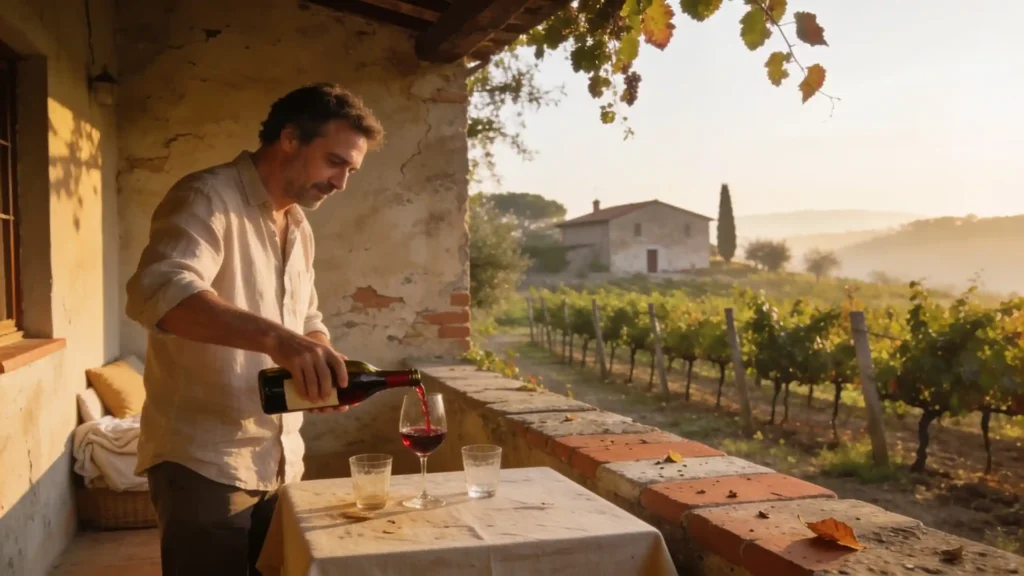
Agritourism is an institution in TuscanySleeping at the estate lets you taste without worrying about driving. You enjoy the calm of the vineyards early in the morning. It's magical.
To find your haven of peace, turn to an agritourismo. Only select addresses listed in this list.
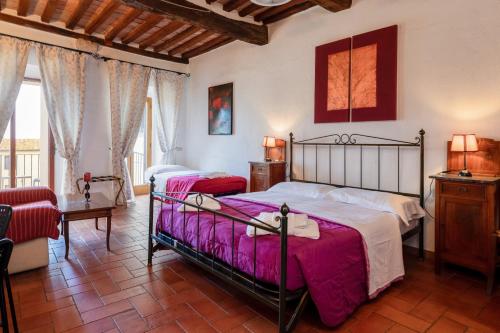
The rooms are often located in former stone buildings. The comfort is modern but the rustic charm remains. You feel at home, only better.
Breakfast often offers the products of the farm. Olive oil and homemade jams are on the menu.
The highlights of staying at the estate
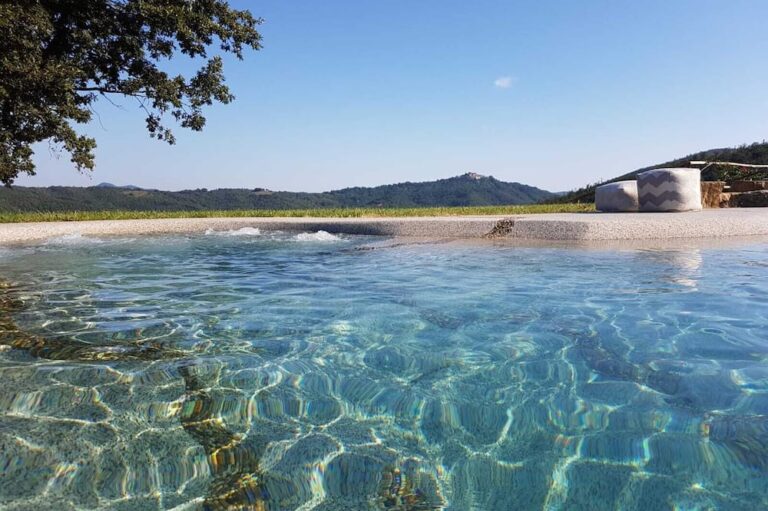
Pool with a view over the vineyards
Dinners at the table d'hôte
Possible participation in the harvest
Absolute calm far from the cities
It is also an opportunity to see behind the scenes of the trade. You meet the winemaker at work during your stay. The exchanges are much more natural and deep.
If you are looking for a total organic immersion, take a look at this address. It's serious stuff.
Choosing total immersion is the best way to understand the soul of Maremma. You live at the rhythm of nature and the seasons. It is a sudden and necessary disconnection.
Sandro's tip
Remember to book well in advance in high season. These addresses are very popular with those who know.
In short, the winning combo for a successful vacation.
To live a Tuscan Maremma wine tasting memorable, remember the essentials: the raw authenticity of Morellino, the wild terroir of Scansano and the simplicity of direct exchanges in the cellar. Book your immersion quickly on Winalist or Winedering to secure your place. Don't wait, the best family estates are often fully booked and are just waiting for you to uncork excellence.
Frequently Asked Questions
The Tarot Garden, in Garavicchio near Capalbio, usually closes from November to March. The indicated landmarks for the opening period are from April 1 to October 15, with hours from 2:30 PM to 7:30 PM and a last entry around 6:15 PM. But these dates and times are not confirmed for 2027: before hitting the road, check that the garden is indeed open on the chosen day and that access conditions have not changed. This is particularly important if you plan a visit in April, at the start of the season, or in October, near the annual closure.
For a spring visit, plan to arrive early enough during the opening window so as not to discover the garden at a run as the last entry approaches. The sculptures are meant to be viewed from multiple angles, and the mosaics, mirrors, and ceramics take on different reflections depending on the light. Since entry is limited, booking online should be anticipated rather than relying on a spontaneous arrival. Don’t trust old schedules or old prices copied elsewhere: they may no longer correspond to the season concerned. The safest advice for planning a visit to the Tarot Garden in 2027 is therefore to confirm the opening date, the day’s schedule, and ticket availability before you travel.
The Tarot Garden is located at Garavicchio, near Pescia Fiorentina, in the municipality of Capalbio, in the province of Grosseto, in southern Tuscany. It is set on a hill: the visit takes place among monumental sculptures that appear along a path, rather than in a gallery in the center of a village. The place therefore lends itself well to a stop by car in the Maremma, but it is less simple to integrate into an itinerary that relies solely on public transport.
Public transport in this area is scarce, and the article recommends coming by car. If you are staying in Capalbio or on the Etruscan Coast, concretely check travel options to Garavicchio before booking your accommodation or setting an entry time. Don’t assume that a train or bus will drop you near the garden, or that a taxi will be available when needed: these details are not guaranteed here and must be arranged separately. Also allow extra time to reach the site and find the entrance, especially if you have reserved a time slot. The garden is in the countryside, and the last leg of the journey deserves planning rather than improvisation. For an excursion from Capalbio, the car therefore remains the most direct and easiest option to coordinate with the rest of your day.
Plan for about an hour and a half on site, as an indication, to discover the Tarot Garden. This duration allows you to tour the site without turning the visit into a simple pass in front of the works. The figures are monumental and covered with mosaics, ceramics, and mirrors: taking the time to observe them up close, then looking at them from a distance, is part of the experience. Some sculptures far exceed the size of a visitor, and a few reach about 12 to 15 meters. The route is discovered progressively on the hill, as forms emerge among the trees.
The actual duration will depend on your pace, your interest in the work of Niki de Saint Phalle, and the time spent before each arcana. No visit order is imposed: you can follow the path and stop when the details of a figure intrigue you. Add to the time spent in the garden the necessary margin for the trip to Garavicchio and to respect the reserved entry time. If you come late in the day, keep in mind that the last entry is indicated around 6:15 PM for the usual hours mentioned, but they remain to be verified for the season of your trip. For a pleasant outing, it is better to avoid fitting the visit between two overly tight appointments and to then plan time to reach Capalbio or continue your discovery of the Maremma.
The Tarot Garden brings together monumental figures inspired by the 22 major arcana of tarot, imagined by the Franco-American artist Niki de Saint Phalle. Along the route, you can spot in particular the Pope, the Magician, also called the Juggler, the Wheel of Fortune, Justice, the Tower, Death, the Sun, the Hanged Man, and the Lovers. The sculptures are covered with bright colors, mirrors, mosaics, and ceramics. By circling them, you see reflections change with viewing angle and light, making the discovery different from a flat work seen from the front in a museum.
The Empress is the habitable figure in which Niki de Saint Phalle lived during the creation of the garden. It is therefore the one you can enter, depending on the access conditions in force during your visit. The route begins with a monumental entrance designed by Mario Botta, then the sculptures appear one by one on the ground. There is no imposed order to read the arcana: you can move at your own pace and simply follow the path. To enjoy the details, take time to look at the surfaces up close, then step back to grasp the scale of each figure. The garden is a work to walk through, not just a series of sculptures to photograph from a single point.
You don’t need to know tarot to appreciate the Tarot Garden. The sculptures are first discovered through their size, colors, and materials: figures covered with mirrors, mosaics, and ceramics, they catch the eye even if you don’t yet know which arcana they correspond to. The whole was designed around the 22 major arcana, but the route doesn’t impose a reading in a specific order. You can therefore enter without preparation and let the forms awaken your curiosity, then look for the names of the figures as you go.
Knowing a few landmarks, however, gives more depth to the experience. The project is that of Niki de Saint Phalle, who devoted many years to transforming this hill in Garavicchio into an artistic environment. The land was reportedly lent in 1978, construction reportedly began in 1979, and the garden opened to the public on May 15, 1998. Sources don’t always agree on the exact duration of the work, described as having lasted nearly two decades. You can also keep in mind that Jean Tinguely collaborated on certain pieces and that the entrance bears the signature of Mario Botta. A few landmarks are enough: no need to review tarot before going. The interest is precisely to encounter the figures in the landscape, then complete your reading by observing the details of each work.
Yes, the Tarot Garden can be integrated into a day devoted to Capalbio and the Maremma, provided you don’t multiply stops to the point of turning the outing into a race. Allow about an hour and a half on site for the garden, not forgetting travel time from your accommodation and the margin needed to enter at the scheduled time. The site is located at Garavicchio, in the municipality of Capalbio, and public transport is scarce: organizing travel in advance, ideally by car, makes sequencing visits easier.
You can plan the garden as the main stop, then spend the rest of the day discovering Capalbio or stopping at Lake Burano, mentioned as an extension idea in the surroundings. The order depends on your entry time and the season, but it’s better to check the garden’s hours before building the whole itinerary around it. The site usually closes from November to March, and the announced hours for the opening period are to be confirmed, especially for 2027. If you stay in an authentic Maremma accommodation or on the Etruscan Coast, also ask how much time to plan to reach Garavicchio and whether a car is necessary from that address. A successful day leaves space between stops: take time to walk the garden, then choose only one other visit rather than accumulating detours.
Pitigliano, Sorano and SovanaSaturnia and MancianoArgentario and Orbetello lagoonCapalbio and the southScansano and the Morellino hillsGrosseto and the Maremma parkCastiglione della Pescaia and the coastFollonica and Punta AlaMassa Marittima and the metalliferous hillsMonte AmiataVal d'Orcia and MontalcinoLake of Bolsena and Tuscia (Latium)Val di Chiana and MontepulcianoAilleurs en Toscane
Duration
Price
For whom
Book on
Hidden Tuscany Rating
Our score out of 10 is deliberately demanding: the favourites are the top 10% rated in the hub.
We use cookies to measure the audience and, if you accept, for our partners' content. Learn more









 Winedering
 Brunello di Montalcino
 Morellino di Scansano
 Pitigliano and Sovana
 Maremma Toscana DOC
 Vermentino
 Super Tuscans
 Monteregio di Massa Marittima
 Vino Nobile di Montepulciano
 Chianti

 Places to visitTo see around Prata
 AgriturismosAgriturismos around Prata
 AccommodationsWhere to stay around Prata