Do you think the crêpe is a Breton invention? In Maremma, we know that this ultra-thin disc was born long before in the iron pans of Manciano under the name Ciaffagnone.
The problem is that butter and milk ended up smothering the original peasant recipe based on water and lard. Discover how this rustic treasure traveled all the way to the court of France to become a pillar of our gastronomy.
The Ciaffagnone of Manciano: that golden disc tourists will never see

Ciaffagnone
The Ciaffagnone is a peasant-style crêpe from Manciano, filled with melting local pecorino and enjoyed at the Festa delle Cantine at the end of September

Tosco Forget the sweet crêpe: here, it's the pan rubbed with lard and the shower of nicely sharp pecorino that make all the magic, especially if you bite into it while it's still burning hot in Manciano!
The Ciaffagnone is an exclusive specialty of Manciano, made of water, flour, eggs and salt. Cooked in lard in an iron pan, this ultra-thin disc is traditionally enjoyed sprinkled with local pecorino.
A rustic crêpe of Manciano, made of water, flour, eggs and salt, traditionally cooked in lard.
If you're looking for the true soul of Maremma, stop looking at menus translated into four languages. The real treasure is hidden in Manciano, far from the hustle and bustle, where they jealously preserve the Tuscan terroir in its rawest form.
An identity anchored in the tufa hills

Manciano is the sole stronghold of the Ciaffagnone. You won't find this recipe anywhere else, not even in central Tuscany. It is a fierce exclusivity of our corner of the earth.
The isolation of wild Maremma protected this dish. Between the rocks of tuff, la recette a survécu aux siècles. L’authenticité reste ici totalement préservée des circuits de masse habituels.
Tasting this disc means touching the raw soul of the south. It is the very essence of our country.
The substitute for bread in the peasant economy
The Ciaffagnone served as a vital staple food. For poor families in Grosseto, it replaced expensive bread. It was a cuisine of absolute necessity faced with the rigor of everyday life.
They used the simple resources of the farm. A few eggs and water were more than enough. This made it possible to feed a whole table with almost nothing at hand.
To understand this terroir stay, you must accept this rusticity. It is the’story of our elders that finally invites itself onto your plate.
Why it is neither an omelette nor a French crêpe
The fineness of the batter here is radical. Unlike Breton standards, the Ciaffagnone is almost transparent. Its texture resembles nothing of what you know in France.
The absence of milk and butter changes everything. The traditional recipe rejects dairy products to favor lightness. This is a fundamental culinary distinction and above all non-negotiable for us.
The egg is only a very discreet binder. This avoids the spongy side of the classic omelette. You have in your mouth a veil of flavor, nothing more.
To discover this incredible village, take a look at what to do in Manciano and prepare your palate for the reality.
Why your butter crêpe is a heresy in the face of Maremma lard
But to reach this perfection, you must forget your modern cook's habits and return to the brutality of the original ingredients.
Water and iron: the secrets of a unique texture
Forget milk, here we use water from the hills. The flour and farm eggs complete the mixture. The salt provides the necessary structure.
The water makes it possible to obtain an airy lightness. The disc then becomes crispy and soft.
- Soft wheat flour
- Fresh farm eggs
- Pure water
- A pinch of sea salt
The padellaccia gesture and the mid-air flip
The mamas of Manciano use a sharp flick of the wrist. The disc must fly away without ever tearing during the maneuver.
This is not cooking, it is domestic acrobatics. Without this gesture, the dough stays stuck and loses its soul.
Discover how this movement fits into the gastronomic culture of our region.
The iron pan, the non-negotiable utensil
Pork fat is the only authorized fat. It ensures a violent thermal sear and an inimitable smoky taste.
Teflon is an insult to this age-old tradition. Only black iron makes it possible to obtain the perfect golden crust.
Never use butter or milk; ; only lard and an iron pan are acceptable for an authentic result.
Using a modern pan means betraying history of Manciano.
The historic scam: how Catherine de' Medici exported our genius
In fact, this technical rigor was not confined to the Maremma, it even traveled to the highest spheres of French power.
From Manciano to the French court in 1533
At her wedding, Catherine de' Medici brought her Tuscan cooks. They carried with them the secret of the Ciaffagnone. The French court was won over by this rustic galette. It was the beginning of a major culinary exportation.
The foundations were laid by the hands of the Maremma. The French crêpe owes everything to those forgotten Italian roots.
You can explore the region's historical heritage on the Etruscan coasts. That's where it all began.
15th century: Birth in Manciano, heart of the Maremma.
1533: Catherine de' Medici introduces the recipe to the French court.
After 1533: Transformation into a French crêpe with the addition of milk and butter.
The butter drift: when the nobility ruined everything
In France, lard was replaced with butter. This change made the original recipe irreversibly heavier. The crispy lightness of the pork was lost.
The dish became a parlor dessert, perdant son caractère brut. L’élégance parisienne a étouffé la force du terroir. La simplicité paysanne a été sacrifiée pour le prestige.
The Ciaffagnone remained faithful to its original peasant simplicity. It still refuses these worldly artifices today.
Defending heritage against geographic oblivion
It is time to recall that this culinary genius comes from Manciano. The worldwide fame of the crêpe obscures its origin. Maremma deserves to reclaim its historical due.
Do not let standardization erase this treasure. Tasting the original is an act of cultural resistance. It is a matter of respect for our old producers.
Let us protect this golden disc. Let us fight against widespread oblivion.
Restaurants · Manciano
Our favourite tables around Manciano
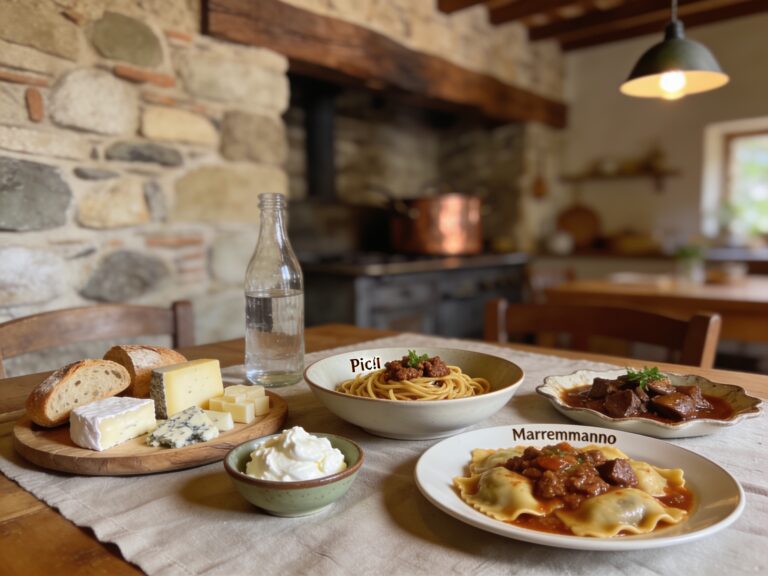
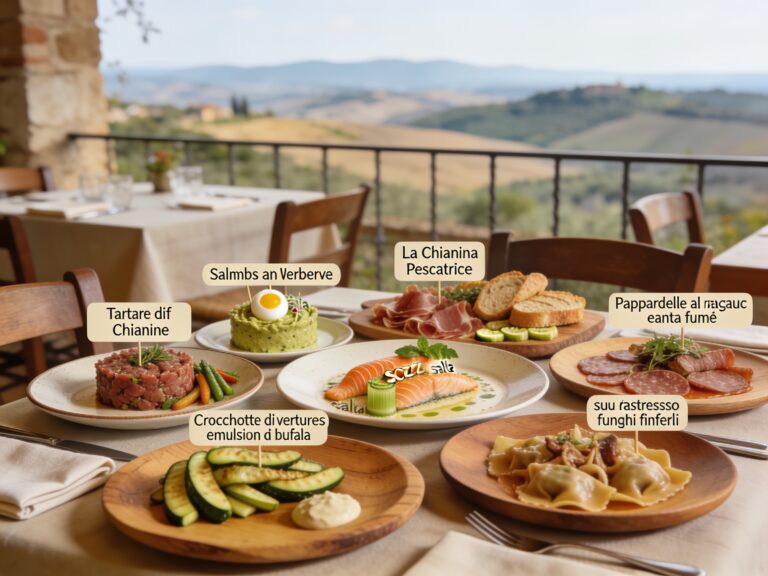
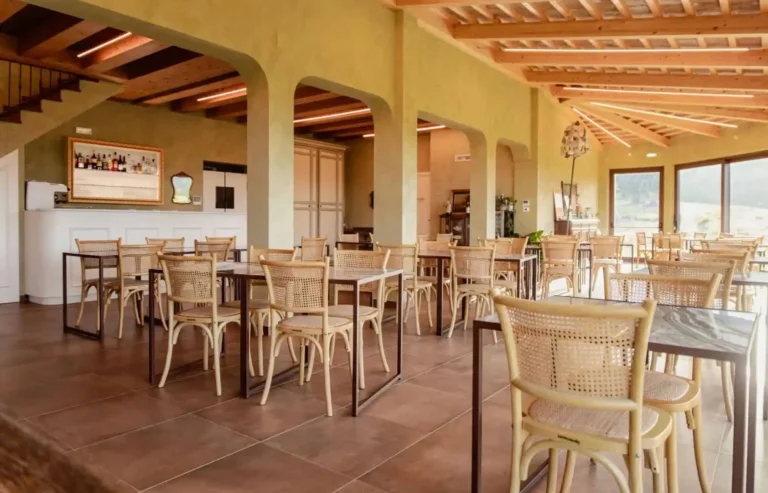
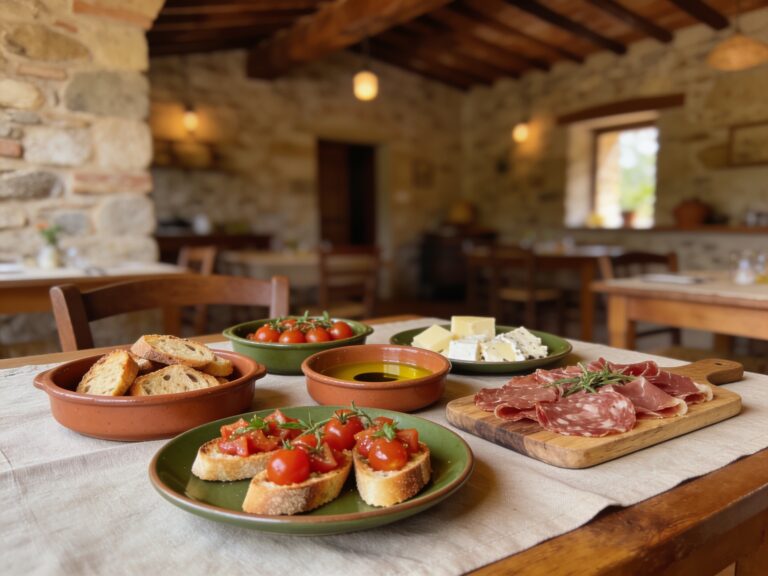
Where to bite into the authentic without falling into a tourist trap
So here's the thing, if you really want to know what history tastes like, you need to know where to look and what to pair it with.
Manciano Pecorino, the one and only travel companion

Manciano Pecorino
The pecorino of Manciano is a sheep's cheese from the local terroir maremman, enjoyed fresh and mild or aged and intense
Tosco Forget the classic versions and go straight for the *Rosso Manciano*: its rind rubbed with tomato and olive oil gives it a unique rustic character that easily rivals the stars of Pienza!
Manciano Pecorino is the only legitimate partner. Its strong character enhances the neutrality of the dough. It is the pillar of the recipe.
The cheese must be grated onto the burning-hot disc. The heat melts it instantly. This perfect union honors our farming tradition.
Check out the detailed sheet on the Ciaffagnone. There you will discover the secrets of this ancestral crepe.
The Festa delle Cantine and September's gatherings

Festa delle Cantine
A route through the taverns of Manciano's historic center, on the second weekend of September, between local specialties and wines
Tosco If you want my opinion as a wild boar piglet, skip the stew out of family solidarity and instead go for the authentic *ciaffagnoni* with pecorino as soon as the cellars open! Above all, don't miss the *fiaccolata a cavallo* on Friday evening: watching these riders parade by torchlight through the narrow streets is magical.
In September, the Festa delle Cantine is the ideal time. The cellars open and the mamas prepare hundreds of Ciaffagnoni. The atmosphere is electric.
Look for the small local shops in Grosseto. Avoid soulless tourist restaurants to find the real product.
| Event | Location | Period | Major interest |
|---|---|---|---|
| Festa delle Cantine | Manciano | End of September | Open cellars |
| Sagra del Ciaffagnone | San Casciano | June | Local street food |
| Local markets | Maremma | Year | Direct sale |
Sweet variations: when honey replaces cheese
For dessert, Maremma honey is a superb alternative. Fresh ricotta can also join in. This is an honest rustic sweetness.
Don't spoil anything with chemicals. Respecting the product comes through noble ingredients. Refuse the industrial to protect our heritage.
Stay simple, stay true. That is where pure pleasure lies.
The Ciaffagnone remains the soul of Manciano, a treasure of peasant simplicity that you will find nowhere else. By respecting its cooking in lard and its pairing with pecorino, you finally touch the truth of the Maremman terroir. Ready to brave the September crowd to taste the original?
Absolutely! The Ciaffagnone is a true institution, a culinary gem deeply rooted in the identity of Manciano et la Tuscan Maremma. It is essential to understand that this specialty is exclusive to this small part of Tuscany. You will not find it, or very rarely and in an altered form, in other regions of Italy, even in central Tuscany. Its authenticity is preserved by the relative isolation of the Maremma, where culinary traditions have resisted outside influences.
To enjoy it authentically, you must absolutely avoid overly touristy restaurants and menus translated into several languages. The secret is to favor local events and small shops run by locals. The best time to discover the Ciaffagnone is without any doubt in September, during the Festa delle Cantine in Manciano. During this event, the cellars open and many families prepare Ciaffagnoni in keeping with tradition. It is the ideal opportunity to taste this rustic crêpe prepared by local mamas. Another option is the Sagra del Ciaffagnone in San Casciano in June, although Manciano remains the historical heart of this specialty. Look for the stands where cooking is done on iron pans, with lard, and where the pecorino is grated to order. That is where you will find the soul of the Ciaffagnone, far from artifice. For a deeper immersion into the local culture and to hunt down these culinary treasures, I recommend consulting our guide on how to eat in the Maremma without breaking the bank, which will give you leads for finding authentic addresses and local events.
That's an excellent question and the history of the Ciaffagnone is fascinating! Indeed, the Ciaffagnone of Manciano is indeed the rustic ancestor of the French crêpe, but the differences are fundamental and essential to understanding its unique character. The main distinction lies in the ingredients and the cooking method. The Ciaffagnone is prepared with radical simplicity: water, flour, eggs and a pinch of salt. Unlike the French crêpe, it contains neither milk nor butter.
This absence of dairy products gives the Ciaffagnone an incomparable lightness and fineness. The batter is so thin that it is almost transparent, offering a texture that is both crispy and supple. The cooking is also crucial: it must absolutely be done in an iron pan, greased with lard. . The lard brings an inimitable smoky flavor and allows a violent thermal sear that gives this perfect golden crust, impossible to obtain with butter or on a modern non-stick pan. The egg simply acts as a discreet binder, avoiding any resemblance to a spongy omelette. It is this rusticity, this fidelity to basic ingredients and ancestral technique, that makes the Ciaffagnone such a special dish, a true testament to the peasant terroir of the Maremma, , long before Catherine de’ Medici exported the recipe to France and it was « denatured » by the addition of milk and butter at court.
If you want to taste the Ciaffagnone in the best conditions, there are indeed periods to favor. The ideal moment is late September, during the Festa delle Cantine in Manciano. . It is a very popular festival where the cellars open and where you can taste many local products, including the Ciaffagnone prepared in large quantities by the locals. The atmosphere there is very friendly and authentic. Another opportunity arises in June with the Sagra del Ciaffagnone in San Casciano, , although Manciano remains the birthplace of this specialty. Outside of these events, it can be harder to find Ciaffagnoni in regular restaurants, because it is a dish that has often remained a family tradition, prepared at home or at local gatherings.
As for the traditional way of eating it, there is only one way to do justice to the Ciaffagnone: it must be generously sprinkled with freshly grated Pecorino from Manciano. . The cheese is added on the still-burning disc, which makes it melt slightly and releases its intense aromas, enhancing the neutrality of the batter. It is a perfect combination that honors the peasant tradition of the Maremma. . For those who prefer a sweet touch, and this is a tolerated variation, it is possible to enjoy it with Maremma honey or fresh ricotta, , but never with overly elaborate toppings that would mask the simplicity and purity of the dish. To discover Manciano and its surroundings, and thus better understand the context of this specialty, I invite you to consult our article on 13. traveler reviews in the Maremma, , which will give you ideas for local exploration.
Absolutely, you can try to prepare Ciaffagnoni at home, but it is crucial to scrupulously respect the original recipe and avoid certain mistakes that would alter its authenticity. The first and most important rule is to forget milk and butter. The Ciaffagnone batter consists only of soft wheat flour, fresh farm eggs, pure water and a pinch of sea salt. . Water is essential to obtain that radical lightness and fineness, almost transparent, that characterize the Ciaffagnone. The batter must be very liquid and rest for at least a few hours, or even overnight, to reach the perfect consistency.
The second golden rule concerns cooking: you must absolutely use an iron pan and grease it with lard. Teflon or any other modern pan is a heresy that will not allow you to obtain the golden crust and the smoky taste so specific. The lard ensures a violent and inimitable thermal sear. The cooking gesture is also important: once the pan is hot and greased, pour a small amount of batter and spread it quickly by tilting the pan to form an ultra-thin disc. The flipping must be quick and precise, often done with a flick of the wrist so that the Ciaffagnone flies up slightly before landing on the other side. It’s an art! Don’t expect a thick texture like a pancake; the Ciaffagnone is a veil of flavor. Respecting these steps will allow you to get as close as possible to the culinary soul of Manciano.
The Maremma, and particularly the Grosseto region, is a true paradise for foodies in search of authenticity, well beyond the Ciaffagnone. After savoring this rustic crêpe, you absolutely must explore other culinary treasures. The Pecorino Toscano, notably the one from Manciano, is a must. This sheep’s cheese, with its strong character, is often used to accompany the Ciaffagnone, but it is also enjoyed on its own, with honey or in other local dishes. Meat is also very present in Maremman gastronomy. Don’t miss the cinghiale (wild boar), often prepared as a stew (ragù) to accompany pasta such as pappardelle, or as a civet. It is a robust and flavorful dish that perfectly reflects the wild character of the region.
Products from the land are in the spotlight, with seasonal vegetables and aromatic herbs that perfume many dishes. Acquacotta, a rich and hearty peasant soup made with vegetables, stale bread and sometimes an egg, is an emblematic dish of the humble but flavorful cuisine of the Maremma. The tortelli maremmani, large ravioli filled with ricotta and spinach, often served with simple butter and sage or a meat ragù, are a delight not to be missed. And to accompany it all, the wines of the Maremma Toscana DOC, especially the Sangiovese-based reds, are excellent. For a total immersion in local gastronomy without breaking the bank, our article on the food budget in the Maremma will give you valuable guidance for enjoying these specialties in authentic trattorias or at local markets.
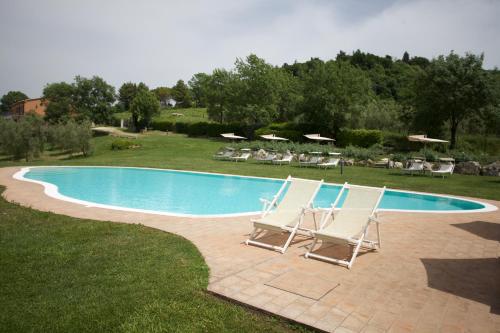
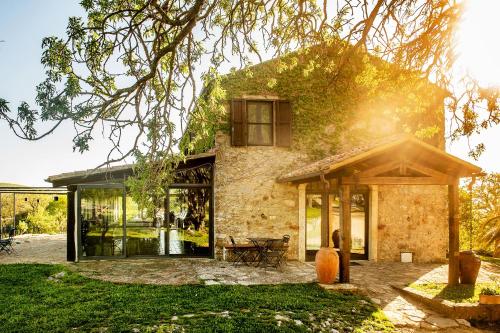
For a total immersion in the local culture and the authentic spirit of the Ciaffagnone, an agriturismo is without any doubt the ideal type of accommodation near Manciano. These restored farms offer not only comfortable lodging, but also a genuine connection with the territory, its traditions and its gastronomy. Many agriturismi in the Maremma offer products from their own production, such as olive oil, wine, vegetables, and sometimes even cheeses or cured meats, allowing you to taste the local flavors directly. Some even organize cooking workshops where you could learn to prepare regional specialties, including, who knows, the Ciaffagnone if you’re lucky!
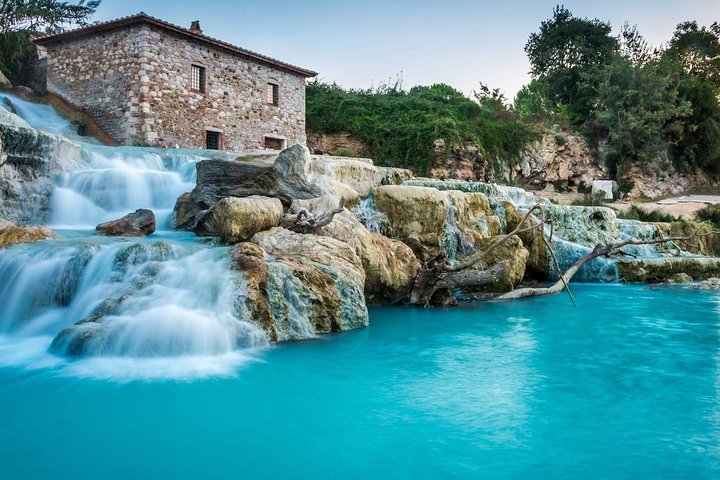
The advantage of agriturismi is that they are often located in the heart of the countryside, offering magnificent landscapes and absolute tranquility, far from the hustle and bustle of the cities. You will be close to the tufa hills, medieval villages like Pitigliano or Sorano, and the wild hot springs of Saturnia. . Look for establishments that emphasize their family character and their attachment to traditions. To help you choose and understand the costs, I recommend consulting our article on the cost of a night in an agriturismo in the Maremma, , which will give you valuable information on rates and the advantages of this type of accommodation. Opt for an agriturismo that values local production and will introduce you to the Maremma in its most authentic and delicious light.
Around this article

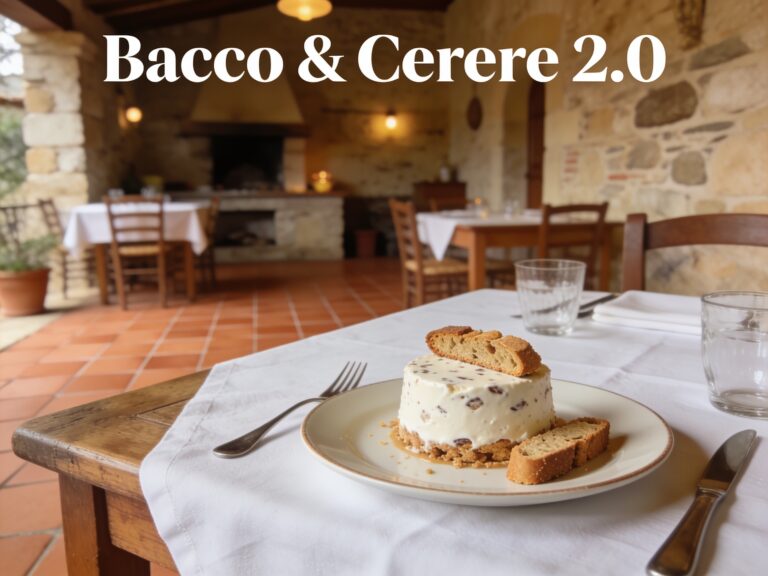
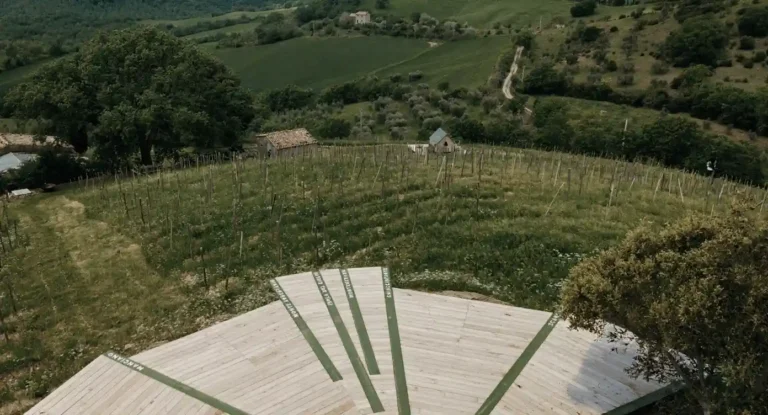
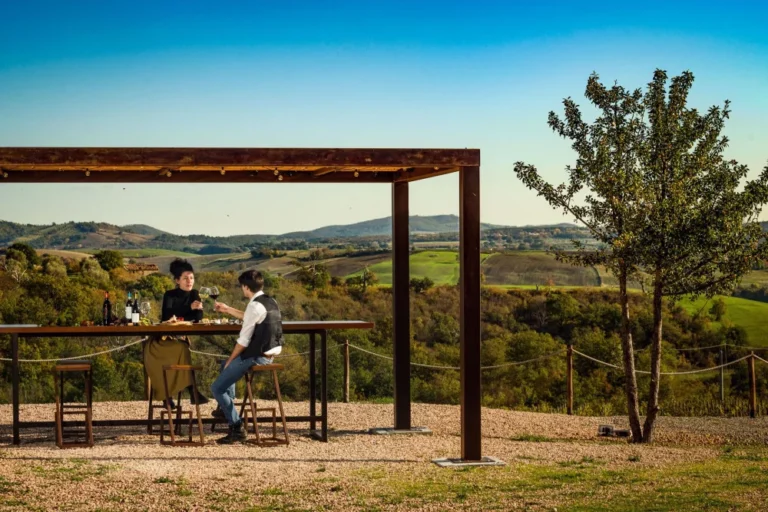
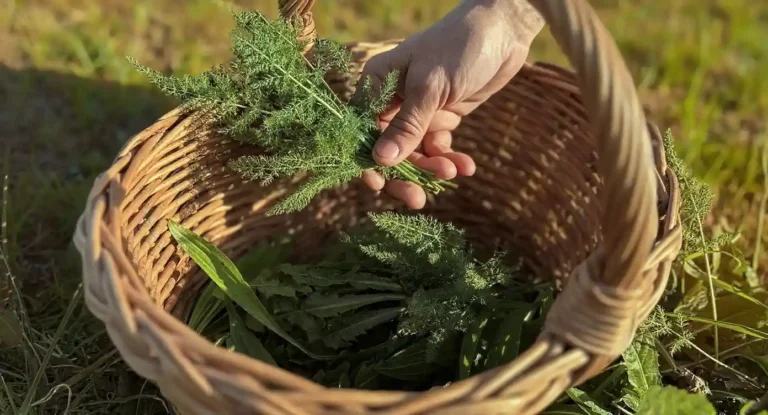
Maremma culinary workshop: wild herb foraging, tagliatelle class


Is the map not displaying? See accommodations on Stay22
Map and prices provided by Stay22: Toscane Cachée may receive a commission on bookings.
You will also like

What to do in Manciano: the Maremma village everyone passes through without stopping
Discover what to do in Manciano: explore the 12th-century Cassero, taste the…

I visited the Manciano cheese factory: how a Maremma pecorino is born
Discover the real Manciano cheese dairy tour. Come see how 260 farmers save Pecorino...

Maremma: the 10 specialties of Tuscan cuisine
Discover Maremma specialties: acquacotta, wild boar and pecorino. A practical guide to tasting…

Eating and drinking in Maremma: the guide to the real terroir 2026
Discover true Maremma gastronomy in 2026. Taste acquacotta and giant tortelli. Click…