Gastronomy

Boar cacciatora style
- Gastronomy
- Off the map
Wild boar alla cacciatora, a slow-cooked dish from the Maremma, is presented with a Morellino di Scansano pairing
311 lieux rated
Explore all of our secret destinations in Tuscany — wild thermal baths, medieval villages, Etruscan trails, Maremma vineyards and much more. Each entry has its rating, how to get there and what you need to know before going.
Wild boar alla cacciatora, a slow-cooked dish from the Maremma, is presented with a Morellino di Scansano pairing
In Sorano, acquacotta, a peasant soup from the Maremma, is the only concrete indication of this gastronomy address
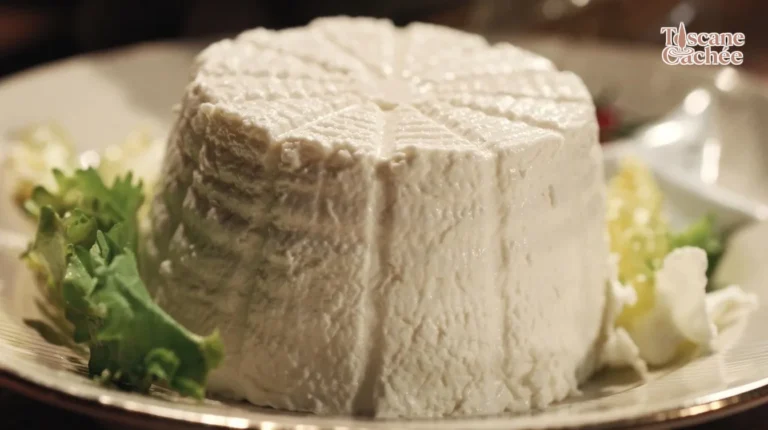
Sheep's ricotta from the Maremma is a typical dairy product of the area, described as creamy and light
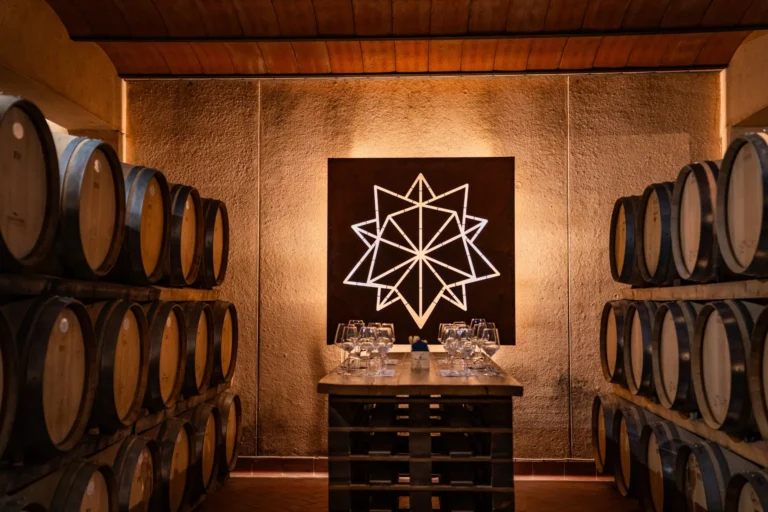
A visit to a wine estate in the Maremma followed by a tasting of three wines accompanied by Tuscan specialties
 GetYourGuide
An emblematic dish of the Maremma, these giant ravioli tell of a local culinary tradition
Pici with wild boar ragù embody Maremma cuisine: hand-rolled pasta and a rich sauce
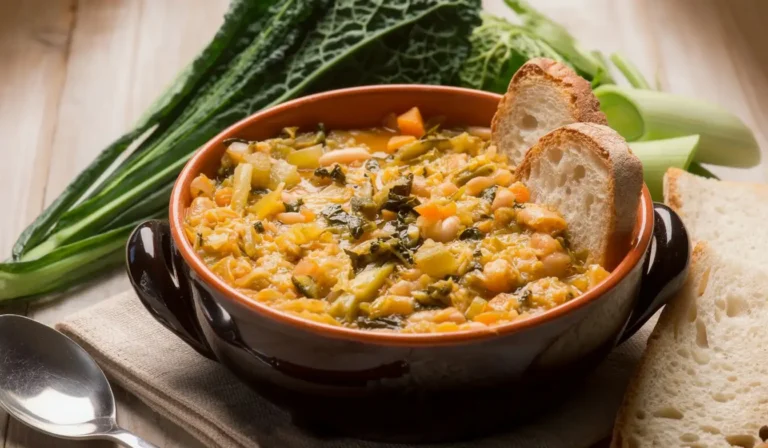
Ribollita, a peasant soup of vegetables and stale bread, embodies traditional Tuscan cuisine and warms you up after a hike in the hills of the Valdinievole
An address dedicated to samphire, a plant of salty environments, on the Laguna di Ponente
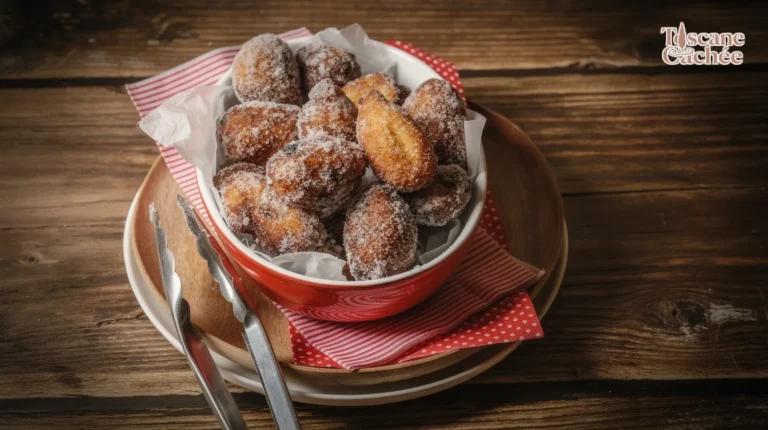
A peasant recipe for rice fritters tied to the feast of San Giuseppe, with no identified producer, place or price
An address built around schiacciata, a Tuscan flatbread, where Agnieszka accompanies a gourmet immersion
A winter dish of Tuscan peasant cuisine, polenta is served here with ragù and truffles
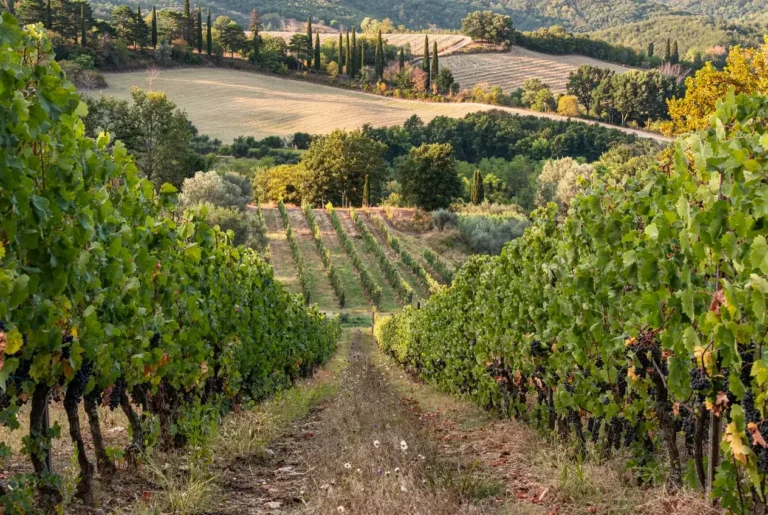
In the hills of Montecarlo (LU), a landscape of family estates and vineyards presented as untouched by mass tourism, as an alternative to better-known Tuscan appellations
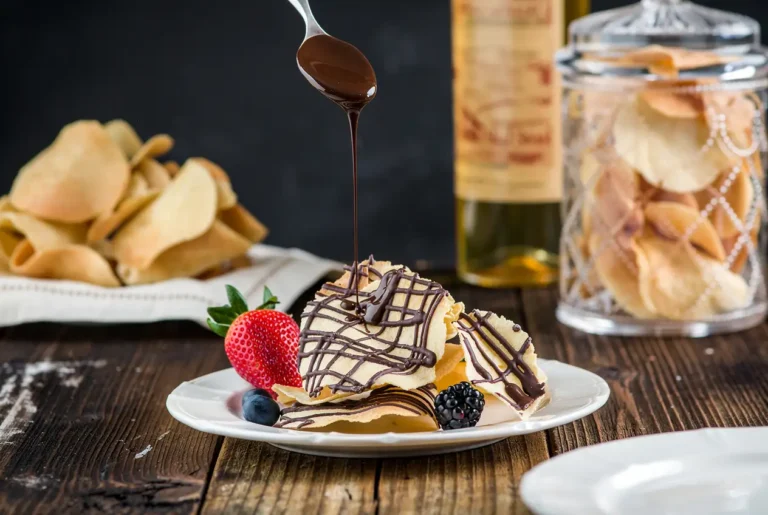
These thin crispy anise wafers are the typical sweet treat of the Montecatini region, to nibble while strolling through the alleys
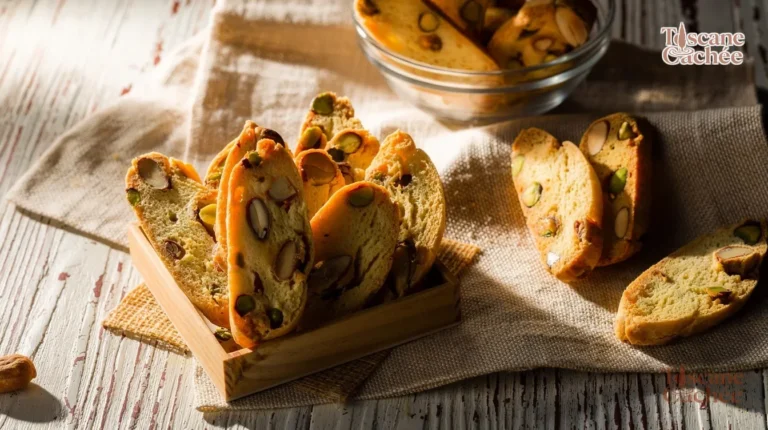
Cantucci, crunchy almond biscuits, are among the Tuscan sweet treats to be paired with a Vin Santo
An address for gastronomy and local products in Pescina, in the Maremma, whose exact nature remains to be confirmed
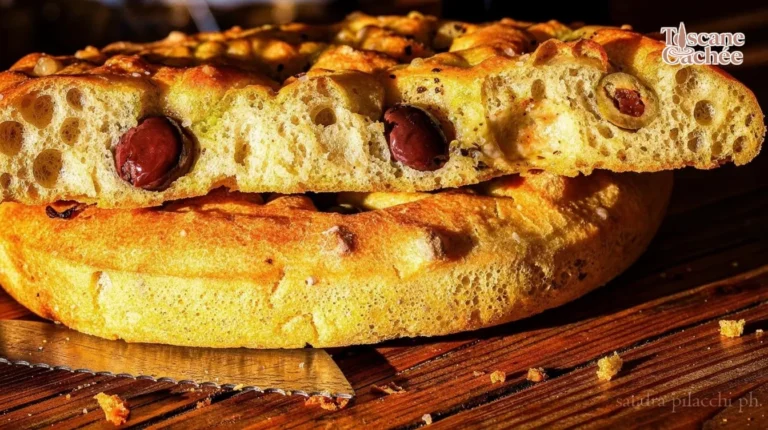
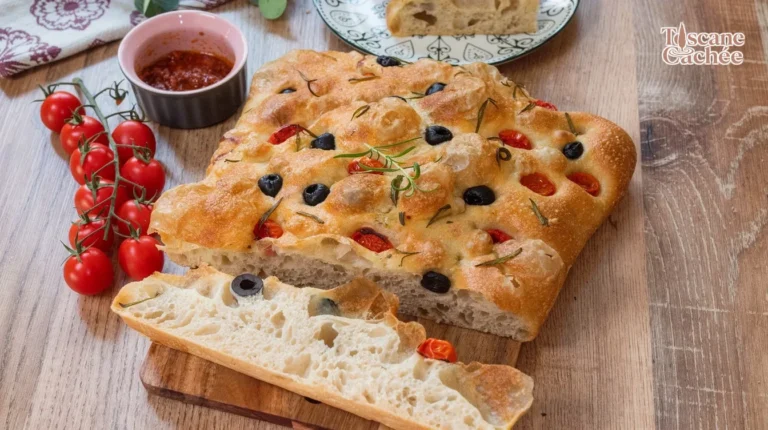
An address centred on focaccia in the Maremma, described as crispy on the outside and soft on the inside, with no producer or place named
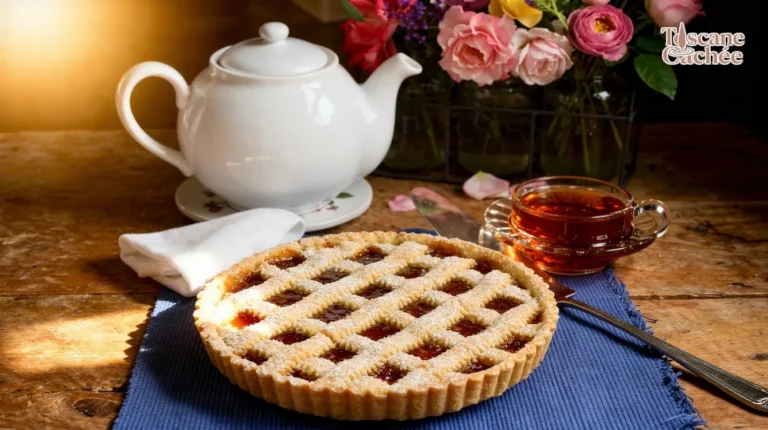
A rustic Tuscan tart to make yourself, with blackberry or apricot jam
Ranking by note Toscane Cachée: analysis of traveller reviews and information for each address (our method). Booking links are affiliate links.
Complete your trip
Explore
Moods, types and areas: each link leads to a page with its list, map and tips.
Our tip
Hidden Tuscany is an independent travel guide devoted to authentic Tuscany, far from the saturated tourist circuits. Our directory lists the places we have personally visited and documented: free-access wild hot springs, inhabited medieval villages, little-known Etruscan trails, discreet wineries, restaurants of trattoria family-run.
Each listing is rated on five criteria — authenticity, accessibility, value for money, photogenic quality and overall experience — to help you prioritize your visits according to your expectations. Whether you are planning a weekend in the Maremma, a thermal stay in Saturnia, a tour of the tuff villages or an exploration of the Etruscan coast, our directory is designed to be your starting point.
Use the filters by thematic hub or by place type to refine your search. The «Top ratings» ranking guides you toward our absolute favorites. Each card leads to a complete listing with detailed description, ratings per criterion, GPS coordinates and practical tips.
Questions fréquentes
Réponses tirées de notre base de 311 lieux, chiffres mis à jour chaque jour.
The best-rated addresses on Toscane Cachée are the natural thermal baths of Saturnia and the Cascate del Mulino, toutes deux à 8.2 sur 10 ; la note moyenne du site est de 6.9 et seuls 37 lieux sur 311 décrochent le statut de coup de cœur. Pour commencer, prends donc l'un de ces deux thermes si l'eau chaude en plein air te tente, puis le village de Massa Marittima if you want heritage.
What makes the difference is the type of visit you're looking for: the thermal baths are concentrated around Saturnia and Manciano, Etruscan heritage around Pitigliano, Sorano and Sovana, and nature in the Maremma Park and its beaches. The ranking follows a demanding criterion, not popularity: an address rated 8 out of 10 is already well above average.
Honest limit: our ratings are based on the analysis of reviews and available information, not on visits by the editorial team, and a good score doesn't tell the whole story of the day's experience. Choose according to your desires, then check opening hours and access before leaving.
Maremma occupies the southwest of Tuscany, along the Tyrrhenian coast, between Livorno and the border with Lazio, north of Rome. It stretches from the inland hills (Massa Marittima, Scansano, Pitigliano) down to the sea, passing through the Maremma park and the Orbetello lagoons. To orient yourself, think of three major landmarks: Mount Amiata to the northeast, the Val d'Orcia further north, and Lazio to the south, where Tuscia begins.
To choose your area, start with what you want to do. If you're after nature and beaches, look at the coast around Grosseto and the park, with places like the Maremma Park or the Collelungo beach. If you're interested in Etruscan history, the tuff villages of the south, such as Pitigliano, Sorano and Sovana.
One limit to keep in mind: Maremma is vast and distances between the interior and the coast are often covered by car. So plan to stay in one or two areas rather than trying to see everything.
For nature and beach, choose theArgentario and the Orbetello lagoon if you want the greatest choice: it is the richest area of the hub with 54 places listed, including beaches, natural parks and the lagoon itself. The Orbetello lagoon remains one of the best-rated places in the Natural Park category, with a landscape of wetlands and birds that changes with the seasons.
If you prefer a more urban base from which to explore the Maremma Park, look at Grosseto and the Maremma Park (26 places). L'Alberese and the beaches of Collelungo or Cala di Forno are well rated there, but the beach offering is shorter and more scattered, so plan for more car trips.
Honest limit: our ratings are based on the analysis of reviews and available information, not on visits by the editorial team, and beach crowds in high season can quickly turn a beautiful day into a queue.
The sagre are the most direct way to taste popular Tuscany: the catalogue counts 63 fêtes spread across the entire region, it is the most represented category on the site. To choose, first look at the season: a mushroom or chestnut sagra only makes sense in autumn, whereas a village festival in summer often takes place in a square in the evening.
If you want to combine festivities and scenery, focus on areas rich in local produce such as the Argentario coastline and the Orbetello lagoon, where eel holds a central place on local tables. In the Etruscan villages, the festivals are more modest but more authentic. An honest limit: the dates change every year, so check the municipality's calendar before planning your trip.
For a first stay, favor Pitigliano if you want the most spectacular village that is easiest to take in at a glance: its tuff houses cling to the cliff, and the central square (Piazza della Repubblica) is the best entry point to the whole. Choose Sorano if you want a calmer, more compact village where you can stroll without crowds. Sovana is aimed more at those who come for archaeology: its necropolis is one of the most evocative Etruscan sites in the area.
The simplest approach is not to choose just one village: the tuff area can be explored in a loop, in a few days, and all three are only a few minutes' drive from each other. For a wilder dimension, add Vitozza, an abandoned troglodyte town, but bring good shoes, the ground is uneven. All these places are well rated in our catalog, but the rating does not replace your own preference: if you like lively squares, go to Pitigliano; if you prefer quiet, stay in Sorano.
For the thermal baths, choose Saturnia if you want an open-air, free and spectacular bath among the travertine terraces, and the Val d'Orcia (Bagni San Filippo) if you want calmer, developed hot water set in a hilly landscape. Saturnia and the Cascate del Mulino are in the same area (Saturnia and Manciano), with the same sulfurous water; the difference lies mainly in atmosphere and comfort. Bagni San Filippo, in the Val d'Orcia, is farther from the main roads but offers a more intimate experience, with natural pools of white limestone.
To decide, look at each address's rating: 8.2 for Saturnia, 8.2 for the Cascate del Mulino, 8.0 for Bagni San Filippo. These gaps are small: the rating should not decide on its own. If you travel in winter or with children, favor the developed pools; if you want the wild side, the natural springs of the Saturnia area remain the best choice.
Natural thermal baths attract crowds in high season, and access to free springs may be subject to local rules. So check access conditions and opening hours before you go, and be careful with water temperatures, which can be high.
For a first trip, prioritize Massa Marittima, Pitigliano and Sorano, qui figurent parmi les adresses les mieux notées de Toscane Cachée (Massa Marittima note 8.1 sur 10, Pitigliano 8.0, Sorano 8.0). Notre note est volontairement exigeante : sur les 311 lieux du site, la moyenne n'est que de 6.9, et seuls 37 lieux sont des coups de cœur.
To choose, look at what makes the difference: Massa Marittima and its central square are enough for half a day, while Pitigliano and Sorano, built on tuff, combine well with the Etruscan necropolises of Sovana. If you want Etruscan sites, filter by Pitigliano, Sorano and Sovana ; if you prefer medieval heritage and mines, go instead for Massa Marittima and the metalliferous hills.
Honest limit: these villages are very popular in high season, and our ranking is based on analyzing reviews and available information, not on visits by the editorial team. Check opening hours before you go.
Display
Sort by
Universe
Place type
Territory
Hidden Tuscany Rating
Our score out of 10 is deliberately demanding: the favourites are the top 10% rated in the hub.
 Français Français
 Italiano
 English
 Polski
 Português do Brasil
 Nederlands
 Español
 Deutsch






 Wine tastingsTastings around Semproniano
 ActivitiesWhat to do around Semproniano
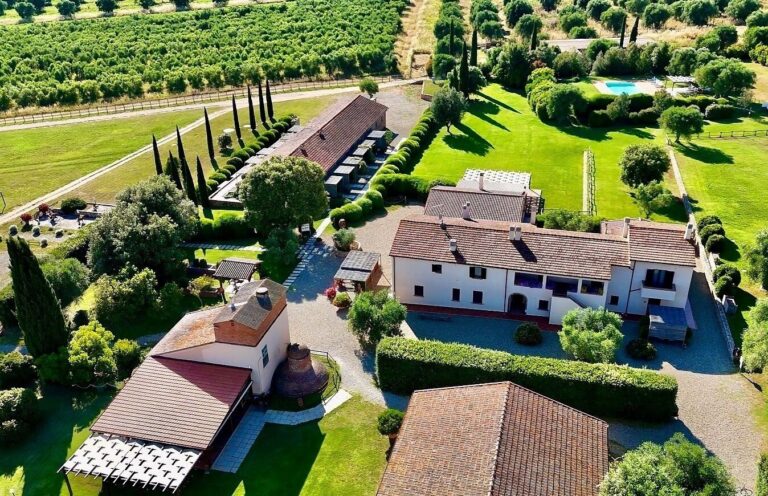 AgriturismosAgriturismos around Semproniano
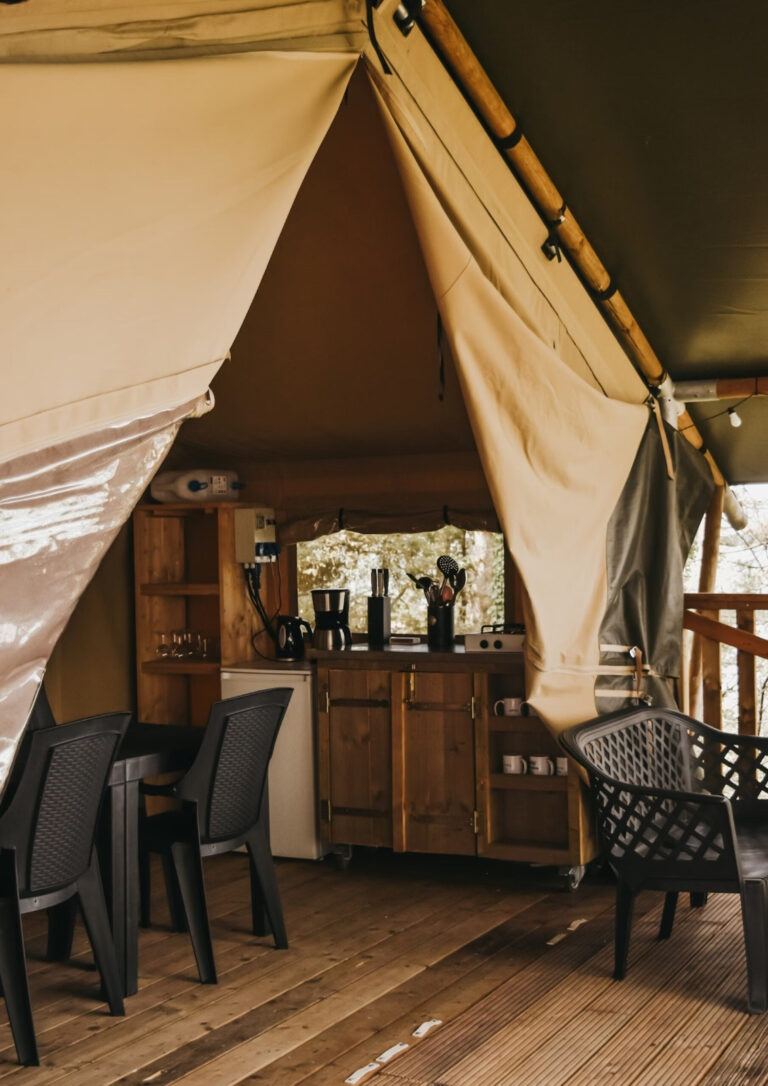 AccommodationsWhere to stay around Semproniano